
Short Animation: Stranded
Donia Liechti and Vicky Penzes’s SVA thesis short: castaway builds shelter, a seagull ruins the plan, and a chase relocates the farce.
Desert-island cartoons usually ask how a castaway endures weather, hunger, and loneliness. School of Visual Arts students Donia Liechti and Vicky Penzes answer with a different scarcity: peace. Their 3D short Stranded (thesis work from the early 2010s, circulating widely by 2013) follows a man who tries to build shelter and scavenge food while a silly seagull decides the island’s real drama is irritation. After the bird enrages him, a chase dumps both into an unexpected place. The logline is almost a sitcom pitch—and that is the point. Survival here is a two-hander comedy about shared territory.
An island with only one good joke—and it works
Festival listings and portfolio notes preserve a clean synopsis: man adapts; seagull interferes; conflict escalates; geography surprises. Specialists credited alongside the directors in festival records include Shendy Wu, J.D. Gardner, and Adrienne Deluca—a reminder that even a duo-led student short is a crew sport. Liechti’s own portfolio later lists Stranded as thesis work and specifically notes set modeling and layout, which cues how to watch the film: the island is not a flat backdrop. Shelter, scavenging routes, and the bird’s flight paths need readable space if slapstick is going to land.
Where some student comedies stockpile prop gags, Stranded bets on character rhythm. The man wants order—structures, routines, the dignity of making do. The seagull wants whatever ruins that order at the funniest angle. That opposition is older than animation (Bugs Bunny vs. Elmer, roadrunner vs. coyote), but the island setting tightens it. There is nowhere to storm off to. Every failed truce returns both players to the same sand.
Slapstick survival, not castaway melodrama
Live-action castaway stories often turn inward: memory, guilt, the psychology of isolation. Stranded turns outward into physical comedy. Building a shelter is an animation showcase—weight, balance, cause and effect—but it is also bait. The moment competence appears, the bird has something worth wrecking. Scavenging for food becomes a contest over resources that are comic before they are nutritional. The short’s humor depends on treating the seagull as an equal scene partner, not a background animal. If the bird is only “silly,” the chase is noise. If the bird has timing, the chase is plot.
The “unexpected place” promised by the synopsis is the short’s structural dare. Island films risk sameness: beach, palm, ocean loop. A chase that relocates the conflict is how a student team proves they can stage geography as a punchline. Without spoiling the turn, the useful critical frame is comic continuity: can the film move from domestic survival beats into kinetic pursuit without losing the relationship that made the first half funny? The piece’s online life—shared on Vimeo, picked up by 3D and festival aggregators—suggests audiences followed that turn.
SVA thesis energy
School of Visual Arts computer-art and animation theses of this period often aimed for festival-readable premises: one location, two strong characters, a finishable pipeline. Stranded fits that mold without feeling like a checklist. The desert island is a closed system that forces clear staging. The man/bird pair gives animators acting problems—frustration, gloating, panic—without requiring pages of dialogue. The chase gives layout and camera something to do beyond pretty establishing shots.
Compared with solo thesis comedies built around a single failed professional (a scarecrow who cannot scare, for example), this short is about cohabitation under pressure. The man is not bad at his “job” of surviving; he is interrupted. That distinction matters for tone. Incompetence comedies invite sympathy for a bungler. Annoyance comedies invite sympathy for anyone who has tried to finish a task while a living creature treats your focus as a toy. Both can be funny. They are not the same joke.
How to watch the craft
First pass: enjoy the rivalry. Second pass: track eye-lines and pursuit paths—how the camera sells distance on a small island. Third pass: ignore the bird for a minute and study the man’s construction work. Student CG often hides hours inside “simple” props: planks, ropes, shelter joints. Those details are where the film argues it belongs in a portfolio, not only in a laugh reel.
Also watch silence and sound design choices common to dialogue-light shorts. If the comedy is physical, audio becomes half the performance—wing flaps, impacts, the musical punctuation of rage. Even without a published cue sheet in every write-up, the form itself tells you where to listen: every time the man almost achieves calm, the mix should tip toward the bird.
Geography as comic partner
Closed-world shorts succeed when the environment participates. Sand that slips, wood that refuses to stay stacked, water that looks drinkable until it isn’t—these are animation problems that double as jokes. An island also offers vertical comedy: cliffs, tidal edges, sky for the bird, ground for the man. The chase promised in the synopsis only works if height and distance are readable. That is why set modeling credit matters in a film like this. Without believable terrain, the rivalry floats. With it, every stumble has weight.
Student teams often overbuild cities they cannot light. Stranded chooses a location that can be finished: limited foliage vocabulary, strong horizon, a shelter that can be shown in stages. Incremental construction is perfect for comedy because progress is visible—and therefore stealable. The seagull does not need complex motivation if the man’s hard-won order is always one wingbeat from chaos.
Why the short still circulates
Internet short culture rewards premises you can pitch in one breath. Man vs. seagull on an island is that pitch. What keeps Stranded from evaporating after the pitch is the commitment to escalation and relocation—the sense that the film is willing to leave the postcard beach when the joke needs a new room. Liechti and Penzes did not invent the pest animal, but they used the pest to stress-test a survival setup until it became farce. Festival pages that kept the same synopsis years later are a quiet compliment: the film’s identity did not need rebranding to travel.
For viewers collecting early-2010s student CG, the film is a useful specimen of the two-character engine: limited cast, strong wants, a location that becomes a third personality. Duo direction can fracture tone; here the public record presents a unified comic voice, which suggests the pair agreed on timing before they agreed on shaders. The man wants a livable island. The seagull wants a playground. Somewhere between those wants, a thesis team built a chase that still plays—shelter half-built, feathers in the way, and an ending that reminds you desert islands are only empty until something else lands.

Comments
Continue reading
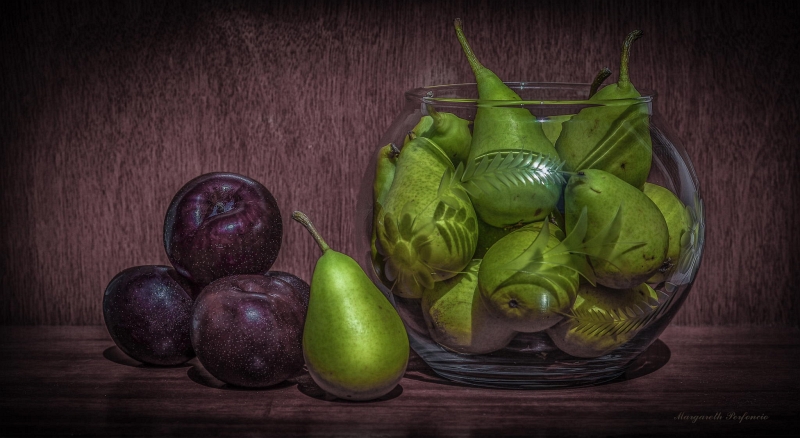
Still-Life Photography by Margareth Perfoncio
São Paulo photographer Margareth Perfoncio’s still lifes of food and flowers—Old Master light, dark wood, and tables that feel inevitable.

Meaningful Love Quotes for Inspiration (and Ink)
Meaningful love quotes that still feel true — short lines for tattoos, gifts, and everyday reminders, with placement and wording tips.

Christina Hess’s Animals From History: Costumed Pets as Playful Portraits
Illustrator Christina Hess reimagines historical icons as ornate animal portraits—Elvis Petme and friends—mixing puns, costume detail, and soft history lessons.