
Moonwalk: Dean Potter’s Highline at Cathedral Peak
Dean Potter walks a highline on Cathedral Peak at sunset while Mikey Schaefer photographs him against a rising moon for National Geographic’s The Man Who Can Fly.
High above Tuolumne Meadows, on the granite summit of Cathedral Peak, Dean Potter stepped onto a highline while the sun drained from the western sky and a full moon climbed behind him. From more than a mile away, photographer Mikey Schaefer compressed that scene through a long telephoto lens until Potter’s silhouette and the lunar disc shared one improbable rectangle. The resulting images—and the short film that travels with them—are known simply as Moonwalk: not a dance-floor tribute, but a climbing and photography feat staged for National Geographic’s project The Man Who Can Fly.
The name fits the mood. Potter walks where most people would refuse to stand, and the moon becomes a stage light the size of a coin. Nothing in the stills is a digital collage of disc and climber. The alignment is optical and astronomical. Schaefer planned the camera position so that, from his ridge, Potter and the rising moon would lock together at the right minute of twilight.
Dean Potter on the line
Dean Potter was already a defining figure in free solo climbing, highlining, BASE jumping, and wingsuit flight when this sequence was made. He favored being untethered. On the Cathedral Peak highline he moved without a leash, trusting years of practiced catching if a fall threatened the webbing. In interviews around the National Geographic special, he described highline focus as stripped down: breath, connection to the line, and the simple need to reach the other side.
Cathedral Peak rises to roughly 10,911 feet in Yosemite National Park. Setting a highline on that summit is already a logistics puzzle; walking it at sunset while a film team waits for a celestial cue multiplies the stakes. Potter’s presence in the frame is small against stone and sky, which is part of the image’s power. He is not posing as a giant. He is a thin figure negotiating air, while the landscape stays immense.
Viewers who only know Potter from later headlines should still meet this work on its own terms. Moonwalk belongs to a period when National Geographic and collaborators were documenting his pursuit of human flight—free solos on El Capitan, wingsuit experiments, and exposed highlines that treated balance as a kind of aerial language. The Cathedral Peak crossing sits inside that larger narrative as a visual climax: human scale against lunar scale, both held by a single shutter and a thin strip of webbing.
How Mikey Schaefer made the shot
Photographer Mikey (Michael) Schaefer has called the Moonwalk one of the most complicated images of his career. The idea began roughly a year earlier, when Potter noticed a moonrise over Cathedral Peak and imagined a photograph. Skepticism followed, then homework. Schaefer used planning tools such as The Photographer’s Ephemeris to predict where the moon would appear relative to the summit from a workable vantage. The night before the shoot he hiked with a GPS to confirm the line of sight. The moon rose where the charts promised.
On the evening of the capture, Schaefer set up about 1.2 miles west of Potter, on an adjacent ridge in the Tuolumne Meadows area. He began shooting around 7:30 p.m. with a Canon body and an 800mm lens paired with a 2x extender—extreme glass that flattens distance and enlarges the moon until it can share the frame with a human figure. Timing was ruthless. He had only minutes when leftover sunlight still touched Potter while the moon was bright enough to register, keeping exposure differences manageable. Miss that window and either the climber vanishes or the lunar disc blows out.
Video crews worked from related positions for the National Geographic piece; stills and motion share the same obsession with alignment. Behind-the-scenes accounts emphasize that the moon’s apparent size is a product of focal length and distance, not of pasting a larger disc in post. That honesty matters for how the images circulate. They look like fantasy because the geometry is rare, not because the photograph cheats.
What the pictures communicate
Adventure photography often sells motion blur, grit, and nearness. Moonwalk does the opposite. It is calm, almost ceremonial. Potter’s posture on the line reads as concentration rather than spectacle. The moon is not a logo stamped behind him; it is a second character with its own schedule. Together they suggest a conversation between climbing craft and celestial craft—both requiring patience, both punishing small mistakes.
The sequence also clarifies why highlining photographs can feel philosophical. A rope or webbing drawn across empty air turns exposure into a visible line. The climber becomes a moving punctuation mark on that line. Add a full moon and the metaphor thickens: night arriving, day leaving, a person balanced between. You do not need climbing jargon to feel that tension. You only need to know that falling has consequences and that the moon will not wait.
For photographers, the lesson is less “buy a longer lens” than “treat planning as part of the art.” Schaefer’s GPS night, Potter’s earlier observation, and the National Geographic production scaffolding all had to converge. Wilderness access, weather, and human endurance sit outside the viewfinder. The iconic still is the tip of a year-long arrow.
Context inside The Man Who Can Fly
National Geographic’s The Man Who Can Fly followed Potter through Yosemite and into British Columbia, weaving free solos, wingsuit flights, and partnership with his dog Whisper into a portrait of risk and curiosity. The Moonwalk highline is one chapter in that arc, yet it became the image many people remember first—partly because it is so instantly readable. You can grasp the premise in a second: man, line, moon, mountain.
That readability is a gift and a trap. Shared without credit, the photo can float free of names. Keeping Dean Potter and Mikey Schaefer attached to the frame restores authorship. Potter supplied the body and the nerve; Schaefer supplied the vantage and the optical compression; Cathedral Peak and the lunar cycle supplied the stage that no studio could build.
If you come to this page expecting pop-culture dance history, the Yosemite story may surprise you. Stay with the surprise. Adventure media sometimes borrows glamorous titles; here the title points upward. The walk is real. The moon is real. The mile of air between camera and climber is real. What looks like magic is mostly preparation meeting a clear evening in the Sierra.
Look once for the silhouette. Look again for the thin dark thread under Potter’s feet. That thread is the entire plot. Everything else—the summit granite, the rising disc, the National Geographic credit—exists to make that plot visible from a distance no handheld phone could bridge. When the light finally leaves the rock, the photograph remains: a climber mid-crossing, a moon mid-rise, and a reminder that some of the best outdoor images are appointments kept with the sky.

Comments
Continue reading
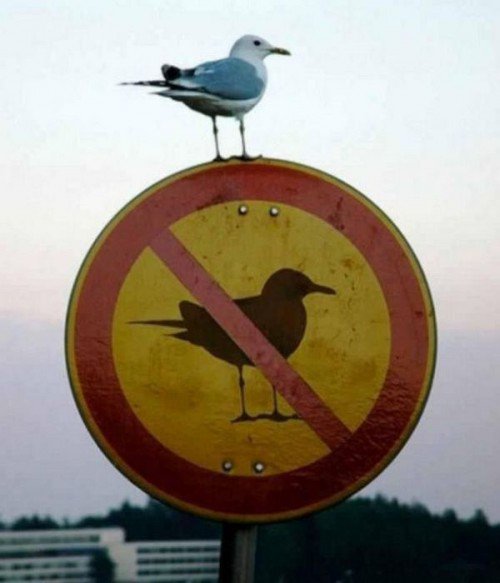
Funny Animal Signs That Warn People (While Animals Ignore Them)
From a seagull on a no-birds disc to classic zoo and park ironies—why animal warning signs get funny, and what the rules are still for.
How to Find Local Amenities on Vacation: Mechanics, Haircuts & More
Locate trustworthy local services and everyday spots while traveling or settling in—using publications, reviews, map apps, neighbor tips, and low-pressure exploration.
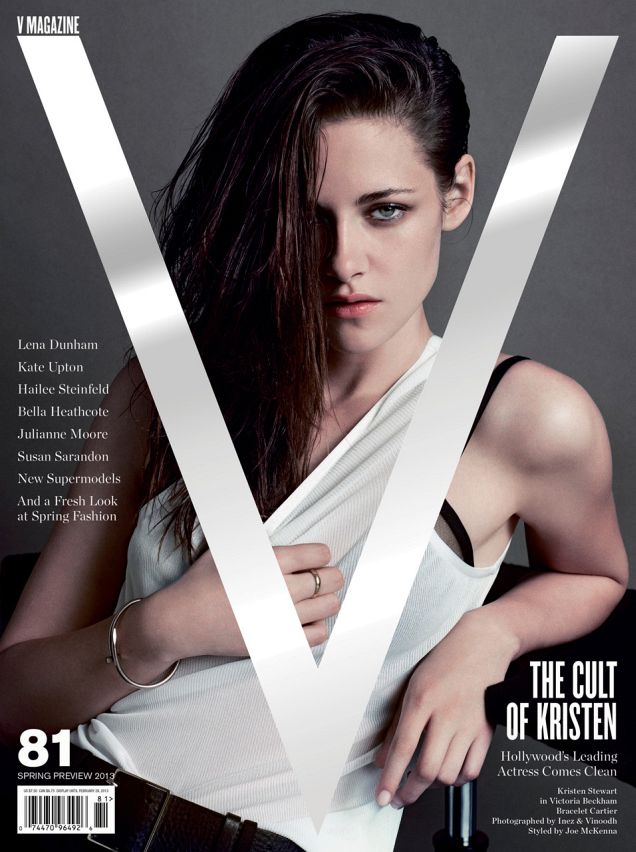
Kristen Stewart for V Magazine, Spring Preview 2013
V81’s Wild at Heart cover story—Kristen Stewart shot by Inez & Vinoodh, styled by Joe McKenna, in pale minimal spring glamour.