
Short Animation: Selfie
Andy Martin’s Pictoplasma #CharacterSelfie minute—a 60-second body-horror gag about phone vanity at the peak of selfie culture.
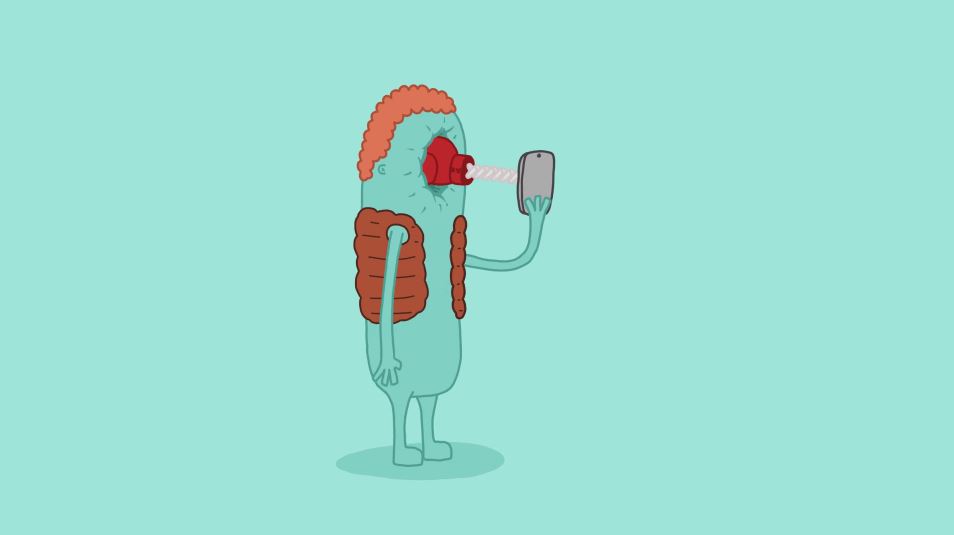
In early 2014, when “selfie” was still riding its status as Oxford Dictionaries’ 2013 Word of the Year, London animator Andy Martin answered a festival brief with a one-minute cartoon that treats the front-facing camera like a cursed mirror. Selfie—made for Pictoplasma’s #CharacterSelfie project—calls itself a “60 second warning about self obsession,” and it means the joke medically: the phone flash becomes a trigger for warts, melting flesh, skeletal collapse, and at least one bovine transformation. The short is not a PSA with a wagging finger. It is body-horror slapstick aimed at a cultural habit that had already colonized every feed.
A festival prompt, not a thesis film
Pictoplasma’s Character Selfie call asked designers and animators to counter “blurry duck faces” with invented characters posing for the lens—an exhibition-minded jab at narcissism dressed as participation. Martin’s contribution stands apart from many student graduation pieces in this series of shorts because it is commissioned culture-work: short, timed to a meme’s peak heat, and built to travel on Vimeo and design blogs within days of posting. Coverage from Stash, Creative Bloq, and The Daily Dot treated it as a timely gag about auto-portraiture’s side effects—the wide-angle face warp, the compulsive retake, the idea that looking at yourself might eventually remodel the body.
Martin works under the Handymartian banner as an animation director who also draws and makes music; industry notes around the release also place him in the Strange Beast orbit. That mix matters to how Selfie reads. The short does not sell a world with deep lore. It sells a graphic character who can absorb cartoon violence as metaphor. Behind-the-scenes material Martin shared—brainstorm pages, a still of the character’s “actual” selfie, even a small stop-motion insert—shows the piece as a handmade burst rather than a pipeline demo reel. Sixty seconds is enough when every beat is another side effect.
Self-obsession as physical gag
The comic engine is escalation without dialogue. Raise the phone, take the picture, suffer. The afflictions pile up the way social metrics do: one more shot, one more distortion, one more identity that looks less like a person and more like a punchline. Turning the subject into a cow is the cleanest emblem—literalization of herd behavior and of how the camera flattens personality into a type. Melting and skeletal gags borrow from older cartoon traditions (Tex Avery physics, rubber-hose panic) and aim them at a then-new ritual: the arm’s-length portrait that exists to be posted.
What keeps the short from feeling like a lecture is speed. Moralizing shorts linger on consequences; Martin cuts to the next mutation before the sermon can land. That pacing is why the piece still works as a time capsule of 2013–2014 internet culture. It does not need to name Instagram or a specific app. The gesture is enough. Anyone who has watched a friend retake a photo until the face becomes a different species of itself recognizes the logic.
Character design in the age of the front camera
Pictoplasma’s festival culture has long championed strong character design—readable silhouettes, graphic color, personalities that survive without exposition. Selfie uses that language against the selfie itself. The protagonist is drawn to be identifiable in a thumb-sized frame, then systematically ruined by the act of framing. That contradiction is the craft joke: a character built for iconography is destroyed by icon-making. Wide-angle distortion, already a real photographic problem, becomes narrative fuel. Martin’s short is not about photography technique; it is about what happens when technique becomes identity work.
Compared with longer animated satires that build cities of consumer dread, this minute is closer to a festival bumper or a title-sequence gag that somehow became a standalone film. That brevity is a feature. It matches the attention economy it mocks. You can watch it between notifications. You are not asked to invest in a plot arc. You are asked to feel the itch of one more take—and to laugh when the take bites back.
How it sits beside other short comedies
Many short animations in the early 2010s used CG polish to stage chase gags or school-film premises. Selfie takes a different lane: graphic 2D energy, cultural topicality, and a single prop—the phone—as both camera and weapon. There is no desert island, no scarecrow job, no woodland gift. The conflict is internal and technological. That focus makes the short useful as a historical marker. When people later talk about “selfie culture,” this is the kind of object that shows how designers processed the word while it was still new enough to be funny.
The piece also documents a distribution path that defined that era’s motion-design scene: festival prompt → studio/personal site → Vimeo → design press → meme blogs. Views climbed quickly after upload; the short became a shareable argument that animation could comment on platforms without becoming a brand film. Martin’s own framing—“a 60 second warning”—is half joke, half accurate genre label. Warnings in cartoon form have always worked best when they look like entertainment first.
Humor without a villain
Satire about vanity can tip into cruelty—laughing at ugly faces, punishing women for makeup, punching down at people who want to be seen. Martin’s short largely dodges that trap by making the camera the antagonist and the body the cartoon playground. The character is a type, not a doxxed individual. The punishment is surreal, not social. That choice keeps the minute closer to classic animated cautionary gags (don’t touch the red button) than to reality-TV mockery. You can recognize yourself in the compulsion without feeling targeted as a demographic.
It also helps that the short never explains the rules. There is no scientist, no app Terms of Service scroll, no voiceover. Cause and effect are purely cinematic: pose, flash, consequence. In a media environment already drowning in explainers about narcissism, the refusal to lecture is refreshing. The audience completes the argument. Animation supplies the symptoms.
Rewatching for craft, not nostalgia
First pass: ride the mutations. Second pass: watch the timing between flash and consequence—how little air the short gives the gag to breathe. Third pass: ignore the punchlines and study the character’s graphic construction—how much personality survives each deformation. That third pass is where Martin’s illustration background shows. The film is funny because the design stays readable even when the body fails.
If you come to short animation looking for student theses about friendship or survival, Selfie will feel like a different species of short: a festival dart thrown at a habit. It belongs to the moment when holding a phone at arm’s length still felt novel enough to satirize. The flash still goes off. The face still changes. The warning still fits in a minute—and still ends with the uneasy sense that the next portrait might be the one that sticks.

Comments
Continue reading
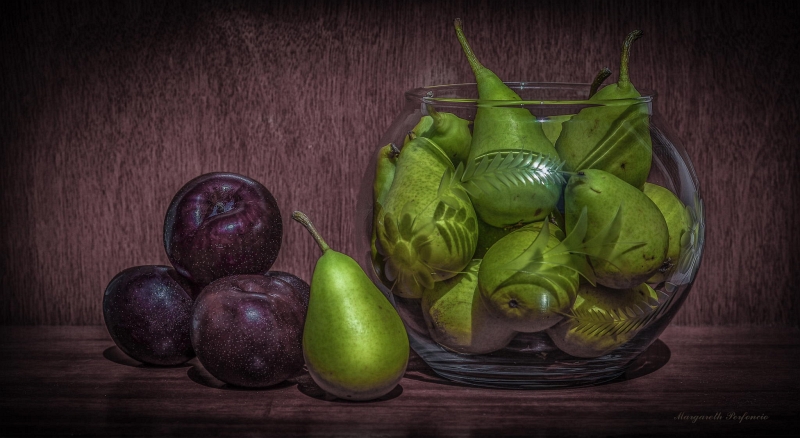
Still-Life Photography by Margareth Perfoncio
São Paulo photographer Margareth Perfoncio’s still lifes of food and flowers—Old Master light, dark wood, and tables that feel inevitable.
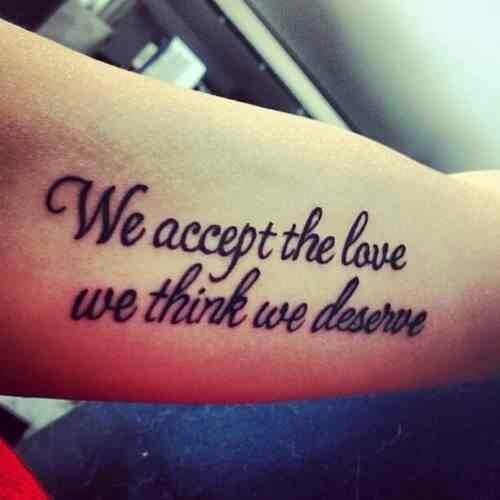
Meaningful Love Quotes for Inspiration (and Ink)
Meaningful love quotes that still feel true — short lines for tattoos, gifts, and everyday reminders, with placement and wording tips.
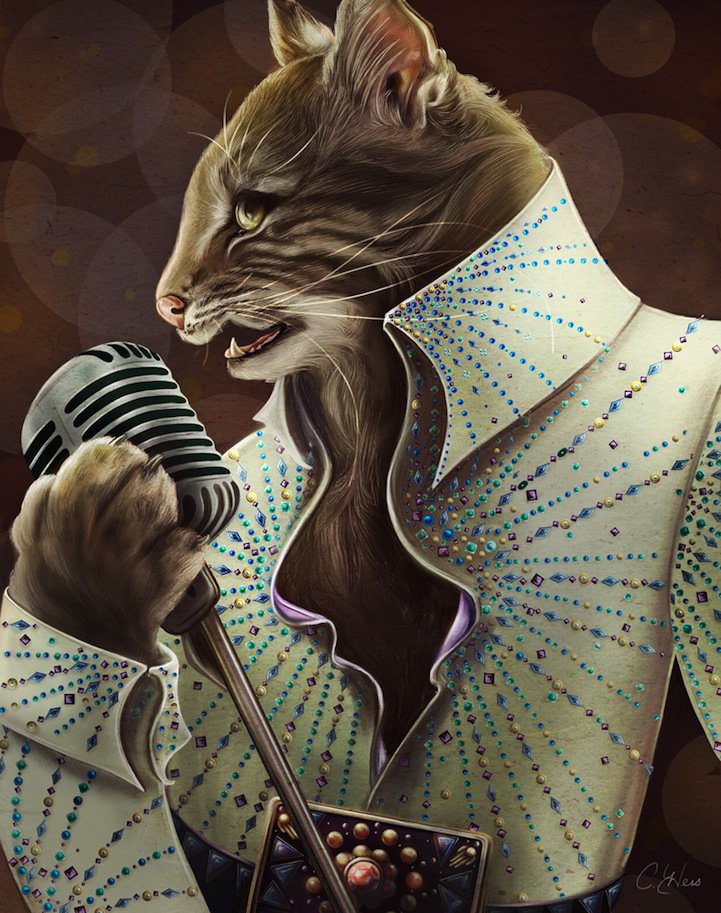
Christina Hess’s Animals From History: Costumed Pets as Playful Portraits
Illustrator Christina Hess reimagines historical icons as ornate animal portraits—Elvis Petme and friends—mixing puns, costume detail, and soft history lessons.