
Shaking Dogs Photography by Carli Davidson
Carli Davidson’s Shake series freezes dogs mid-shake—Norbert’s drool, high-speed strobes, and the comic monsters pets become for a millisecond.
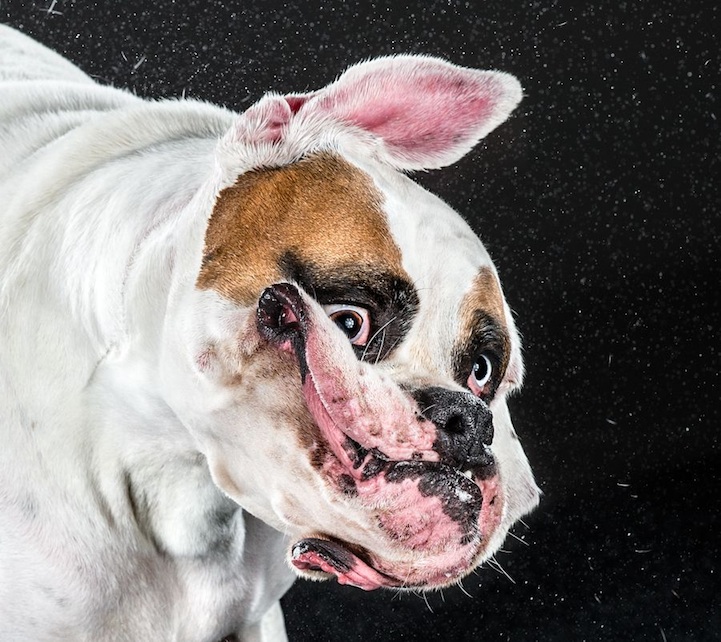
Carli Davidson’s Shake series does something deceptively simple: it freezes the split second when a wet dog becomes a cartoon. Ears fly sideways, lips peel into unlikely shapes, and spit hangs in the air like a temporary constellation. The Portland photographer did not invent the shake—every dog owner knows that blur of water and joy—but she treated it as a serious photographic problem. High-speed strobes, patient animal handling, and an eye for the grotesque-cute made the ordinary ritual look brand new. The pictures gathered here belong to that early-2010s wave of work that became a HarperCollins book and a slow-motion film, both built around the same mischievous idea.
Norbert and the wall of drool
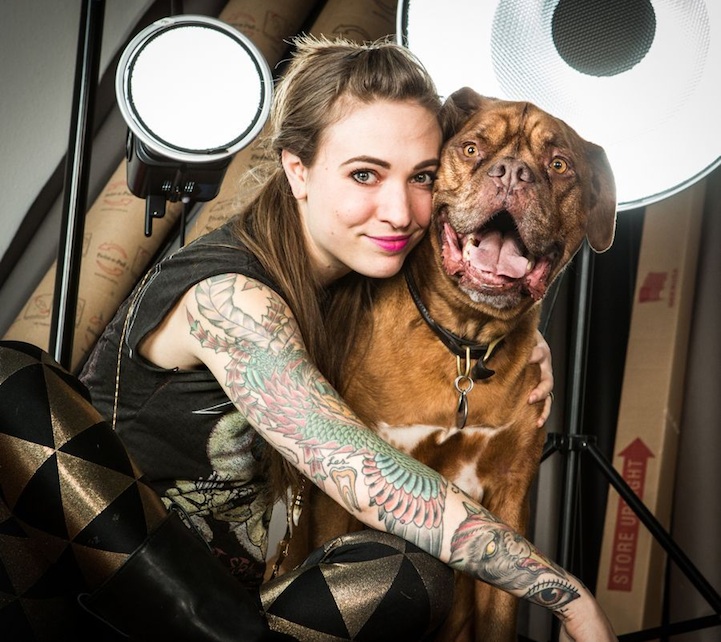
The origin story is domestic. Davidson lived with Norbert, an eight-year-old Dogue de Bordeaux whose shakes regularly redecorated her walls. Cleaning those white surfaces once a month, she began to wonder what the motion would look like if it were stopped instead of mopped. In 2011 she tested high-speed lights on a dog mid-shake in her studio. The resulting face—scrunched, airborne water, expression halfway between ecstasy and catastrophe—was funny enough to share and strange enough to chase. Friends and rescue organizations helped bring more dogs to the Portland studio. Some shook on cue; some never did. Davidson has described the successful sessions as a kind of non-science: trying things, waiting, reading the animal’s comfort rather than forcing a gag.
That animal-care instinct was not decorative. Before the viral fame of Shake, Davidson’s path ran through animal work, including time with the animal care team at the Oregon Zoo. She photographs as someone who knows how long it takes for a creature to settle—often half an hour of floor time, treats, and quiet before a camera matters. The comedy in these frames is earned by trust. You can feel the difference between a stressed animal and a dog who is simply being gloriously, messily itself.
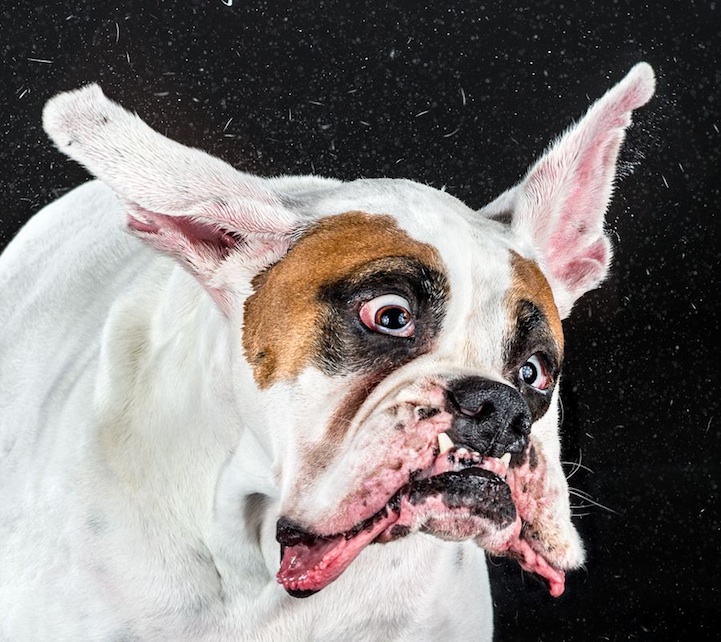
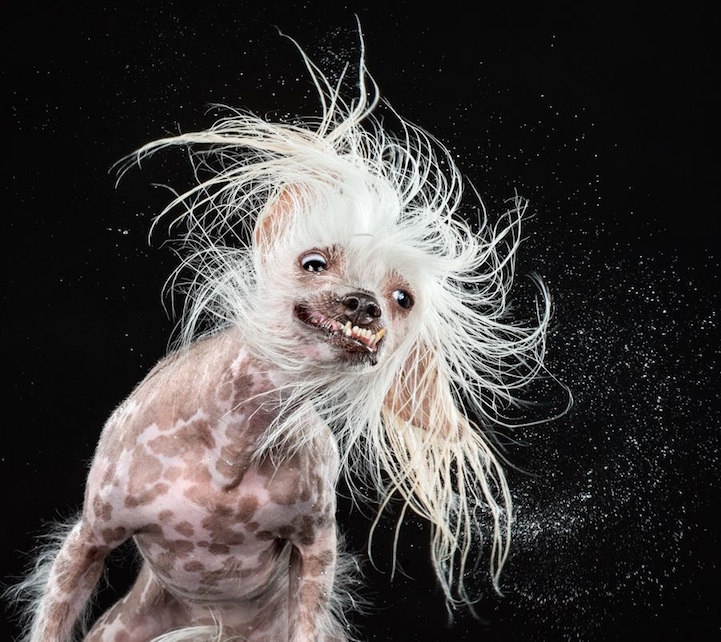
What high speed reveals
At everyday shutter speeds, a shake is a smear. Davidson’s strobes carve it into chapters. Fur separates into strands. Jowls become architecture. Eyes stay soft while the rest of the face performs a temporary mask. She has called this the moment dogs turn into monsters—affectionately. The pictures are not cruel; they are honest about how little of a dog’s motion we usually see. Pairings in the book sometimes echo Eadweard Muybridge’s sequential studies, not as academic homage so much as a reminder that photography has always loved to dissect motion into readable beats.
Technically, the work sits in a lineage of high-speed stills that make liquids and gestures legible—think of other photographers who freeze explosions of paint or porcelain. Emotionally, it belongs to pet portraiture that refuses polish. These are not studio dogs posed like royalty. They are wet, silly, and briefly unrecognizable. That combination is why the series traveled so well online around 2011–2013: it delivered both meme energy and craft. You laugh first; then you notice the lighting, the timing, the way a single drop of water holds the composition together.
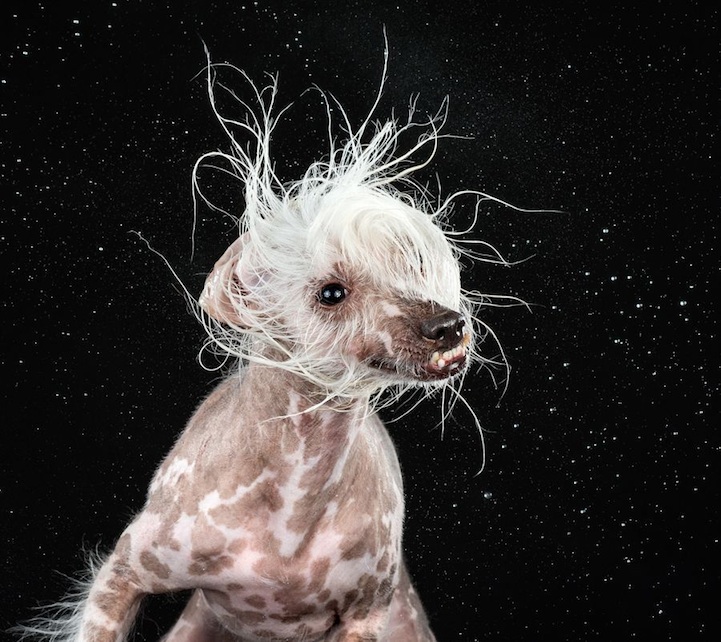
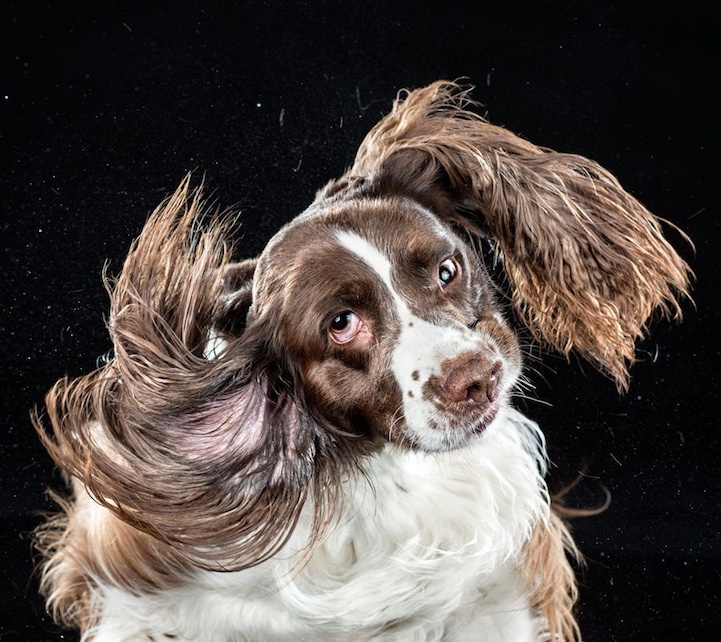
From viral stills to book and film
Early internet shares of the studio tests brought attention; the project widened. Davidson photographed well over a hundred dogs for the series, with a substantial set of successful shakes selected for print. The book Shake, released by HarperCollins in October 2013, collected roughly 130 high-speed photographs across dozens of dogs—breed variety included, rescue stories welcomed. Alongside the stills, Davidson collaborated with Variable on a slow-motion montage: about two minutes of dogs shaking and rolling their heads in high definition. Where the photographs isolate a single comic mask, the film restores the rhythm of the gesture. Together they form a complete argument: this ordinary habit is visually inexhaustible.
Context matters for reading the gallery below. These frames are not anonymous stock cuteness. They are authored portraits from Davidson’s Shake body of work—the same photographer whose later projects extended the idea to puppies and cats, but whose breakthrough remains the canine tornado. Knowing Norbert’s drool, the Oregon Zoo background, and the patient studio method changes how the humor lands. You are not laughing at a dog; you are laughing with a photographer who loves the mess enough to light it carefully.
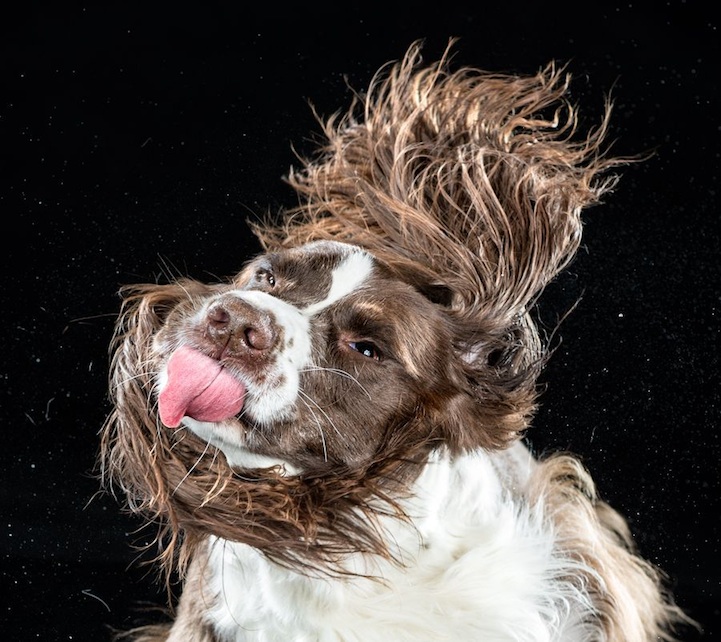
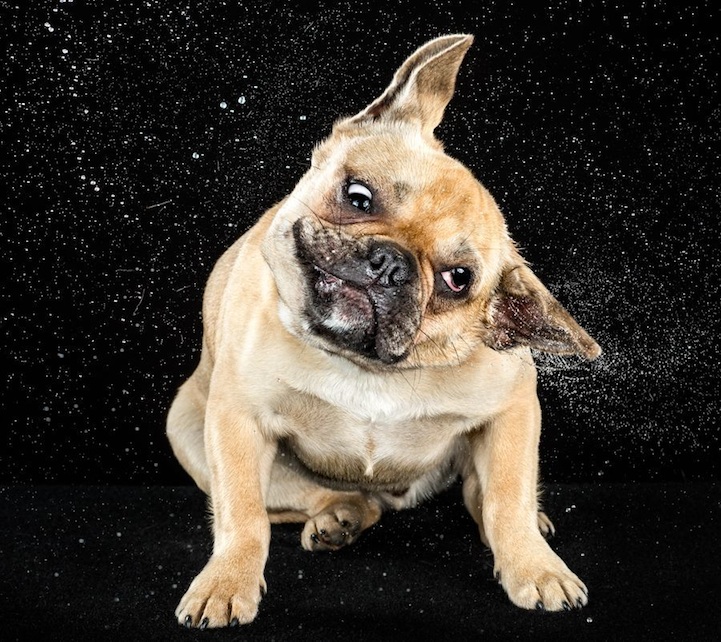
Reading the faces
Walk the images by texture rather than breed. Some frames are all water geometry—arcs and beads that could almost be abstract art if a nose weren’t in the middle. Others are pure expression: an eye half-closed, a tongue misplaced by physics, an ear acting as a sail. Notice how often the background stays quiet. Davidson’s studio control keeps the joke on the animal’s motion, not on props. That restraint is part of why the series still looks clean years later. Trends in pet photography come and go; a well-timed shake stays readable.
There is also a gentle ethics in the selection. The dogs who never shook are part of the invisible labor of the project. Consent, in animal photography, is a fuzzy word, but comfort is measurable. Davidson’s method—interviewing owners about how pets behave away from home, choosing low-stress candidates, spending floor time before shooting—shows in the looseness of the faces. Tension would tighten the comedy into something meaner. Instead the pictures feel like a shared joke between photographer, dog, and viewer.
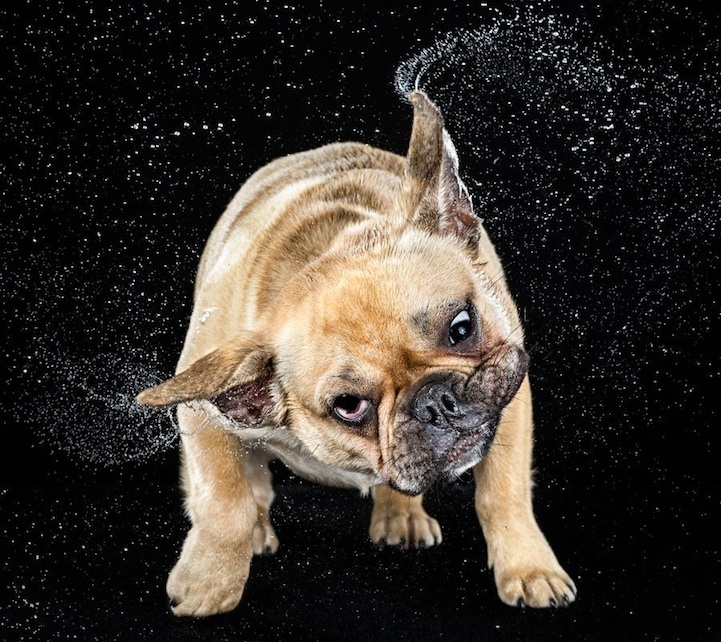
Why the series sticks
Pet photography often sells either perfection or pity. Shake sells recognition. Anyone who has towel-dried a dog after a walk already knows the slap of water and the sudden rearrangement of the face. Davidson simply gave that knowledge a shutter speed worthy of it. The book and film packaged the discovery for a wider audience; the stills themselves remain the core pleasure—monsters for a millisecond, beloved again by the next frame.
If you keep one thought while looking, let it be motion as character. Each dog’s shake has a personality: some are elegant spirals, some are chaotic explosions, some are almost shy half-turns that still throw a surprising amount of water. Davidson’s gift was noticing that personality and waiting long enough for the lights to catch it. Norbert’s walls may have been the first gallery. These photographs are the portable version—proof that the messiest second in a dog’s day can also be the most photographically rich.

Comments
Continue reading
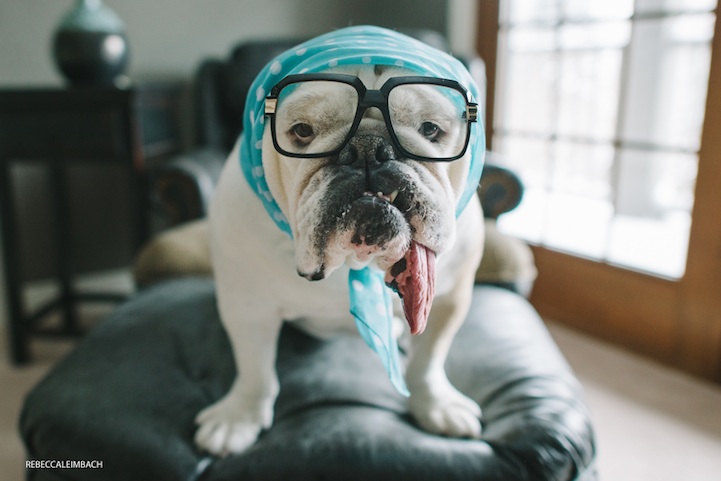
Harper and Lola: Rebecca Leimbach’s Photos of a Girl and Her Bulldog
Michigan photographer Rebecca Leimbach’s series follows daughter Harper and English bulldog Lola through dress-up, naps, and a sibling-like bond.
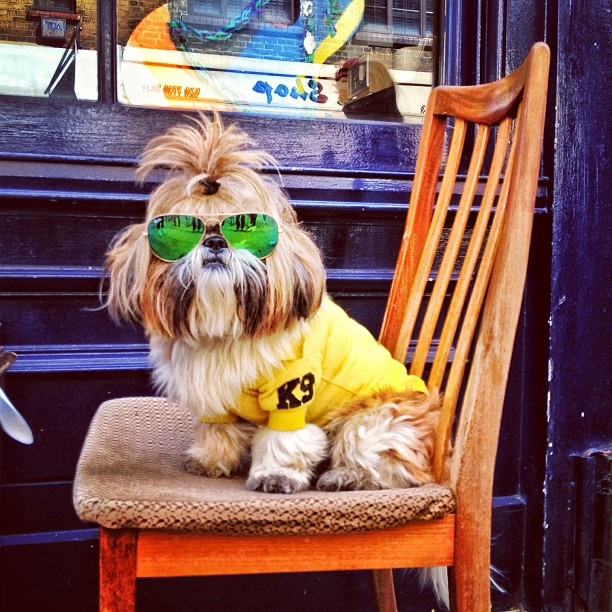
Izo the London Shih Tzu’s Cute City Adventures
From Trafalgar Square and Tower Bridge to bath day and a bird feeder—Izo the London shih tzu in sweaters, sunglasses, and landmark backdrops.
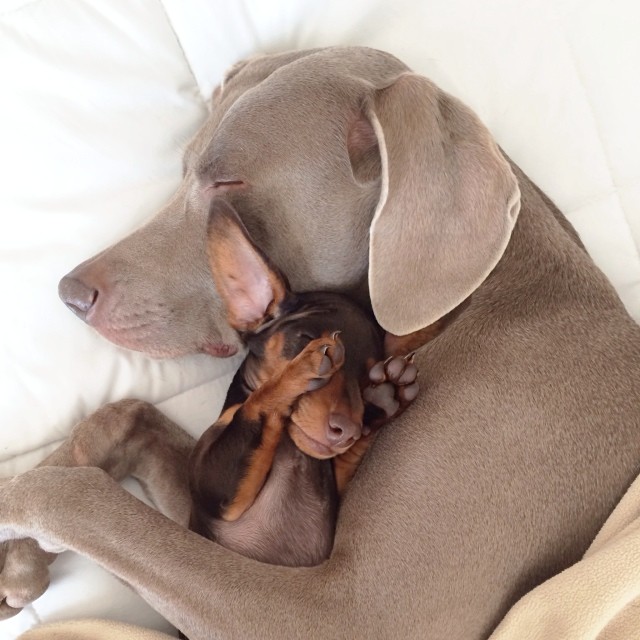
Cute Photos of Instagram’s Best Friends: Harlow and Indi
After Sage, Weimaraner Harlow bonded with dachshund puppy Indi—@harlowandsage’s soft, size-mismatched nap photos that helped define early pet Instagram fame.