
Cute Photos of Instagram’s Best Friends: Harlow and Indi
After Sage, Weimaraner Harlow bonded with dachshund puppy Indi—@harlowandsage’s soft, size-mismatched nap photos that helped define early pet Instagram fame.
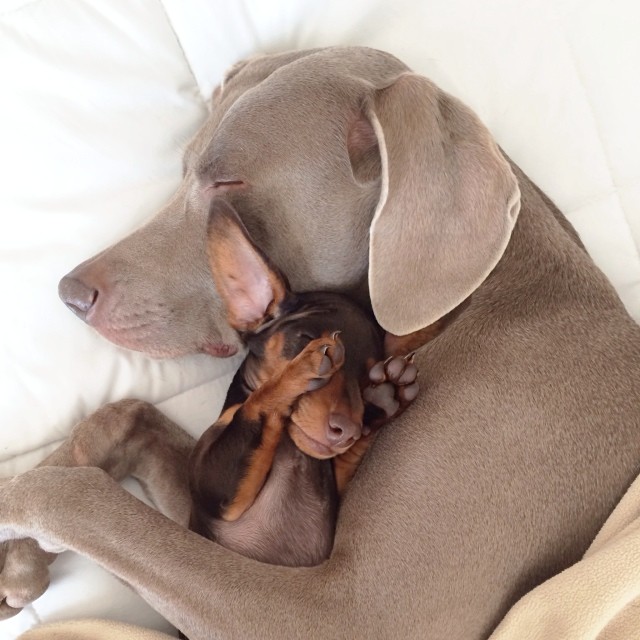
By late 2013, Instagram already knew Harlow: a silver Weimaraner with a velvet ear and a talent for looking straight into the lens like a co-star. The account @harlowandsage had launched that March around her bond with Sage, a miniature dachshund who had been in the family long before Harlow arrived. Their photos—selfies, couch sprawls, humanlike gestures—built a following that crossed six figures while the platform was still figuring out what “pet celebrity” meant.
Then the story changed. Sage died in September 2013 after heart trouble at thirteen. Owner Brittni Vega was not sure the feed should continue. A week later, a brown miniature dachshund puppy named Indiana—Indi for short—joined the household. The camera kept rolling. What followers saw next was not a replacement narrative so much as a new friendship forming in public: the same tall grey dog, a new low-slung companion, and the same soft domestic light.
Why the size gap works on camera
Harlow and Indi’s best frames are built on contrast. A Weimaraner is all length and hush; a dachshund puppy is compact, ear-heavy, and restless. When they sleep, that difference becomes comedy and comfort at once. In the photograph above, Harlow lies on her side across white bedding while Indi tucks under her chin, one tiny paw half-covering her face. Harlow’s ear drapes like a blanket. Nothing in the shot is staged as a stunt—no costumes, no props beyond sheets—yet it reads as a poster for unlikely best friendship.
That is the account’s real grammar. Vega has said the cuddling habit began with Sage, who burrowed for warmth the way many dachshunds do, and Harlow simply made an excellent cave. Viewers often assume the poses are forced. The better explanation is patience: wait until the dogs settle, then shoot the quiet. Instagram in 2013 rewarded that honesty. Feeds were less polished than they later became; a nap that looked accidental traveled farther than a perfect studio sit.
Harlow’s “handsome” stillness helps. She holds a look that photographers chase in people—soft eyes, composed muzzle, awareness without panic. Indi supplies the kinetic cuteness: oversized ears, dark-and-tan markings, paws that land like punctuation. Together they fill a frame the way a buddy comedy fills a stage: straight man and spark plug, giant and pocket rocket.
From Sage to Indi without erasing the past
The original title of the feed kept Sage’s name even as Indi’s story began. That choice mattered to fans who had watched the first duo grow. Posts around Sage’s passing were frank and gentle—missing her chocolate-thieving spirit, naming what she taught Harlow about cuddling and mischief. When Indi arrived, coverage from outlets such as Laughing Squid and My Modern Met framed the new pair as honor rather than overwrite. The photos did the rest: Harlow leaning over the puppy, Indi learning the choreography of shared naps, both dogs practicing the same camera comfort that made Harlow and Sage famous.
By the time this kind of gallery circulated on lifestyle blogs, @harlowandsage was already an early case study in pet Instagram as narrative serial. Followers did not only want “cute dog.” They wanted continuity—who was friends with whom, who was grieving, who was learning to play. The account later grew further with Reese, another miniature dachshund, and Vega used the platform to spotlight shelter animals. Those chapters sit outside the 2013 Indi moment, but they grow from the same instinct: friendship as the plot, photography as the telling.
What “humanlike gestures” actually means
Early write-ups loved to say the dogs posed with human gestures. Sometimes that meant a chin on a paw, a sideways glance, a stretch that looked like a yawn in a meeting. More often it meant timing. Dogs do not hold “selfies” the way people do; a human holds the phone, waits for eye contact, and clicks when the expression lands. Harlow’s Weimaraner face is unusually photogenic for that trick—grey coat against white sheets, eyes that catch soft window light. Indi’s puppy face adds chaos: a paw over the eyes reads as shy or exhausted, depending on your mood.
Compositionally, the best images use domestic geometry. Beds, sofas, and floors become simple stages. Negative space matters. A big dog takes the horizontal; a small dog occupies the pocket of space under a jaw or against a chest. Color does quiet work too: silver and chocolate against white fabric is almost a brand palette. You could crop away the room and still know the pair.
There is also an ethics of cuteness worth naming. Viral pet feeds can tip into costume theater or stress for the animals. Harlow and Indi’s early fame leaned the other way—rest, proximity, ordinary household life. The entertainment comes from recognition: anyone who has lived with dogs of mismatched sizes has seen a version of that ear-blanket nap. The camera simply caught it cleanly.
How to look at the photos
If you are browsing for pleasure, start with scale. Find the frame where Indi’s whole body fits inside the curve of Harlow’s neck. Then look for ear contact—Weimaraner ears are long enough to become props without anyone tying a bow. Next, watch the paws: a dachshund puppy’s pads in the air turn a sleep pile into character comedy.
If you are a photographer, notice what is missing. No harsh flash. No busy background. No text overlay screaming for likes. The image above works because the bedding is almost blank, the focus is tight, and the story is contact. Soft daylight does more than any filter. Waiting for closed eyes does more than any command.
If you followed the account in real time in 2013, you already know the emotional arc: celebration of Sage, mourning, then the careful joy of a puppy who could not replace a friend but could still teach Harlow a new version of the same game. If you are meeting them now through a single gallery image, treat that nap as a thesis statement. Best friendship here is not matching breeds or matching energy. It is sharing a bed without negotiating a treaty—silver chin, brown ears, and a house quiet enough for both to sleep.
Harlow and Indi became internet celebrities for the same reason any great duo works on screen: chemistry you can spot without a caption. The Weimaraner’s calm, the dachshund’s burrow, the white sheets, the folded paws—one picture holds the whole pitch. The rest of the feed, wherever it wandered afterward, was variations on that theme: two different bodies learning how to be one soft shape.

Comments
Continue reading
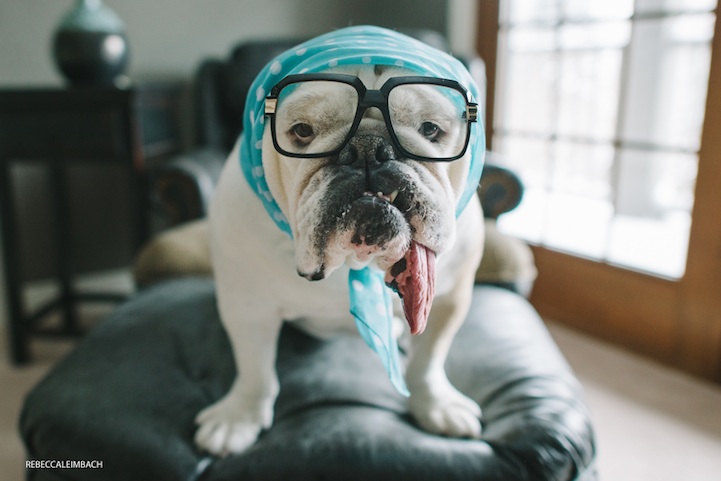
Harper and Lola: Rebecca Leimbach’s Photos of a Girl and Her Bulldog
Michigan photographer Rebecca Leimbach’s series follows daughter Harper and English bulldog Lola through dress-up, naps, and a sibling-like bond.
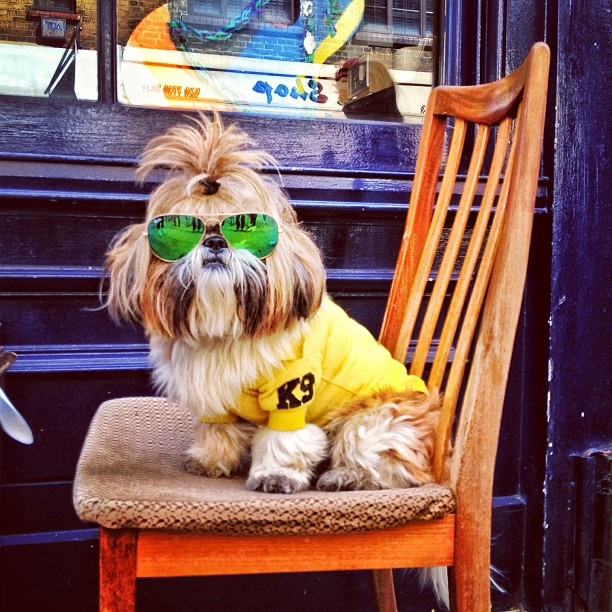
Izo the London Shih Tzu’s Cute City Adventures
From Trafalgar Square and Tower Bridge to bath day and a bird feeder—Izo the London shih tzu in sweaters, sunglasses, and landmark backdrops.
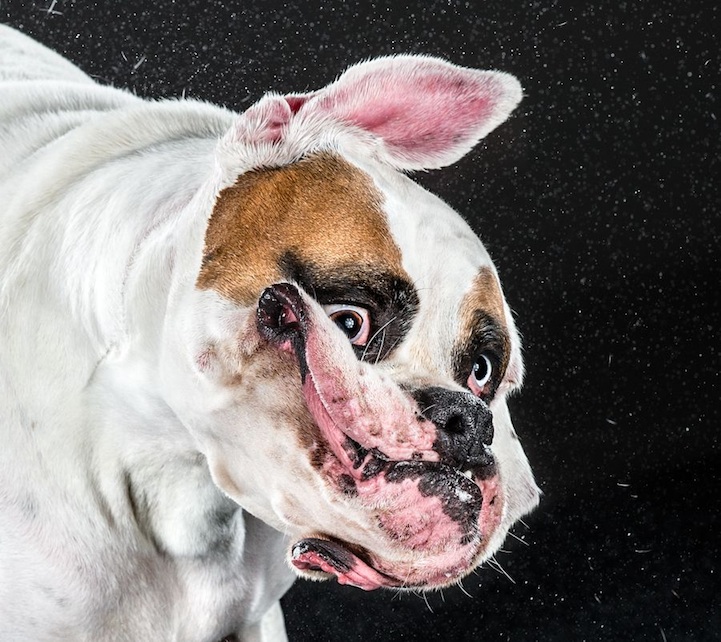
Shaking Dogs Photography by Carli Davidson
Carli Davidson’s Shake series freezes dogs mid-shake—Norbert’s drool, high-speed strobes, and the comic monsters pets become for a millisecond.