
Harper and Lola: Rebecca Leimbach’s Photos of a Girl and Her Bulldog
Michigan photographer Rebecca Leimbach’s series follows daughter Harper and English bulldog Lola through dress-up, naps, and a sibling-like bond.
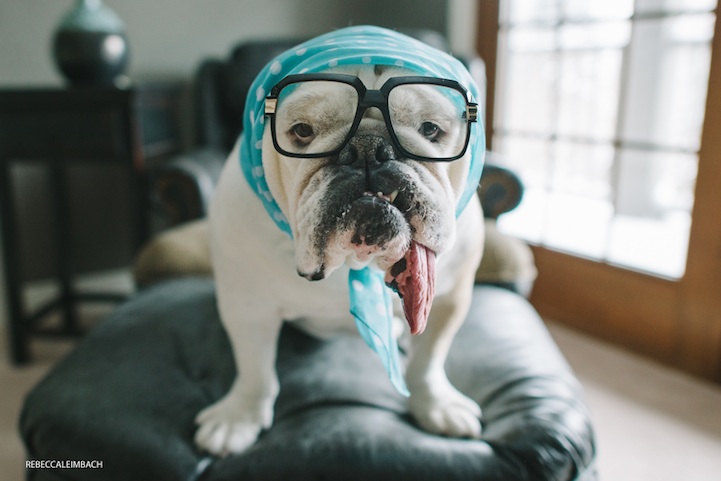
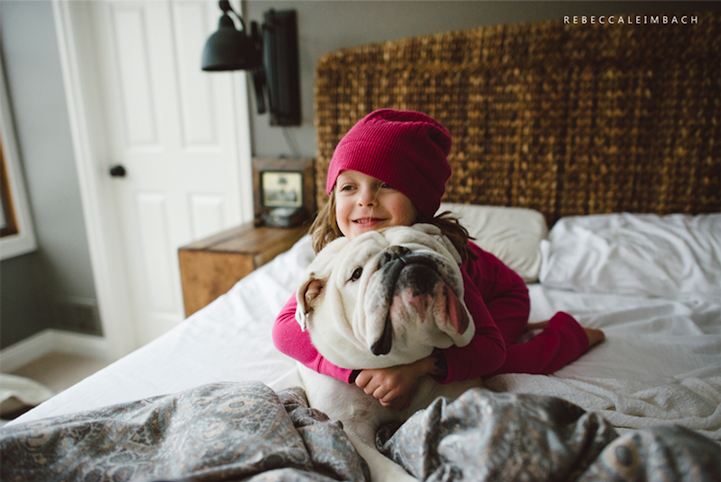
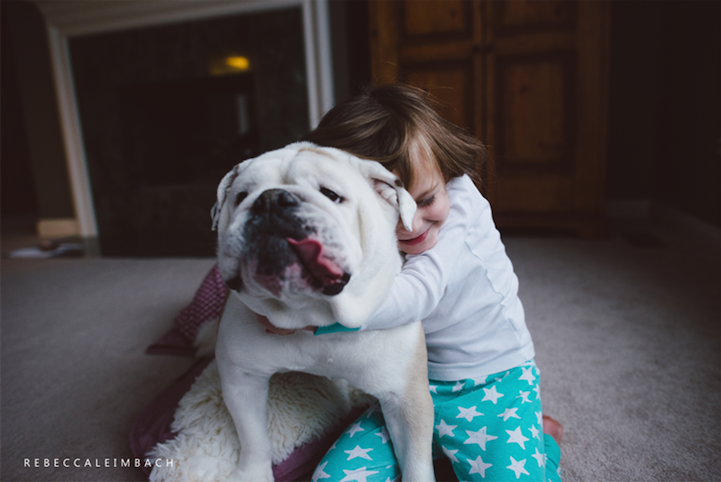
Family photograph albums usually organize themselves around birthdays, holidays, and the rare day everyone dressed for a portrait studio. Rebecca Leimbach’s better-known album is built from smaller weather: breakfast crumbs, tutus, naps that arrive mid-project, and the constant nearby presence of Lola, an English bulldog who treats the household like her patrol route. The central human subject is Harper, Leimbach’s daughter. Together, girl and dog became a photographic record of friendship that feels sibling-close without needing a caption to insist on the word.
Leimbach is a professional photographer based in Michigan. Like many parents with a camera already in hand for work, she had been photographing Harper since birth. What changed the public life of those images was not a single viral costume gag. It was the accumulation of scenes in which Lola is not background—she is company, audience, costume partner, and, in Leimbach’s own later reflections, part of the answer to a private ache about siblings.
An accidental series with lasting clarity
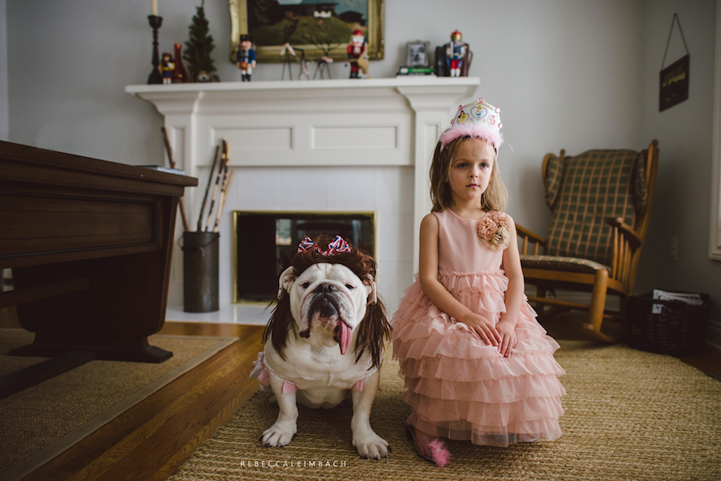
In interviews that accompanied the photos’ wider circulation around 2013–2014, Leimbach described the series as beginning almost by accident. Harper came out of play dressed up. Lola was dressed too—tutu, necklaces, crown—and seemed unbothered. The laughter came first; the camera followed. From that day, documenting the pair became a habit rather than a branded concept.
That origin explains the pictures’ tone. Leimbach has said she tries not to over-pose Harper and Lola. Harper invents. Lola investigates, tolerates, or falls asleep while still wearing the evidence of play. A bulldog in costume can easily become a joke at the animal’s expense. Here the humor, when it appears, usually belongs to both of them. The dog is allowed to look like a dog: heavy, wrinkled, occasionally narcoleptic in the middle of a child’s production.
The family story behind the softness
Leimbach and her husband Christopher spent years in fertility treatment before Harper arrived. Later, the hope of another biological child did not unfold as they had imagined. In public conversations around the photo series, Leimbach spoke about guilt—the parental fear that Harper would grow up without a sibling—and about the relief of noticing that Lola was already occupying part of that social space: playmate, shadow, co-conspirator in dress-up, and a body always a few feet away when Harper was in the house.
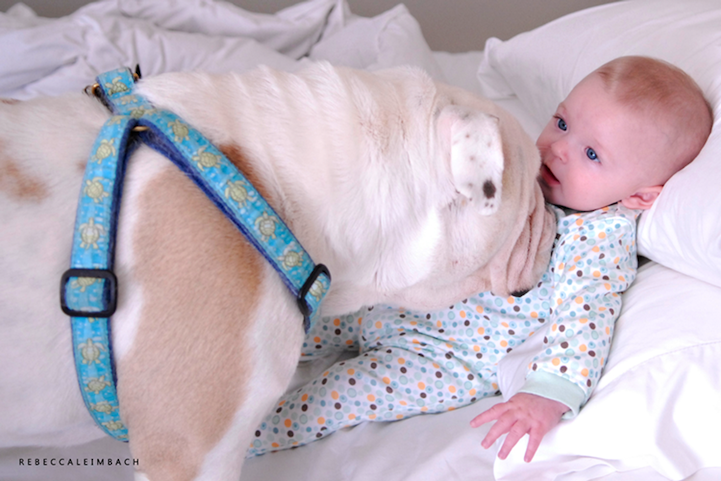
That context is personal history, not sentimental decoration. It clarifies why the images feel charged without melodrama. Viewers see a little girl and a bulldog. The photographer saw a household inventing kinship with the relationships it already had. Early on, Leimbach has recalled, Lola would try to insert herself into baby portraits and get shooed away. Only later did the “interference” read as the real subject: a dog determined to stay inside the frame of the child’s life.
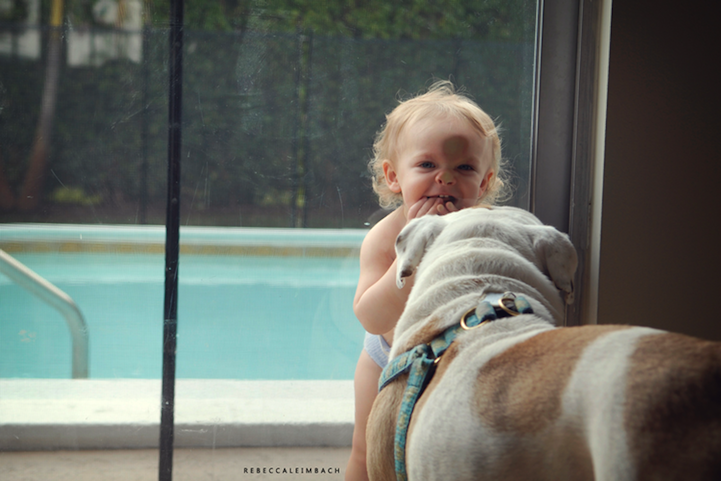
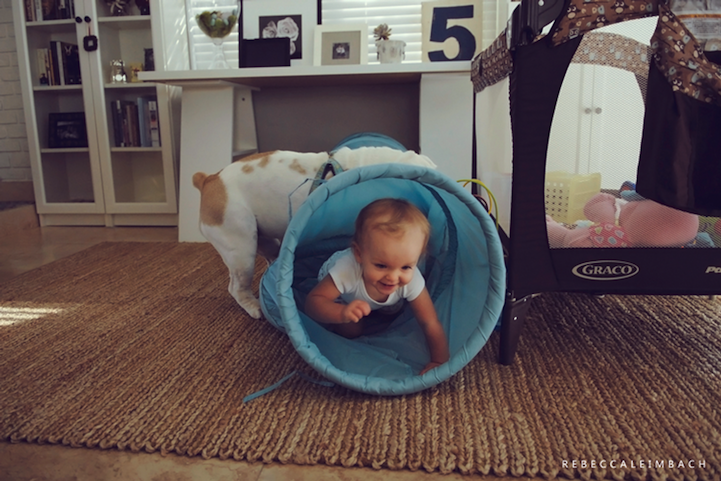
What repeats across the pictures
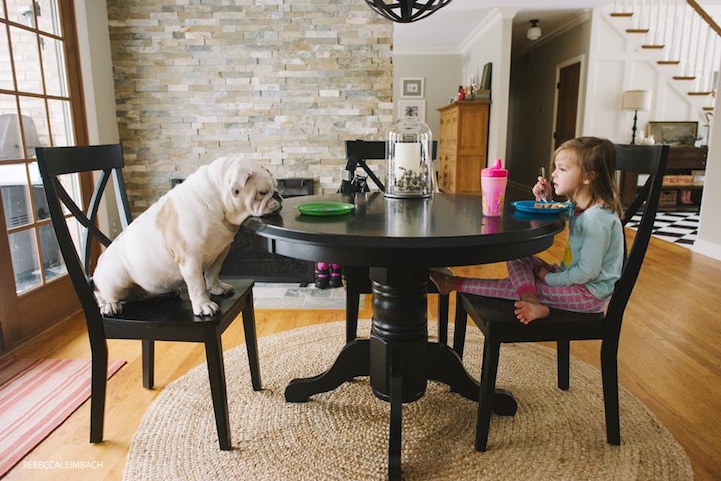
Browse the set as a sequence and certain rhythms return. Shared meals and the nap that follows. Indoor projects invented because winter kept everyone home. Costume themes borrowed from princess lore or from songs—Leimbach has described a “Copacabana” pairing that plays on Lola’s name. Quiet rooms where proximity is the whole event. Nothing in those patterns requires exotic locations. The drama is domestic attention.
Leimbach has described the bond as funny and uneven in the way real close relationships are uneven. Harper loves Lola immensely except when Lola eats toys, which happens often. Lola stays in Harper’s business, checking whether an activity is acceptable, protective in a bulldog’s blunt register. In Leimbach’s telling, Lola treats Harper something like a puppy she might have raised. The metaphor is affectionate rather than clinical, and it fits what the camera records: hovering care, patience under costume jewelry, and chaos that never quite becomes cruelty.
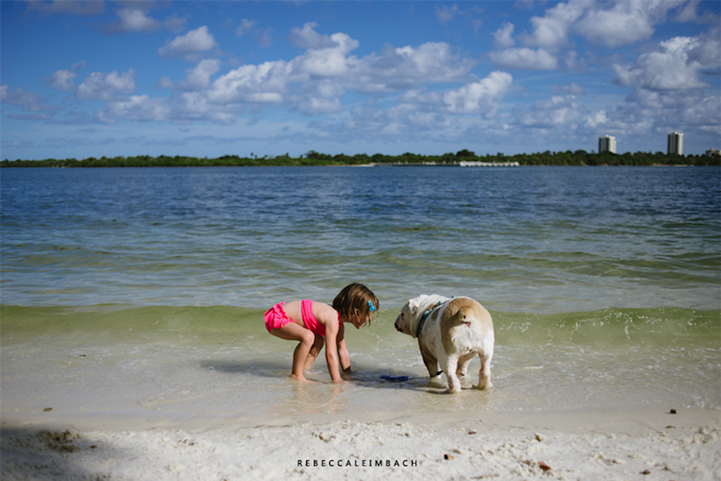
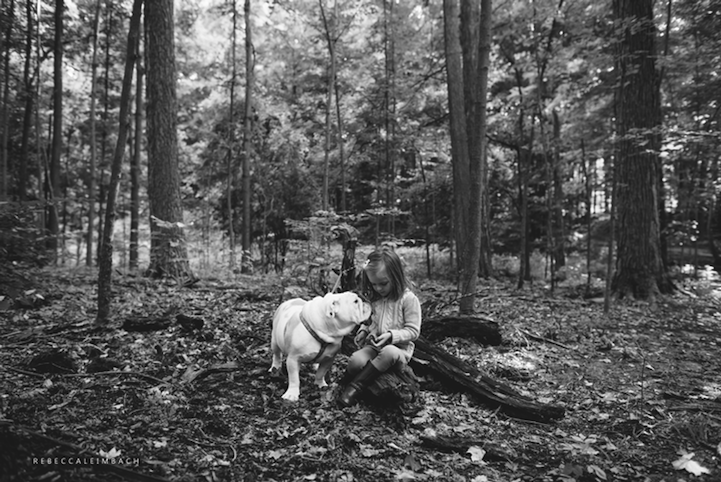
Craft helps the emotion land. Leimbach’s portrait background shows in light that keeps faces and fur readable, compositions that hold two subjects without crowding them into a meme crop, and timing that prefers expression over perfection. Softness in these pictures is mostly emotional. Rooms look lived in. Costumes look homemade. Lola looks like an English bulldog with opinions and a sleep schedule, not like a branded mascot rented for content.
How to look without turning them into “aww” only
Internet culture flattens child-and-pet images into slideshow sweetness. A more careful reading slows down. Ask who initiates contact in each frame. Ask when Lola’s body language looks willing versus merely patient. Notice Harper’s confidence—the ease of a child who expects the dog to be part of play, not a novelty on loan for one afternoon.
That slower look also keeps the infertility backstory from becoming voyeurism. Leimbach chose to share it in interviews; it shaped why the series mattered to her. Viewers do not need more private detail. The photographs already argue a simple claim: companionship across species can be real, daily, and worthy of the same documentary seriousness a photographer might bring to any other family relationship.
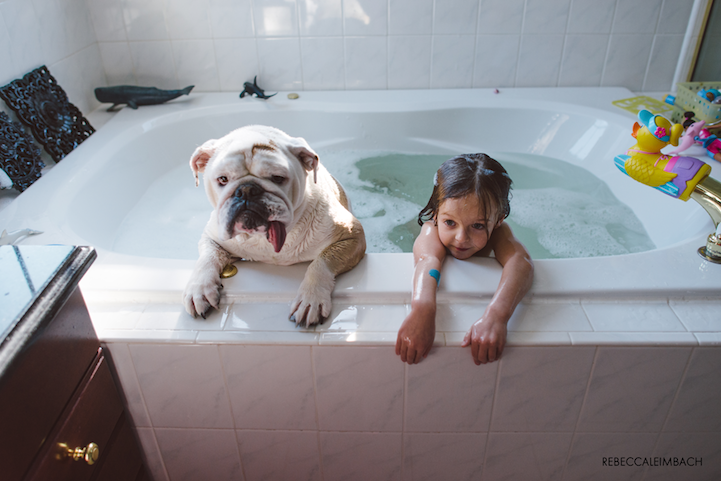
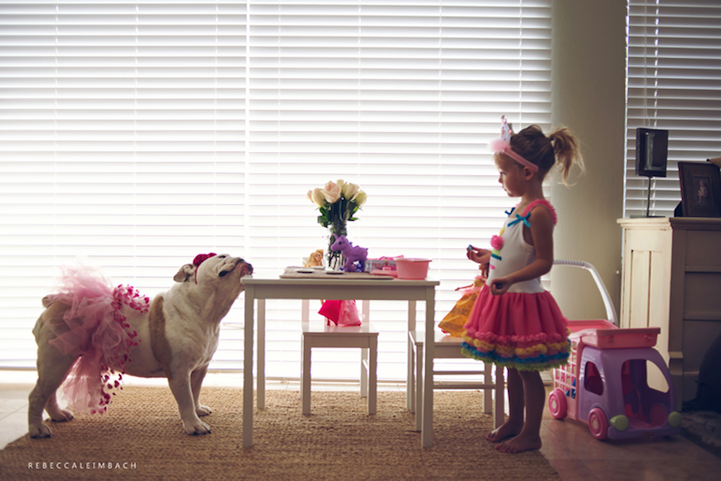
Leimbach has said she hopes Harper learns to love, respect, and protect animals as she would a human sibling. The photographs model that ethic more convincingly than a poster slogan. Respect looks like shared routines, not only cute costumes. Protection looks like a dog who keeps watch and a child who answers with the languages kids know—stories, snacks, proximity, invented games, and the expectation that the other will still be there after the tutu comes off.
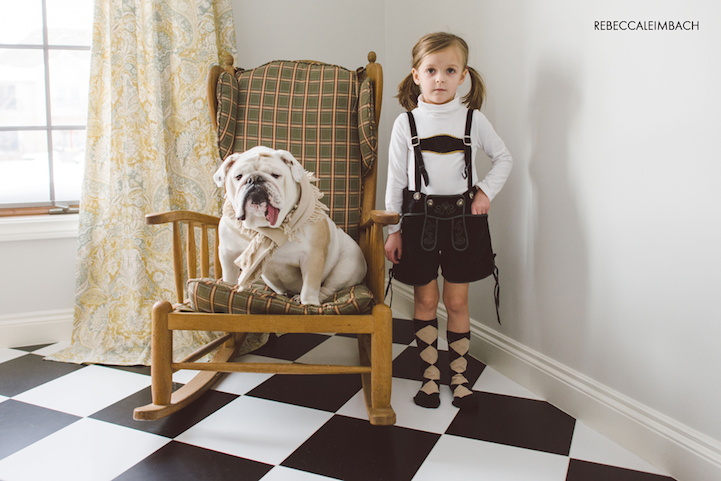
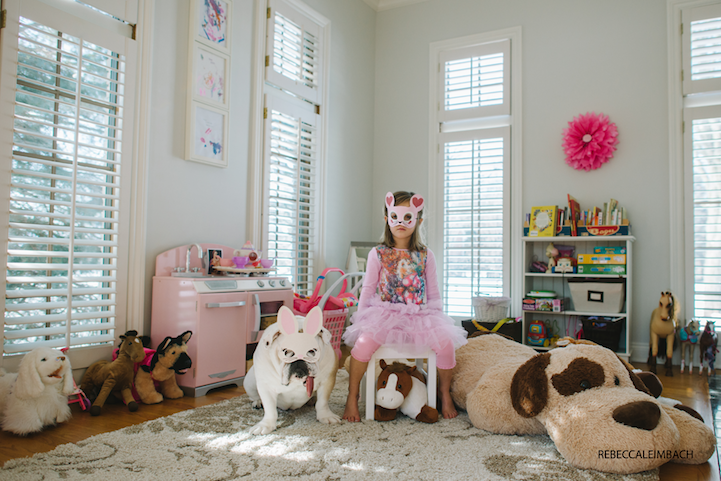
Photography as witness, not interruption
One reason the series works is timing. A parent-photographer can wreck a scene by directing it to death. Leimbach’s public comments emphasize catching play as it unfolds. That does not mean the images are accidental snapshots with no craft. It means the emotional contract favors witness over control. Harper remains the inventor; Lola remains a participant with limits; the camera arrives when the tableau is already alive.
For readers who live with kids and dogs, the recognition is immediate: the sticky fingers, the costume jewelry that somehow ends up on the animal, the nap that cancels the rest of the plan. For readers who do not, the series still teaches something about attention. Love becomes visible when someone bothers to keep looking across ordinary days instead of waiting for a milestone.
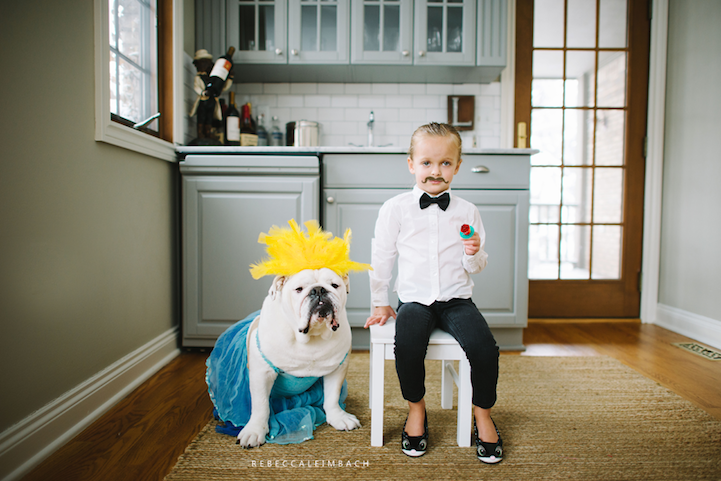
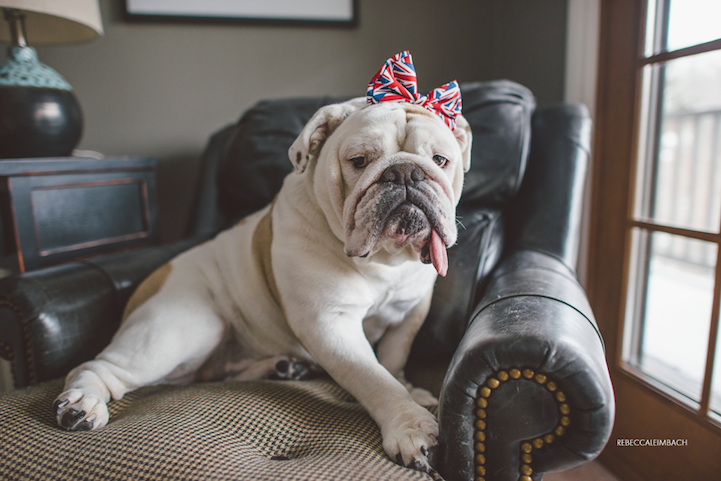
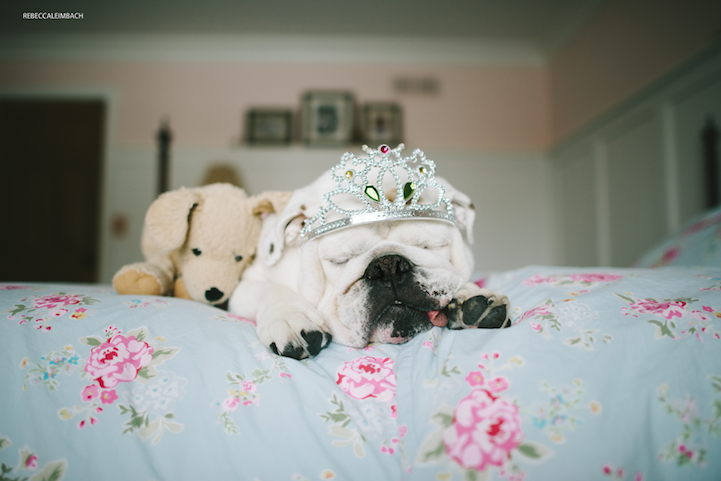
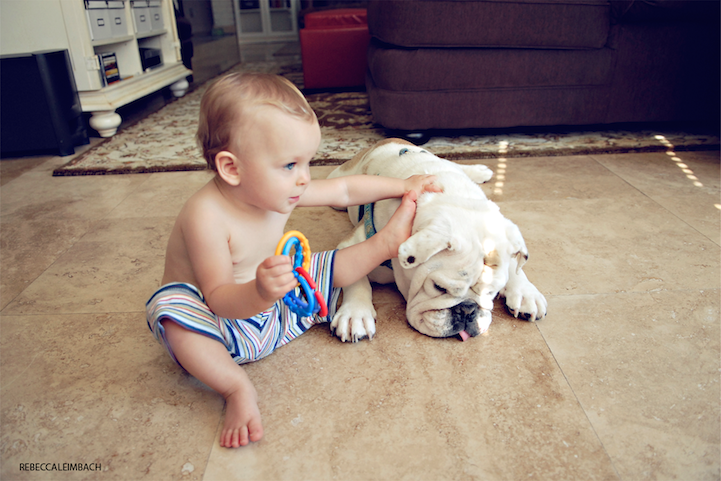
By the later frames, the point is not that dogs are magical or that photography invents affection. It is that Rebecca Leimbach paid attention long enough for a household truth to become shareable: Harper and Lola were practicing friendship in public-private moments, and a working photographer who happened to be Mom knew when to lift the camera instead of stopping the play to perfect it.
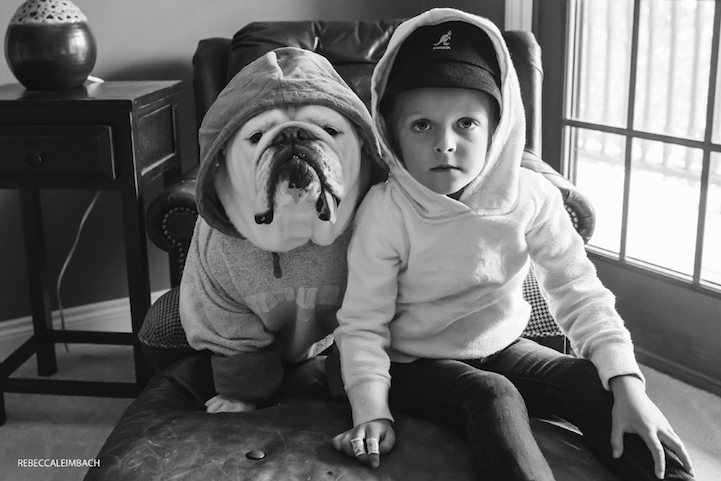
After the last image, scroll back to the first. Same two faces, less shared history behind them, already rehearsing the choreography that made the series beloved—girl, bulldog, ordinary room, and the patience required to share a life measured in snacks, costumes, and naps.

Comments
Continue reading
Izo the London Shih Tzu’s Cute City Adventures
From Trafalgar Square and Tower Bridge to bath day and a bird feeder—Izo the London shih tzu in sweaters, sunglasses, and landmark backdrops.
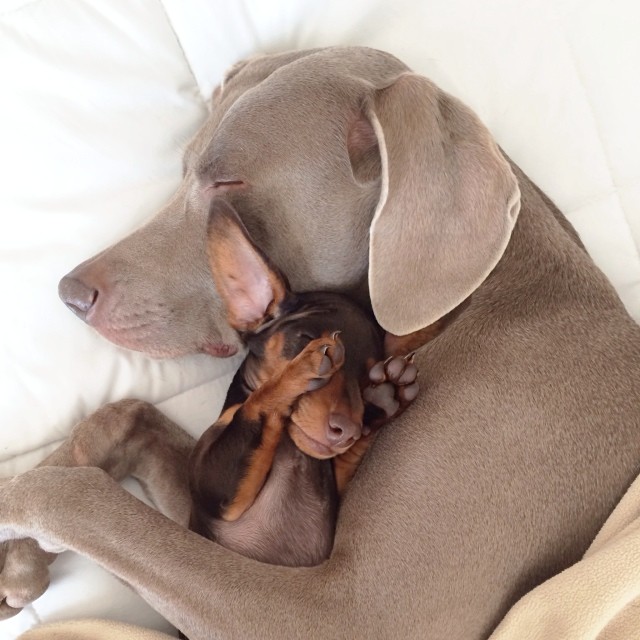
Cute Photos of Instagram’s Best Friends: Harlow and Indi
After Sage, Weimaraner Harlow bonded with dachshund puppy Indi—@harlowandsage’s soft, size-mismatched nap photos that helped define early pet Instagram fame.
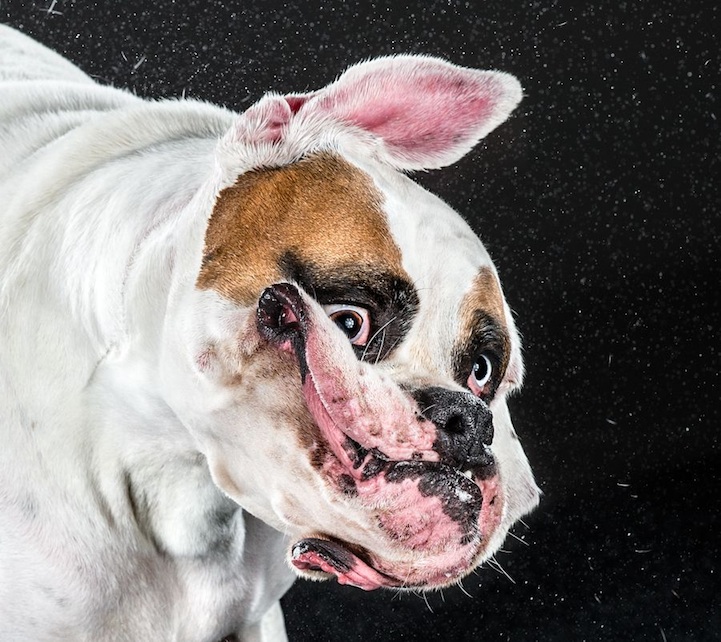
Shaking Dogs Photography by Carli Davidson
Carli Davidson’s Shake series freezes dogs mid-shake—Norbert’s drool, high-speed strobes, and the comic monsters pets become for a millisecond.