
Seating Cards for Wedding Tables: A Practical Planning Guide
How to choose escort cards, place cards, or a seating chart; lock the table map; design for readability; and set up day-of without vendor spam.
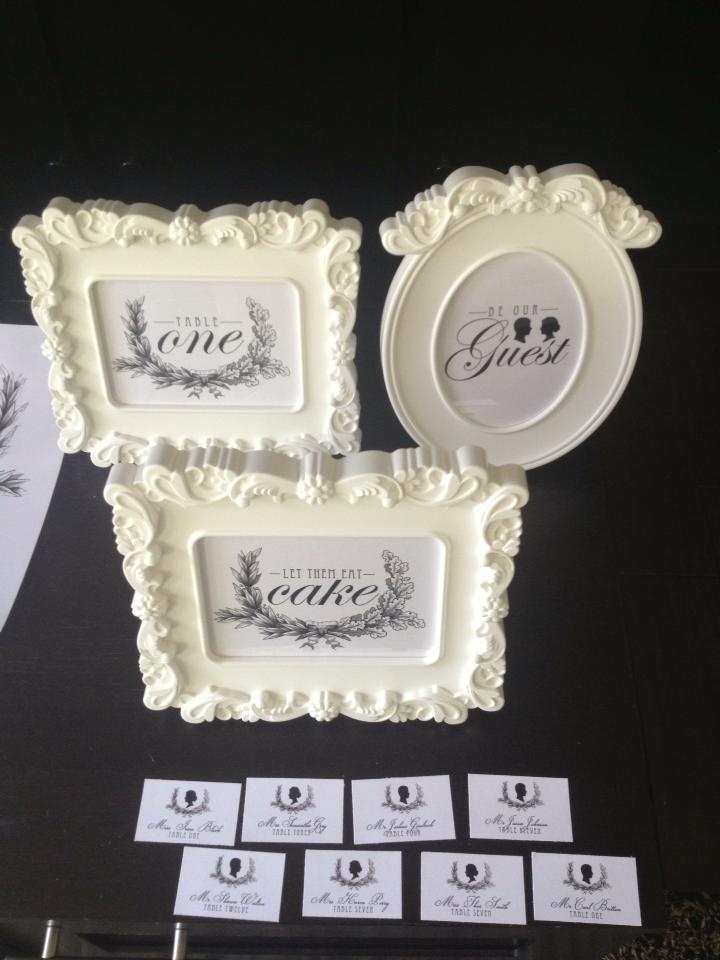
Seating cards do a small job with large consequences. They tell each guest where to sit, reduce the awkward hover at the room entrance, and quietly signal that someone thought about how people will spend the meal together. Done well, they also match the rest of the day without turning into a second invitation suite that eats the stationery budget.
This guide covers how to plan seating cards (and closely related escort cards and place cards) as a practical wedding system: decisions first, aesthetics second, vendors nowhere in the pitch. The photos illustrate approaches you can adapt—framed signage with matching cards, cork holders, travel-motif cards, paper flowers, handmade tags—not products you must buy.
Escort card, place card, seating chart: pick the system
Language gets muddy, so define terms before you design anything.
- Escort cards usually live at the entrance. Each card shows a guest’s name and a table number. Guests pick up the card, then find the table.
- Place cards sit at the exact seat. They may show only a name if the table is already assigned another way.
- Seating charts list names and tables on one board or poster. They replace individual escort cards when you want fewer objects to print and display.
Many weddings use escort cards plus a simple table number, and skip per-seat place cards unless a plated meal needs name-level service notes. Choose one primary system. Mixing escort cards, a full chart, and place cards for every seat creates redundancy and confusion.
Match the system to guest count and venue flow. Under roughly eighty guests, a single elegant chart can be clearer than a forest of tiny cards. Larger rooms with multiple entrances often need escort cards so people are not crowding one poster. Outdoor windy sites punish lightweight paper stands; weight and clips become part of the plan.
Build the seating map before you touch paper
Cards are the last mile. The real work is the table diagram.
Start with hard constraints: venue maximums, round versus long tables, accessibility needs, and who must avoid whom. Place yourselves, parents, and anyone giving a toast in seats that make sense for speeches and sight lines. Then cluster guests by comfort, not only by “side of the family.” People who already know each other usually relax faster; one or two bridge guests can connect groups that would otherwise freeze.
Flag special cases early: children’s seats near exits or quieter corners, wheelchair clearances, vendors who eat, and guests with mobility limits who need aisle-adjacent chairs. Write dietary tags into your master spreadsheet even if they never appear on the public card—catering needs accuracy more than calligraphy does.
Lock names as they should appear in public. Decide whether you use formal titles, first names only, or household groupings (“The Alvarez Family”). Inconsistency on cards is one of the fastest ways to make stationery look unfinished.
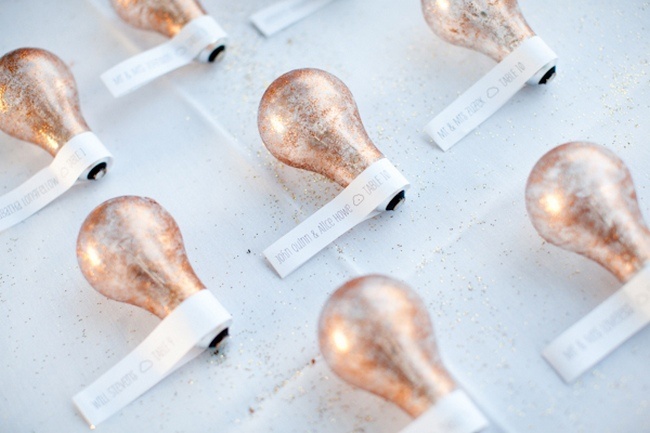
Design for reading distance, not only for mood boards
Pretty cards that cannot be read in dim reception light fail their job. Prioritize contrast: dark ink on light stock, or the reverse if your lighting is bright and even. Script fonts work for names if the letters stay open; dense calligraphy at six-point size becomes decoration, not information. Table numbers should be the most scannable element after the name—larger, simpler, and consistent in format (“Table 7” every time, not “VII” on some cards and “seven” on others).
Make the cards cohere with the day’s typography without cloning the invitation. A shared motif—laurel wreath, silhouette, postage graphic, floral tag—helps guests recognize the stationery family. Ornate white frames holding table signs and “be our guest” messages can sit behind a row of matching escort cards so the display reads as one composition rather than scattered craft projects.
Think about the display architecture. Cards laid flat on a table need weights or trays. Cards in holders need a stable base. A framed set can double as décor and wayfinding. If you use a seating chart instead, place it where the line naturally forms, with enough space that people can step aside after finding their table.
Practical DIY directions that stay elegant
You do not need a specialty shop to make cards feel intentional. A few low-cost methods photograph well and survive a reception:
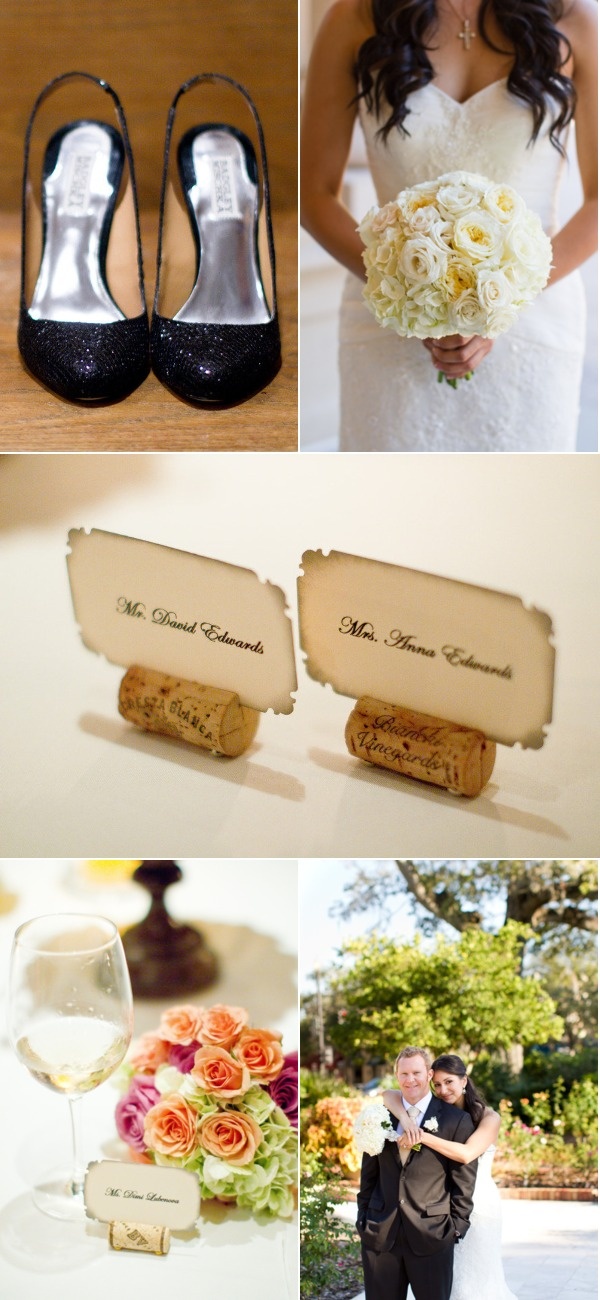
- Cork stands: Cut a slit in a clean wine cork and slide a scalloped or rectangular card upright. The holder is sturdy, slightly informal, and easy to batch-produce the week before.
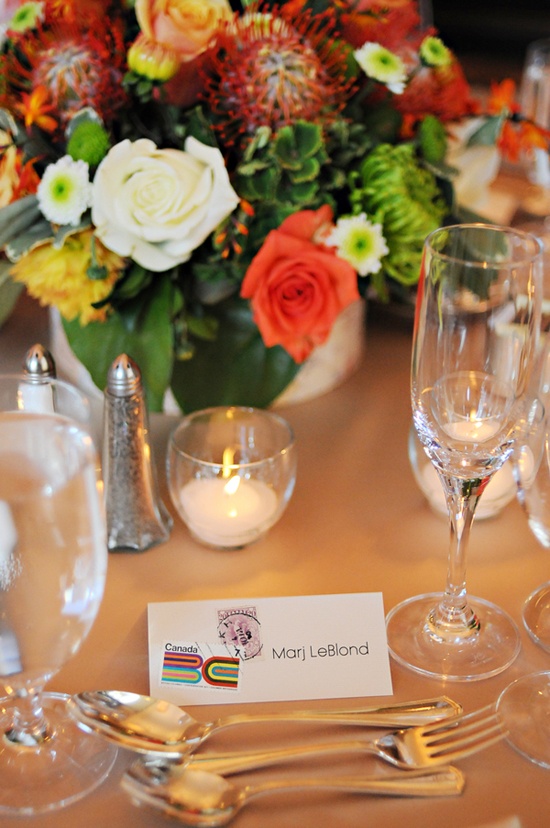
- Themed stamps or stickers: A travel or postage motif on an otherwise plain card can personalize a place setting without custom illustration for every guest.
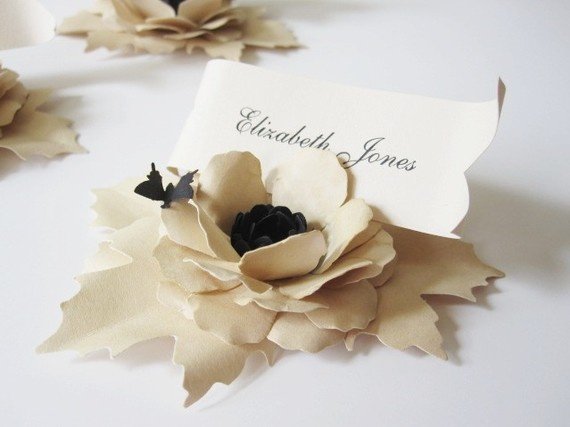
- Paper flowers: A cream paper bloom with a name strip tucked into the petals works as both place marker and favor-adjacent décor—just keep the name readable from standing height.
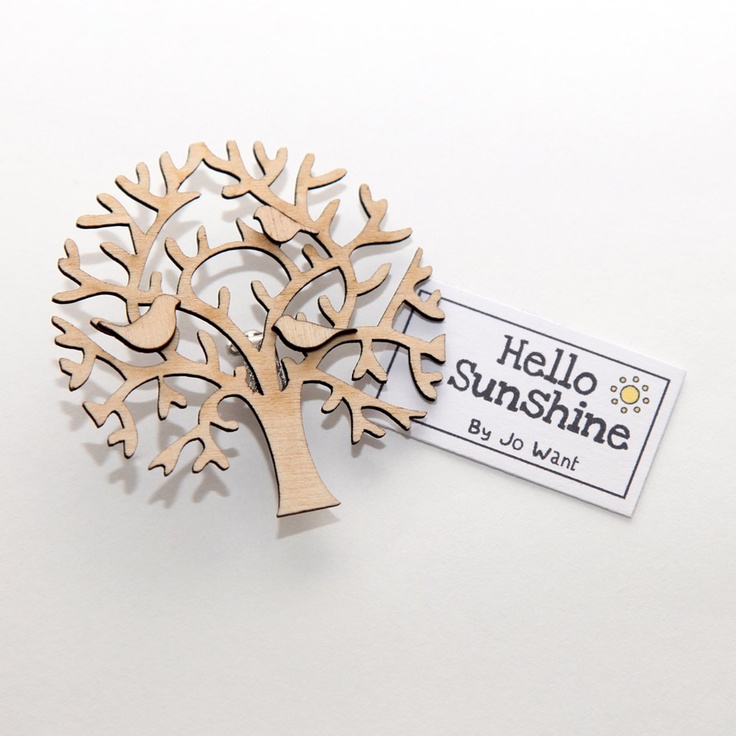
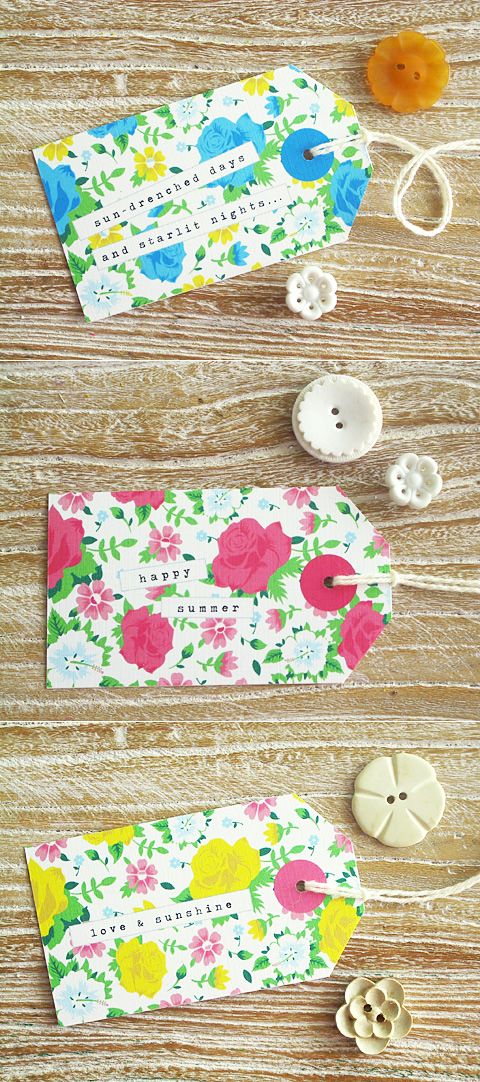
- Handmade tags: Floral tags with twine can mark seats or napkins; use them when the wedding already leans craft or garden, and keep wording short.
Batch production beats perfectionism. Print or write in one sitting with a checklist from your final spreadsheet. Number the backs lightly in pencil with table and seat codes if you need a packing map. Transport cards in labeled boxes by table so setup is sorting, not detective work.
Timing, proofs, and day-of logistics
Finalize seating only after the major RSVP wave, then freeze changes except true emergencies. Print or calligraph with a buffer of extras—blank cards, two spare table numbers, and a small repair kit (tape, pen matching the ink, clips). Assign one person who is not in the wedding party photos to place cards and verify table numbers against the master list thirty minutes before doors open.
Confirm with the venue where displays may live: foyer table, easel, bar ledge, or individual place settings. Ask about candles near paper, outdoor gusts, and whether staff will clear escort-card tables after guests are seated. If place cards sit among glassware and florals, do a quick mock place setting so names do not disappear behind napkin folds.
For plated meals, coordinate with catering on how names relate to meal choices. Some couples put a discreet meal initial on the card back; others keep meal data only on kitchen lists. Either works if the kitchen and the floor team share the same spreadsheet version.
A short checklist before you call it done
- One seating system chosen (escort, chart, or place—primary, not all three by default)
- Master list with final name spellings and table numbers
- Readable type tested under similar lighting
- Display method that survives wind, crowds, and dim rooms
- Extras, packing by table, and a day-of owner
When the first guests arrive, the best seating cards are almost invisible as design objects and completely clear as instructions. If someone can find a name in three seconds and walk to the right table without asking a bridesmaid, the stationery has done its real work.

Comments
Continue reading
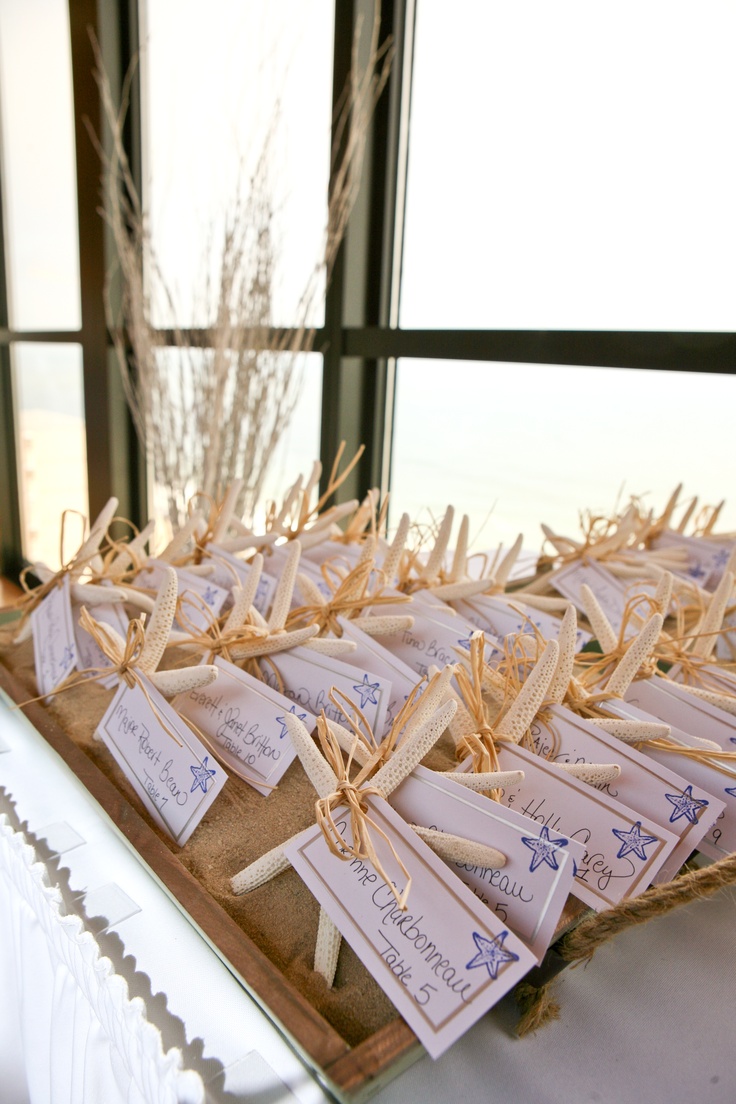
Wedding Place Card Ideas That Actually Seat Guests
Escort cards, seating charts, and at-table place cards that guests can read—coastal trays, cork boards, stationery matching, holders, and flow tips for assigned reception seating.
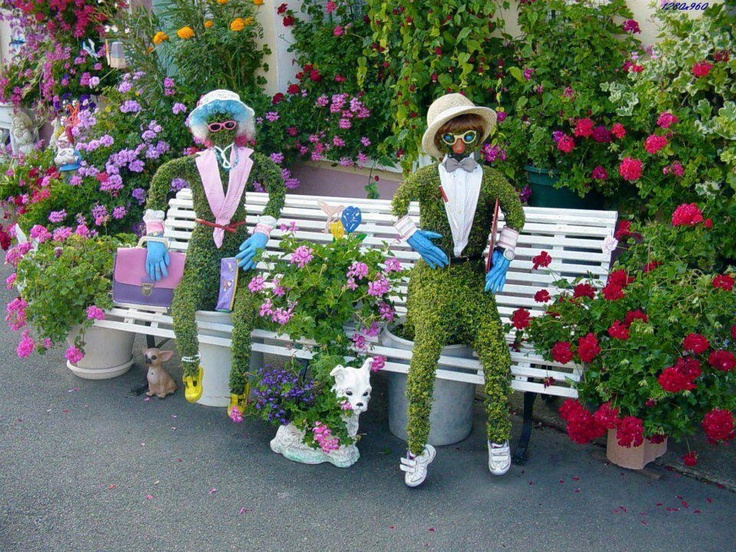
Garden Decoration Beyond Beds: Lace, Mosaiculture, and Upcycled Yard Art
From dressed topiary and floral cyclists to license-plate dragonflies and lace between trees—garden decorations that give a yard a voice.
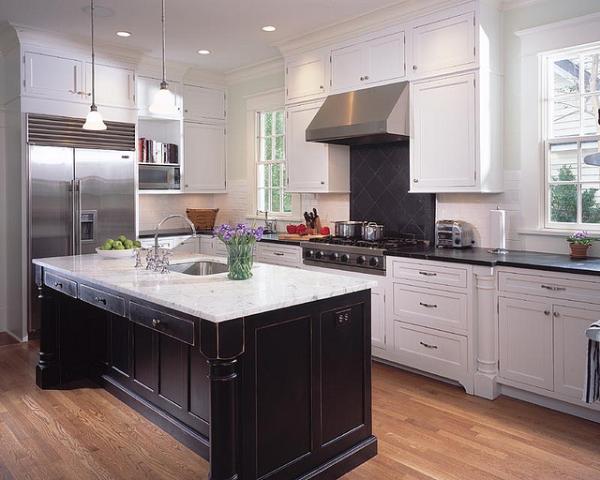
Kitchen Design Ideas: Layout, Storage, Light, and Finishes That Work
Practical kitchen design ideas—work zones, cabinetry, lighting, and durable finishes—so inspiration translates into rooms that cook and gather well.