
Scarlett Johansson on Vanity Fair France’s Debut, July 2013
Mark Seliger’s “Une Américaine à Paris” cover launched Vanity Fair France in July 2013—Scarlett Johansson as the first-issue face of Condé Nast’s French edition.
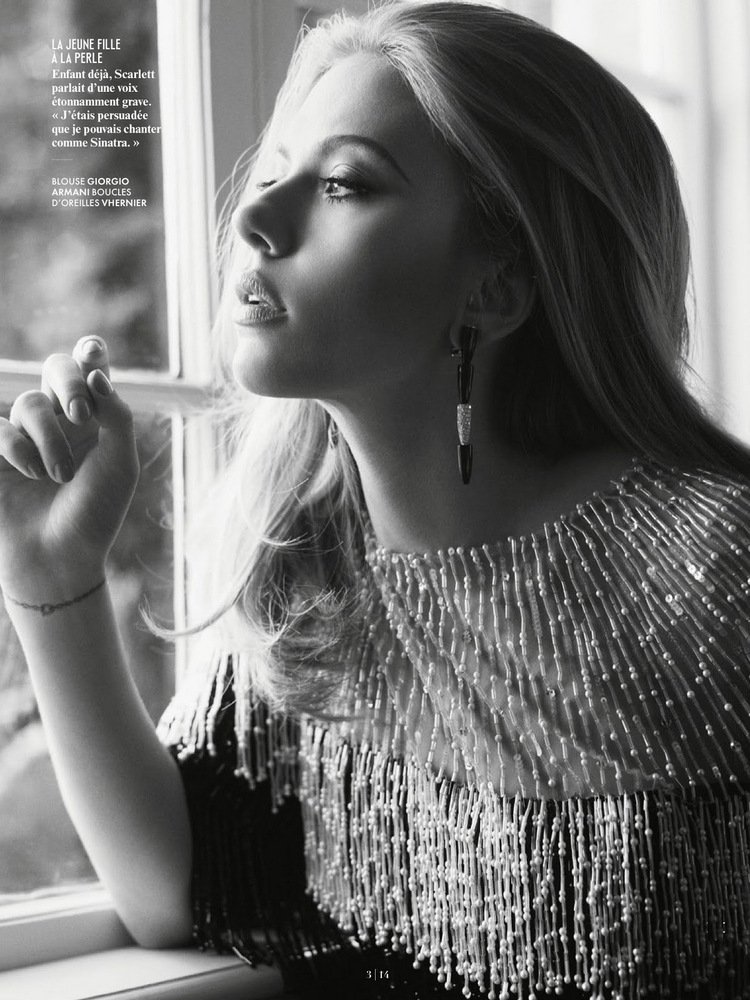
In late June 2013, Condé Nast’s new French edition of Vanity Fair reached newsstands with a July cover date and a deliberate first face: Scarlett Johansson, photographed by Mark Seliger. The cover line that framed the package—“Une Américaine à Paris”—was not casual wordplay. Editors were launching a title into a crowded French magazine market and needed a subject who could carry both Hollywood recognition and a credible Paris chapter. Johansson, already splitting time between the United States and France and linked publicly to a French partner, fit the launch thesis with unusual neatness.
The original post that lived at this pathname was thin—little more than a credit line and a single frame. The image retained here still anchors the moment. What follows rebuilds the historical context around that July 2013 debut issue: why Vanity Fair France chose her, how Seliger’s Paris sitting worked as launch portraiture, and what the feature represented as magazine-industry news rather than as disposable celebrity content.
A debut issue, not a routine cover
Vanity Fair’s American edition had long mixed investigation, culture, and glossy portraiture. Exporting that mix to France meant competing with entrenched weeklies and monthlies in a market known for heavy magazine readership and ruthless newsstand math. Period reporting around the launch—France 24, trade coverage, and fashion press—described a first issue that tried to balance light celebrity access with heavier French subjects, including investigative and society pieces that signaled seriousness beyond red-carpet recycling.
Choosing a cover star for issue one is brand architecture. Editors and executives quoted at the time cast Johansson as embodying the magazine’s desired spirit: polished on the surface, sharper underneath. The American-in-Paris angle gave French readers an entry point and international readers an excuse to care about a local launch. It also telegraphed bilingual cultural fluency—the same fluency Vanity Fair as a global franchise wanted to claim.
Ingrid Sischy’s profile, as summarized in contemporary coverage, walked through Johansson’s attachment to French life and addresses, memories of New York, reflections on a long film career already underway, and more combative passages about privacy, image theft, and a French literary controversy that had used her name. Whether readers met those themes in the full print interview or in web excerpts, the genre was clear: a Vanity Fair-style portrait essay, not a fashion-only caption set.
Mark Seliger in a Paris apartment register
Mark Seliger brought a portraitist’s reputation rather than a runway documentarian’s. Launch coverage described the sitting as lounging glamour in an opulent Parisian apartment—furniture, soft power, and a subject allowed to occupy space instead of performing a costume change every frame. Styling for the cover was associated with Deborah Afshani; period notes on the cover look commonly pointed to a Tom Ford top paired with a Christian Dior coat, hair styled toward a Bardot-adjacent volume that French newsstands would read instantly.
That wardrobe and setting vocabulary differs from a U.S. women’s-magazine floral studio story or a Russian Vogue couture opulence brief. Seliger’s job here was to make Johansson look like the face of a transatlantic magazine bet: American star power rendered in a Paris interior language. The single strong frame that survived on many blogs—and on this page—does that work economically. Soft light, close engagement with the camera, clothing that signals evening elegance without drowning in logo theatre.
Seliger’s celebrity portraits often succeed by refusing visual panic. Props stay secondary; the face and posture carry authority. For a debut cover, that restraint is strategic. A chaotic concept shoot might win fashion-insider points and lose casual newsstand buyers. Vanity Fair France needed both curiosity and clarity on day one.
Why “Une Américaine à Paris” worked as casting logic
By mid-2013 Johansson was not a new name in France. Film distribution, festival chatter, and tabloid interest had already made her familiar. What the launch issue emphasized was residency and affinity—an actress who could speak about living above a café, about French partners and addresses, about being implicated in French media storms. Editor Michel Denisot and colleagues, in period press conferences reported by outlets such as France 24, presented her as an ideal first subject precisely because she straddled Hollywood myth and Paris daily life.
That casting also flattered the magazine’s self-image. An American edition’s DNA arriving in Paris needed a cover that said “we understand this city” without pretending to be a purely local invention. Johansson-as-bridge was elegant shorthand. It is the same reason launch covers across media history so often pick subjects who are famous enough to stop a browser and specific enough to justify the geography.
Keep the date fixed. This is the July 2013 debut of Vanity Fair France—shelved from late June—not a generic “Scarlett in magazines” collage. Later covers and later career chapters do not rewrite what the first issue was trying to prove on day one.
What else the first issue signaled
Contemporary reports listed companion stories that announced the editorial mix: the Bettencourt affair, culture pieces spanning fashion history and nightlife memory, and fashion portfolios that aimed for artful tableaux rather than catalog sameness. In other words, Johansson’s cover was the handshake; the table of contents was the argument that French Vanity Fair would not be only a translated celebrity digest.
For fashion watchers, the Seliger images still read as early-2010s luxury portraiture—smooth finish, controlled sensuality, apartment soft power. For media historians, they mark a corporate launch artifact: Condé Nast planting a flag, using a Hollywood face to open a French conversation. For fans, the sitting is another chapter in Johansson’s long run as a cover economy unto herself—this time drafted into the role of inaugural ambassador.
Reading the surviving frame
Because so much of the original web post here was empty space, the remaining photograph has to work harder. It still does. You can read launch ambition in the polish, Paris in the setting cues and styling choices reported alongside the issue, and Vanity Fair’s house preference for portraits that feel like encounters rather than mannequin catalogs.
Compare this moment, in kind rather than in ranking, with other 2012–2013 Johansson magazine appearances and the differences stay instructive. A Marie Claire U.S. studio story sells American women’s-magazine intimacy and fashion variation. A Vogue Russia Alta Moda story sells couture density and national-edition opulence. This Vanity Fair France cover sells a premise: a new title, a city, and an American star willing to be read as belonging—at least for one July—to both.
Seliger’s July 2013 launch portrait remains the handshake Vanity Fair France extended to the newsstand. The magazine asked readers to meet Scarlett Johansson as “une Américaine à Paris.” The photograph still makes that introduction without needing a second headline.

Comments
Continue reading

Funny Animal Signs That Warn People (While Animals Ignore Them)
From a seagull on a no-birds disc to classic zoo and park ironies—why animal warning signs get funny, and what the rules are still for.
How to Find Local Amenities on Vacation: Mechanics, Haircuts & More
Locate trustworthy local services and everyday spots while traveling or settling in—using publications, reviews, map apps, neighbor tips, and low-pressure exploration.
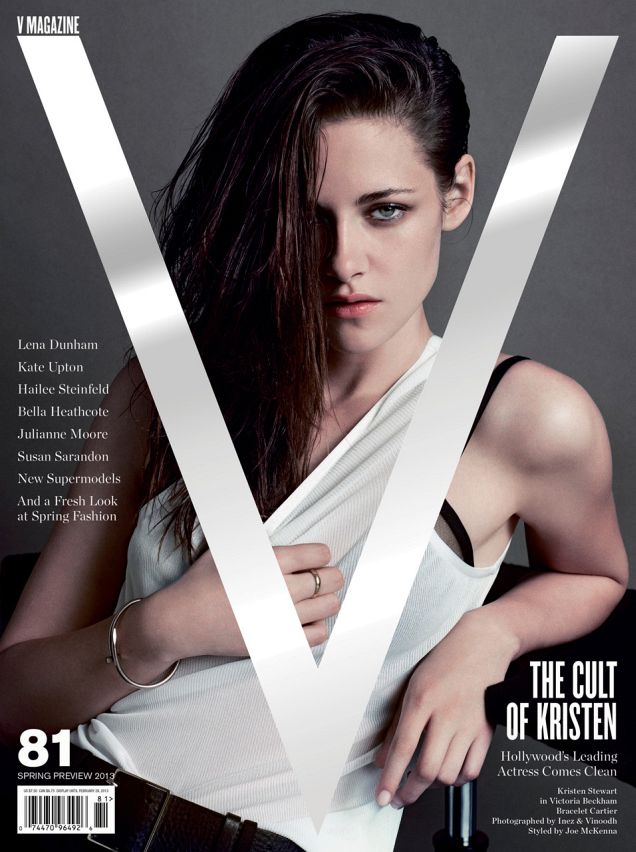
Kristen Stewart for V Magazine, Spring Preview 2013
V81’s Wild at Heart cover story—Kristen Stewart shot by Inez & Vinoodh, styled by Joe McKenna, in pale minimal spring glamour.