
A Road Trip with a Difference
How a caravan or camper hire changes an Australian road trip—berths, kilometres, terrain, and self-contained travel without the hard sell.

Road trips still sell the same daydream: windows down, music up, countryside sliding past at a pace that feels earned rather than scheduled. In Australia that daydream has unusual room to run. Distances are long, coastlines change character every few hours, and a summer or winter break can turn into a proper traverse instead of a single resort week. The catch is accommodation. Not everyone in the car wants to argue with guy ropes in the rain. That is where a road trip with a difference begins—not with a harder playlist, but with a different place to sleep.
Hiring a caravan or camper changes the shape of the journey. You keep the freedom of the highway and trade tent theater for a door you can shut. The photographs here lean into that mood: open road, towed shelter, the slightly comic grandeur of hauling your own bedroom behind you. What follows is a practical, non-salesy guide to planning an Australian road trip around caravan or camper hire—how to choose a layout, how far you can realistically go, what terrain asks of the vehicle, and when self-contained travel is worth the extra thought.
Why a caravan changes the trip
Tent camping remains the cheapest and lightest option when everyone in the group can pitch, pack, and sleep through weather. If that describes your friends, dig the tent out and keep the budget for fuel and food. Many groups, though, contain at least one person who wilts at the first wet guy rope. Winter trips, coastal wind, and “we have limited holiday days” all push toward a hard-sided or soft-sided hire unit: caravan, camper trailer, or motorhome depending on what local hire yards offer.
Towing also changes psychology. You are not hunting a motel at dusk with a tired driver and a phone dying at 12 percent. You arrive, level the van if needed, and the evening starts indoors. That reliability is why caravans suit mixed-skill groups—the mate who loves maps, the mate who loves playlists, and the mate who mostly loves dry socks. The trade-off is skill and attention: towing weight, mirrors, braking distances, and campsite maneuvering. A road trip with a difference is still a road trip; it just asks you to drive like someone responsible for more than a hatchback.
Plan the people before the paint color
Start with headcount. Berths and bunks are not marketing poetry; they decide whether someone sleeps on a fold-out that becomes a table at breakfast. Layouts vary wildly even within the same length class. Look at floor plans: where the beds sit relative to the door, whether the dinette converts, whether kids get bunks while adults get a fixed bed. If one traveler snores like industrial equipment, a layout with physical separation is kinder than optimism and earplugs alone.
Next, map the kilometres. Hire agreements often include a daily or total kilometre allowance, with excess charges beyond that. A coastal hop between nearby towns is a different contract from a multi-state push. Be honest about how many hours people will tolerate in a day. Australian distances punish ambition that looks fine on a flat map. Build buffer days. A “difference” trip fails when every night is a late arrival and a rushed departure.
Then ask what ground you will actually meet. Sealed highway touring is not the same as beach access tracks or corrugated outback stretches. Some vans and tyres are happier on bitumen; others are prepared for rougher approaches if the hire company and your tow vehicle allow it. Salt spray, sand, and mud are not moral failings—they are predictable wear. Ask what the agreement expects on cleaning and underbody care before you invent a beach camping finale that the contract never approved.
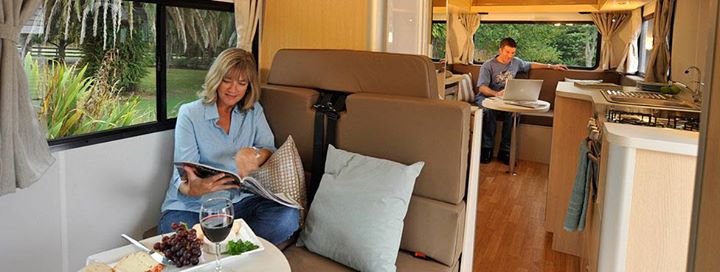
Four decisions that prevent holiday regret
- Capacity and layout. Count sleepers, then inspect how the van converts between day and night. A floor plan that looks clever online can feel like a puzzle when four adults try to make coffee at once. Prioritize kitchen and bathroom access if anyone in the group needs morning privacy.
- Kilometre budget. Match the hire allowance to a realistic route. If the free kilometres are tight, shorten the loop rather than pretending fuel stops will somehow compress geography. Excess kilometre fees quietly destroy the “we saved money versus hotels” argument.
- Terrain and tow vehicle. Confirm that your car or the hire tow vehicle can legally and safely handle the loaded weight. Ask about tyres, spare, and any restrictions on unsealed roads. Beach dreams need explicit permission, not vibes.
- Self-contained or powered-site dependent. A fridge, water, and toilet turn remote stops into real options. If you plan to rely on caravan parks every night, you can accept a simpler fit-out. If you want quieter bush or coastal freecamping where local rules allow, self-contained gear is the difference between independence and a long hunt for amenities.
Booking rhythm without the hard sell
Peak school holidays empty the good fleets first. That is not a scare tactic; it is inventory. If your dates are fixed around Christmas, Easter, or major long weekends, reserve early and compare layouts rather than grabbing the last remaining van that smells like someone else’s fried food experiments. Read the insurance excess, the bond, and what counts as damage. Photograph the van at pickup—corners, appliances, tyres—so return-day debates stay short.
Think about the tow pairing. A caravan that fits the holiday fantasy but overloads the vehicle is a false economy. Weight distribution, sway control, and practice in an empty car park before the first highway merge are unglamorous and useful. So is packing light enough that the van’s cupboards do not become a rolling thrift store. The romance of the open road survives better when the fridge door stays shut on corners.
Food and water plans matter more than mood boards. Self-contained travel still needs restocking points. Note towns with groceries and dump points. Share driving. The person who “doesn’t mind driving” should not silently accumulate twelve-hour days while everyone else curates a playlist. A road trip with a difference is still a social contract on wheels.
What the photographs are really selling
The images paired with this piece are not a catalogue. They are atmosphere: asphalt, sky, the silhouette of a van that means the night’s address is wherever you stop (within the rules). That feeling is why people hire instead of hotel-hopping. You wake up in a new postcode without unpacking a suitcase into a temporary drawer. You cook something simple. You argue about the next turnoff. You learn who in the group is secretly excellent at reversing into a site and who should never be handed the keys near a low tree branch.
Australia rewards that style of travel because the landscape does half the work. The Pacific coast, inland highways, wine regions, desert approaches, and ferry-linked islands each ask for slightly different pacing. A caravan does not make those places better. It makes your access to them more continuous. The “difference” is continuity: fewer check-in desks, more evenings that belong to the trip instead of to a lobby.
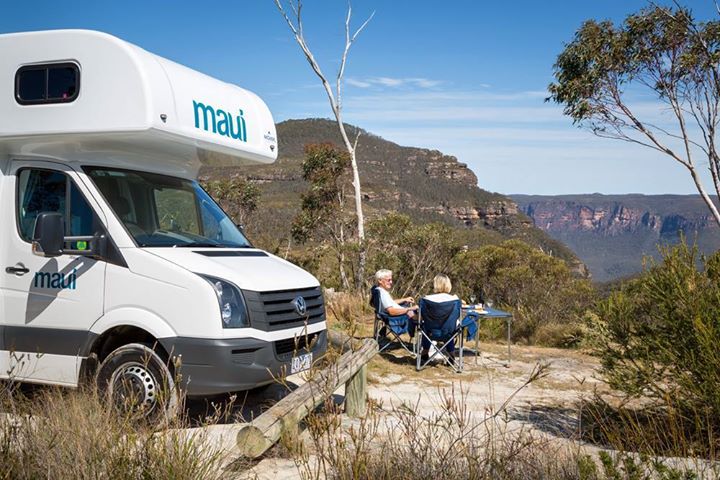
If you take one planning habit from this page, make it this: decide the people, the kilometres, the terrain, and the self-containment level before you fall in love with a paint job. The glorious vignette—music up, windows down, countryside rolling—still happens. It just arrives with a door you can lock when the weather turns, and a morning that starts with coffee instead of a soaked tent fly.

Comments
Continue reading

Funny Animal Signs That Warn People (While Animals Ignore Them)
From a seagull on a no-birds disc to classic zoo and park ironies—why animal warning signs get funny, and what the rules are still for.
How to Find Local Amenities on Vacation: Mechanics, Haircuts & More
Locate trustworthy local services and everyday spots while traveling or settling in—using publications, reviews, map apps, neighbor tips, and low-pressure exploration.

Kristen Stewart for V Magazine, Spring Preview 2013
V81’s Wild at Heart cover story—Kristen Stewart shot by Inez & Vinoodh, styled by Joe McKenna, in pale minimal spring glamour.