
Pure White Winterscapes: Snow, Quiet Light, and Minimal Frames
A winter photography gallery of snow-softened roofs, trees, and pale fields—how white weather simplifies composition and rewards slow looking.
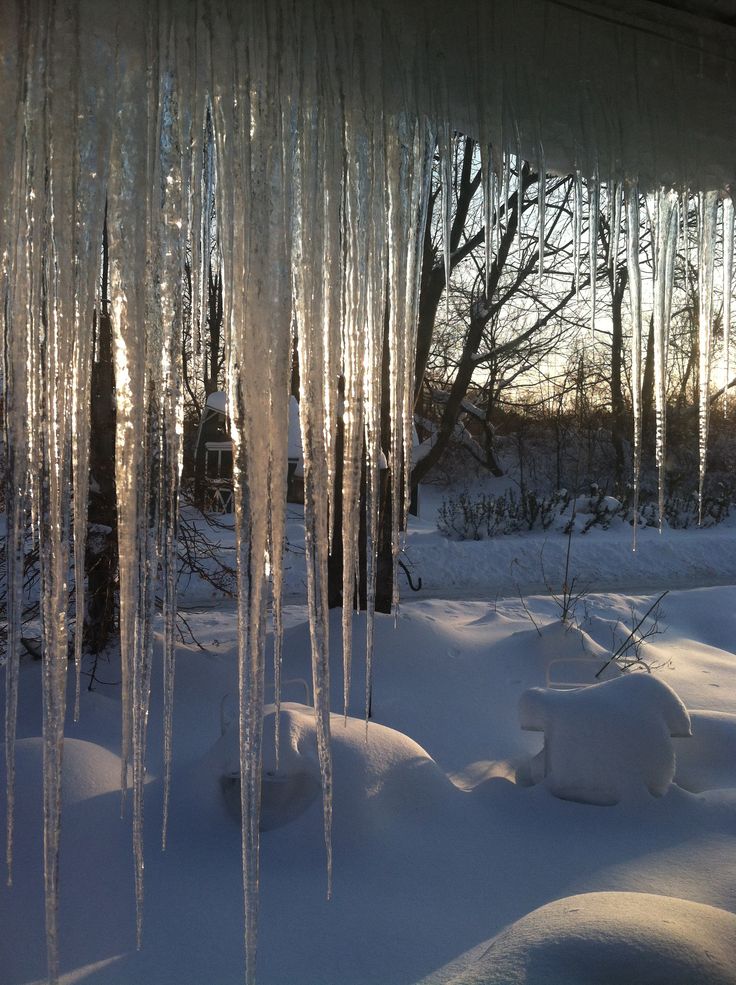
Winter can look like a closed season from indoors: early dark, cold glass, and a sky that refuses bright color. Step outside—or look carefully through the window—and the same weather becomes a study in white. Snow softens roofs, sharpens branches, and turns ordinary streets into temporary studios. These pure white winterscapes are less about drama than about quiet contrast: pale ground, dark trunks, a thin line of warm light in a window.
Photographers have long chased that palette because it changes what a camera is asked to do. Summer pictures often fight clutter—leaves, signs, parked cars, competing colors. Winter removes half the argument overnight. What remains is structure and tone. A good frame depends on patience more than gear: waiting for snowfall to pause, for footprints to settle, for a bird or a distant figure to give the blank field a scale.
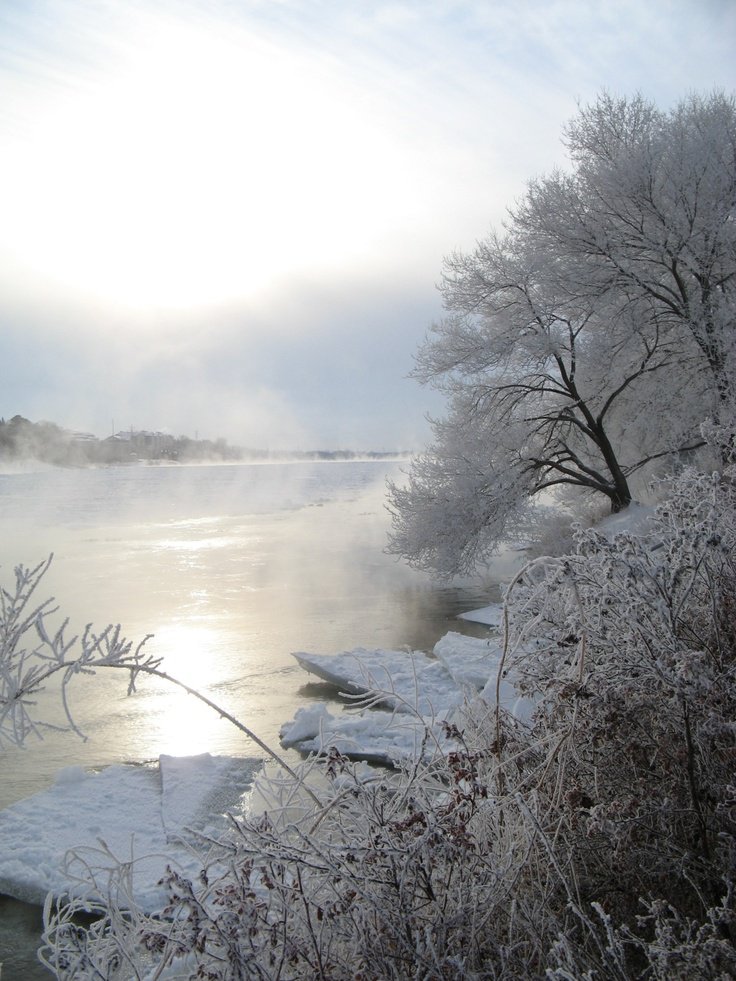
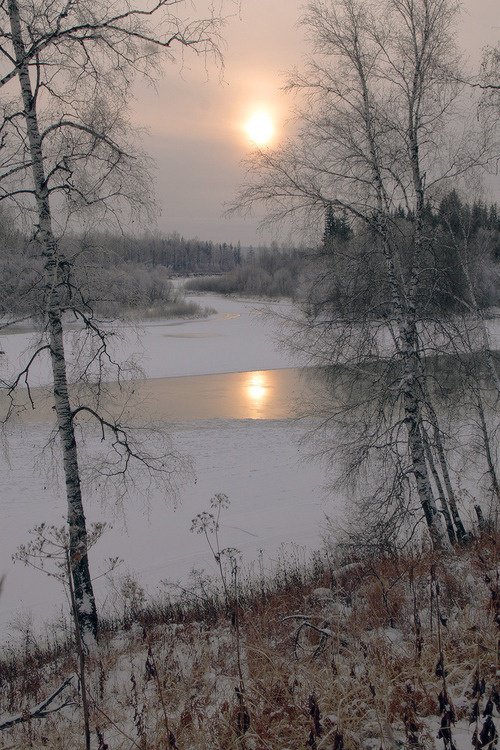
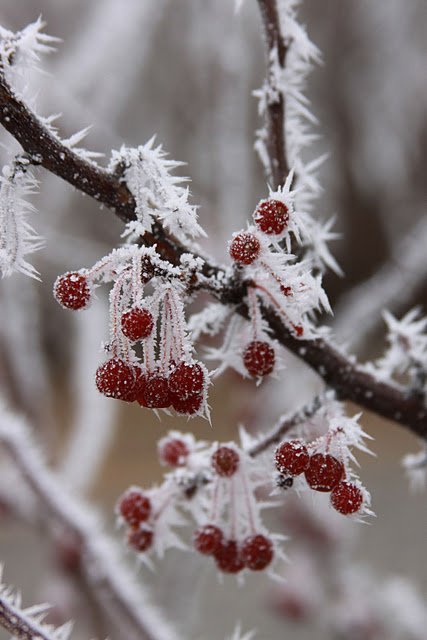
White is never only white. It holds blue shadows at dusk, gray in storm light, and faint gold when the sun finally clears. Learning to see those shifts is the real subject of a winter gallery. The cold is the occasion; the color inside the colorless is the craft.
Why snow simplifies a picture
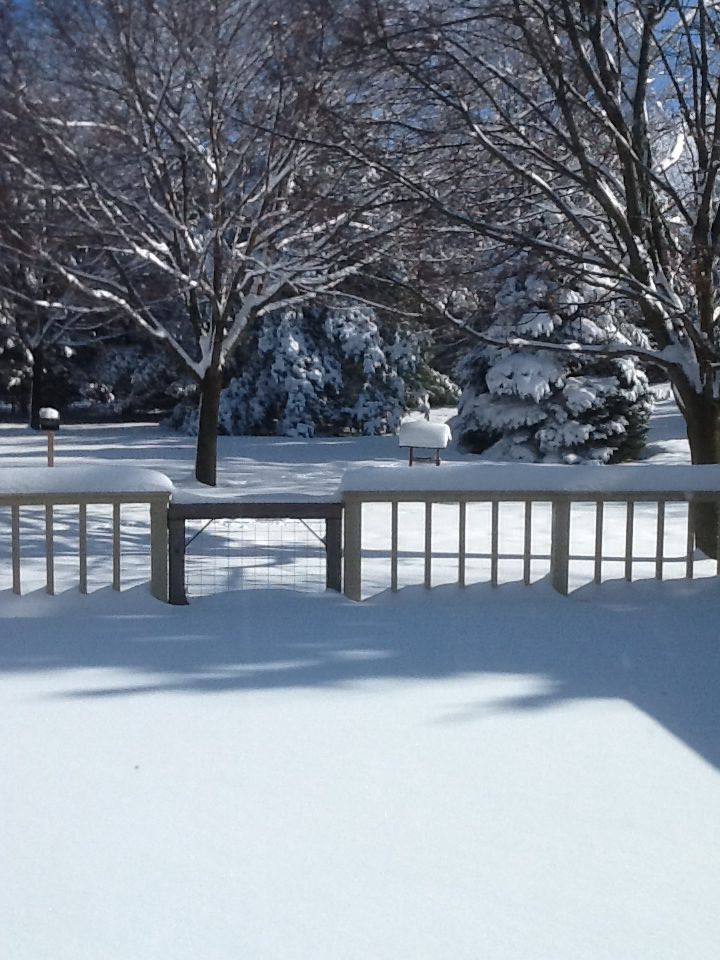
Snow is a natural minimizer. It covers trash bins, lawn furniture, and the visual static of warm months. Roofs become planes. Fences become calligraphy. Roads become pale ribbons with a darker seam where tires have passed. That is why winter photographs can feel almost abstract even when they document a real place. The world edits itself.
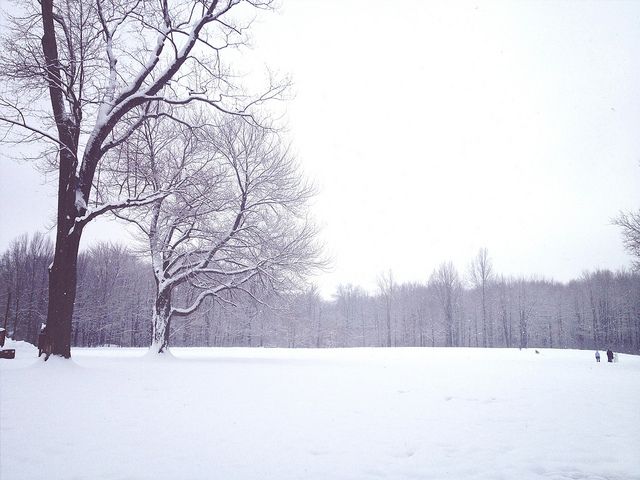
Negative space does emotional work. A wide white field is not empty; it is pressure and calm at once. Viewers lean into small details because the frame refuses to distract them. A single porch lamp, a dark doorway, or a narrow trail of tracks becomes a hinge for the whole image. If you remove that hinge, the picture can tip into flatness. If you place it carefully, the white starts to feel intentional rather than accidental.
Compositionally, snow also changes depth cues. Distant trees lose texture and become silhouettes. Midground objects gain importance because foreground detail has been erased. Many strong winterscapes push the horizon high or low on purpose, letting ground or sky dominate so the photograph reads as weather first and location second.
Looking from warmth
One of winter’s sweetest pleasures is the split view: cold outside, heat inside. From a kitchen window, icicles read like glass sculpture. Squirrels turn tree limbs into stages. Roof snow slumps in slow motion after a thaw begins. Photographs made from that threshold often carry a double mood—comfort and exposure in the same breath.
That indoor vantage also teaches restraint. You cannot chase every angle when your feet are in slippers and the storm is still moving. You watch one rectangle of weather long enough to notice sequence: first the soft fall, then the settled hush, then the blue hour when lamps win against the sky. Sequence is hard to show in a still image, but a gallery of winterscapes can imply it by varying density of snow, direction of light, and how much human trace remains.
If you live where snow never arrives, these images work as borrowed weather. They are not a substitute for travel so much as a reminder that seasonality reshapes attention. Even a cup of something hot beside a screen can tune you to slower looking. The point is not nostalgia for cold; it is practice in noticing reduced palettes.
Light, hour, and weather type
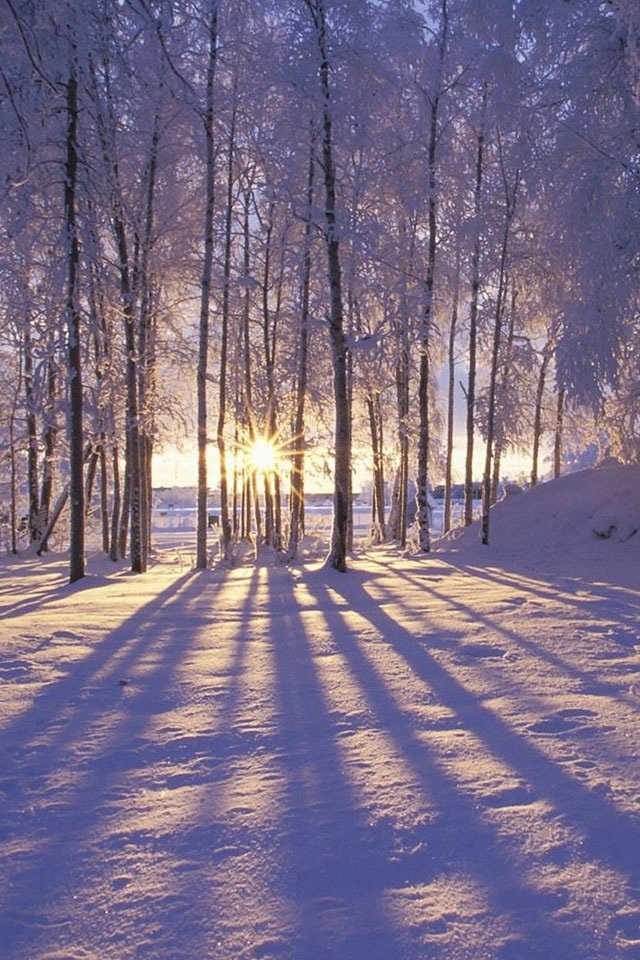
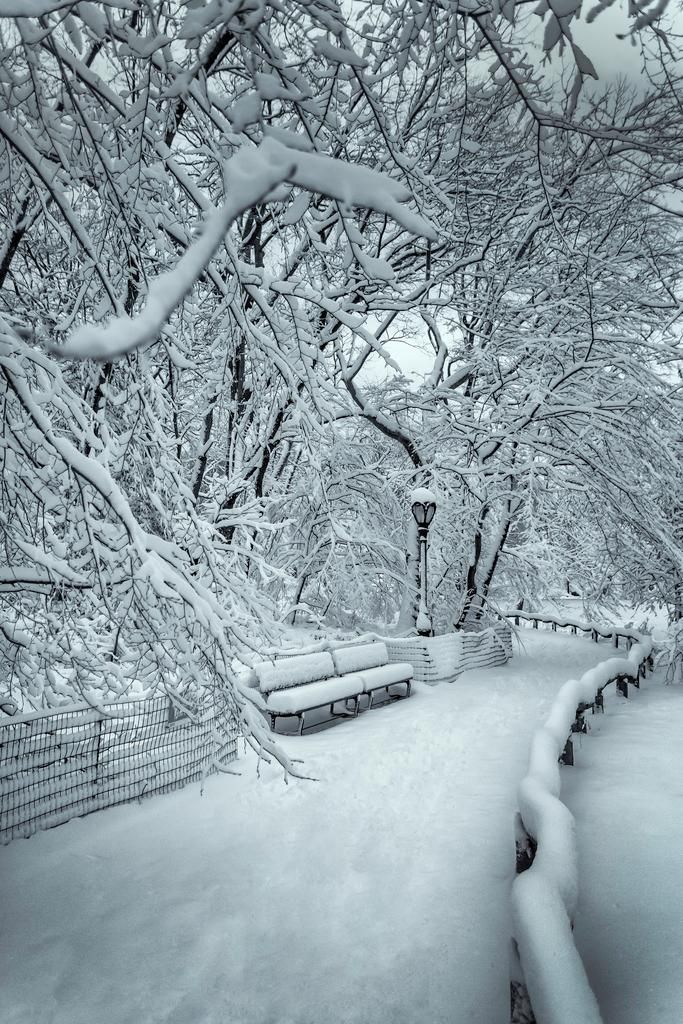
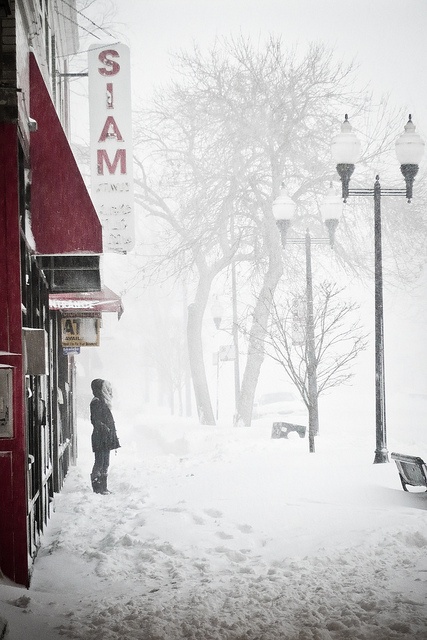
Not every winter day photographs the same way. Fresh powder under soft overcast gives gentle gradients and low contrast—useful for quiet portraits of place. Hard sun after a storm throws blue shadows that carve dunes, plow ridges, and tire tracks into graphic patterns. Fog and falling snow reduce depth, turning distant trees into stacked silhouettes and making streetlamps bloom.
Twilight is often the richest hour. The snow still holds daylight while windows begin to glow. That balance keeps whites from blowing out and keeps darks from collapsing into featureless blocks. Many of the strongest winterscapes live in that narrow band when the day is neither fully open nor fully closed.
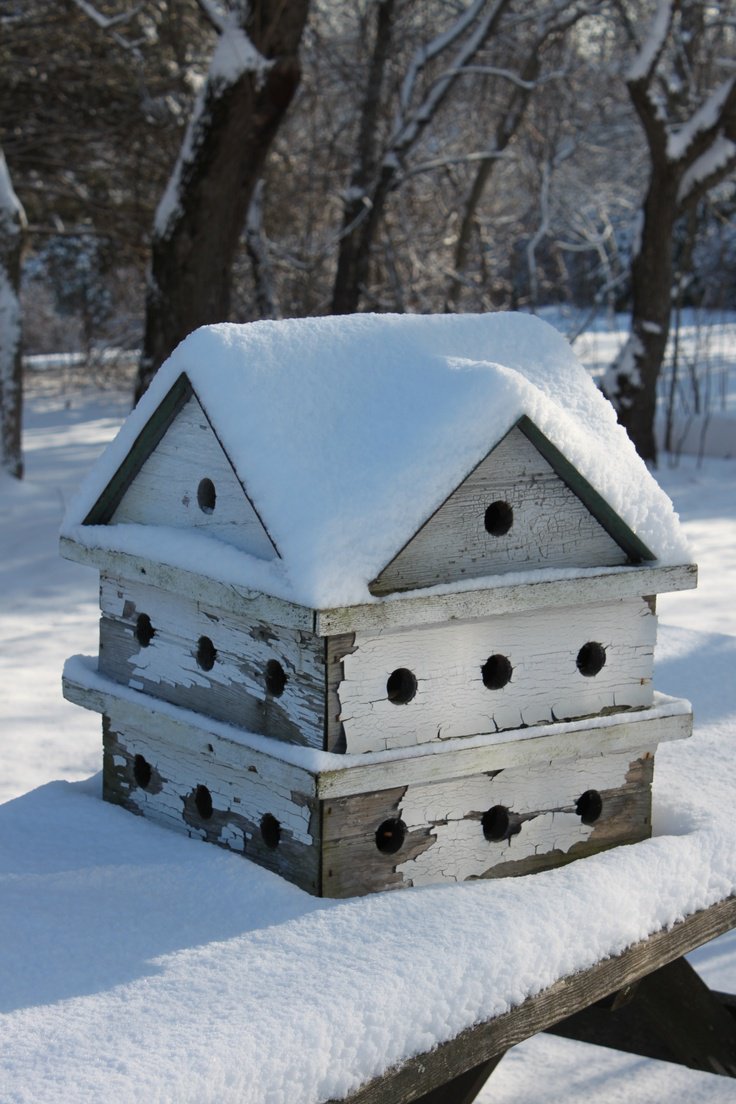
Exposure choices matter more than people expect. Cameras metering a snowfield often underexpose, turning luminous ground into dull gray. Photographers who care about “pure white” usually open up enough to keep the snow bright while protecting texture—tiny sparkles, footprints, the faint ribbing of wind. Pure white without texture can feel like a mistake; pure white with micro-detail feels like weather you could step into.
Subjects that hold up in white weather
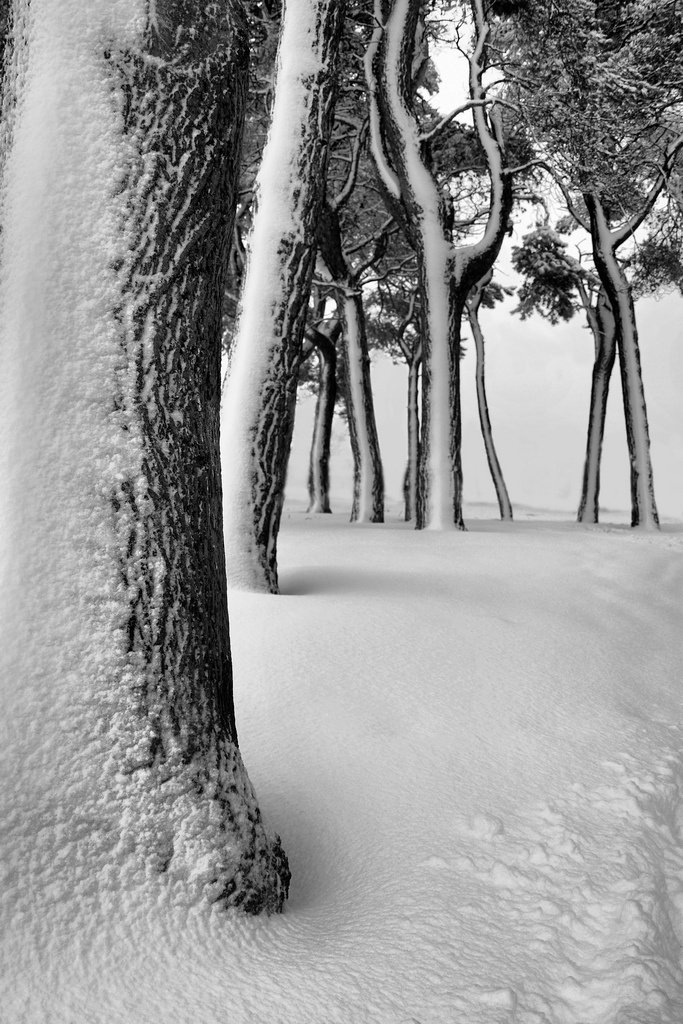
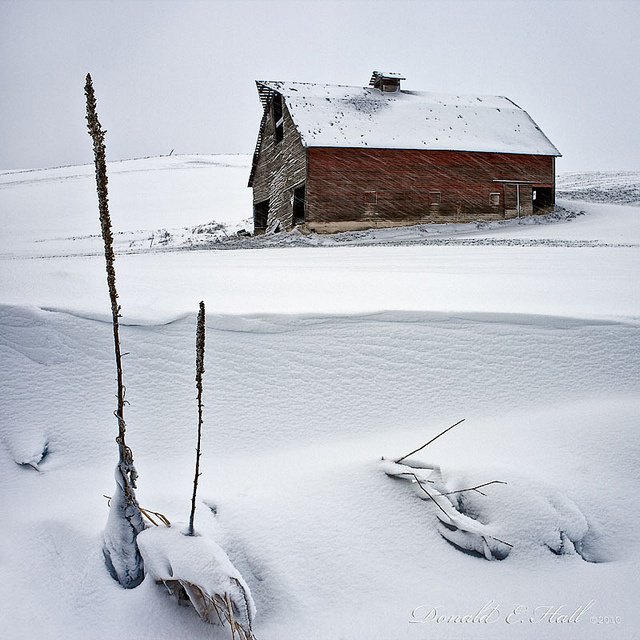
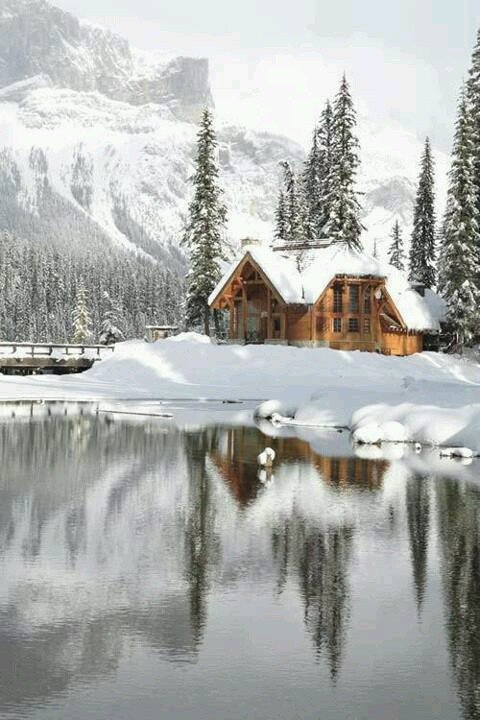
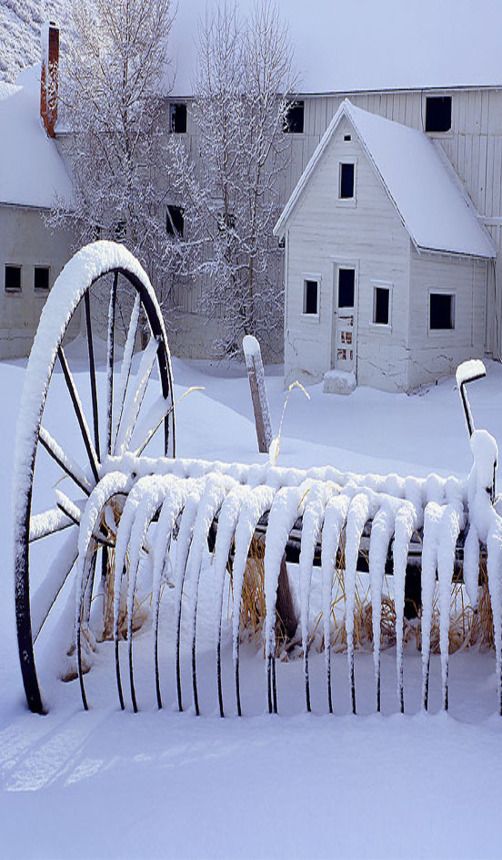
Architecture loves snow. Eaves collect cornices; stairs become soft sculpture; barns and cabins read as dark anchors against pale fields. Churches, sheds, and simple houses often photograph better than ornate skylines because their silhouettes stay clean. Trees are the other classic subject: evergreens loaded with weight, deciduous limbs etched like ink drawings on paper.
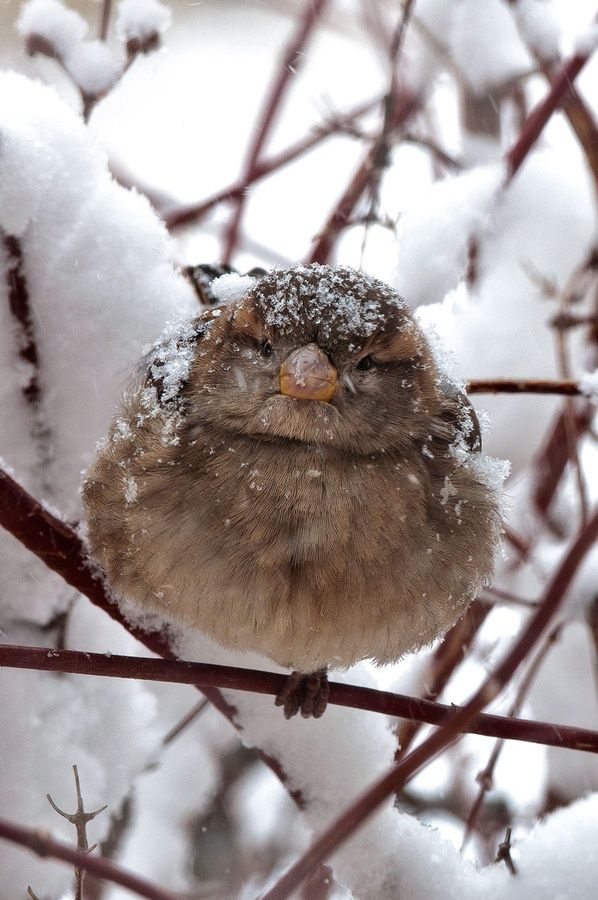
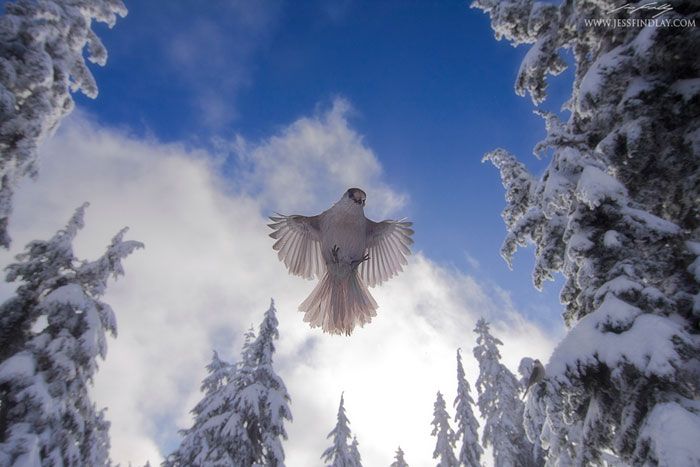
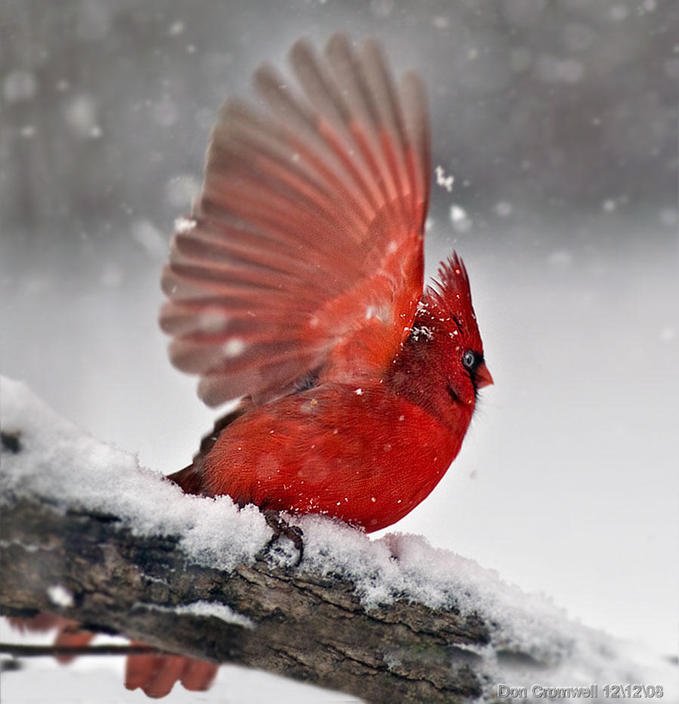
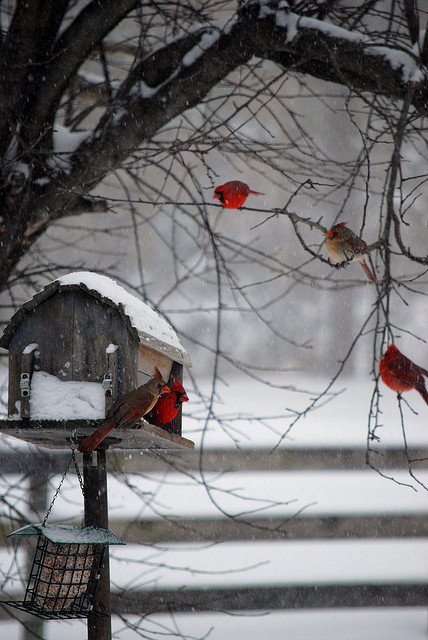
Animals and people, used sparingly, restore narrative without spoiling the quiet. A single walker on a path can measure distance better than a caption. A bird on a wire can keep a nearly empty sky from floating away. Too many figures, and the winterscape becomes a street scene that happens to be cold. The genre usually prefers solitude or the suggestion of it.
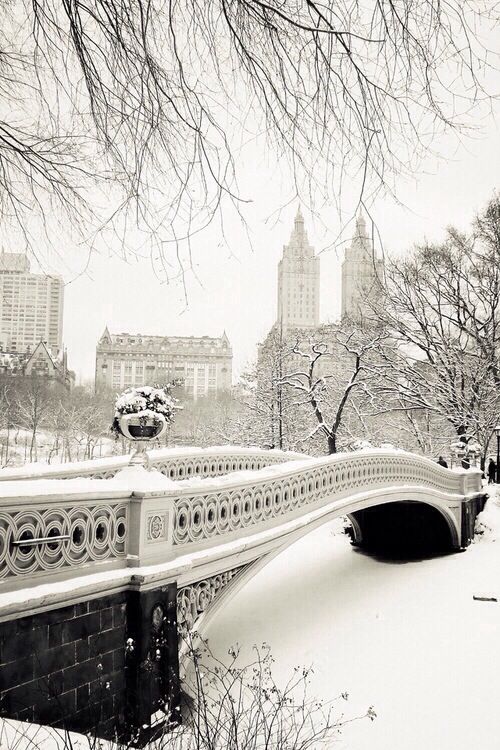
Urban winter has its own grammar—steam vents, salted sidewalks, bus shelters, the shine of wet asphalt where plows have passed. Rural winter leans on horizon lines and the loneliness of a single road. Both can be “pure white” if the photographer resists clutter and lets snow do the composing. The shared goal is legibility: can a viewer feel temperature, silence, and scale in a few seconds?
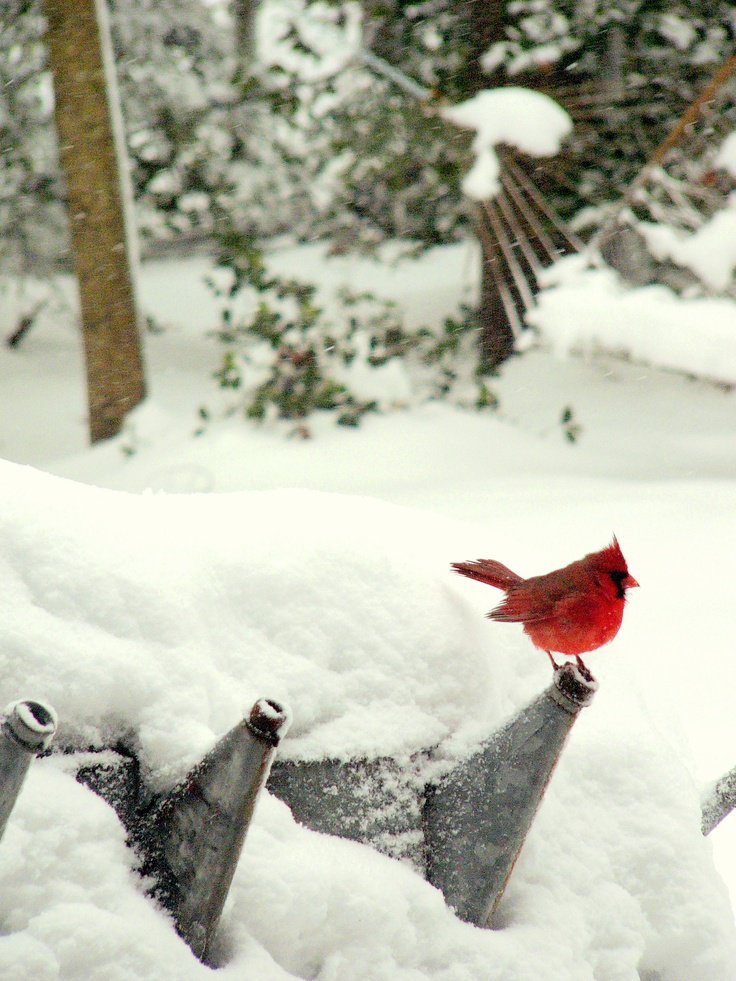
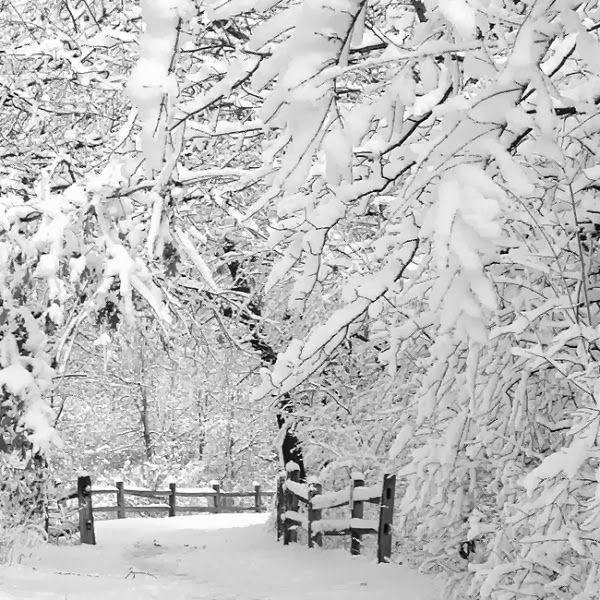
How to move through this gallery
Move slowly. Winter pictures punish skimming. Notice where the brightest white sits, where the deepest dark cuts through it, and whether the horizon is centered or pushed to emphasize ground. Ask what the frame excludes. Often the power of a winterscape is the decision not to show the whole street, the whole forest, the whole storm—only the plane of weather that makes the day legible.
Compare adjacent images for temperature of light. Some frames are cool and blue; others warm slightly around buildings or late sun. That variation keeps a long run of snow photographs from becoming monotonous. Also watch for texture differences: powder, crust, slush, and windboard each catch light differently. A gallery that includes several of those surfaces feels more like a season than a single postcard mood.
If you make your own photographs, protect your attention as carefully as your hands. Cold drains batteries and patience. Scout compositions from a doorway or car first. Expose for the snow so it stays textured rather than nuclear. Leave some scenes unshot; the eye needs rest between white fields or everything starts to look the same. A short walk with three careful frames usually beats an hour of hurried ones.
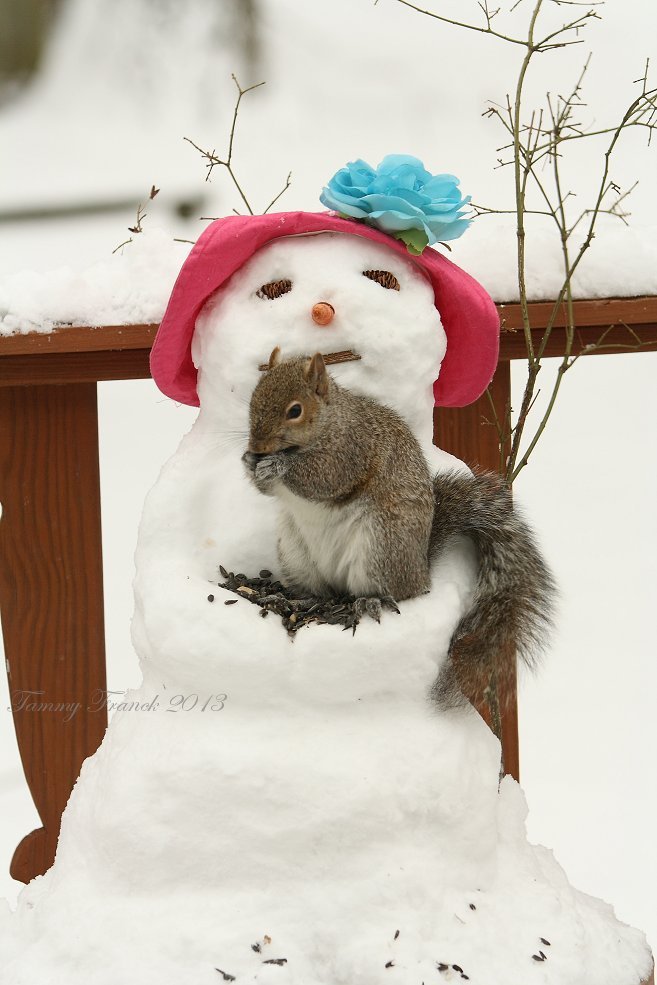
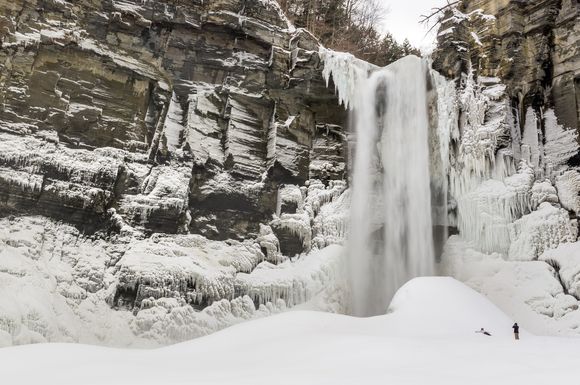
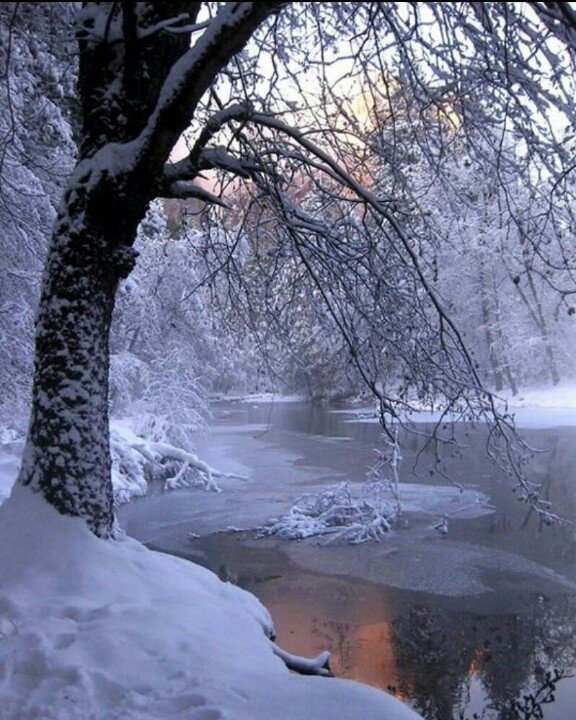
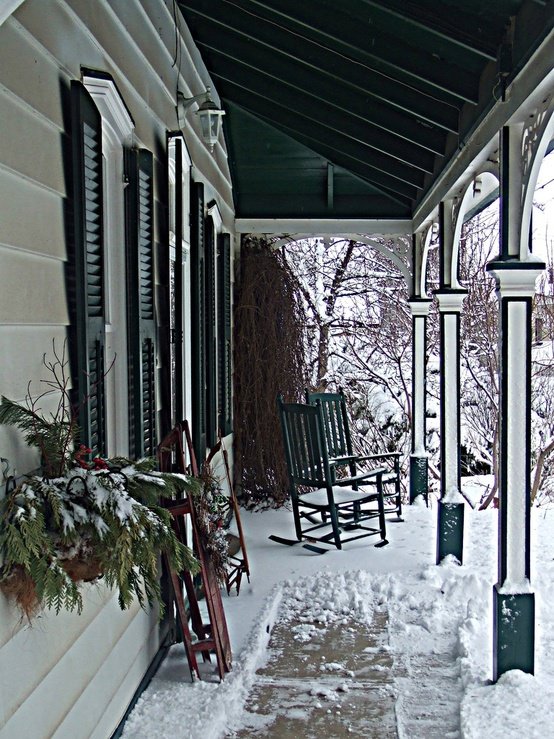
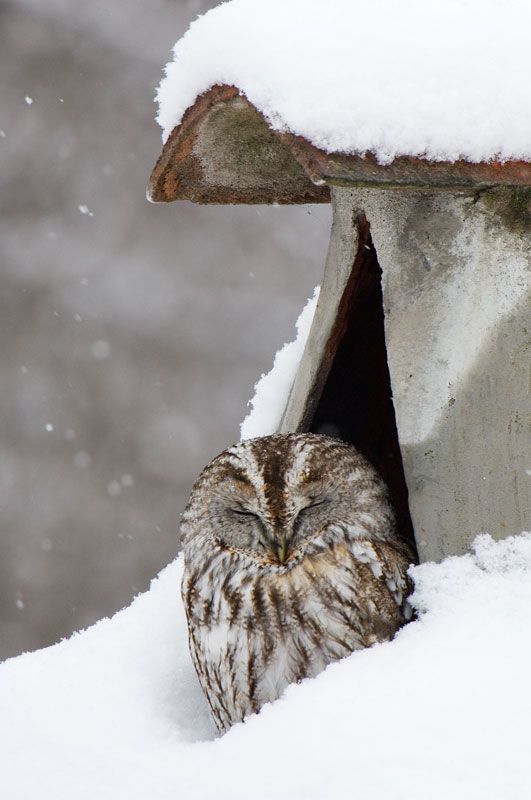
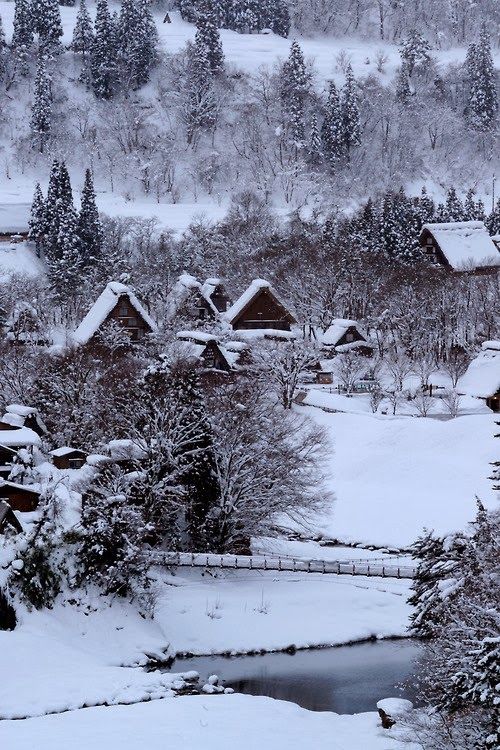
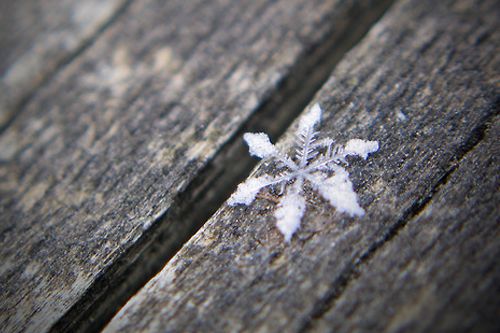
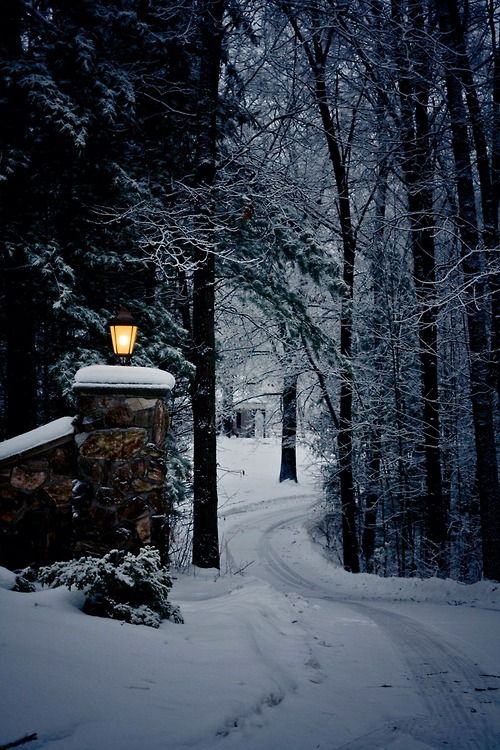
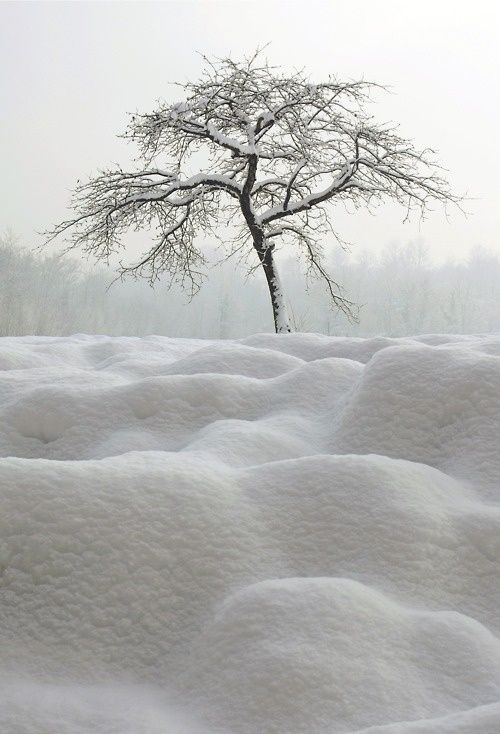
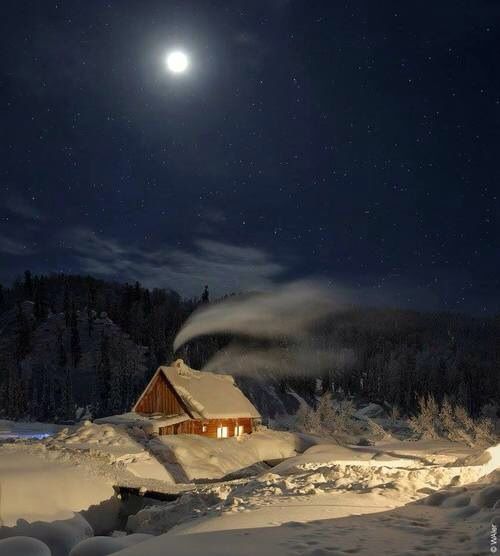
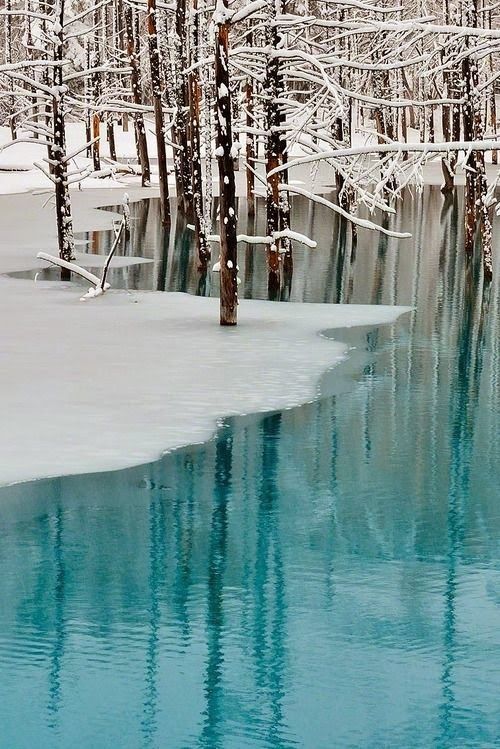
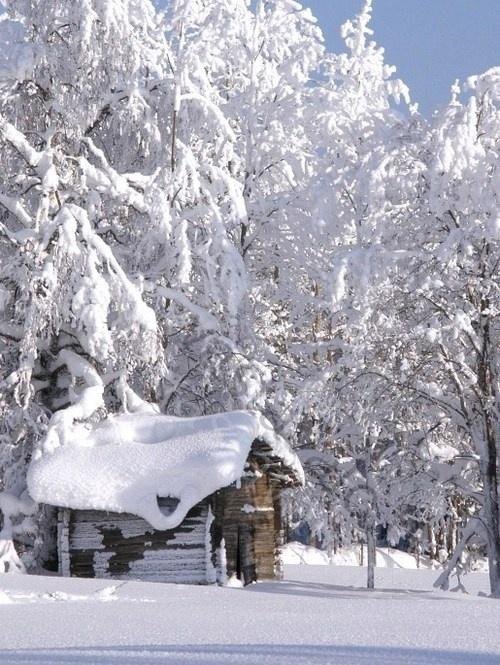
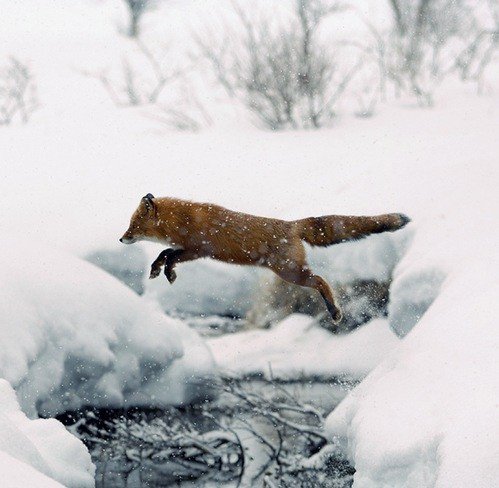
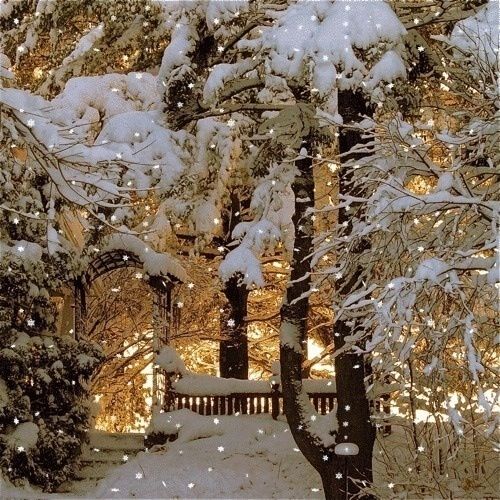
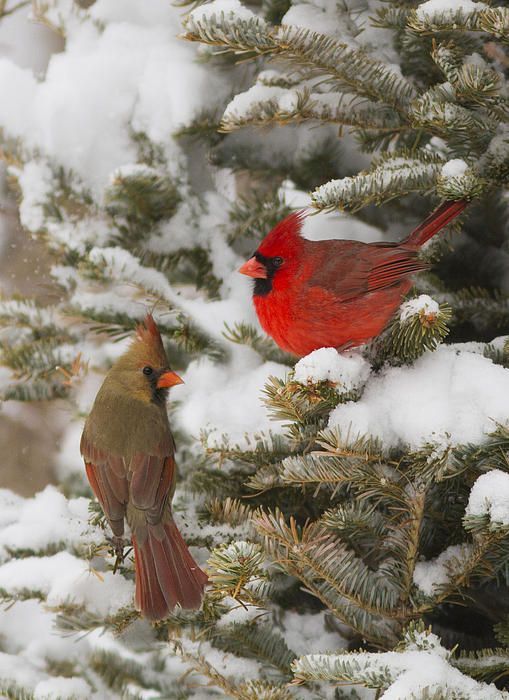
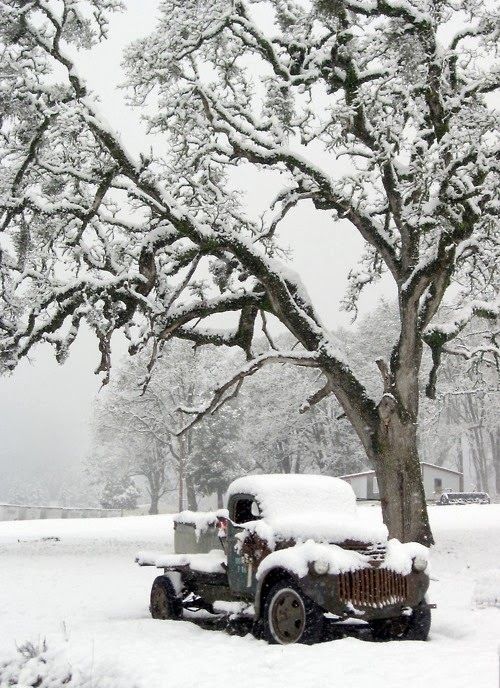
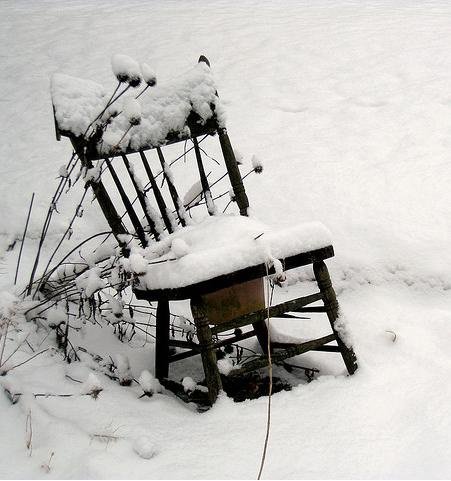
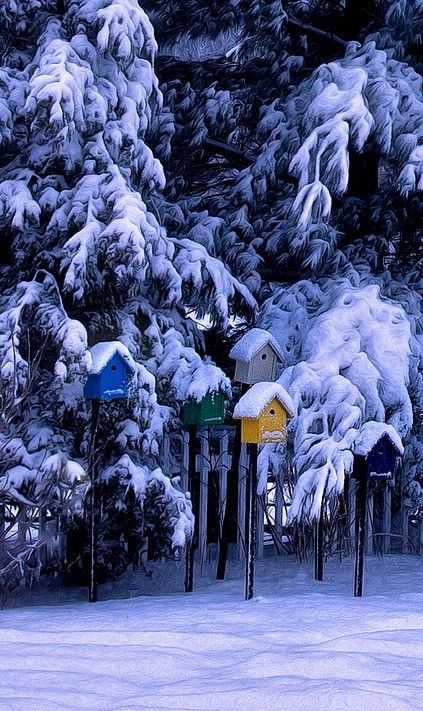
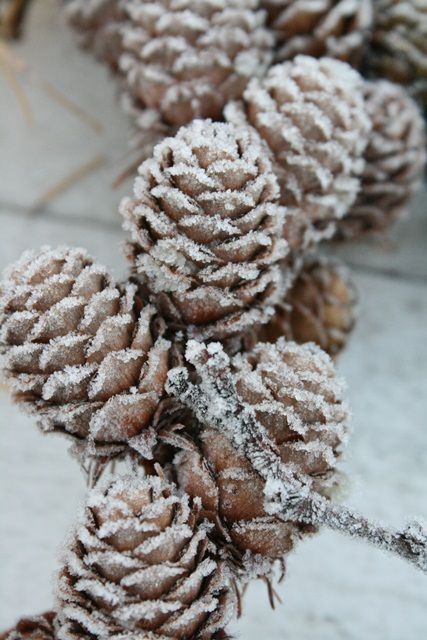
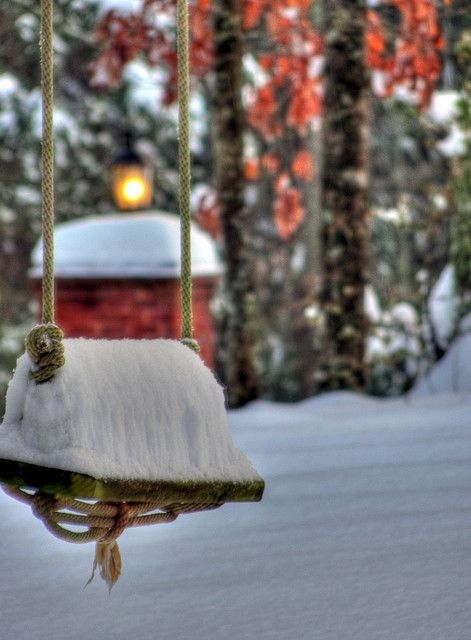
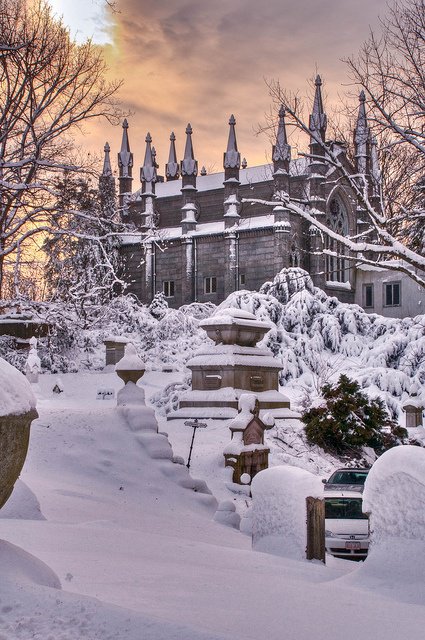
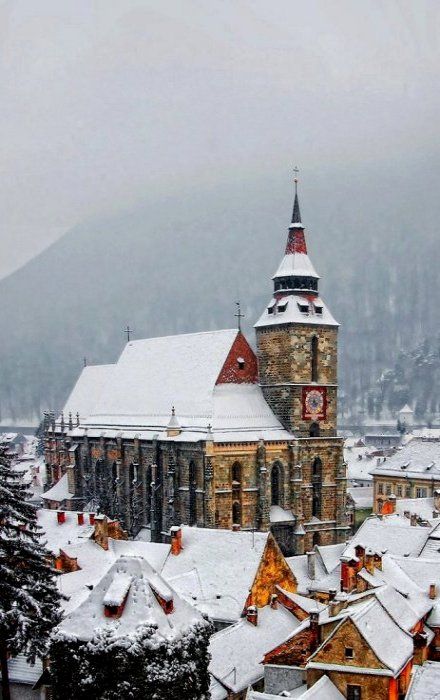
Keep going until one frame stops you—the image where white stops being weather and starts being composition. That pause is what a winter gallery is for: not escaping the cold, but noticing how much form it leaves behind when the world turns pale.

Comments
Continue reading
Puddle Reflections: Winter Streets Doubled in Rainwater
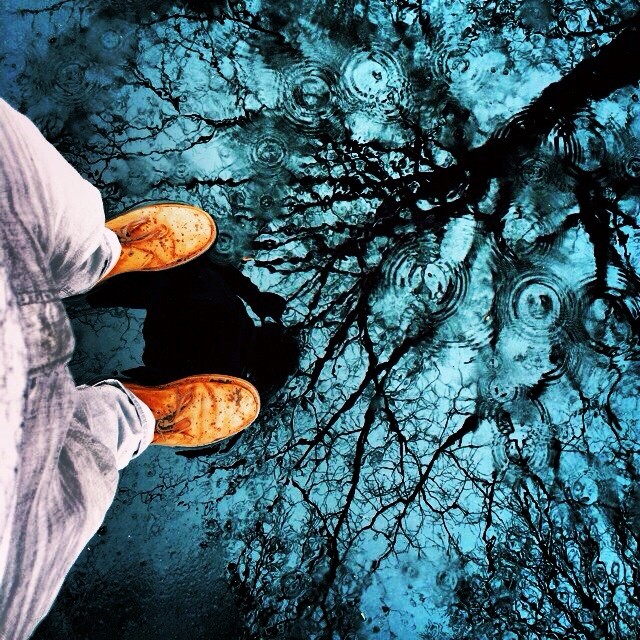
After rain, shallow puddles become street-level mirrors—a #puddlegram gallery of winter and city reflections from photographers who shoot low and wait for still water.

A Cup of Coffee for Winter: Cozy Mugs, Spices, and Slow Gatherings
Vanilla, caramel, cinnamon, knit socks, and candlelight—a photo essay on winter coffee, friend gatherings, and the small heat that makes cold days bearable.
15 Winter Landscape Photos: Alpine Light, Snow, and Mountain Craft
Fifteen Alpine winter landscape frames—plus practical notes on cold light, snow exposure, storm weather, and field craft for mountain photography.