
Powerful Photos of Animals at War
Archival war photographs of dogs, horses, and mascots—companions, workers, and casualties documented with care rather than sentimentality.
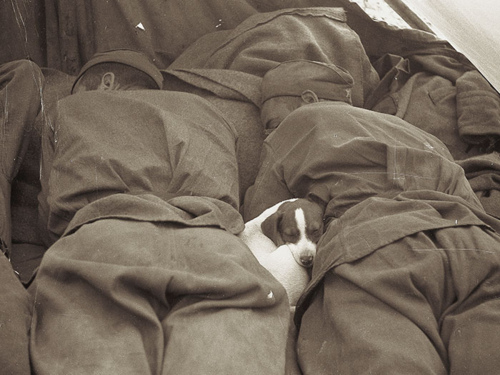
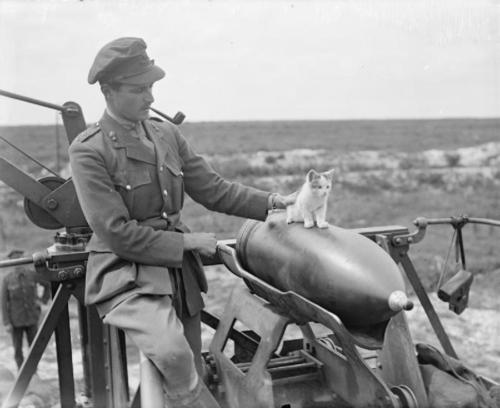
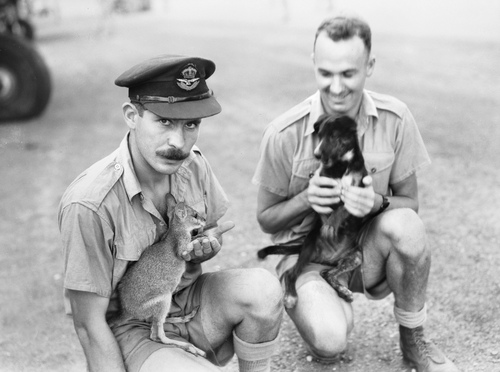
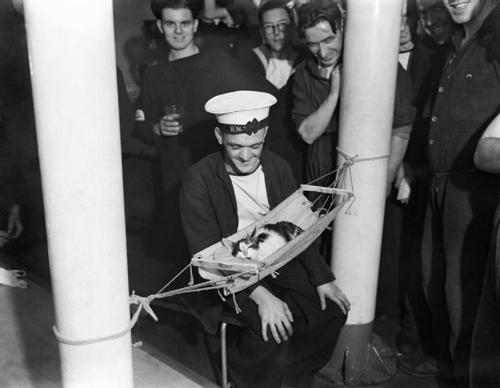
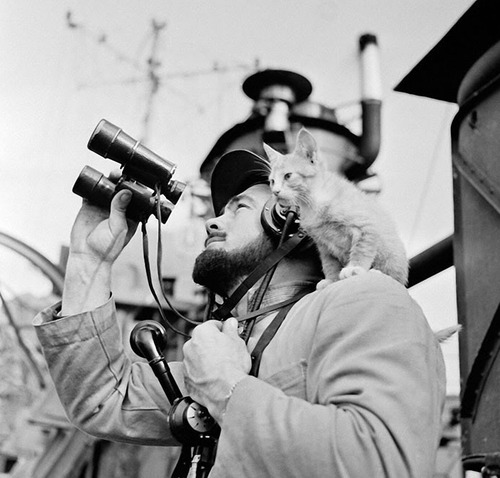
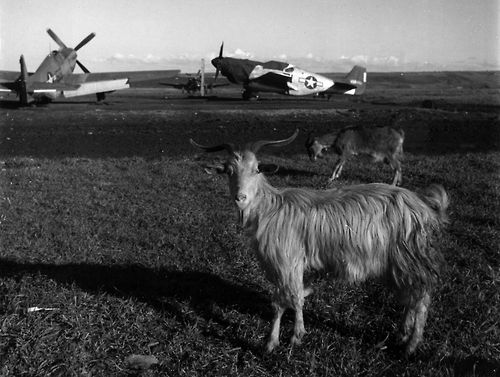
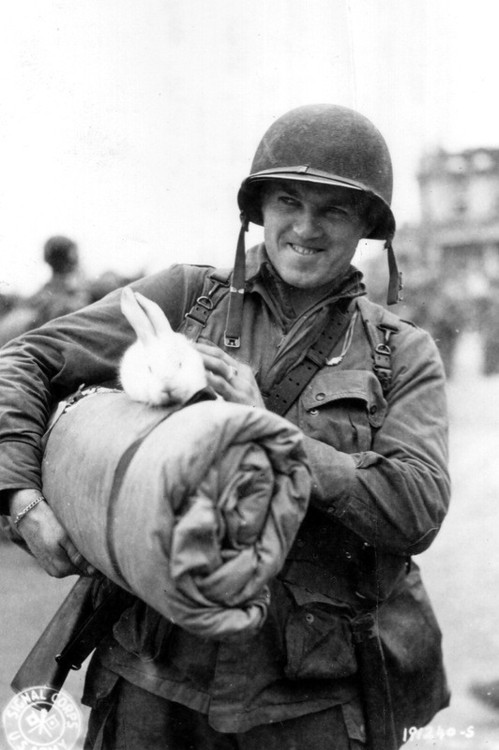
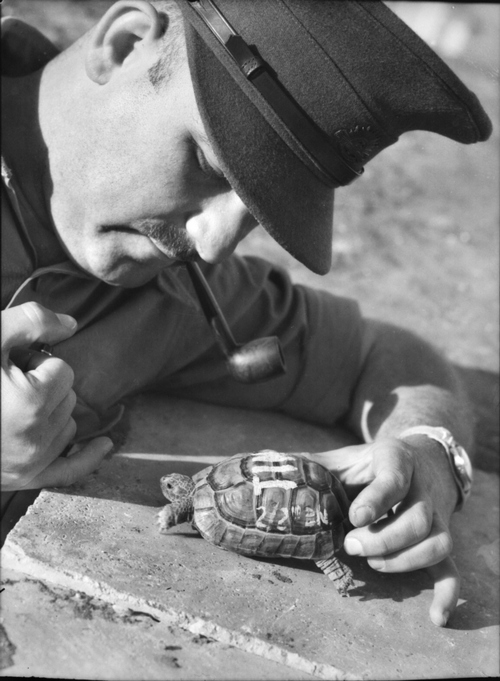
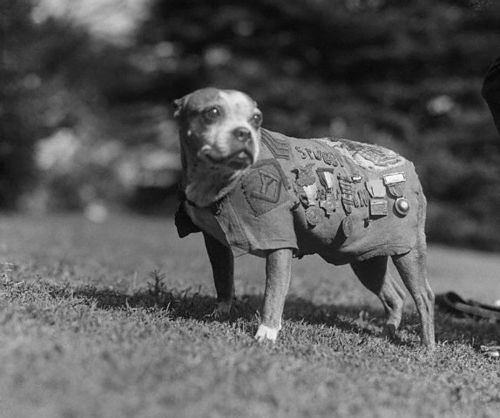
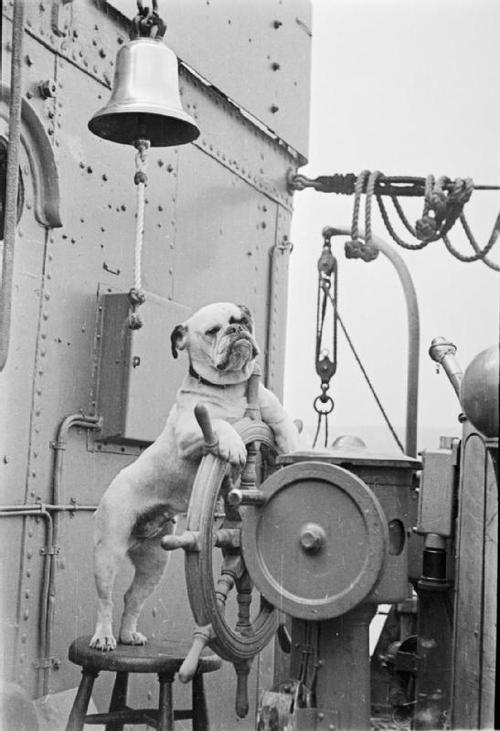
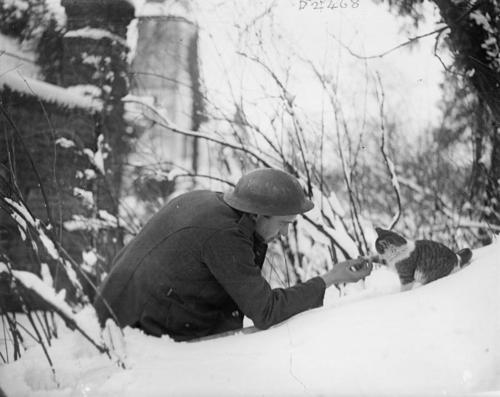
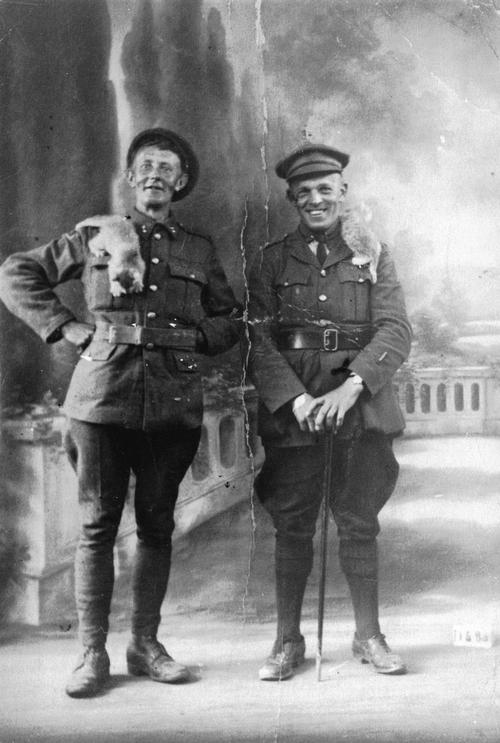
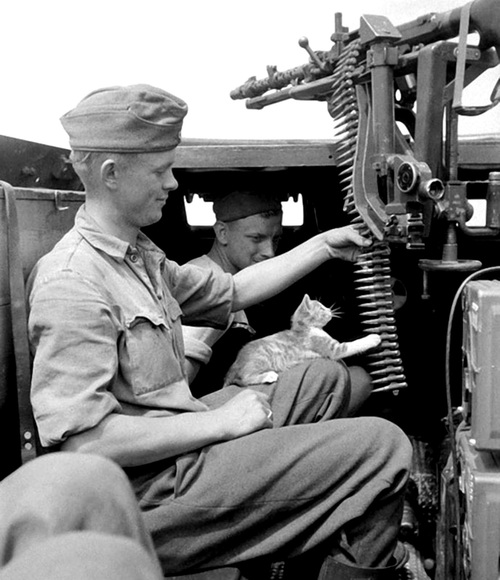
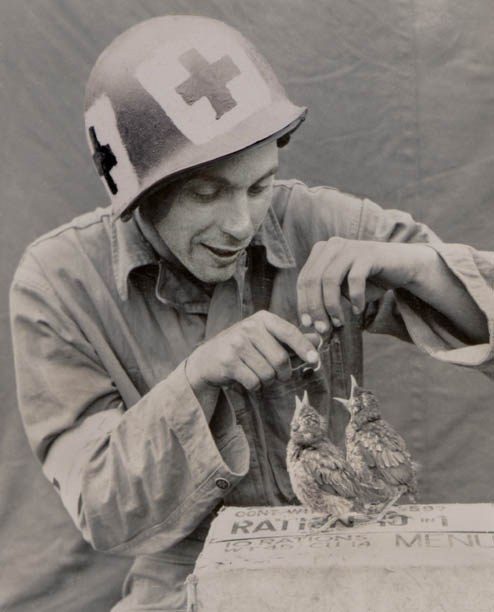
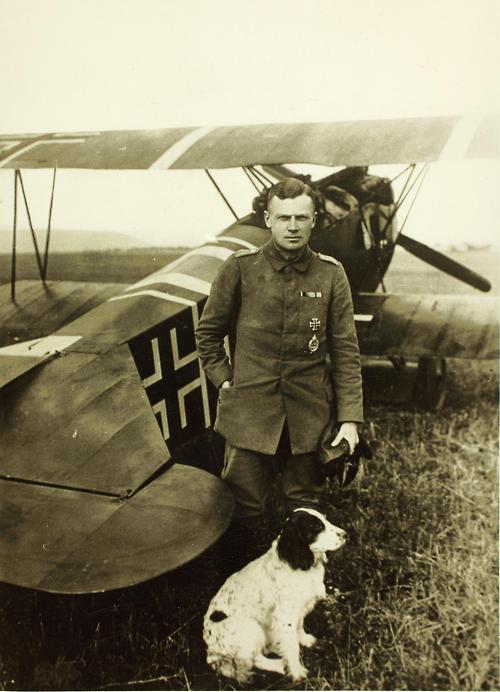
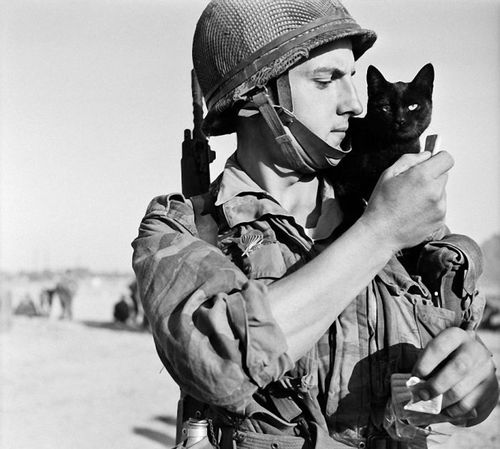
War photographs often center on people, machines, and ruined ground. Another subject appears again and again in the same archives: animals. Dogs sit beside wounded men. Horses wait under packs. Cats nap on bunks. Mascots wear improvised medals. The images collected here come from historical war photography—especially material associated with twentieth-century conflicts and rest periods—and from circulating archival sets that have long been shared under the informal heading of “war animals.” They are not cute distractions from history. They are documents of how soldiers lived with other living creatures under extreme pressure.
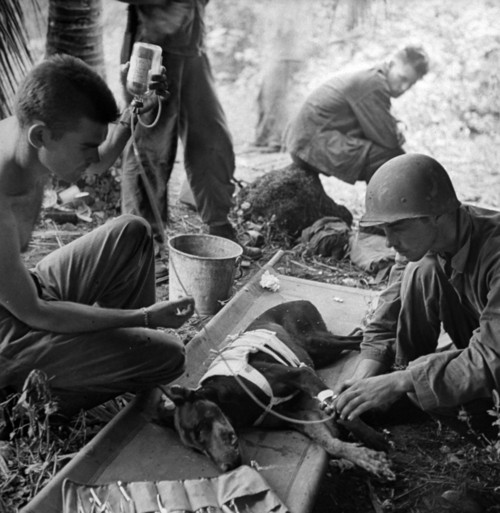
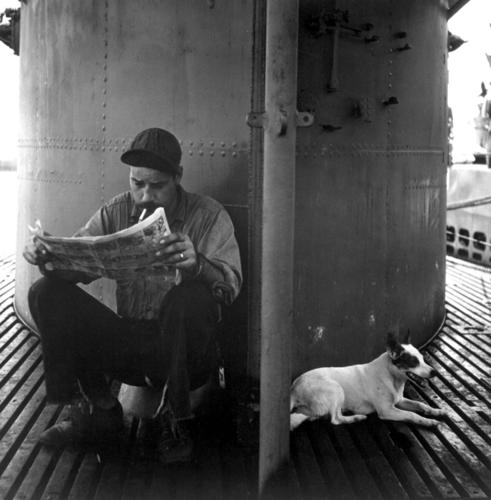
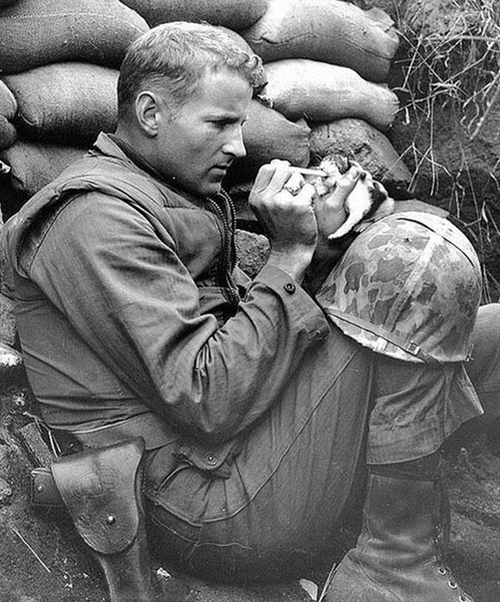
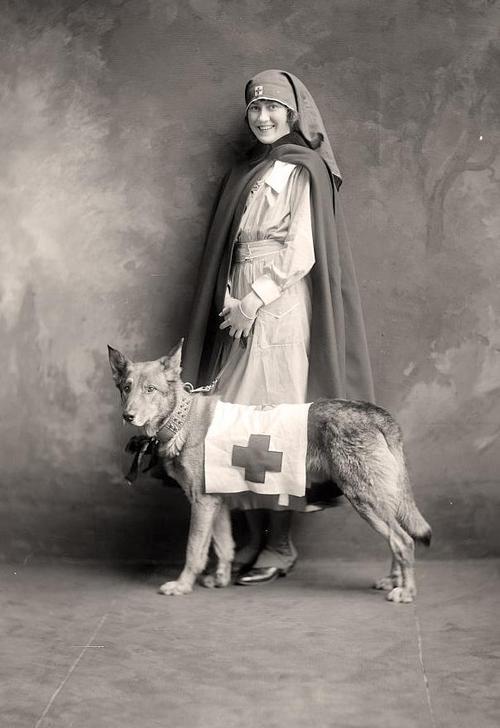
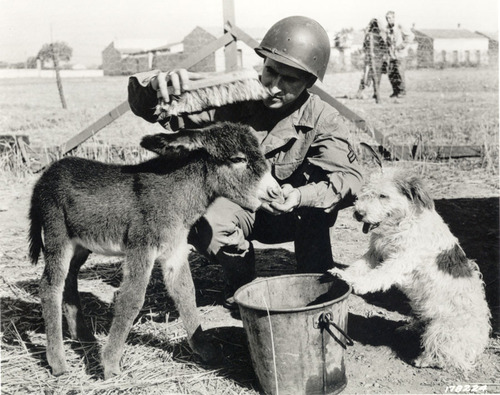
Read these pictures slowly. A dog receiving medical care from American G.I.s is not a mascot joke; it is a record of injury, triage, and attachment. A quiet scene labeled for World War II rest and relaxation is still set inside a war. Medals on a dog’s collar can look playful until you remember that units invent rituals to keep morale from collapsing. The bond between people and animals did not vanish in combat zones. In many cases it intensified, because companionship was scarce and danger was constant.
What animals did in wartime
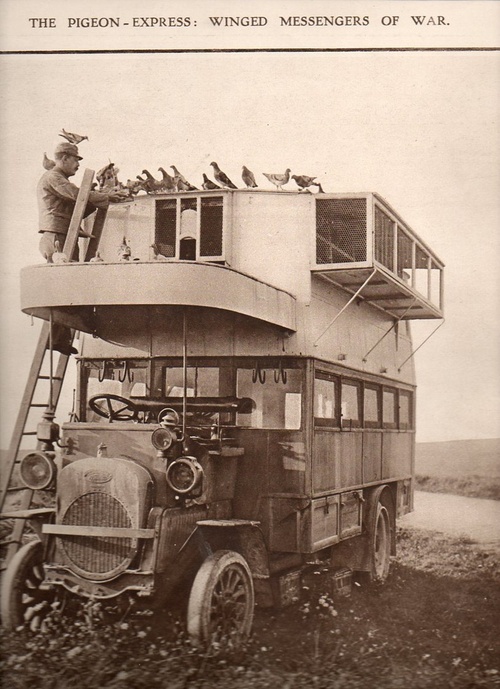
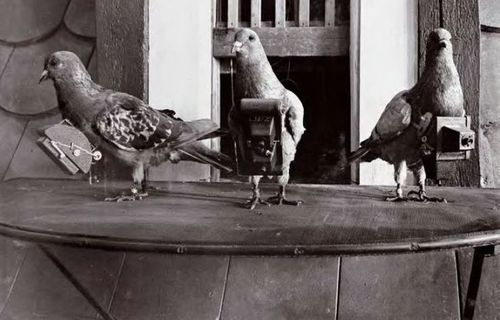
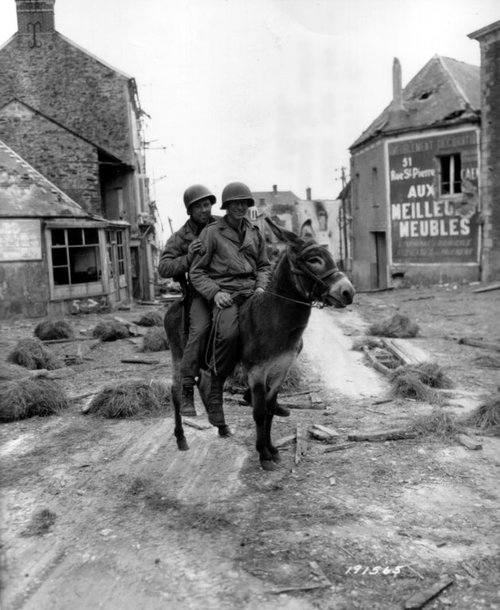
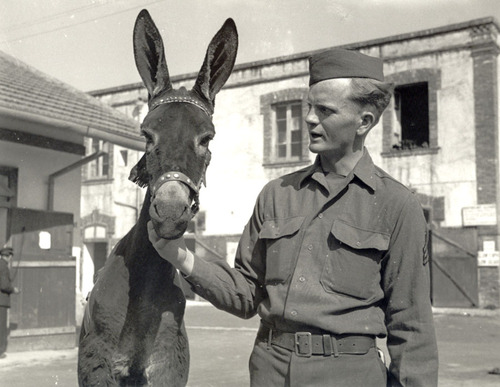
Military forces have long relied on animals for labor as well as company. Horses, mules, and camels moved supplies when roads failed. Dogs carried messages, stood sentry, searched for wounded men, and guarded depots. Pigeons returned with intelligence when wire and radio failed. Cats and dogs also hunted vermin in trenches and camps. Beyond those jobs sat a second, quieter role: mascot and pet. Units adopted dogs, cats, goats, and stranger creatures as shared companions. Individual soldiers rescued strays left homeless by bombardment. For the animal, that care could mean survival. For the soldier, it meant a living presence that did not speak in orders.
National archives and museum collections—among them U.S. National Archives still-picture holdings and Imperial War Museums material—preserve thousands of such frames from the world wars. Official photographers covered combat; they also covered camps, hospitals, ships, and leave. Animals appear in all of those settings. The gallery below is closer to a visual essay than a full catalog, but it sits in that documentary tradition: animals as workers, mascots, patients, and friends inside a system built for fighting.
How to look without softening the war
It is easy to sentimentalize these photographs until they become internet “heartwarming” content. Resist that habit. A soldier cradling a puppy does not cancel the surrounding violence. A decorated dog does not turn a campaign into a storybook. The useful reading is double: notice the tenderness, and keep the historical frame intact. Ask who is wounded, who is resting, who is staging a portrait for the camera, and what the animal’s actual risk was. Many animals died from shelling, starvation, overwork, or disease. Others were abandoned when units moved. The affection in a still image is real; so is the cost outside the frame.
Captions matter when they survive. Phrases such as “American G.I.s treating wounded dog” or catalog labels from World War II rest-and-relaxation series locate the picture in a bureaucracy of documentation, not in anonymous nostalgia. When captions are missing—as they often are in circulating sets—treat the image as incomplete evidence. Guess carefully. Prefer description over invention. The ethics of looking at war animals are close to the ethics of looking at war people: do not turn suffering into décor.
Mascots, pets, and the need for ordinary life
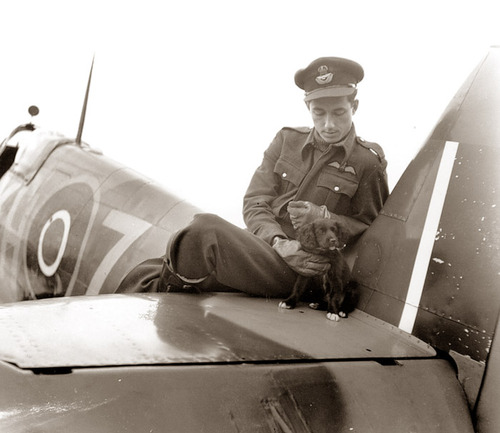
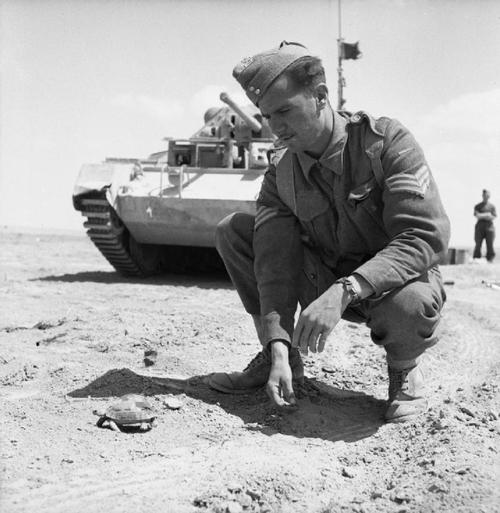
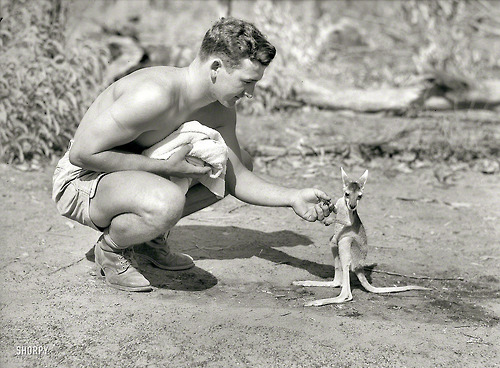
Historians of the world wars note that mascots were often less about superstition than about emotional ballast. A shared dog gave a squad something to care for that was not abstract duty. A ship’s cat offered routine on a vessel defined by alerts. Playing with an animal for a few minutes created a temporary pocket of domestic life inside an undomestic world. Photographers recorded those pockets because they were visually clear and emotionally legible, and because military public-information offices sometimes valued them. That institutional interest does not make the feelings fake. It does mean some images were selected for circulation.
Look for the difference between working animals and companion animals in the set. A pack animal under load tells one story. A dog in a soldier’s lap tells another. Both can appear in the same war, sometimes in the same unit. Some animals moved between roles: a messenger dog could also be the platoon’s favorite. The photographs invite that nuance. They also invite humility. Without names, dates, and unit identifiers, we cannot reconstruct every biography. We can still see the pattern: people under stress sought living company that answered without politics.
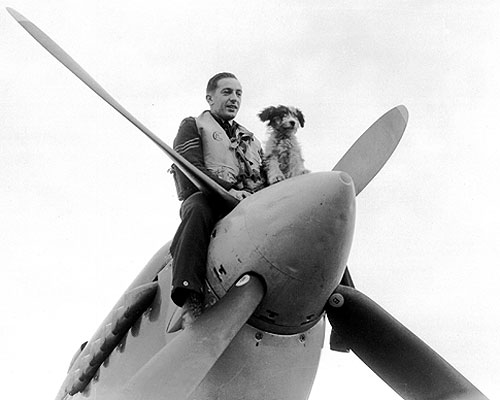
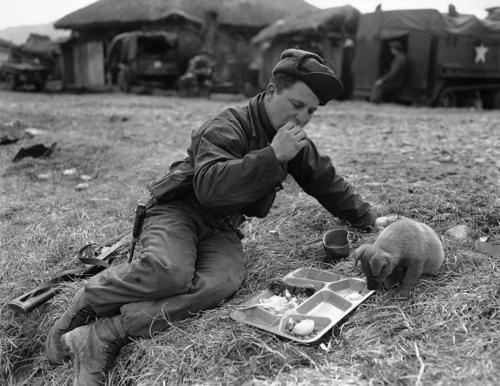
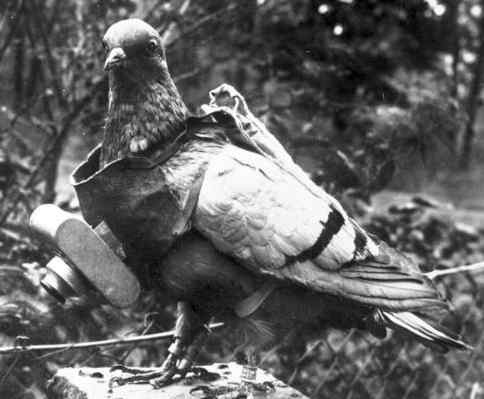
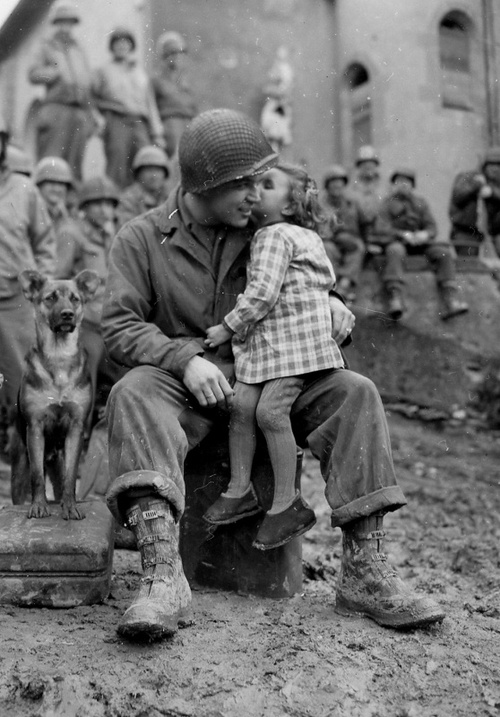
Care, injury, and responsibility
Several images in this vein show treatment rather than play: bandages, handlers kneeling, animals held still for examination. Those frames are among the most important. They record that animals were casualties too, and that some people tried to answer that fact with veterinary care under field conditions. American G.I.s treating a wounded dog belong in the same moral category as medics treating people—limited resources, imperfect outcomes, an insistence that a life in front of them still mattered. The photograph does not tell us whether the animal recovered. It tells us someone tried.
Responsibility also includes the harder afterimage: animals left behind, animals used up, animals that could not be evacuated. A gallery of surviving photographs necessarily overrepresents the animals who were close enough to cameras and care. That selection bias is itself historical information. When you scroll through faces and fur, remember the missing majority.
Why these archives still matter
Contemporary viewers sometimes discover these pictures through secondary collections and blogs that gather public-domain or widely shared war photography. One long-circulating gathering point for this theme was the war-animals image set shared online, which helped move archival frames into broader public view. Secondary circulation is useful when it keeps attention on primary subjects; it becomes harmful when it strips context, invents captions, or turns trauma into shareable sentiment. Prefer naming institutions when known—National Archives, museum war collections, Signal Corps series—and keep informal sources credited as conduits, not as authors of the events.
What remains valuable is the evidence itself. Animals complicate the myth of war as a purely human drama. They show logistics, morale, mercy, and exploitation happening in the same theaters. They also show continuity: across fronts and decades, people under fire kept seeking the company of creatures that could not negotiate treaties but could share a blanket, a mess line, or a quiet hour.
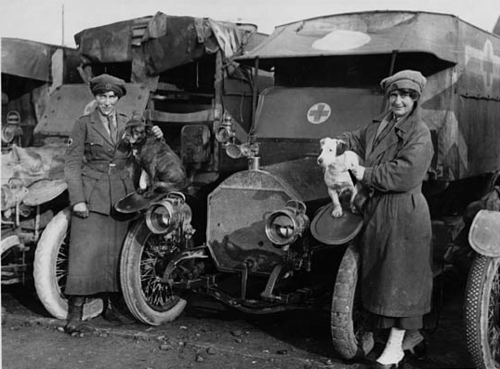
If one frame stays with you, return to the wounded dog under human hands. Hold the tenderness and the triage together. That double vision—care inside catastrophe—is what these photographs ask for, and what they record.

Comments
Continue reading
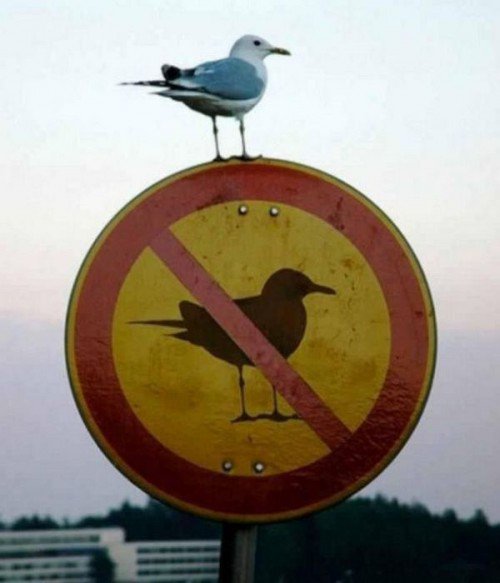
Funny Animal Signs That Warn People (While Animals Ignore Them)
From a seagull on a no-birds disc to classic zoo and park ironies—why animal warning signs get funny, and what the rules are still for.
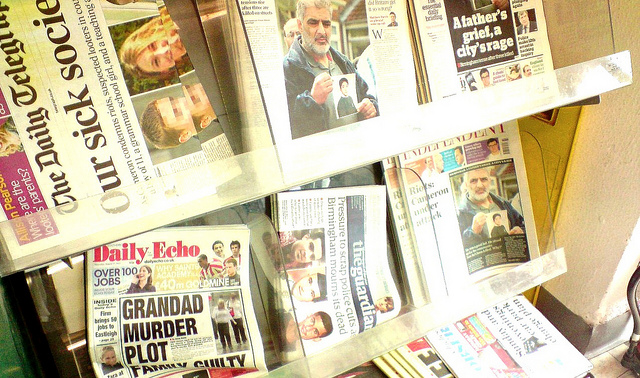
How to Find Local Amenities on Vacation: Mechanics, Haircuts & More
Locate trustworthy local services and everyday spots while traveling or settling in—using publications, reviews, map apps, neighbor tips, and low-pressure exploration.
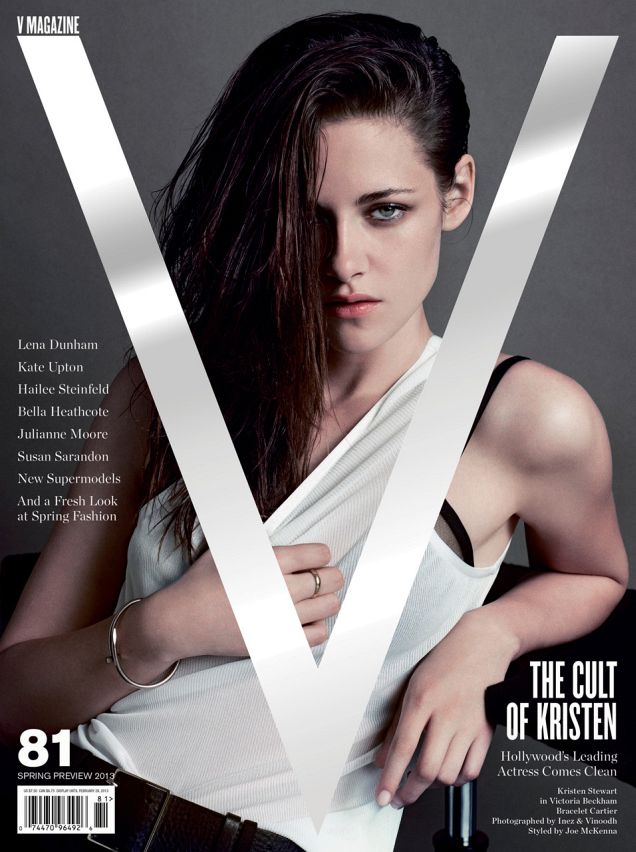
Kristen Stewart for V Magazine, Spring Preview 2013
V81’s Wild at Heart cover story—Kristen Stewart shot by Inez & Vinoodh, styled by Joe McKenna, in pale minimal spring glamour.