
Photo-Realistic Paintings by Patrick Kramer
Utah painter Patrick Kramer’s photoreal oil works—why handmade perfection still matters beside photography, with a look at process and portfolio images.

Patrick Kramer, a painter associated with Kaysville and later other Utah towns, works with a perfectionist’s patience. His oil paintings can look, at first glance, like photographs—glasses catching mountain light, portraits with pore-level care, still lifes that seem lit by a flash you cannot find. Call the style photorealism if you need a shelf label. Kramer’s own interest runs deeper than mimicry. He wants you to feel the tension between a camera’s instant and a hand’s long labor: the ubiquitous image versus the unique object, the impartial record versus the personal decision tree behind every edge and every softened transition.
He has put the question bluntly: why paint when photography is easy? His answer centers process. Even when a finished picture resembles an ordinary photograph, handmade work carries a psychological intensity—slow method, concentration, and countless artistic choices compressed into a surface that pretends to be effortless. Sensing that tension is part of the viewing pleasure. The soul of these pieces, once you know they are paint, begins to outshine the photographs they resemble, not because they contain more information, but because they contain more time.
Utah roots and a perfectionist temperament
Born in 1981 in Kaysville to German immigrant parents, Kramer found in representational painting a discipline that matched his temperament. He studied at Brigham Young University, earning a BFA in 2008, and pushed classroom assignments toward ever finer detail until hyperrealism became less a brand strategy than a habit of attention. He has said he did not set out to become a hyperrealist so much as he kept refusing to stop refining. After graduation he painted full time—often forty to fifty hours a week—building a catalog of portraits, still lifes, interiors, and urban views.
He has described being drawn to mesmerizing imagery: dramatic perspectives, reflections bouncing along hallways, light refracted through glass. Friends and family sometimes appear as subjects, which adds a quiet intimacy beneath the technical flex. Humor and mild absurdity sneak in beside earnest beauty. The studio, at times a room crowded with props, becomes a laboratory for arranging ordinary objects until they feel uncanny—marbles, glasses, textiles, and architectural corridors turned into stages for light.
Living and working in Utah matters less as regional branding than as access to a certain clarity of light and a community that has supported representational painters. Kramer’s path from student perfectionist to full-time studio artist is a reminder that photorealism is less a trick than a vocation: the willingness to sit with one image long after most people would have clicked and moved on.
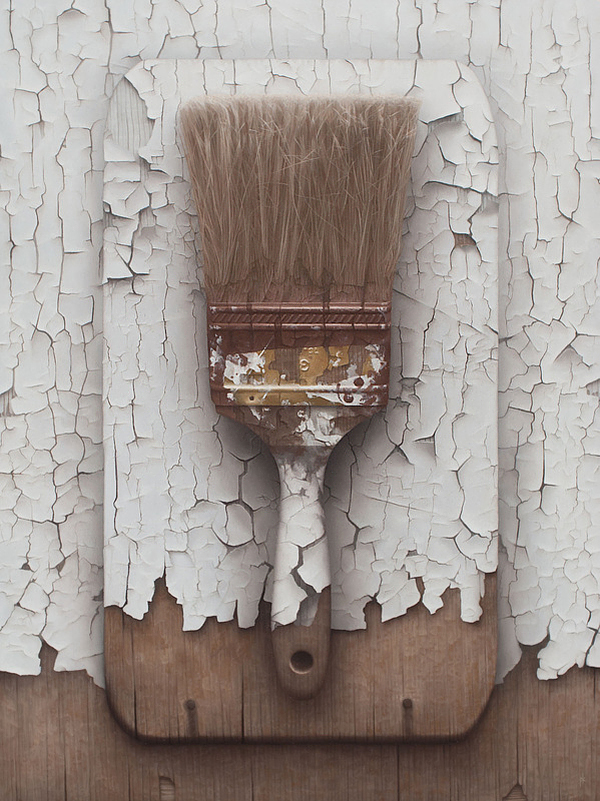
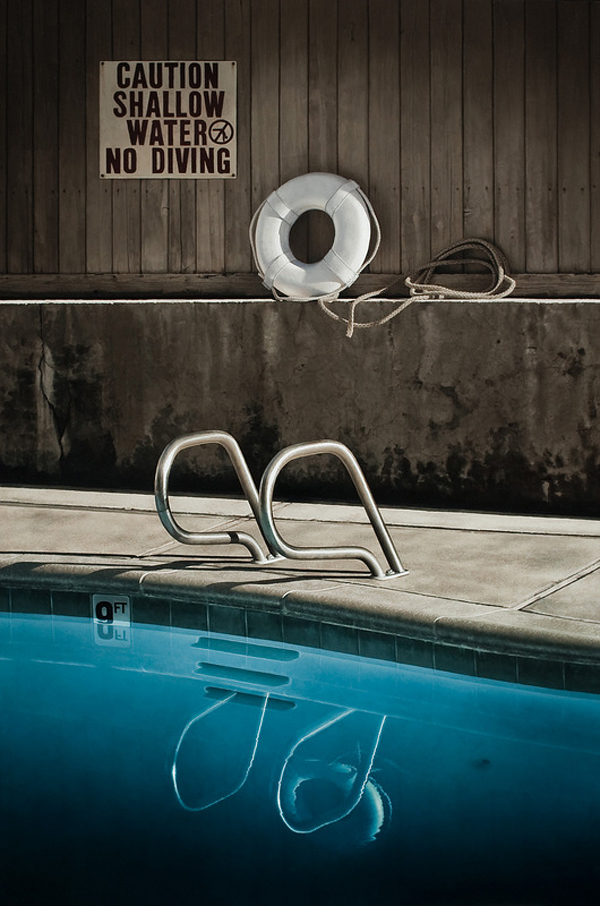
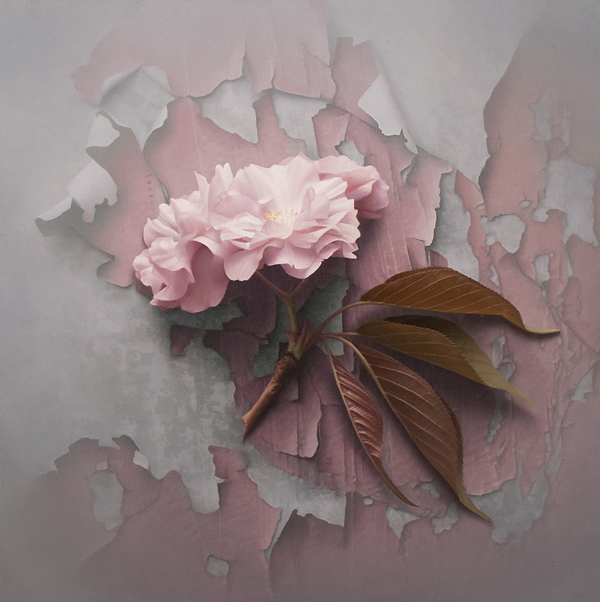
What photorealism is doing here
Photorealism as a late-twentieth-century movement often used the camera as intermediary, translating slides or prints into paint with cool precision. Kramer inherits that clarity but keeps an expressive undercurrent. Hours accumulate—sometimes reported in the hundreds for a single canvas—layer after layer until glass looks wet and skin looks warm. Music or audiobooks may run in the studio while the hand stays on autopilot for mechanical passages; the mind still steers every value shift. He has joked about singing badly enough for downstairs neighbors to notice. The human comedy of the studio sits behind images that look almost inhumanly controlled.
The goal is not to defeat photography in a contest of pixels. Photography already wins that contest. Painting offers something else: evidence of time and preference. When you learn a luminous still life took weeks, your eyes return to hunt brushstrokes, and the hunt itself becomes meaning. Kramer hopes audiences appreciate the unique experience representational painting still provides in an age flooded with instant images. The photograph may be impartial in fantasy; the painting is stubbornly personal even when it disguises itself as a snapshot.
Look closely at transitions—where a highlight blooms into midtone, where a reflection breaks across a curved surface. Those zones are where decisions stack. A camera records them in a fraction of a second. Kramer rebuilds them as a sequence of judgments. That is why the work can feel more intense than the photo it resembles: you are looking at concentration made visible.
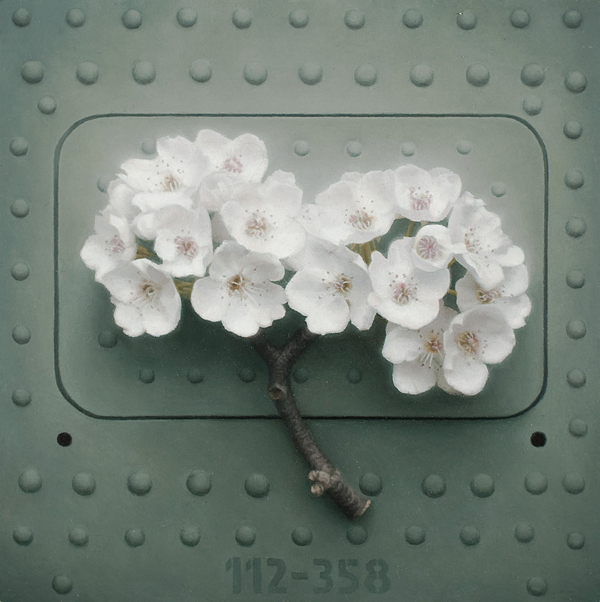

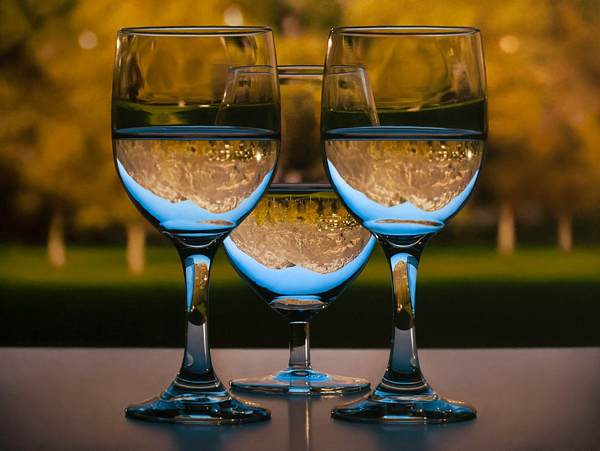

Order, chaos, and later turns
Beyond straight still lifes and portraits, Kramer has explored polarities—order versus chaos, grace versus grit, variety versus unity. A later series imagines the destruction of art-historical masterpieces: scraping, burning, shattering, cracking. Those works grew partly from perfectionism itself, including the frustration of destroying unsatisfactory attempts. By painting icons in mid-ruin, he externalizes the violence every exacting artist knows privately. Even when this gallery focuses on earlier, cleaner photoreal scenes, knowing that appetite for tension helps explain why his “quiet” images still feel charged. Something is always at stake in the surface.
Look for opposition inside serene frames: fragile glass against hard geometry, soft fabric against sharp highlights, a child’s sleep against the wakefulness of obsessive detail. Beauty with an edge is a phrase that fits. There can be beauty in controlled almost-ugliness too—the sticky truth of a reflection, the awkward honesty of a facial plane that refuses flattery. Kramer’s interest in art history also means his photorealism is never only about contemporary props; it is in conversation with older ideas about skill, mimesis, and what painting is for after the camera arrived.
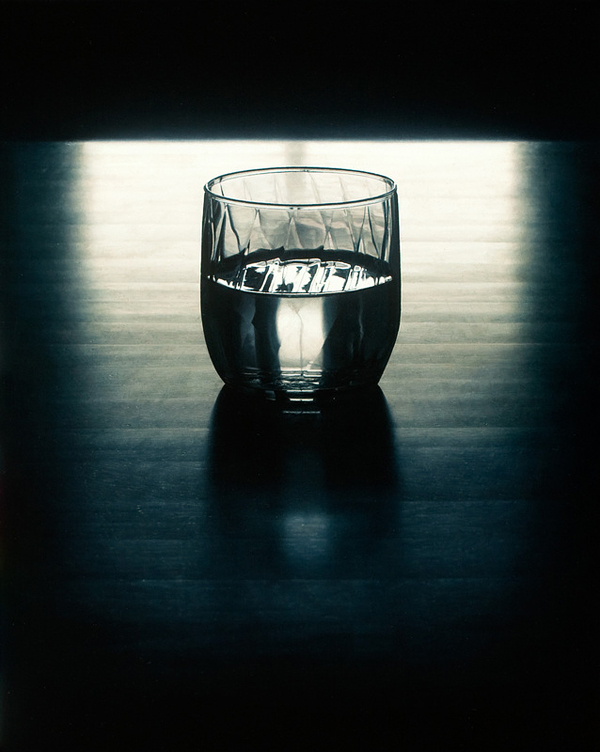
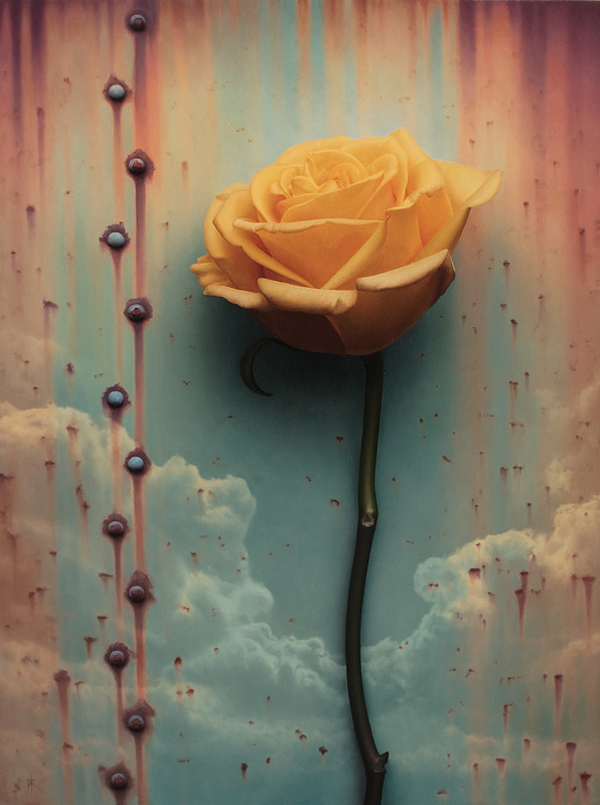
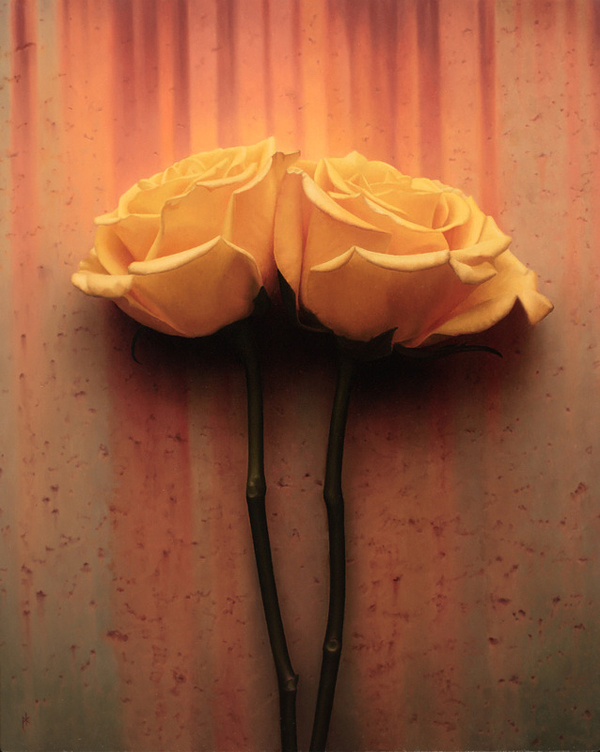
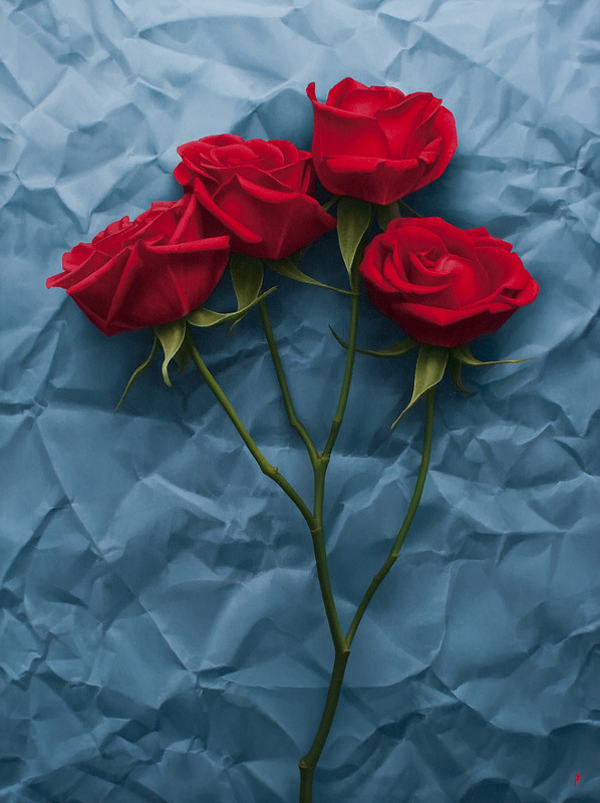
How to read the set
Start with disbelief—the pleasant doubt that you are looking at paint. Then choose one small region: a highlight on glass, a textile weave, a catchlight in an eye. Ask what decisions made that region convincing. Value relationships matter more than tiny lines; Kramer’s realism is built from accurate light, not from tracing every eyelash as a separate stunt. If the big shapes of light and dark are wrong, no amount of detail will save the illusion. If they are right, detail becomes dessert.
Compare images for genre. Still life invites meditation on objects we ignore on tables. Portraiture tests empathy under scrutiny—can a face survive this much attention without freezing into a mask? Architectural or hallway views turn space into a mirror maze where perspective itself becomes the subject. Moving between genres shows the range of a painter who could have specialized narrowly and chose curiosity instead.
Also notice what is not hyper-described. Empty walls, soft backgrounds, and quieter passages give the eye somewhere to rest. Photorealism without rest becomes noise. Kramer’s better pictures balance spectacle with calm, which is why they reward a second and third look rather than a single impressed glance.
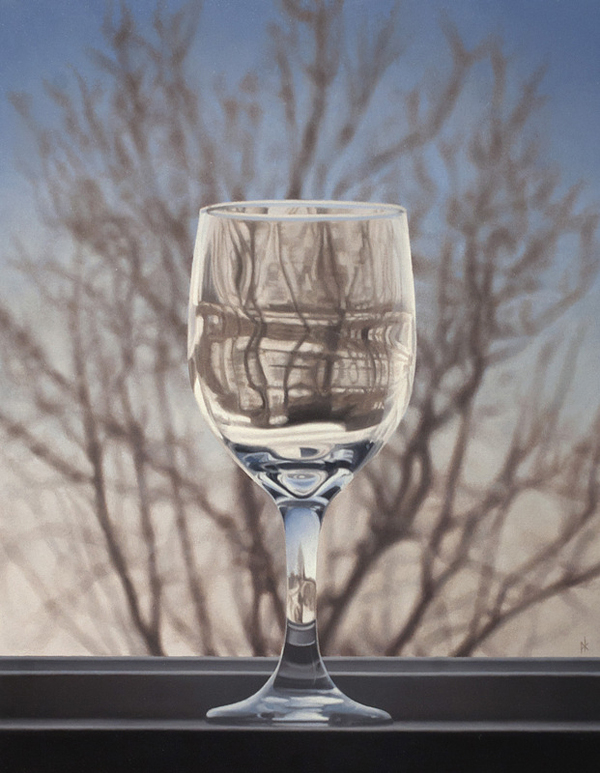
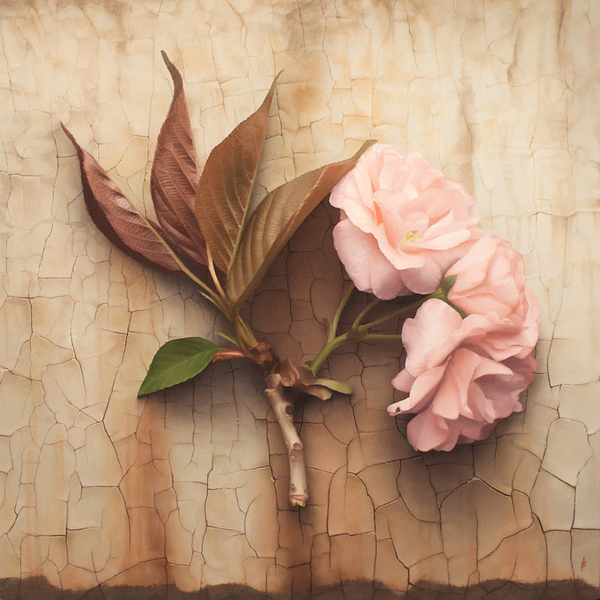
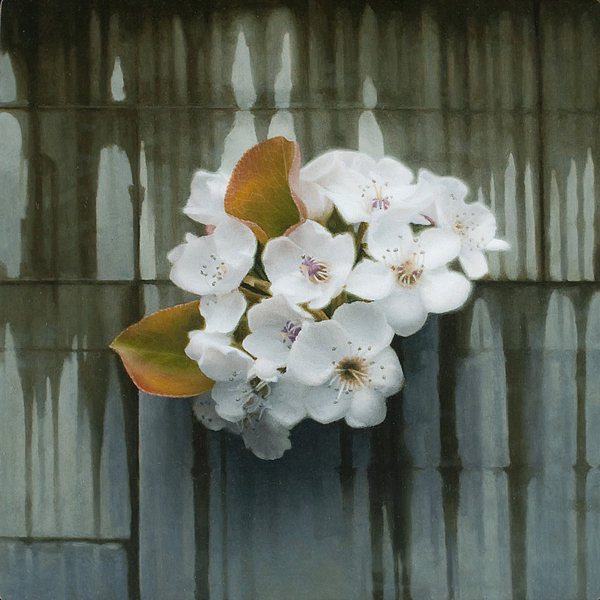
- Pick one painting and time yourself looking for two full minutes without scrolling.
- Name three materials you can “feel” optically—glass, skin, cloth, metal, wood.
- Find one place where the illusion softens; treat it as a signature, not a mistake.
- Ask what a photograph of the same subject would lose: time, touch, stubborn preference.
- Return tomorrow and check whether the image you remembered matches the one on screen.
If the checklist sends you back through the gallery slower than the first pass, Kramer’s argument has landed. The handmade image still has work to do beside the camera—especially when it borrows the camera’s look in order to outlast the camera’s haste.

Comments
Continue reading
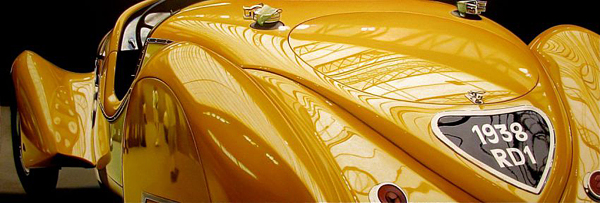
Photo-Realistic Muscle Car Paintings by Cheryl Kelley
Cheryl Kelley’s glossy oil paintings of classic muscle cars—photo-based realism, chrome reflections, and a feminine take on automotive glamour, with gallery images.
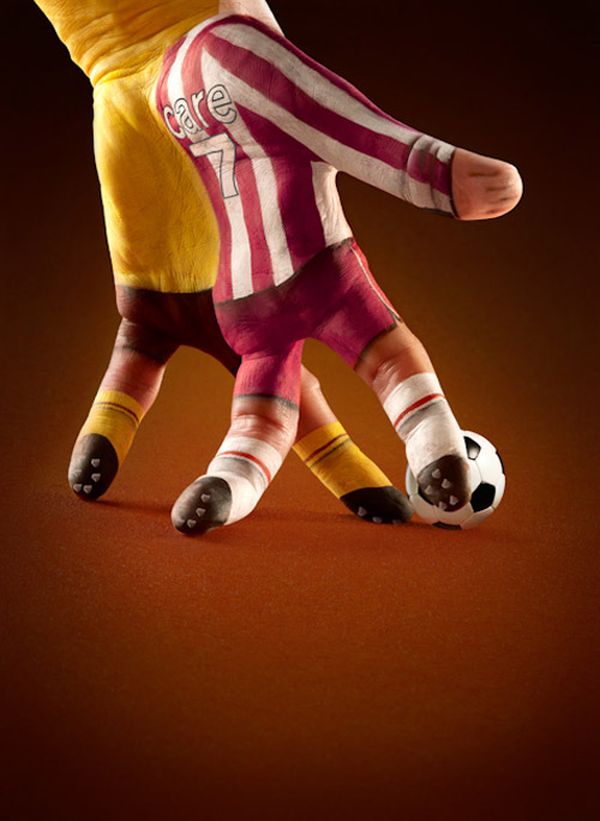
Ray Massey’s Hand Paintings: Trompe-l’oeil Athletes, Castles, and Everyday Objects
Ray Massey’s painted-hand photographs turn fingers into footballers, sprinters, castles, pencil cups, and bananas—studio trompe-l’oeil with lasting wit.
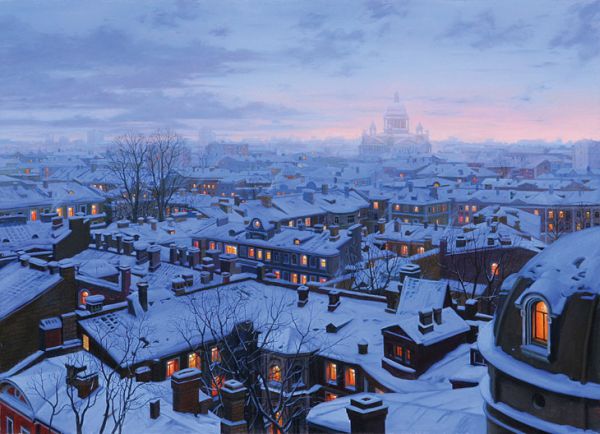
Evgeny Lushpin’s Evening Journey: Twilight Cities, Canals, and Cable Cars
A gallery walk through Evgeny Lushpin’s twilight paintings—from St. Petersburg roofs and European canals to Montmartre rain and the San Francisco Evening Journey canvas.