
Brand vs Cheap Batteries: How to Choose by Use Case
A practical guide to when premium batteries are worth it and when low-cost cells are fine—chemistry, drain level, failure cost, storage, and rechargeables.
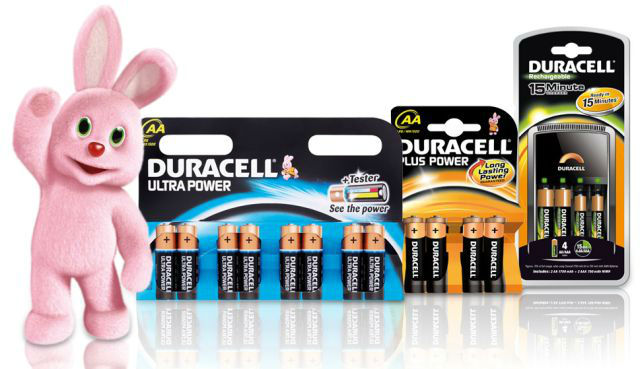
Batteries look interchangeable until one dies mid-meeting, mid-flight, or mid-storm. The old debate—“always buy the famous brand” versus “the cheap pack is fine”—is rarely settled by slogans. What actually helps is a set of practical criteria: what the device needs, how costly failure is, how you store and rotate stock, and whether you are comparing the same chemistry and size. Brand names can signal tighter quality control; store brands and generics can be perfectly sensible for low-stakes uses. The useful question is not loyalty. It is fit.
Match chemistry and size before you compare logos
Start with the device manual or the battery compartment. AA and AAA are not “better” than each other; they are different sizes. Alkaline, lithium primary (non-rechargeable), nickel-metal hydride rechargeable, and specialized cells for cameras or medical devices behave differently. Putting the wrong chemistry in a device can shorten runtime, leak, or void a warranty. If a manufacturer specifies lithium for cold-weather gear or forbids zinc-carbon cells, treat that as a hard rule.
Once size and chemistry match, compare capacity claims carefully. Marketing numbers are not lab certificates you can take to court, but relative patterns matter: high-drain devices (digital cameras with motors, some gaming controllers, power tools’ remotes with frequent use) punish weak cells faster than low-drain clocks. A bargain alkaline that lasts fine in a wall clock may disappoint in a high-drain toy. Conversely, paying premium prices for a TV remote you use twice a week is often wasted money.
Price per year of use beats price per pack
Cheap multipacks win the shelf comparison. They lose when you count how often you replace them and how much time you spend hunting for fresh cells. For devices you open constantly—kids’ toys, wireless mice, portable keyboards—track roughly how many weeks a pack lasts. If a brand-name cell lasts twice as long at less than twice the cost, it can be the cheaper choice. If runtimes are similar, the store brand wins.
Also count leakage risk as a cost. A leaked cell can destroy a remote, a flashlight, or a child’s toy. Premium alkaline lines often advertise better leakage resistance; that claim is not magic, but for devices stored for months (emergency radios, seasonal decorations, backup flashlights), fresher cells from a reputable maker are usually worth a modest premium. Date codes matter more than logos here: a forgotten bargain pack from three years ago is a poor “savings.”
Where failure is expensive, bias toward reliability
Think in failure modes. A dead battery in a kitchen scale is annoying. A dead battery in a smoke alarm, carbon monoxide alarm, or flashlight you grab during an outage is a safety problem. Garage remotes, medical devices that the manufacturer specifies carefully, and travel gear you cannot easily restock mid-trip also raise the cost of failure. In those cases, choose cells with clear date codes from makers with consistent retail availability, install them on a schedule, and keep spares in the original packaging away from heat.
Business and presentation settings have their own failure cost. A product demo, trade-show clicker, or wireless microphone that dies in front of a client wastes more than the price of a pack. For gear that represents you professionally, test batteries the day before, carry labeled spares, and avoid mixing old and new cells in the same device. Mixing partially drained cells can drag the set down faster and confuse troubleshooting.
Where generics earn their keep
Low-drain, frequently checked devices are ideal for inexpensive alkalines: bathroom scales, simple wall clocks, TV remotes you replace on a visible schedule, and decorative LED candles you inspect often. If you can see the device daily, you will notice dimming before a crisis. Generics also make sense for experimental kits, classroom projects, and anything you expect to lose or abuse.
Rechargeables change the math again. For high-use AA/AAA gear—wireless controllers, camera flashes used often, kids’ toys that eat cells weekly—a quality NiMH rechargeable set plus a decent charger often beats both premium and cheap disposables over a year. Buy a charger with sensible charging behavior, label packs by purchase date, and keep a few disposable lithium or alkaline cells for devices that sit unused for months (some rechargeables self-discharge faster, though low-self-discharge NiMH improved that problem).
Storage, rotation, and household habits
Store batteries in a cool, dry place in their packaging. Avoid tossing loose cells into a junk drawer where terminals can short against keys or coins. Rotate stock: use older date codes first. Write the install month on a piece of tape for smoke alarms and emergency lights so you are not guessing. Never mix chemistries in one device, and avoid mixing brands of very different ages in high-drain gadgets.
Dispose of or recycle used cells according to local rules. Leaking batteries should be handled carefully—gloves if needed—and the device contacts cleaned so the next set does not sit on corrosion. If a device will be unused for months, consider removing the cells entirely, especially in humid climates.
A simple decision framework
Ask four questions before you buy:
- What chemistry and size does the device require?
- Is the device high-drain or low-drain?
- What happens if the battery dies without warning?
- Will I use these within months, or will they sit in storage?
If the answer pattern is high-drain, high consequence, or long storage, lean toward well-dated cells from established makers—or toward the chemistry the manufacturer recommends, even if it costs more. If the pattern is low-drain, low consequence, and frequent replacement visibility, a low-cost equivalent is often rational. If the pattern is heavy weekly use, evaluate rechargeables before you keep buying disposables of any brand.
Skip hard-sell narratives that treat one logo as the only adult choice for every use case. Brand batteries earn their premium in consistency, availability, and sometimes leakage performance—not because a slogan said so. Cheap equivalents earn their place when the job is modest and you manage freshness yourself. Read the compartment, check the date code, match the drain level, and buy for the failure you can actually afford.
One last habit pays for itself: keep a small labeled kit—smoke-alarm size, remote size, and a couple of lithium AAs for cold-weather flashlights—so you are never forced into an emergency purchase of whatever is left on the empty peg at the store. Planning beats panic pricing every time.

Comments
Continue reading

Funny Animal Signs That Warn People (While Animals Ignore Them)
From a seagull on a no-birds disc to classic zoo and park ironies—why animal warning signs get funny, and what the rules are still for.

How to Find Local Amenities on Vacation: Mechanics, Haircuts & More
Locate trustworthy local services and everyday spots while traveling or settling in—using publications, reviews, map apps, neighbor tips, and low-pressure exploration.

Kristen Stewart for V Magazine, Spring Preview 2013
V81’s Wild at Heart cover story—Kristen Stewart shot by Inez & Vinoodh, styled by Joe McKenna, in pale minimal spring glamour.