
Passionate, Soft & Sensitive Kisses in Photographs
A photography gallery of passionate, soft, and sensitive kisses—plus notes on light, gesture, consent, and how couples and photographers keep intimacy honest on camera.
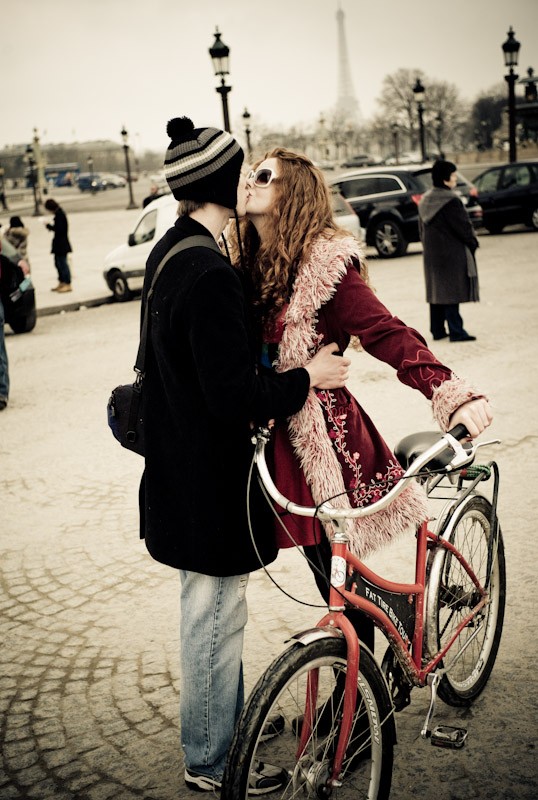
A kiss is just a kiss till you find the one you love. A hug is just a hug till you find the one you’re always thinkin’ of. A dream is just a dream till it comes true. Love was just a word till I heard it from you.
/Mercy Cabrera
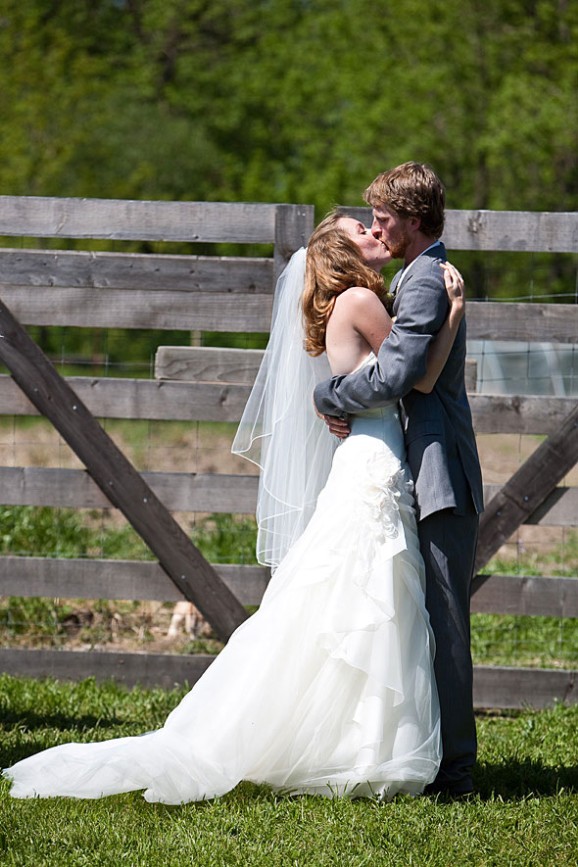
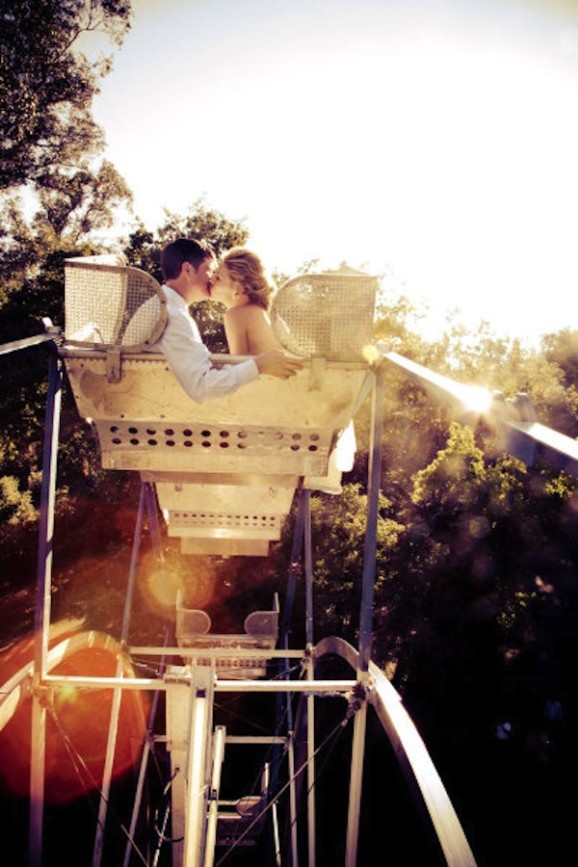
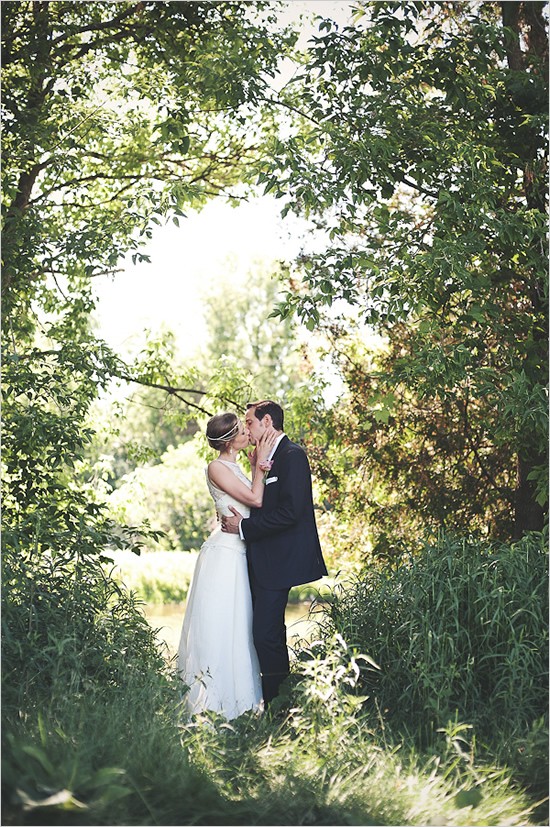
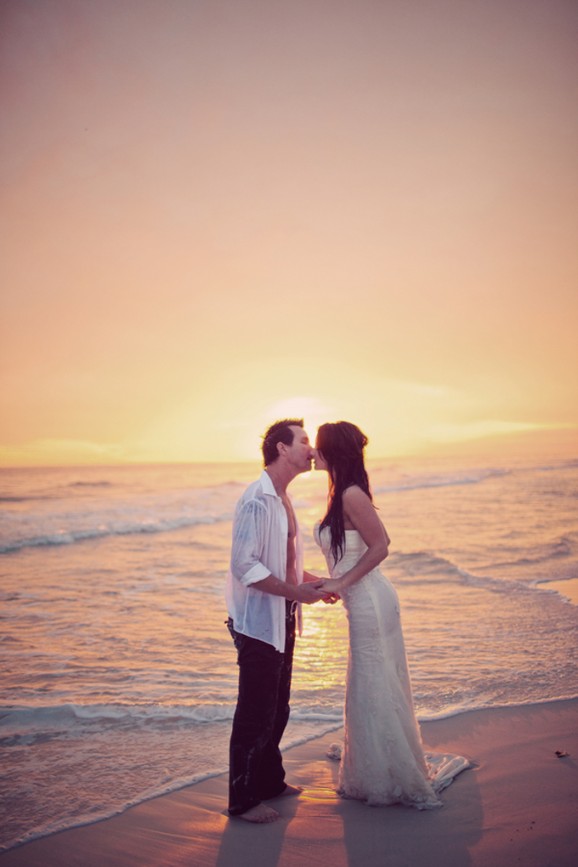
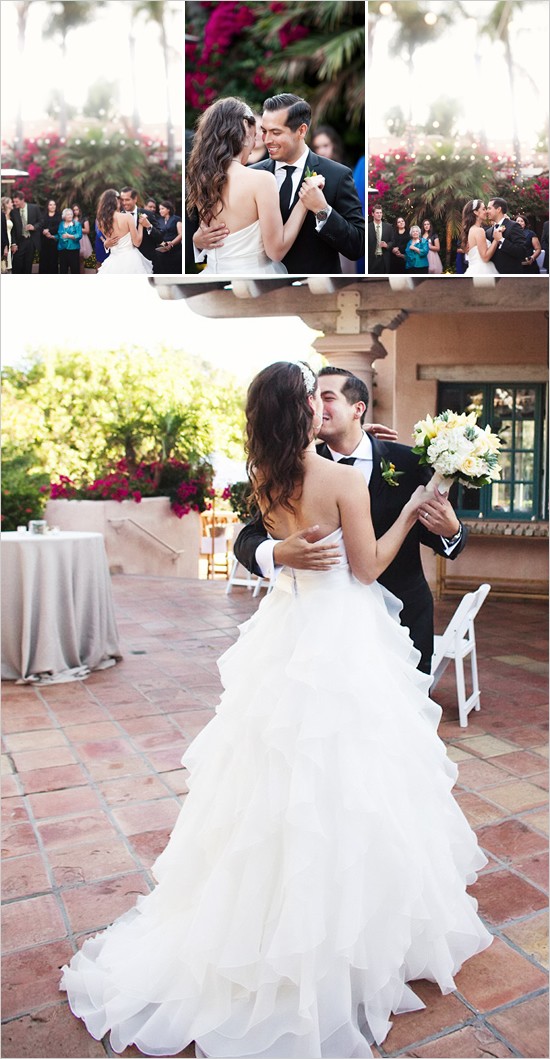
Kiss photographs succeed when they feel overheard rather than staged for a billboard. The gallery below gathers passionate, soft, and sensitive kisses—close faces, quiet hands, and couples who seem briefly alone even when a camera is present. Some frames lean into heat; others into tenderness. Together they make a small study of how intimacy looks when light, timing, and trust cooperate.
What the camera can and cannot steal
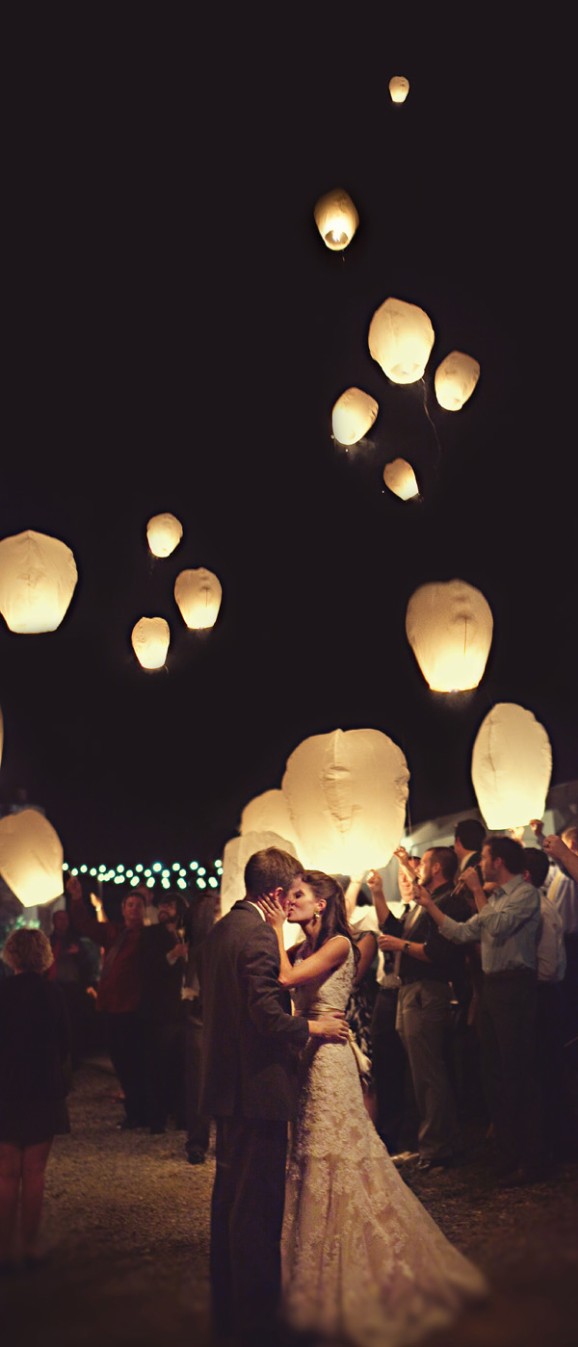
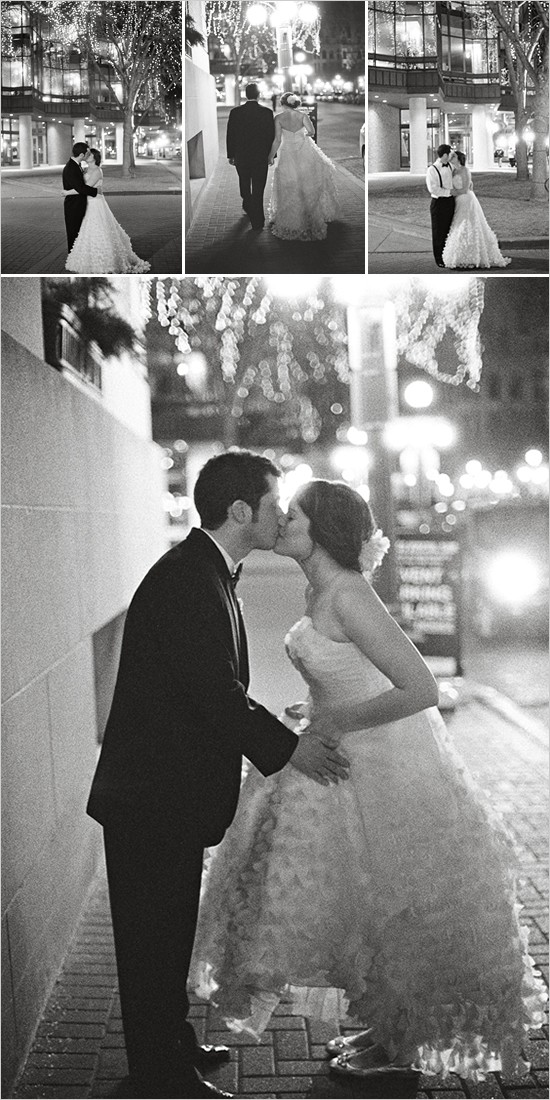
A kiss is private choreography. Photographers who catch it well usually disappear into patience: they wait for the moment the couple forgets the lens, or they direct so gently that direction feels like permission rather than performance. Soft focus, shallow depth of field, and warm side light often help because they mimic memory—less forensic detail, more feeling. Hard flash can turn tenderness into spectacle; used carefully it can also freeze rain, snow, or night into glitter around two people. There is no single correct technique, only a correct relationship to the subjects.
Hands tell as much as mouths. Fingers in hair, a palm on a jaw, a coat collar pulled close against wind—these secondary gestures sell sincerity. Eyes closed usually read as absorption; eyes open can read as play or surprise. Foreheads touching before or after the kiss often make a stronger emotional beat than the contact itself. Editors of romance galleries know this: the almost-kiss and the after-kiss frequently outlast the peak frame in a viewer’s mind.
Sound and setting matter even when a still cannot record them. A quiet park bench kiss differs from a crowded station goodbye. Viewers invent the audio from body language: tense shoulders suggest hurry; relaxed jaws suggest time. Good photographers leave room in the frame for that invention—negative space, a soft background, a horizon that does not shout. Crowded compositions can work for documentary energy, but they ask the kiss to compete with every stranger’s shopping bag.
Styles of closeness in the set
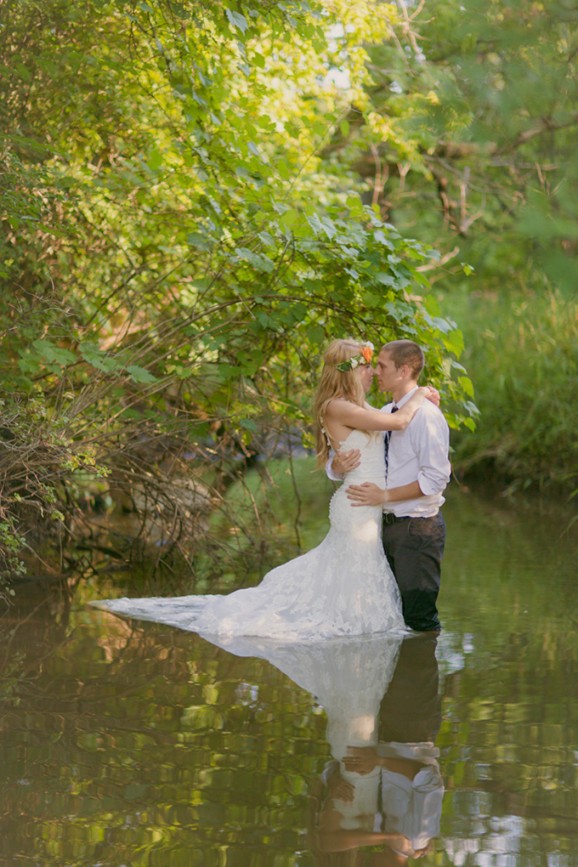
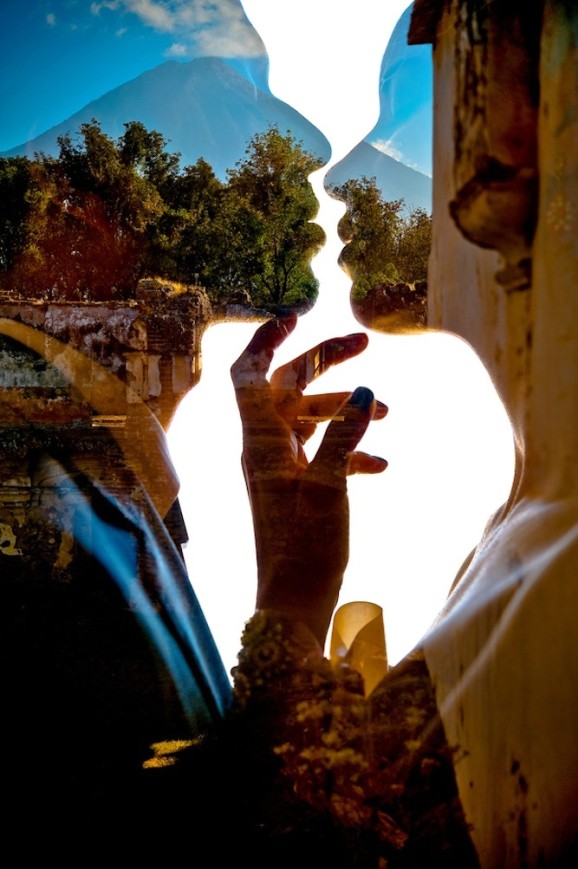
Browse for variety rather than sameness. Some images favor cinematic drama—low angles, bold contrast, city night. Others favor daylight softness: window light, outdoor greens, pale skin tones against muted clothes. Black-and-white frames strip fashion year from the scene and leave geometry: two profiles, a shared silhouette, negative space that acts like quiet. Color frames use wardrobe and environment as emotional props—red lips, blue hour, autumn leaves that echo warmth.
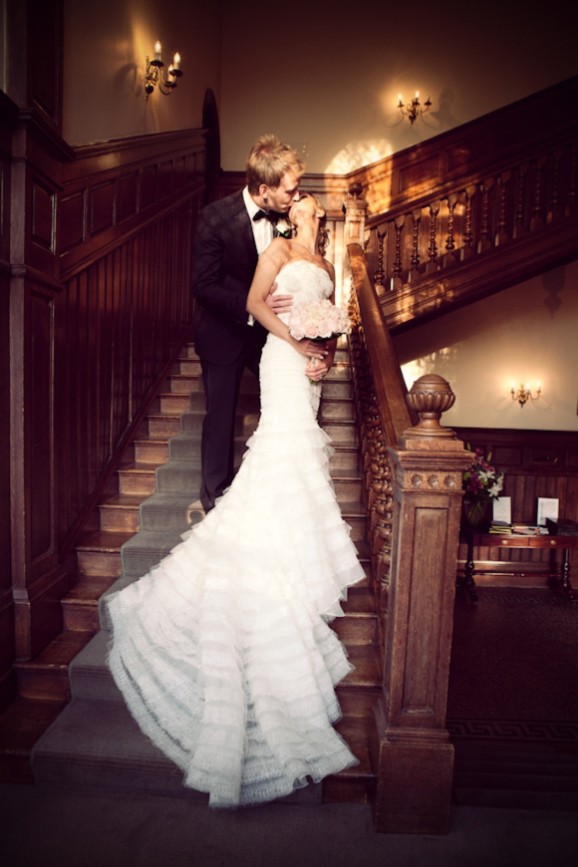
Profile kisses read graphic and classic. Three-quarter angles feel more documentary. Extreme close-ups of mouths alone can feel intense or abstract depending on sharpness and crop. Full-body kisses in landscape settings pull romance into travel and adventure storytelling. None of these is “more real” than another; they are different dialects of the same sentence. What matters is whether the couple’s body language agrees with the lighting’s claim. Soft light on a forced pose still looks forced. Hard light on genuine laughter can look gloriously imperfect—and therefore true.
Notice height differences, too. When one person tips chin and the other bends, the line of necks becomes part of the composition. When heights match, the kiss often becomes more frontal and symmetrical. Neither is better; each creates a different silhouette. Photographers who only shoot from standing eye level miss half of those lines. Kneeling, stepping onto a curb, or asking couples to sit can unlock gentler geometry without inventing fake passion.
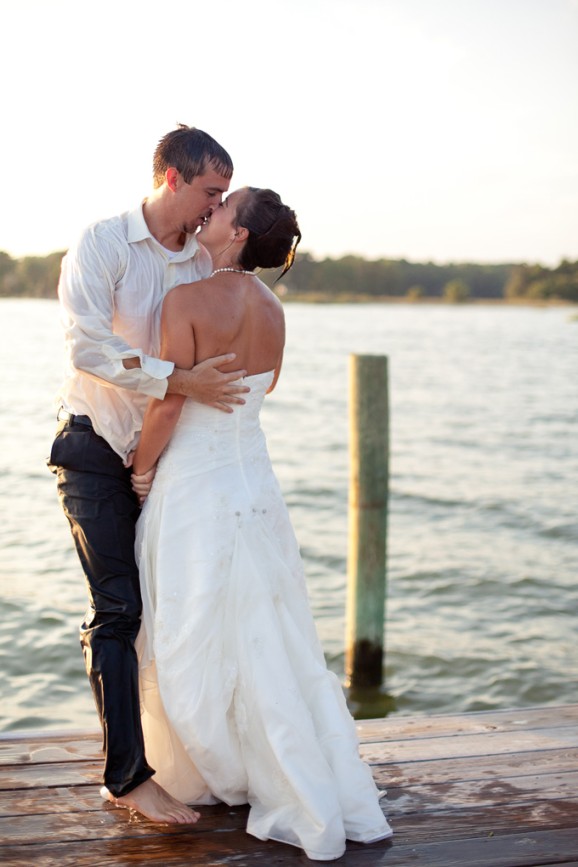
For couples and photographers
If you are being photographed, comfort beats choreography. Start with forehead rests, nose brushes, and talking with faces close before attempting a long kiss on command. Laughing mid-frame is allowed; many favorite wedding and engagement images are almost-kisses interrupted by joy. Choose clothes that do not fight the face—busy patterns near the chin can distract—and mind lipstick transfer if you care about the next outfit change. Outdoor sessions love golden hour and open shade; noon sun often forces squints and harsh shadows under noses.
If you are behind the camera, ask for consent clearly and keep directing language kind. Offer a private angle away from passersby when possible. Shoot bursts so you can select the frame where eyelids soften and shoulders drop. Watch backgrounds for poles, bright exits, and strangers staring. A beautiful kiss in front of a trash bin is still a kiss in front of a trash bin. Move two steps. Protect dignity as carefully as you protect exposure; intimate work shared online travels farther than a session’s mood board ever planned.
Technical checklist items that quietly help: expose for faces rather than sky when possible; keep a longer focal length if space allows so you can stand back and reduce self-consciousness; clean the lens (romantic haze should be optical choice, not fingerprint fog); and review a couple of frames with the pair mid-session so they can relax into what is working. If either person stiffens, switch to walking prompts or whispered jokes before returning to a still kiss. Sensitivity is a method, not only a mood word in a title.
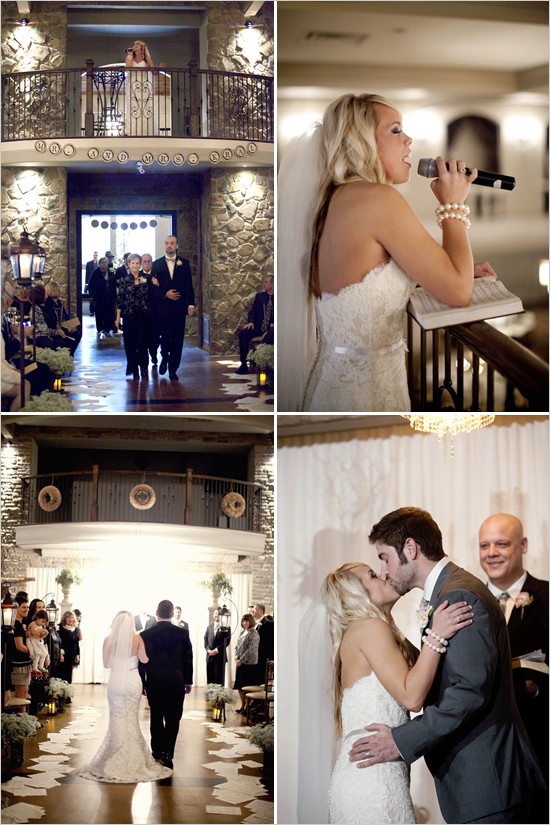
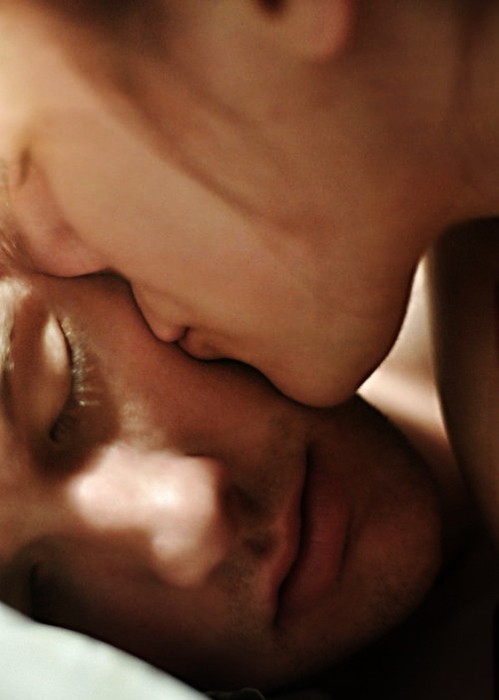
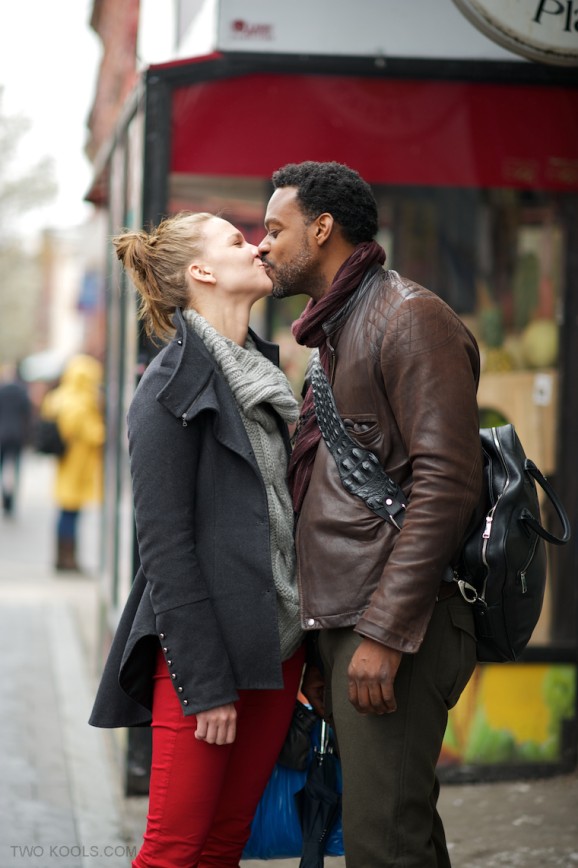
Reading the gallery slowly
Let Mercy Cabrera’s lines set the pace: a kiss becomes more than a kiss when meaning arrives with it. Look for that meaning in the photographs—not as caption melodrama, but as evidence. Where do the couple’s shoulders angle toward each other? Who initiates? Is the kiss playful, solemn, hungry, shy? Those verbs are the real subject. Technique serves them. Without them, even perfect focus is only two faces near each other.
Try sorting the images mentally into three piles as you scroll: passionate (heat, grip, urgency), soft (diffuse light, gentle contact), and sensitive (care visible in hands and pacing). Many frames will belong to more than one pile; that overlap is the point of the title. Romance photography is not a single pose catalog. It is a spectrum of how people choose to be close when they know—or briefly forget—that someone is watching with a camera.
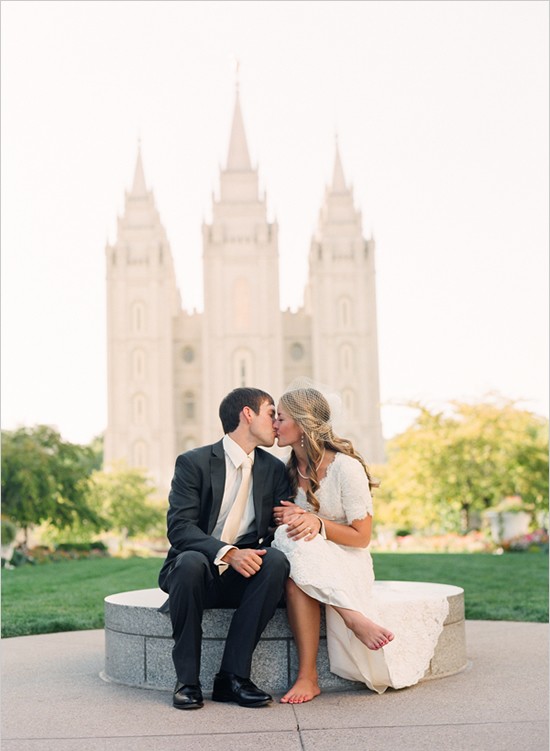
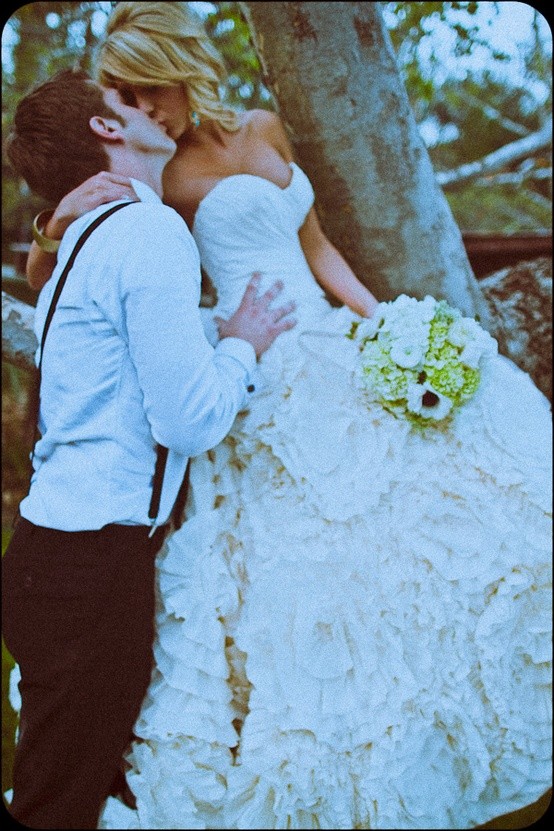
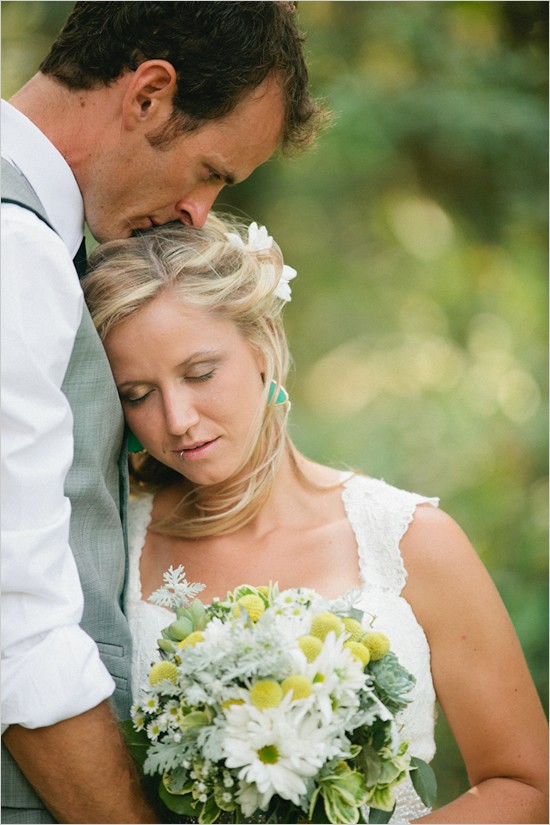
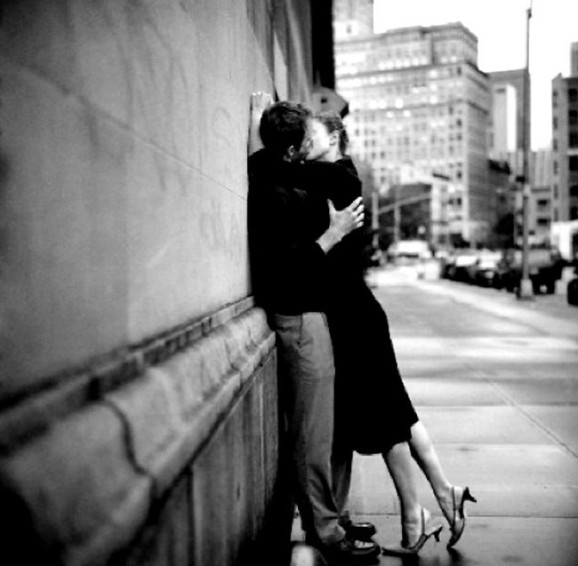
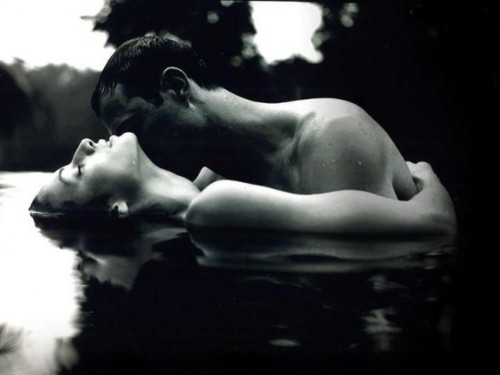
When you reach the last frame, try naming one photograph that felt soft, one that felt passionate, and one that felt simply kind. If those three words still fit different images, the gallery has done its job: it has shown that a kiss is not one pose, but a vocabulary couples rewrite every time they lean in.

Comments
Continue reading
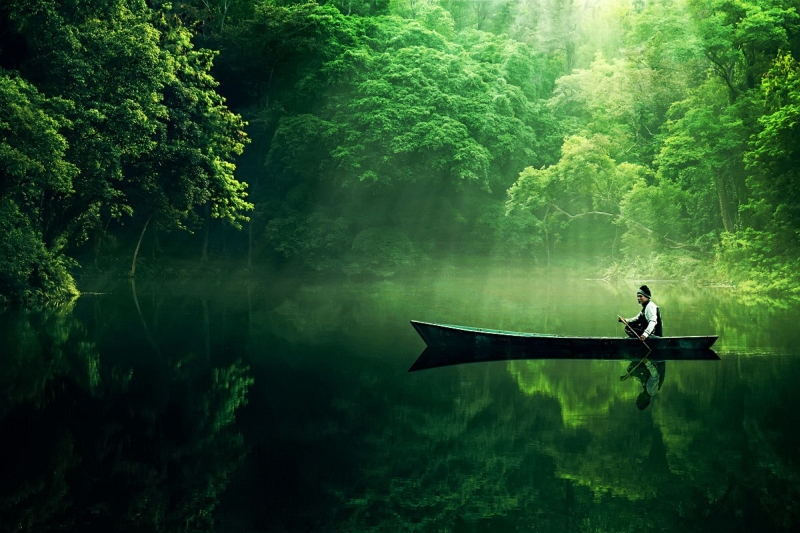
Dramatic Photo Art by Sukron Ma’mun (Ipoenk Graphic)
Cirebon, Indonesia photographer Sukron Ma’mun uses theatrical natural light to frame village life, play, and place in lyrical photo art.

Bird’s-Eye Views: Florian Beaudenon’s Instant Life
Paris photographer Florian Beaudenon’s Instant Life series captures people in their rooms from above—intimate, collaborative overhead portraits of everyday joy.
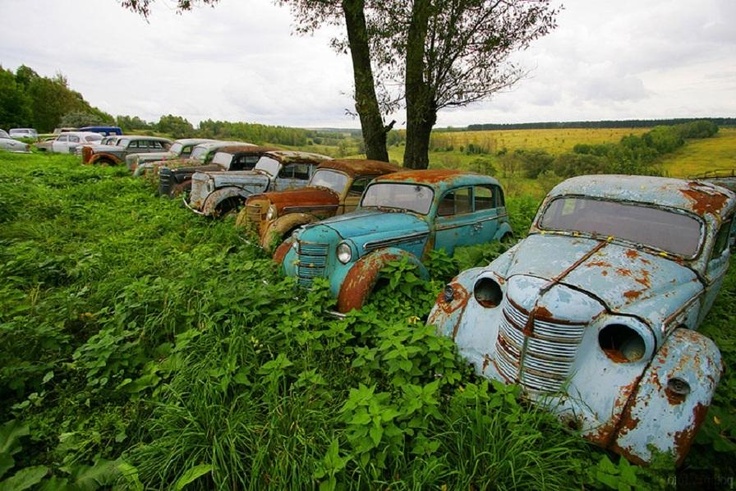
Abandoned Cars Reclaimed by Nature: Rust, Growth, and Quiet Ruin
When neglected vehicles are left outdoors long enough, rust, moss, and trees rewrite them into strange still lifes—sad, photogenic, and slowly returning to the ground.