
Little Boy and His Best Friend: Stasha Becker’s Photos of Julian and Max
Photographer Stasha Becker’s warm series of her son Julian and Newfoundland Max—friendship, Whidbey Island light, and a garage-door ritual that became a portrait of childhood.
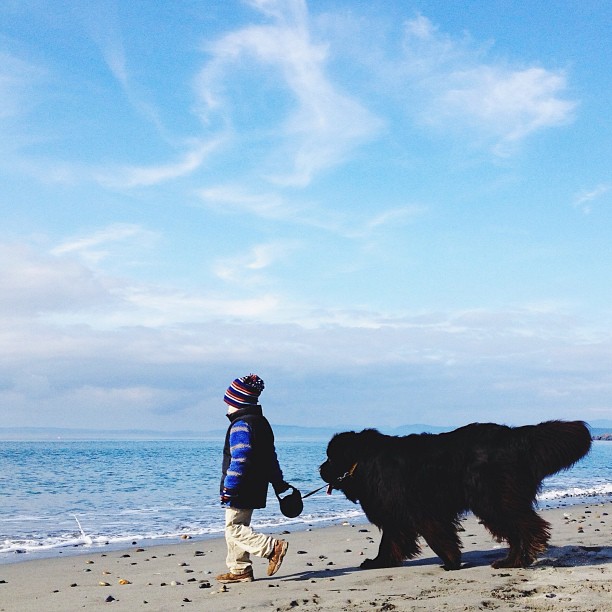
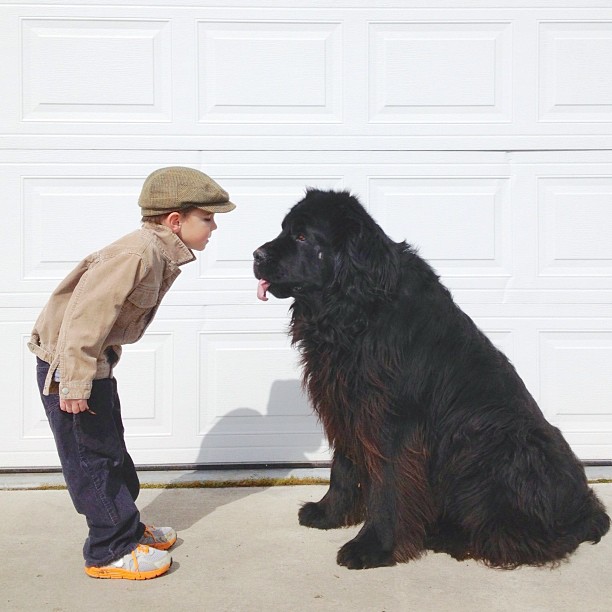
Before the garage door got famous, it was just a place to load the van. Photographer and mother Stasha Becker began photographing her son Julian beside the family’s Newfoundland, Max, as a quick way to send a daily update to relatives—especially when her husband was away with the Navy. What started as phone snapshots from Whidbey Island in Washington’s Pacific Northwest grew into a warm, widely shared portrait of childhood friendship between a little boy and a very large dog.
This gallery gathers that early bond: Julian and Max sharing quiet poses, goofy props, and the soft light of ordinary days. The pictures do not need a hard sell. They show how companionship looks when it is patient, physical, and almost wordless—the kind of friendship that teaches a child what loyalty feels like before they can spell the word.
How a family ritual became a photo story
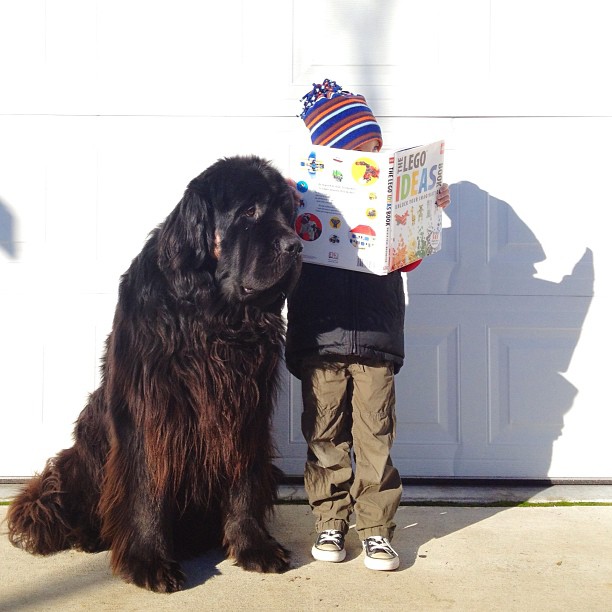
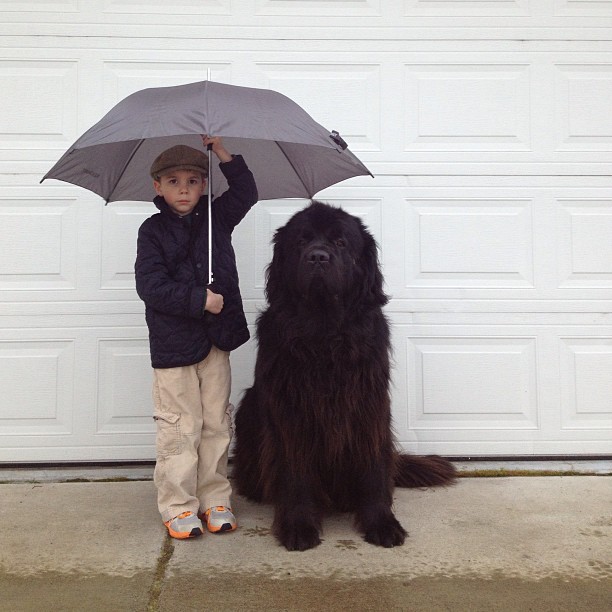
Stasha Becker has described the project with disarming honesty: she asked “the boys”—Julian and Max—to stand in front of the garage so she could text a picture to daddy or grandparents. The spot stayed the same; the child grew; the dog aged; the door got dirtier. That repetition is part of the charm. A fixed backdrop turns a casual habit into a timeline. Scroll the set and you feel years passing without needing captions to announce them.
Max arrived first. Becker and her husband brought the Newfoundland home when she was pregnant, and she has said the dog prepared them for parenting—teaching patience, shared care, and the daily practice of putting another being’s needs ahead of your own. By the time Julian was old enough to pose, Max already knew the household’s rhythms. The camera caught a friendship that had been forming since before the boy’s earliest memories.
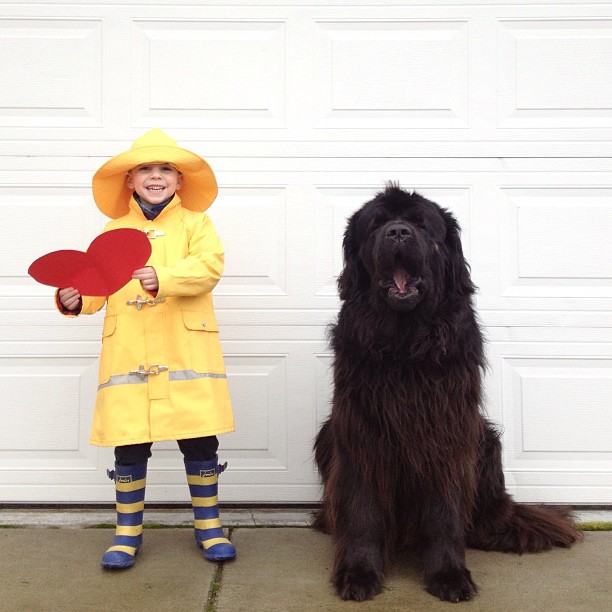
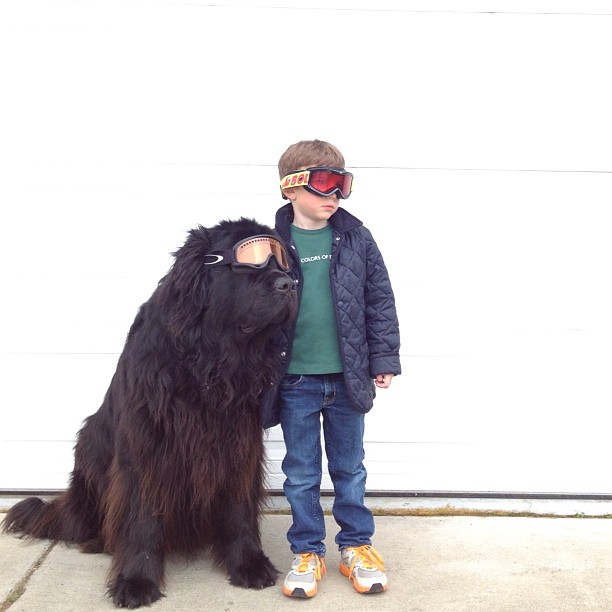
Julian often directed the shots. Becker joked that keeping a child still was harder than asking a dog to sit. That detail matters. These are not stiff studio portraits forced into cuteness. They are collaboration: a mother with an eye for light, a boy with ideas, and a dog whose calm presence steadied the frame. The best images feel like play that happened to be photographed.
Why Newfoundlands belong in these frames
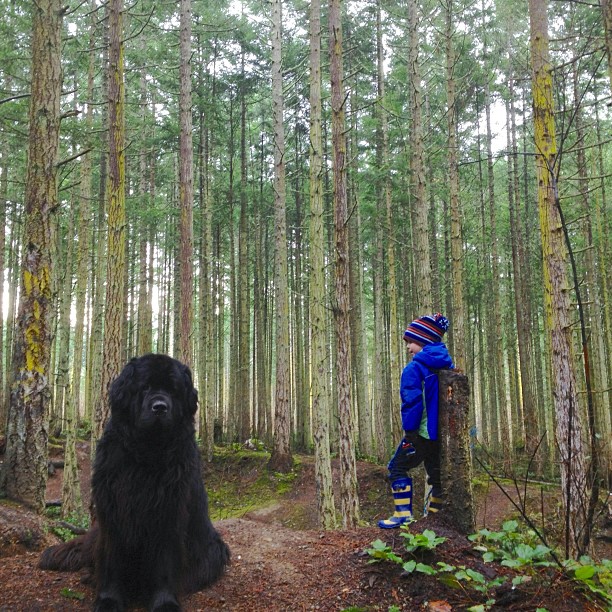
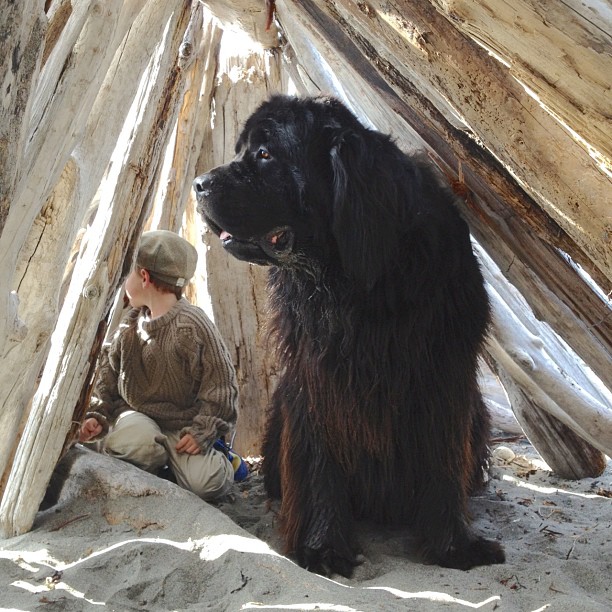
Max is not a lapdog accessory. Newfoundlands are working companions—big, soft-mouthed, historically bred for water rescue and heavy work. In a child’s world, that scale can look mythic: a living sofa, a walking blanket, a patient mountain with eyes. Scale is one reason the photographs travel so well. Viewers instantly read the visual joke and the tenderness beneath it. The dog could overwhelm the child; instead, the dog makes space for him.
Soft fur against small hands, a boy’s arm draped over a broad neck, two faces turned the same direction—these are classic friendship tropes, but they land because they are earned. Max’s expression is rarely theatrical. He sits. He leans. He waits. Julian’s energy fills the leftover air. Together they make a portrait of trust: the child can be loud because the dog is steady.
Pacific Northwest light helps. Overcast skies and green surroundings keep the palette gentle—mossy tones, denim, cream fur, wooden textures. Becker’s later outdoor hikes around Whidbey Island expanded the set beyond the garage, but even the simplest doorway shots carry that regional quiet. The environment never shouts. It leaves room for the relationship.
What the pictures teach about photographing love
Parents who photograph their children often chase milestones—first steps, birthdays, holiday outfits. Becker’s series reminds us that the daily repeat can be richer. Same place, same companions, different afternoon: that is how memory actually works. The garage door becomes a diary page. Props change; affection does not.
Technique stays approachable. Many early frames began as phone photos. Composition still matters: centering the pair, leaving breathing room around Max’s bulk, catching eye contact or shared gaze. Soft natural light reduces harsh shadows on fur and faces. Waiting for a genuine moment—an arm flung over a neck, a shared look sideways—beats forcing a smile. The dog’s calm becomes a compositional anchor; the child’s gesture becomes the spark.
There is also an ethics of warmth. These images invite viewers in without turning the child into a product or the dog into a gimmick. They circulated widely in the early 2010s because they felt sincere: a mother documenting her household’s ordinary magic, not staging a brand campaign. Later attention—including features that highlighted how the family story grew to include another Newfoundland and outdoor adventures—grew from that sincerity. The core remains Julian and Max learning how to share a life.
Friendship without speeches
Children’s best friends are not always classmates. Sometimes they are four-legged, furry, and already waiting when the school day ends. A dog cannot help with homework, but a dog can teach timing—when to be gentle, when to be loud, when to sit still because someone smaller needs calm. In several frames, Julian seems to treat Max less like a pet and more like a peer: a brotherly lean, a shared secret glance, a matching stillness that says we are a team.
That reading matches how the family talked about the bond in contemporary interviews. Julian called Max his brother as much as his dog. Sleepy moods, playful moods, and the long patience of an aging Newfoundland all become part of a child’s emotional education. Photography freezes the tender minutes; living with the dog fills the hours between them.
Viewers respond because the pictures skip cynicism. In a feed full of polished lifestyle branding, a boy and a giant dog in front of a garage still feel like someone’s real afternoon. You can almost hear the van keys, the laugh before the shutter, the dog’s sigh as he settles into yet another pose.
Looking through the gallery
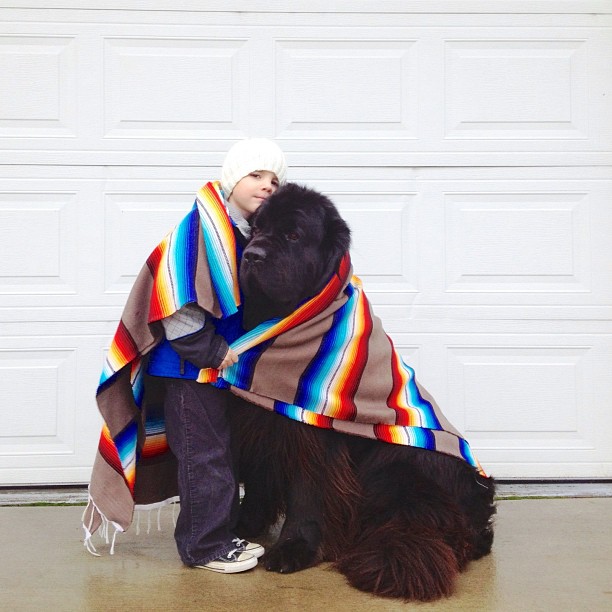
Move slowly. Notice how often Max’s body creates a protective curve around Julian. Notice when props appear—simple objects that turn a doorway into a tiny stage—and when the pair needs nothing but each other. Watch for matching direction: two faces looking left, or a shared stare into the lens. Those alignments invent narrative without a caption.
Also notice texture. Newfoundland coats photograph richly: dense, slightly wild, soft enough to invite a hand. Against a child’s sweater or bare arms, that contrast sells the intimacy. Becker’s eye for that tactile detail is why the images feel cozy rather than merely cute. Cute fades. Texture and trust linger.
If you photograph your own family animals, borrow the method rather than the poses. Pick a repeating location. Shoot often enough that everyone relaxes. Let the child lead sometimes. Prefer daylight. Keep editing gentle—these stories rarely need heavy filters. The point is recognition: this is our boy, this is our dog, this is how we love each other on a Tuesday.
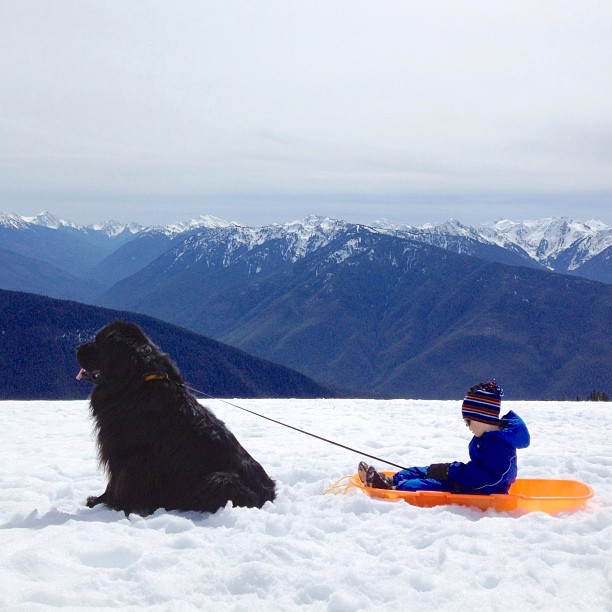
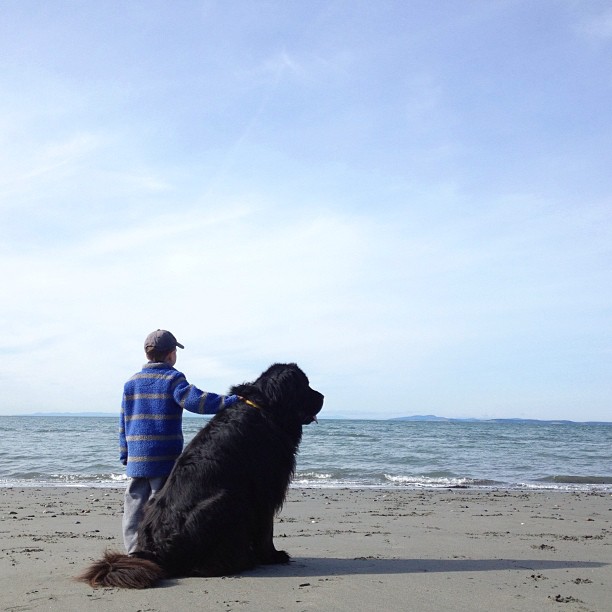
Somewhere in this set is a frame that stops you—not because it is the most polished, but because it feels like a memory you almost had. Maybe it is the lean, the shared glance, or Max’s patience while Julian fidgets into place. Stasha Becker’s gift was noticing those minutes and keeping them. Julian and Max did the rest: they showed up, again and again, as best friends in the most ordinary doorway in the world.

Comments
Continue reading
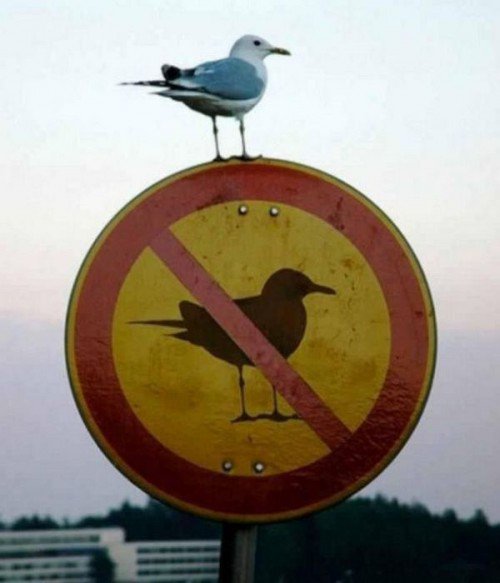
Funny Animal Signs That Warn People (While Animals Ignore Them)
From a seagull on a no-birds disc to classic zoo and park ironies—why animal warning signs get funny, and what the rules are still for.
How to Find Local Amenities on Vacation: Mechanics, Haircuts & More
Locate trustworthy local services and everyday spots while traveling or settling in—using publications, reviews, map apps, neighbor tips, and low-pressure exploration.
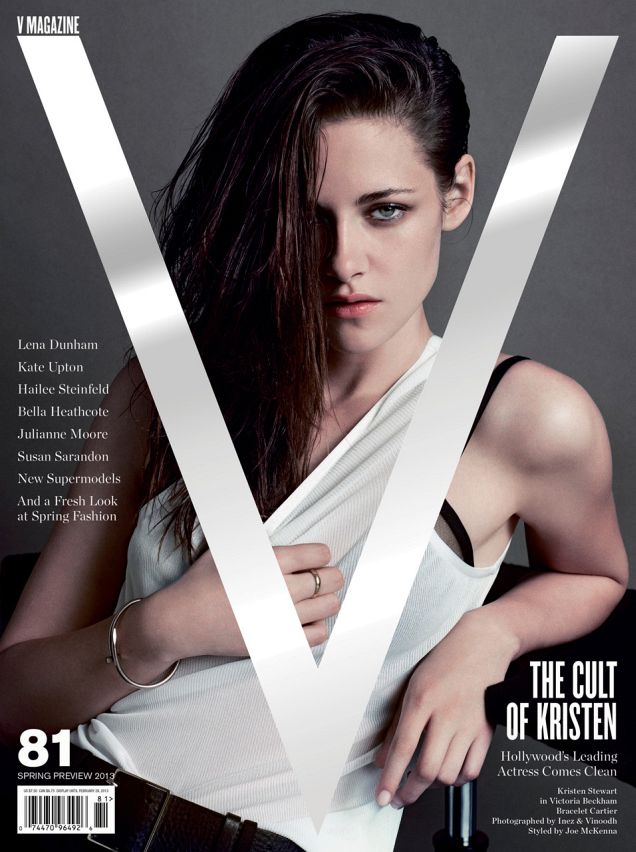
Kristen Stewart for V Magazine, Spring Preview 2013
V81’s Wild at Heart cover story—Kristen Stewart shot by Inez & Vinoodh, styled by Joe McKenna, in pale minimal spring glamour.