
Paris in Four Months: Carin Olsson’s Paris Photography
Swedish photographer Carin Olsson moved from Stockholm to Paris for four months in 2012, returned in 2013, and built Paris in Four Months into a visual diary of the city.
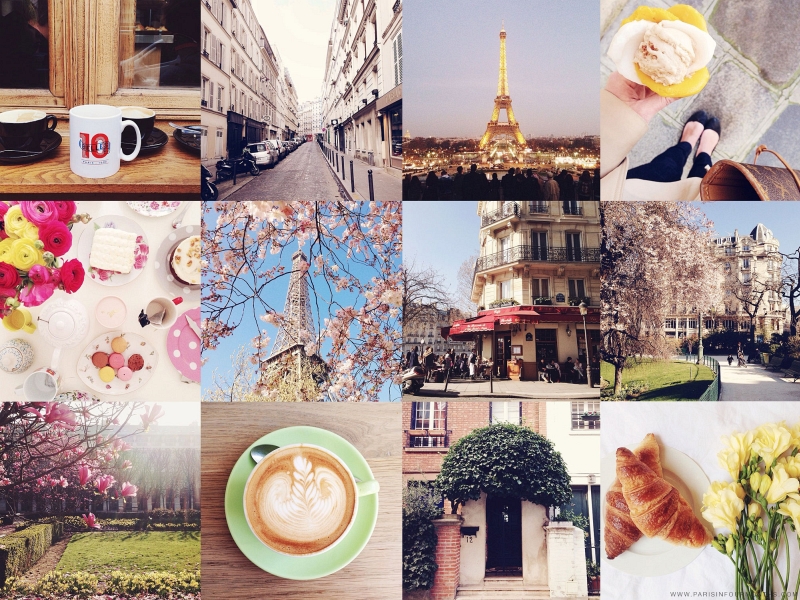
Whether you have walked its bridges or only collected postcards, Paris tends to arrive in the mind as a finished dream. Photographer Carin Olsson treated it as a temporary classroom first. In February 2012 she left Stockholm for four months—long enough to learn French beyond bonjour and merci, to eat properly, to get lost on purpose, and to test life in another country. She left job, family, and friends behind for a wager on a different daily rhythm. The stay ended; the longing did not. She returned to Sweden, planned a more permanent move, and by January 2013 she was back in Paris for good. The project that documented that arc took its name from the first experiment: Paris in Four Months.
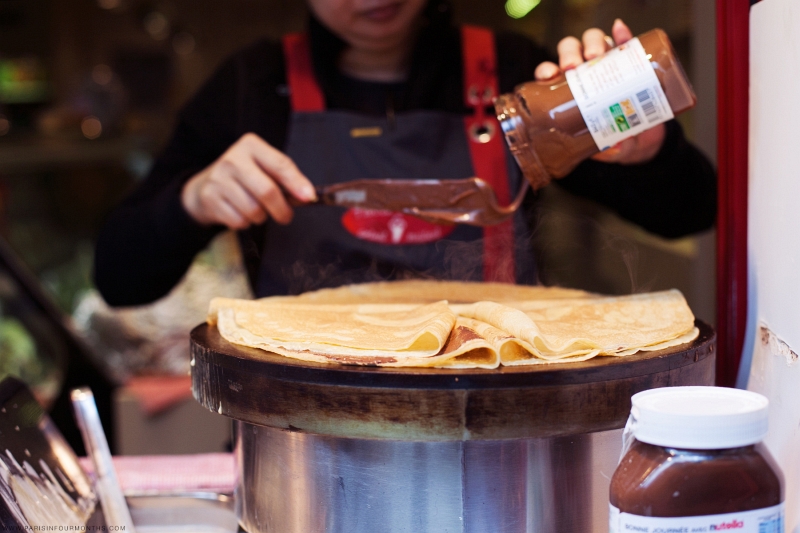
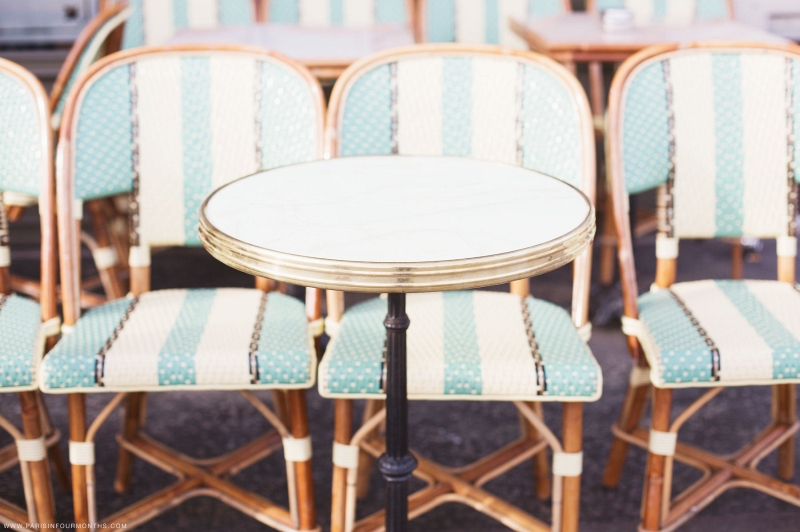
Olsson shares the city through still photographs that feel like a private walk slowed down for strangers. Courtyards, staircases, flower shops, rain-soft streets, and picnic light in Parc des Buttes-Chaumont sit beside fashion-week glimpses and café tables. The work circulated widely on Instagram under @parisinfourmonths, where a consistent visual temperature—bright, tidy, affectionate without becoming a brochure—turned a personal move into a recognizable photographic voice. By the mid-2010s the account had become a reference point for people who wanted Paris filtered through a resident’s peripheral vision rather than a tour-bus checklist.
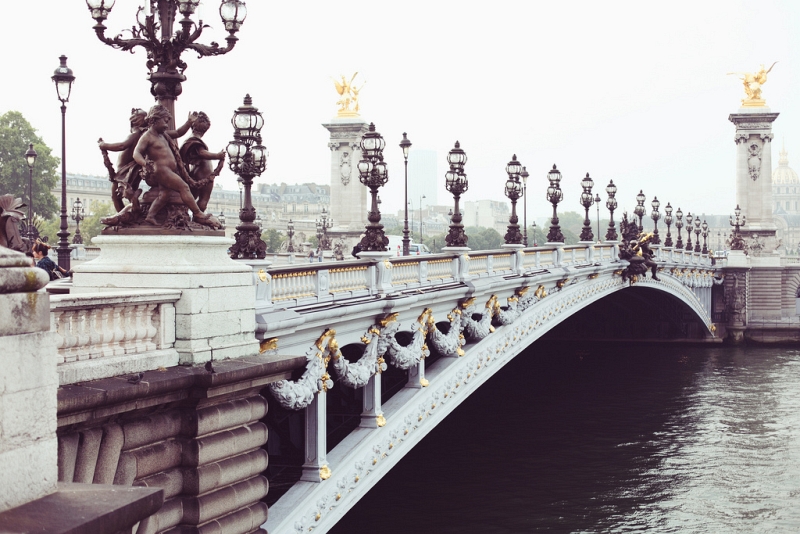
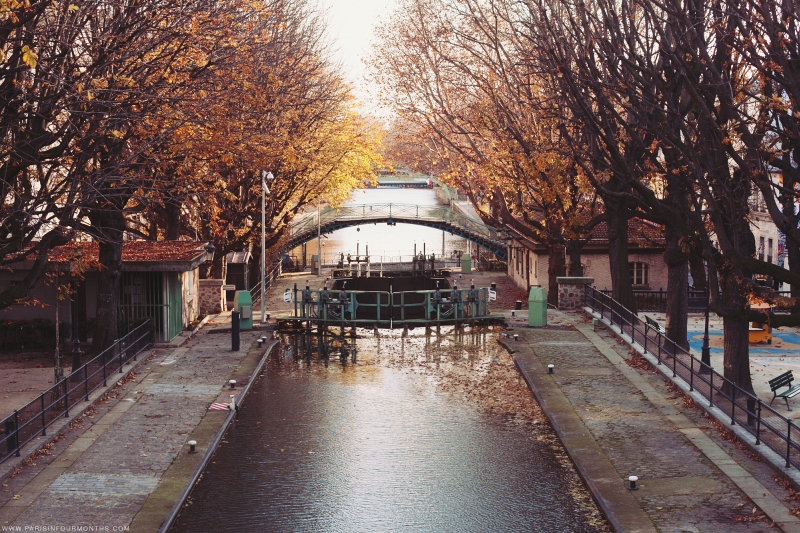
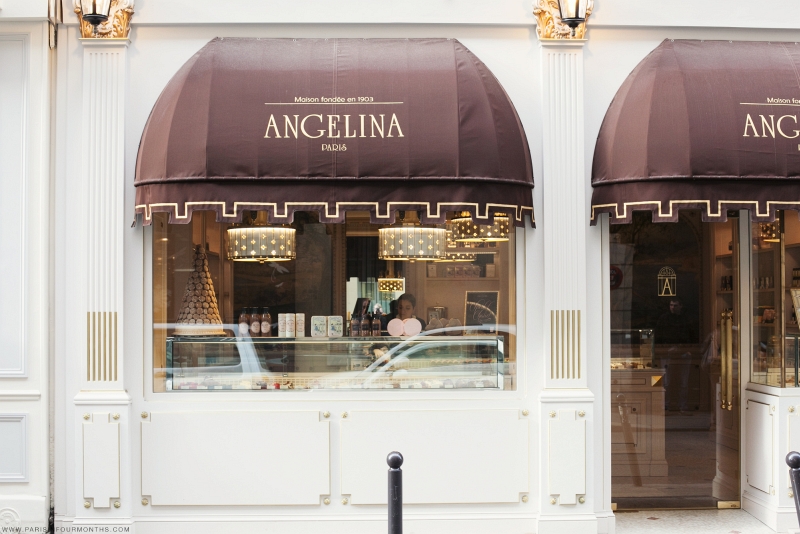
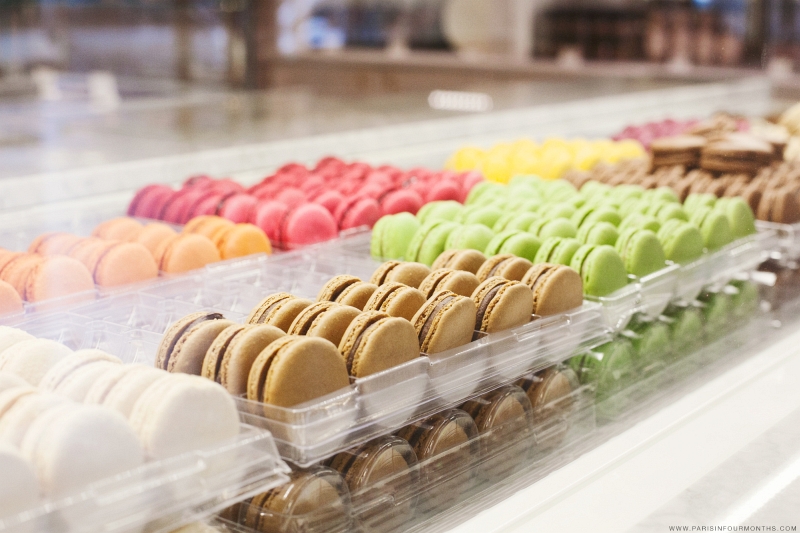
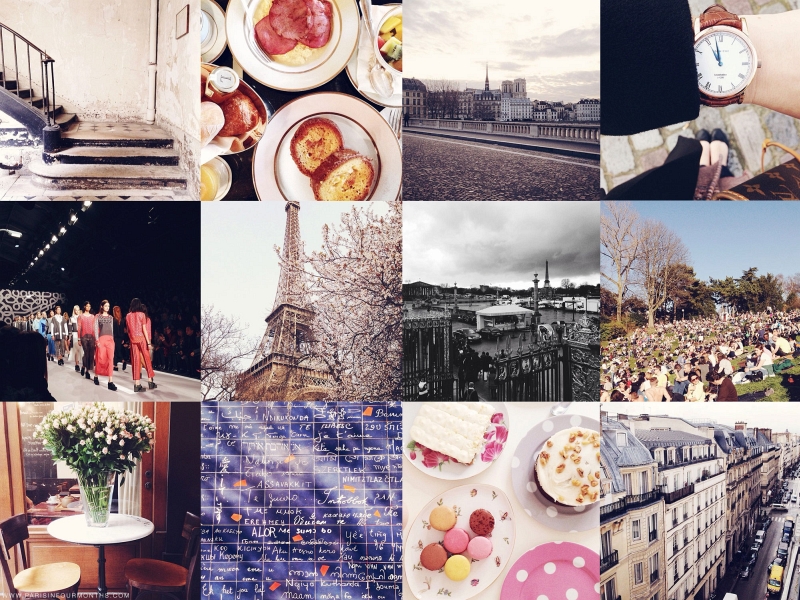
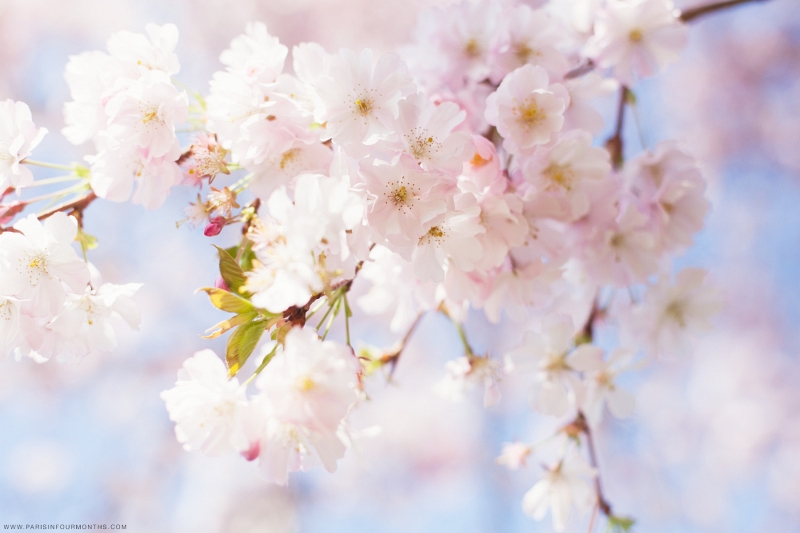
According to my Instagram account I’ve been stumbling upon beautiful courtyards and Parisian staircases, had breakfast at Ladurée together with the sweet Shini and walked over bridges at dusk. My favourite time piece comes from Corniche and one of my favourite shows this season during PFW was by Viktor & Rolf. I seen the city in full bloom, in the rain and in beautiful sunshine while having a picnic in Parc des Buttes-Chaumont with my favourite girls. Flower shops in Paris always manage to take my breath away, “Le Mur des Je T’aime”, afternoon tea with the lovely Alix and Nicole and this amazing view over Rue Saint-Honoré while shooting the gorgeous Mandy.
Four months that refused to stay temporary
The origin story matters because it resists the myth of overnight Paris belonging. Olsson has said she arrived without French fluency and without a plan to become a full-time photographer of the city. The blog began as a place to send experience home—family, friends, and anyone curious about the leap from Stockholm. Photography deepened after the move, not before it as a branded career map. That sequence keeps the early frames honest: they look like discovery because they were discovery, not content slots on a calendar designed to maximize engagement metrics.
When the four months ended and Stockholm reclaimed her, the absence clarified the preference. Planning a January 2013 return converted a language trip into a life choice. Paris in Four Months kept the original title even after the timeline outgrew it—a reminder that nicknames for cities often freeze the moment of falling in love, not the years that follow. Viewers who meet the feed later still inherit that first-season energy: curiosity, appetite, and the willingness to photograph stairwells as carefully as landmarks. The name is a souvenir of the wager, not a literal limit on how long the work may continue.
That honesty about beginnings also explains why the project spoke to people considering their own moves. Olsson’s early writing and images offered practical romance: yes, the food and streets dazzle; yes, language barriers are real; yes, you may need to leave and come back before the decision sticks. The photographs do not erase difficulty. They simply refuse to let difficulty be the only story.

What the pictures choose
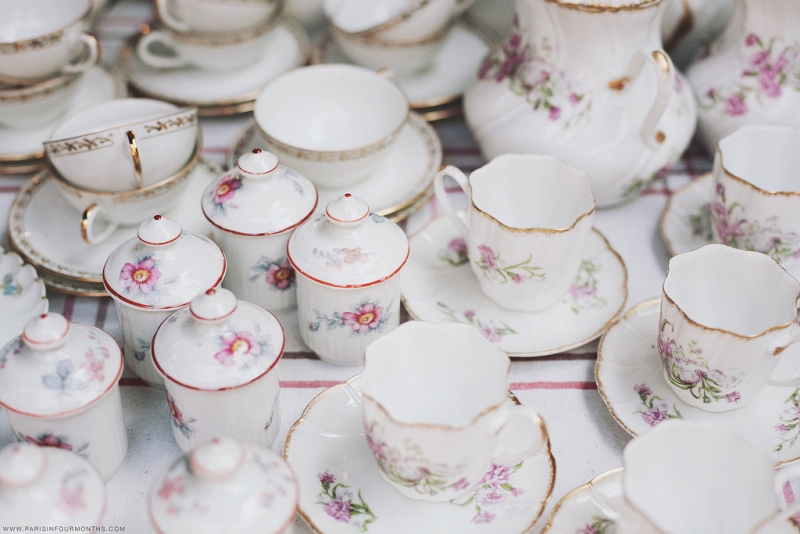
Olsson’s Paris is not only monuments. It is thresholds: courtyard gates, flower buckets on sidewalks, tea services, dusk on bridges, the Wall of Love (Le Mur des Je t’aime), and the everyday theatre of Rue Saint-Honoré. Fashion Week appears, including a nod to Viktor & Rolf, but so do picnics with friends and breakfast rituals at Ladurée. The mix matters. Pure landmark galleries flatten a city into checklist tourism; pure diary shots can lock outsiders out. Her balance lets strangers borrow a resident’s eye—the things you notice when you are late, or early, or simply walking home with a camera because the light changed.
Light does quiet work across the set. Full bloom, rain, and hard sunshine are not weather reports; they are moods the same streets can wear in a single week. That variability is part of why the Instagram account scaled: each post felt specific, yet the palette stayed coherent enough to recognize at a glance. Architecture, food, fashion, and floral interruptions shared one editorial temperament—clean framing, affectionate distance, color that stays awake without shouting. You could shuffle the gallery and still sense one author behind the shutter.
Friends appear in captions as companions, not props: breakfast with Shini, tea with Alix and Nicole, picnics with “favourite girls,” a shoot with Mandy above Rue Saint-Honoré. That social texture is part of the documentary truth. Paris here is not an empty museum after hours. It is a city navigated with other people, which is how most lasting affection for a place actually forms. The photographs remember those names because the days remembered them first.
From personal blog to working practice
By the mid-2010s, Paris in Four Months had grown from a relocation diary into a platform that could carry professional photography and travel assignments. Condé Nast Traveler and other outlets treated Olsson’s eye as a trustworthy guide to the city’s quieter pleasures. Collaborations with luxury and lifestyle brands followed a path familiar to that Instagram decade: a coherent personal feed becomes proof of taste, then becomes work. Keeping Carin Olsson’s name on the images matters because feeds erase authors easily. The staircases and flower stalls are hers; the four-month wager is hers; the decision to stay is hers.
None of that later professional layer cancels the earlier amateur courage of leaving Stockholm with limited French. If anything, the career arc makes the first photographs more interesting. They are the archive of a person learning a city before the city became her job. Viewers who only know the polished later collaborations can still find, in these frames, the hunger of arrival—the habit of stopping for a courtyard because it was beautiful, not because it was scheduled.
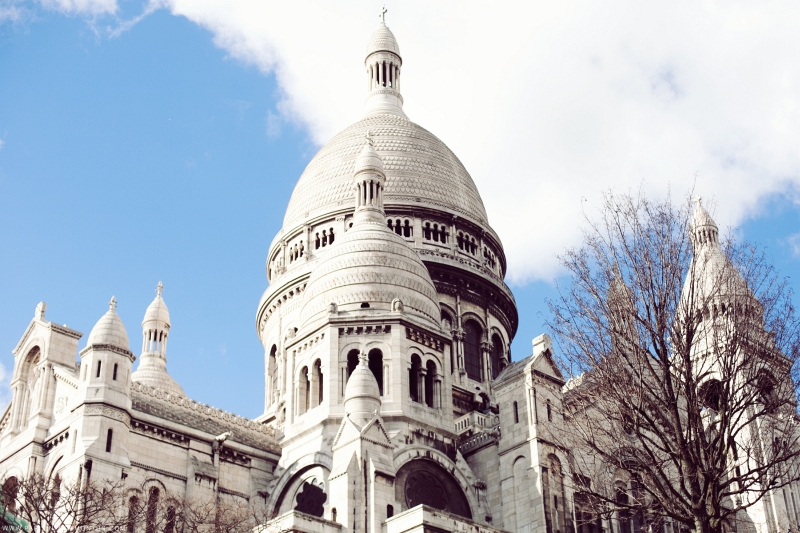
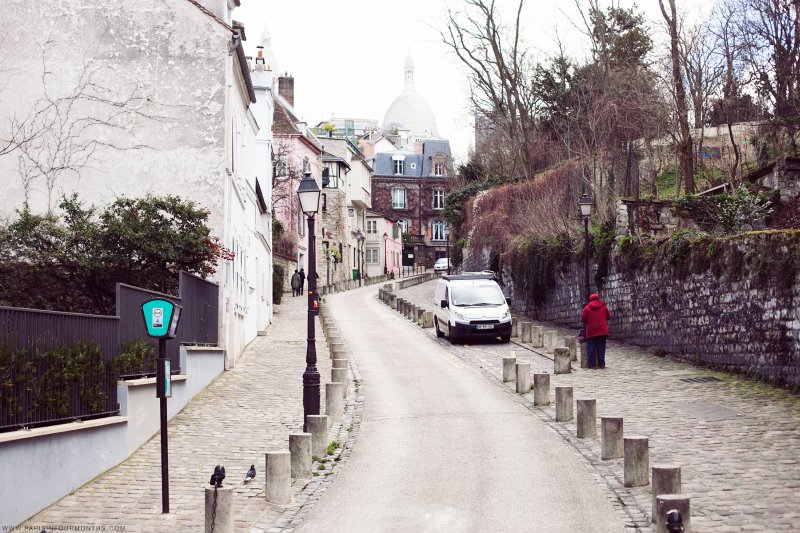
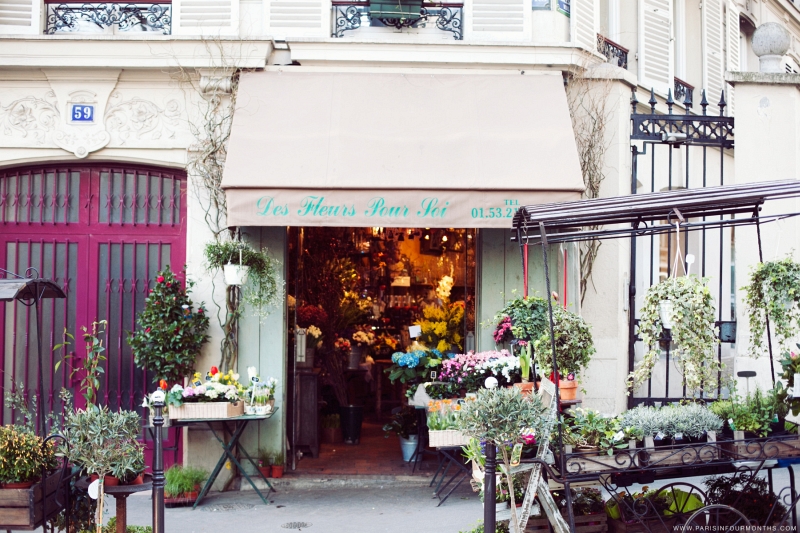
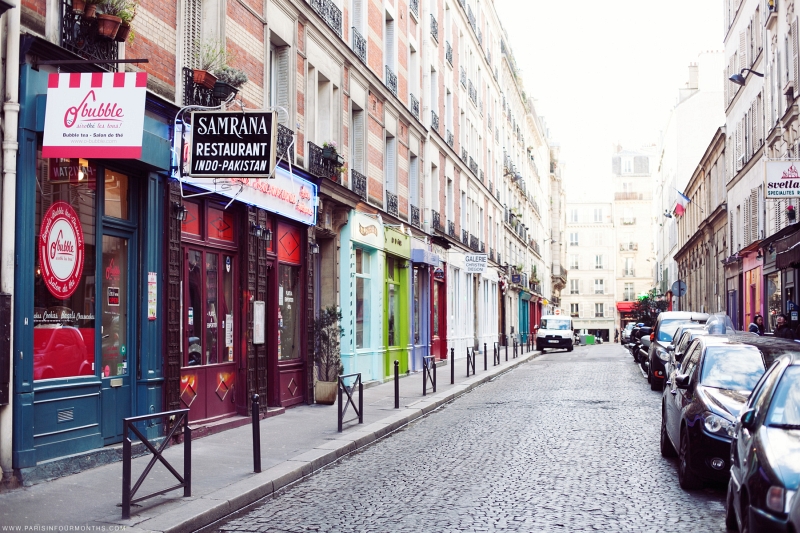
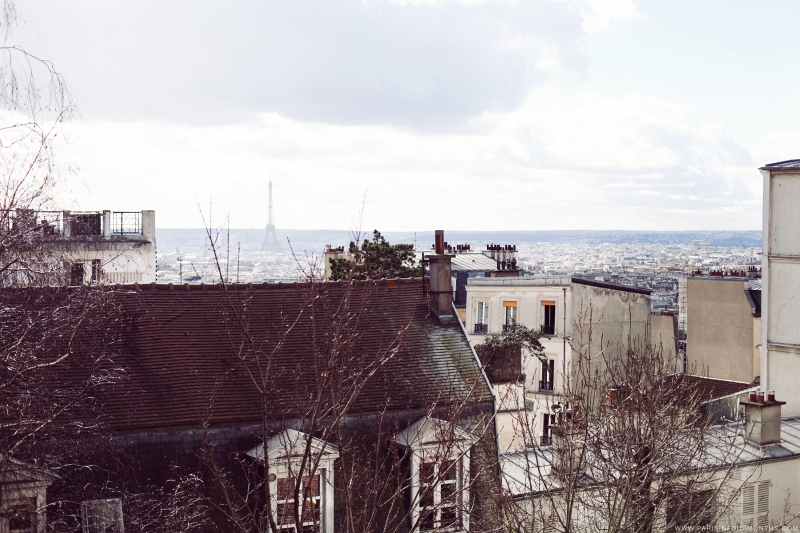
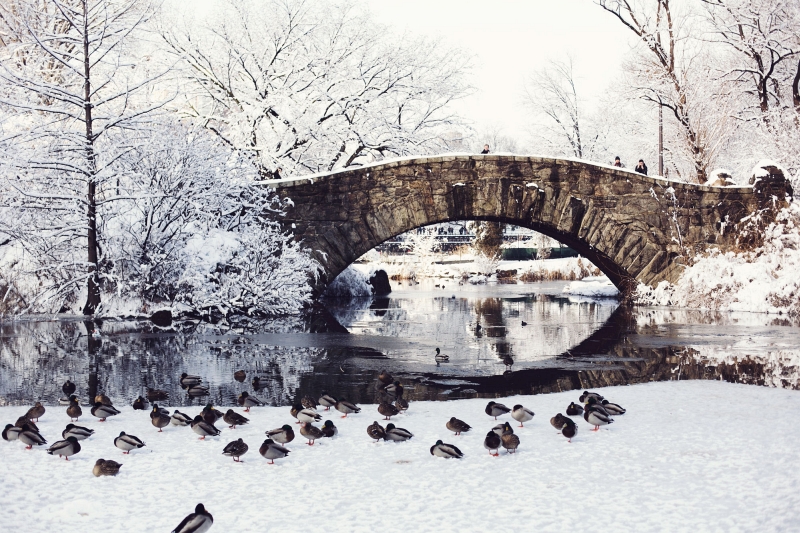
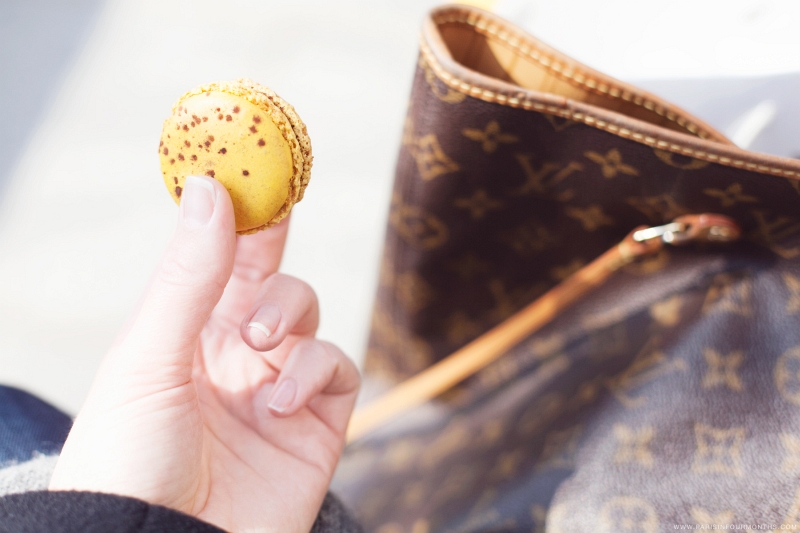
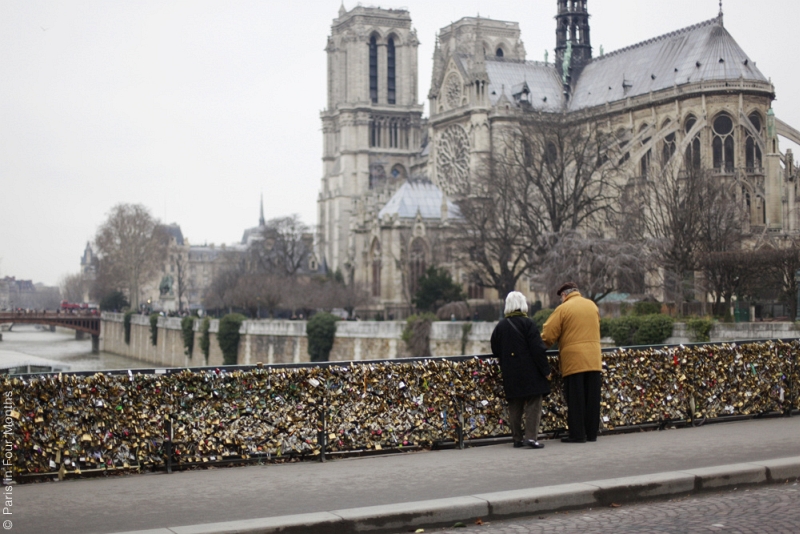
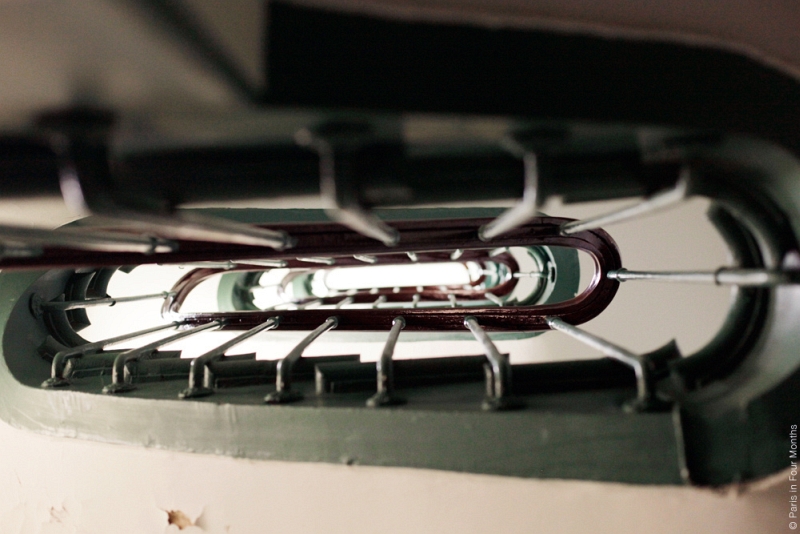
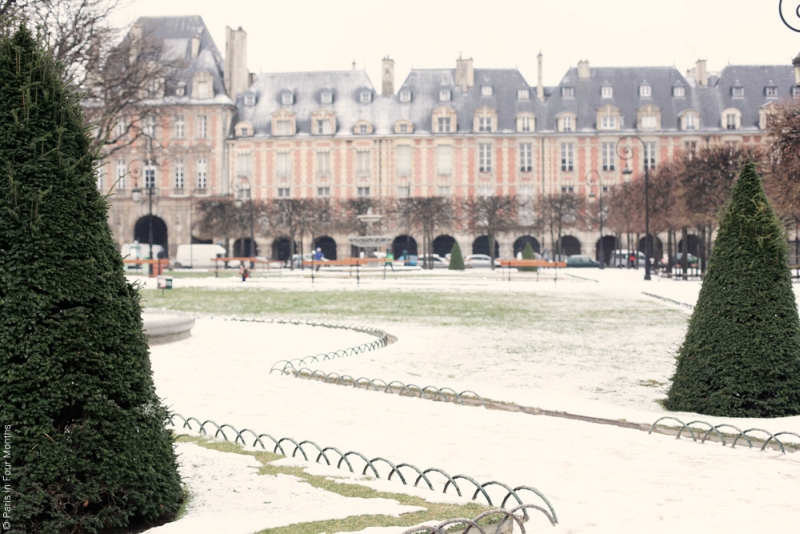
If one image from the set stays with you, let it be a bridge at dusk or a flower shop that stops the walk—something small enough to miss on a rushed itinerary. Olsson’s Paris rewards that kind of attention. The four months were only the door. The photographs keep holding it open on Rue Saint-Honoré, in Buttes-Chaumont grass, and in every courtyard where she paused long enough for the shutter to catch up.

Comments
Continue reading
Travel Wish List: Paris for Streets, Culture, and Romance
Seine walks, museum days without burnout, and neighborhood rhythms—why Paris stays on the urban-romance wish list.

Funny Animal Signs That Warn People (While Animals Ignore Them)
From a seagull on a no-birds disc to classic zoo and park ironies—why animal warning signs get funny, and what the rules are still for.

How to Find Local Amenities on Vacation: Mechanics, Haircuts & More
Locate trustworthy local services and everyday spots while traveling or settling in—using publications, reviews, map apps, neighbor tips, and low-pressure exploration.