
Modern Bathroom Designs: Layout, Materials, and Light
A practical gallery of modern bathrooms—wet zones, durable finishes, vanity lighting, and how to borrow ideas without copying a showroom.
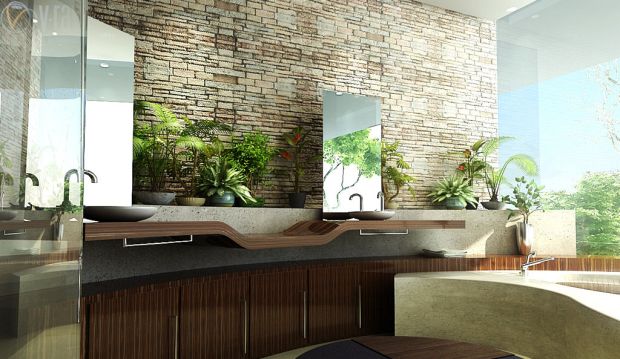
A modern bathroom earns its keep twice: once in daily use, once in how it makes a small room feel intentional. Tile, light, and fixture choices either calm the morning or turn it into a fight with clutter and glare. This gallery collects bathroom interiors that favor clean geometry, honest materials, and lighting that works as hard as the plumbing. Treat it as a practical mood board—less dream-mansion fantasy, more a study of finishes and layouts you can actually adapt.
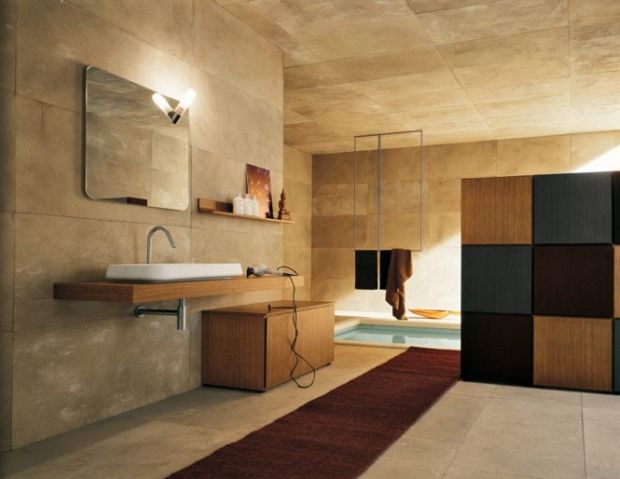
Bathrooms fail when they try to do everything at once: spa drama, hotel glamour, gym storage, and guest-ready sparkle in one cramped footprint. The stronger rooms here pick a lane. Some chase hotel calm with large-format tile and floating vanities. Others lean residential—warmer woods, softer lighting, a freestanding tub as the single luxury gesture. Both can read as modern if the lines stay clear and the palette stays disciplined. Editing is the style.
Before you fall for a photograph, ask what problem the room solved. Was it a narrow footprint, a missing window, a shared schedule for two adults, or a desire to make a secondary bath feel less like a leftover closet? Modern design is not a single white box. It is a set of decisions that remove visual noise while keeping the wet work reliable.
Layout and the wet zone
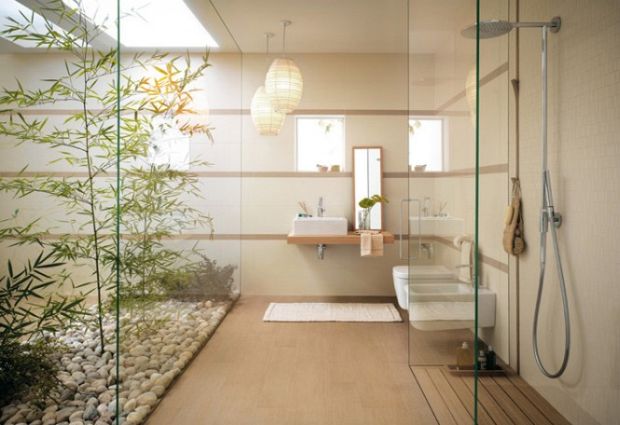
Start with water. A modern plan usually separates or clearly marks the wet zone—shower, tub, or wet room—from the dry zone of vanity and storage. Glass partitions keep sightlines open while containing splash. Curbless showers stretch a small room visually, but they demand careful slopes, drains, and waterproofing. If you are remodeling, treat those invisible layers as part of the design budget, not an afterthought you discover when the tile bill already hurts.
Double sinks look generous in photographs; they only work if the counter can hold two users without elbow wars and if the plumbing wall can support them. In narrow baths, a single wide basin with thoughtful storage often feels calmer and cleans faster. Toilets tucked behind half-walls or in a separate compartment raise privacy without killing openness—especially useful in shared primary suites where one person showers while another gets ready.
Door swings and towel paths sound dull until you live with a bad one. A beautiful glass shower that blocks the vanity drawer is not modern; it is a conflict. Walk the sequence: enter, hang robe, use toilet, wash, dry, exit. The galleries that feel effortless usually hide that choreography in clear zones and reachable hooks.
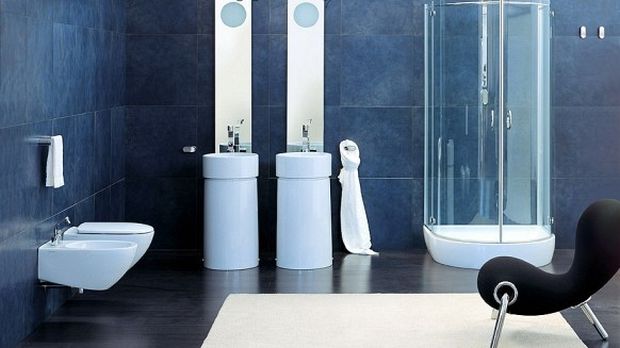
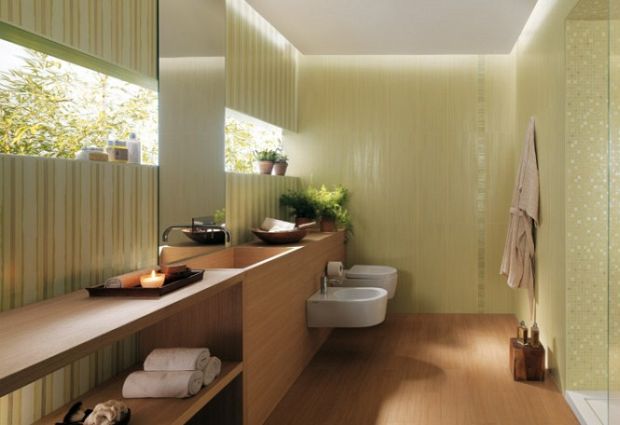
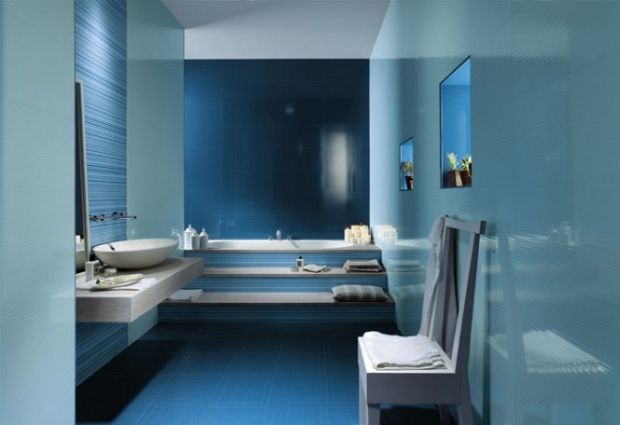
Materials that survive steam
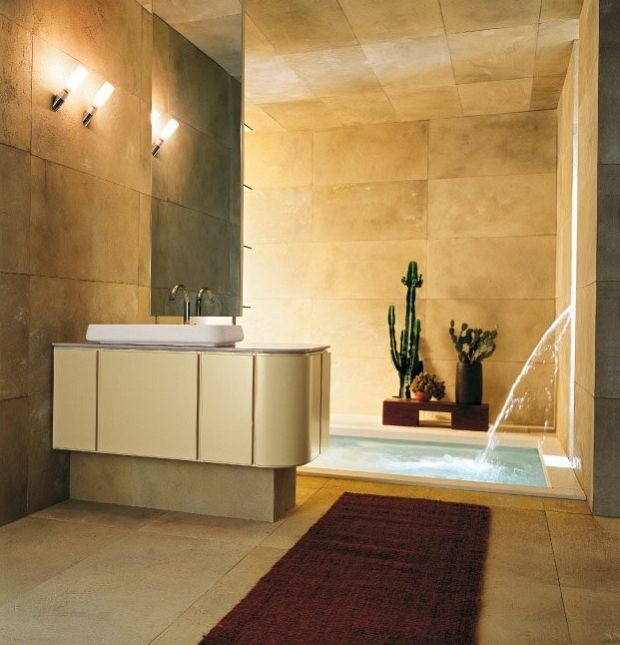
Porcelain, stone, microcement, and sealed plaster-look finishes dominate modern baths because they tolerate moisture and cleaning chemicals. Large tiles reduce grout lines and visual chatter. Matte surfaces hide water spots better than high gloss in hard-water regions. Wood—or wood-look porcelain—warms a cool palette, but real wood needs the right species, seal, and ventilation or it becomes a maintenance story you will resent every winter.
Metal finishes should agree with one another. Mixed metals can work if one leads and the others whisper. Chrome reads crisp and slightly clinical; brushed nickel and soft black steel feel more residential. Avoid collecting every trendy fixture finish in one room. Photographs that look expensive usually look edited: one primary metal, one secondary accent at most.
Grout color is a design decision, not a default. Matching grout quiets a wall; contrasting grout draws a grid that can either energize a plain tile or make a small room feel busier. In showers, darker grout often ages more gracefully. On floors, texture beats polish near the waterline—slip resistance is part of modern comfort, not a betrayal of beauty.
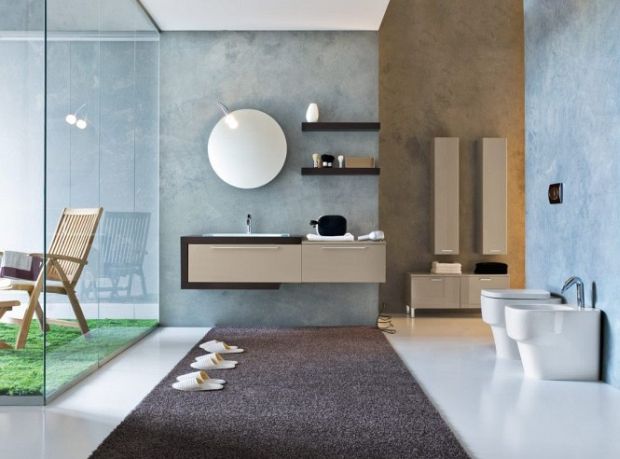
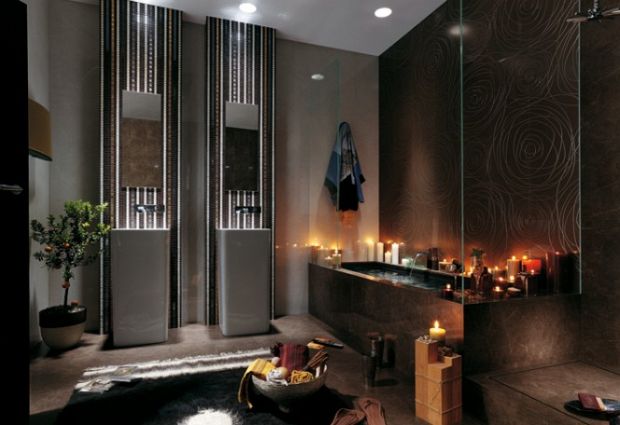
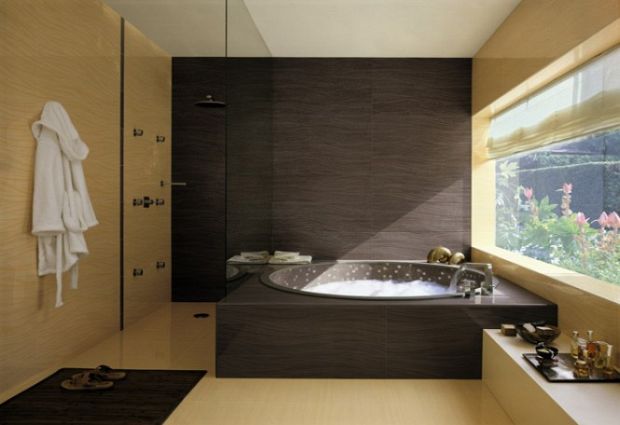
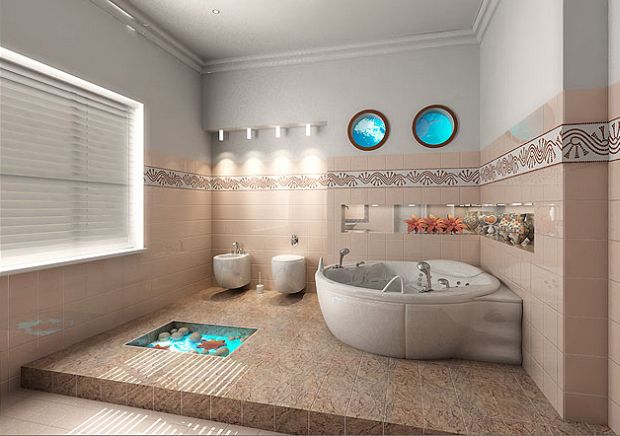
Light, mirrors, and the vanity wall
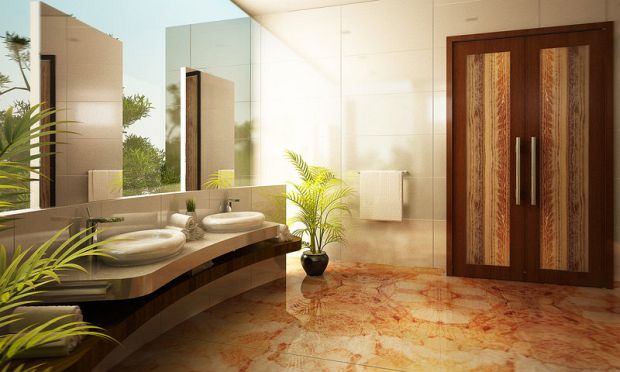
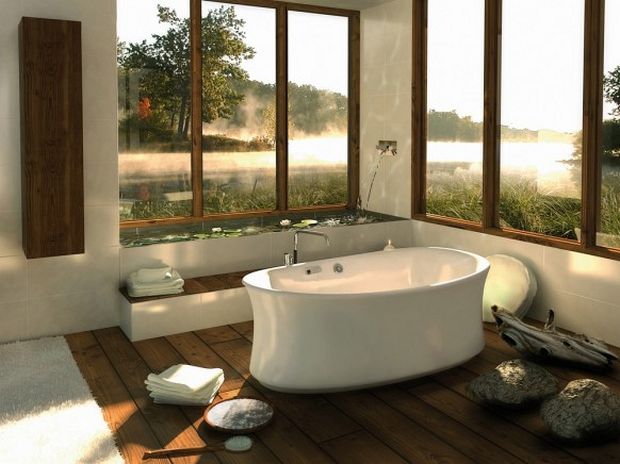
Daylight is the best bathroom luxury. A window or skylight keeps finishes true and makes mornings feel less like a bunker. Where privacy is an issue, frosted glass, high clerestories, exterior screens, or planted views solve sightlines without killing brightness. Artificial light should be layered: soft ambient for evenings, vertical task light beside the mirror for grooming, and a restrained accent if you want drama without glare bouncing off polished chrome.
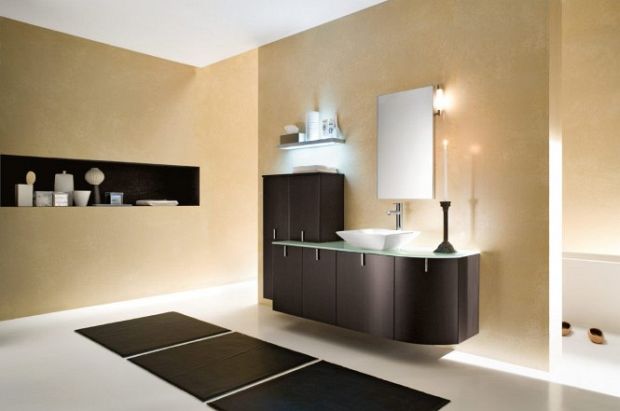
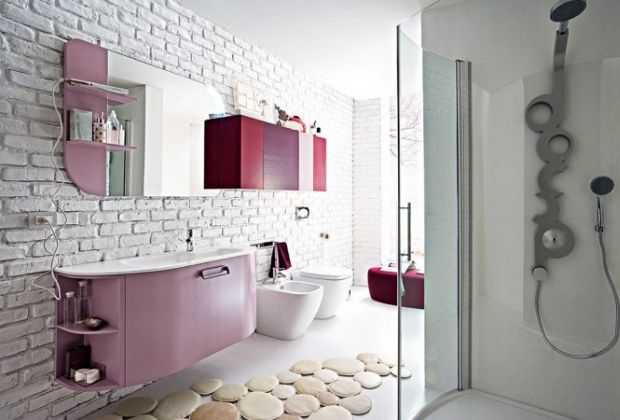
Mirrors expand volume. A wall-wide mirror behind the vanity can double the sense of space, but it also doubles clutter—so storage still matters. Floating vanities reveal floor, which helps small rooms breathe. Open shelves look magazine-ready until they collect bottles; closed drawers with a few styled open niches usually age better in real households.
Color temperature affects skin and stone alike. Warm white flatters faces and cream tiles; cooler white can make gray porcelain feel precise but can also make mornings feel harsh. Dimmers are not decadence in a bathroom; they are how one room serves both 6 a.m. alertness and 10 p.m. wind-down. If you only add one electrical upgrade beyond code, make it controllable light.
Tubs, showers, and statement pieces
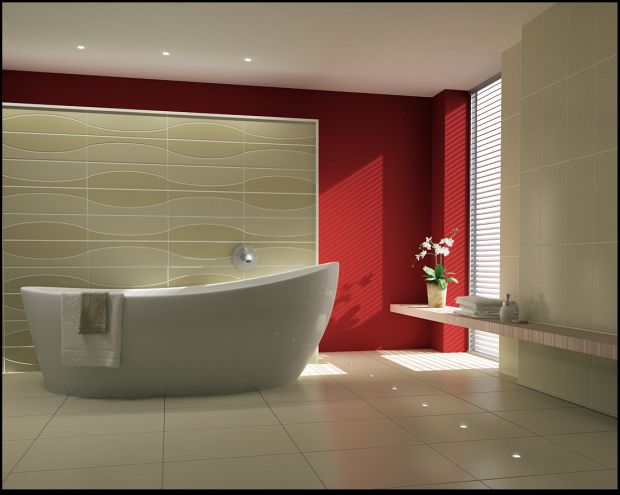
A freestanding tub is a classic modern focal point, but it needs clearance on all sides and a plan for the filler and overflow that does not look like an apology. If the room is tight, a well-detailed built-in tub or an excellent shower often beats a cramped “statement” oval that nobody can clean behind. Showers benefit from a single strong idea: a rainfall head plus a hand shower, a bench niche, or a textured accent wall—not all three competing for attention.
Hardware scale matters. Tiny knobs on a long vanity look lost; oversized faucets can overwhelm a delicate sink. Choose fixtures that match the room’s line weight. Black frames on glass, slim profiles on faucets, and handleless cabinets all reinforce a contemporary read without requiring a pure white box. Niches should align with grout lines when possible; a crooked niche ruins an otherwise careful wall.
Ventilation is invisible design. A quiet, adequately powered fan protects the materials you just paid for. Heated floors change how stone feels underfoot in winter and can reduce the need for thick bath mats that fight a minimal look. These systems do not photograph as heroically as a freestanding tub, but they decide whether the room stays modern after year three.
How to steal ideas without copying a showroom
As you scan the remaining rooms, pick only three decisions to borrow: a tile strategy, a vanity type, and a lighting approach. That limit keeps a renovation coherent. Note ceiling-height tricks—vertical tile, tall mirrors, clerestory windows—and storage that disappears into panels. Ignore props that only exist for the photo shoot: the perfect folded towels in threes, the orchid that would die in your humidity, the tray of oils nobody uses.
If your own bath is smaller than these frames, shrink the idea rather than the ambition. One excellent material field, good light, and a clear wet/dry split will outperform a crowded collage of trends. Measure your niche depths and door clearances before you order glass. Modern, in this gallery, means edited—not cold, and not catalog-complete.
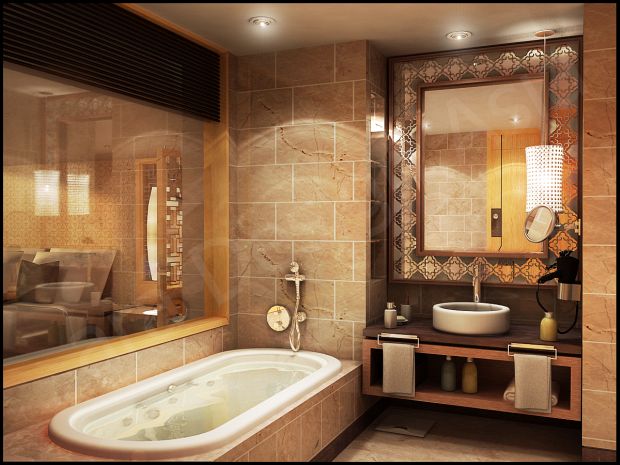
Write the three borrowed decisions on a note before you shop. If a fourth “must-have” appears in the showroom, make it replace one of the three—or leave it behind.

Comments
Continue reading
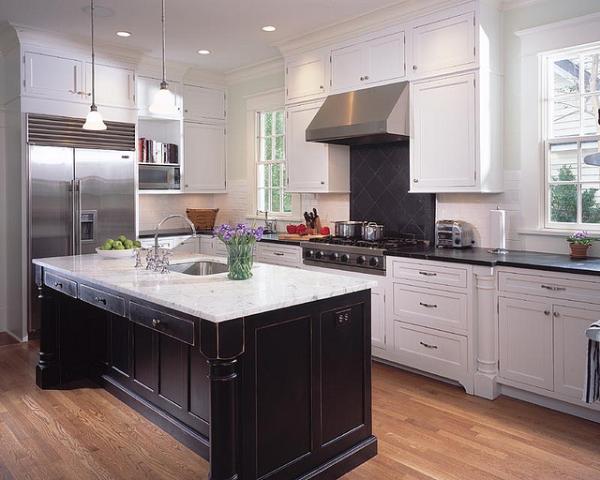
Kitchen Design Ideas: Layout, Storage, Light, and Finishes That Work
Practical kitchen design ideas—work zones, cabinetry, lighting, and durable finishes—so inspiration translates into rooms that cook and gather well.
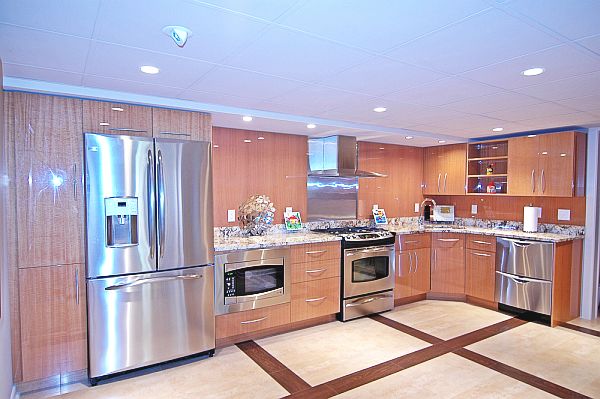
18 Kitchen Design Ideas: Gloss Cabinets, Smart Layouts, and Practical Finishes
Eighteen kitchen design directions—from high-gloss wood-look cabinetry and stainless suites to islands, pantries, lighting, and backsplash strategies—anchored by the surviving gallery photo.
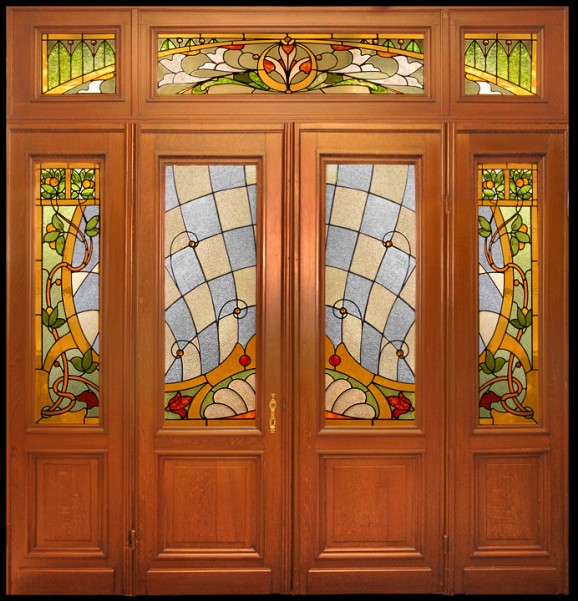
Magnificent Stained-Glass Windows: Color Built Into Daylight
A contemplative gallery of stained-glass windows—craft, sacred and civic storytelling, and how pot-metal color turns architecture into living light.