
Into the Mirror by Luca Meneghel
Italian photographer Luca Meneghel’s Into the Mirror series: Nasty Bugriy before a drawn-on glass, Norma Nardi’s hand-sketched gowns, and a Snow White mirror trick.
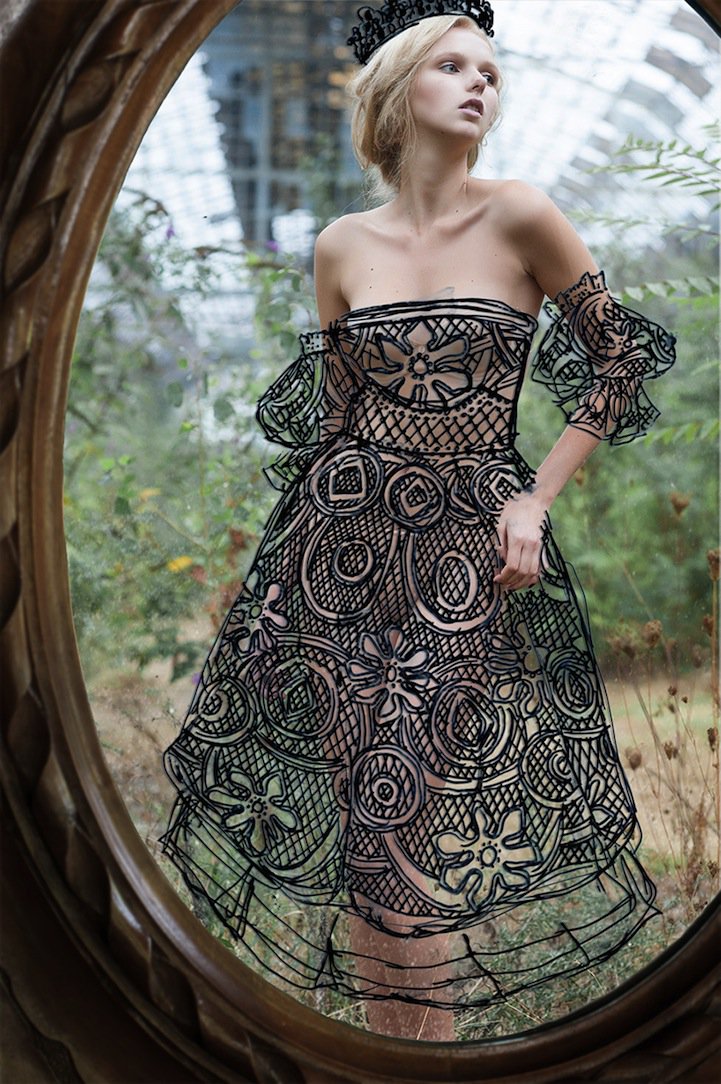
Italian photographer Luca Meneghel’s series Into the Mirror joins a fashion photograph to a hand-drawn costume in a single frame. Model Nasty Bugriy stands before a worn, ornate mirror in barely-there nude clothing and minimal makeup. On the glass itself, artist Norma Nardi draws lace, beading, jewelry, and flowing fabric that align with Bugriy’s reflection. When Meneghel releases the shutter, the camera records a woman who appears to wear garments that exist only as marks on a reflective surface.
The project’s fairytale reference is deliberate. Meneghel has pointed toward the magic mirror in Snow White—not as costume-party illustration, but as a way to think about mirrors as active storytellers. Here the glass does not merely bounce light. It hosts the outfit. Reality and drawing meet at the plane where silvering, scratches, and ink already compete for attention.
How the illusion is built
The method is physical before it is digital. Bugriy wears slim, nude-toned pieces that erase ordinary fashion information and leave a clean body map. Nardi’s drawings then supply silhouette, ornament, and textile fantasy on the mirror. Alignment is everything. If the drawn neckline drifts, the spell breaks. If a sketched sleeve misses a shoulder, the viewer sees craft instead of clothing. When the registration is right, the brain accepts a hybrid truth: flesh is photographed, couture is illustrated, and both occupy one portrait.
Meneghel’s background in design and fashion photography shows in the restraint of the base image. Soft light, uncomplicated hair and makeup by Sabine Gutwenger (as credited in period shares), and styling that refuses loud real garments keep the drawing readable. The dirty mirror and ornate frame are not defects to retouch away; they are atmosphere. Scratches and smudges thicken the border between studio reality and storybook surface.
Credits matter because the series is collaborative authorship, not a lone Photoshop flex. Meneghel directs and photographs. Nardi draws. Bugriy holds the pose with the patience of someone wearing invisible clothes. Erin Fox’s styling, noted in contemporary posts about the shoot, supports the nude base so the illustrated wardrobe can dominate. Remove any one of those roles and Into the Mirror becomes a different project.
What the drawings do
Nardi’s lines are not timid outlines. They build lace density, jewelry weight, crucifix earrings, embellished necklines, and fabric that seems to move even while remaining ink. Black drawing against pale skin and soft photographic tone creates contrast that fashion illustration has always loved, now locked to a real body’s proportions. The rough energy of hand marks—occasional smudge, varying pressure—keeps the clothes from looking like sterile clip art dropped onto a photo.
That roughness is part of the meaning. A perfect digital garment overlay would read as advertising retouching. Hand drawing on a dirty mirror reads as ritual and play. The viewer can still see the craft, which is why the series rewards close looking: count the beads, follow a lace path, notice where a line stops just short of a reflected wrist. The incomplete seam between mediums is the aesthetic.
Across the set, wardrobe changes while the conceptual machine stays fixed. One frame may emphasize an elaborate gown; another may spotlight jewelry; another may let fabric flow dominate. The constant is the mirror as garment rack for imaginary couture. That constancy lets Meneghel vary mood without abandoning the project’s one clear idea.
Fashion photography meeting illustration
Plenty of internet series blend sketch and photo. Many sandwich doodles beside a portrait or composite drawings in post-production. Into the Mirror is stricter. The illustration lives in the same optical space the camera sees. The mirror is both prop and drawing board. That choice places the work closer to in-camera problem solving than to collage for its own sake.
It also speaks fashion history without quoting a brand lookbook. Before photography ruled campaign walls, fashion illustration sold silhouette and fantasy with pen and wash. Meneghel and Nardi revive that fantasy language, then force it to negotiate with a living model and a reflective surface that refuses to be a clean white page. The result feels neither purely commercial nor purely fine-art opaque. It is a fashion experiment with a fairy-tale alibi.
Viewers coming from conventional beauty editorials may need a second to understand why Bugriy looks underdressed until the eye catches the drawn lace. That beat of confusion is useful. It trains attention. First you see a woman and a mirror. Then you see a dress that is not fabric. Then you accept a temporary contract with the image: believe the reflection’s wardrobe for as long as you look.
How to look at the picture
Start at Bugriy’s eyes and face, where photographic reality is unambiguous. Travel down the reflected torso and ask which contours belong to skin and which to ink. Find the densest drawn zone—often lace or jewelry—and test whether it locks to anatomy. Then widen out to the ornate frame and the distressed glass. Those edges remind you that the “gown” is hosted by an object with history, not floating in seamless CGI space.
Useful questions while viewing:
- Where does the nude base garment end and the illustrated costume begin?
- Which textures—lace, metal, fluid cloth—are invented only by line?
- How do scratches on the mirror interact with drawn ornament?
- Would the portrait still feel magical if the glass were perfectly clean?
- What changes if you imagine the same drawing on paper instead of on a mirror?
Those questions keep credit with the right people. This is Luca Meneghel’s photographic series, built with Norma Nardi’s hand and Nasty Bugriy’s precise presence, in conversation with a Snow White mirror myth. The outstanding quality is not “illustration plus photo” as a vague trend. It is the stubborn decision to make the mirror itself do the dressing.
Why the project still reads clearly
Trends in composite imagery age quickly. In-camera constraints age more slowly. Because Into the Mirror depends on alignment, posture, and marks on glass, it remains legible as a craft demonstration even after the 2013 internet discovery cycle moved on. You can explain the trick to someone in one sentence, then spend much longer admiring how well the trick is performed.
Meneghel, born in Belluno in 1989 and associated with fashion and food photography as his practice widened, used design thinking here the way a good art director does: reduce the brief to one memorable device, then execute it with collaborators who understand their layer. Nardi’s drawings supply extravagance. The photograph supplies belief. The mirror supplies the stage where those two meet without needing a spoken caption.
Stand with the image long enough and the fairytale reference stops feeling like decoration. A mirror that can invent beauty is an old story. Meneghel’s version simply updates the machinery—model, marker, lens—and leaves the enchantment where it always lived: on the glass, waiting for someone to look.

Comments
Continue reading
Still-Life Photography by Margareth Perfoncio
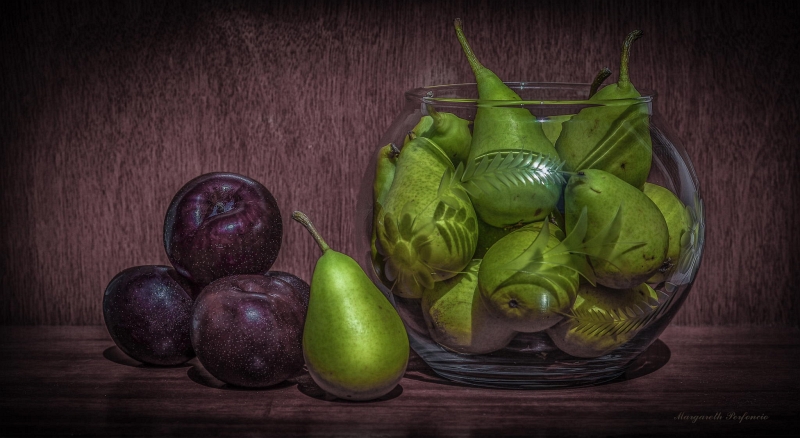
São Paulo photographer Margareth Perfoncio’s still lifes of food and flowers—Old Master light, dark wood, and tables that feel inevitable.
Meaningful Love Quotes for Inspiration (and Ink)
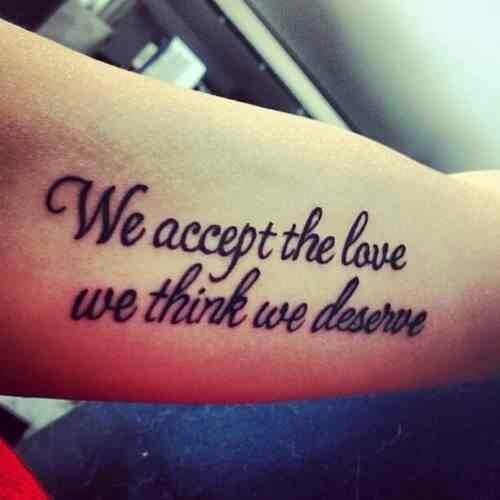
Meaningful love quotes that still feel true — short lines for tattoos, gifts, and everyday reminders, with placement and wording tips.
Christina Hess’s Animals From History: Costumed Pets as Playful Portraits
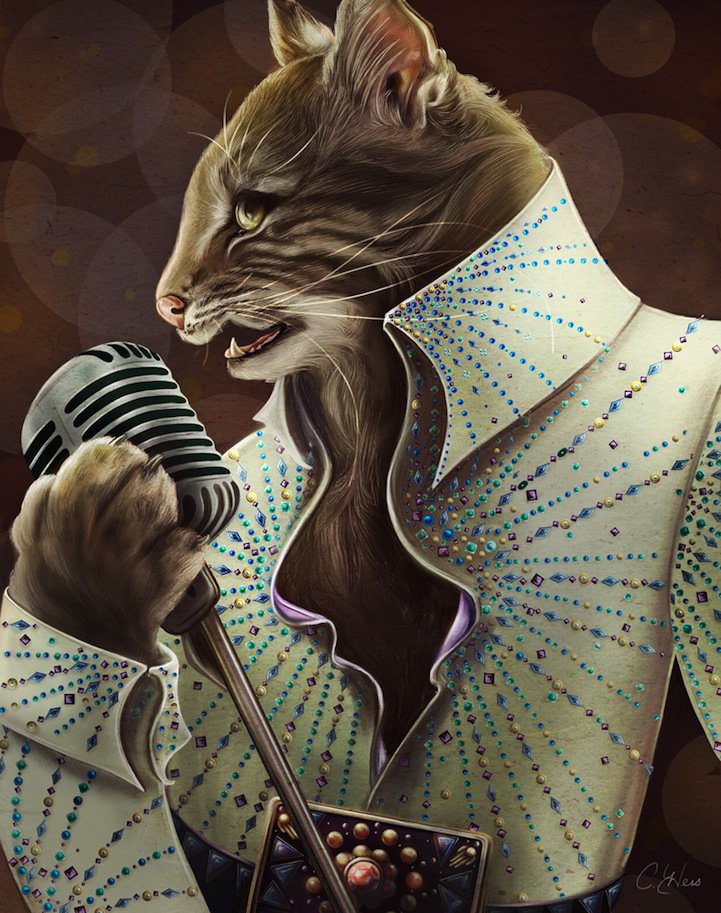
Illustrator Christina Hess reimagines historical icons as ornate animal portraits—Elvis Petme and friends—mixing puns, costume detail, and soft history lessons.