
Arnaud Brecht’s Miniature Toy Installations in Paris
Paris photographer Arnaud Brecht (Discret) stages Smurfs, Star Wars figures, and toy cars on real sidewalks—temporary street installations for the lens.
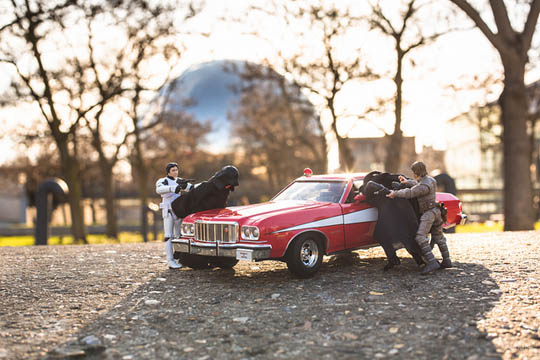
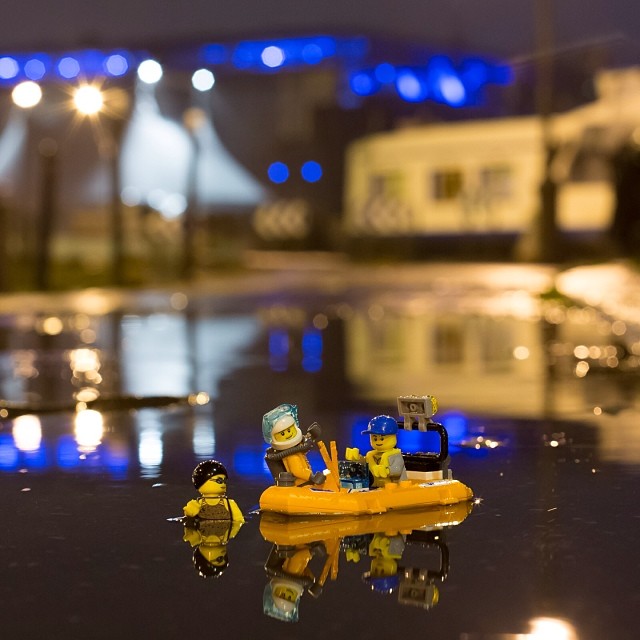
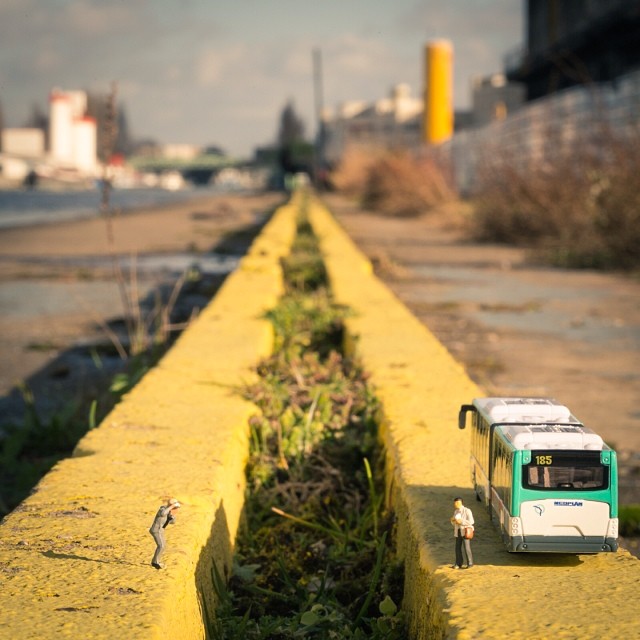
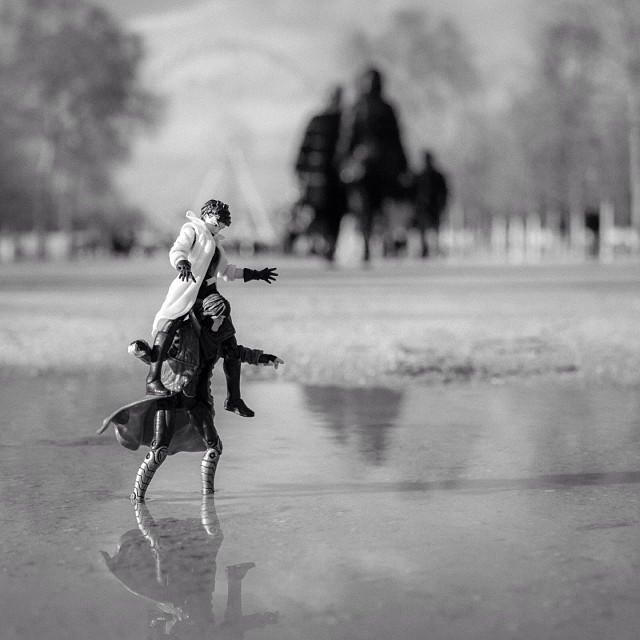
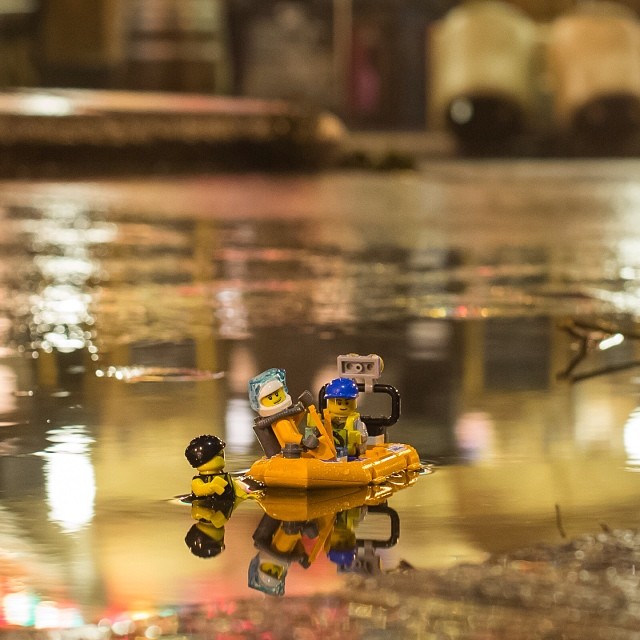
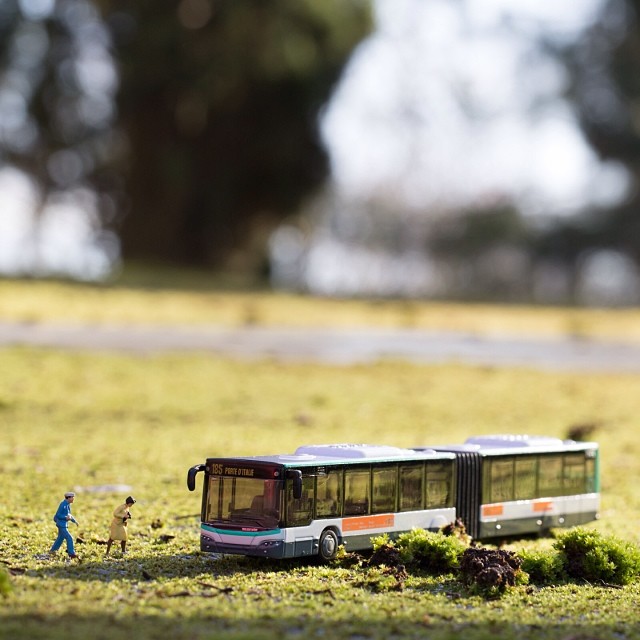
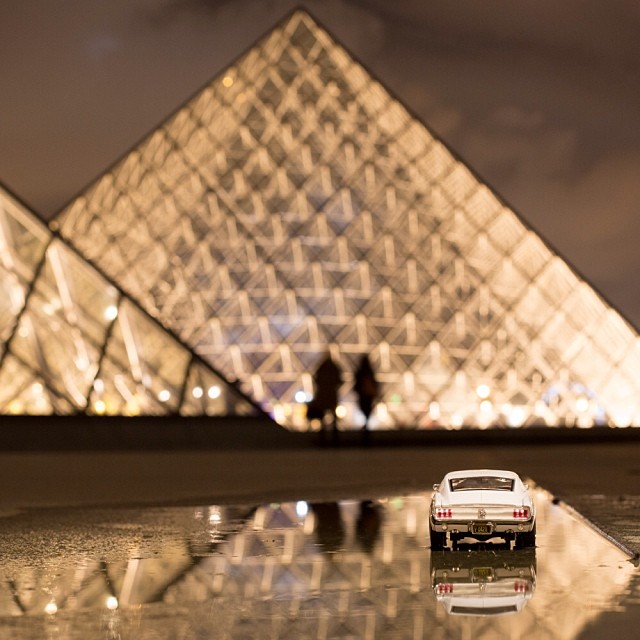
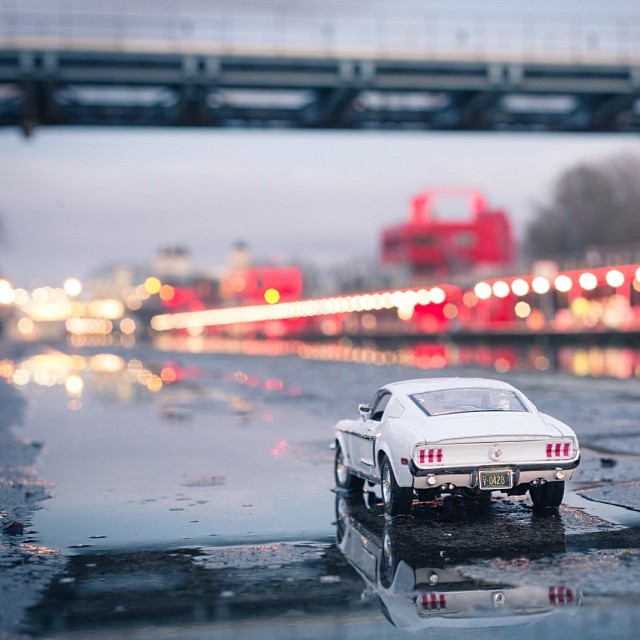
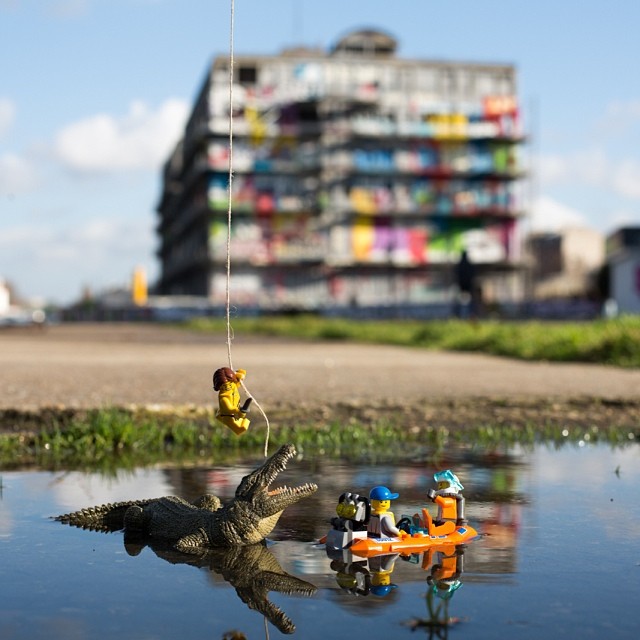
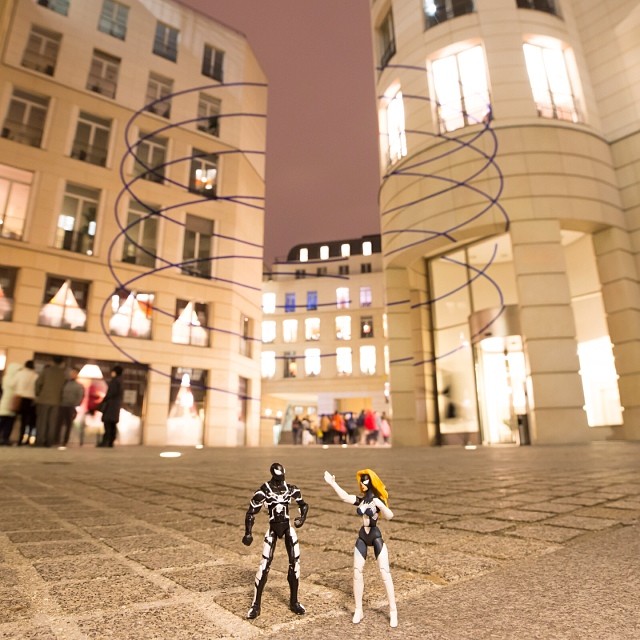
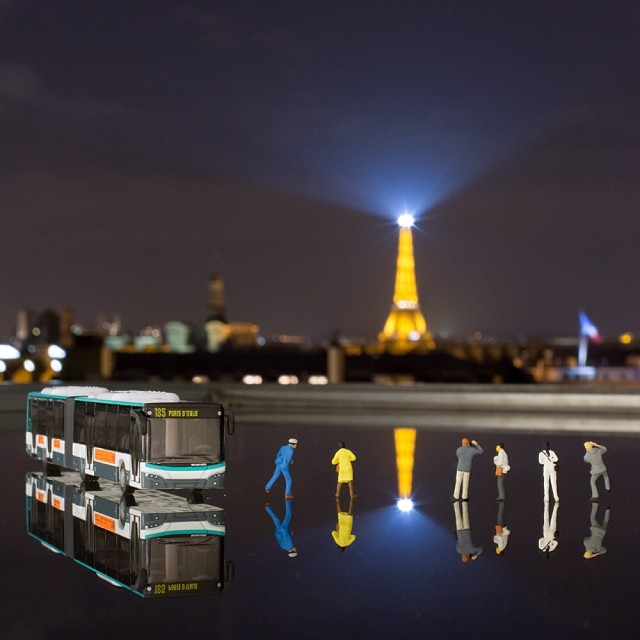
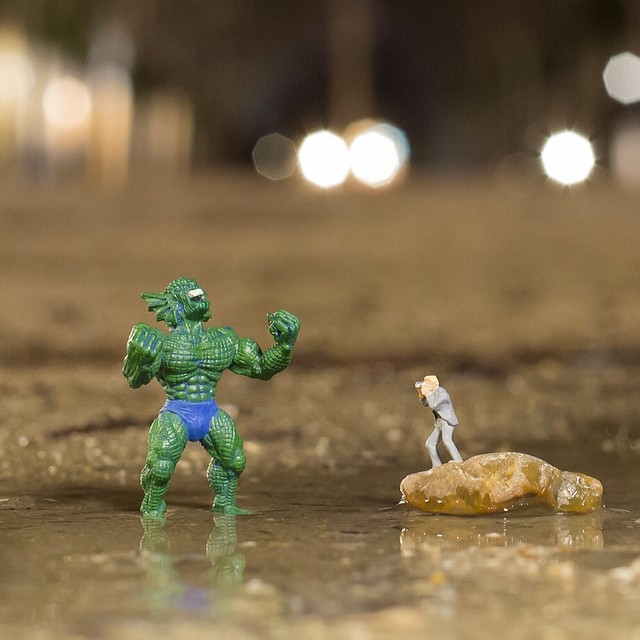
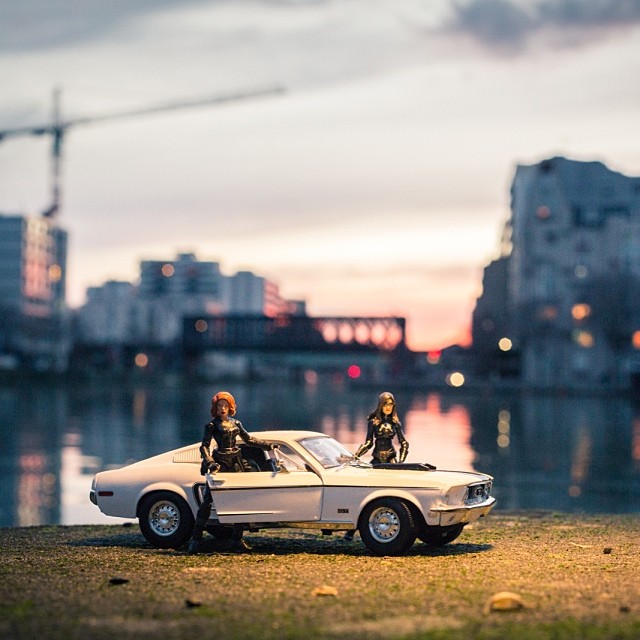
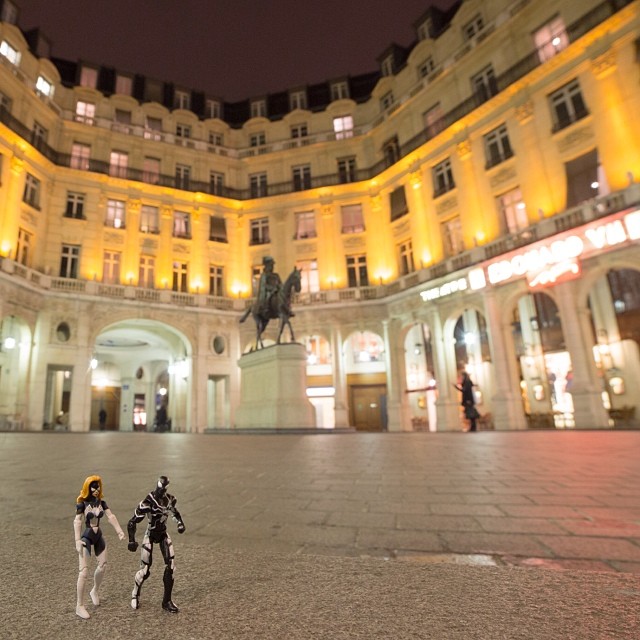
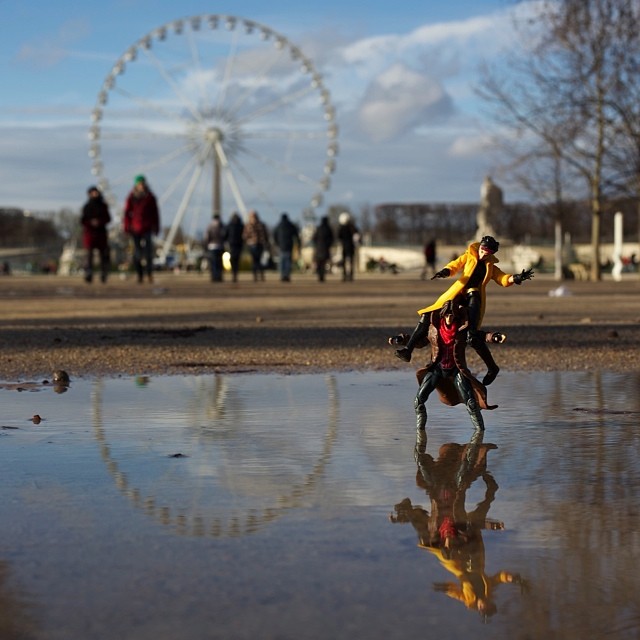
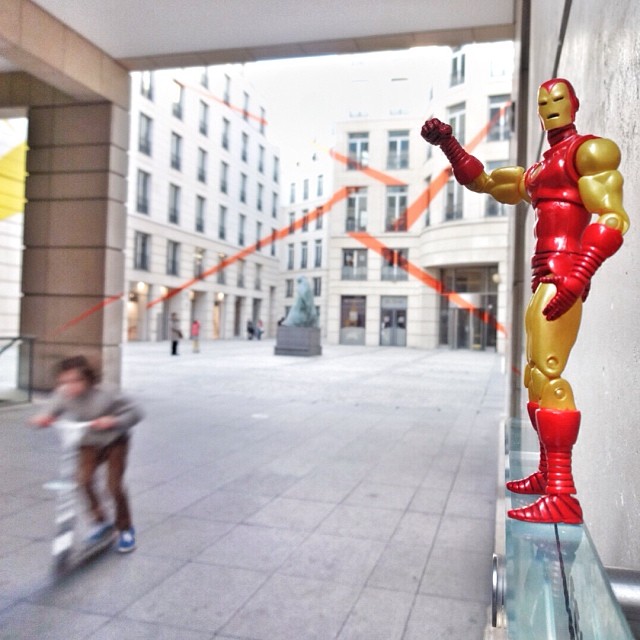
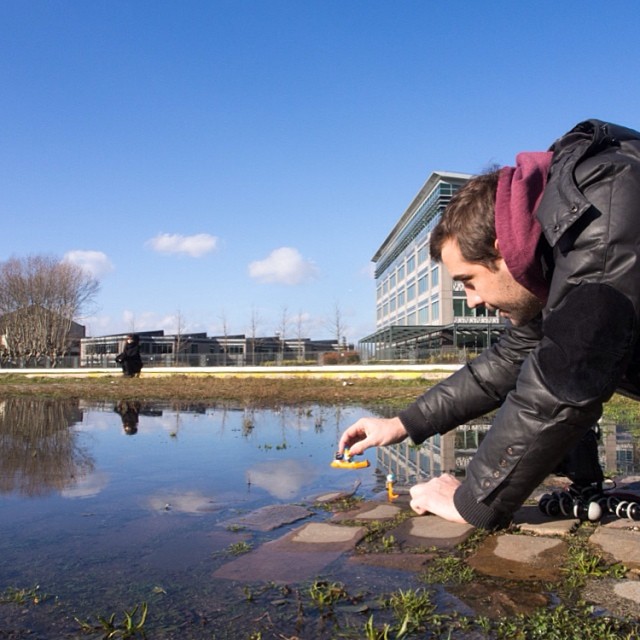
Paris photographer Arnaud Brecht—known online as Discret—stages miniature toys in real city spaces and photographs them as if they were living citizens of the sidewalk. Superhero figures, Smurfs, Star Wars characters, and tiny cars appear on gravel paths, curbs, and Paris backdrops, lit by ordinary daylight and framed at toy eye level. The installations are temporary: place the figures, find the angle, shoot, pack up. What remains is a still that feels like a film still from a world where action figures commute through the 19th arrondissement.
Brecht has worked in this vein since around 2011, after rediscovering childhood Smurfs and realizing how quickly a familiar street becomes a set once a figurine enters the frame. He has described the goal as aesthetic, poetic, positive entertainment—pop culture meeting daily life. That tone matters. Many “little people” projects chase satire or melancholy; Discret’s scenes often grin first. A villain frisked against a toy car is slapstick with good light, not a lecture about consumer culture.
Toys as actors, Paris as set
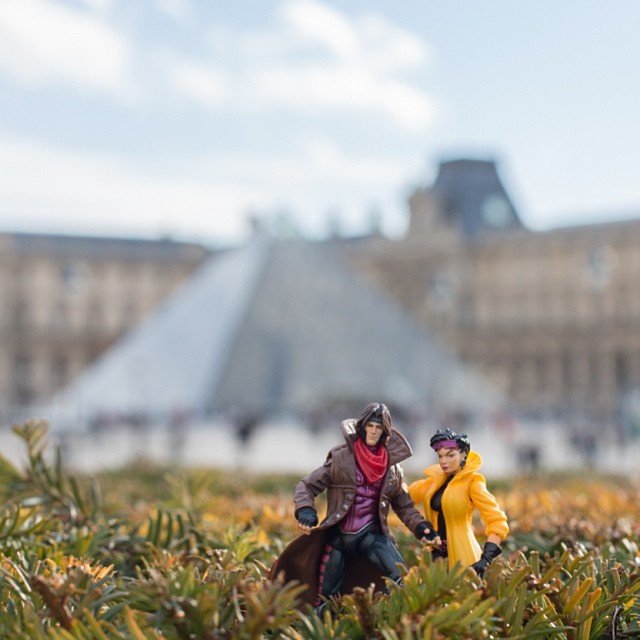
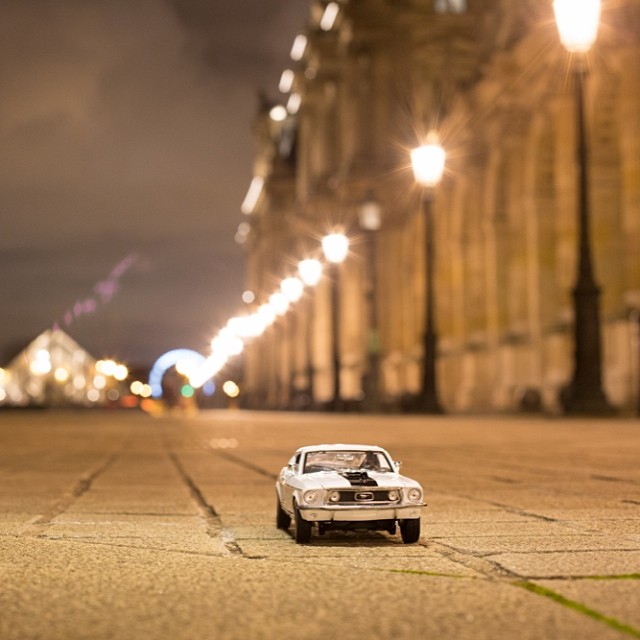
Scale photography succeeds when the camera joins the toys instead of looking down on them like a shelf display. Brecht keeps the lens low, throws backgrounds into soft blur, and lets late light rake across plastic armor and die-cast paint. A red-and-white toy Gran Torino can host a Star Wars “arrest” scene—scout trooper and other figures pinning cloaked villains against the hood—while trees and a distant dome dissolve into bokeh. The joke is genre mashup; the craft is convincing spatial belonging. For a second you accept the gravel as a real parking lot for tiny cops.
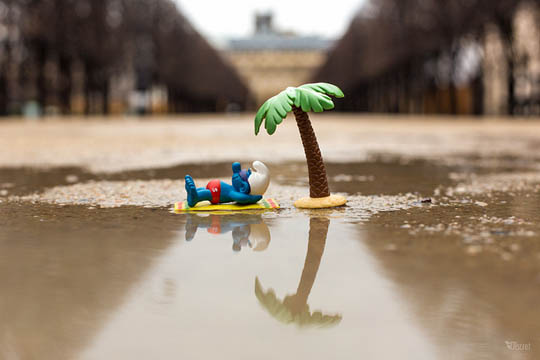
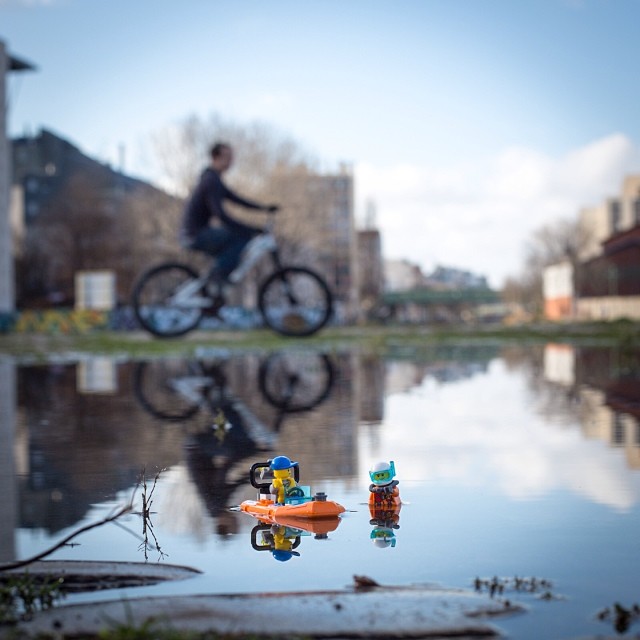
Because the city is real, weather and passersby become collaborators. A Smurf on a ledge shares the frame with actual architecture. A superhero on pavement borrows the drama of real perspective lines. Toy cars gain speed from motion blur or from the suggestion of a street that continues beyond the crop. Instagram-era sharing suited the project: each post is a short comic panel that needs no caption to explain the punchline. Paris supplies monuments, parks, and ordinary curb details that already look cinematic when thrown out of focus behind a two-inch hero.
Carrying a few figures in a pocket turns any walk into a location scout. Brecht has talked about rarely going out without toys ready for a scene. That habit explains the volume and variety of the gallery: the city keeps offering new stages, and the cast is always in the bag. A grate becomes a bunker. A ledge becomes a cliff. A parked bicycle wheel becomes a tunnel mouth. The photographer’s job is to notice those accidental sets before someone steps on them.
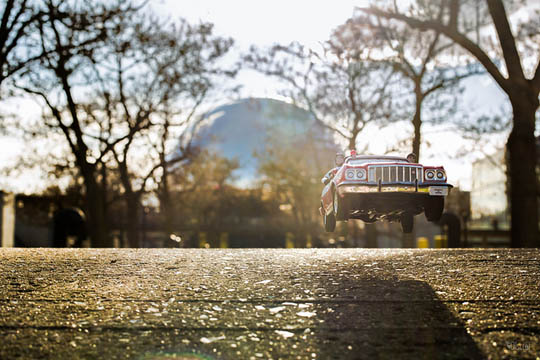
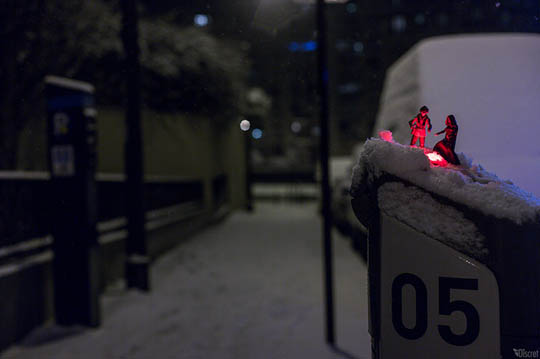
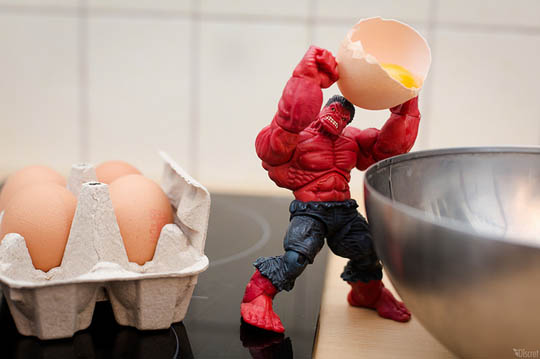

Recurring casts and props
Across the gallery, certain troupes return:
- Smurfs. Early spark for the project; blue figures against stone and street color pop instantly.
- Star Wars. Troopers, Jedi silhouettes, and dark-cloaked figures staged as cops, travelers, or absurd neighbors to earthly cars.
- Superheroes. Capes and primary colors that read clearly at small scale against grey urban texture.
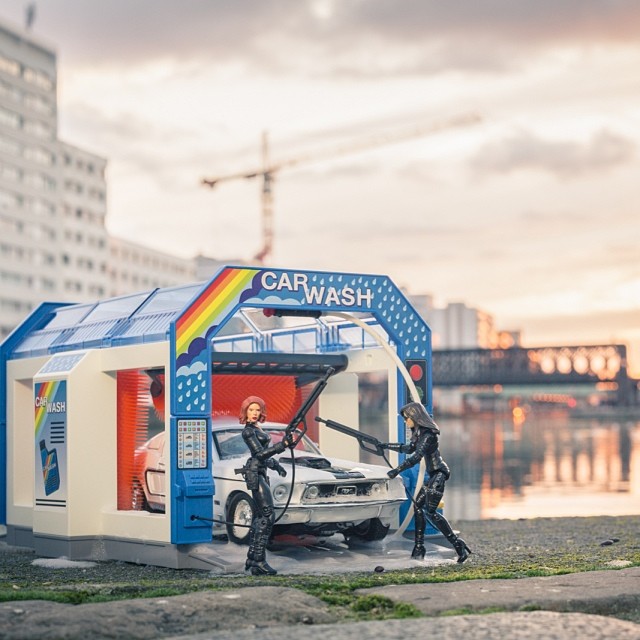
- Toy cars. Vehicles that anchor scenes in “traffic” logic—pullovers, chases, parking-lot dramas.
- Mixed pop casts. Occasional crossovers that refuse franchise purity in favor of a better joke.
Mixing licenses is part of the humor. A galaxy-far-away villain frisked against a 1970s TV-cop car does not ask for continuity; it asks for timing and light. Brecht’s best frames treat that nonsense seriously enough that you accept it for a second, then laugh. The seriousness is photographic: sharp focus on the figures, honest shadows, real grit under plastic feet. Without that craft, the mashup would read as clutter on a sidewalk.
Color also does narrative work. Blue Smurfs against limestone, red cars against dull gravel, bright capes against winter trees—each contrast sells scale by making the toy the loudest object in a quiet city palette. When color fails, pose and verb have to work harder; when color succeeds, even a simple “waiting on a curb” scene feels like a poster.

How the photographs are built
Practical habits visible in the work include:
- Eye-level camera. Shoot from above and you get toys on a sidewalk; lower the lens and you get citizens in a city.
- Shallow depth of field. Soft backgrounds hide modern clutter and sell cinematic focus on the figures.
- Golden-hour favoritism. Warm side light models plastic forms and lengthens shadows that ground the scene.
- Minimal sets. Two or three figures plus one vehicle often beat a crowded diorama.
- Story verbs. Arrest, wait, climb, travel, confront—clear actions read faster than static “posed on ledge” shots.
- Quick cleanup. Because the installation is temporary, the photographer must work fast before wind, feet, or rain rearrange the cast.
Those choices place Brecht near other miniature street photographers while keeping a Paris-specific flavor: recognizable urban texture, pop-culture casts, and a preference for smile over dread. Compared with food miniatures or office-stationery little-people projects, Discret’s stage is the outdoor city itself. The “installation” lasts only as long as the shutter cycle, then the sidewalk returns to pedestrians. No gallery pedestal required—only a curb and a pocketful of plastic.
Sequence thinking helps too. Several frames in a walk can become a tiny comic: approach, confrontation, getaway. Even when this page shows stills alone, you can sense that narrative habit in how figures face each other and how cars are parked mid-story. Look for eyelines between toys; if they meet, the scene has dialogue. If they miss, the scene may still be funny, but it will feel more like a still life than a skit.
Try the method on your own block
If the gallery makes you want to experiment, keep the kit small:
- One or two figures with strong silhouettes
- One miniature vehicle or prop for “why are they here?”
- A curb, grate, or ledge that can play cliff or stage
- Phone or camera at toy height, preferably in soft side light
Shoot ten frames before rearranging. Most of the magic is micro-movement—sliding a figure an inch so its shadow locks to the ground, or lowering the lens until a background doorway becomes a monumental gate. Avoid overhead tourist snaps; they flatten the joke into “toys on pavement.” Avoid overcrowding; three actors usually tell a clearer story than twelve. And clean up when you finish—the installation’s charm depends on leaving the city as you found it.
Arnaud Brecht’s Paris toy scenes prove you do not need a studio cyclorama. You need a pocketful of Smurfs or stormtroopers, a willingness to kneel on gravel, and the patience to meet plastic heroes at their own altitude until the street briefly believes them.

Comments
Continue reading

Dramatic Photo Art by Sukron Ma’mun (Ipoenk Graphic)
Cirebon, Indonesia photographer Sukron Ma’mun uses theatrical natural light to frame village life, play, and place in lyrical photo art.

Bird’s-Eye Views: Florian Beaudenon’s Instant Life
Paris photographer Florian Beaudenon’s Instant Life series captures people in their rooms from above—intimate, collaborative overhead portraits of everyday joy.
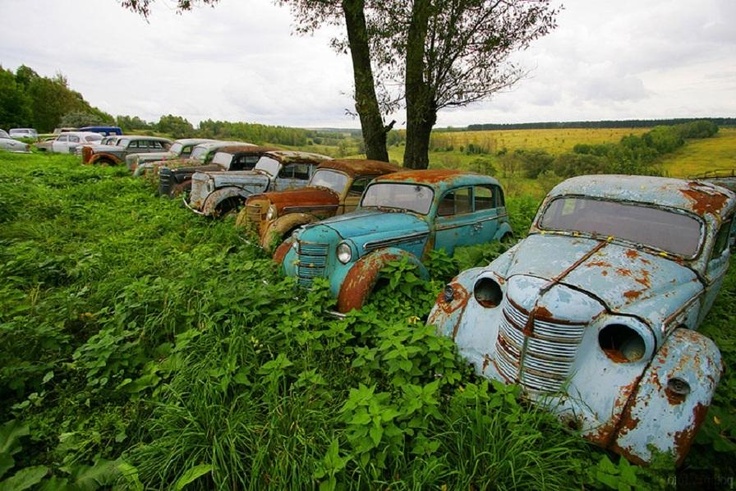
Abandoned Cars Reclaimed by Nature: Rust, Growth, and Quiet Ruin
When neglected vehicles are left outdoors long enough, rust, moss, and trees rewrite them into strange still lifes—sad, photogenic, and slowly returning to the ground.