
Whimsical Headpieces and Tiaras for Brides
Tiaras, crystal combs, pearl vines, and botanical sprays — how to match bridal headpieces to dress, metal, and hairstyle for a look that stays wearable all day.
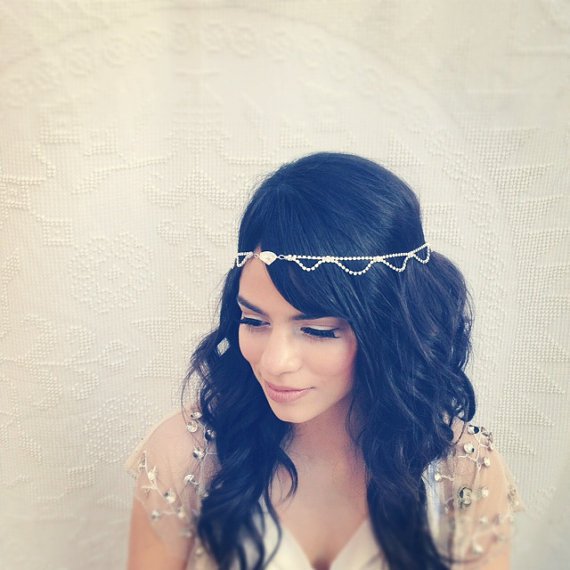
A bridal headpiece is jewelry for the hairline — the small architecture that sits above the dress and finishes the silhouette in photographs. Tiaras, crystal combs, pearl vines, and whimsical floral crowns each tell a slightly different story: courtly, romantic, garden, or quietly modern. Choosing well is less about looking like a storybook princess by default and more about matching metal, scale, and sparkle to the neckline, fabric, and hairstyle you already love.
Rhinestones, pearls, and crystal-cut stones have stayed bridal classics for a reason: they catch ceremony light without needing a heavy statement necklace. The whimsical versions — asymmetrical sprays, delicate wire botanicals, softly irregular crystal scatters — feel personal rather than pageant when the proportions stay fine and the finish coordinates with the rest of your metal story (yellow gold, rose gold, silver, or soft platinum tones).
Tiara, crown, or something lighter?
Classic tiaras sit across the crown or slightly forward, often with a clear center peak. They read formal and ceremonial. Best with structured gowns, cathedral veils, and polished updos. If your dress is already heavily beaded at the bodice, choose a finer tiara so the eye has one primary glitter zone.
Bandeau and low tiaras hug closer to the head, sometimes across the forehead in a soft Art Deco line. They flatter face-framing waves and vintage-leaning dresses. They also photograph well from the front without adding much height — useful if you are petite or wearing a high-volume skirt that already dominates the vertical line.
Combs, pins, and clips place sparkle where you want it: beside a chignon, along a braid, or anchoring one side of a deep side part. Whimsical floral wire pieces and crystal sprigs belong here. They are ideal when you want movement and asymmetry rather than a symmetric crown.
Pearl and botanical pieces lean romantic and garden. Freshwater pearl sprays, enamel leaves, and silk or preserved flower accents suit outdoor ceremonies and soft tulle. Keep scale honest: oversized blooms can tip into costume if the dress is sleek and minimal.
Veil-integrated options — a comb that holds both veil and crystals — reduce bulk at the crown. If you plan to remove the veil after the ceremony, make sure the headpiece still looks finished on its own for the reception.
Match the headpiece to the dress, not to a trend board
Start with neckline. High necks and detailed collars usually prefer a quieter headpiece so the face does not compete with fabric at the throat. Strapless and soft sweetheart necklines can carry a more visible tiara or a sparkling comb without clutter. Off-shoulder and bateau lines often look balanced with something that sits slightly back, letting collarbones stay clear.
Next, fabric language. Ballgown satin and structured mikado invite cleaner metal lines and classic crystal. Soft chiffon, lace, and embroidered tulle welcome organic wire florals and pearl clusters. If the gown already has heavy crystal embroidery, echo the stone color and cut rather than introducing a totally different glitter vocabulary.
Metal should agree with your rings and any earrings you will keep on all day. Mixing metals can work if one clearly leads; random clash reads accidental in close portraits. Pearls pair with almost everything but look especially at home with lace and cream-ivory dresses that are not stark optical white.
Hairstyles that actually support a headpiece
Romantic low buns and chignons are reliable partners for tiaras and combs: they create a stable platform, keep weight off the face, and leave the neckline open for earrings or a simple pendant. Soft textured updos with a few face-framing pieces suit whimsical asymmetrical sprays — the irregularity of the hair and the piece can rhyme.
Half-up styles work when the crown has enough grip for a comb and when the loose lengths will not constantly tug the piece forward. Long waves with a delicate vine along one side feel modern and editorial; just secure the piece for dancing, wind, and hugs.
Sleek middle parts and polished ponytails can look striking with a slim bandeau or a single sculptural pin — less fairy tale, more couture. Very high topknots leave little real estate for a traditional tiara; choose a front bandeau or skip the crown entirely for earrings and a strong lip.
Trial the headpiece with the real hairstyle at least once before the wedding day. Weight, pin holes, and veil attachment surprise people who only tried the piece on loose hair in a shop. Bring the veil if you have one; the combined height and balance matter.
Comfort, security, and all-day wear
Whimsical does not have to mean precarious. Look for combs with teeth long enough to catch a firm twist of hair, or loops that a stylist can sew or pin into. Lightweight crystal and wire usually beat dense metal crowns for dancing and travel between venue spaces. If you are outdoors, consider wind: wide tiaras act like small sails.
Have a backup plan for the reception — a smaller pin or nothing at all — if you know you will want to let your hair down. Designers and jewelers who specialize in bridal often build pieces meant to move from ceremony to party; ask how it is meant to be secured for six or more hours.
Skin and hair comfort count. Avoid sharp wire ends near the scalp. If you are sensitive to certain metals, check finishes. Keep a mini kit with bobby pins that match your hair color, a travel sewing kit for emergency stitches into a bun, and blotting papers so forehead sparkle does not meet midday shine in an unflattering way.
Styling checklist before you buy
- Does the scale match your height, hair volume, and dress embellishment level?
- Do metal and stone colors agree with rings and earrings?
- Can it coexist with the veil — or replace the need for one?
- Have you worn it through a seated dinner pose, a dance, and a hug test?
- Will it still look intentional if you remove half the pins for the party?
Whimsy works best when it is precise: one clear idea at the hairline, echoed lightly in the bouquet or a single earring, and then left alone. A delicate crystal spray beside a low chignon can feel more magical in real rooms than a towering crown that fights the dress. Choose the piece that still feels like you when the veil comes off — that is the headpiece guests will remember in the photographs, long after the sparkle has caught the last of the evening light.

Comments
Continue reading
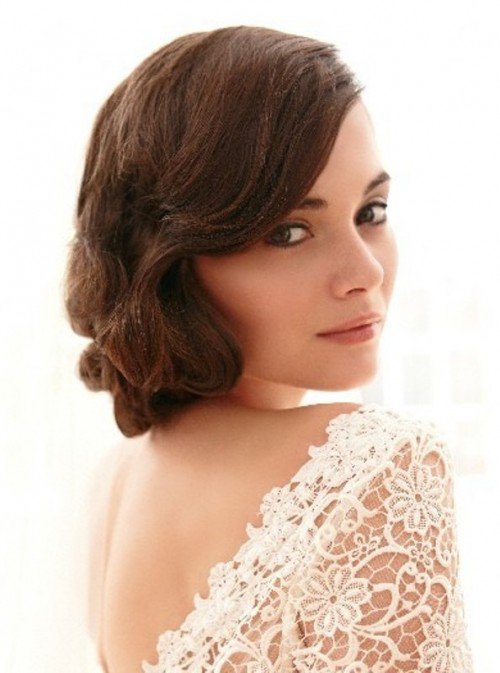
15 Vintage Wedding Hairstyles: Finger Waves, Bouffants, and Birdcage Veils
Fifteen vintage bridal hair looks—from 1920s finger-wave faux bobs to 1960s bouffants, victory rolls, and Hollywood waves with birdcage veils.
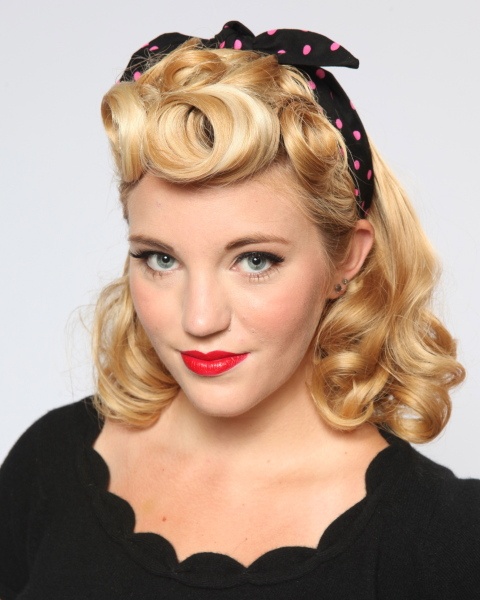
Vintage Hairstyles by Decade—Waves, Rolls, Flips, and Wearable Volume
A practical tour of 1920s waves through seventies feathers: silhouettes, tools, and how to wear period hair without a full costume.
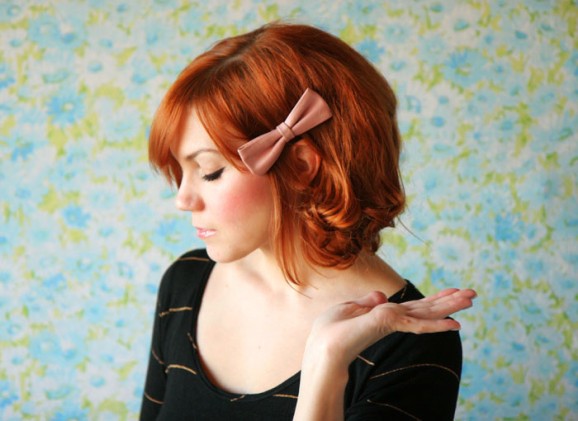
Elegant Updo Hairstyles: Braids, Buns, and Soft Coils
Polished updos that stay wearable—braided structure, low knots, texture tips, and how to match the silhouette to neckline and occasion without looking overdone.