
Creative Cardboard Masks by Sandra Suárez: A Year of Daily Faces
Spanish artist Sandra Suárez’s 365 Masks project turns cardboard and paint into daily wearable characters—from Yoda and Amidala to nests, snakes, breakfast still lifes, and storybook queens.
Spanish artist Sandra Suárez built a year-long habit out of cardboard, paint, and a daily photograph. Her “365 Masks” project—shared on Instagram as @artedemirar—turned a scrap-material craft into a small daily theater: one new face, one new character, one square frame. The pieces below come from that run. They are not museum objects. They are wearable cartoons that still feel handmade because the corrugated edges, marker outlines, and imperfect cutouts stay visible.
Suárez has said the project began almost by accident—salvaging broken glasses, then sliding into cardboard masks for the fun of it. The rule was simple enough to keep: invent, wear, shoot, post. Themes jumped freely from breakfast to fairy tales, from garden animals to film characters. What held the series together was consistency of method and mood: bright flat color, bold black contour lines, and Suárez herself as model, often matching the mask with a gesture, a prop, or a shirt that finished the joke.
Pop faces and storybook guests
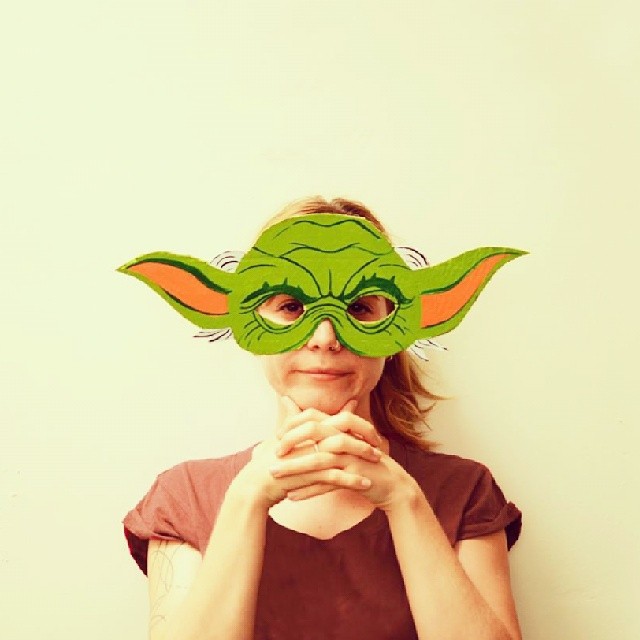
Some days the mask is a known face from popular culture, compressed into a single cardboard silhouette. Yoda appears as a lime-green profile with oversized ears, orange inner detail, and wisps of white for thinning hair. Suárez rests her chin on clasped hands, as if the Jedi master were thinking through a problem at the kitchen table rather than on Dagobah.
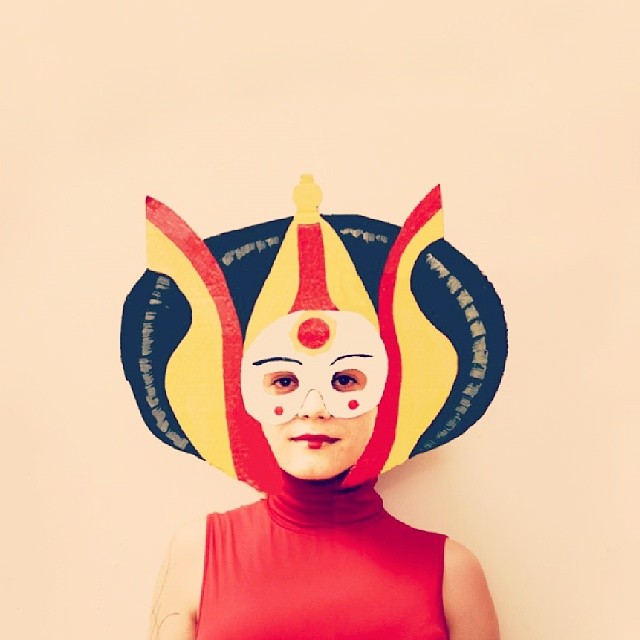
Elsewhere the galaxy returns as Queen Amidala’s headdress: black fan, yellow wings edged in red, white face plate with the signature red forehead and cheek marks, lipstick finished to match. The corrugated texture under the paint keeps the homage from looking like a store costume; it still reads as craft.
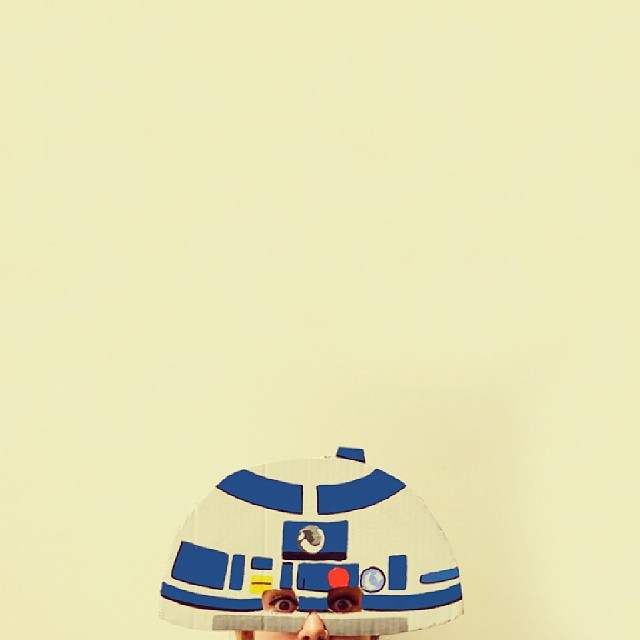
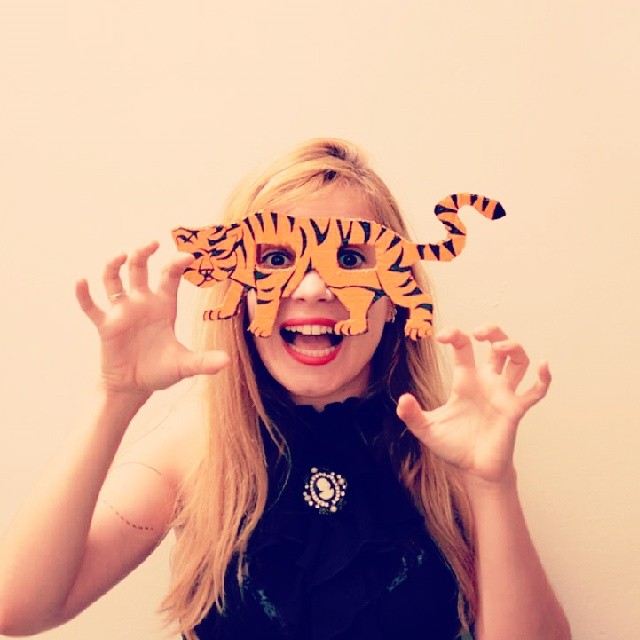
R2-D2 peeks from the bottom of the frame as a painted dome—blue panels, red sensor, dark lens—so the photograph becomes a comic panel of a droid looking up. A walking tiger cutout, orange with thick black stripes, sits over the eyes while Suárez curls her fingers into claws. Both pieces show how a flat profile can still carry character if the silhouette is strong.
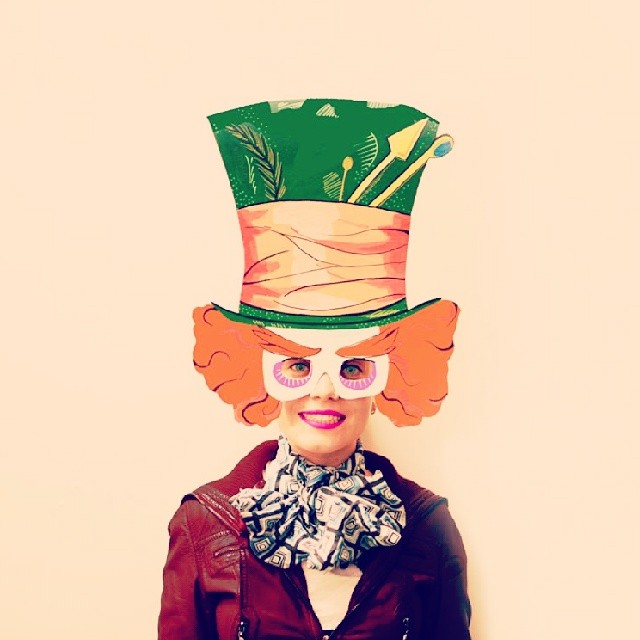
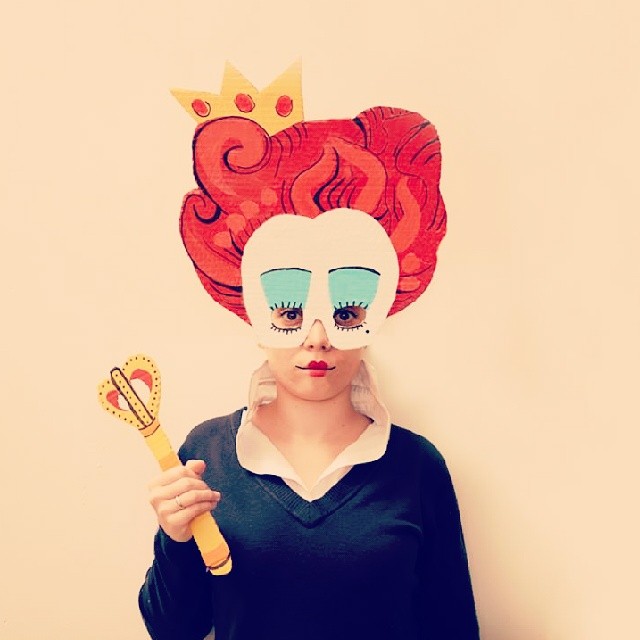
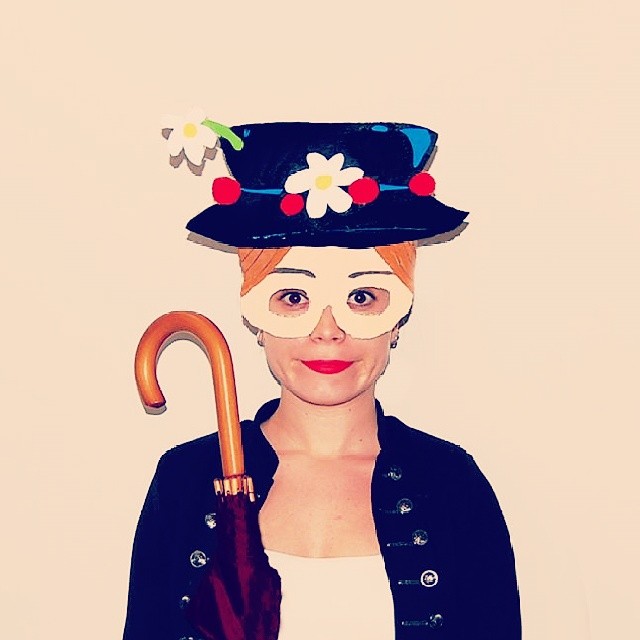
Storybook figures get the same treatment. The Mad Hatter arrives as a tall green top hat with peach band, feather, and wild orange hair flanking a white eye mask ringed in purple. The Queen of Hearts brings red curls, a tiny yellow crown, heart-shaped face plate, blue lids, and a matching cardboard scepter; real lipstick is painted into a heart below the cutout. Mary Poppins appears with a black daisy-and-cherry hat, neat cardboard hair, cream eye mask, and a real umbrella for the finishing prop.
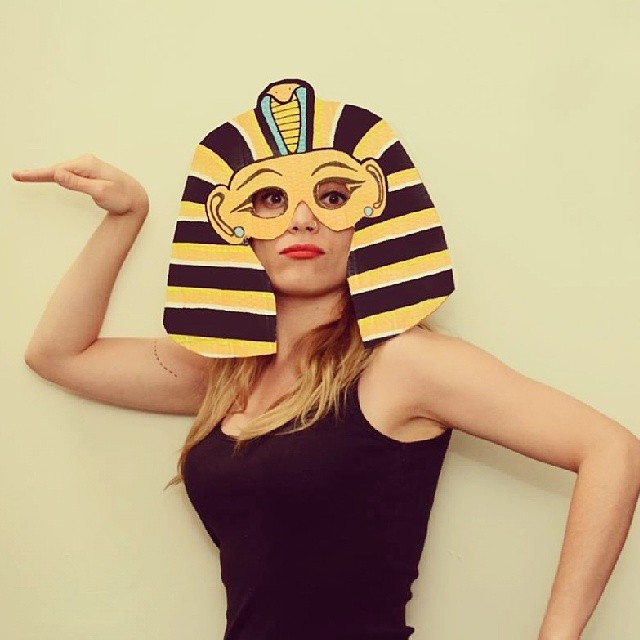
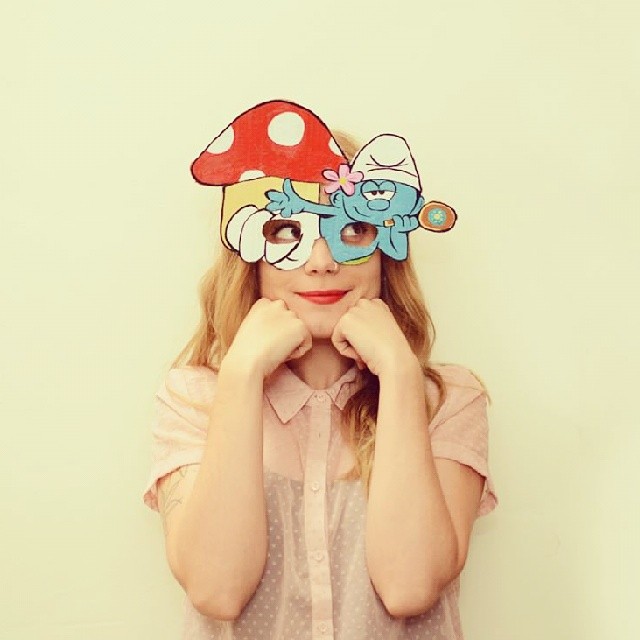
A pharaoh’s nemes headdress—yellow and black stripes, blue and red accents—pairs with a classic angled arm pose. A sleepy Smurf and red spotted mushroom share one mask with a cartoon white glove, turning two childhood icons into a single brow piece. The series treats fandom lightly: recognizable enough to spark recognition, loose enough to stay playful.
Food, weather, and everyday objects
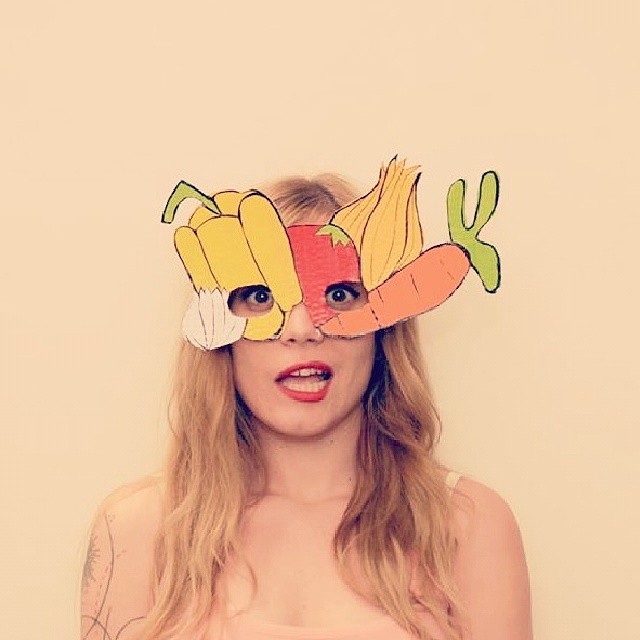
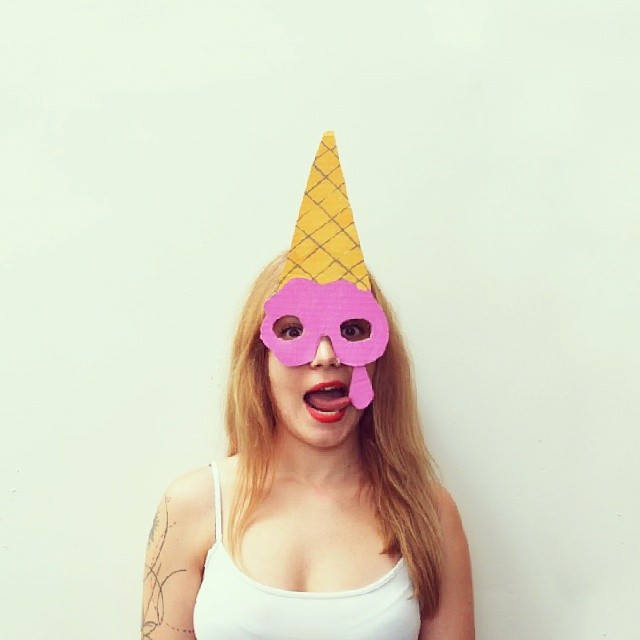
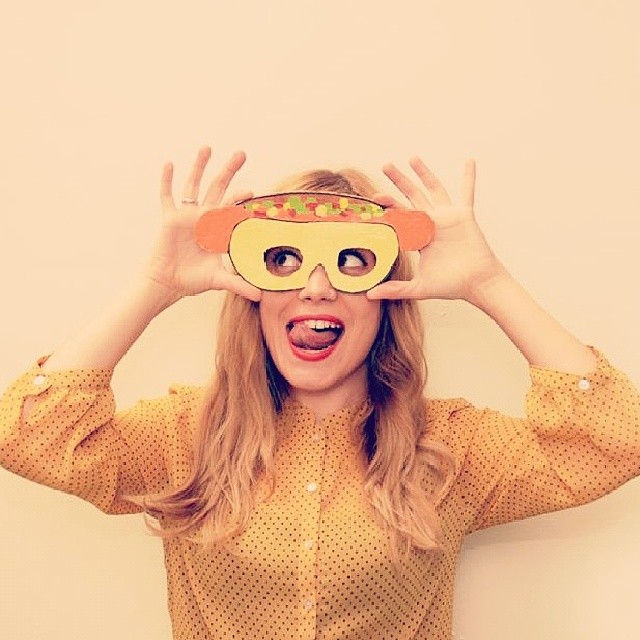
Many of the strongest days start in the kitchen or the garden rather than the cinema. A vegetable collage—yellow pepper, garlic, tomato bridge, carrot with greens—sits across the eyes like graphic produce labels come to life. An upside-down ice cream cone sends a pink scoop dripping over the brow while a yellow waffle pattern points upward. A hot-dog bun spans the face with a reddish sausage and painted relish, ketchup, and mustard dabs along the top.
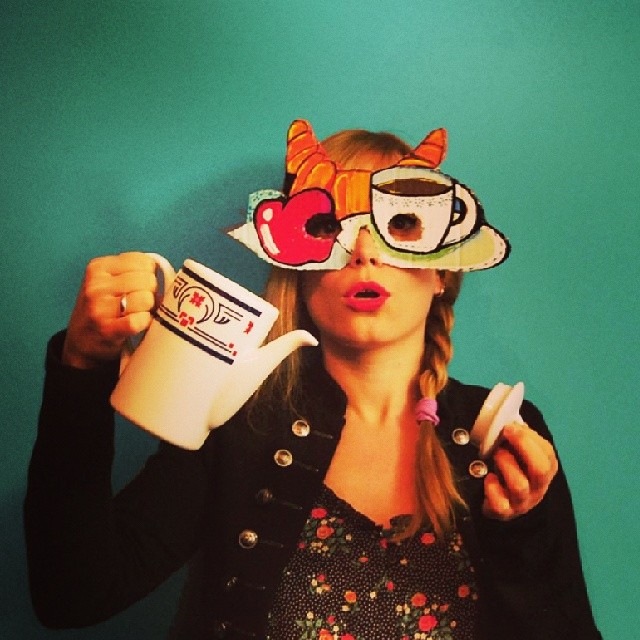
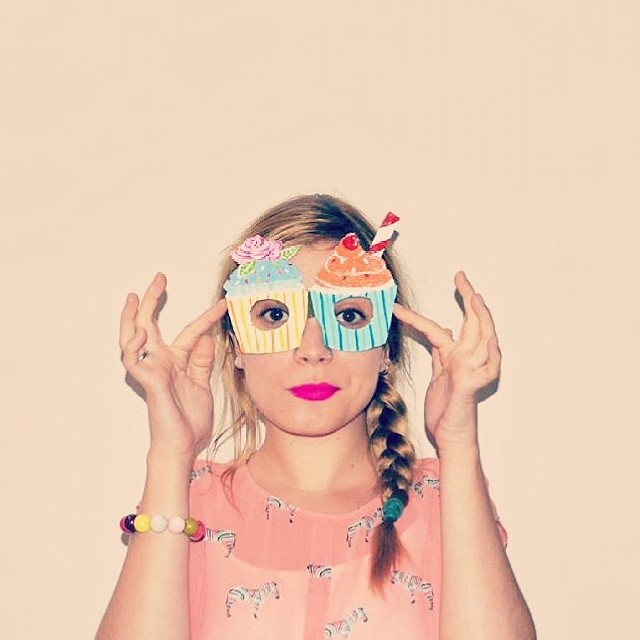
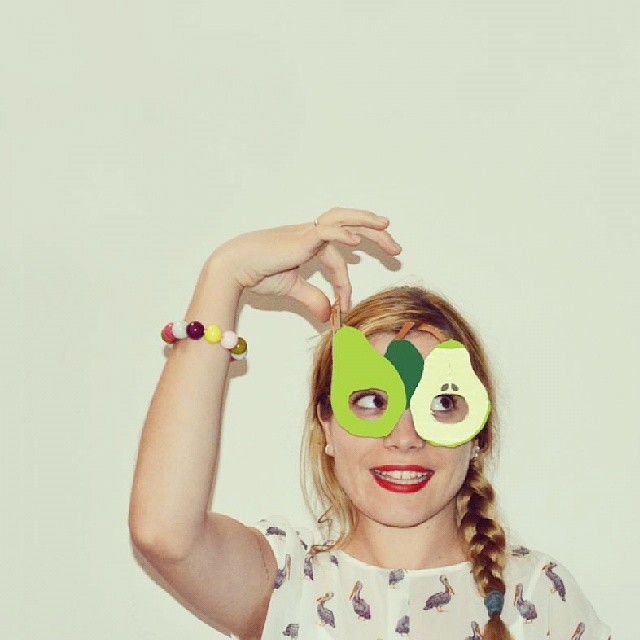
Breakfast becomes a wearable still life: apple, croissant, and teacup on a saucer, with eye holes cut through the fruit and the cup while Suárez mimes pouring from a real patterned teapot. Twin cupcakes—blue rose frosting and orange cherry frosting with striped liners—become dual eye pieces held like opera glasses. Three pears overlap, one shown in cross-section with seeds, clipped lightly with a wooden clothespin at the stem.
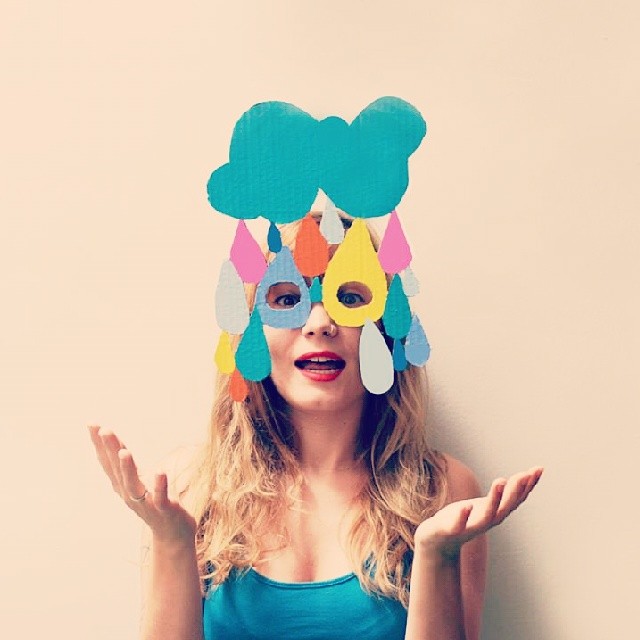
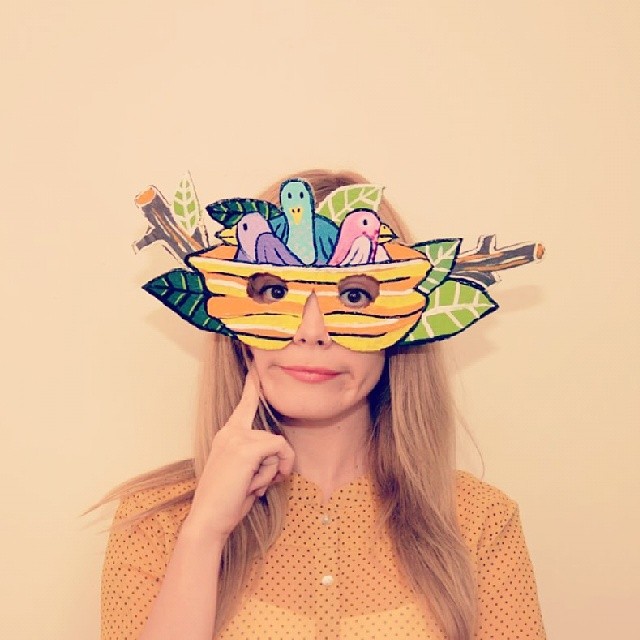
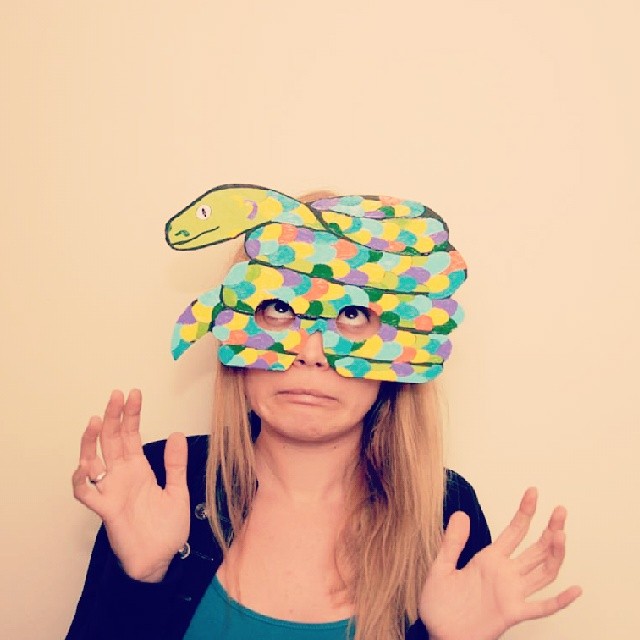
Weather gets its turn as a turquoise cloud raining multicolored droplets, two of them drilled for eyes, hands raised as if catching the storm. A nest of yellow stripes holds purple, blue, and pink baby birds among green leaves and brown branches—the “nest with birds” the series is often remembered for. A coiled snake of lime, yellow, teal, and orange scales wraps the forehead while Suárez looks upward with a mock-spooked grimace.
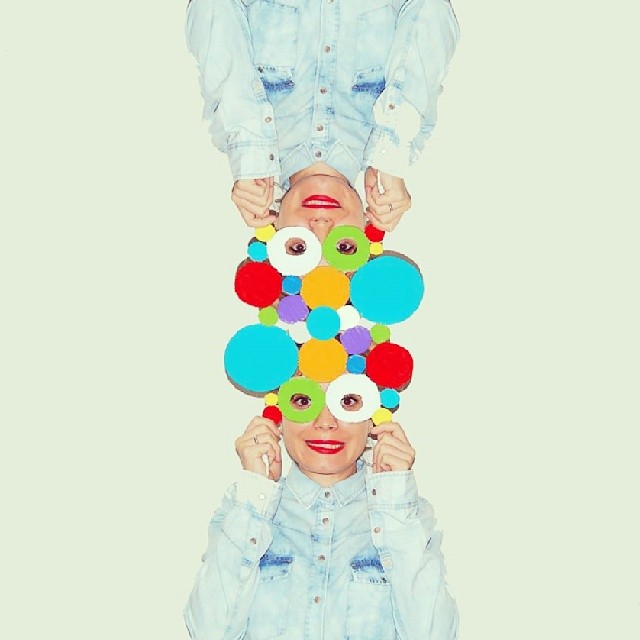
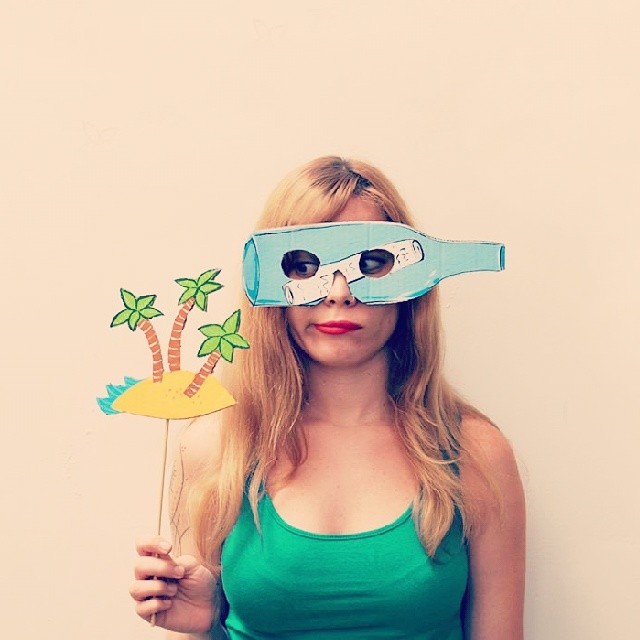
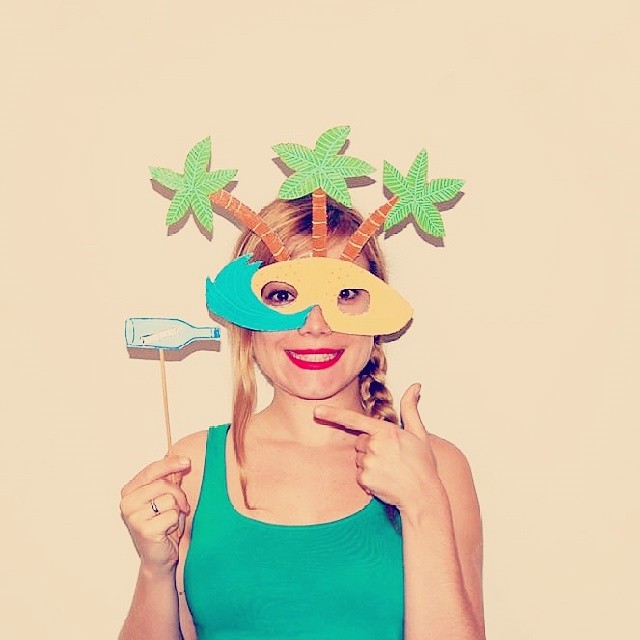
Even abstract play works. Overlapping colored circles form soft goggles in a mirrored double portrait. A message-in-a-bottle silhouette pairs with a tiny island-on-a-stick prop; later a beach-wave mask with palm trees reverses the joke, holding the bottled message as the secondary object. Everyday things keep supplying plots without needing expensive materials.
Animals, folk motifs, and invented creatures
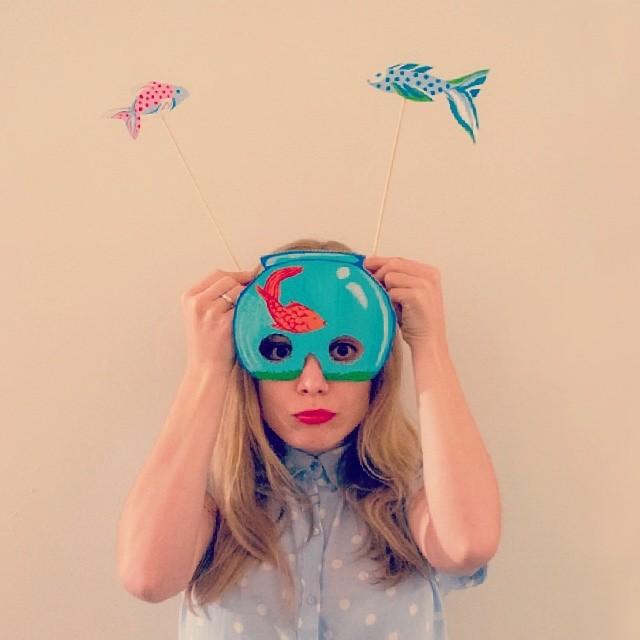
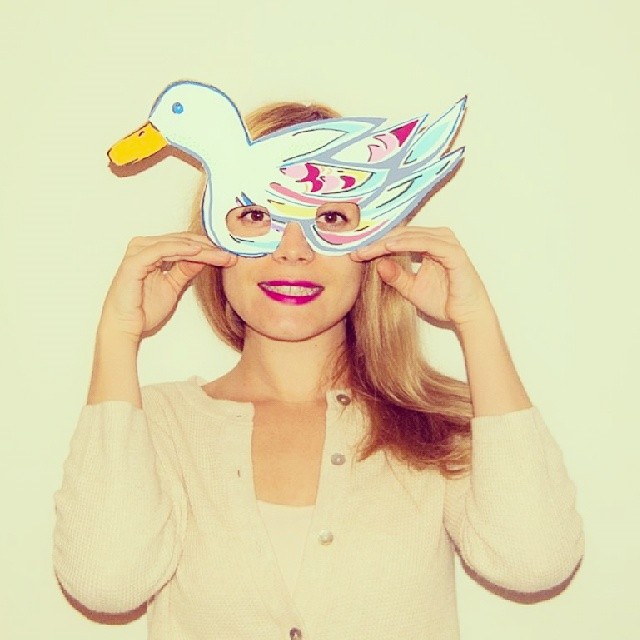
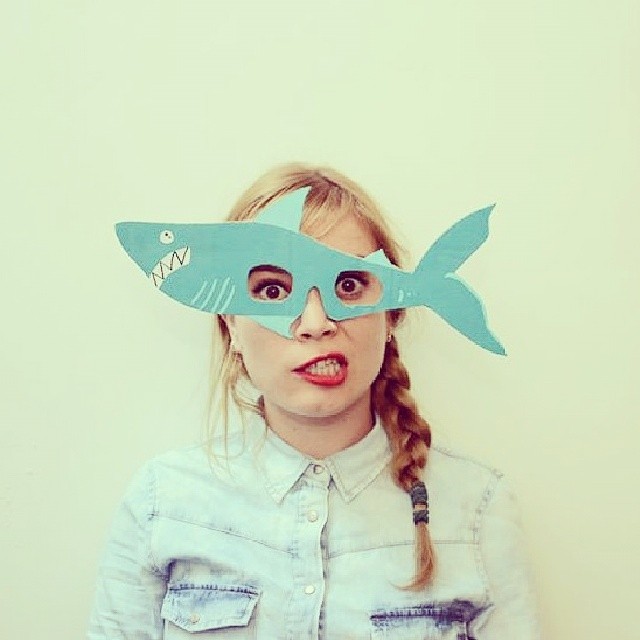
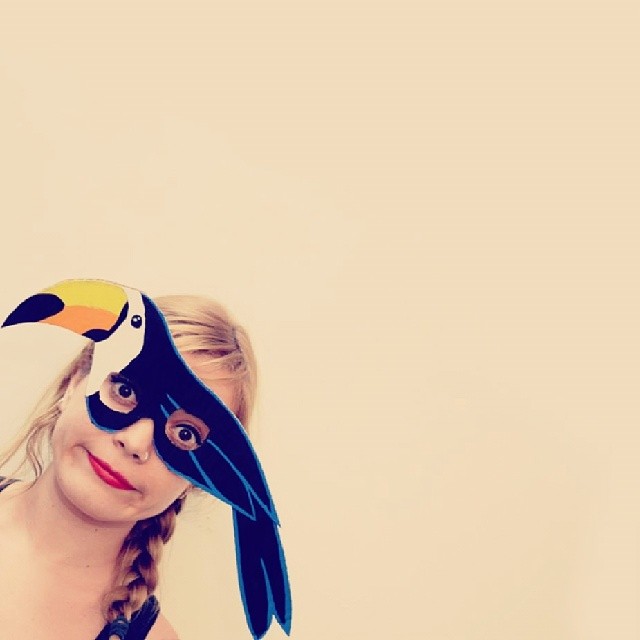
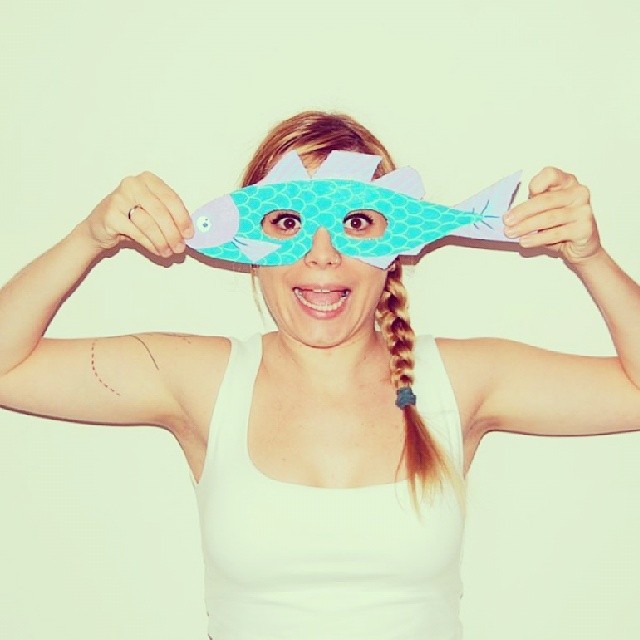
Animals dominate several frames and show how little cardboard needs to suggest a species. A fishbowl painted cyan holds an orange goldfish, with pink and blue paper fish on sticks rising above like aquarium toys. A duck in profile carries a yellow-orange beak and swirling wing patterns across pale blue. A shark stretches horizontally—open mouth, white teeth, dorsal fin—while Suárez snarls to match. A toucan’s oversized yellow-orange beak and navy body sit low in a spare composition with lots of empty wall. A teal-and-lavender fish with drawn scales is held at both ends for a wide-eyed, open-mouthed reaction shot.
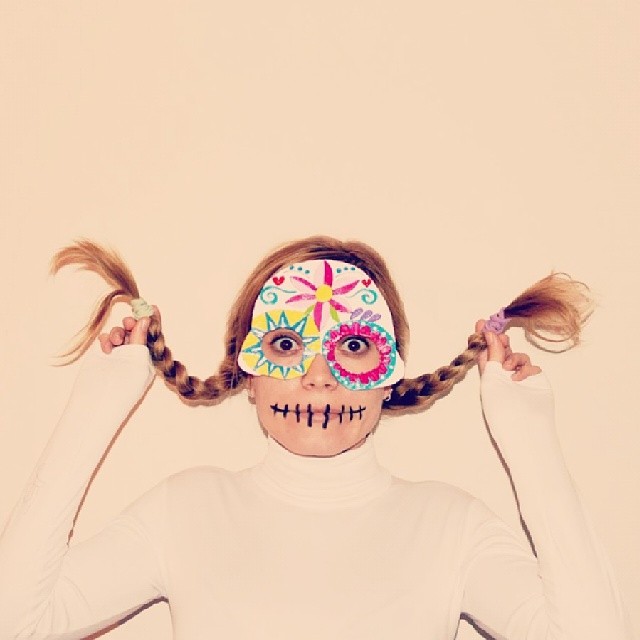
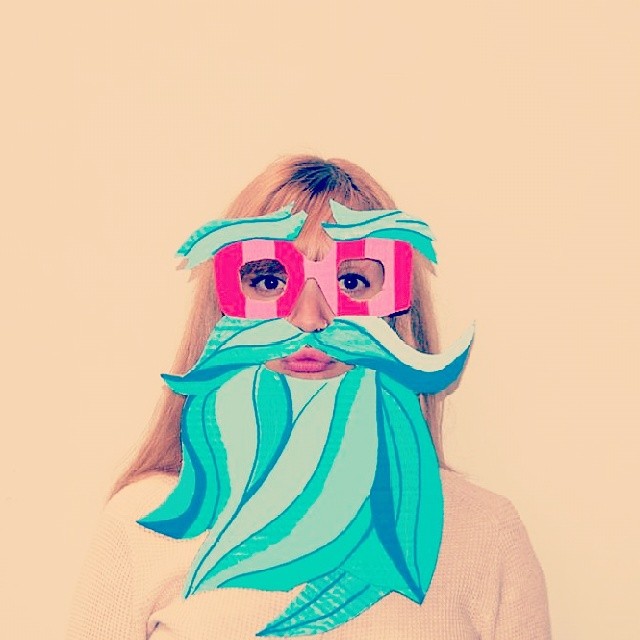
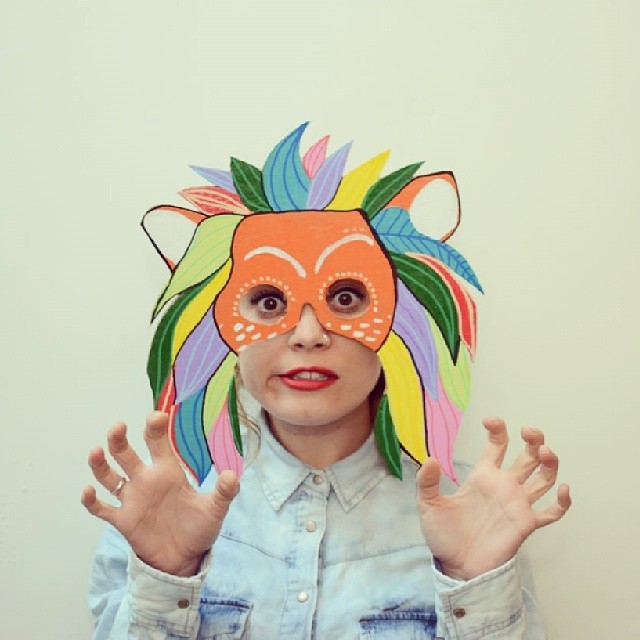
Folk and carnival moods appear too. A sugar-skull eye plate with pink flower, hearts, and sunburst rings around the eyes pairs with stitched-mouth makeup and braids pulled straight out to the sides. A full false beard in layered teal, aqua, and blue, topped with pink-striped glasses and wavy teal brows, turns Suárez into a cartoon patriarch for a day. A final forest-spirit face—orange cheeks dotted white, mane of green, blue, yellow, and pink leaf-flames, pointed ears—lets her claw at the camera like a friendly lion.
Why the daily format worked
Looked at together, the masks share a few craft habits worth noticing if you want to try a smaller version of the challenge. Eye holes are almost always circular or oval and placed early in the design so the face stays readable. Themes lean toward shapes that already have a strong outline—cone, shark, bottle, nest—so cutting stays fast. Paint stays flat and saturated; shading is rare. Suárez often completes the scene with body language or a prop rather than building a full costume. The wall behind her stays plain, which is why thirty different masks still feel like one body of work.
The project later drew wider attention—Instagram highlighted it, and Suárez went on to design World Cup masks for a related collaboration—but the photographs here still read as a private studio game made public. Cardboard is cheap. Ideas are the scarce material. If you were limited to one scrap panel and one afternoon, which object on your table would make the best face?

Comments
Continue reading
Still-Life Photography by Margareth Perfoncio
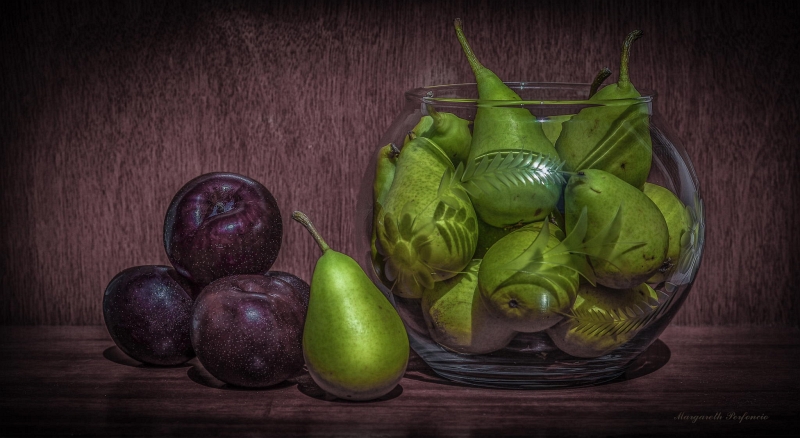
São Paulo photographer Margareth Perfoncio’s still lifes of food and flowers—Old Master light, dark wood, and tables that feel inevitable.
Meaningful Love Quotes for Inspiration (and Ink)
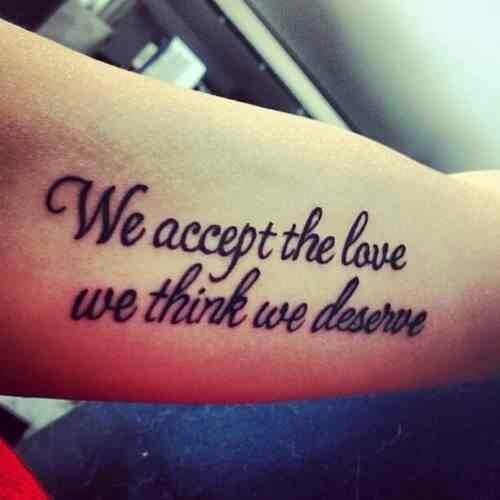
Meaningful love quotes that still feel true — short lines for tattoos, gifts, and everyday reminders, with placement and wording tips.
Christina Hess’s Animals From History: Costumed Pets as Playful Portraits
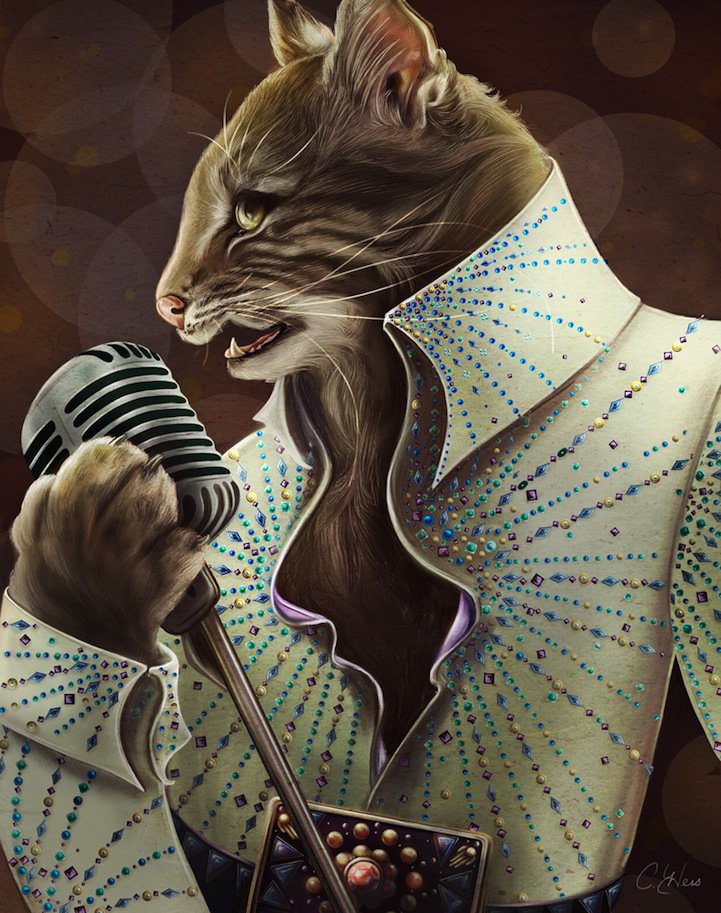
Illustrator Christina Hess reimagines historical icons as ornate animal portraits—Elvis Petme and friends—mixing puns, costume detail, and soft history lessons.