
Elsa Rhae Pageler’s Mind-Blowing Makeup Transformations
Video editor Elsa Rhae Pageler paints herself into the Grinch, Master Chief, Captain Planet, and more—character makeup built for the camera.
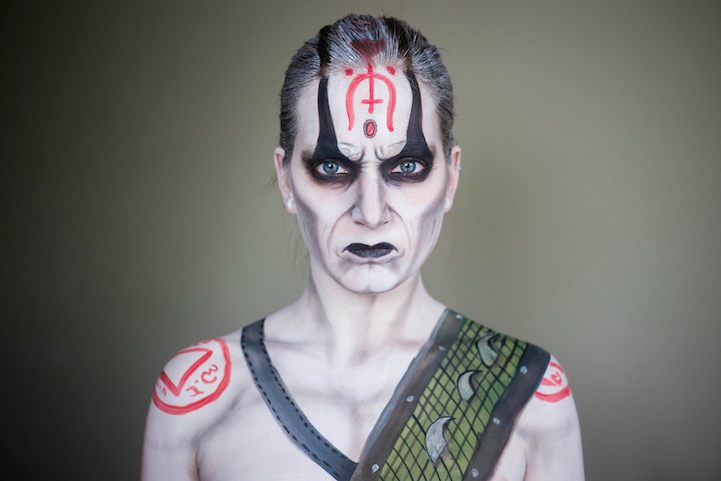
Elsa Rhae Pageler is a video editor and producer who also works as a Photoshop artist and character makeup painter. In the mid-2010s she became known for transforming her own face and upper body into pop-culture figures—Dr. Seuss’s Grinch, Halo’s Master Chief, Halloween zombie creatures, Captain Planet, and more—using brushes, paints, and patient contouring rather than heavy prosthetics. Where everyday makeup aims to refine a face, her gallery aims to replace it.
She has described long sessions that can stretch toward ten hours for a single character, a timeline that makes sense once you notice how thoroughly skin, hairline, neck, and painted “armor” are rebuilt. The results are designed for photographs and video: sharp graphics, readable symbols, and color blocking that still holds when compressed on a phone screen. This page collects that transformation gallery—less a product pitch than a tour of what face paint can do when treated like illustration on living canvas. The same person appears again and again; the characters change completely.
Makeup as costume design
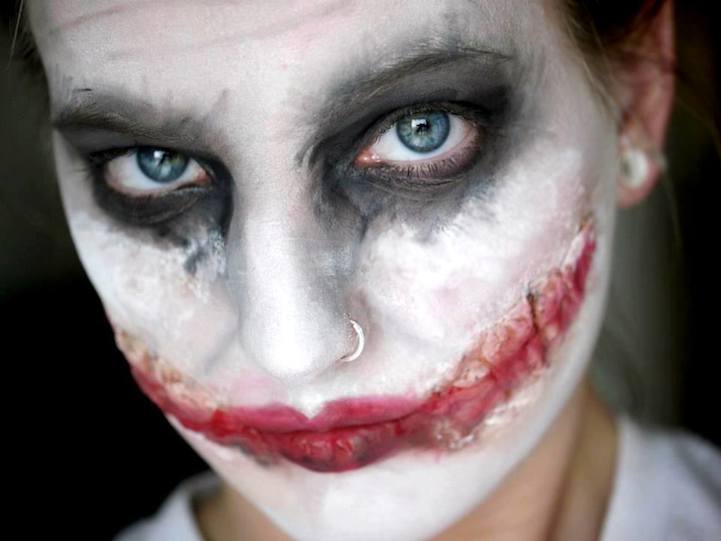
Character makeup sits between cosplay, stagecraft, and illustration. Pageler’s looks often extend past the face onto shoulders and chest, painting sashes, scales, gems, and emblems so the camera does not need a full fabric costume to sell the role. A pale base can become alien skin; black lip and hollowed eyes can push a face toward undead; a helmeted game character can be suggested with hard-edged shapes and metallic illusions on skin. When the torso carries painted quilt textures and red shoulder marks, the frame reads as half portrait, half costume design sheet.
Because she also edits video, the transformations are camera-aware. Edges are clean. Contrast is high. Focal planes favor the face. Many viral makeup artists of that period shared the same instinct: if the phone photo fails, the hours of painting fail with it. Pageler’s work reads as graphic design applied to anatomy—symbols centered on the forehead, circular marks on shoulders, painted textiles that fake quilted armor across the torso. Film and media studies training helps explain the framing discipline: lights, crop, and expression are part of the character, not afterthoughts.
Self-application adds another constraint. She is both model and painter, which means breaks to check mirrors, photograph tests, and adjust symmetry without a second pair of hands. That double role is common among internet face painters and partly explains why sessions run long: every mistake is corrected on the same face that must also hold still for the final shot.

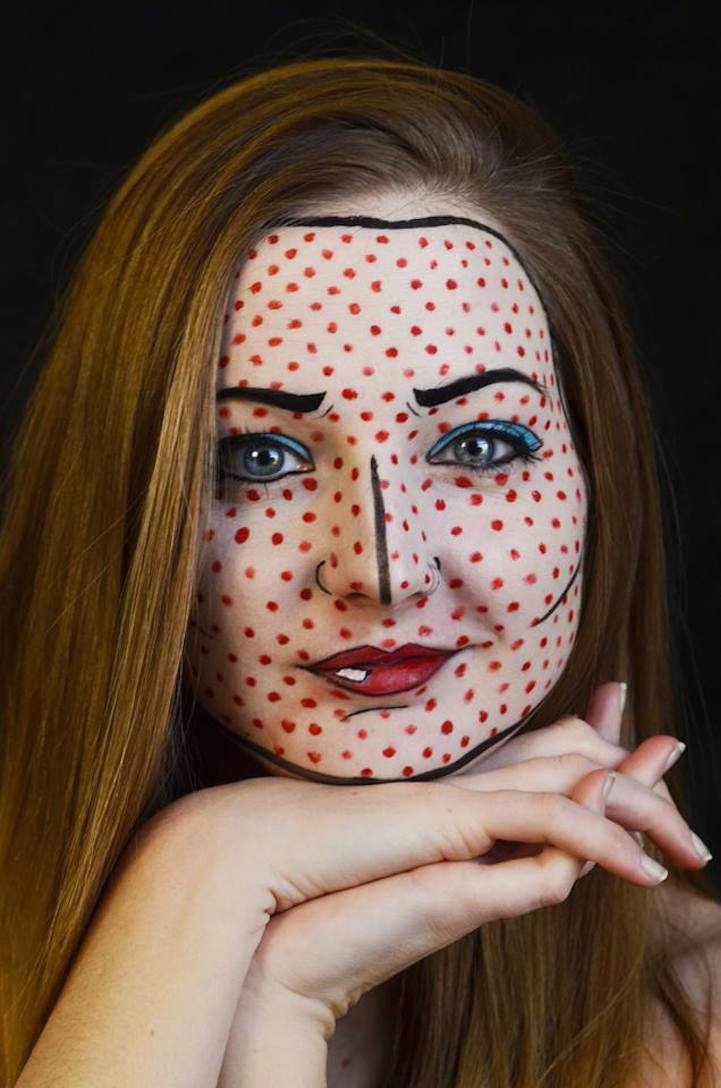
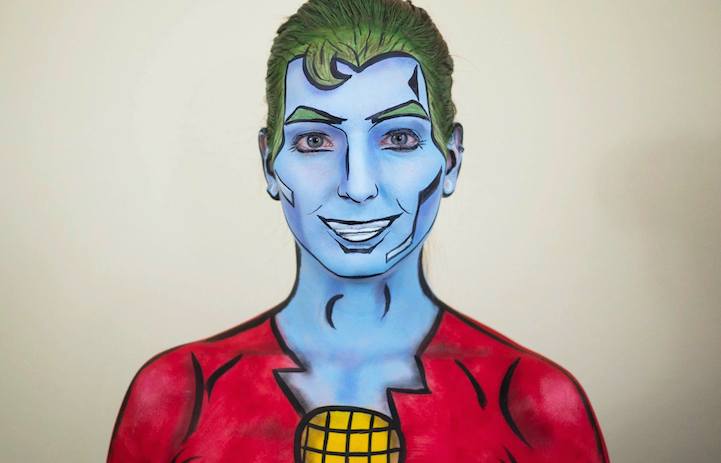
Characters in the gallery
The source set spans cheerful icons and horror faces. Expect recognizable franchises and seasonal creatures rather than subtle beauty looks:
- The Grinch. Green skin logic, expressive brows, and comic exaggeration borrowed from Seuss illustration.
- Master Chief. Helmet and armor cues translated into paint, hard geometry, and game-ready color.
- Captain Planet. Bold graphic outlining and color that nods to animated cel style.
- Zombie and spooky builds. Hollowed eyes, dead-skin palettes, and texture that photographs as decay.
- Other pop figures. Additional looks that treat the face as a poster for a known character silhouette—fantasy warriors, game villains, and seasonal monsters among them.
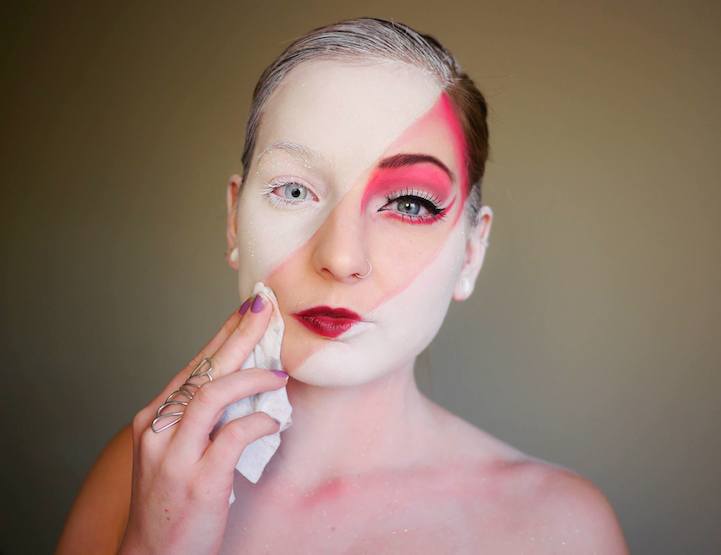
What unites them is commitment. Partial glitter “inspired by” looks do not dominate; these are full coverages that ask you to forget the painter underneath. When a before-and-after appears, the gap is the point—the same person, two identities, one sitting. That gap is also why the gallery rewards slow scrolling: each image is a finished character, not a mood board of unused ideas.
Notice how franchise literacy helps the paint land. If you already know the Grinch’s grin or Master Chief’s silhouette, your brain fills missing costume pieces. Pageler designs for that collaboration between memory and makeup. Viewers who do not know a reference still get a strong graphic face; fans get the extra click of recognition.
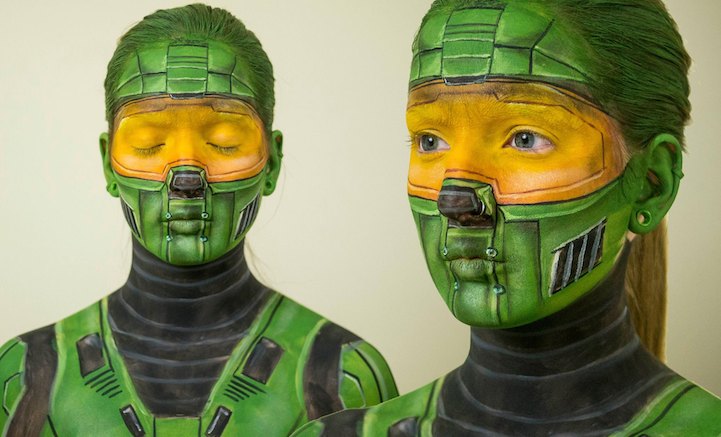

Time, tools, and photographic finish
Ten-hour sessions sound extreme until you break them into stages: skin prep, base coverage, large color fields, secondary detailing, texture, set, photograph, adjust. Creams and water-activated paints behave differently under heat and under camera lights. Neck and ear transitions must match or the illusion collapses at the hairline. Hands and nails may need coordination if they enter the frame. Pageler’s dual skill in Photoshop and video editing also hints at a finishing culture common to internet makeup: capture carefully, then polish exposure and color so paint reads as intentional design rather than muddy craft-store chaos.
Self-taught routes mattered in that era. Many character painters learned from stage-makeup electives, YouTube demos, and relentless practice on their own faces. University film backgrounds helped with lighting and framing. The “brush as magic wand” metaphor is cute; the real magic is repetition—painting the same planes of the face until anatomy becomes a map you can re-skin at will. Brow bone, under-eye hollow, jaw edge, and philtrum become landmarks for every new character the way streets become landmarks for a muralist.
There is also an emotional cost rarely mentioned in viral roundups: washing the work away. After hours of building a Grinch or a warrior, the paint exits in minutes. Photographing well is how the labor survives. That is why this gallery format fits the craft—still images are the archive of temporary faces.
How to look at transformation photos
Scroll the gallery slowly. On each image, name three things before you decide whether you “like” it:
- Palette. Is the skin logic comic-green, corpse-grey, metallic, or human with graphic overlays?
- Edge quality. Soft blends sell flesh; hard edges sell symbols, armor, and animation homage.
- Coverage zone. Face only, or face-plus-torso storytelling that replaces costume pieces?
That checklist turns viral reaction into useful looking. It also clarifies why some looks stun in a thumbnail while others need a vertical full-body crop: if the story continues onto painted shoulders and sashes, a tight selfie crop can cut the character in half. Compare a headshot zombie with a torso-inclusive warrior look and you will see two different design problems solved on the same painter.
For makers, a practical takeaway from Pageler’s gallery is scope control. Pick one known character with a strong silhouette. Limit the first attempt to face and neck. Photograph under consistent light. Only then expand onto chest emblems and fake textiles. Ambition is good; unfinished ten-hour chaos is not. The pleasing results in this set come from finishing—cleaning edges, committing to a color story, and presenting the character as if it were ready for a poster. Keep a simple kit: a few bases, a black and a white for value control, and one accent color that defines the character. Complexity can wait until the map of your face feels automatic.
Elsa Rhae Pageler’s transformations sit at that meeting point of film-school framing and face-paint stamina. The gallery does not ask whether you can recreate Master Chief after breakfast. It asks whether you can see makeup as full-character design: hours of paint, one camera, and a face that briefly belongs to someone else.

Comments
Continue reading

Still-Life Photography by Margareth Perfoncio
São Paulo photographer Margareth Perfoncio’s still lifes of food and flowers—Old Master light, dark wood, and tables that feel inevitable.

Meaningful Love Quotes for Inspiration (and Ink)
Meaningful love quotes that still feel true — short lines for tattoos, gifts, and everyday reminders, with placement and wording tips.
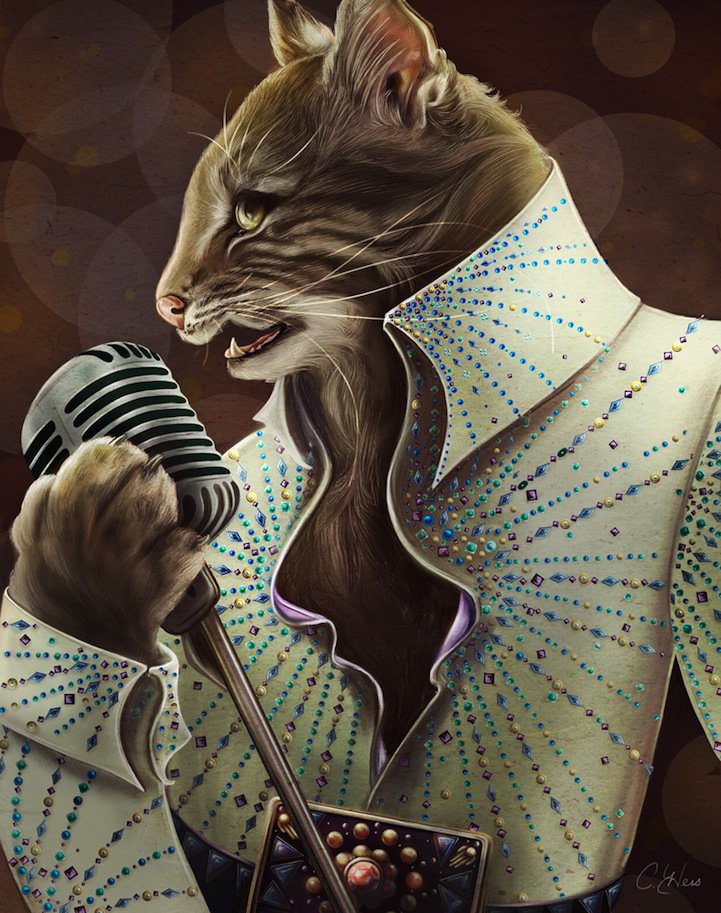
Christina Hess’s Animals From History: Costumed Pets as Playful Portraits
Illustrator Christina Hess reimagines historical icons as ornate animal portraits—Elvis Petme and friends—mixing puns, costume detail, and soft history lessons.