
Toni Garrn for Mango Summer 2013: Romantic Essence Lookbook
Toni Garrn fronts Mango’s Summer 2013 Romantic Essence lookbook—pale tones, sheer tops, denim, and warm-weather ease against the denser Winter 2012 story.
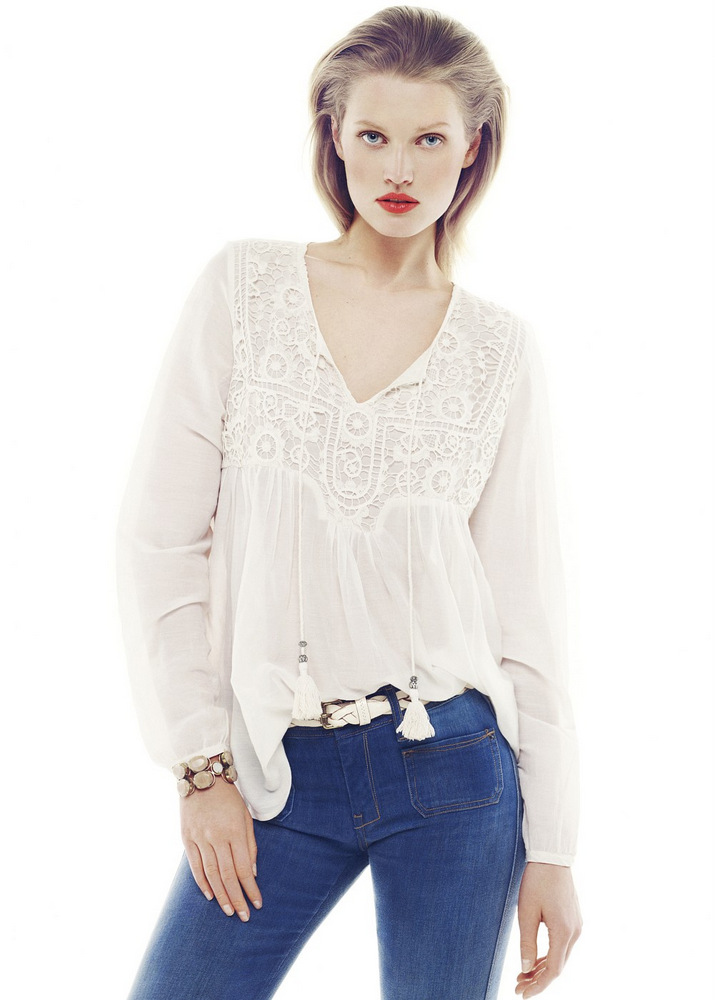
In spring 2013, Mango turned the calendar toward heat and ease with its Summer 2013 lookbooks—pale tones, lighter fabrics, and silhouettes that open the body to air rather than wrapping it against wind. German model Toni Garrn fronted one of the season’s key studio sets, widely circulated as the Romantic Essence lookbook: sheer tops, casual denim, slouchy pants, sandals, soft jewellery, and an unforced elegance built for long days and warm evenings.
Where Winter 2012 had sold coats, leather, fur accents, and boot-locked city polish, Summer 2013 sold breath. The contrast is the point of reading these seasons side by side. One wardrobe argues for density; the other argues for translucence, pale romance, and clothes that move when the temperature rises.
Toni Garrn and the Romantic Essence mood
Contemporary fashion blogs in May 2013 described Garrn’s Mango Summer set as pretty and pale—an “effortlessly elegant” studio story with enough polish for air-conditioned offices and enough softness for weekends. The lookbook title Romantic Essence was not subtle. Mango wanted romance without costume: bright, simple photography; blonde ease; outfits that looked assembled in five minutes and still photographed like intentional fashion.
Garrn’s modelling language fits that brief. She has always photographed as athletic calm rather than theatrical glamour—shoulders relaxed, gaze steady, clothes worn as habit. For a summer high-street lookbook, that calm sells versatility. A sheer knit blouse and denim can travel from lunch to evening if the model does not overact the romance. The romance stays in fabric and colour, not in melodrama.
Accessories in the set stayed light: bangles, clutch bags, sandals. No heavy scarves, no earmuffs, no ankle-boot armour. Those absences are seasonal signals as strong as any coat in a winter campaign. Summer 2013 told shoppers their extremities could breathe again.
What Summer 2013 was selling
Across Mango’s broader Summer 2013 campaign cycle—Miranda Kerr as a primary advertising face earlier in the warm season, plus thematic lookbooks such as Romantic Essence and later “Perfect Guest” guest-event dressing—the product story repeated in different keys: stylish separates that recombine, sheer and flowy blouses, printed pants, lace and chiffon for special evenings, florals, peep-toe heels, and the inevitable maxi dresses that defined early-2010s summer retail.
Romantic Essence specifically leaned casual-chic: denim, sheer tops, slouchy pants, pale tones, and studio light that made soft colours look expensive. Other summer chapters pushed tribal-boho prints or white ensembles; the shared climate was openness. Fabric weight dropped. Necklines rose less often into turtlenecks and more often into air. Legs appeared. The body stopped being a hanger for outerwear and became a surface for light.
That is the commercial bet of a summer lookbook. Winter campaigns convince you to buy insulation with style. Summer campaigns convince you to buy lightness without looking unfinished. Pale romance is one answer to that problem: soft colour does the finishing work that coats do in December.
How Summer differs from Winter 2012
Hold a Winter 2012 overcoat frame next to Garrn in Summer 2013 and the seasons stop being marketing labels. Winter silhouettes widen at the shoulder under coats, lock the ankle in boots, and stack texture—wool, leather, fur, lace as evening density. Summer silhouettes open the neck, free the ankle in sandals, and thin the textile story to sheers, denim, and fluid pants. Winter asks how to stay warm while looking sharp. Summer asks how to stay cool while looking intentional.
Colour temperature shifts too. Winter 2012 worked with neutrals interrupted by colour pops and animal print—urban night energy. Summer 2013’s Romantic Essence chapter preferred pale romantic washes that photograph clean under bright studio light. Even when later summer lookbooks introduced richer prints for guest dressing, the seasonal baseline remained light fabrics and social warmth rather than street frost.
Posture changes with climate as well. Winter models often plant weight as if bracing for wind. Summer models stand as if the room is already pleasant. Garrn’s frames belong to the second grammar: ease as product feature.
High-street summer campaigns in 2013
By 2013, Mango’s seasonal machine ran multiple faces and multiple lookbook themes across one warm half-year. Kerr’s advertising campaign sold the brand’s summer identity at billboard scale; Garrn’s Romantic Essence lookbook sold a softer, more catalogue-readable chapter; additional sets chased wedding-guest and holiday-party fantasies with lace and florals. Shoppers were not expected to buy one story. They were expected to recognize themselves in at least one.
Studio photography remained the house style: clean backgrounds, garment clarity, model as continuous character. That continuity helps archive reading. You can study Summer 2013 as a retail climate document without needing runway context. The clothes are the plot. The model is the narrator’s voice—calm, blonde, lightly romantic, commercially approachable.
Early-2010s high street also loved the “effortless” claim. Romantic Essence leans into it hard. Effortlessness is a sales fiction, of course—someone styled every cuff—but it is a useful fiction for summer, when customers resist looking overdressed in heat. The lookbook promises polish that does not sweat.
Reading the Toni Garrn frame
With only a single preserved image in this gallery, slow looking matters more. Start with fabric weight: does the top filter light? Does the denim or pant read as casual rather than formal winter wool? Then read the extremities: sandals versus boots, bare or nearly bare arms versus sleeves under coats. Then read colour: pale and soft versus the denser winter mixes of leather, fur, and night-ready contrast.
Finally read Garrn’s expression. Summer lookbooks often push smiles or vacation fantasy. Romantic Essence keeps her closer to fashion-editorial neutrality—pretty without pleading. That restraint is why the set still feels like fashion rather than a travel brochure. Mango wanted clothes you could wear in a real city summer, not only on a staged beach.
Summer wardrobe logic you can still use
Even as a historical lookbook, Romantic Essence leaves a practical checklist for warm-weather dressing that has outlived 2013 SKUs:
- Pale base, light fabric: let colour temperature do the romantic work.
- Sheer + structure: pair translucent tops with denim or clean pants so the outfit does not float away.
- Small accessories: bangles, a clutch, sandals—finish without adding heat.
- One soft statement: a maxi, a lace evening piece, or a floral guest look for nights that need more than separates.
- Open posture: if the clothes look braced for winter, they are the wrong season.
None of that requires buying the exact 2013 pieces. It is the grammar Mango was teaching that summer: romance as lightness, not as costume drama.
Where this gallery sits in Mango’s 2012–13 arc
Winter 2012 closed the body and sold texture against cold. Summer 2013 opened the body and sold pale ease against heat. Miranda Kerr’s summer advertising and Toni Garrn’s Romantic Essence lookbook were two instruments in the same warm-season orchestra—hero campaign and softer catalogue chapter. Later “Perfect Guest” sets extended the season into event dressing with lace and florals.
For anyone filing Mango seasons, keep Summer 2013 beside Winter 2012 as a climate pair, not as interchangeable “old lookbooks.” The brands, the studio habit, and the high-street ambition overlap. The clothes and the weather story do not.
Return to Garrn’s frame once more after reading the winter coats of the previous year. Ask which image would survive a humid afternoon and which would survive a December commute. That question is the whole difference between these two Mango seasons.

Comments
Continue reading
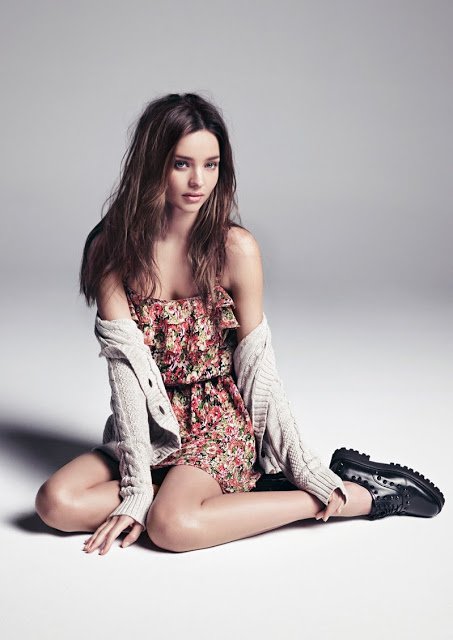
Miranda Kerr for Mango Fall/Winter 2013 Lookbook
Inez & Vinoodh shoot Miranda Kerr in New York for Mango’s Fall ’13 retail campaign—punk-edged high-street clothes, raw finish, and lookbook logic from 2013.
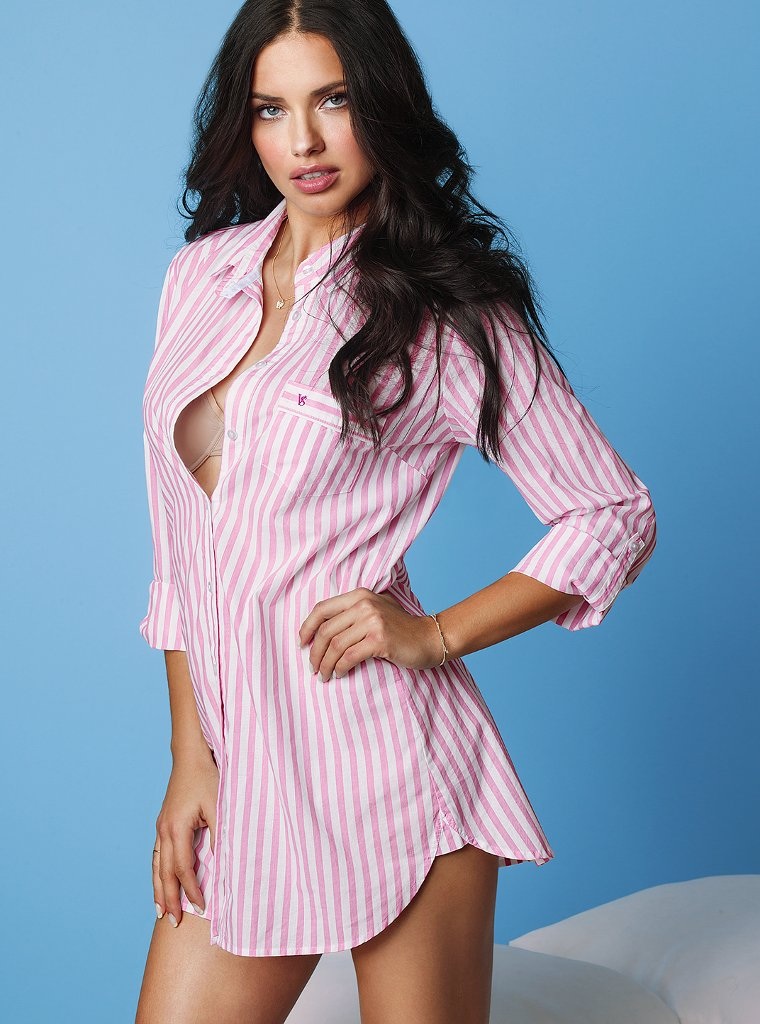
Adriana Lima in Victoria’s Secret’s April 2013 Lookbook
Pink-striped sleep shirt, sky-blue seamless, gold chains—Adriana Lima’s surviving frame from Victoria’s Secret’s April 2013 lookbook.
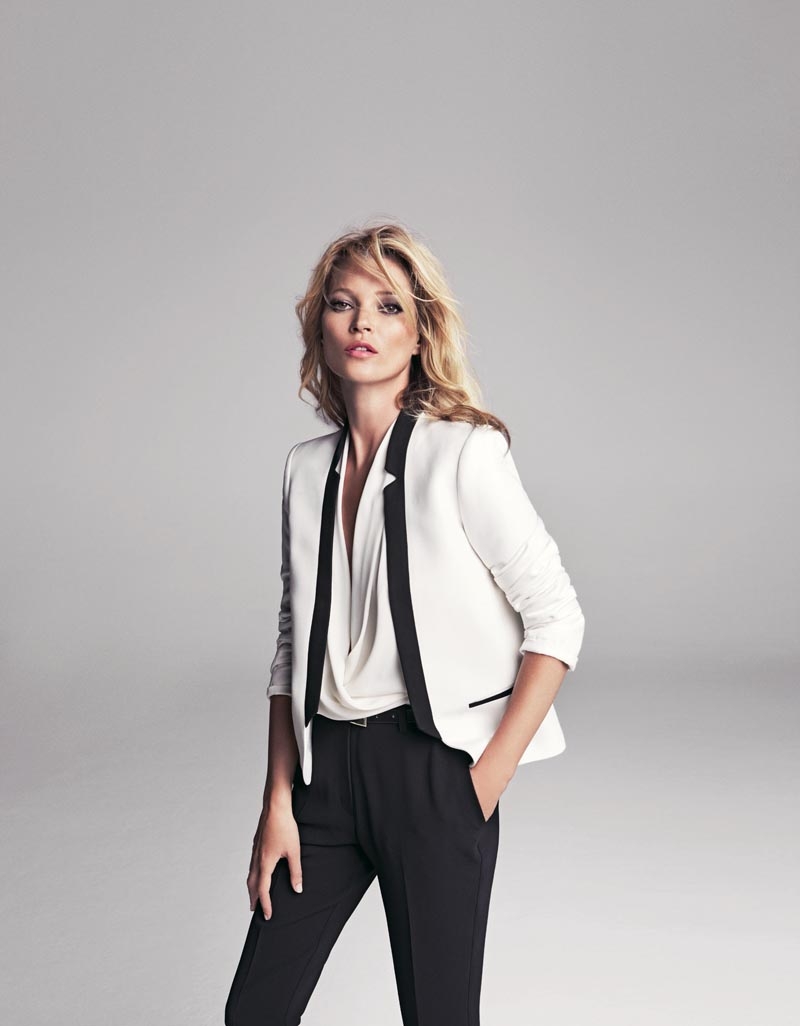
Kate Moss for Mango Winter ’12 by Inez & Vinoodh
Kate Moss fronts Mango’s Winter 2012 campaign in London studio images by Inez van Lamsweerde and Vinoodh Matadin—knits to sequins, high-street cool as seasonal retail theater.