
How to Make a Photo Essay: A Practical Craft Guide
Choose a photographable focus, outline image roles, shoot for variety, edit into a sequence, and caption lightly so pictures—not filler text—carry the story.
A photo essay tells a story primarily through images, with words in a supporting role. Unlike a text essay that mentions photos as decoration, the pictures carry the argument, emotion, or narrative arc. Journalists, students, documentary makers, and personal projects all use the form—but the craft is the same: choose a clear subject, shoot with intention, sequence for meaning, and caption just enough to guide without smothering the visuals.
This is a practical how-to for making a photo essay that reads as a coherent piece, not a folder of unrelated shots. No essay mills, no shortcuts that outsource your thinking—just a process you can follow from idea to finished sequence.
Know what a photo essay is asking of you
A strong photo essay usually has a central question or tension: How does a night-shift bakery feed a neighborhood? What does the first week of a new apartment feel like? How does a riverside town change between dawn and dusk? The images should make that question visible. Viewers should sense progression—before/after, cause/effect, wide context to intimate detail—even if they never read a long introduction.
Photo essays are not the same as a highlight reel. Pretty pictures without relationship create a gallery, not an essay. Argumentative or journalistic photo essays often imply a point of view: conditions are hard, joy persists, a place is vanishing, a craft survives. Personal essays may be quieter but still need a thread. Decide early whether you are documenting, advocating, reflecting, or explaining—and keep that purpose consistent.
Choose a topic you can actually photograph
Pick a subject with visual access. Grand themes (“loneliness in the modern world”) are hard until you ground them in a place, person, or routine you can revisit. Narrow topics photograph better: one street market on Saturdays, one athlete’s recovery week, one family preparing for a holiday.
Check logistics. Will people consent to being photographed? Is the location safe and legal at the hours you need? Can you return more than once? Single-visit essays are possible, but many of the best pieces grow from repeated observation. Write one sentence that states the essay’s focus. If you cannot say it simply, the shoot will wander.
Match scope to deadline. A student assignment with three days needs a contained scene. A month-long personal project can follow a process through stages. Ambition without time produces thin coverage.
Build a narrative spine before you overshoot
Outline in pictures, not only in paragraphs. Sketch a rough sequence on paper: establishing wide shot, key characters or objects, conflict or work in progress, turning detail, aftermath or resolution. You will replace many frames later, but the outline keeps you from collecting fifty similar medium shots.
Think in roles each image can play:
- Context — where we are
- Character — who or what we follow
- Action — what is happening
- Detail — texture, hands, signs, evidence
- Emotion — faces, gestures, quiet pauses
- Closer — an image that lets the piece land
You do not need every role in every essay, but if your set is missing context or detail, the story will feel either floating or generic. Plan a few “must try” shots, then leave room for surprises the outline did not predict.
Shoot for variety and clarity
Take more frames than you will use, but vary distance and angle. Mix wide, medium, and close. Change height—eye level is only one option. Watch light: the same stall at noon and at dusk tells different truths. For moving subjects, anticipate peaks of action rather than spraying the shutter without looking.
Technical cleanliness helps interpretation. Soft focus, chaotic backgrounds, and muddy exposure make viewers work too hard. You do not need studio perfection; you need readable photographs. If you are not a trained photographer, still apply basics: steady stance, intentional focus point, simpler backgrounds when possible.
Be ethical. Ask permission when appropriate, especially in private spaces. Avoid humiliating people for drama. If the essay involves vulnerable subjects, consider how publication could affect them. Craft without care is just extraction.
Edit ruthlessly into a sequence
Selecting is where the essay appears. Spread candidates out—digitally or as prints—and remove near-duplicates. Prefer the frame that advances the story over the frame that only looks impressive. Aim for a count that fits your outlet: many short essays work in roughly 8–15 images; longer documentary pieces may run more, but every added photo must earn its place.
Order matters as much as inclusion. Open with an image that orients or intrigues. Build through middle frames that deepen information. Avoid dumping all wide shots first and all details last unless that structure serves the theme. Look for visual echoes—colors, gestures, shapes—that tie non-adjacent images together. Cut anything that repeats information without adding tone or new fact.
A slideshow tool, a simple PDF, or a print layout can help you test pacing. Advance through the sequence at a natural reading speed. Where you get bored, something is redundant or weak. Where you get confused, you need a bridge image or a clearer caption.
Write captions and a short text frame
Captions should clarify what the photo cannot: names, places, dates, or a precise action. They should not narrate the obvious (“A woman smiles”). Good captions add information or gently steer interpretation without lecturing. Keep style consistent—present tense or past tense, but not a mix without reason.
Most photo essays also need a brief introduction: a few sentences on subject, place, and why the work exists. Some include a short closing note. Resist the urge to write a full traditional essay beside the photos unless the assignment demands it. Let images lead; let text support.
If your audience is academic, state the goal clearly so graders see intentional structure. If your audience is public, lead with human stakes rather than methodology jargon.
Present for the audience you actually have
Classroom projection, a website gallery, a printed zine, and a social carousel each change pacing. On screens, consider image order and file size. In print, think about page turns—sometimes a quiet image opposite a dense one works better than stacking intensity. For oral presentation, rehearse so you are not reading captions aloud while people are still looking.
Title the piece with specificity. “Market Mornings on 5th Street” invites better than “My Photo Essay.” Specificity also helps you stay honest about scope.
A compact workflow you can repeat
- Write one-sentence focus and intended audience.
- Outline image roles and access plan.
- Shoot across more than one session when possible.
- Select for story, not only beauty.
- Sequence, then caption, then write a short intro.
- Test on a fresh viewer and cut again.
Common failures are easy to name: topic too vague, all images from the same distance, no establishing frame, captions that argue instead of inform, and keeping favorites that do not serve the arc. Fix those and the form becomes approachable.
When you finish a draft sequence, ask one trusted viewer a single question: What story did you think this was telling? If their answer matches your one-sentence focus, the essay is working. If they describe a different story—or no story at all—return to the contact sheet before you add more adjectives to the introduction.

Comments
Continue reading
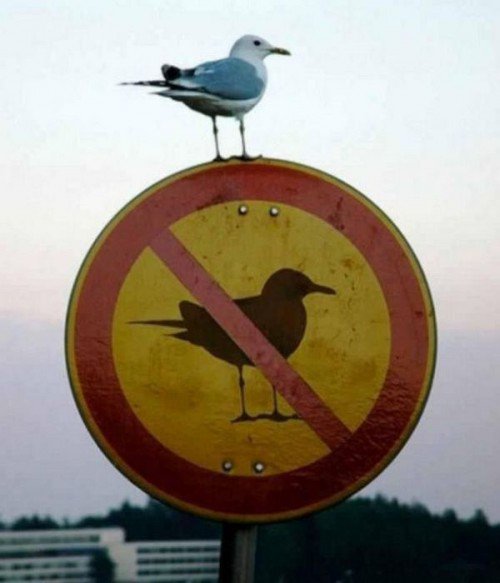
Funny Animal Signs That Warn People (While Animals Ignore Them)
From a seagull on a no-birds disc to classic zoo and park ironies—why animal warning signs get funny, and what the rules are still for.
How to Find Local Amenities on Vacation: Mechanics, Haircuts & More
Locate trustworthy local services and everyday spots while traveling or settling in—using publications, reviews, map apps, neighbor tips, and low-pressure exploration.
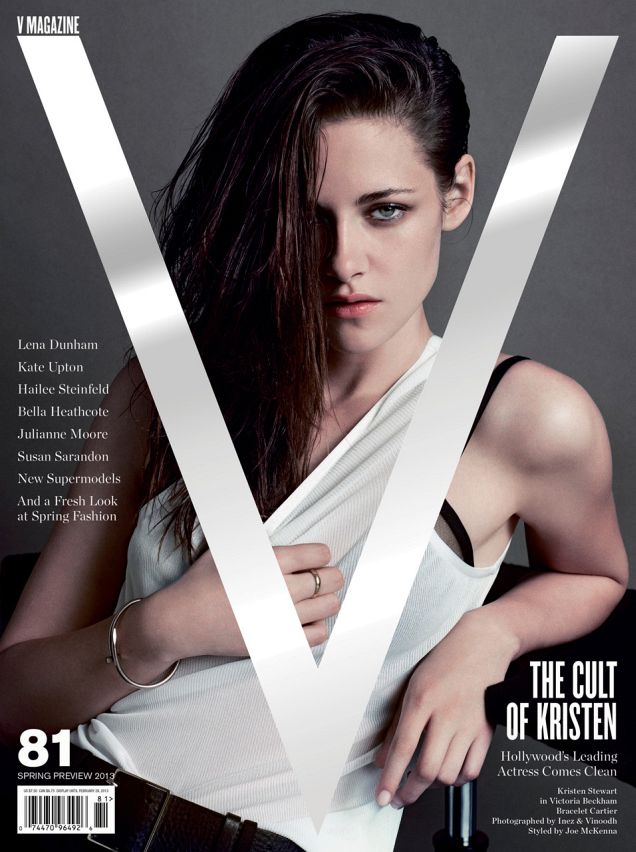
Kristen Stewart for V Magazine, Spring Preview 2013
V81’s Wild at Heart cover story—Kristen Stewart shot by Inez & Vinoodh, styled by Joe McKenna, in pale minimal spring glamour.