
How to Make the Most of Your Yard This Summer
Lawn care, outdoor cooking, a calm seating pocket, low-maintenance color, and practical lighting—plus when fun extras are worth adding.
Summer turns a yard from something you glance at into a place you actually live. Longer evenings, warmer nights, and weekends outdoors only pay off if the space works: grass that can take foot traffic, a cooking spot that does not fight you, somewhere soft to sit, color that survives heat, and light that keeps the evening usable after sunset.
You do not need a resort renovation. A few focused upgrades—lawn care, outdoor dining, a calm seating pocket, plants that earn their keep, and practical lighting—will make most yards feel finished for the season. Start with what you will use every week, then add extras only if the basics already feel good.
Keep the lawn ready for real use
Whether you have a broad backyard or a narrow strip beside a patio, grass still sets the tone. Mow on a schedule that matches growth rather than a rigid weekly guilt trip. In hot stretches, raising the cutting height slightly helps shade soil and reduce stress. Dull blades tear grass and brown the tips; sharpening or replacing blades mid-season is a small job with a visible payoff.
Feed according to your grass type and local guidance—overfeeding in peak heat can burn a lawn that already struggles. Water deeply and less often when possible, aiming for morning so foliage dries and disease pressure drops. Spot-seed thin patches early rather than waiting until bare dirt becomes a dust bowl. If kids or dogs use the same corner daily, accept that zone as high wear and protect it with a play surface, stepping stones, or a tougher groundcover instead of fighting nature with more fertilizer.
Edges matter more than people admit. A clean boundary between lawn and beds makes even a modest yard look intentional. A half hour with an edger or spade every couple of weeks keeps the summer look crisp without a full redesign.
Build a cooking and dining zone that people use
Food is why many families finally stay outside. Place the grill or outdoor cooker where smoke will not pour into windows or a neighbor’s patio, with a stable, non-flammable surface underfoot. Keep a small prep surface nearby—a cart, side shelf, or sturdy table—so tools and plates are not balanced on grass.
Seat people close enough to talk to the cook without crowding the heat. A simple table set with weather-tolerant chairs beats a beautiful island you never clean. Store utensils in a lidded bin so they are ready without a trip indoors every time. A covered trash option and a wipeable surface for sauces keep the zone from turning sticky by August.
If you are upgrading equipment, choose durability and cleaning ease over spectacle. A reliable grill you will actually scrub after use outperforms a complex outdoor kitchen that sits unused. Shade for the dining table—umbrella, sail, or tree canopy—extends meal times and keeps cushions from baking.
Carve out a relaxation pocket
Not every outdoor hour is a party. Mark a smaller area for reading, quiet talk, or morning coffee. Soft seating helps: cushions, a bench with a pad, or chairs that do not dig into turf. Decide whether you want sun or shade first; that choice drives placement more than furniture style.
Keep this pocket slightly apart from the grill smoke and the kids’ kickball lane if you can. A low plant border, a rug made for outdoors, or a change in paving can signal “this is the calm corner” without building walls. Store textiles in a dry bin so rain does not end the season early. A side table for a drink and a book is worth more than another matching chair you never sit in.
Think about evenings too. A light throw for cooler nights and a small side lamp or string lights make the pocket usable after dinner without turning the whole yard into a stadium.
Add color without creating a second job
Flowers and foliage make summer yards feel alive, but high-maintenance beds frustrate busy households. Start with tough annuals or perennials suited to your sun and water pattern. Group plants with similar needs so you are not hand-watering one thirsty specimen next to a drought-tolerant neighbor.
Vertical planting helps small yards. Climbers on a fence, hanging pots, or a simple trellis add height and color without stealing lawn for games. Containers near the patio give you bloom where people sit and can be moved when a heat wave hits. Mulch beds to hold moisture and suppress weeds; bare soil in July becomes a chore list.
If you are new to gardening, buy a few proven performers from a local nursery and ask what thrives in your microclimate. Local advice beats generic plant lists. Deadhead spent blooms when you remember; consistency beats perfection.
Light the yard for safety and atmosphere
Good outdoor lighting doubles usable hours. Prioritize pathways, steps, and the route from door to seating so nobody trips after dark. Soft ambient light around dining and lounge areas feels welcoming; harsh floodlights aimed at eyes do not.
Solar path lights are easy starters, but check brightness and place them where they actually charge. Wired fixtures last longer in heavy use—hire a qualified electrician for permanent installs, especially near water or buried lines. Highlight a tree, fence texture, or planter for depth rather than lighting every square foot equally.
Keep switches or smart controls convenient. Lights people cannot turn on without hunting for a breaker will stay off. Warm-toned bulbs generally feel better for evening gatherings than cold white glare.
Choose “fun extras” only after the basics work
Hot tubs, pizza ovens, and splash features are memorable, but they demand cleaning, covers, power, and winter care. Add them when the lawn, seating, cooking zone, and lighting already function. Otherwise the yard feels unfinished around an expensive centerpiece.
Ask honest questions: Will we use this weekly? Who maintains it? Where does it sit when guests need floor space? A simple fire bowl with clear clearance rules, a hammock, or a durable outdoor game set often delivers more summer joy per dollar than a complex install.
Whatever you add, plan storage and safety. Cords, fuels, and water toys left scattered make the yard stressful instead of restful.
A weekend order of operations
If time is short, work in this order: clear clutter and mow or edge; set or refresh the dining and grill zone; place or fluff the relaxation seating; water and tidy the most visible plants; add or fix path and seating lights. That sequence makes the yard usable fast. Cosmetic extras can wait for the next free Saturday.
Invite people over before everything is perfect. Real use reveals whether the table is too far from the grill, whether the calm corner is actually shady at 5 p.m., and whether the path needs one more light. Summer yards improve through use, not through endless prep alone.
When the first cool evening arrives and you still want to sit outside because the chairs are comfortable, the path is lit, and dinner did not require a scavenger hunt for tongs, you will know the season’s work paid off—no Jacuzzi required.

Comments
Continue reading
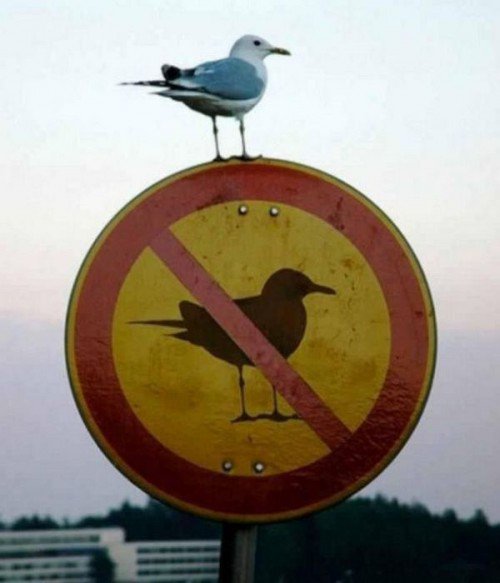
Funny Animal Signs That Warn People (While Animals Ignore Them)
From a seagull on a no-birds disc to classic zoo and park ironies—why animal warning signs get funny, and what the rules are still for.

How to Find Local Amenities on Vacation: Mechanics, Haircuts & More
Locate trustworthy local services and everyday spots while traveling or settling in—using publications, reviews, map apps, neighbor tips, and low-pressure exploration.

Kristen Stewart for V Magazine, Spring Preview 2013
V81’s Wild at Heart cover story—Kristen Stewart shot by Inez & Vinoodh, styled by Joe McKenna, in pale minimal spring glamour.