
How to Make Your Own Cheerleading Uniform
A practical DIY guide to building a cheer look—top, skirt, shorts, homemade pom-poms, and shoes—without a custom catalog order.
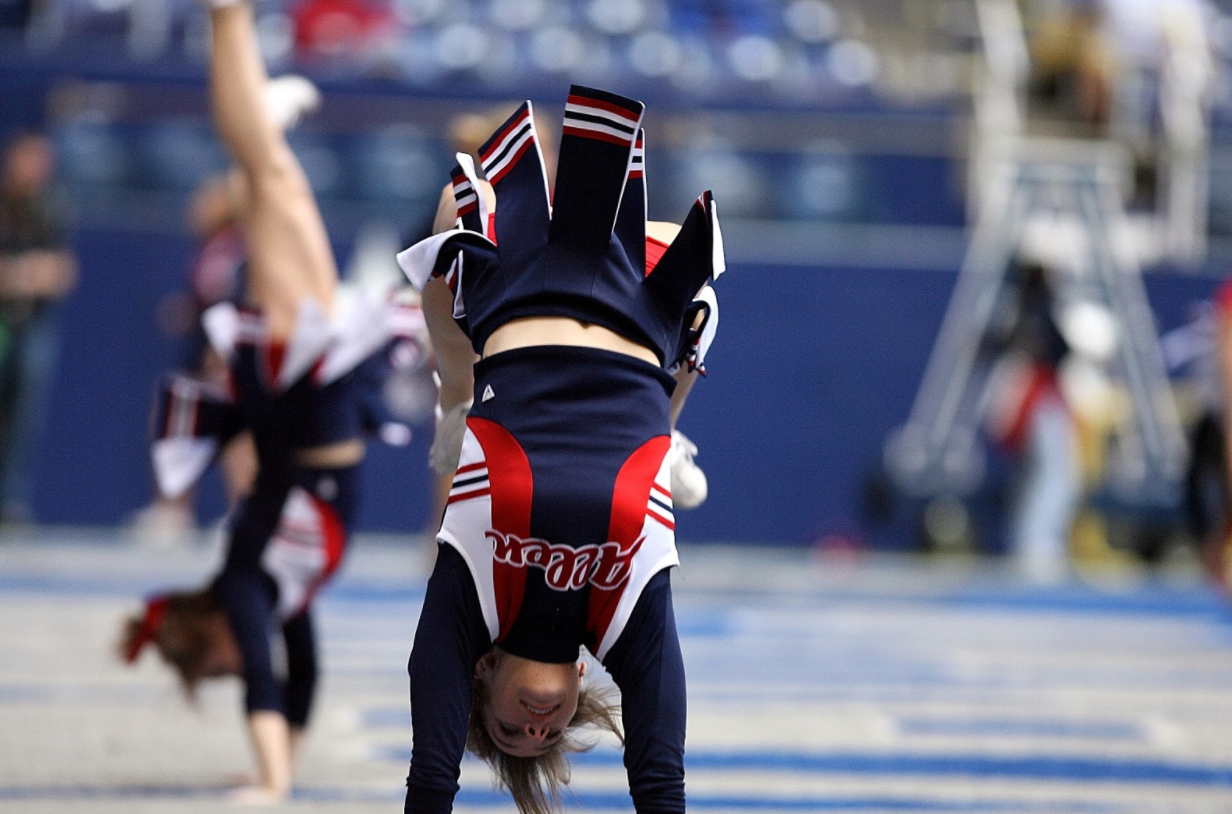
Store-bought cheer uniforms look sharp, but they can drain a team budget fast—especially for a costume party, a pep-rally one-off, or a youth squad still settling on colors. A homemade set will not match a competition supplier’s stretch panels and heat-transfer logos, and that is fine. You can still build something that reads as cheer from across the gym: coordinated colors, a fitted top, a short skirt, briefs underneath, and pom-poms in hand.
This guide walks through a practical DIY approach. Use it for spirit nights, Halloween, camp tryouts, or a first team look before you invest in official kits. Match school or club colors when you can, keep seams sturdy enough for jumps, and leave room to move.
Plan the look before you cut fabric
Decide three things first: colors (usually two, sometimes three), silhouette (classic pleated skirt vs. straight A-line), and how flashy you want the top. Sketch a quick front view on paper—top shape, skirt length, where letters or a number will sit. Measure chest, waist, hips, and desired skirt length from the waist. Add ease so the outfit does not bind when arms go overhead.
Gather materials in one place: a stretch tank or fitted tee for the top base, fabric for the skirt (polyester blend, cotton blend, or lightweight stretch woven), matching thread, elastic for the waistband, brief-style shorts or spandex bike shorts, iron-on letters or fabric paint, ribbon or trim, scissors, pins, and a sewing machine if you have one. Hand sewing works for trims; machine stitching holds better for skirts that will be worn hard.
Build the top
Cheer tops range from plain tees to sparkly shells. A fitted tank or short-sleeve shirt in your main color is the easiest base. Avoid heavy cotton that bags at the hem after one wash—look for a bit of stretch so the top stays put during arm motions.
Customize without a full sew: iron-on team initials across the chest, fabric paint for outlines, or a heat-transfer number on the back. Press firmly according to the transfer package, then let the piece cool flat so edges do not peel on the first stretch. If you embroider, keep letters small enough that they do not crack or pull when the fabric moves.
Want more flash? Sew or glue sparingly applied sequin trim along the neckline or armholes. Test glue on a scrap first; some adhesives stiffen stretch fabric and make it uncomfortable. Ribbon bows at the shoulder straps work for costume wear; for actual practice, skip dangling pieces that catch on hands or hair.
If you sew from scratch, start with a simple tank pattern sized for stretch knits. Finish raw edges with a zigzag or overlock stitch so seams survive wash days. Leave the hem slightly longer in the back if you tend to raise your arms a lot—shirts ride up during motions.
Sew or style the skirt
The skirt is the silhouette people recognize. Pleated styles look classic and move well; straight or A-line skirts are faster to sew and easier for beginners. Buy a commercial skirt pattern or draft a simple rectangle: waist measurement plus ease for the waistband, desired length plus hem allowance.
For pleats, mark even intervals along the waist edge, fold, pin, and baste before attaching the waistband. Press creases carefully so they hold after washing. A white or contrasting band at the hem is a traditional cheer detail—sew a ribbon strip or iron-on trim an inch above the finished edge rather than fighting a complicated faced hem.
If sewing feels out of reach, start with a solid short skirt in the right color from a thrift or big-box store. Shorten the hem if needed, then add ribbon, a side stripe, or a small logo patch. The goal is cohesion with the top, not couture construction.
Waistbands matter for safety and comfort. Elastic casings should sit firmly without digging in. Avoid skirts so short that they ride up during kicks; brief shorts underneath are not optional for active use.
Choose shorts that disappear under the skirt
Wear thin stretch shorts or cheer briefs under the skirt. Spandex or nylon blends stay close to the body and do not add bulk. If the shorts hang longer than the skirt, hem them so only the intended edge shows—or keep them fully hidden, depending on your team’s style.
Pick a color that matches the skirt or is intentionally coordinating (black under a dark skirt, white under a light one). Skip thick cotton gym shorts; they bunch and change the line of the skirt.
Make pom-poms from tablecloths
Homemade pom-poms complete the costume look and cost little. You need plastic tablecloths in your colors, strong masking or packing tape, and scissors.
- Cut strips roughly 12 inches long and 1 inch wide. Plan on about forty strips per pom for a full look.
- Stack or alternate colors in your fist so the bundle feels even.
- Wrap the middle tightly with tape, building a grip thick enough to hold without slipping.
- Fluff the ends outward until the pom looks full. Trim stray lengths so the silhouette is round rather than ragged.
Make a matching pair. For longer wear, reinforce the taped grip with a second wrap or a short length of duct tape under a color-matched layer. Store poms flat or hanging so strips do not tangle into one solid clump.
Shoes, socks, and finishing details
You generally buy shoes rather than sew them. Clean athletic sneakers that fit well and allow you to jump are the practical choice. White works with almost every color palette. Short ankle socks keep the look tidy; avoid thick hiking socks that change how the shoe feels.
Hair and accessories sell the outfit: a high ponytail or braid, a matching bow, and minimal jewelry so nothing catches during stunts or dance. For costume-only wear, you can push glitter and oversized bows further. For anything involving lifts or tumbling, keep accessories secure and soft.
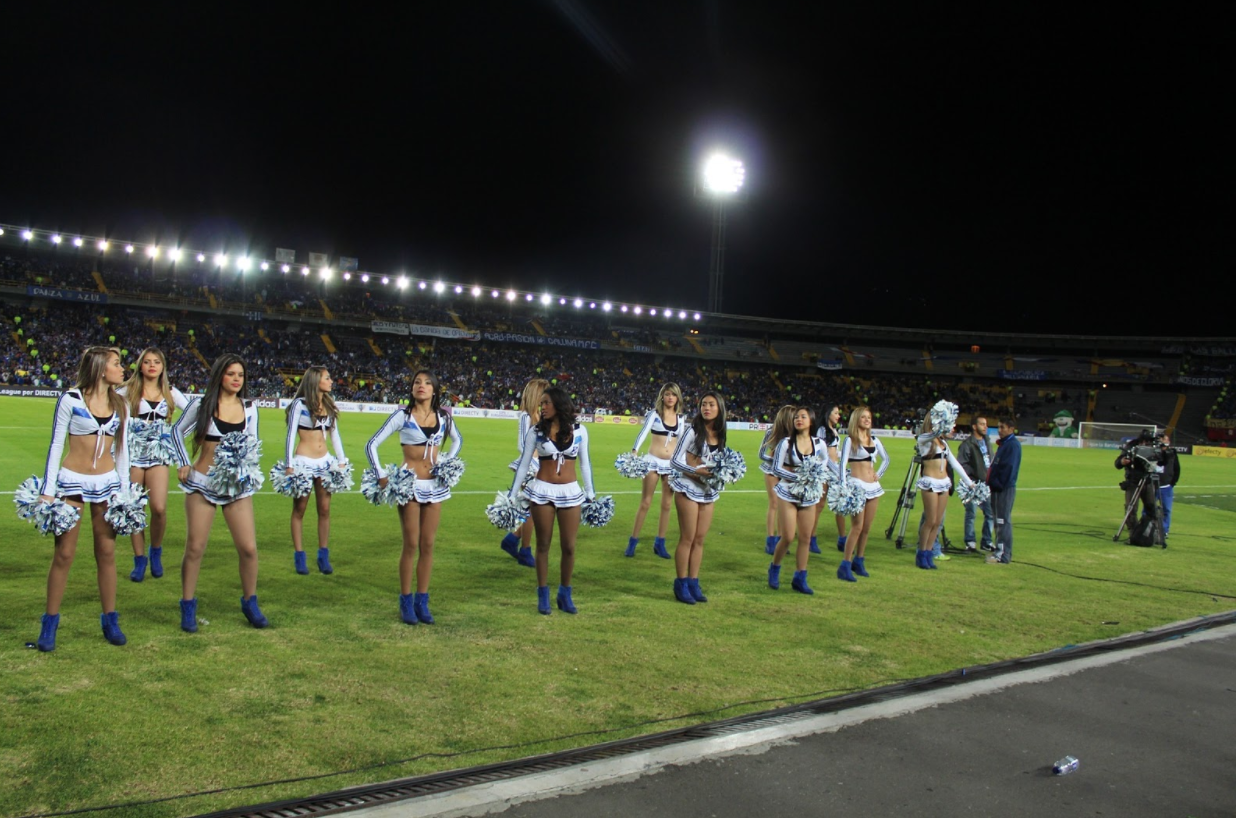
Fit check before game day
Do a full motion test at home: jump, kick, sit, and raise both arms. Check that the top stays tucked or hemmed where you want it, the skirt covers the briefs during kicks, and nothing digs into shoulders or waist. Wash and dry the set once before the event so you know how colors and iron-ons behave.
If you are outfitting a whole group, agree on fabric colors by brand name and dye lot when possible, or buy all base pieces from the same store trip. Slight shade mismatches show under fluorescent gym lights.
- Top: fitted, school colors, secure lettering
- Skirt: short, movable, coordinated hem detail
- Shorts: thin stretch, hemmed if needed
- Poms: matching colors, firm taped grip
- Shoes and socks: clean sneakers, low socks
With those five pieces locked in, you have a readable cheer look without a custom catalog order—ready for the next pep rally, party, or practice session.

Comments
Continue reading
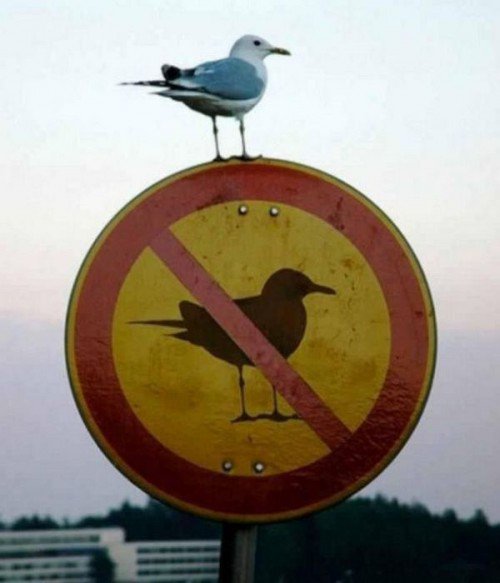
Funny Animal Signs That Warn People (While Animals Ignore Them)
From a seagull on a no-birds disc to classic zoo and park ironies—why animal warning signs get funny, and what the rules are still for.

How to Find Local Amenities on Vacation: Mechanics, Haircuts & More
Locate trustworthy local services and everyday spots while traveling or settling in—using publications, reviews, map apps, neighbor tips, and low-pressure exploration.
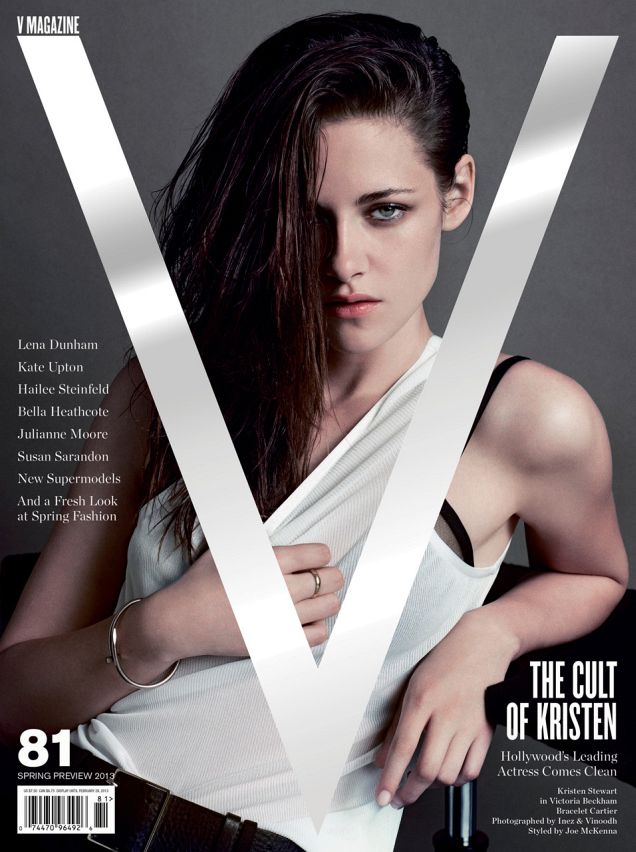
Kristen Stewart for V Magazine, Spring Preview 2013
V81’s Wild at Heart cover story—Kristen Stewart shot by Inez & Vinoodh, styled by Joe McKenna, in pale minimal spring glamour.