
Large Family Photography Ideas: Posing, Light, and Logistics That Actually Hold
How to run a big-group portrait at holidays or reunions—layered posing, coordinated clothes, session order, and people management between formal and funny frames.
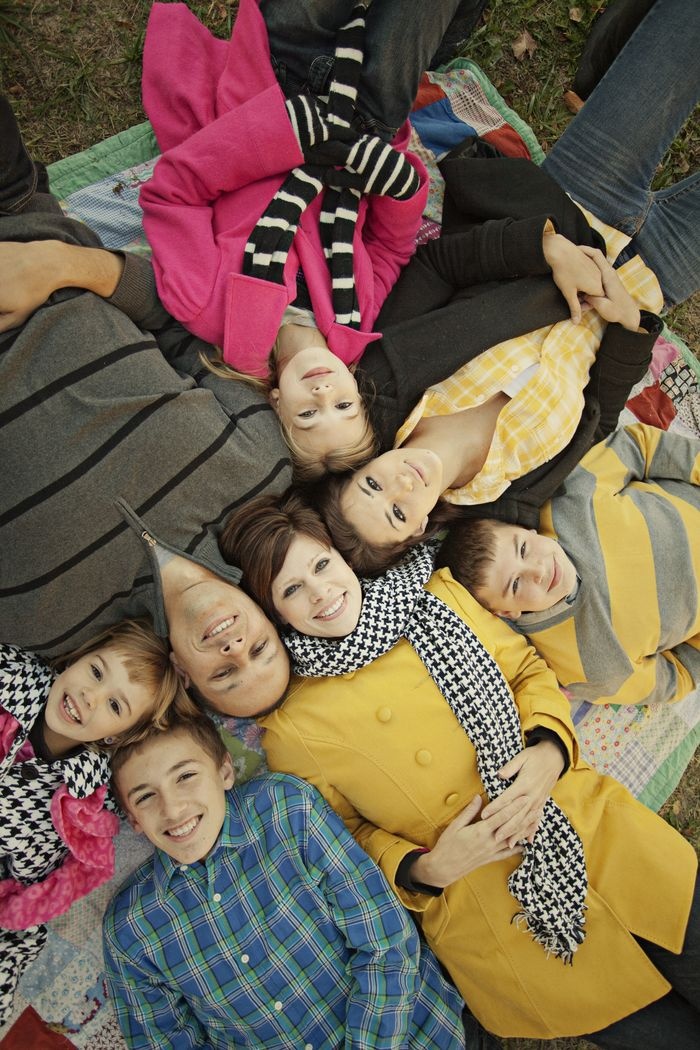
Large family photographs fail for logistical reasons more often than artistic ones. Too many people, uneven light, restless kids, and no clear order will beat even a skilled photographer. Holiday gatherings—Christmas, New Year, reunions when relatives finally share one address—are still the best chance to make a frame worth keeping. Treat the session like a short production with a kind director, not like a spontaneous miracle that somehow appears between dessert and football.
Before anyone stands in a line, decide who must appear in the full-group shot and who can join optional mini-groups. A twenty-person frame that includes every cousin is different from a core-household portrait with grandparents. Write the list. Share it the day before. Ambiguity creates hurt feelings, last-minute crowding, and the classic problem of someone important standing just outside the frame because nobody said their name out loud.
Also decide who is in charge of the clock. Large families drift. Without a start time and a hard stop for the full group, the session expands until light dies and children melt. Announce: “Photos at 3:00 by the oak—ten minutes for everyone together.” People respect a plan they can hear.
Location and light first
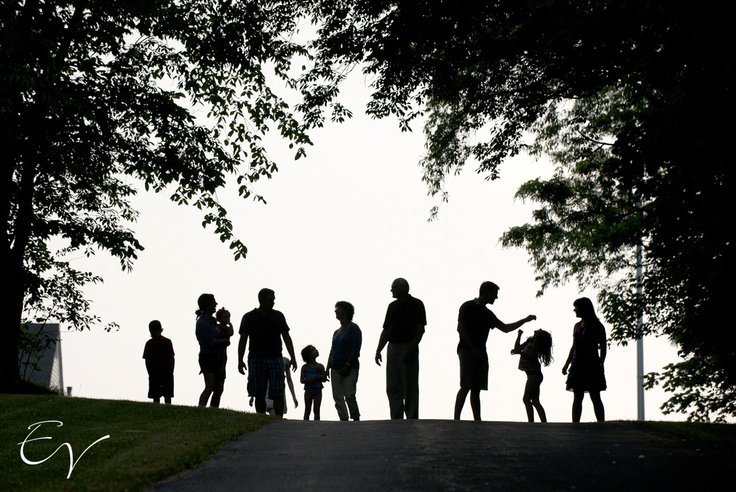
Open shade beats harsh midday sun for groups. A covered porch, the north side of a house, a tree line with even light, or a bright room with windows to one side will flatter more faces at once. Avoid strong backlight that turns half the group into silhouettes unless you have fill light and time to manage it. For outdoor winter gatherings, shoot earlier than you think; dusk arrives fast and cold shortens patience to minutes.
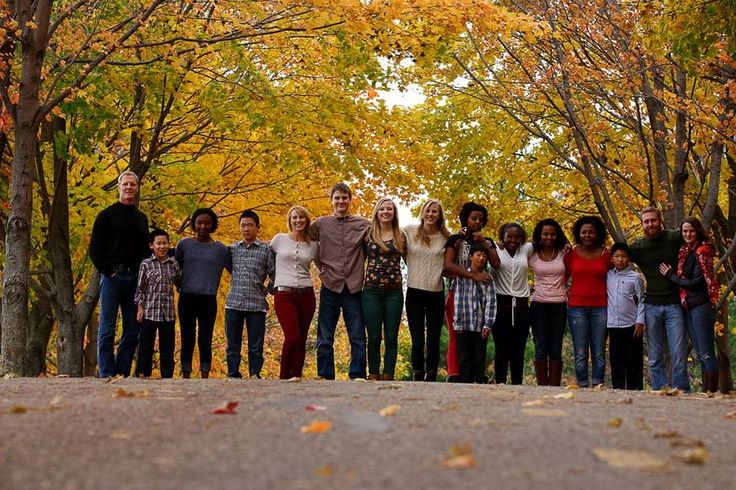
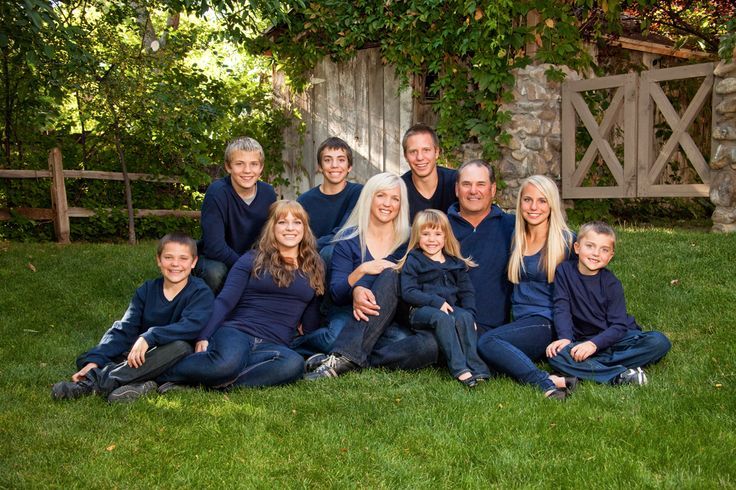
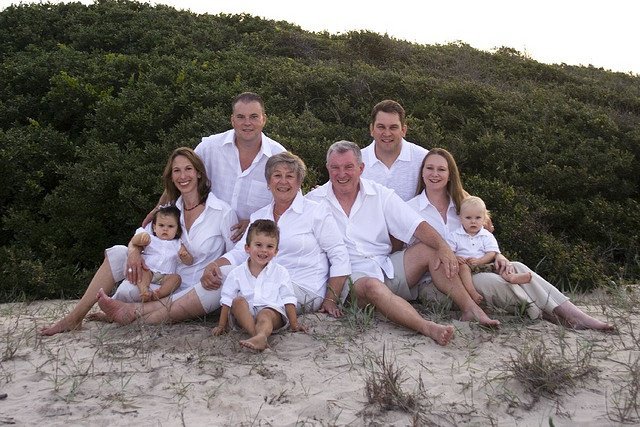
Scout the background for clutter: trash bins, cars, bright signs, holiday blow-ups that will date the photo in a distracting way. A simple fence, field, stone wall, or interior backdrop keeps attention on faces. If the house is crowded with decor, either lean into one styled corner intentionally or move to a quieter wall. Busy backgrounds multiply visual noise when headcounts are already high.
Have a weather backup. Rain, wind, and ice are not aesthetic challenges first—they are safety and scheduling challenges. An indoor wall with decent window light beats a heroic outdoor attempt that leaves grandparents shivering and kids crying. Bring the outdoor plan back tomorrow if the reunion lasts; one clean indoor hero frame still counts.
Build the group in layers
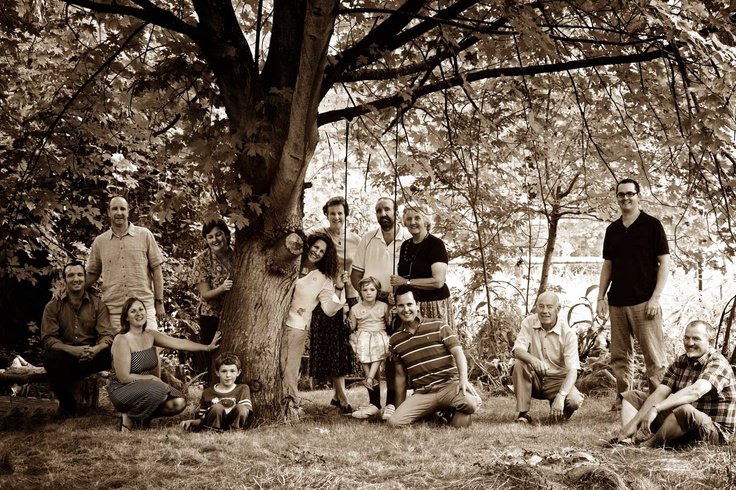
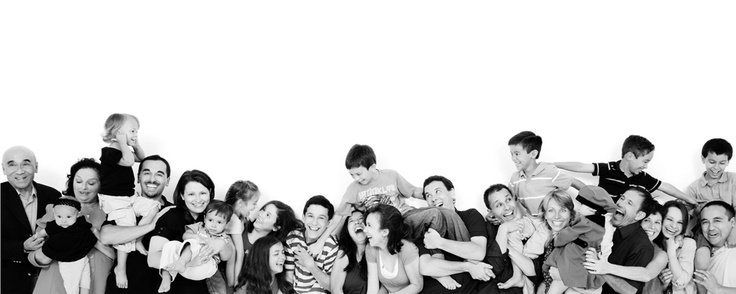
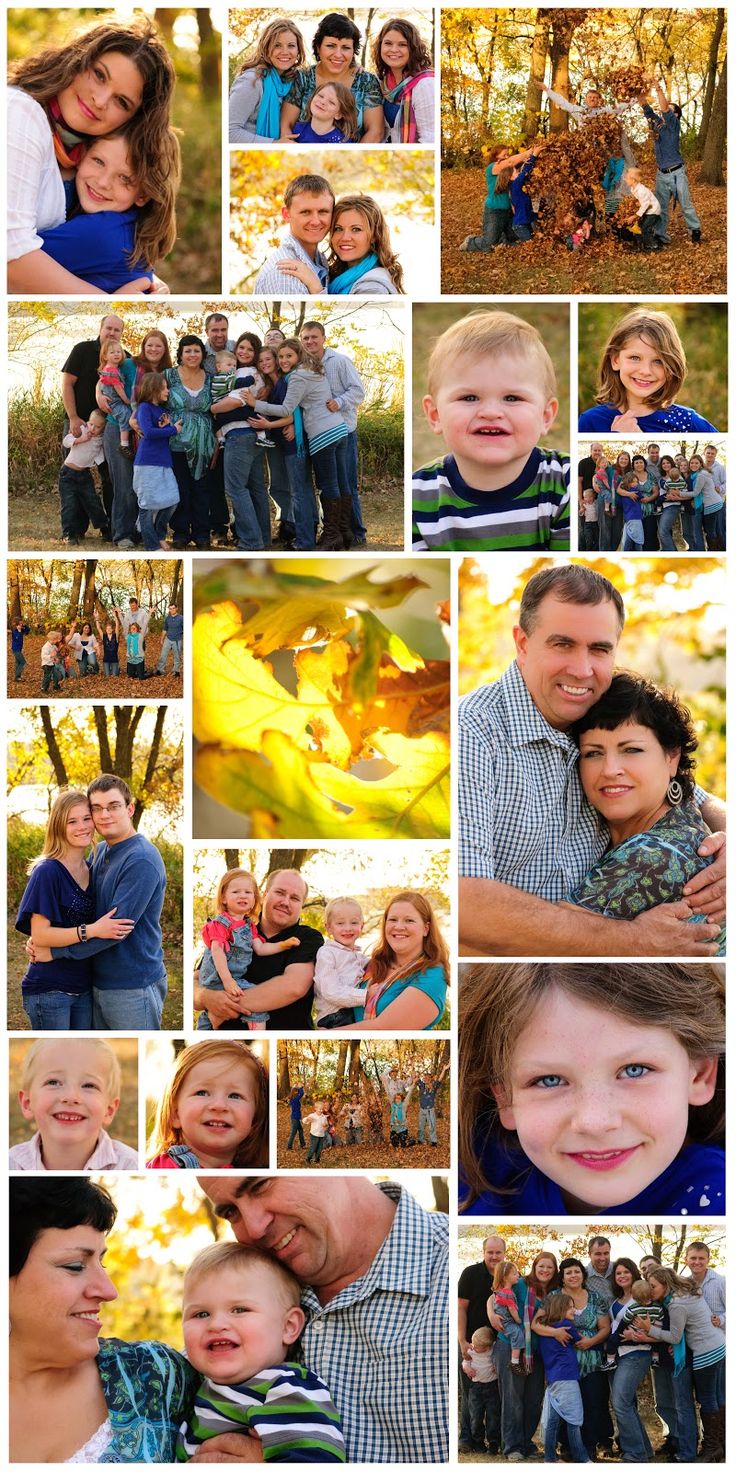
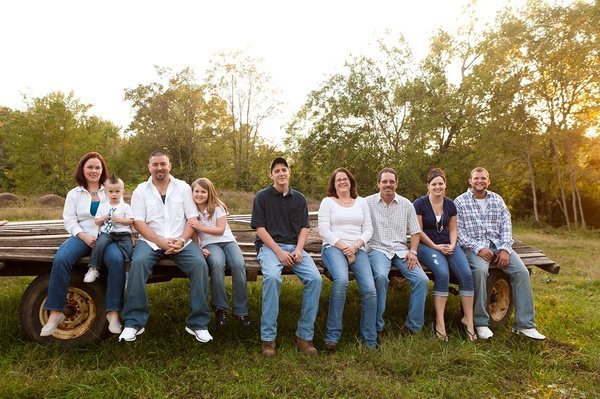
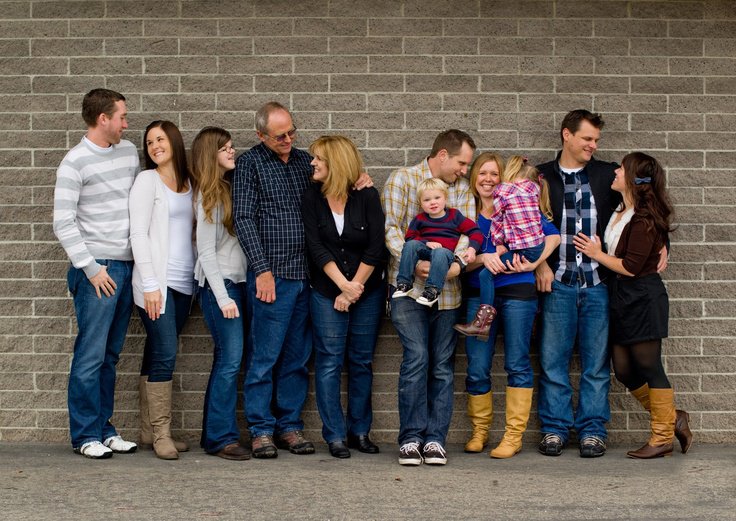
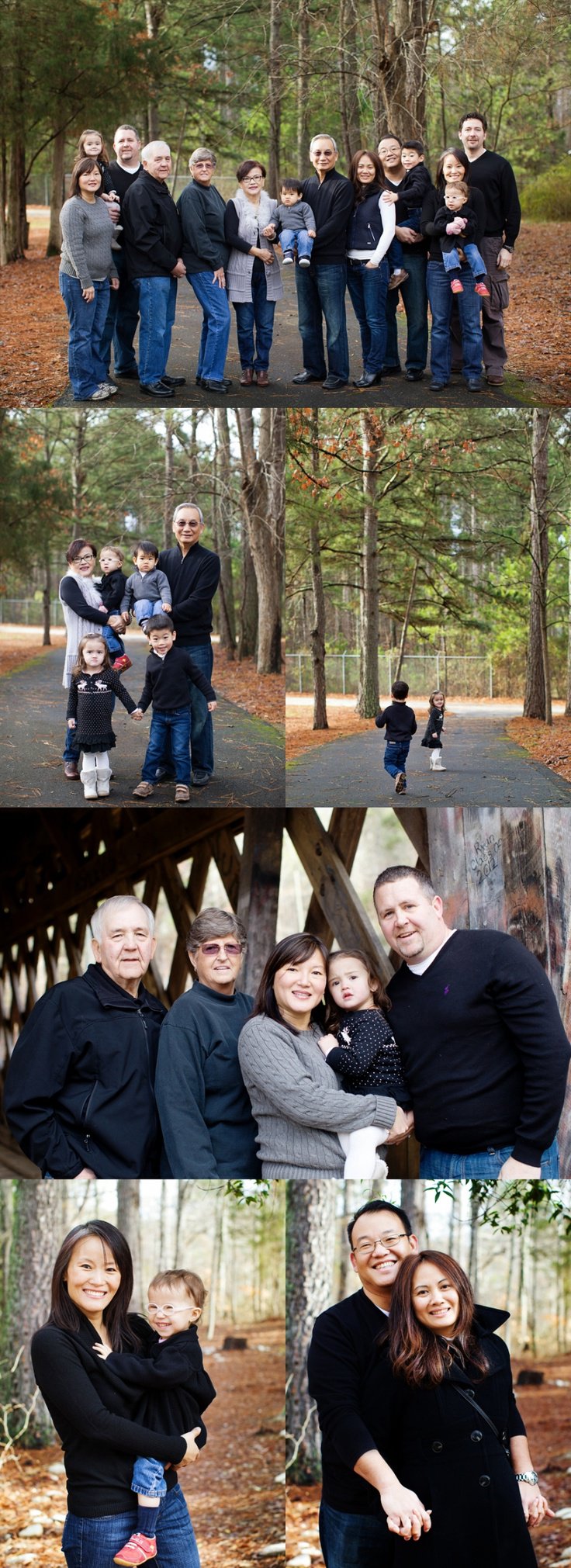
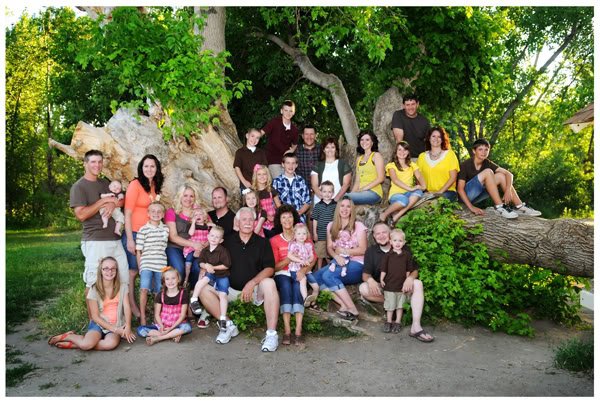
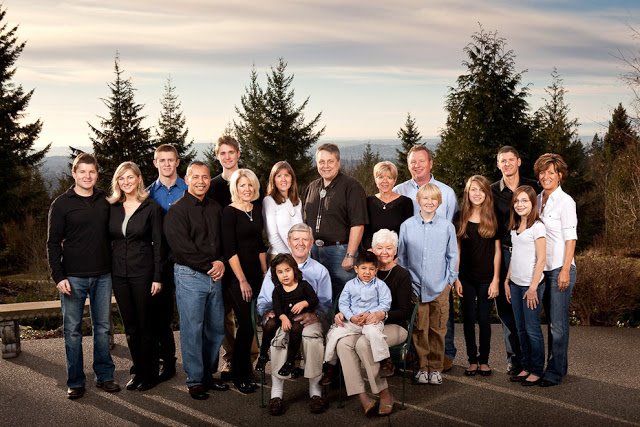
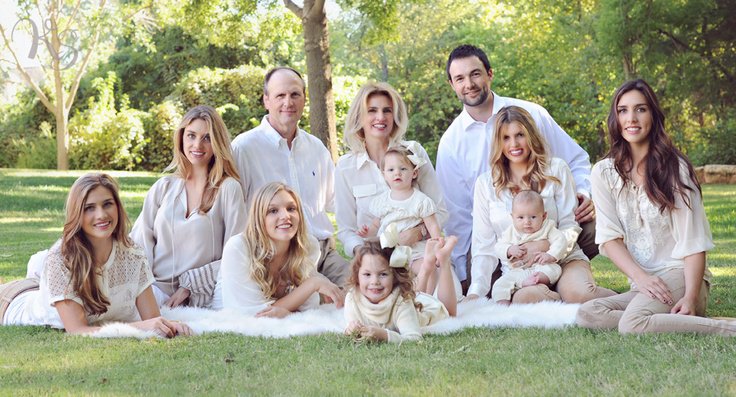
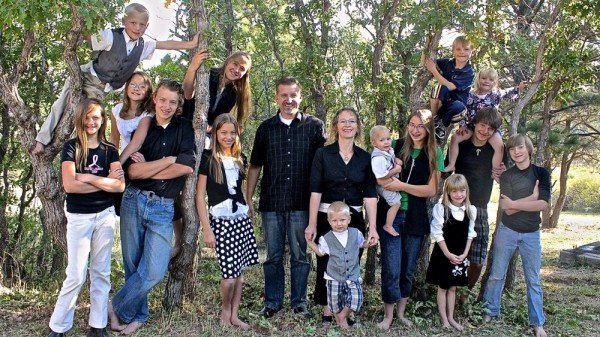
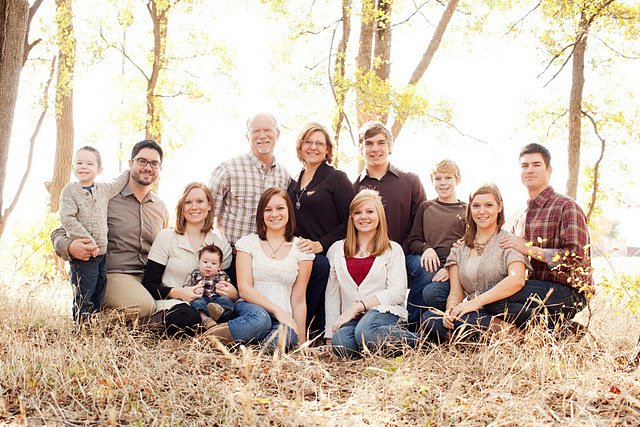
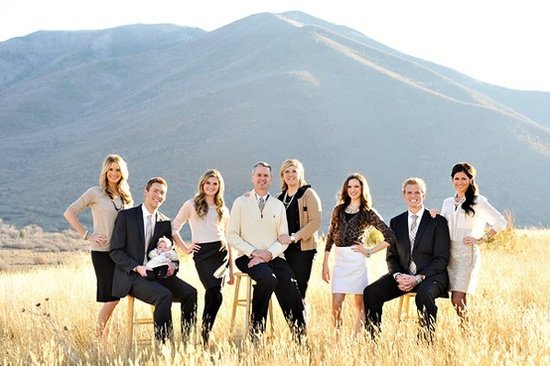
Classic large-group geometry still works because it solves visibility: seated elders in front, standing adults behind, children kneeling or sitting at the edges, tallest people centered or slightly back. Stagger heights so heads form a gentle arc rather than a flat row of floating faces. Angle bodies slightly toward center to close gaps. Leave a little space between shoulders; pressed crowds look tense and make blinking clusters worse when someone sneezes mid-frame.
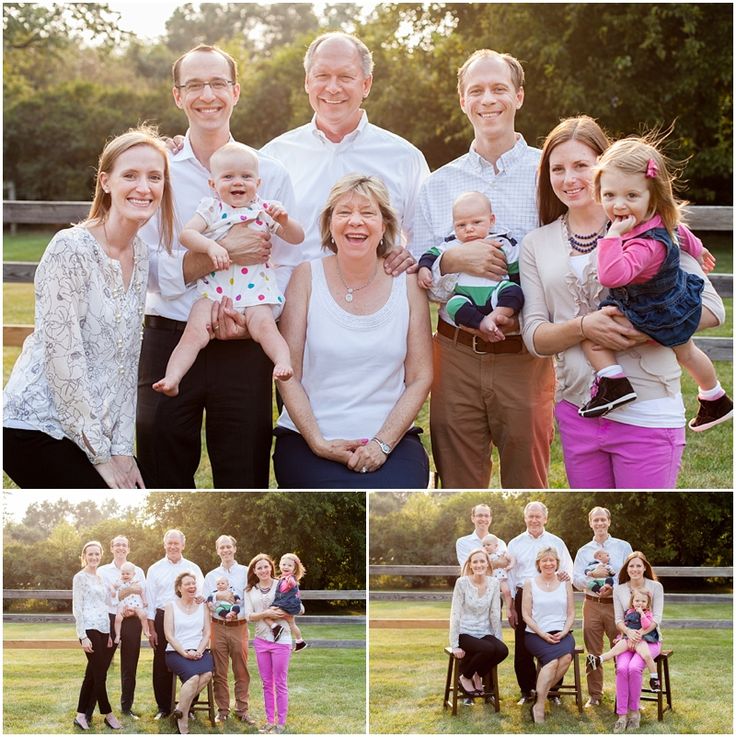
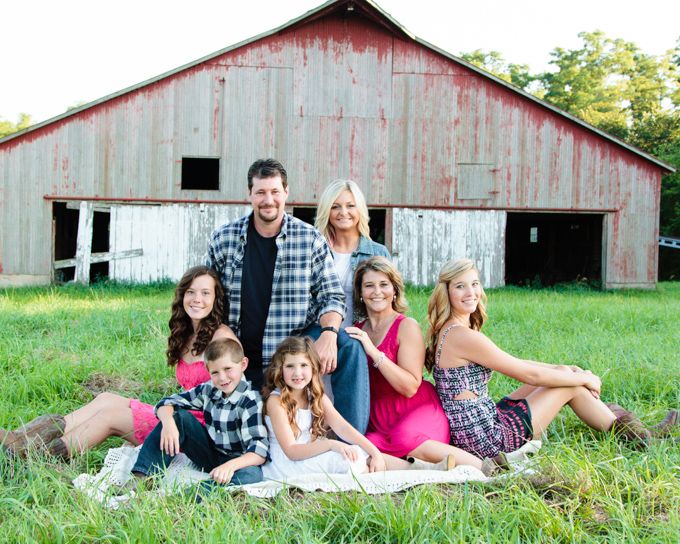
Assign a single caller—photographer or designated relative—who speaks one instruction at a time: “Look here,” “Chin up,” “Hands visible,” “Closer to Maria,” “Kids, eyes on me.” Multiple directors cancel each other out and train children to ignore all adults. Give kids a concrete job—“hold Grandma’s hand,” “put your hand on Dad’s shoulder”—rather than a vague “smile nice.” Concrete jobs occupy restless bodies.
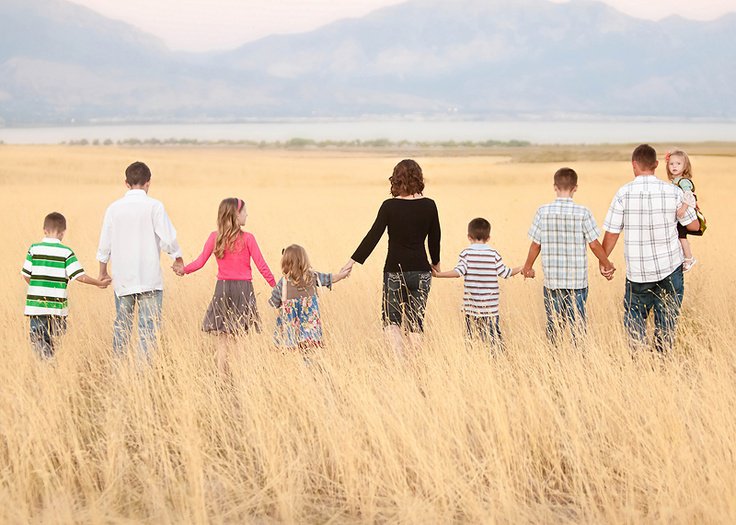
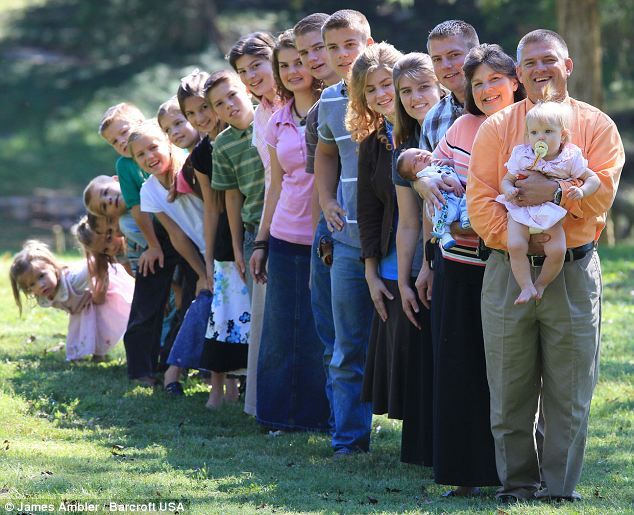
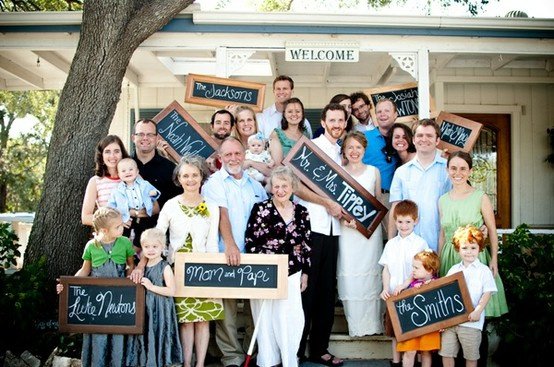
Check the edges of the frame every time you recompose. Large groups grow sideways when late arrivals squeeze in. If the group gets too wide for your lens, build a second row deeper rather than stretching forever left and right. Depth reads as intentional; extreme width often clips elbows and loses intimacy.
Clothing that unifies without uniforms
Agree on a palette ahead of time: soft neutrals, denim and white, deep winter tones, forest and cream, or all earth colors. Full matching outfits can look charming or dated depending on execution; coordinated tones usually age better in albums. Avoid large logos, neon singles that punch a hole in the frame, and one person in a pattern so loud it becomes the subject. Texture—knits, wool, cotton, corduroy—reads well in group shots and hides small wrinkles that flat synthetic fabrics advertise.
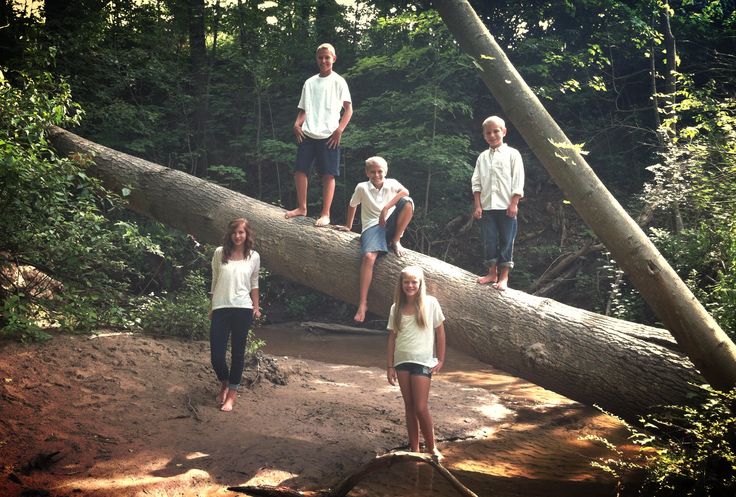
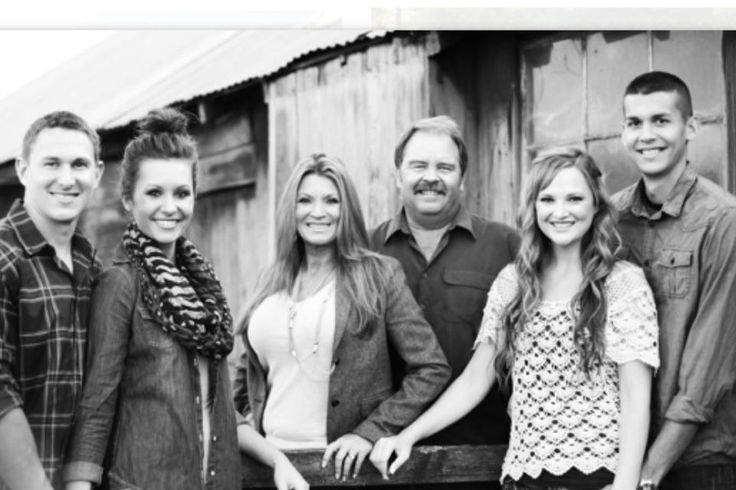
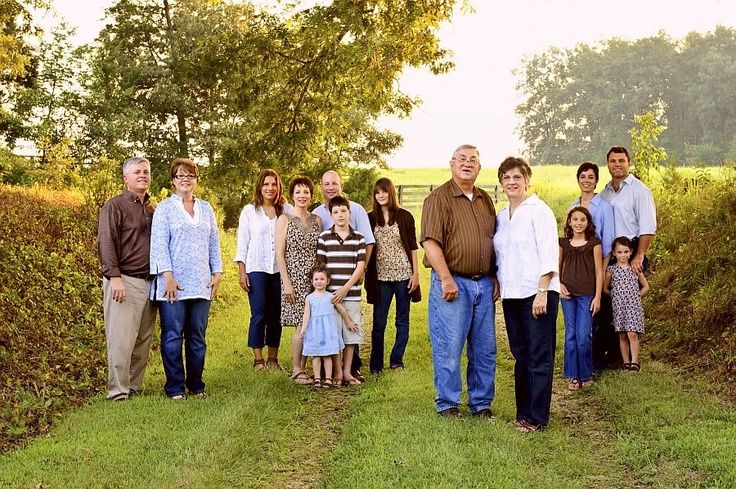
Send a simple guide text with three sample photos and a short do-not list. People cooperate better with examples than with abstract color theory. Offer loaner ties, cardigans, or solid shirts for relatives who arrive in the wrong vibe; a five-dollar thrift fix can save the cohesion of the whole frame.
Sequence the session
- Full group first, while energy and patience are highest.
- Branch groups next—each sibling’s household with grandparents.
- Couples and small kid sets after the big geometry is done.
- Playful frames last, when formality can finally relax.
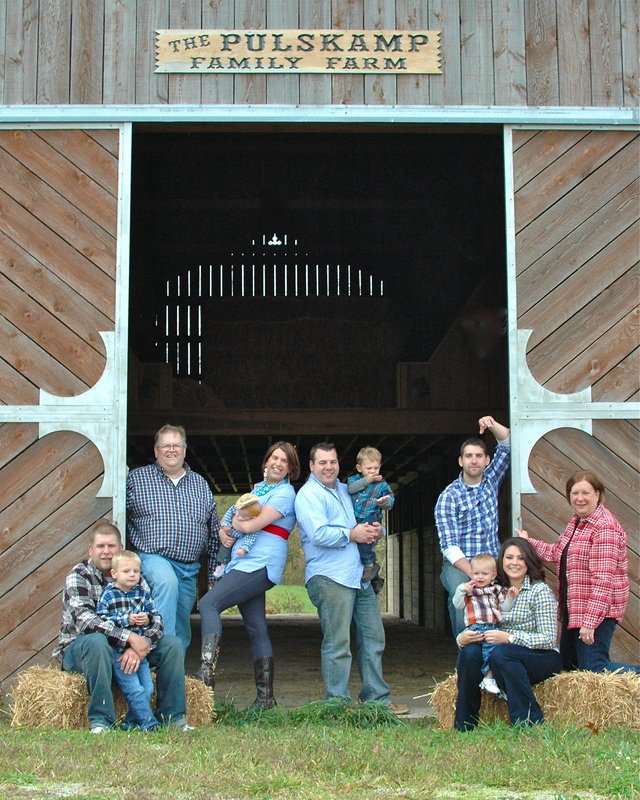
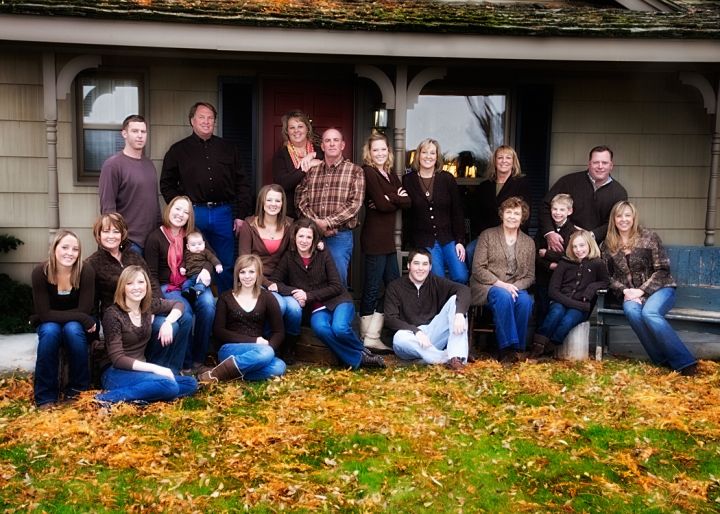
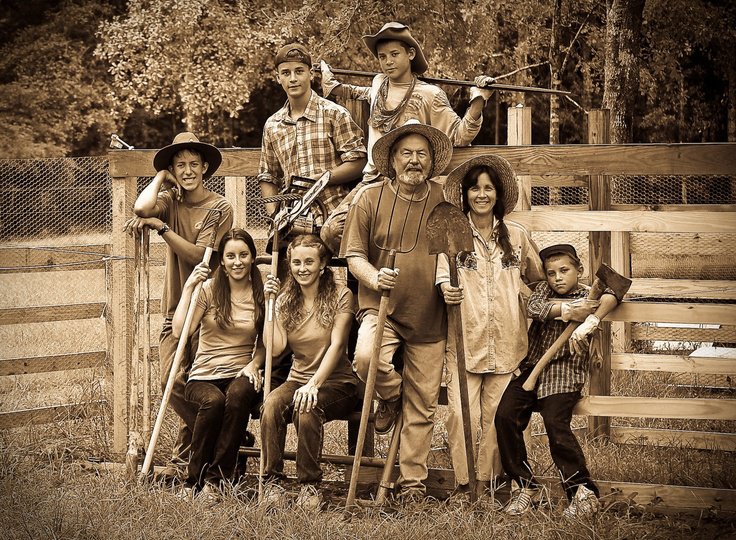
Keep the full-group block short—ten to fifteen focused minutes if possible. Take more frames than you think you need; with twelve or twenty faces, someone is always blinking, talking, or looking at a cousin. A second camera body, or a helper watching the edges for untucked shirts and wandering toddlers, pays for itself in saved retakes.
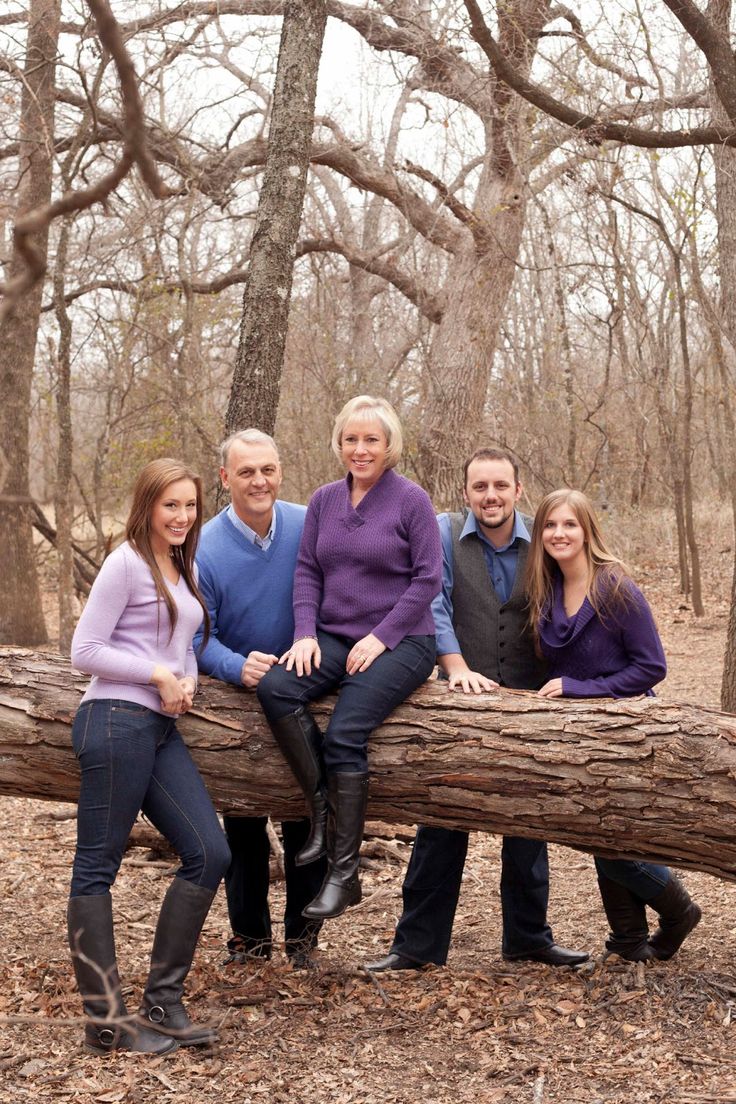
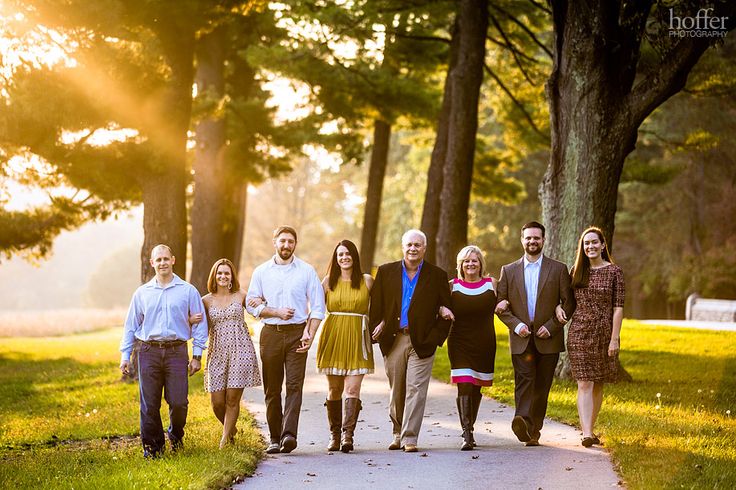
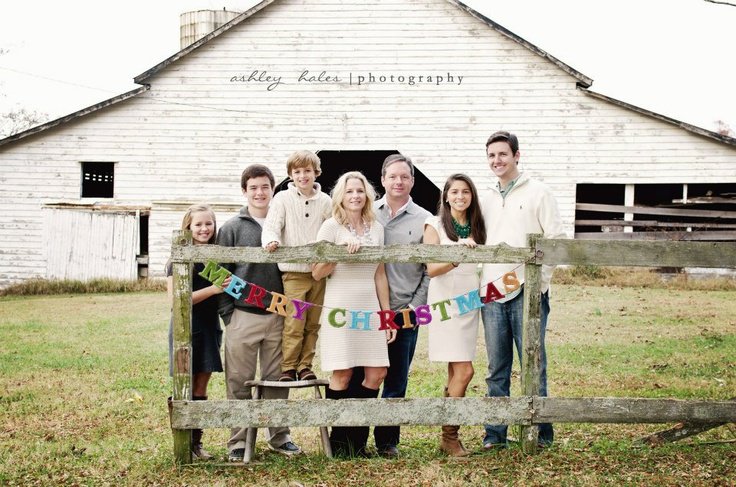
Between setups, do not let the whole crowd disperse to opposite ends of the property. Hold people in a soft holding area nearby so reconstituting the next group takes seconds, not a new search party. That is logistics, and logistics is the craft.
Serious frames and funny ones
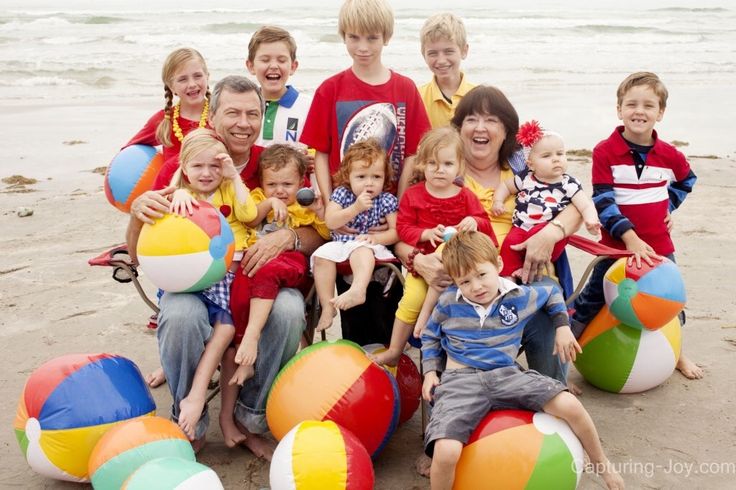
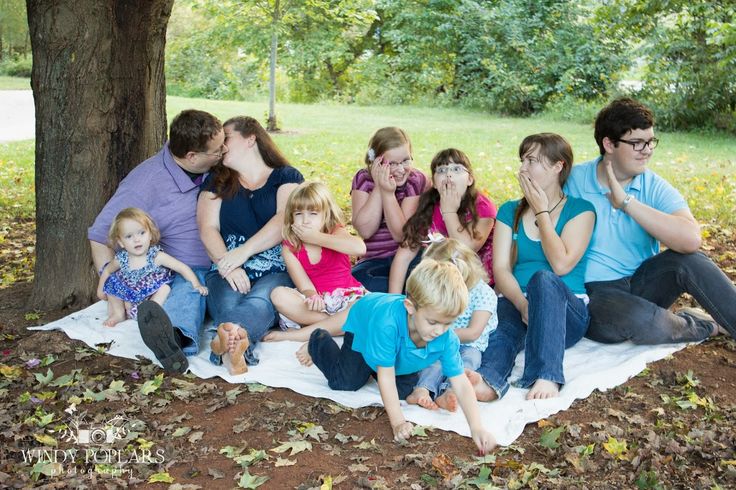
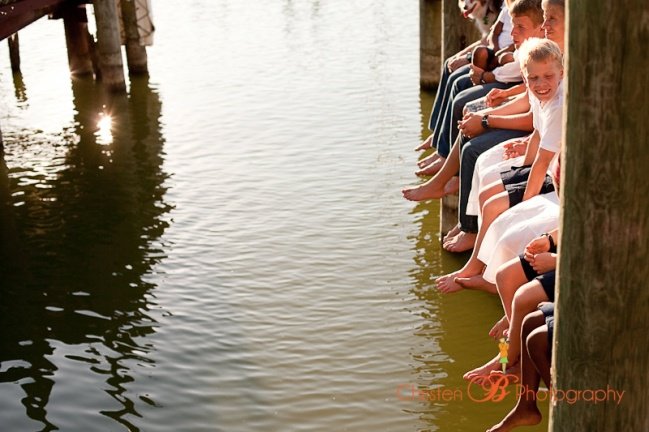
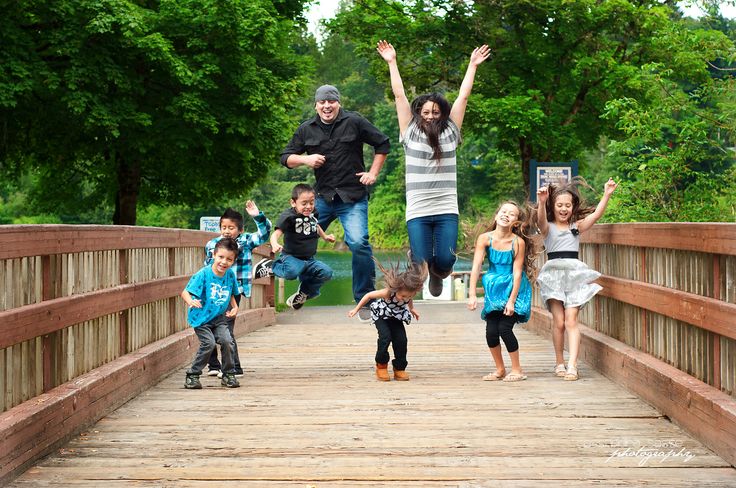
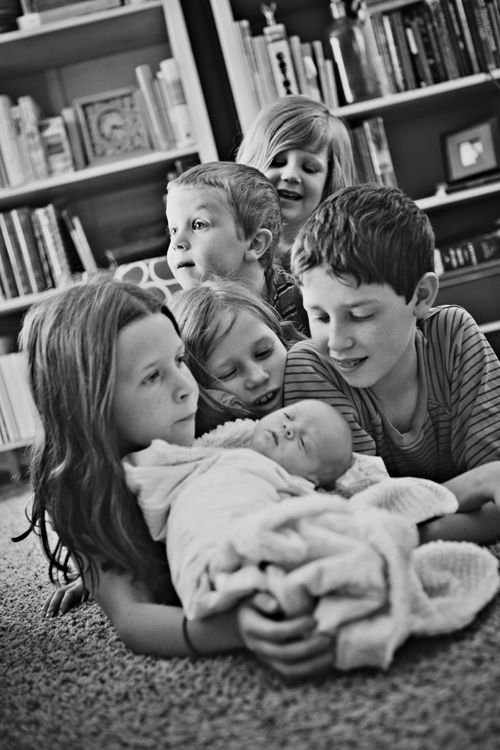
Traditional portraits still matter: they hang on walls, mark years, and travel in obituaries and anniversary posts. Build them first while faces are willing. Then invite humor—stacked hands, a controlled jump if knees allow, a silly-face round, or everyone looking at the newest baby. Funny shots fail when they replace the clean group frame; they succeed as a second chapter that proves the family likes each other.
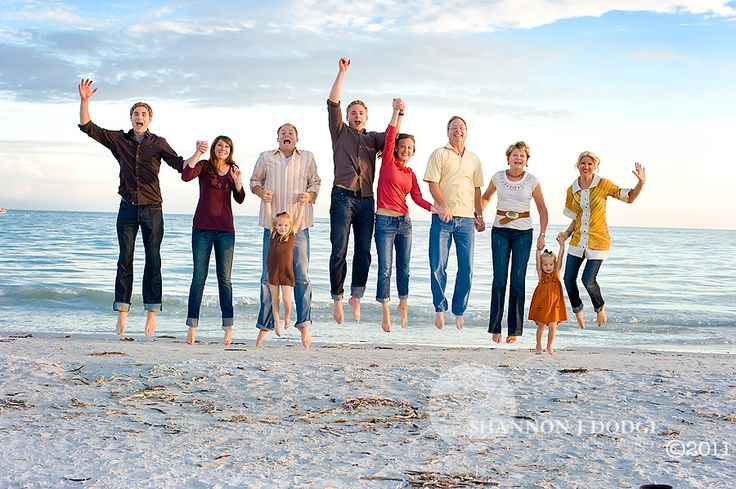
For very large groups, consider slight elevation for the photographer—steps, a low stool, a gentle slope—so rear rows stay visible. Wide lenses help gather people but distort edges; keep key faces away from extreme corners. Indoors, raise ISO carefully, open apertures only moderately so multiple rows stay sharp, and turn off mixed lamps that paint faces orange and green under the same roof.
People management is the craft
Feed children before you start. Warn teens that the shoot is twenty minutes, not two hours of posing torture. Place restless toddlers with a calm adult’s hands on their shoulders. Give elders a chair in the set so they are not standing through every reset. Thank people specifically when a frame works; encouragement keeps cooperation alive longer than barked orders.
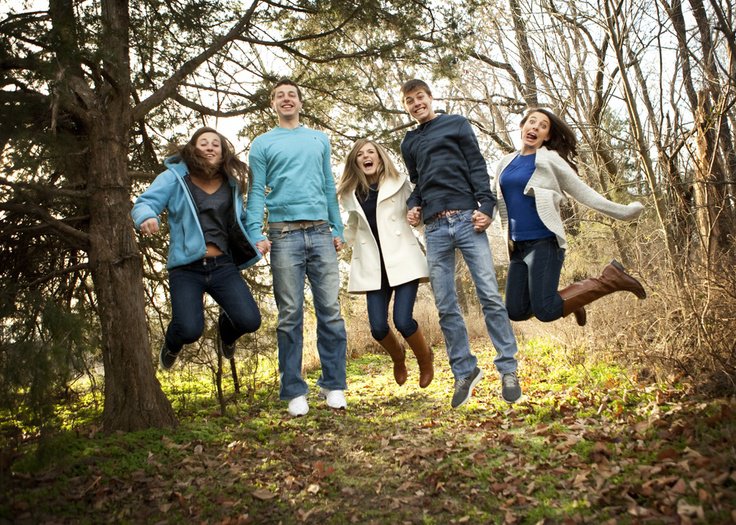
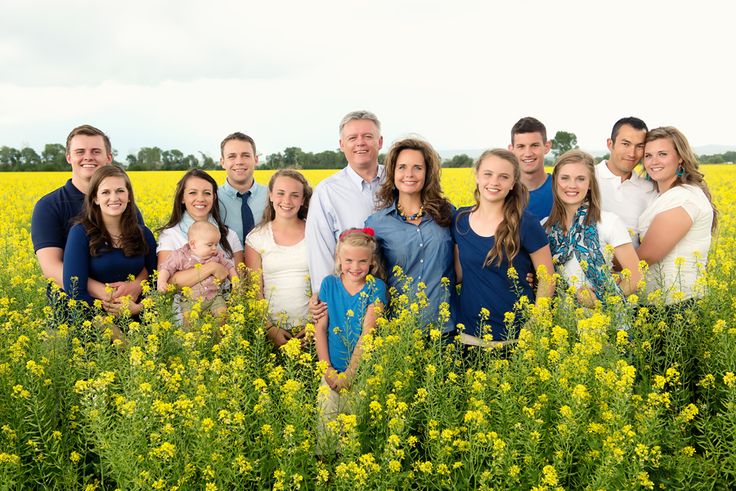
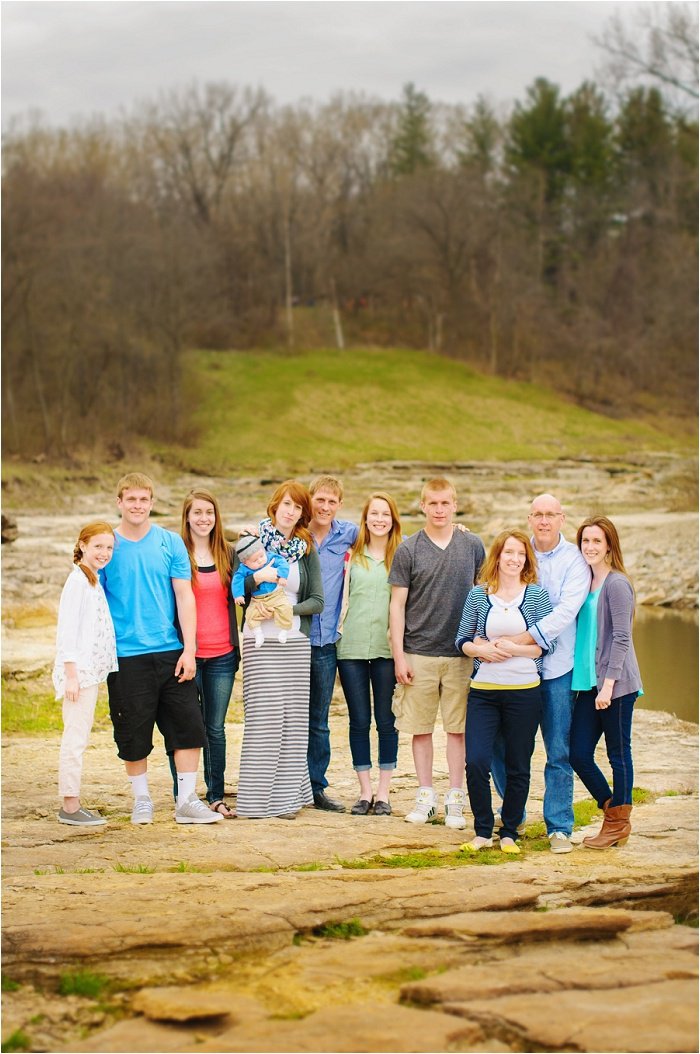
Watch for conflict dynamics. If two relatives should not stand adjacent, seat them with buffers without making a speech about it. Photography is not therapy, but it can avoid becoming a stage for old arguments. Keep the tone light, the instructions short, and the end in sight.
After the session, pick a hero full-group image quickly and share a proof so relatives feel the effort mattered. Archive the rest with names in the file notes while you still remember who stood where. Years later, nobody argues about which cousin blinked in frame fourteen; they care that the day was recorded at all.
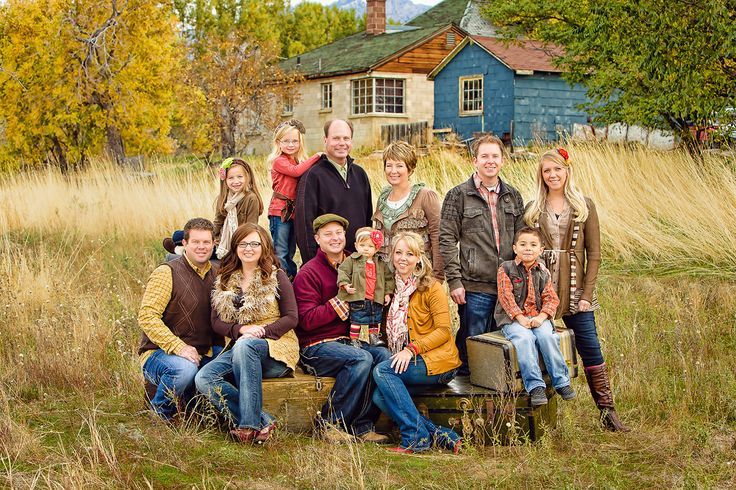

One last practical tip: put the camera down between major setups and let people stretch. A thirty-second break prevents the glazed stares that ruin otherwise perfect formations. Then call them back once, firmly, and finish while goodwill still holds.

Comments
Continue reading

Dramatic Photo Art by Sukron Ma’mun (Ipoenk Graphic)
Cirebon, Indonesia photographer Sukron Ma’mun uses theatrical natural light to frame village life, play, and place in lyrical photo art.

Bird’s-Eye Views: Florian Beaudenon’s Instant Life
Paris photographer Florian Beaudenon’s Instant Life series captures people in their rooms from above—intimate, collaborative overhead portraits of everyday joy.
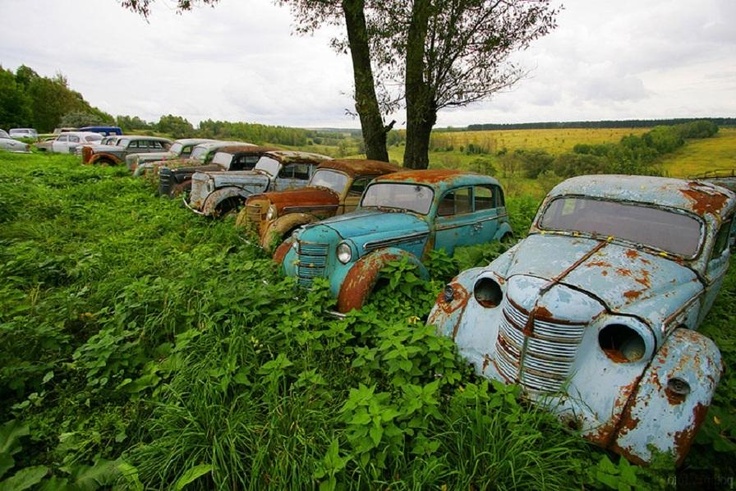
Abandoned Cars Reclaimed by Nature: Rust, Growth, and Quiet Ruin
When neglected vehicles are left outdoors long enough, rust, moss, and trees rewrite them into strange still lifes—sad, photogenic, and slowly returning to the ground.