
Eclectic Living Room Design Ideas That Still Feel Coherent
How to mix vintage and modern in a living room—backbone furniture, color glue, layout, and edits that keep eclectic from becoming clutter.
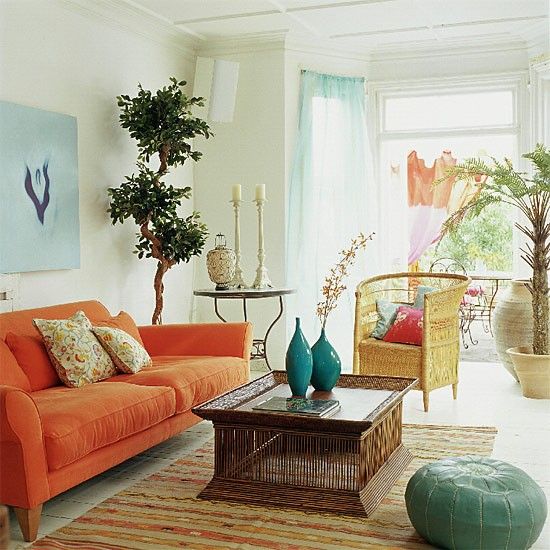
Eclectic living-room design is not a license to pile every thrift-store find into one corner and hope for magic. Done well, it means combining pieces from different eras, cultures, and price points until the room feels personal and coherent—not random. Vintage next to modern, a bold textile beside a quiet sofa, a sculptural lamp against a simple wall: the mix is the point, and restraint is what keeps the mix readable.
If you collect dissimilar furnishings and dislike matching “sets,” eclectic style is a practical language for making those collections look intentional. The living room is the hardest and best place to practice it, because it must host conversation, television, guests, pets, and daily sprawl without collapsing into visual noise.
What “eclectic” actually means here
In interiors, eclectic usually means curated contrast. Items may look unrelated at first glance—mid-century wood beside a contemporary metal table, a folk textile near a minimalist sofa—yet shared connections pull them into one composition. Those connections can be color, scale, material, silhouette, or mood. Without at least one strong link, “eclectic” slides into clutter.
Professional examples often look effortless because editors and designers enforce quiet rules behind the scenes: a limited palette with a few accents, repeating wood tones, consistent metal finishes, or a rhythm of tall and low pieces. Your own room can borrow the same discipline without hiring a design team.
Start with a calm backbone
Eclectic rooms need an anchor that does not compete with every accent. Common backbones include:
- A simple sofa in a solid, livable color
- Neutral walls or a soft, continuous wall treatment
- One large rug that defines the conversation zone
- Window treatments that frame light instead of shouting pattern
Once that backbone is quiet, louder pieces—patterned chairs, art, vintage cabinets, travel finds—have somewhere to land. If every surface fights for attention, no object wins. Think of the sofa and rug as the stage; everything else is casting.
Mix eras without making a museum
A useful rule of thumb is to let one period lead and others support. For example, a contemporary seating group can host one or two distinctly vintage pieces—a brass bar cart, a carved side table, a mid-century lounge chair—without turning the room into a timeline exhibit. Reverse the formula if you prefer: a vintage sofa with modern lighting and a clean coffee table.
Avoid equal quantities of every style at once. Three strong eras fighting in equal volume usually reads as indecision. Two or three well-chosen contrasts are richer than ten half-committed ones.
Scale bridging helps eras coexist. A chunky antique chest can sit beside a slim modern lamp if both share height logic or material warmth. A tiny delicate side table next to a massive sectional often looks accidental unless something else mediates—stacked books, a plant, or a lamp that visually stitches the heights together.
Color and pattern: the glue
Color is the fastest coherence tool in an eclectic living room. Pick a short palette—say two neutrals plus two accents—and let most objects obey it, even when shapes differ wildly. A patterned pillow can echo a painting’s green; a ceramic vase can pick up the rust in a kilim. Suddenly unrelated forms feel related.
Pattern needs breathing room. If the rug is busy, keep large upholstery quieter. If the sofa wears a bold fabric, calm the walls and choose simpler art frames. Stripe, floral, geometric, and solid can live together when they share color family and when at least one surface stays visually quiet.
Black, brass, wood, or a repeated warm white can act as “through-lines” that travel from lamp to frame to table leg. Those repeats are invisible to casual guests and obvious to anyone who designs rooms: they are why professional eclectic interiors look collected rather than chaotic.
Furniture layout that still works for living
Style fails if conversation fails. Arrange seating so people can face one another without shouting across a football-field coffee table. Leave walkways around the main path from entry to windows or kitchen. Float the sofa if the room allows; eclectic collections often look better when furniture forms a clear island instead of hugging every wall like a waiting room.
Layer heights: low coffee table, mid-height seating, taller lamps or plants, then art or shelves at eye level. Flat rooms feel unfinished even when objects are interesting. A tall bookcase, a leaning mirror, or a substantial plant can give the mix vertical grammar.
Storage is not anti-eclectic. Baskets, closed cabinets, and a single handsome sideboard keep remote controls and life debris from shredding the composition. Eclectic style celebrates objects you chose—not the pile you forgot to put away.
Materials that talk to each other
Wood, metal, glass, stone, ceramic, and textile can all appear in one living room if you limit the cast. Two woods that clash in undertone (orange oak next to pink mahogany, for example) can be calmed by a shared finish sheen or by separating them with a neutral. Mixing metals works when one finish leads—say mostly blackened steel with a little brass—rather than equal chrome, gold, and copper everywhere.
Texture is your friend when color is restrained. Linen, bouclé, worn leather, nubby wool, and smooth lacquer can create richness without adding more hues. Run a hand across the room in your mind: if every surface feels the same, the eclectic mix may still look flat in photographs and in person.
Art, objects, and the danger of souvenir overload
Travel finds and inherited pieces give eclectic rooms soul, but they need editing. Group small objects into intentional clusters instead of scattering them across every horizontal surface. A tray on a coffee table can corral a candle, a small sculpture, and a stack of books into one composition. Shelves look better with rhythm—books, object, negative space—than with continuous clutter.
Art can unify a room faster than another side table. A large painting or a calm gallery wall with consistent framing can absorb stylistic differences below it. If frames themselves become a chaotic collection, either embrace that as a theme or standardize mats and finishes so the art, not the framing shop history, leads.
A simple process you can actually follow
- Clear and photograph the empty or nearly empty room so you see light and proportion without noise.
- Choose the backbone—sofa, rug, wall color—before shopping for accents.
- Select two contrast partners (for example, one vintage wood piece and one modern metal/glass piece).
- Lock a short palette and test fabrics, art, and pillows against it in daylight.
- Edit ruthlessly. Remove anything that does not share color, material, or mood with the plan—even if you like it alone.
- Live with the room for a week before buying more. Eclectic style improves with pause.
Common mistakes (and quick fixes)
- Too many heroes. Fix: demote some pieces—quieter slipcovers, simpler lampshades, fewer patterned pillows.
- No shared palette. Fix: add throws, art, or a rug that borrows colors from existing favorites.
- Matchy furniture sets with random décor. Fix: break the set—swap one table or chair for a contrasting piece so the room feels chosen.
- Ignoring lighting. Fix: combine overhead light with lamps at different heights; eclectic rooms need pools of light, not a single harsh ceiling glare.
- Buying “eclectic” as a trend kit. Fix: start from objects you already love, then fill gaps. Personal history beats catalog kitsch.
Look back at the living-room image on this page and name the connectors: which colors repeat, which materials echo, where the eye rests. Those connectors are the real design idea. When your own mix uses the same kind of quiet logic, dissimilar pieces stop arguing and start belonging to one room—with enough personality left over that no catalog set could replace it.

Comments
Continue reading
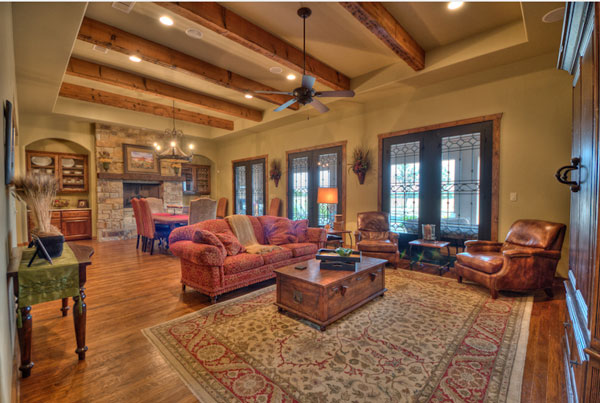
13 Living Room Design Ideas for Layout, Color, and Everyday Comfort
Thirteen living room ideas—from conversation layouts and focal walls to small-space plans and durable family rooms—to help you shape a space that looks intentional and works daily.

Garden Decoration Beyond Beds: Lace, Mosaiculture, and Upcycled Yard Art
From dressed topiary and floral cyclists to license-plate dragonflies and lace between trees—garden decorations that give a yard a voice.
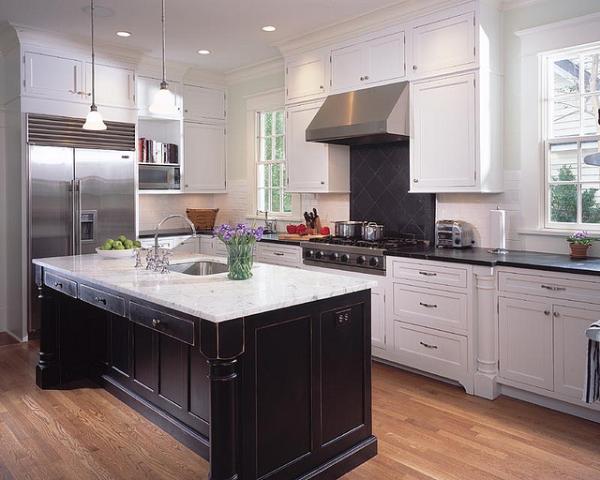
Kitchen Design Ideas: Layout, Storage, Light, and Finishes That Work
Practical kitchen design ideas—work zones, cabinetry, lighting, and durable finishes—so inspiration translates into rooms that cook and gather well.