
Little Monster and Flowers: Kerstin Hiestermann’s Spielkkind Art
German artist Kerstin Hiestermann (Spielkkind) stages floral adventures for a hand-drawn little monster—playful Instagram collage from petals, leaves, and mischief.
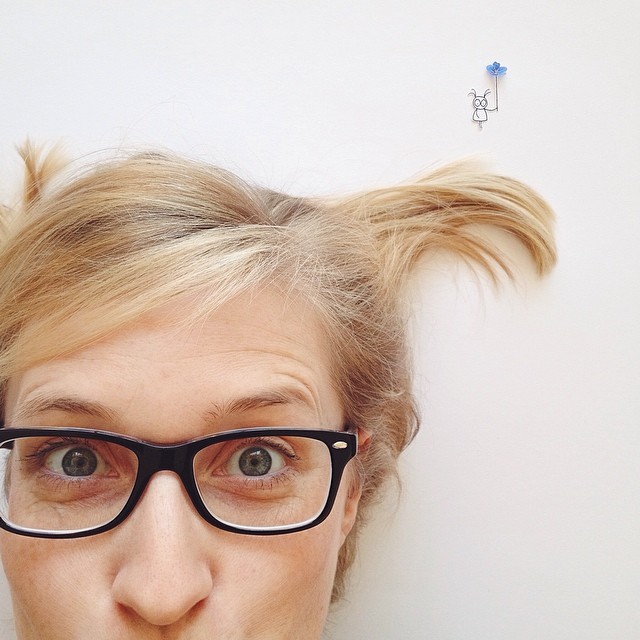
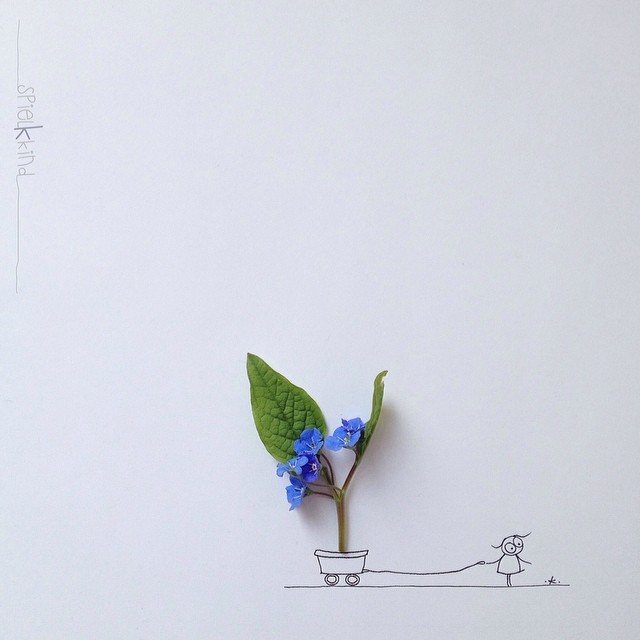
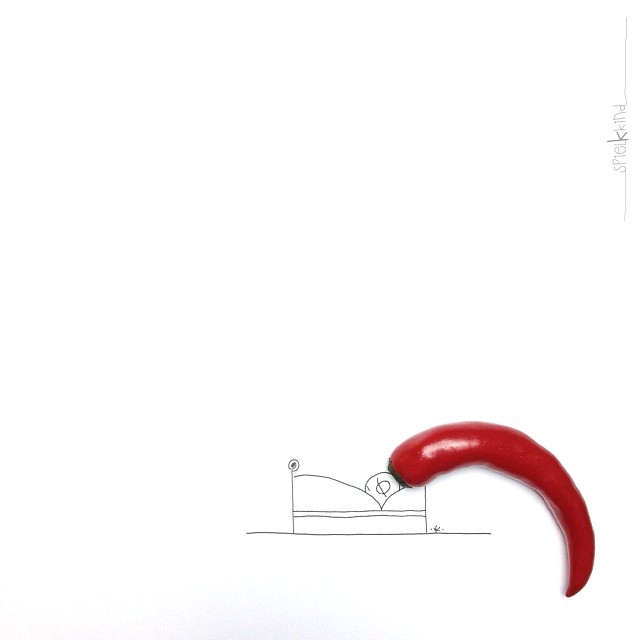
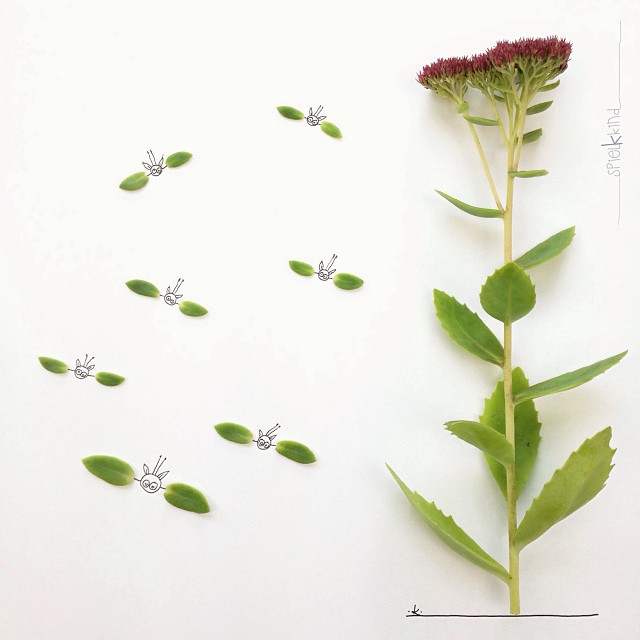
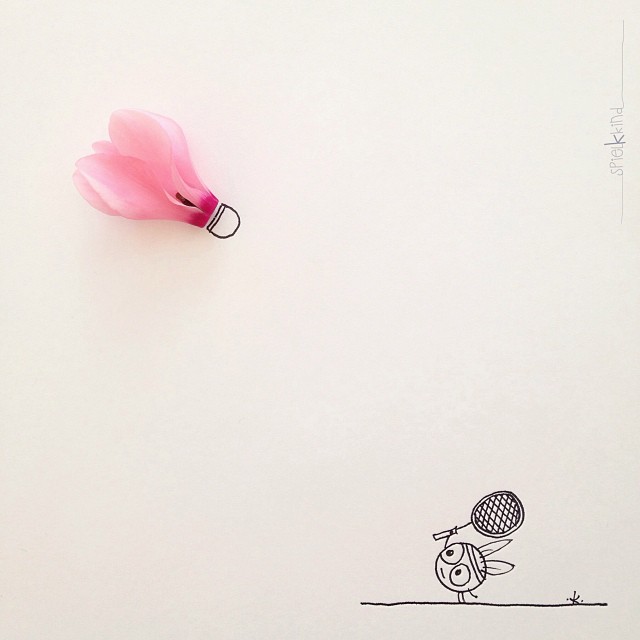
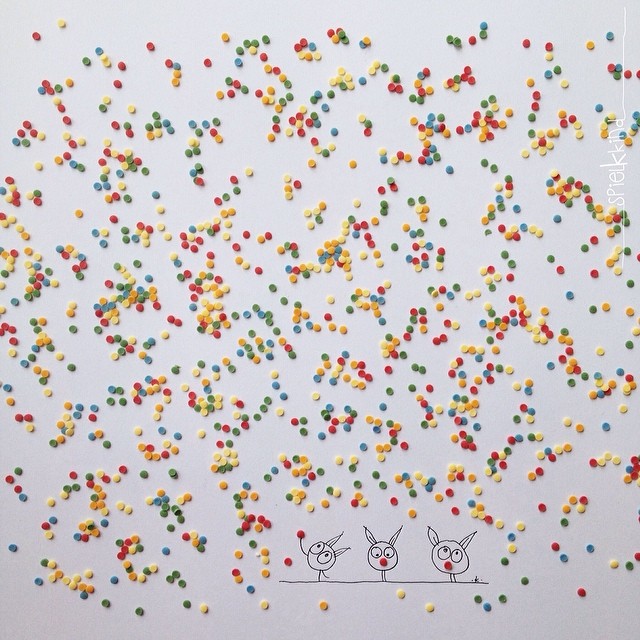
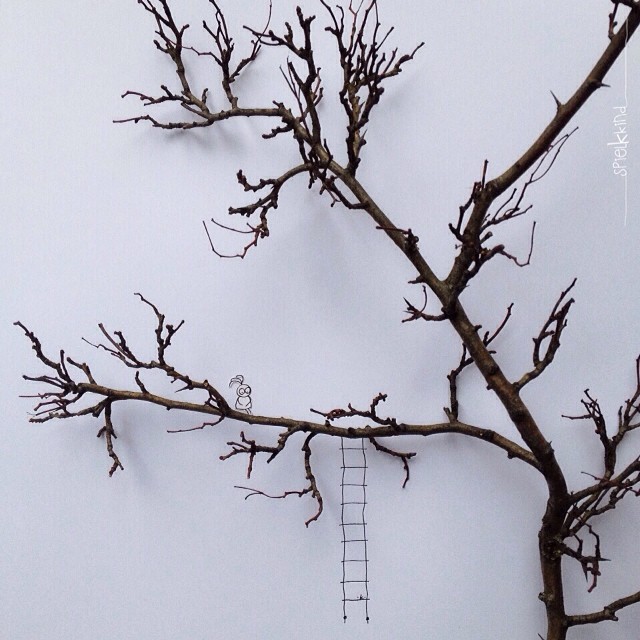
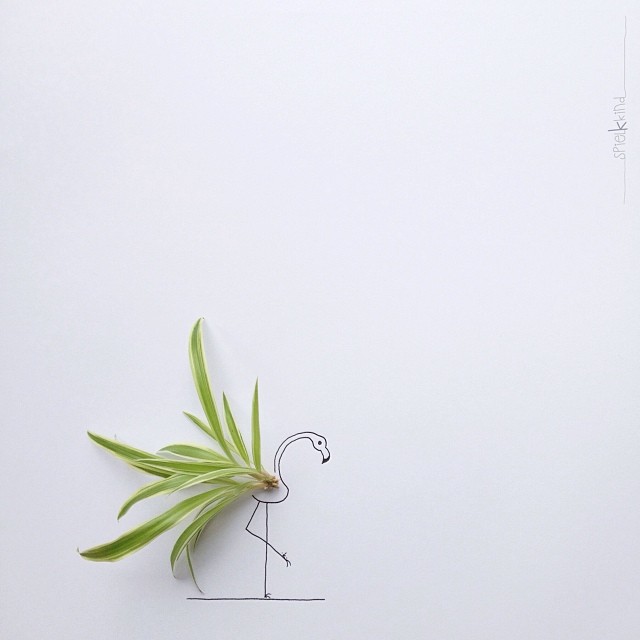
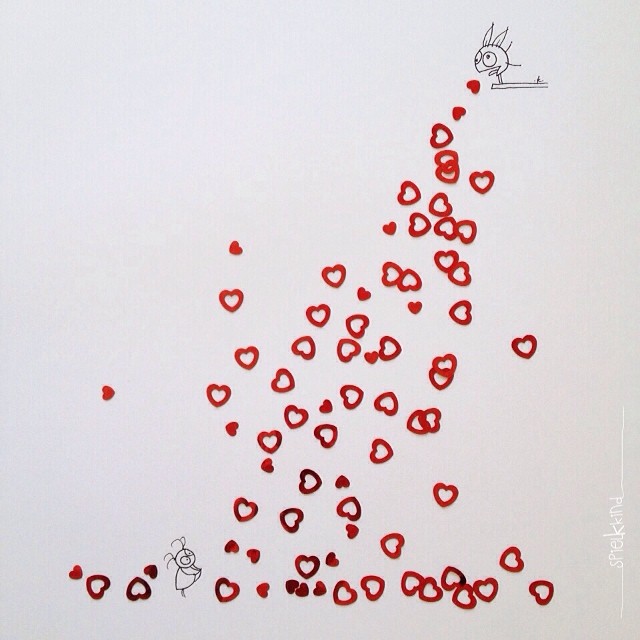
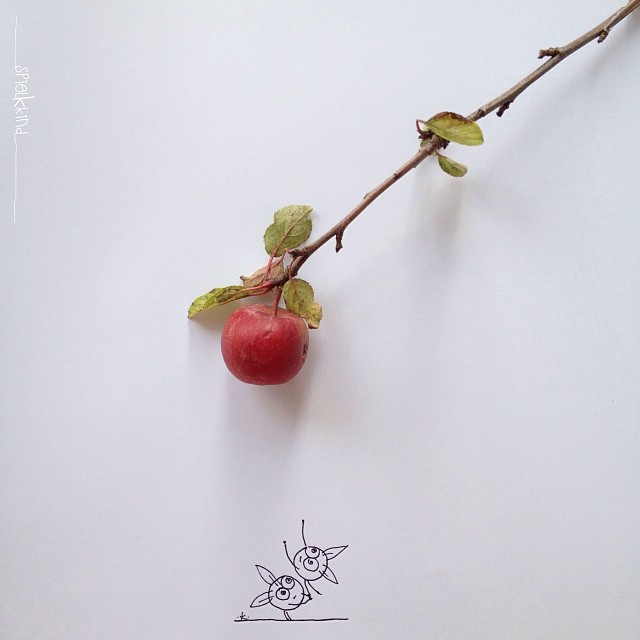
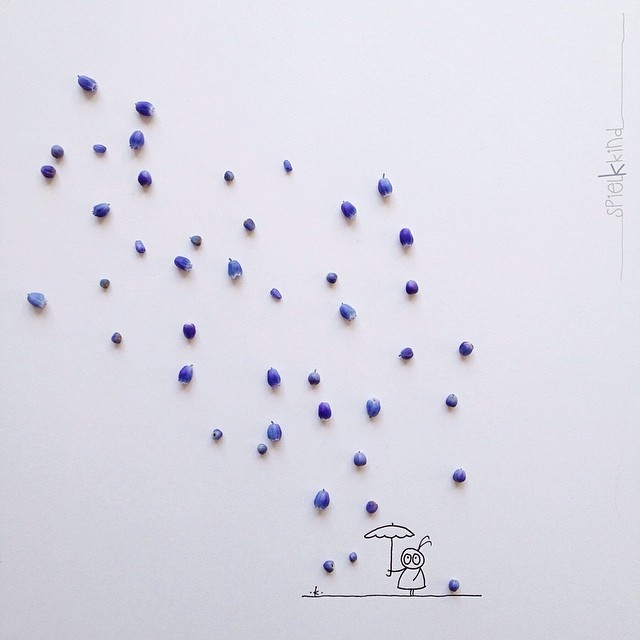
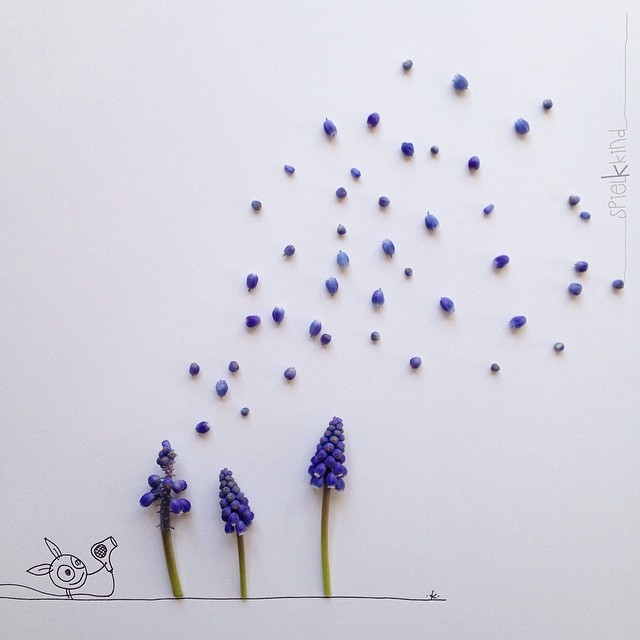
Not every Instagram feed is food, travel, or selfies. Some artists treat the platform as a portable gallery wall. German artist Kerstin Hiestermann—also known as Spielkkind and, in earlier online circles, Khiesti—belongs to that second group. Working near Hannover as a teacher and mother of three, she builds tiny narratives from petals, leaves, fruit, buttons, driftwood, and a recurring hand-drawn character: a mischievous little monster who wanders through floral stages as if nature were a comic strip waiting for its punch line.
Hiestermann has said that the child in her is still alive. The pictures make that claim visible. They are gentle, funny, and meticulously observed—minimal means, maximum story. This gallery gathers those floral adventures: blooms as architecture, stems as scaffolding, and one crooked grin that turns a still life into an episode.
Spielkkind: play as a working method
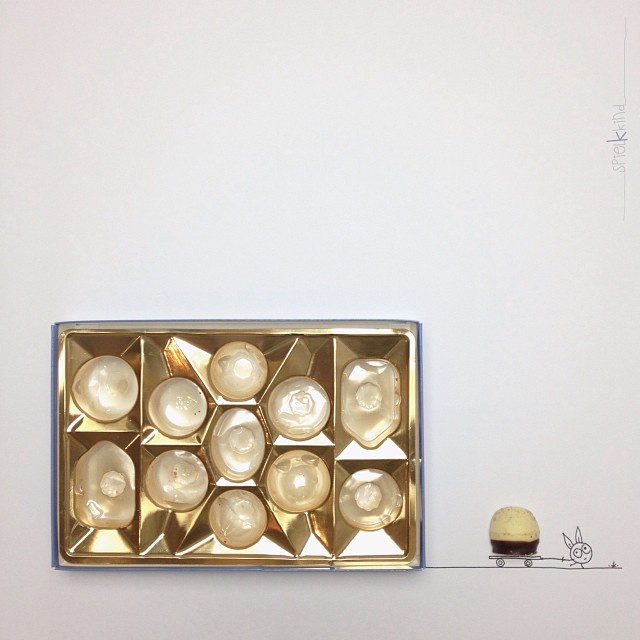
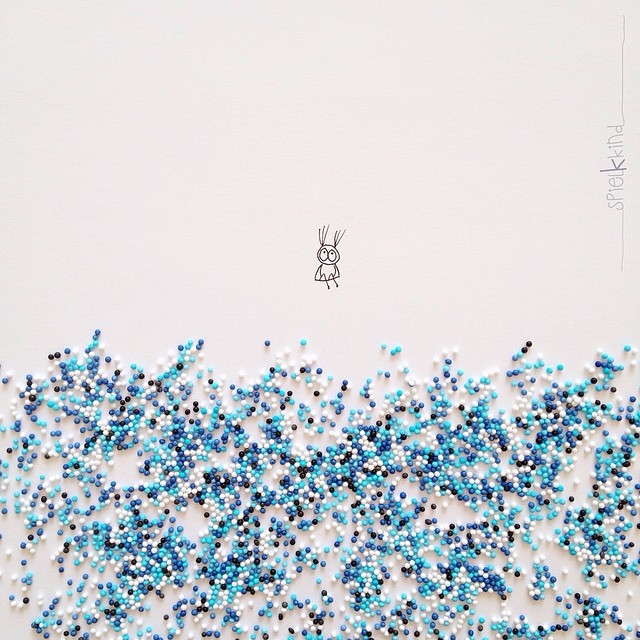
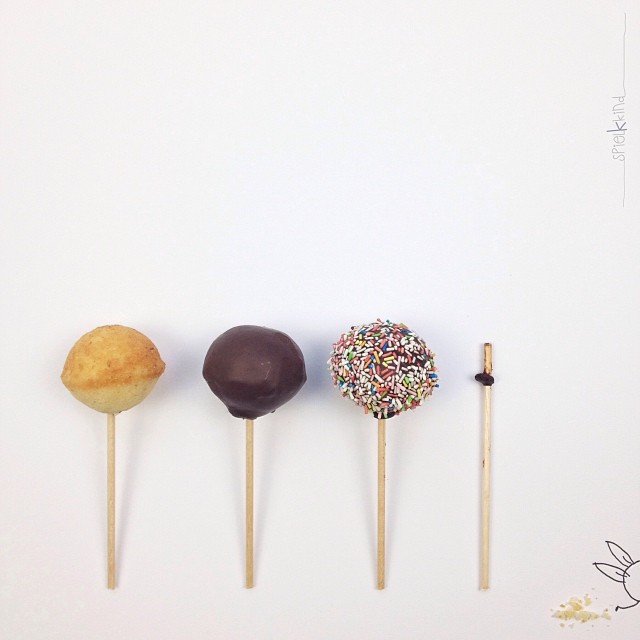
The name Spielkkind points to playfulness as practice, not as branding fluff. Hiestermann gathers small natural finds and everyday leftovers, then asks what character or scene they already suggest. A leaf becomes a boat. A blossom becomes a hat. A missing strawberry becomes evidence of a crime the monster will not confess. The drawing is spare—long ears, small horns, large eyes, a crooked grin—yet that spareness is why the objects stay themselves. You never forget you are looking at a real flower; the monster simply moved in for the afternoon.
She has described the little monster as the embodiment of childish mischief in her—the element that turns a minimal still life into a story. That confession matters for reading the gallery. These are not botanical illustrations aiming at scientific accuracy, and they are not polished character designs for a toy line. They are doodles with stakes: who ate the berry, who hides behind the petal, who befriends a stick. Humor arrives without cruelty. The plant is never destroyed for the gag; it is cast as co-star.
Training the eye comes first. Public notes about her process emphasize seeing funny stories inside natural and man-made finds before the pen arrives. Four pink buttons can become four little pigs. Driftwood can become a creature. One leaf can hold a whole mood. Instagram’s square frame suits that economy: one joke, one stage, one soft punch line that lands even if you mute the caption.
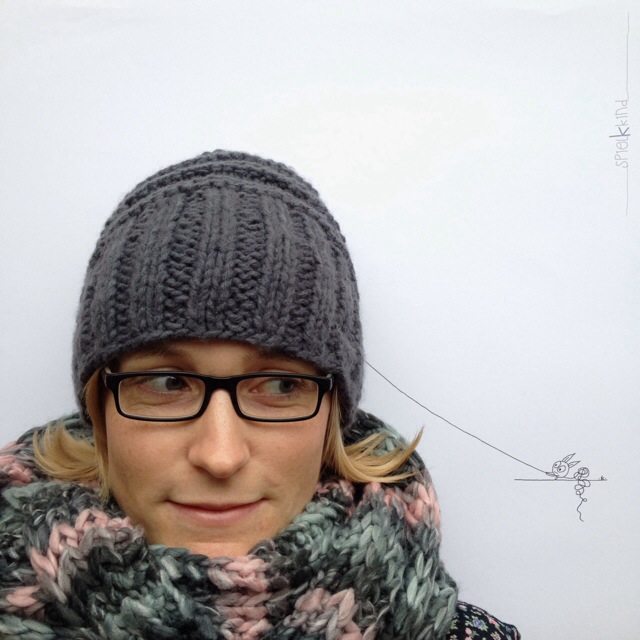
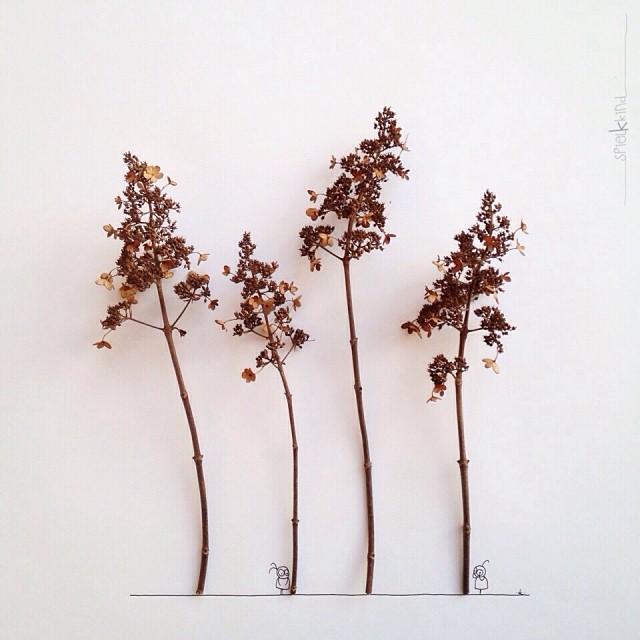
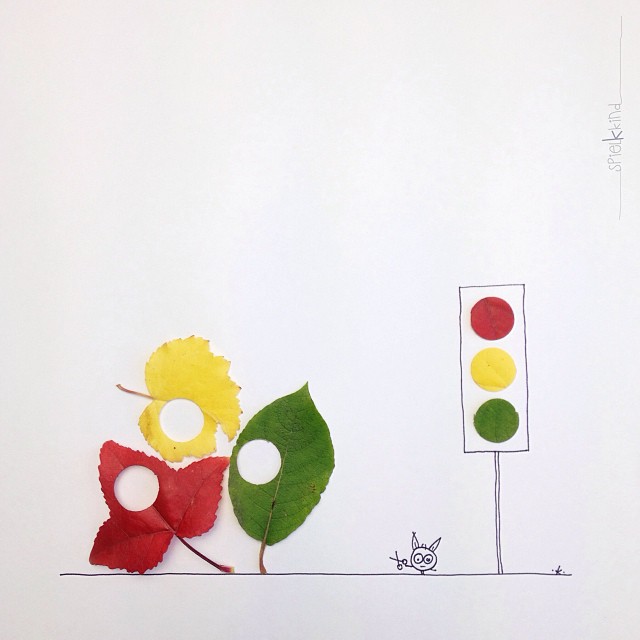
Flowers as stage sets
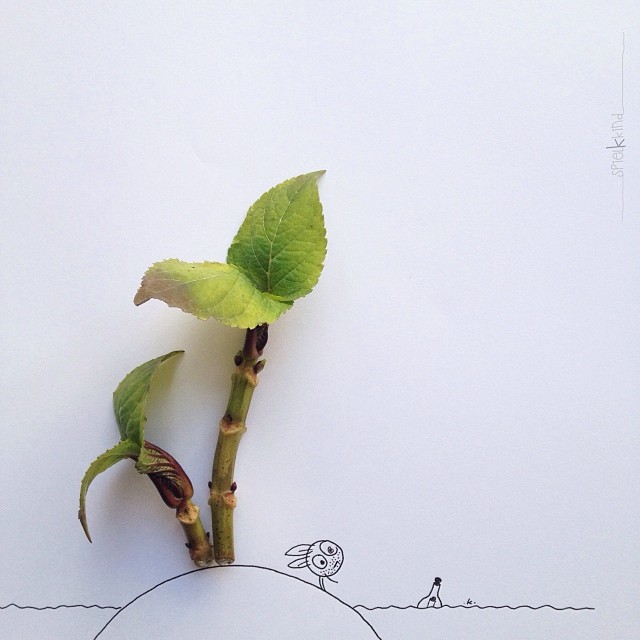
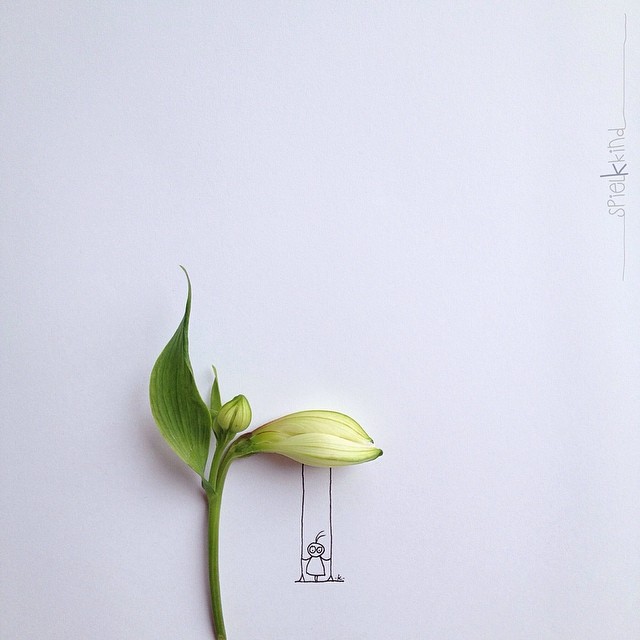
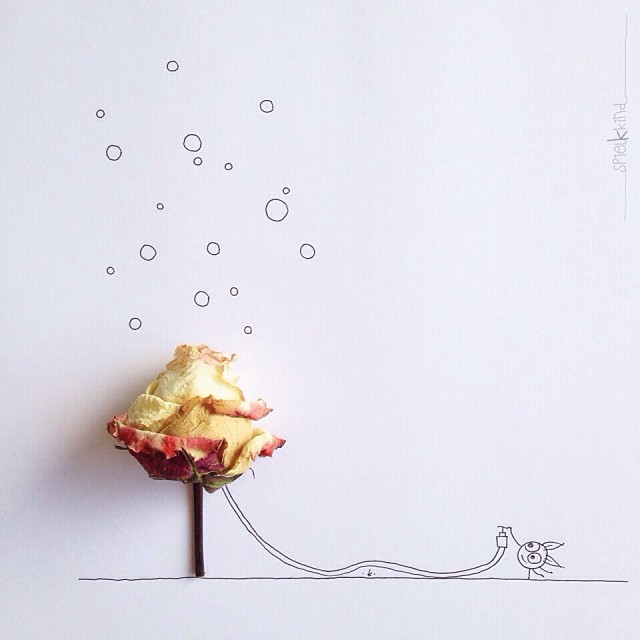
Florals dominate many of the strongest frames. Petals supply color fields; stems supply architecture; seed heads supply texture. Against a quiet background, a single bloom can look monumental. The monster’s line drawing scales down to companion size, so the flower remains the celebrity and the character remains the sidekick—or the saboteur with jam on its mouth. That hierarchy keeps the work from tipping into sticker-over-photo kitsch. The drawing respects the photograph of the plant.
Contours answer petal edges. Gestures answer the tilt of a stem. When the monster leans, climbs, or peeks, the plant’s real geometry decides what is possible. Collaboration between found object and invented creature is the craft. Remove either half and the joke collapses: a flower alone is lovely; a doodle alone is cute; together they invent a world the size of a saucer.
Seasonality sneaks in without a calendar caption. Spring blossoms feel celebratory; autumn leaves feel like travel props; winter scraps feel like survival theater. Followers who saw the work circulate widely around 2013–2014 encountered it as an antidote to harder, louder feeds: small humor, soft color, no need for spectacle or sponsored perfection. The series also reminds city scrollers that a sidewalk crack or kitchen windowsill can still yield props if you are willing to look.
Phone camera, patient hands
Much of the early appeal came from how approachable the tools looked. A phone camera, a flat surface, natural light, a pen, and whatever the walk provided. The sophistication sits in selection and placement. Cropping removes distraction. Soft daylight keeps petal color true. The drawing is added with confident restraint—enough line to invent a face, not so much that the object disappears under ink.
Hiestermann has been frank that polished draftsmanship is not the goal. Permission to draw imperfectly is part of the invitation. Viewers who cannot “draw well” still recognize the humor because the storytelling is clear. That openness helped the work travel through design and parenting blogs as both art feature and creative prompt: go outside, pick something small, invent a companion, stop before you overwork it.
Teaching and family life sit behind the practice. A professional day spent supporting learners, evenings spent noticing what children might find funny—those rhythms favor short, complete visual jokes over epic canvases. Instagram’s pace matched the output: one adventure at a time, generous enough to smile at, light enough to make tomorrow. Later projects and shop experiments grew from the same playful grammar, but the core remains the walk-and-doodle encounter between monster and bloom.
Reading the gallery like a maker
Move through the images hunting relationships rather than collecting “cute.” Where does the monster’s gesture answer a petal’s curve? Which frames are pure portraits of a flower with a guest, and which are miniature plots with a beginning and punch line? Notice negative space: emptiness around a bloom can be as important as the drawing. Notice color temperature—cool greens against warm petals, or a nearly monochrome leaf stage that makes black line feel louder.
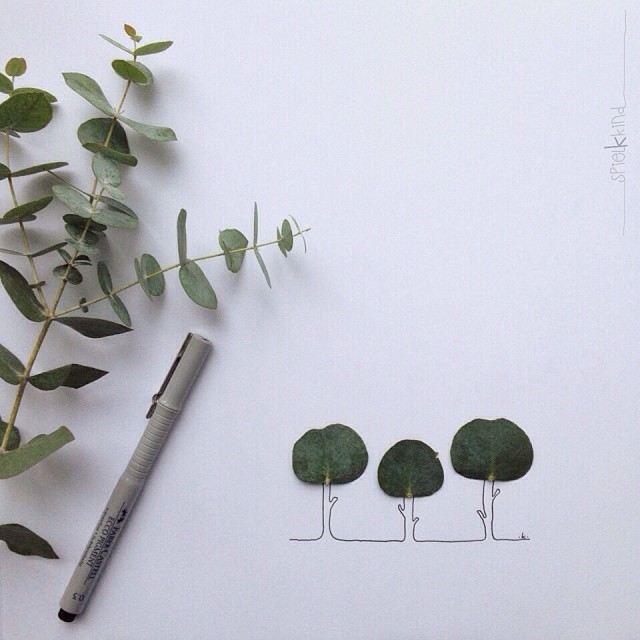
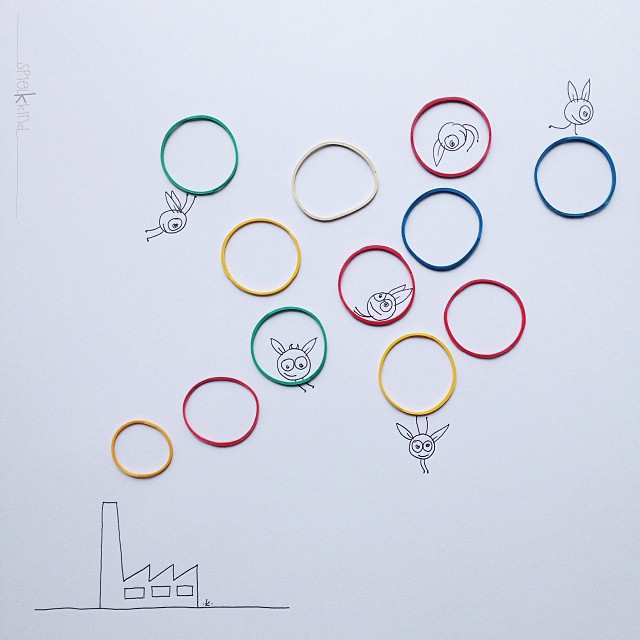
Also watch for props that are not flowers: fruit, buttons, scraps that suggest a kitchen or sewing drawer invaded by the outdoors. Hiestermann’s imagination does not require a florist’s budget. It requires attention. That is why the work remains useful for illustrators, teachers, and parents who want a low-cost creativity prompt that still respects craft.
A pocket workshop you can borrow
If you want to try the method, keep the toolkit small. Collect three natural objects on a walk. Photograph them in even light on a plain surface. Ask what each object wants to be—vehicle, house, hat, meal, stage. Add the simplest character that completes the sentence. Stop before the second joke crowds the first. Hiestermann’s restraint is the hardest part to copy and the most worth practicing.
- See first: cast the object before you draw.
- One character: let the monster (or your own figure) stay consistent.
- One joke: protect clarity over clutter.
- Soft light: keep petal color honest.
- Leave space: empty background is part of the stage.
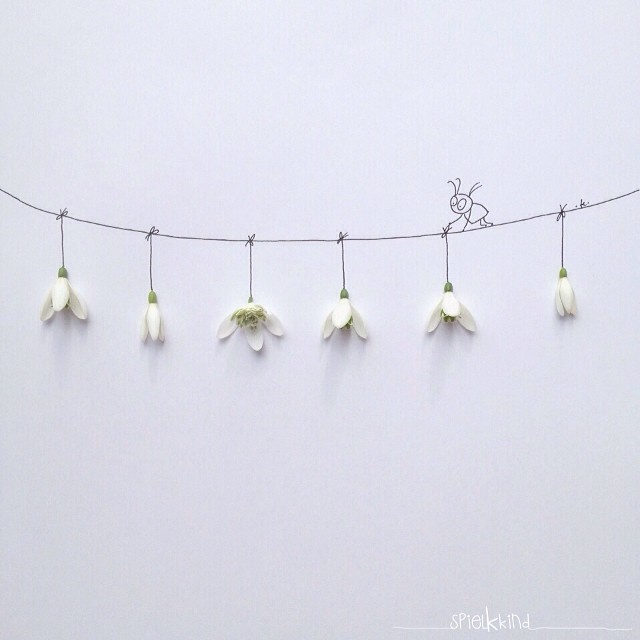
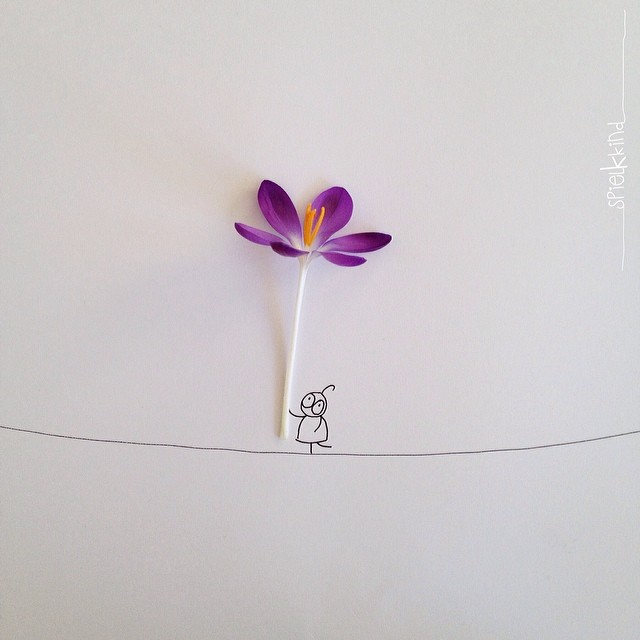
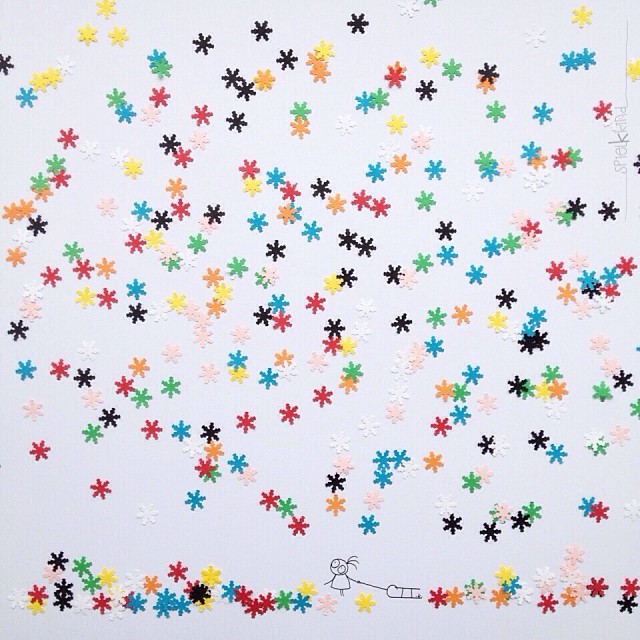
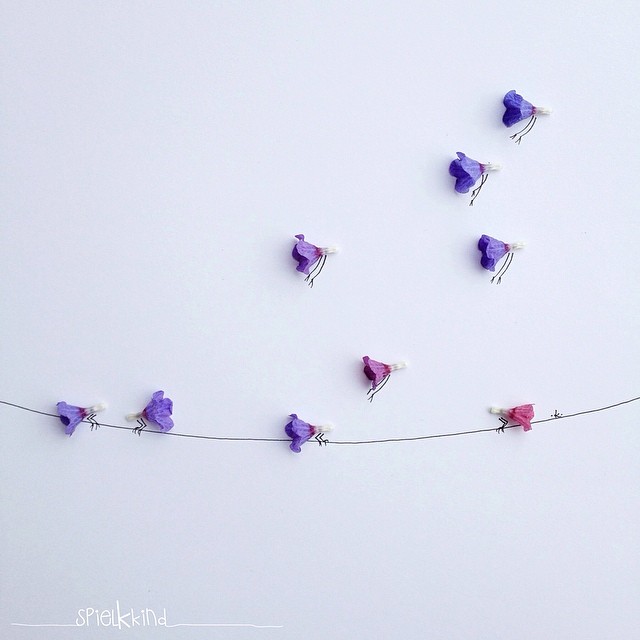
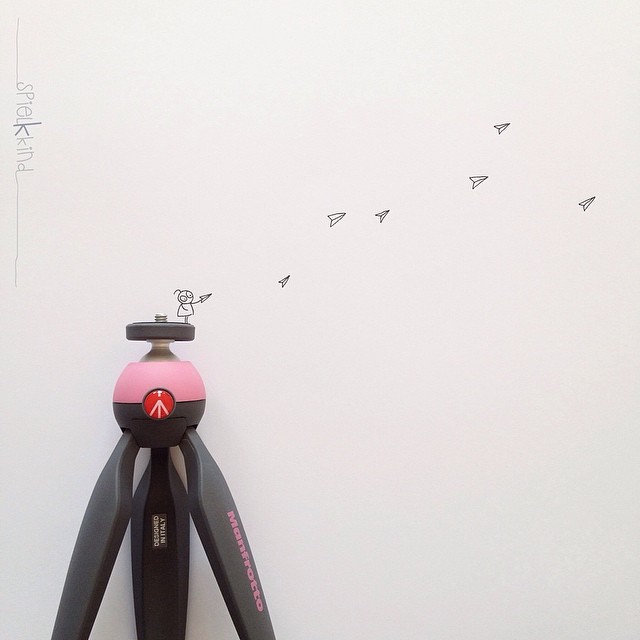
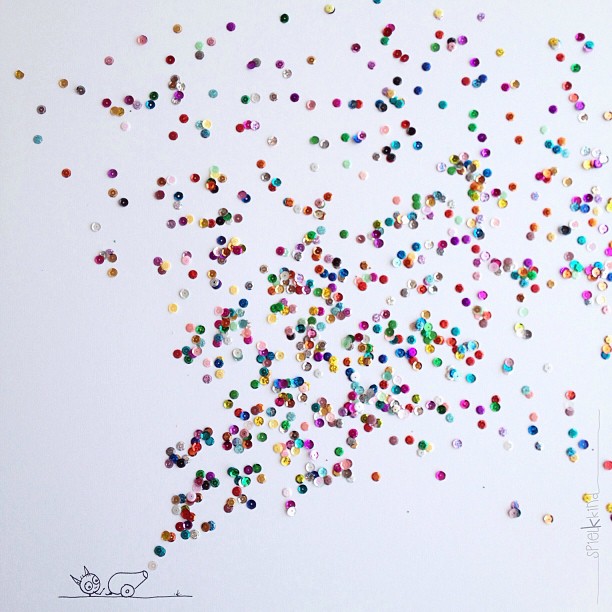
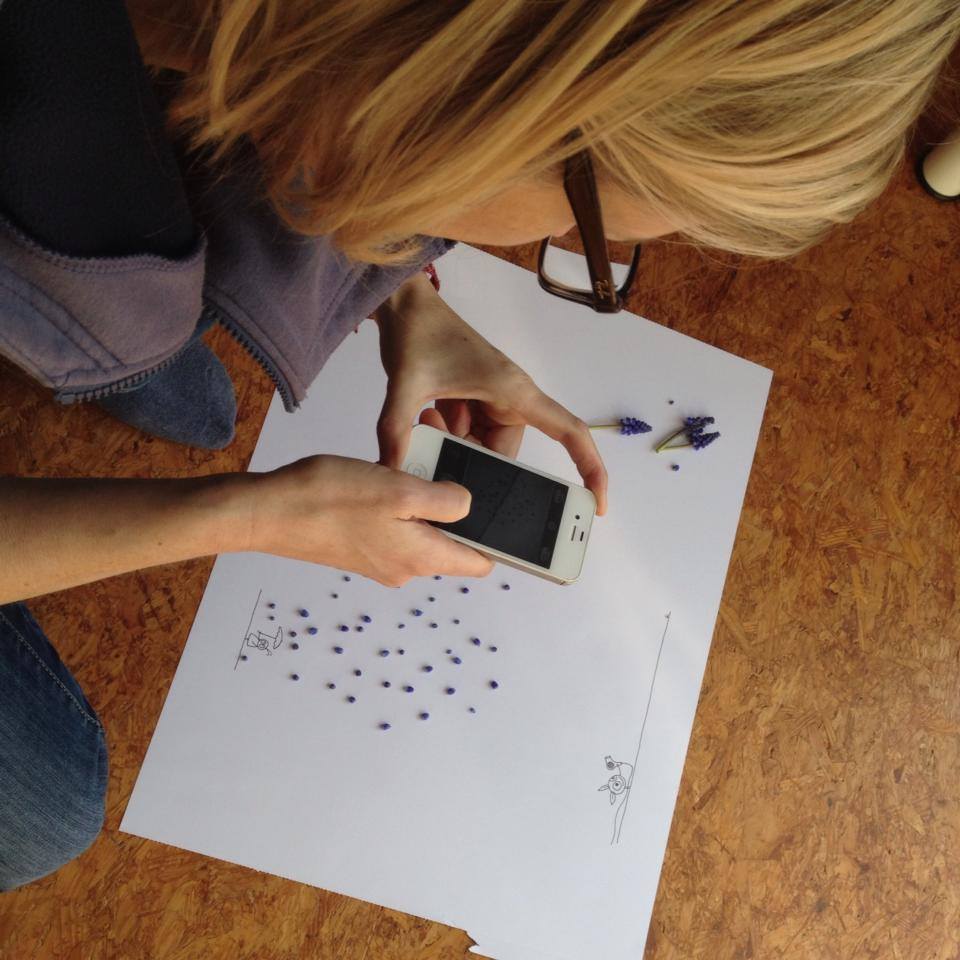
Which flower in this set feels most like a character even before the monster arrives? Start there on your next walk. Pocket a petal, a leaf, a stick. Ask what mischief it invites. Kerstin Hiestermann’s gift is proving that those small questions—answered with one mischievous line—can open a whole door, and that the child who notices is allowed to stay in charge of the key.

Comments
Continue reading
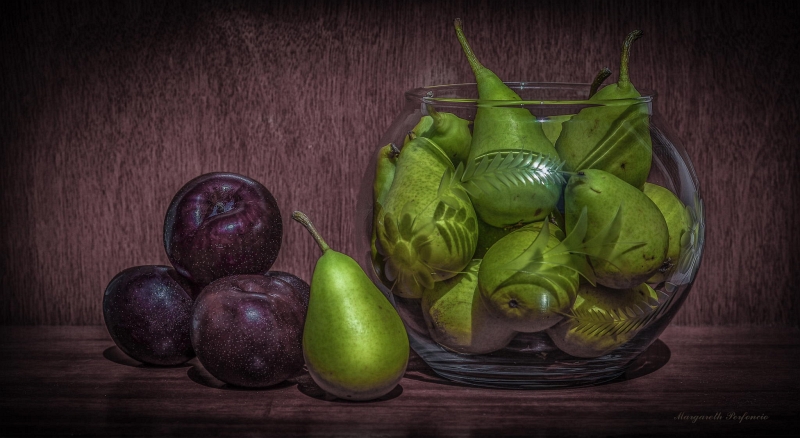
Still-Life Photography by Margareth Perfoncio
São Paulo photographer Margareth Perfoncio’s still lifes of food and flowers—Old Master light, dark wood, and tables that feel inevitable.

Meaningful Love Quotes for Inspiration (and Ink)
Meaningful love quotes that still feel true — short lines for tattoos, gifts, and everyday reminders, with placement and wording tips.
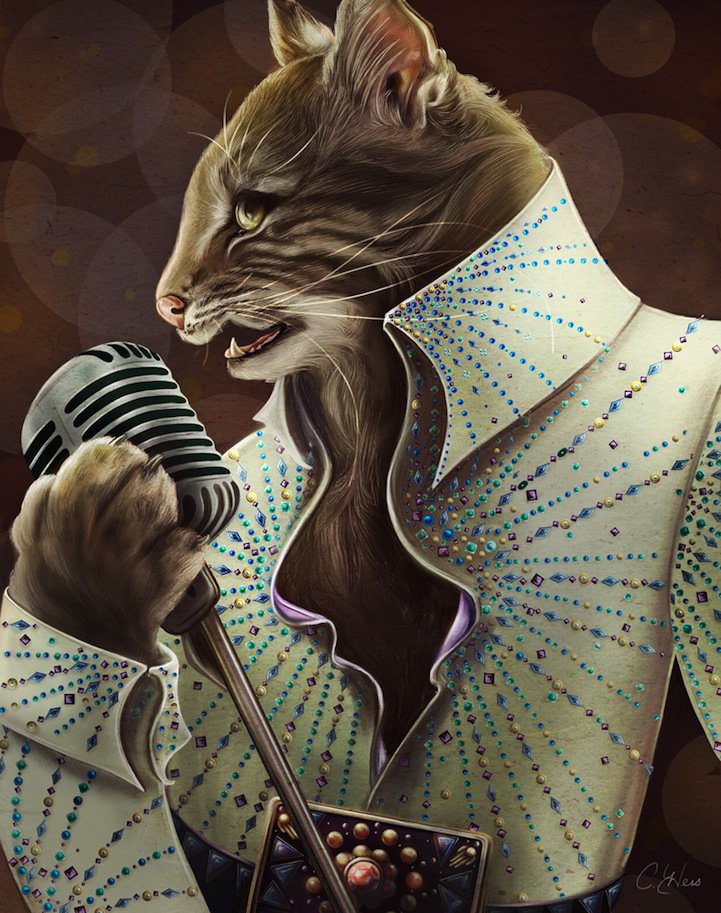
Christina Hess’s Animals From History: Costumed Pets as Playful Portraits
Illustrator Christina Hess reimagines historical icons as ornate animal portraits—Elvis Petme and friends—mixing puns, costume detail, and soft history lessons.