
Laurent Laveder’s Moon Games: Playful Lunar Photography
A gallery feature on Laurent Laveder’s Moon Games—forced-perspective photographs where people appear to hold, throw, and play with the real rising moon.
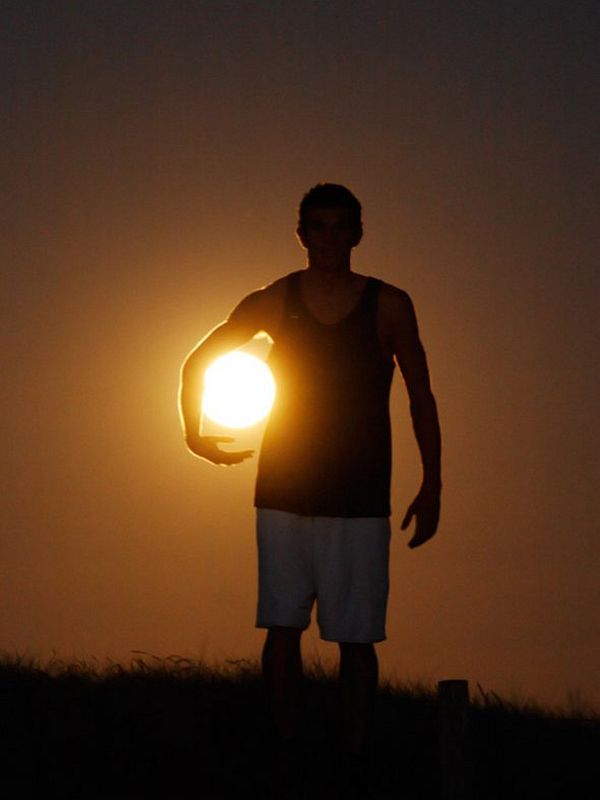
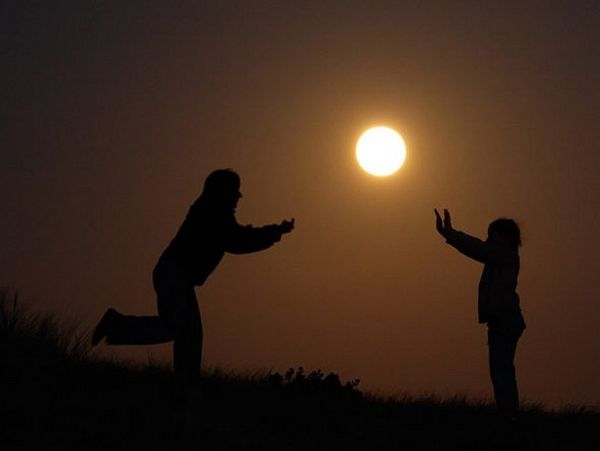
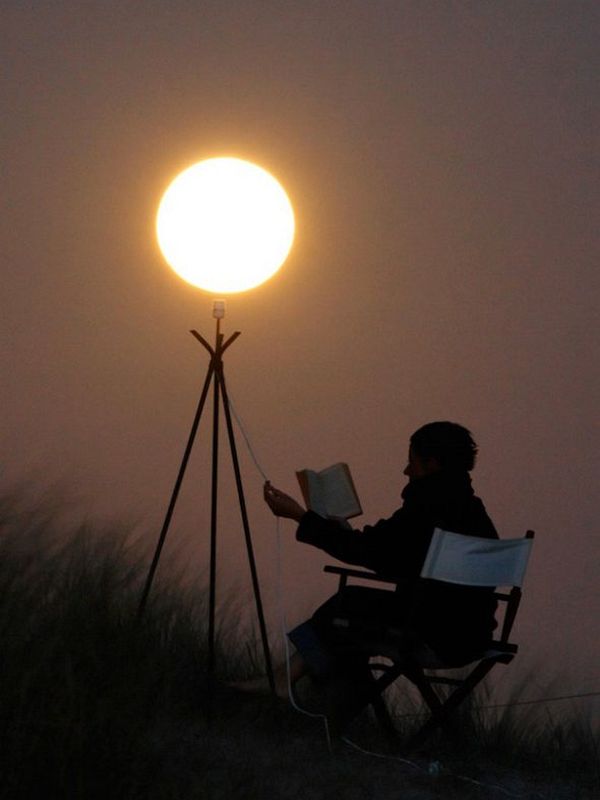
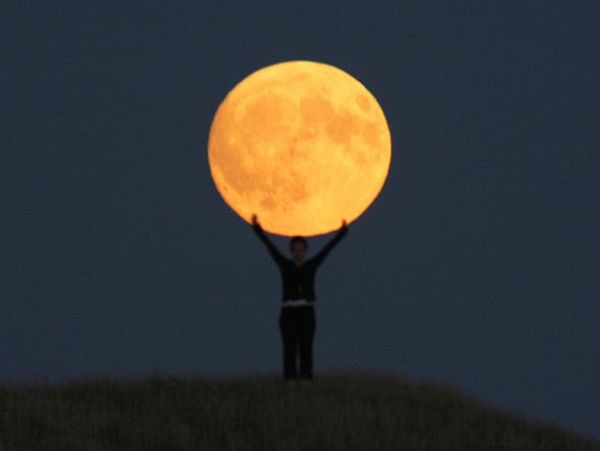
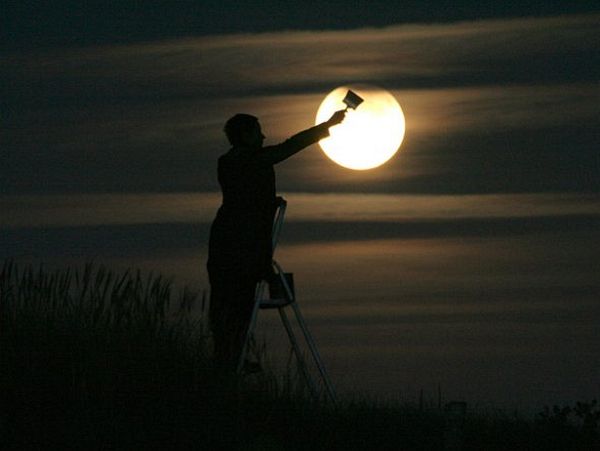
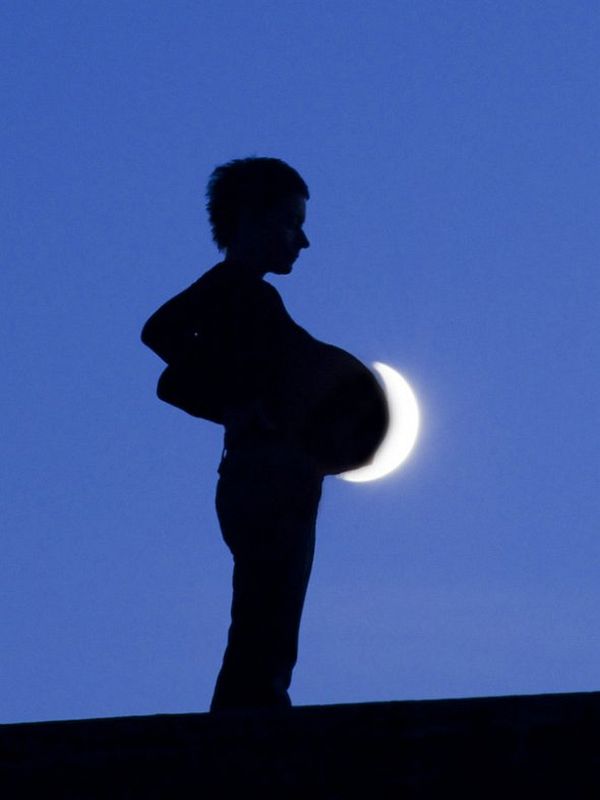
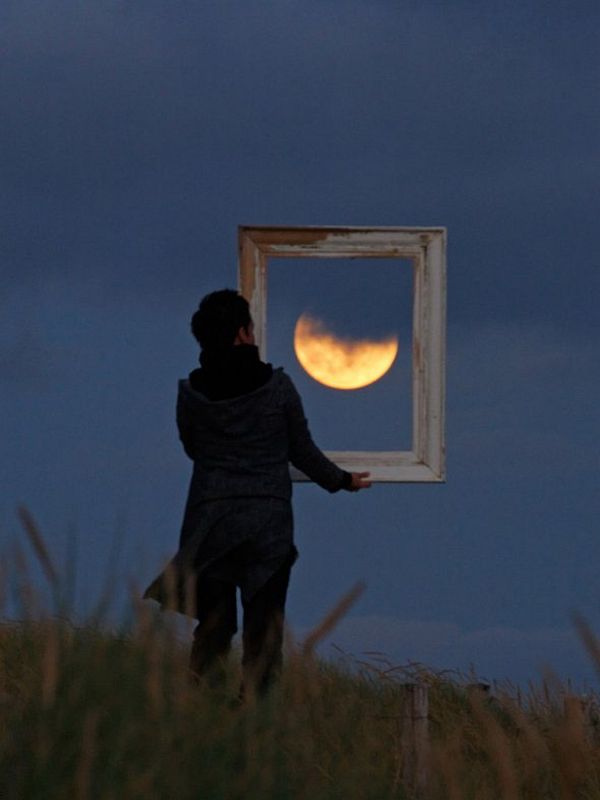
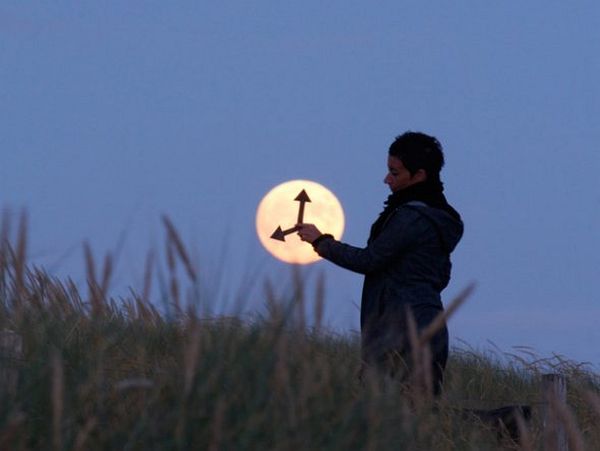
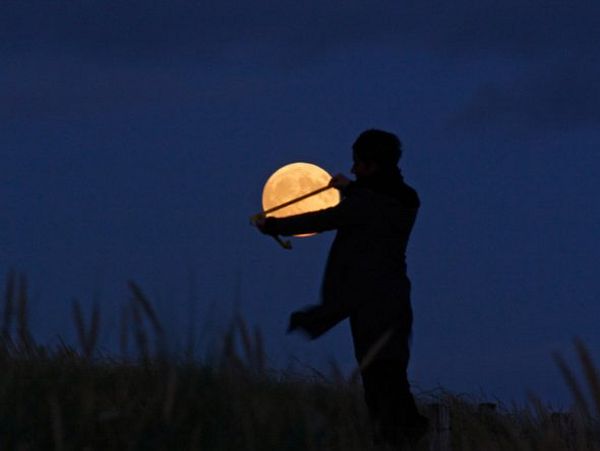
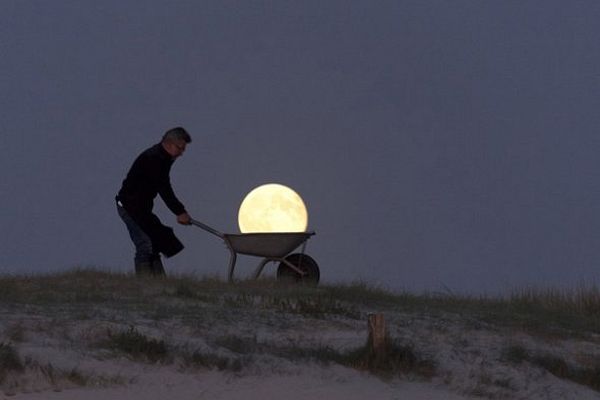
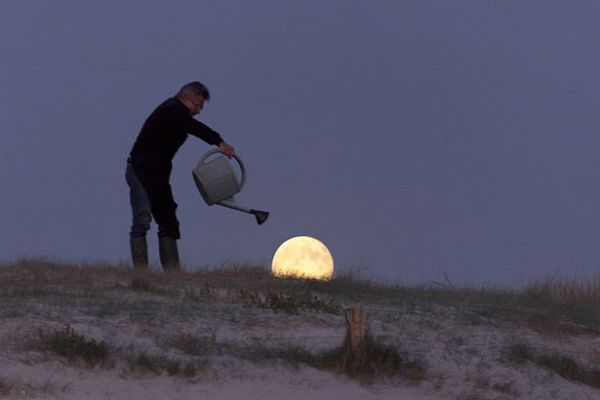
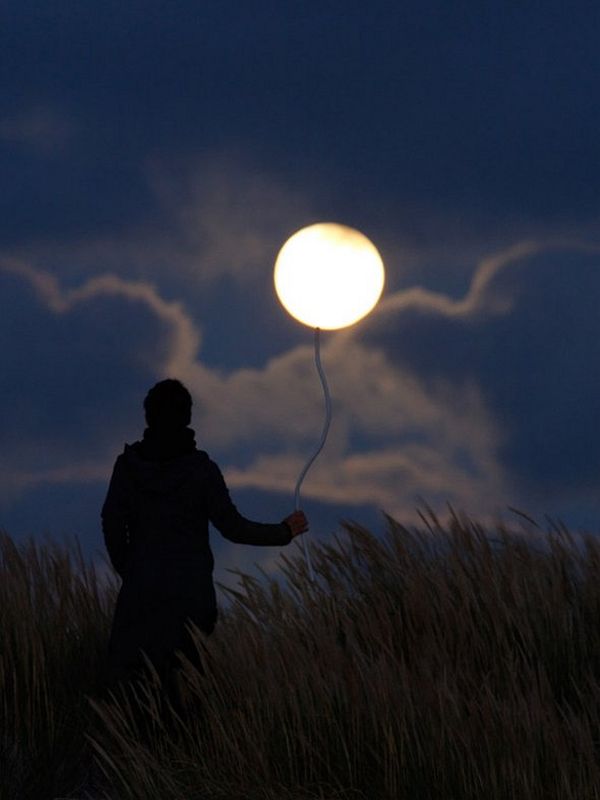
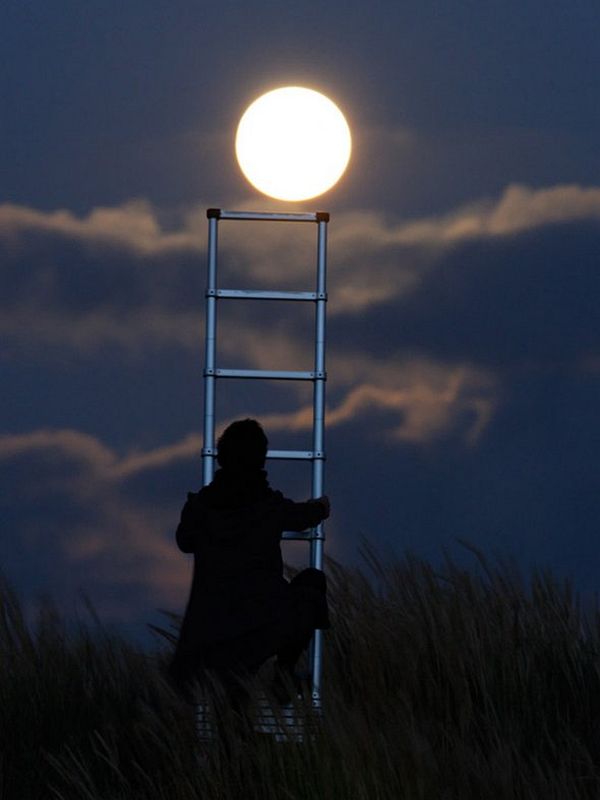
French photographer Laurent Laveder combines patient night-sky craft with a mischievous idea: what if the moon could be handled for a moment like an everyday object? His series Moon Games answers with people who appear to catch, throw, paint, frame, balance, or carry the moon across quiet outdoor scenes. The pictures went viral for good reason. They are funny at first sight and sturdier on a second look, because the lunar disc is still a real moon in a real sky—only the relationship between body and distance has been rearranged.
Laurent Laveder’s reputation rests on more than whimsy. He works as a landscape astrophotographer and astronomy communicator; his images have circulated through astronomy magazines and NASA-facing channels, and he belongs to the international nightscape community known as The World At Night. That background matters when you read Moon Games. The series is not a rejection of serious sky work. It is what happens when someone who understands lunar motion, twilight, and long lenses decides to let play into the frame.
A project born from conversation and timing
The idea took shape in talks between Laurent Laveder and his partner Sabine. Looking only at distant planets and star fields left them wanting scenes where a celestial body and a human gesture could meet. Astronomy photographs often emphasize how small we are under the Milky Way. Moon Games reverses the emotional current. For one composed instant, the moon feels intimate—almost pocketable—without stopping being enormous.
Because the moon rises and sets on its own schedule, the pair plan before they shoot. They sketch concepts, gather simple props, and choose locations with a usable horizon. Then they work quickly. A telephoto zoom on a tripod enlarges the lunar disc relative to a person standing farther forward, which is the optical heart of the illusion. Alignment must be exact. A hand shifted by a finger’s width can break the joke into two unrelated layers: a person in a field, and a moon that happens to be nearby in the rectangle.
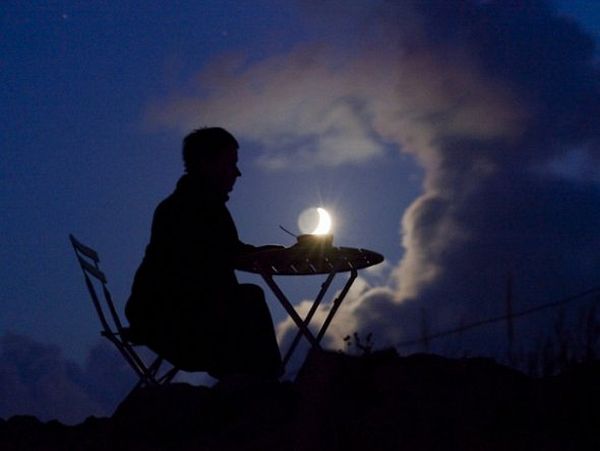
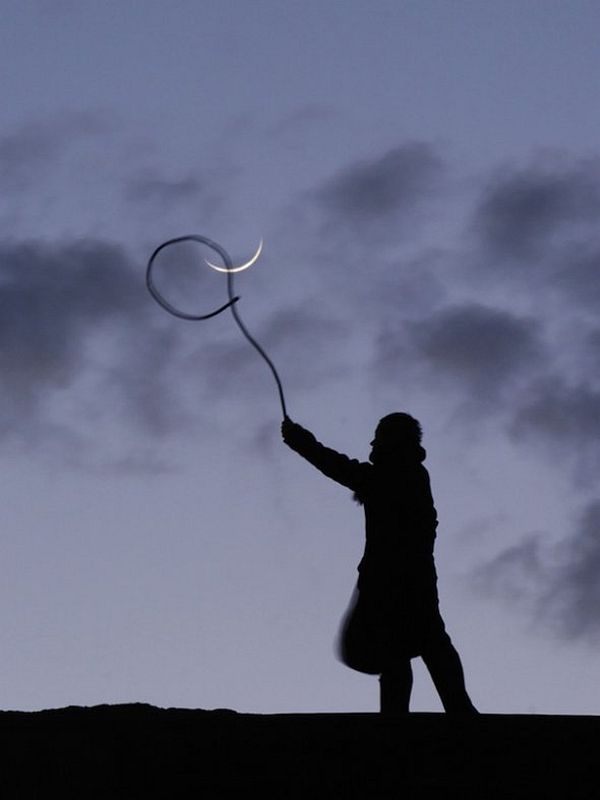
Many photographs were made near home in France, often when the moon is low at dusk or dawn. Those hours help twice. The disc sits where arms and ladders can “reach” it against the land, and leftover daylight keeps faces and clothing readable instead of pure silhouette. Full moons supply a bright coin. Crescents become graphic cutouts—perfect for missing-piece gags or pastry jokes. Thin cloud sometimes helps, softening glare or giving the disc a temporary stage curtain.
What the images communicate
Viewers often assume heavy digital collage. The stronger surprise is how much of the effect is photographic: forced perspective, patience, and lens compression. Props stay humble—a ladder, a lamp skeleton, a hoop, scissors, a wheelbarrow, open hands—so the gesture stays legible. Laurent Laveder has said the series is not a continuous story. Each frame is a small, self-contained scene anyone can understand without a caption lecture.
That clarity is why the work travels across languages. You do not need orbital mechanics to enjoy someone “lifting” the moon with their feet, turning it into a clock, or treating a crescent like breakfast. The intelligence sits in staging and timing. Humor arrives because the mind completes the action before skepticism can interrupt.
Under the play sits a gentle idea about familiarity. The moon is a scientific body, a romantic shorthand, and a calendar marker. For a shutter click, Laveder returns it to childhood scale—a ball, a lantern glow, a bite-shaped curve of light—without draining its real luminance. Measurement and wonder occupy the same circle of sky.
Sabine appears throughout the series as collaborator and frequent subject, and other friends join when a concept needs a specific body language—an athlete’s catch, a steady balance, a gardening pose. Collaboration is not a footnote; it is how poses hold long enough for the moon to slide into place.
Craft lessons hidden inside the jokes
Photographers who shoot at night can treat the gallery as a constraint textbook. Low moon elevation is essential if human-scale interaction is the goal. A high moon shrinks your gesture options unless you have unusual elevation or an extreme optical plan. Exposure must protect bright lunar highlights while keeping the person from vanishing into black—often a narrow compromise solved near twilight, with careful metering, or with subtle fill that does not flatten the night mood.
Focus is equally unforgiving. Subject and moon sit at radically different distances; the same telephoto compression that sells the illusion narrows the margin for error. Miss focus on the person and the gag feels soft. Blow out the moon and the “object” loses its metallic reality. The successful frames hold both: crisp gesture, readable disc.
Composition stays clean on purpose. Busy foregrounds would fight the moon for attention. Laurent Laveder tends to give the sky and the action room, using negative space the way a stage uses darkness around a spotlight. That restraint keeps the photographs from tipping into cluttered cosplay. They remain landscapes that happen to host a joke.
The series later found life beyond web galleries—a French book with playful text, calendars, and prints through Laveder’s channels. The afterlife fits the work’s temperament. These are images people want to live with, not only scroll past, because they reintroduce lightness to a sky object everyone thinks they already know.
How to look at this set
Scroll slowly enough to study the gap between hand and limb, prop and disc. Ask which frames depend on a crescent’s empty curve and which need the full moon’s weight. Notice how rarely the photographs require text to explain themselves. That self-sufficiency is part of Laurent Laveder’s gift: he invites non-specialists into a bodily relationship with a celestial object without mocking the science that measures it.
On the next clear evening when the moon hangs low enough to touch the treeline, you may catch yourself raising a hand just to check the scale. That impulse is the aftereffect Moon Games leaves behind—not a trick explained away, but a habit of looking twice at something overhead you usually take for granted.

Comments
Continue reading
Imaginative Moon Photography by Adrian Limani
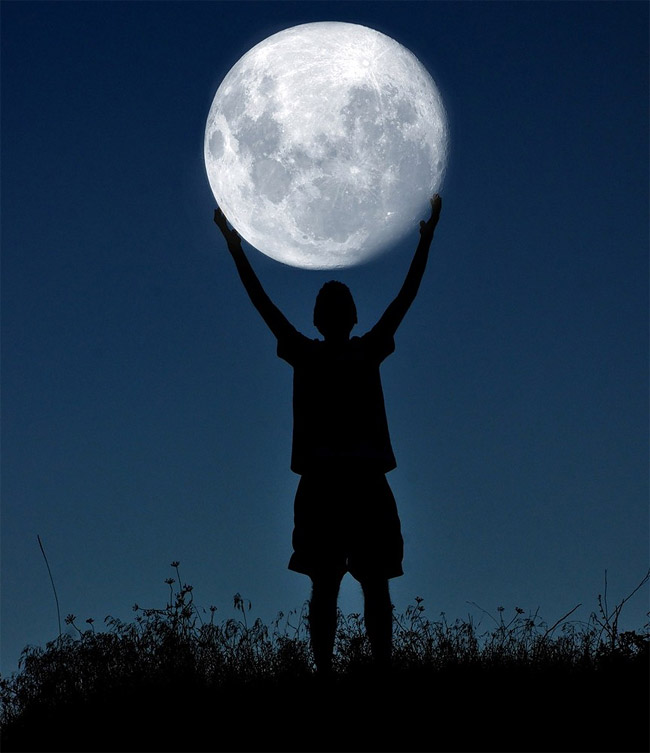
Albanian photographer Adrian Limani poses his brother against the full moon so silhouette and lunar disk become a shared game—holding, leaping, and slam-dunking the night sky.
Dramatic Photo Art by Sukron Ma’mun (Ipoenk Graphic)
Cirebon, Indonesia photographer Sukron Ma’mun uses theatrical natural light to frame village life, play, and place in lyrical photo art.
Bird’s-Eye Views: Florian Beaudenon’s Instant Life
Paris photographer Florian Beaudenon’s Instant Life series captures people in their rooms from above—intimate, collaborative overhead portraits of everyday joy.