
Women’s Evening Bags: Style Criteria That Still Work
A practical guide to choosing women’s evening bags—clutches, minaudières, and small chain styles—by proportion, material, capacity, and how the bag finishes a real night out.
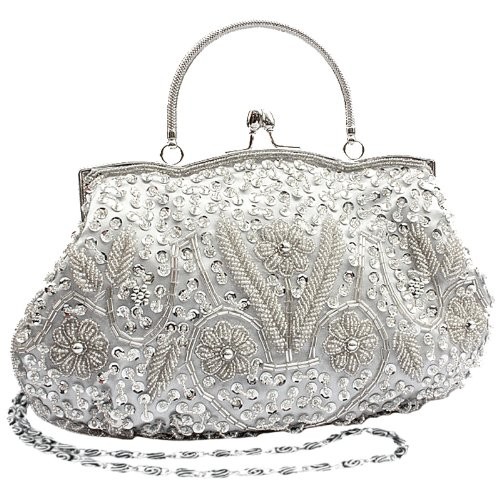
An evening bag has one job that a daytime tote cannot do: finish an outfit without competing with it. The best women’s evening bags look intentional under restaurant light, theater light, and camera flash, yet still hold the few things you actually need after dark. Style trends shift—hardware gets louder, then quieter; shapes slim down, then soften—but the useful criteria stay surprisingly stable. Size, structure, material, and how the bag sits against your clothes matter more than any single “must-have” color of the season.
This guide treats evening bags as a practical fashion category, not a shopping countdown. Whether you prefer a slim clutch, a structured minaudière, a soft pouch, or a small shoulder style with a delicate chain, the goal is the same: choose a piece that matches the formality of the night and still works with the way you move.
What counts as an evening bag
Evening bags are usually smaller than day bags and more deliberate in finish. Think polished leather, satin, velvet, metal mesh, beading, or clean structured synthetics that read as dressy. Handles, if present, tend to be short or removable so the bag can sit in the hand or tuck under an arm. Crossbody straps appear more often now than in older formal dress codes, but the silhouette still aims for compactness.
Clutches remain the classic answer for black-tie and cocktail hours because they keep the line of a dress uninterrupted. Envelope clutches offer a flat profile that slides under a jacket elbow. Box clutches and hard cases add architecture—useful when your dress is soft and needs a counterpoint. Soft fold-over pouches feel modern and less ceremonial, which suits creative dress codes and dinner-out evenings that are dressy without being formal.
A small topped bag with a short chain sits between worlds: more secure than an open clutch, still compact enough for evening. If you dance, commute between venues, or prefer both hands free for a glass and a coat check ticket, that hybrid shape often outperforms a pure clutch.
Shape and proportion against your outfit
Proportion is the quiet rule behind “latest style” evening bags. A very large statement clutch can overwhelm a delicate slip dress; a tiny coin-purse scale bag can look lost against a ballgown skirt or a wide tuxedo pant. Match visual weight. Soft, fluid clothes often welcome a firmer bag. Structured tailoring can handle a softer pouch because the outfit already supplies edges.
Vertical interest helps when your look is mostly horizontal—wide necklines, off-shoulder dresses, or peplum hips. A slim rectangular clutch held lengthwise can add a clean line. Round or oval minaudières work when your outfit is already full of angles and you want a softer accent. Extremely novelty shapes can photograph well and still fail in real use if they will not stand on a table or sit stably in a lap.
Consider where the bag will live during the night. Will it spend most of its time on a restaurant table, in your hand during standing cocktails, or on your shoulder while you walk between stops? A bag that only looks good when perfectly posed is a styling prop, not an evening tool.
Materials that read correctly after dark
Evening light is unforgiving of scuffs and forgiving of sheen. Smooth calf, patent, satin, and polished metal catch candlelight and venue lighting in ways matte canvas cannot. Velvet brings depth for autumn and winter events. Metallic leathers and hardware-forward finishes cycle in and out of trend, but a restrained gold, silver, or gunmetal accent rarely dates as quickly as a loud all-over hologram.
Beading and embroidery can be beautiful; they also snag on lace, sequins, and rough tabletops. If your dress is already heavily textured, a smoother bag usually looks calmer. If your dress is plain, texture on the bag can supply the interest. Durability matters more than marketing claims: check corners, clasp strength, and whether the lining will survive lipstick and keys.
Weather is part of material choice. A satin clutch in heavy rain is a risk; a smooth leather or treated finish travels better between car and venue. For outdoor summer evenings, lighter colors show dust; for winter coats with dark wool, a pale bag can look crisp—or get lost inside a black overcoat pocket scramble. Plan for the journey, not only the seated photo.
Color, metal, and the rest of your jewelry
Black, navy, soft gold, silver, blush, and deep jewel tones remain the most versatile evening bag colors because they negotiate with many dress palettes. Bright seasonal colors can work when they deliberately echo a shoe, lip, or floral detail. Matching bag to shoes exactly is optional; relating them in temperature—warm metals with warm tones, cool with cool—usually looks more intentional than forcing an identical match.
Hardware should agree with your jewelry language. Mixed metals can look contemporary when done on purpose; accidental clash looks unfinished. If your look already includes bold earrings and a statement necklace, let the bag’s hardware stay quieter. If jewelry is minimal, a sculptural clasp can become the accent.
Neutral bags earn their keep across years. Trend colors earn their keep for a season’s invitations. A useful wardrobe often includes one reliable dark clutch and one lighter or metallic option, then adds novelty only when you truly enjoy it—not because a list insisted it was mandatory.
Capacity: what you actually need to carry
Before falling for a shape, empty your evening essentials onto a table: phone, card case or slim wallet, keys, lipstick, blotting papers, a spare contact or medication if needed, and perhaps a compact. If the bag cannot hold that set without fighting the clasp, it is the wrong size for your life, however stylish it looks empty.
Phones have changed evening-bag design. Older vintage clutches may not fit modern devices. Measure. Soft pouches expand; rigid boxes do not. Some people prefer a slightly larger bag and fewer jacket pockets; others prefer minimal contents and a true micro bag. Neither is more fashionable—fit to habit.
Security is part of capacity. An open-top pouch in a crowded standing reception is riskier than a zip or firm clasp. A chain long enough to wear crossbody can free your hands and reduce set-down mistakes. For formal seated dinners, a clutch that rests flat and closed on the tablecloth is often enough.
Style directions that keep returning
Trends rename themselves, but several evening-bag ideas cycle reliably. The slim envelope clutch never fully leaves because it respects formal dress lines. The metallic minaudière returns whenever fashion wants a little theater. Soft gathered pouches appear when clothes turn romantic or pajama-adjacent. Chain-strap micro bags rise when street style and eveningwear blur.
Embellishment follows the same pendulum. One season favors clean minimalism; the next brings crystal frames, sculptural resin, or logo hardware. Use trends as optional seasoning. If your wardrobe is classic, a trend bag can be the update. If your clothes are already experimental, a simpler bag may keep the look readable.
Comfort trends matter too. Removable straps, lightly padded edges, and lighter materials make long nights easier. A beautiful bag that digs into your palm by the second hour will be abandoned on a chair—and then it is styling without function.
How to choose without noise
Ignore urgency language and “limited drop” pressure. Ask four questions instead:
- Does the size match what I carry on real evenings?
- Does the material suit the season and venues I attend?
- Does the shape balance my most-worn evening outfits?
- Will I still like the hardware and color next year?
Try the bag with the shoes and outer layer you actually wear, not only with a dress on a hanger. Check how it looks from the side, because that is how people beside you see it. Open and close the clasp one-handed. Sit down with it in your lap. Those small tests reveal more than any trend roundup.
If you are building from scratch, start with a dark structured clutch or compact top-handle in a finish you already wear—leather if you prefer longevity, satin if your calendar is mostly formal. Add a metallic or soft pouch once you know what your first bag fails to do. That sequence beats buying five “latest” shapes that all solve the same narrow problem.
Evening style is not only about looking current in a photograph. It is about moving through a night with one small object that feels finished, useful, and in proportion to everything else you chose to wear. When a bag clears that bar, it earns a permanent place—trend cycle or not.

Comments
Continue reading
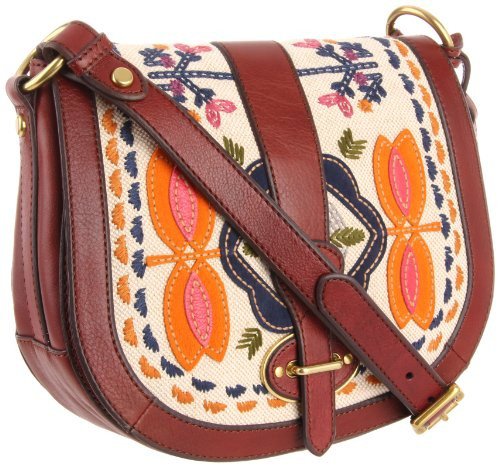
Colourful Cross-Body Bags for Warm Months: Colour, Strap, and Everyday Fit
How to choose a colourful cross-body bag that stays hands-free and useful—colour strategy, strap comfort, materials in heat, and styling that does not tip into costume.

Funny Animal Signs That Warn People (While Animals Ignore Them)
From a seagull on a no-birds disc to classic zoo and park ironies—why animal warning signs get funny, and what the rules are still for.
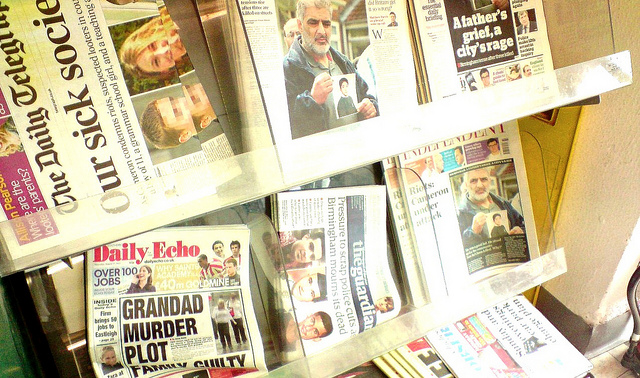
How to Find Local Amenities on Vacation: Mechanics, Haircuts & More
Locate trustworthy local services and everyday spots while traveling or settling in—using publications, reviews, map apps, neighbor tips, and low-pressure exploration.