
Cute Winter Crochet Beanie Patterns: Slouch, Shells, and Warm Brims
A practical guide to winter crochet beanies—fitted, slouchy, shell-stitch, and pom-pom styles—with yarn, fit, and finishing advice for cold-weather makes.
When the air turns sharp, a handmade beanie earns its keep faster than almost any other winter accessory. Scarves drape; gloves get lost; a hat stays on your head and finishes an outfit in one move. Crochet is especially friendly for cold-weather hats: the fabric builds quickly, stitches create built-in texture, and a single skein of bulky yarn can become a weekend project instead of a month-long vow.
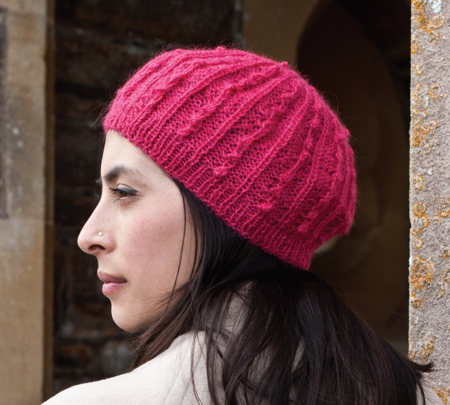
This guide walks through the beanie styles that dominated DIY blogs in the early 2010s—slouchy cables, shell-stitch crowns, pom-pom toppers, fitted ribs, and beret-adjacent shapes—and explains how to choose yarn, fit, and finishing so the hat you make looks as intentional as the magenta textured beanie in the photo above.
Pick a silhouette before you pick a stitch
Winter beanies cluster into a few useful shapes. A fitted beanie hugs the skull, covers the ears, and works under hoods. A slouch adds fabric at the crown so the hat puddles backward—great with coats and long hair. A beret or raspberry beret style sits wider and softer, more fashion than ski-lift. A pom-pom beanie is any of the above with a yarn ball on top; the pom is styling, not structure.
Crochet versions of these shapes usually grow from a magic ring or a small chain circle, increasing until the crown diameter matches the head, then working even rounds for the body, and finishing with a ribbed or folded brim. Knit patterns sometimes sneak into the same inspiration boards—cabled slouch hats and pom-pom knits were everywhere around 2012–2013—but the construction logic transfers: measure head circumference, decide how much ease you want, and stop increasing when the flat circle is right.
For the textured magenta hat pictured here, notice the ribbed band at the edge and the vertical raised pattern climbing the body. That combination—secure brim, decorative body—is a reliable formula. The brim keeps wind out; the texture makes a solid color interesting without stripes.
Yarn, hooks, and warmth that lasts
Bulky and super-bulky yarns are the shortcut to winter thickness. They also forgive slightly uneven tension, which helps beginners. Wool and wool blends trap heat; acrylic stays soft through washing and is kinder on sensitive skin; alpaca feels luxurious but can pill. If the hat will live in a coat pocket, choose a fiber that rebounds after crushing.
Hook size should match the yarn label as a starting point, then adjust for fabric. A hat that stretches like a net will freeze your ears; a hat stiff as cardboard will not sit well. Aim for a dense but flexible fabric. Work a small gauge swatch in the round if you can—flat gauge lies about circular tension.
Color strategy matters as much as stitch. Bright magenta, as in the sample photo, turns a simple pattern into a statement. Neutrals (charcoal, cream, forest) hide wear and match more coats. Variegated yarn can muddy cable or shell texture; save highly textured stitches for solid or lightly heathered colors so the pattern reads from across a room.
Stitch families that look “cute” without fuss
Ribbing (front-post/back-post doubles, or slip-stitch ribs) makes brims that behave. Fold the rib once for a double layer over the ears when the wind is mean.
Shells and fans create scalloped texture that photographs well and works up fast—popular in free blog patterns of the era for a reason. They look decorative even in one color.
Cable-look and puff textures add vertical interest similar to knitted cables. Crochet “cables” are usually post stitches crossed or grouped; they eat yarn and time but reward the effort on a slouch crown.
Simple half-double or waistcoat stitch bodies are underrated. With the right yarn, plain fabric plus a great pom-pom still looks finished. Cute does not always mean complicated.
When blogs circulated “urban slouchy” and “quick bulky” hat patterns, the shared promise was evening projects: start after dinner, wear tomorrow. That promise holds if you avoid lace-weight yarn and forty-round lace crowns. Keep stitch counts written down; frogging a hat because you lost the increase round is a colder feeling than the weather outside.
Fit checks that save a project
Measure the wearer’s head where the hat will sit, usually just above the ears and across the forehead. Adult averages hover around 21–23 inches (53–58 cm), but averages lie—measure. Negative ease (hat slightly smaller than head) keeps fitted styles on; slouch styles want closer to zero ease in the band and extra length in the body.
Try the hat on before the final round of the brim. If it perches like a tea cozy, add length. If it swallows eyebrows, shorten the body. For gifts, make the band snug and the crown generous; most people prefer a little slouch to a tight skullcap they will never wear.
Children’s sizes need shorter bodies and careful yarn choice—no scratchy wool against a preschooler’s forehead unless they already love it. Toddlers also lose hats; consider a chin strap only if it is soft and removable.
Finishing: pom-poms, weave-ins, and wear
A pom-pom can be yarn, faux fur, or a removable button-on puff so the hat washes easily. Secure it through the crown with a button inside or a firm knot; stray pom-poms on sidewalks are a winter cliché. Weave in ends on the wrong side along post stitches where they hide. Block gently if the brim curls—steam for acrylic with care, wet-block for wool.
Care labels help if the hat is a gift: hand wash, lay flat, reshape the brim. Machine washing is fine for many acrylics; wool prefers kindness.
A practical project order
- Choose silhouette: fitted, slouch, or beret-like.
- Choose yarn weight and a solid or heathered color.
- Crochet a crown circle to the right diameter.
- Work the body to length, trying on as you go.
- Add a ribbed or folded brim.
- Decide on a pom-pom—or stop clean for a minimal look.
- Weave ends, block if needed, photograph in daylight against a simple wall or doorway (stone arches optional, but they do photograph nicely).
Long winter evenings are ideal for this kind of making. The hook click is quieter than television, the fabric grows in your lap, and the finished beanie is useful the next cold morning. Whether you chase shell-stitch crowns, bulky speed projects, or a saturated textured hat like the one above, the goal is the same: warm ears, a clear silhouette, and a handmade piece that looks like you meant it.

Comments
Continue reading
DIY Ear Warmer Tutorials: Knit, Crochet, Bow, and Buttoned Bands
Skip the hat and make ear warmers—bow headbands, chunky knit cuffs, textured crochet, buttoned bands, beaded accents, and fleece options with fit and care tips.
20 Knit and Crochet Scarf Patterns for Women: Cowls, Tubes, and Lace
Twenty knit and crochet scarf ideas for women—tube scarves, lace and chunky cowls, puff stitch, and möbius loops—from makers like annaevers, All About Ami, and Flax & Twine.
DIY Mitten Tutorials for Winter: Knit, Crochet, and Sweater Upcycles
A practical winter guide to handmade mittens—full, fingerless, felt, and thrifted-sweater styles—with fit tips, yarn choices, and finishing habits that keep hands warm.