
Kate Upton for Vogue US, November 2012
Steven Meisel’s November 2012 Vogue story The New Girl—designer sportswear, studio polish, and Kate Upton’s high-fashion crossover before the cover.
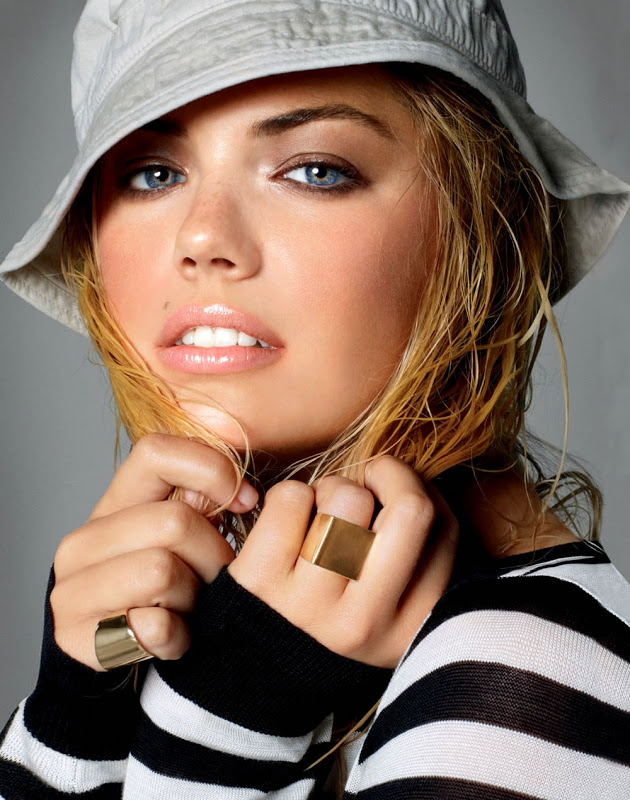
In the November 2012 issue of American Vogue, Kate Upton appeared not as a cover girl but as “The New Girl”—a seven-page fashion story photographed by Steven Meisel and styled by Tonne Goodman. The brief was autumn fashion logic: designer sportswear, cooler studio air, clothes that covered more skin than a swimsuit calendar ever allowed, and a magazine argument that the Sports Illustrated phenomenon could graduate into the back-of-book territory reserved for serious fashion features. This gallery gathers images from that spread. Read it as a historical crossover moment, not as a summer cover victory lap.
Context is everything. Earlier in 2012 Upton had already shown up in Vogue in a smaller, front-of-book capacity. By November the magazine moved her into a fuller fashion narrative with Meisel—one of fashion’s most authoritative image-makers—behind the camera. Contemporary coverage in outlets such as HuffPost and The Hollywood Reporter treated the story as proof she was chipping away at the glass ceiling between swimsuit modeling and high fashion. Vogue’s own copy framed the tension bluntly: swimsuit work was modeling, yes, but it was a different craft from the studios of designers who were beginning to notice her. The November pages exist to close that gap on paper, months before a June cover would later seal the deal in sunlight.
Meisel, sportswear, and the varsity spirit
Meisel’s assignment leaned into classic American sportswear rather than red-carpet spectacle. Contemporary credits and coverage name Donna Karan New York, Narciso Rodriguez, Jason Wu, and Ralph Lauren Collection among the looks—draped dresses, tailored pieces, and polished daywear that photographed as fashion first. Tonne Goodman’s styling kept a go-for-it varsity energy that matched Upton’s public persona: competitive, sunny, athletic in attitude even when the clothes were expensive. Where a June cover would later sell porch light and vacation knits, this November story sells studio control and wardrobe that could walk into a city autumn.
Meisel’s own comments from the period described Upton as beautiful, sexy, and all-American—hardworking, funny, upbeat, difficult to photograph badly. That is a photographer’s way of saying the face already worked; the fashion press’s remaining job was to put the right clothes around it. The bucket-hat and stripe close-ups in the set play that game: graphic, sporty, slightly nautical, still high fashion because of cut, jewelry scale, and the wet-look hair discipline of a Meisel sitting. Chunky gold rings become punctuation. The expression stays direct. Nothing here needs a beach house porch to justify itself, even when a swimsuit appears somewhere in the wider published package.
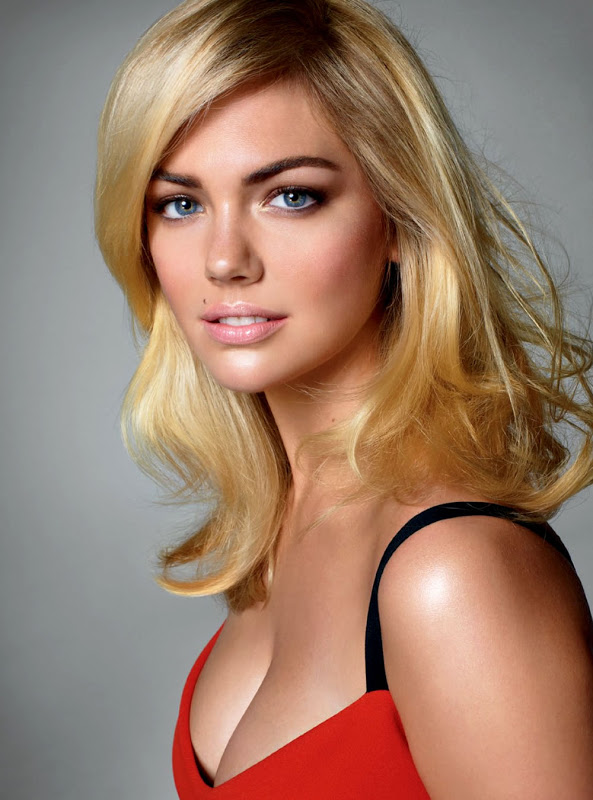
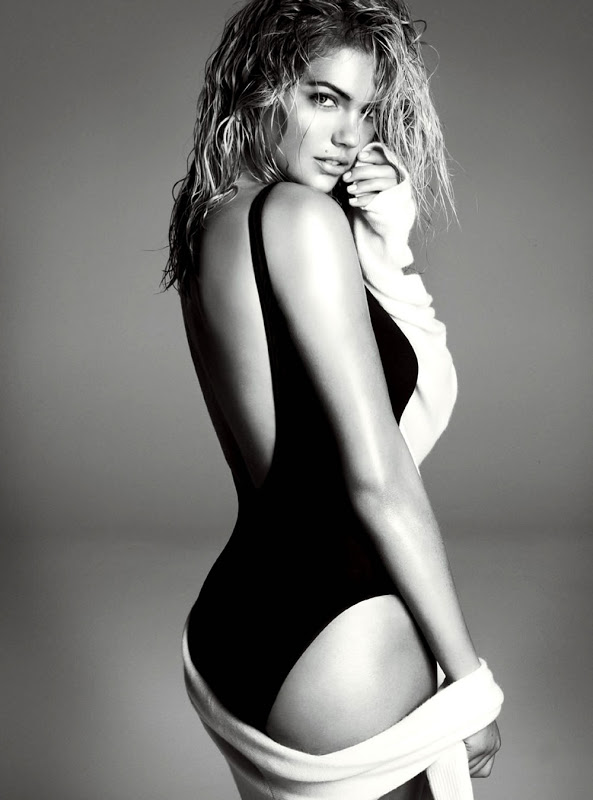
Vogue’s text linked Upton to a longer American beauty lineage—beyond mid-century bombshell shorthand toward wholesome athletic ideals closer to the Gibson girl than to pure pinup. That may sound like magazine mythology, but it explains the wardrobe choices. Draped Donna Karan, silver cuffs, structured day bags, and sandals that still feel like fashion rather than resort catalogue props: the styling insists on clothes as the headline. Upton’s smile remains infectious; the pages simply refuse to let smile be the only credential.
Why November 2012 mattered in her timeline
The fashion industry’s skepticism toward swimsuit fame was not subtle in 2012. Upton had the audience; what she needed was institutional photography and designer names that fashion editors respected. A Meisel story inside American Vogue supplied both. Placement mattered too: reporting at the time noted this was not another small front-of-book item but a prominent fashion feature among the issue’s major stories. For a model trying to be taken seriously beyond SI week, that pagination is half the achievement. Carine Roitfeld had already put her on a CR Fashion Book cover; American Vogue’s interior feature was the next institutional rung, with a full cover still ahead.
Upton’s quotes in the accompanying text kept returning to health, attainability, and competitive family culture. She talked about wanting magazine images that made a healthy lifestyle feel possible, and about being glad if fashion’s new interest meant she could have an influence. Michigan roots, Florida raising, and a former competitive horseback-riding résumé all fed the “all-American” thesis Vogue was selling. She spoke of work the way an athlete speaks of making a team. The photographs do not illustrate those facts literally in every frame; they illustrate the attitude—forward gaze, strong shoulders, a body presented as vigorous rather than apologetic.
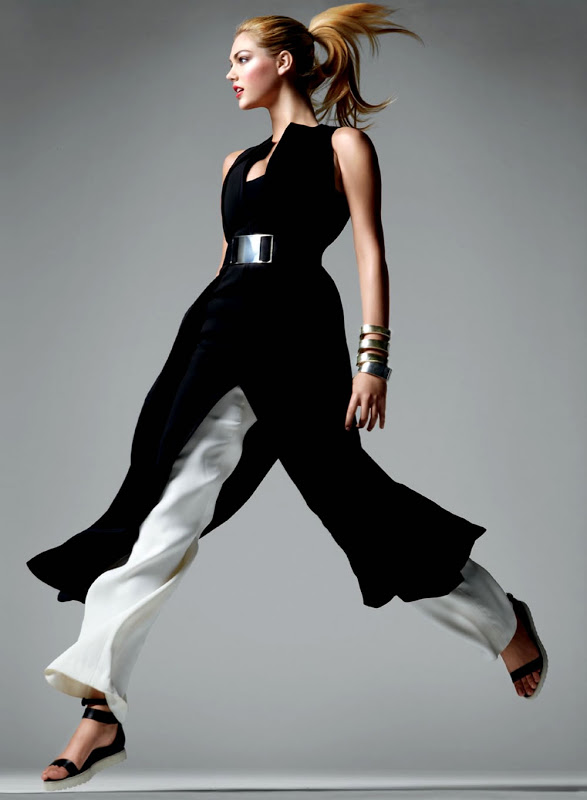
Autumn codes versus summer codes
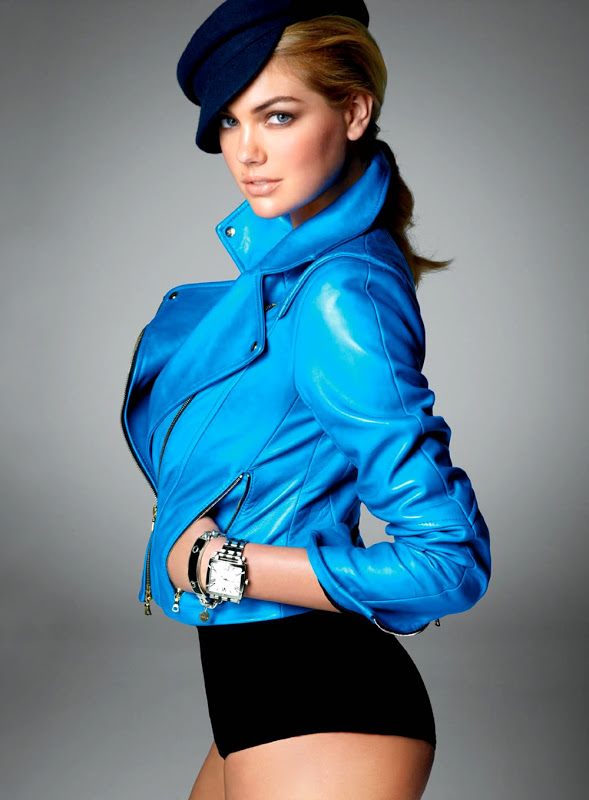
Hold this set next to her June 2013 Testino cover story and the seasonal split becomes obvious. November is cooler in temperature and cooler in tone: gray backdrops, tighter crops, sportswear graphics, less porch laughter, more studio negotiation between commercial fame and fashion credibility. June would later give her Uruguay sunlight, Hamptons-coded knits, Rochas cashmere, Chanel swim, and the masthead itself under “American Dream Girl.” November gives her Meisel’s endorsement and a title—“The New Girl”—that still sounds like an audition she was winning rather than a throne she already occupied.
That difference is useful for anyone searching these URLs years later. Same model, same magazine, months apart, different jobs. The November 2012 images answer the question, “Can she wear fashion?” The June 2013 cover answers, “Can she sell the issue in summer?” Confusing the two flattens a real career arc into one blonde blur. Keep the months attached. Keep the photographers attached. Meisel’s authority and Testino’s sun are not interchangeable moods.
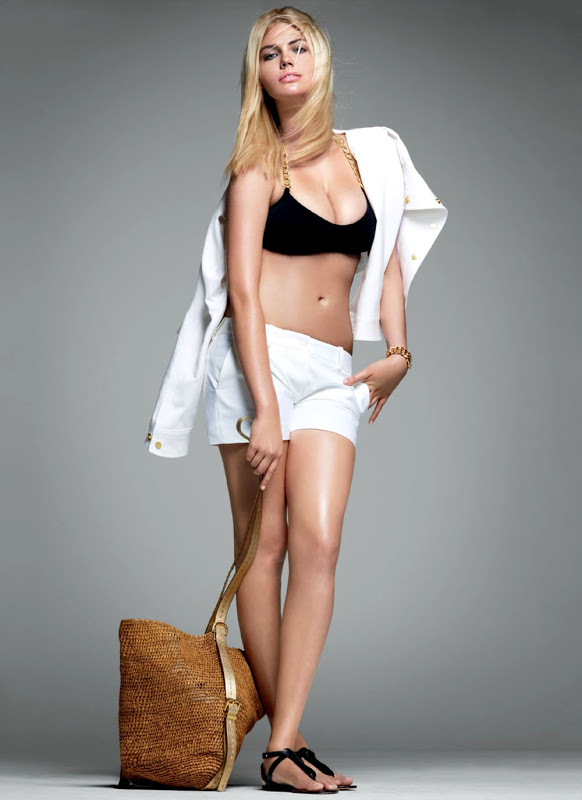
What to notice in the frames
Beauty here favors glow without full beach bronze overload—smoky warmth around the eyes, glossy lips, hair with movement that still reads controlled. Styling favors pieces you could actually schedule: dresses with structure, separates with line, accessories that feel like punctuation instead of carnival. Even when a swimsuit appears inside the wider published story—as contemporary coverage noted it did—the surrounding pages keep insisting on clothes. That insistence is the editorial thesis. Fashion is not denying her body; it is relocating the conversation to cut, fabric, and designer authorship.
Also notice how often Upton’s face does the heavy lifting. Meisel closes in. Hands enter the frame as graphic shapes—holding a hat brim, framing the jaw—rather than as busy gesture. The result is a fashion portrait series that still feels like a personality study. For magazine historians, that combination explains why the industry kept circling her in late 2012: the camera already liked her; the clothes were catching up in public view.
A practical viewing checklist for this November set:
- Season: Autumn issue energy—studio, sportswear, covered polish—not vacation heat.
- Photographer: Steven Meisel’s authority as the credibility signal.
- Stylist: Tonne Goodman’s varsity-clean American sportswear eye.
- Career beat: Interior fashion feature proving crossover, not yet the US Vogue cover.
- Compare later: June 2013 Testino cover for the sunlit ratification chapter.
File these pictures under late-2012 fashion persuasion. The smile is familiar; the argument is new. Vogue was no longer only acknowledging Upton’s fame—it was drafting her into the magazine’s own language of designer daywear, one Meisel frame at a time, in the cooler key of a November issue.

Comments
Continue reading

Funny Animal Signs That Warn People (While Animals Ignore Them)
From a seagull on a no-birds disc to classic zoo and park ironies—why animal warning signs get funny, and what the rules are still for.
How to Find Local Amenities on Vacation: Mechanics, Haircuts & More
Locate trustworthy local services and everyday spots while traveling or settling in—using publications, reviews, map apps, neighbor tips, and low-pressure exploration.
Kristen Stewart for V Magazine, Spring Preview 2013
V81’s Wild at Heart cover story—Kristen Stewart shot by Inez & Vinoodh, styled by Joe McKenna, in pale minimal spring glamour.