
Ireland Castles and Coastlines: Photographs by Tommy Hannon
A gallery feature on Tommy Hannon’s photographs of Ireland—castles set in weather and Atlantic coastlines shaped by shifting light along the west.
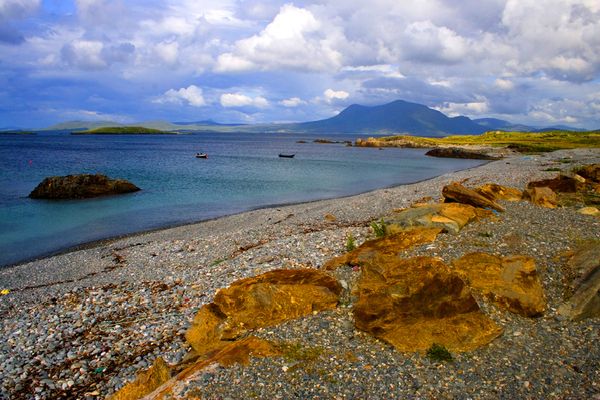
Ireland’s castles and coastlines reward patience: weather shifts by the minute, stone holds centuries of shadow, and the Atlantic edits the horizon with spray and light. Photographer Tommy Hannon has long worked from the country’s west, where those two subjects—fortified history and raw shore—sit within a day’s drive of each other. The photographs gathered here follow that pairing: walls and towers against sky, then cliffs, beaches, and water that refuse to stay still for anyone’s schedule.
Tommy Hannon’s eye favors atmosphere over postcard neatness. Clouds are allowed to dominate. Ruins keep their weathered honesty. Coastlines appear as living edges rather than static backdrops. Scroll the sequence as a short journey through Irish place—built heritage and shoreline weather held in the same visual language. The point is not to tick famous names off a list; it is to feel how masonry and tide answer the same sky.
Tommy Hannon and the west of Ireland
Tommy Hannon is a Galway-based photographer and filmmaker whose career has spanned travel and fine art work, visual communications study, wedding and lifestyle commissions, and a stretch as presidential campaign photographer for Michael D. Higgins in 2011. That mix shows in landscape frames that feel both composed and lived-in. He knows how quickly light moves along the Wild Atlantic Way, and how a castle ruin can look entirely different twenty minutes after the rain passes. Local knowledge is not only road shortcuts; it is knowing when to wait and when the weather has already given you the better picture.
Working from Ireland’s west coast puts castles and coastlines in natural conversation. One hour you may be reading stone against grass; the next you are bracing against wind on a cliff path. Tommy Hannon’s photographs treat those transitions as the point, not as obstacles. The country is not flattened into a single green cliché. It is textured: wet rock, broken cloud, pale beaches, and masonry that has survived worse weather than any photographer’s visit. Even empty fields matter because they set the scale against which a tower or headland can feel monumental.
Viewers who mainly know Ireland through travel ads may expect constant saturation and blue-sky cheer. This gallery offers a more faithful register. Grey is allowed. Wind is implied. The beauty is durable rather than sugary—closer to how the place feels when you actually stand there with damp sleeves and a changing forecast.
Castles as landscape, not only architecture
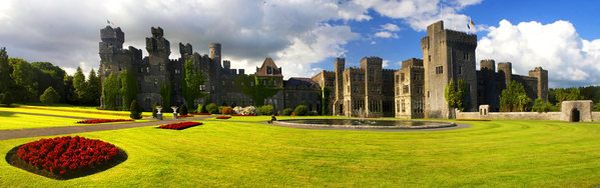
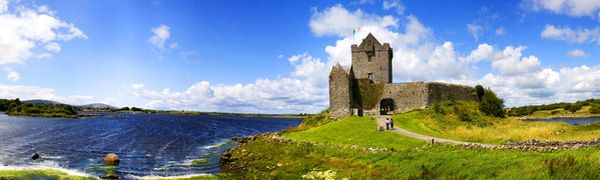
Irish castles and tower houses sit in fields, on rises, and beside water with a blunt practicality. They were built for defense and status; today they read as silhouettes that organize the land around them. In Tommy Hannon’s frames, the structure rarely feels like a museum specimen isolated on a white background. Instead, the castle belongs to weather. Cloud ceilings press down. Grass and stone share the same damp palette. A ruin’s empty windows become apertures for sky.
That approach helps viewers understand scale. A keep looks taller when the horizon is low and the clouds are heavy. A curtain wall feels longer when the lens lets the surrounding land breathe. Detail shots—mortar lines, stair fragments, lichen—matter too, but the stronger emotional hit often comes from distance: human history reduced to geometry inside a much older geology. The land was there before the fortress; the photographs quietly insist on that order.
When you look at these castle images, notice where Tommy Hannon places the building in the rectangle. Centered monuments can feel ceremonial. Off-center placements turn the fortress into a character walking through a larger scene. Both choices appear across Irish landscape photography; the difference is intention. Here the intention leans toward mood and place rather than tourist checklist completeness. You are invited to imagine walking toward the stone, not only collecting a trophy view of it.
Ruins complicate romance in a useful way. Missing roofs and broken edges are not defects to crop out; they are evidence of time. Tommy Hannon lets those absences remain visible, which keeps the castles from turning into theme-park silhouettes. History shows as damage and endurance at once.
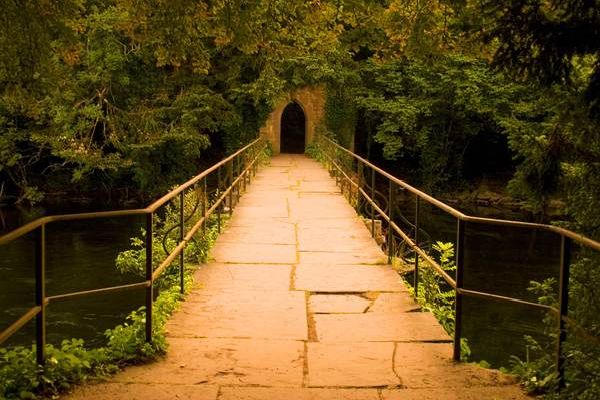
Coastlines that refuse stillness
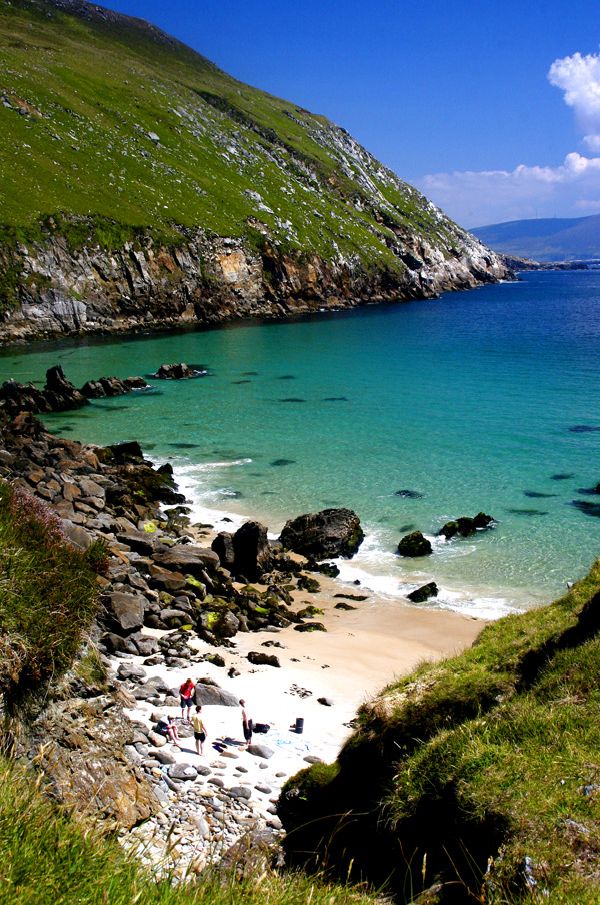
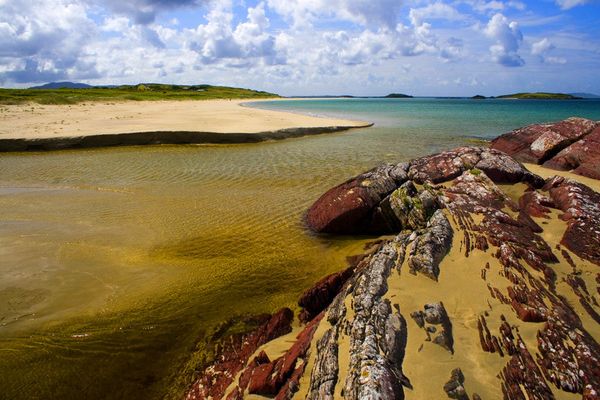
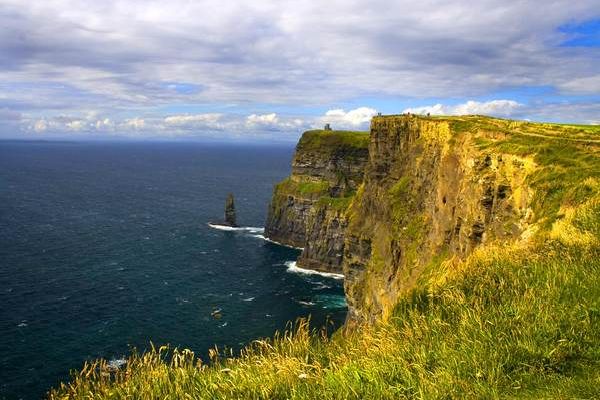
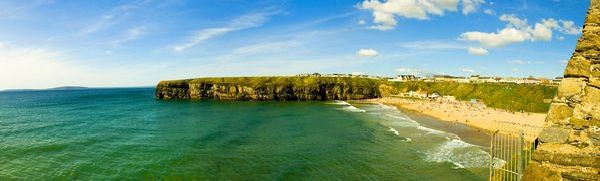
Ireland’s shores are restless subjects. Tide lines redraw beaches. Cliffs catch side light for only minutes. Spray softens distant headlands. Tommy Hannon’s coastal photographs lean into that instability. Long views emphasize the meeting of land and water; tighter frames find texture in rock pools, grasses, and broken wave patterns. Stillness in the photograph is earned against motion in the world.
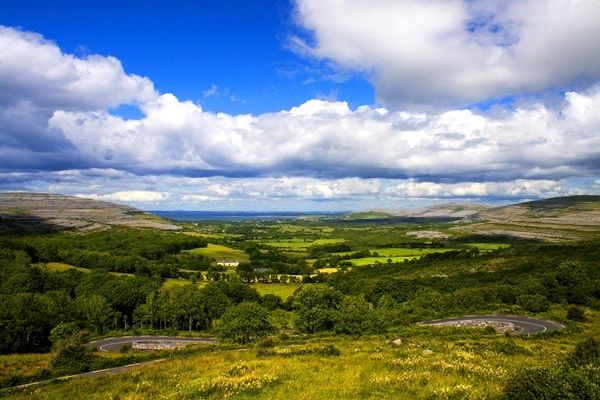
Color stays honest. Blues shift toward steel under cloud. Sand can read cool or warm depending on the hour. Green fields above sea cliffs remind you how abruptly the island ends. That abruptness is part of Ireland’s photographic drama: pastoral calm and oceanic force sharing a single hillside. A fence line or path sometimes enters the frame as a human scale marker, then disappears into weather again.
For travelers and photographers alike, the lesson in these images is timing. Midday sun can flatten cliffs into postcard glare. Broken light after rain often gives depth—dark water, bright grass, stone that finally shows its facets. Tommy Hannon’s coast work feels chosen for those in-between hours when the Atlantic is a collaborator instead of a washed-out backdrop. If you ever shoot similar places, study how much of the sky he keeps. Horizon placement is half the storytelling.
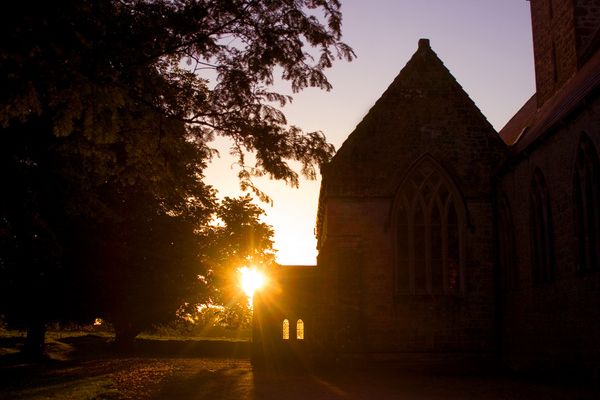
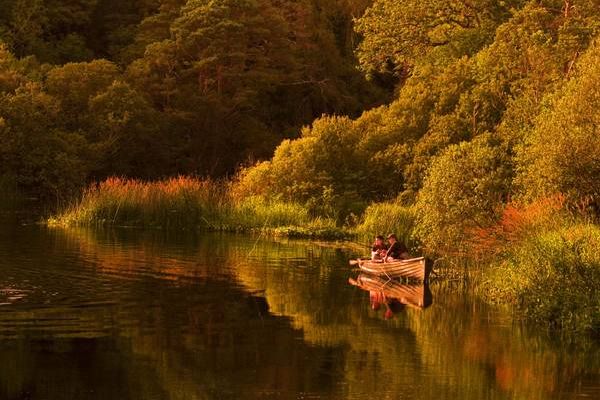
How castles and coasts rhyme in one portfolio
Putting castles and coastlines in one gallery is not a random mix. Both subjects are about edges—edges of power, edges of land, edges of weather. A fortress wall and a cliff face both negotiate what can stand against force. Tommy Hannon’s sequencing lets that rhyme surface without needing captions to explain it. Move from a tower to a headland and you may feel the same pressure of sky on both.
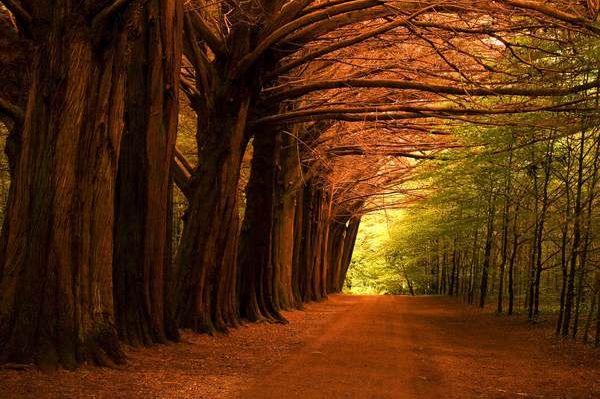
Technically, the photographs share habits useful to anyone shooting Ireland: respect for sky real estate, patience with changing light, and compositions that leave room for emptiness. Negative space is not a mistake here. It is how wind and distance enter the frame. Wide aspect images stretch the horizon; vertical frames climb tower and cliff alike. Exposure choices protect highlight detail in bright cloud breaks so the drama stays readable instead of blowing out into white voids.
Emotionally, the set balances grandeur and intimacy. Some images ask you to stand far back and take in a kingdom of cloud. Others pull you toward a path, a wall, or a strip of shore you could walk. That range keeps the gallery from becoming a single note of “scenic Ireland.” It feels like movement through a day—departure, weather change, arrival at another kind of edge.
Looking with a traveler’s attention
Use the gallery as more than wallpaper. Pick one castle frame and one coastal frame and compare their skies. Notice whether the horizon sits high or low. Ask what would change if the same places were shot in harsh noon light. Those questions turn admiration into learning—useful if you ever stand on Irish stone with a camera of your own, and still worthwhile if you only travel by looking.
Return, for a moment, to a single coastal panorama in the set: the long horizon, the compressed bands of land and water, the sense that weather is still rearranging the scene after the shutter. That one frame carries the gallery’s argument in miniature. Tommy Hannon’s Ireland is not a theme park of endlessly sunny castles. It is a place where masonry and tide share the same unpredictable light. Stay with the darker clouds as willingly as the bright breaks; the photographs are strongest when you let the weather finish the sentence.

Comments
Continue reading
Dramatic Photo Art by Sukron Ma’mun (Ipoenk Graphic)
Cirebon, Indonesia photographer Sukron Ma’mun uses theatrical natural light to frame village life, play, and place in lyrical photo art.

Bird’s-Eye Views: Florian Beaudenon’s Instant Life
Paris photographer Florian Beaudenon’s Instant Life series captures people in their rooms from above—intimate, collaborative overhead portraits of everyday joy.
Abandoned Cars Reclaimed by Nature: Rust, Growth, and Quiet Ruin
When neglected vehicles are left outdoors long enough, rust, moss, and trees rewrite them into strange still lifes—sad, photogenic, and slowly returning to the ground.