
How to Wear a Blazer with a Mini Skirt
Proportion, fabric, color, and shoes—practical styling criteria for pairing a blazer with a mini skirt from day looks to evening without looking unfinished.
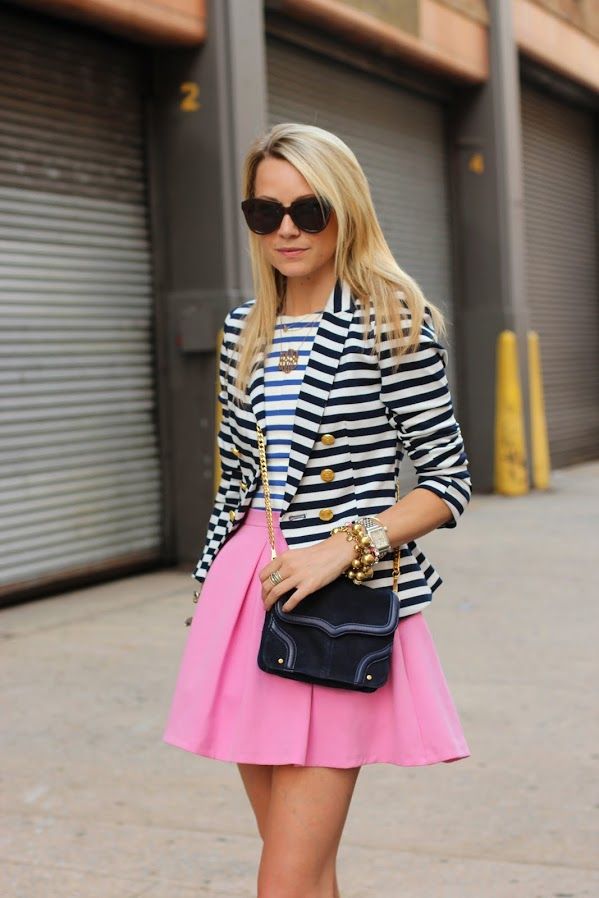
A blazer with a mini skirt is one of the fastest ways to look polished without feeling overdressed. The structure of the jacket balances the shorter hem, so the outfit reads intentional rather than unfinished. Done well, the pairing works for day plans, dinners, and evenings that sit somewhere between casual and formal.
The trick is not copying one viral look. It is choosing proportions, fabrics, and shoes that suit your height, the weather, and the setting. A cropped blazer over a high-waist mini creates a different mood from an oversized boyfriend jacket over a sleek pencil mini. Both can work; they answer different styling questions.
Start with proportion, not trends
Proportion does more work than any single brand name. If the skirt is very short, the blazer should usually cover more of the hip or land cleanly at the waist so the eye has a resting place. If the mini is longer—mid-thigh rather than high—the jacket can be shorter or more cropped without looking abrupt.
High-waist skirts are the easiest partner for blazers because they create a clear waistline. Tuck a thin top or wear a fitted knit so the jacket buttons or hangs without bulk. Low-rise minis can still work with longer, open blazers, but they need a stronger vertical line—think a long necklace, a monochrome base, or boots that connect skirt to shoe.
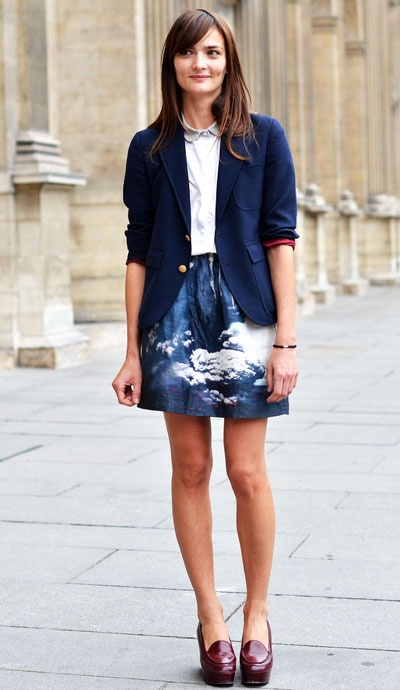
Sleeve and shoulder fit matter as much as length. A blazer that slips off the shoulder or puddles past the knuckles softens the look in a way that can feel sloppy next to a short skirt. Aim for the shoulder seam to sit on the bone and the sleeve to hit near the wrist bone when arms hang relaxed.
Fabric pairings that feel deliberate
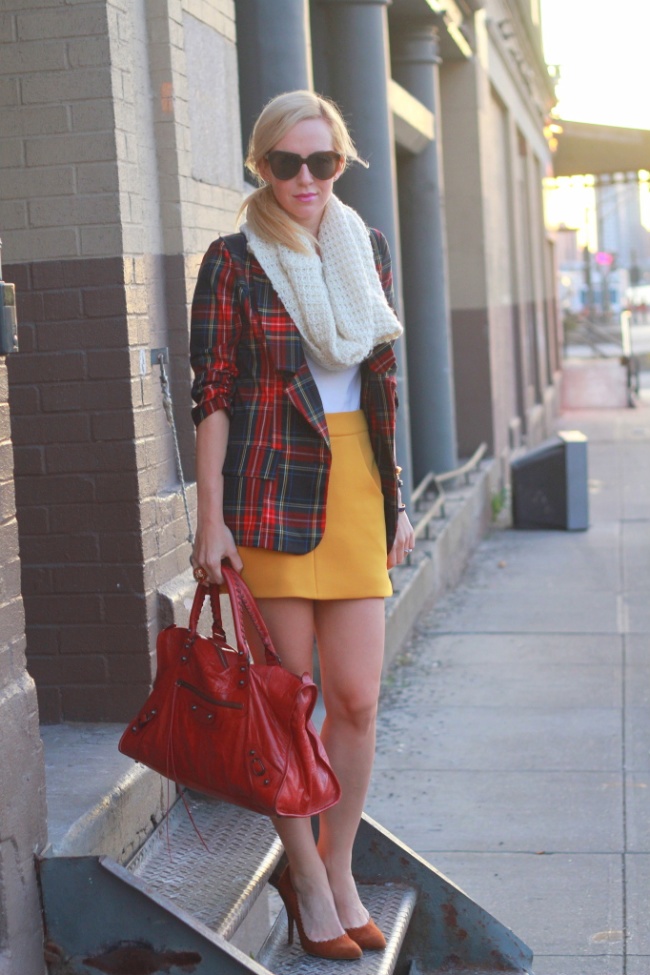
Matching fabric weights keeps the outfit coherent. A wool or structured cotton blazer with a tailored mini in suiting fabric looks sharp and slightly formal. A soft jersey or knit blazer with a denim or cotton mini reads weekend-ready. Mixing a stiff jacket with a floaty chiffon mini can work if you keep colors related and avoid adding too many busy textures at once.
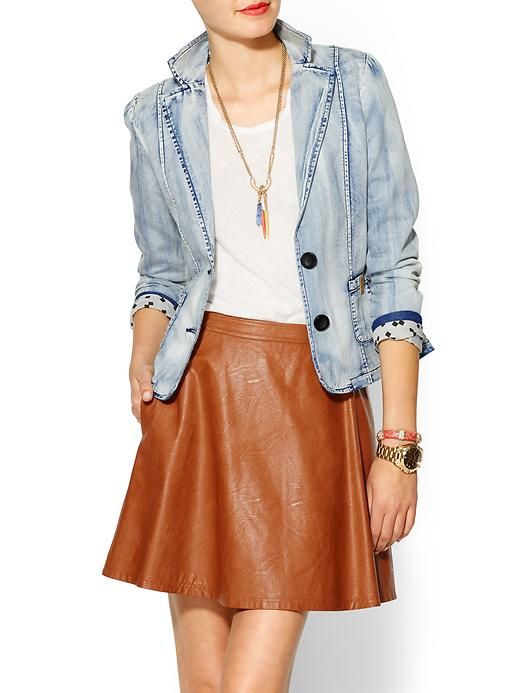
Seasonal fabrics help the combination stay wearable. In cooler months, denser weaves, leather or faux-leather minis, and lined blazers hold shape and add warmth. In warmer weather, unlined cotton, linen blends, and lighter crepes prevent the jacket from feeling like armor. If linen wrinkles easily, treat that as part of the look or choose a blend that recovers better after sitting.
Shine and matte should be intentional. A satin mini under a matte blazer creates contrast without needing loud prints. Two glossy pieces together often feel evening-only; save that for nights out and keep daytime looks more matte.
Color and pattern strategies
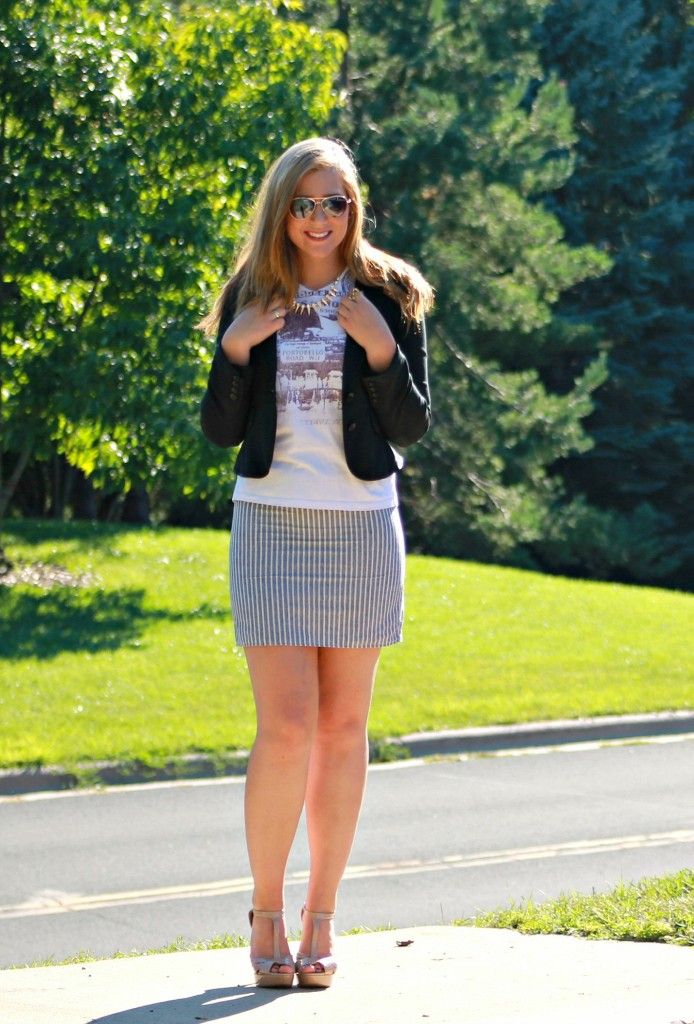
Monochrome—black on black, camel on camel, navy on navy—is the safest sophisticated route. It lengthens the silhouette and makes small fit issues less noticeable. Tone-on-tone (charcoal blazer with a lighter grey mini) softens the effect while staying polished.
If you want contrast, pick one statement piece. A bold printed mini under a solid blazer is usually cleaner than a loud jacket over a busy skirt. Checks, pinstripes, and subtle plaids on the blazer can echo a solid mini in one of the pattern’s secondary colors. Neon accents work best as a top, shoe, or bag rather than both jacket and skirt fighting for attention.
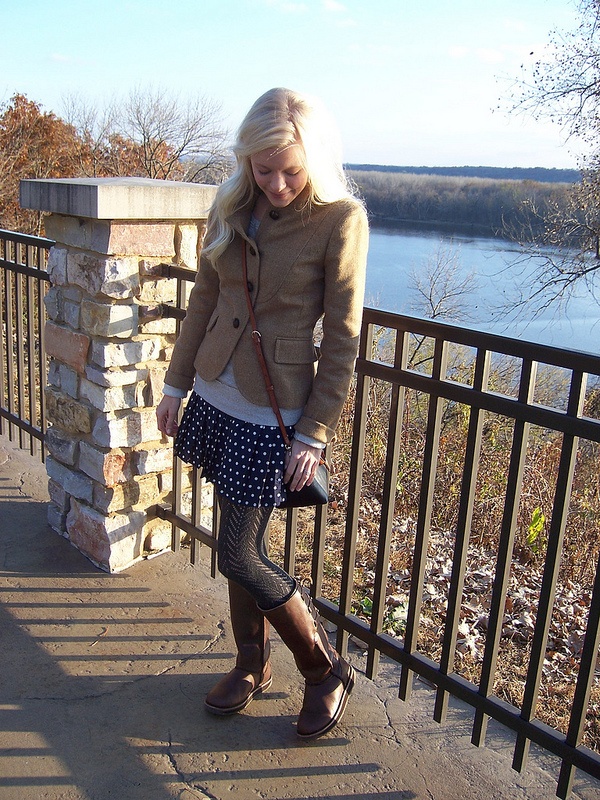
Colored tights change the formality instantly. Sheer black or nude tights lean classic. Opaque colored tights—burgundy, forest, cobalt—add personality and warmth in colder weather. Match tights to shoes for a longer leg line, or match them to the skirt for a blockier, more graphic effect.
What goes underneath
The top layer under the blazer decides how dressed-up the outfit feels. A fine-gauge turtleneck reads autumn and winter smart. A silk camisole or fitted tank suits evening. A crisp white shirt with the blazer open adds classic structure; leave one or two buttons undone so the neckline does not fight the jacket’s lapels.
Avoid thick hoodies or bulky sweatshirts under a blazer when the skirt is mini—the volume stacks in the wrong place. If you want casual ease, choose a slim tee or a thin long-sleeve and let the blazer carry the polish.
Necklines should clear the blazer’s closure. High collars can peek neatly above a buttoned jacket; deep necklines work better with the blazer open so the look does not feel closed-off at the chest and short at the hem.
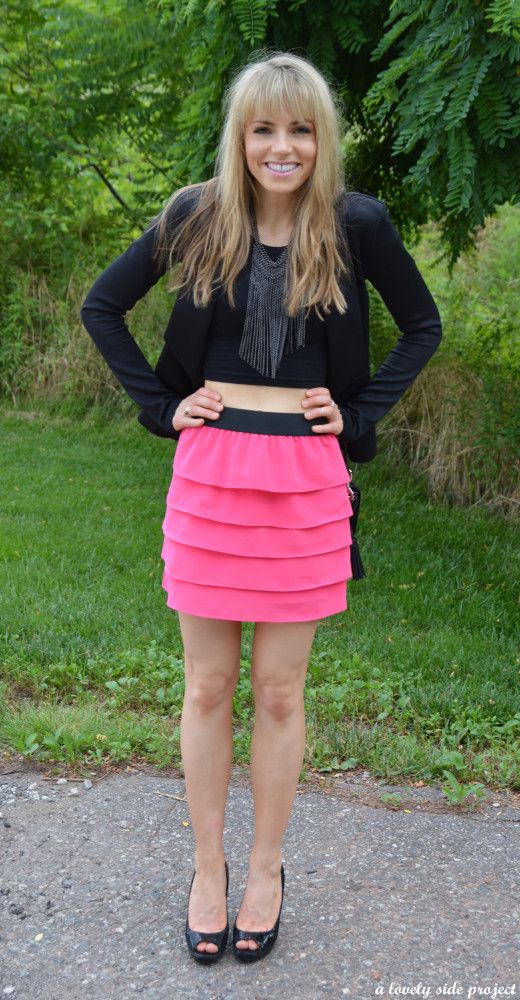
Shoes and bags that finish the line
Heeled pumps or pointed flats elongate the leg under a mini and keep the look sharp. Ankle boots with a slight heel work for day-to-night transitions, especially with opaque tights. Knee-high boots can look striking if the mini sits cleanly above the boot shaft without a messy gap of fabric.
Chunky sneakers soften the combination into weekend territory. That can be exactly right for errands or travel, but it shifts the mood away from “sophisticated.” If you choose sneakers, keep the blazer more structured so the outfit does not collapse into loungewear.
Bags should match the formality of the shoes more than the color of the skirt. A compact shoulder bag or structured tote supports city days; a sleek clutch suits evening. Overly large backpacks tend to overwhelm a short hemline unless the blazer is oversized on purpose.

Occasion formulas that actually work
For work-adjacent settings where a mini is acceptable, choose a knee-skimming mini rather than an ultra-short cut, a fully lined blazer, opaque or sheer tights, and closed-toe shoes. Keep jewelry minimal. The goal is “put together,” not “night out.”
For brunch or daytime events, try a lighter blazer, a cotton or denim mini, and flats or low block heels. Roll the blazer sleeves once if the cut allows—it softens the formality without undoing the structure.
For evening, lean into fabric contrast: satin or leather mini, sharper lapels, heels, and a stronger lip or earring. You do not need more pieces; you need clearer decisions about shine, heel height, and whether the blazer stays on or comes off at the table.


Fit checks before you leave the house
Button the blazer and sit down. If the skirt rides up uncomfortably or the jacket pulls across the back, adjust length or size before relying on the outfit for a long day. Walk up stairs if you will need to. Check the back view in a mirror—minis and blazers are judged from behind as much as from the front.
Move your arms forward as if reaching for a door handle. If the blazer lifts the skirt oddly or the hem of the jacket catches, a different length pairing will serve you better. Comfort is part of looking composed; fidgeting reads louder than a slightly simpler outfit.
A short styling checklist
- Waist clearly defined (high-waist skirt or belted blazer)
- Shoulder seam on the shoulder; sleeves near the wrist
- Fabric weights in the same “season”
- One hero—pattern, color, or shine—not three
- Shoes that match the formality of the setting
- Tights chosen for weather and leg line, not as an afterthought
If those six points hold, the blazer-and-mini combination will do what it does best: look sharp, feel wearable, and travel from one part of the day to the next without a full wardrobe change.

Comments
Continue reading
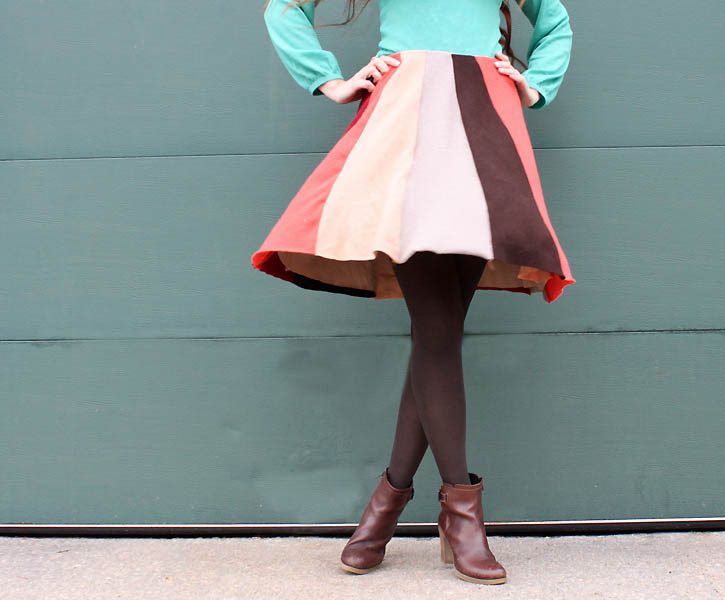
5 Simple DIY Skirt Tutorials You Can Sew This Weekend
Circle, tee-to-pencil, gathered dirndl, wrap, and print pencil—five beginner-friendly skirt projects that remake fabric you already own.
Funny Animal Signs That Warn People (While Animals Ignore Them)
From a seagull on a no-birds disc to classic zoo and park ironies—why animal warning signs get funny, and what the rules are still for.
How to Find Local Amenities on Vacation: Mechanics, Haircuts & More
Locate trustworthy local services and everyday spots while traveling or settling in—using publications, reviews, map apps, neighbor tips, and low-pressure exploration.