
Innovative Bedroom Storage Ideas That Actually Free Floor Space
Five practical ways to calm a cluttered bedroom—fitted wardrobes, ventilated shelving, under-bed volume, wall depth, and furniture that stores as well as it looks.
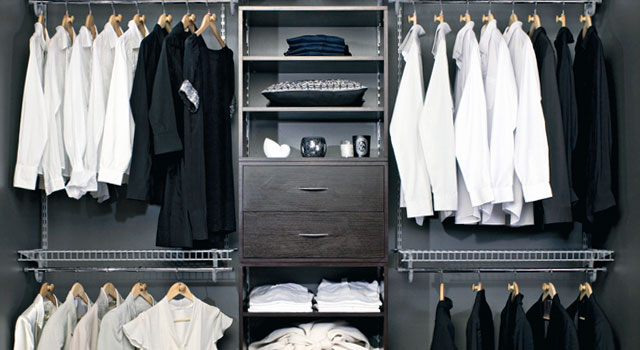
A bedroom is supposed to be the simplest room in the house: a place to sleep, reset, and leave the day outside the door. In practice it often becomes a quiet warehouse — off-season clothes, unread books, chargers, leftover shopping bags, and “I’ll deal with it later” piles that never leave. The space may not look chaotic from the doorway, but it feels smaller than its square footage, and that tension makes rest harder.
Better storage is not about buying every clever gadget on the market. It is about giving every category of stuff a home that is easy to use when you are tired. The ideas below focus on fitted volume, airflow, under-bed capacity, wall depth, and the small furniture pieces people underestimate. Use what fits your room; ignore what does not.
1. Use the full footprint you already pay for
In a small bedroom, unused corners and awkward alcoves are expensive empty air. Fitted wardrobes and built-to-wall units earn their keep because they can follow the exact width and height of a niche. Floor-to-ceiling storage often adds more usable volume than a freestanding armoire of the same width, simply because the gap above a standard wardrobe becomes dead space you still vacuum around.
If the phrase “fitted furniture” makes you picture dated mirrored walls from another decade, update the mental image. Contemporary options range from warm wood tones to painted panels, soft-close drawers, and sliding doors that do not need a wide swing clearance. Sliding doors are especially useful where a bed or desk sits too close for hinged doors to open comfortably.
Before you commit to carpentry, do a ruthless inventory. Storage fails when it is built around a fantasy wardrobe instead of the clothes you actually keep. Measure hanging length for coats versus shirts, count shoe pairs, and decide whether bulky items (suitcases, sports gear) truly belong in the bedroom or should move to a hall cupboard. Design around the real pile, not the aspirational one.
2. Prefer ventilated shelving where clothes live
Solid wood shelves look handsome in photos, but closed dark cabinets can trap moisture — especially in humid climates or in rooms where laundry sometimes waits overnight. Ventilated wire or open-slat systems let air move around folded stacks and shoes. That airflow helps reduce mustiness and can make it easier to see what you own at a glance.
Ventilated systems are also modular. You can usually rearrange shelf heights when seasons change, add hanging rods, or create a tall boot bay without rebuilding the whole unit. Durability varies by brand and gauge, so check weight ratings if you plan to store heavy denim stacks or boxes of books. The goal is circulation plus access, not a flimsy rack that bows in six months.
Pair open shelving with a few closed drawers or fabric bins for visual calm. Completely open storage shows every mismatched pile; completely closed storage hides problems until the door will not shut. A mix keeps the room looking intentional while still breathing.
3. Treat under the bed as prime real estate
The rectangle under a mattress is often the largest unused volume in the room. Modern ottoman-style or lift-up beds turn that cavity into a deep trunk for spare bedding, off-season clothes, or luggage. If replacing the bed frame is not in the budget, low-profile boxes, zip bags, and shallow drawers on wheels still reclaim a surprising amount of space.
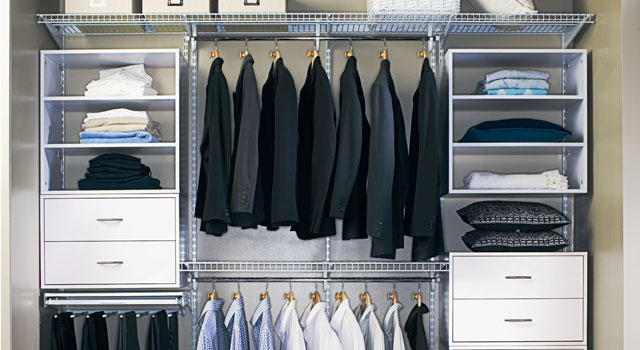
Compression bags are useful for soft goods you do not need weekly — spare duvets, guest pillows, winter knits — because they shrink bulk and keep dust off fabric. Label everything. The fastest way to recreate clutter is to forget what lives under the bed and start stacking “temporary” items beside it.
Leave a little clearance for cleaning if you use rolling bins. A storage plan that makes vacuuming impossible will eventually lose to dust and frustration. Also avoid storing anything that smells strongly (shoes after wet weather, damp towels) in a sealed under-bed zone next to where you sleep.
4. Borrow depth from the walls
Walls are not only for art. Recessed niches, shallow built-ins between studs, and floor-to-ceiling shelving that sits only 25–35 cm deep can hold books, folded sweaters, or display objects without eating the walking path around the bed. In older homes, chimney breasts and awkward returns are natural candidates for custom cupboards that look architectural rather than like afterthought furniture.
This route usually costs more time and money than freestanding pieces, so it pays to plan carefully. Decide whether you want open shelves (lighter look, more dusting) or doors (calmer, more joinery). Mirror-fronted panels can visually widen a narrow room while hiding storage behind them. Even a single wall of shallow cupboards can retire a bulky dresser and free floor area that makes the whole bedroom feel larger.
If full carpentry is out of reach, temporary systems help: tall bookcases anchored safely to the wall, peg rails for bags and robes, or a high shelf for luggage you rarely touch. Vertical thinking beats buying another low chest that crowds the bed.
5. Make bedside tables and “pretty” furniture earn their keep
Dressers, nightstands, and end-of-bed ottomans often fill with junk because their drawers are convenient landing zones. Empty them, then assign specific jobs. One drawer for sleep essentials (earplugs, lip balm, charging cable). One for jewelry or watches. One for spare headphones and remotes. Tiny categories prevent the mix of receipts, batteries, and mystery cables that makes drawers useless.
An ottoman or storage bench at the foot of the bed can hold extra blankets, workout clothes, or shoes while doubling as a place to sit while dressing. In a small room, that dual role matters: seating plus storage beats seating that only collects laundry. Choose a lid that opens easily with one hand; awkward mechanisms become decorative obstacles.
Floating nightstands with a single drawer can look lighter than bulky tables while still hiding clutter. Wall-mounted rails or slim shelves above them keep books from stacking on the floor. The point is not to decorate more — it is to stop surfaces from becoming default storage when better homes exist a few centimeters away.
A practical order of operations
Innovative storage fails when it arrives before editing. Try this sequence:
- Remove what does not belong. Relocate tools, paperwork, and bulk pantry overflow out of the bedroom.
- Sort clothes by frequency. Daily wear should be easiest to reach; rare pieces can go higher, deeper, or under the bed.
- Measure before buying. Note door swings, radiator positions, and the path you walk half-asleep at night.
- Solve volume first, décor second. A calm paint color will not compensate for clothes on a chair every morning.
- Leave breathing room. Empty shelf space is not failure; it is future capacity that prevents new clutter from spilling onto the floor.
Small habits that protect the system
Even excellent built-ins collapse under daily drift. A two-minute evening reset — hang the day’s clothes, clear the nightstand, return the laundry basket to its corner — keeps the room from sliding back into “warehouse mode.” Seasonal swaps help too: when spring clothes come forward, bag winter volume immediately instead of letting both seasons compete for the same rod.
If you share the room, agree on zones. Shared ambiguity (“we’ll just put it somewhere”) recreates piles. Separate drawers or labeled bins sound fussy until you notice how much friction they remove at 11 p.m.
Lighting also affects whether storage gets used. A dark wardrobe corner becomes a black hole. A simple battery puck light or better overhead placement makes the “put it away” option as easy as the “drop it on the chair” option. Convenience wins; design for the tired version of yourself.
Start with one upgrade that matches your biggest pain: a lift-up bed if bedding is everywhere, ventilated shelving if clothes smell stale, or a single wall of shallow cupboards if floor space is the crisis. One finished zone usually motivates the next. A bedroom does not need to look like a showroom to feel restorative — it needs fewer decisions standing between you and sleep.

Comments
Continue reading

Funny Animal Signs That Warn People (While Animals Ignore Them)
From a seagull on a no-birds disc to classic zoo and park ironies—why animal warning signs get funny, and what the rules are still for.

How to Find Local Amenities on Vacation: Mechanics, Haircuts & More
Locate trustworthy local services and everyday spots while traveling or settling in—using publications, reviews, map apps, neighbor tips, and low-pressure exploration.

Kristen Stewart for V Magazine, Spring Preview 2013
V81’s Wild at Heart cover story—Kristen Stewart shot by Inez & Vinoodh, styled by Joe McKenna, in pale minimal spring glamour.