
Food Art by Samantha Lee: Edible Stories on the Plate
Malaysian food artist Samantha Lee sketches, sculpts, and serves narrative plates—rice, greens, and fruit shaped into characters so kids eat with curiosity.
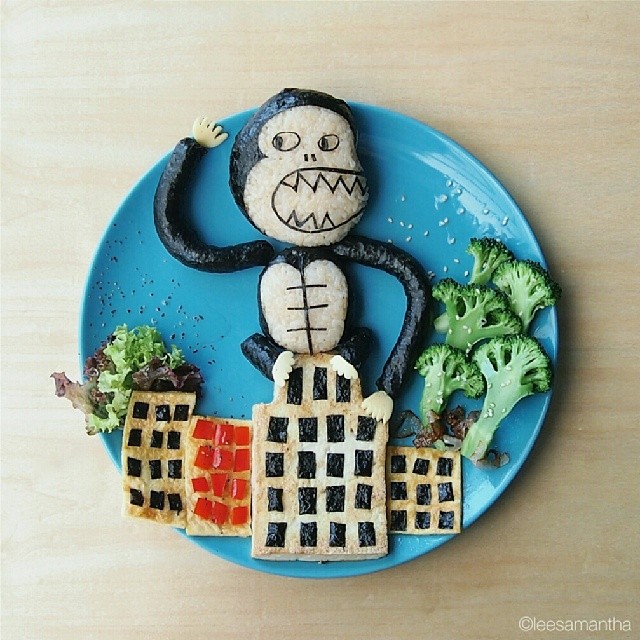
Parents are told not to play with food. Samantha Lee made playing with food her method—and her children’s invitation to the table. The Malaysian food artist builds edible scenes on the plate: characters, landscapes, tiny dramas shaped from rice, vegetables, fruit, seaweed, and whatever else the meal requires. This is food art, not food photography as a commercial craft. The camera documents the sculpture; the sculpture is the point.
Lee began around 2008, while pregnant with her second child, looking for a practical way to help her eldest daughter eat independently and more willingly. If dinner looked like a story, attention stayed on the plate. Sketches came first so ideas stayed organized and ingredients were not wasted. Scissors, knives, and toothpicks became the studio tools. What started as a household fix grew into a widely shared practice of narrative plating that other parents could try at home. By the early 2010s, plates that began in a family kitchen were traveling through blogs and Instagram as proof that care can look playful without becoming frivolous.
Food as sculpture, not just styling
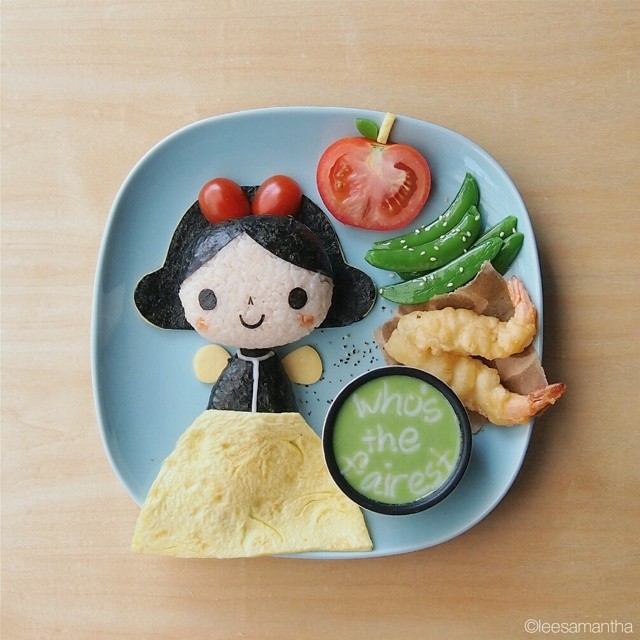
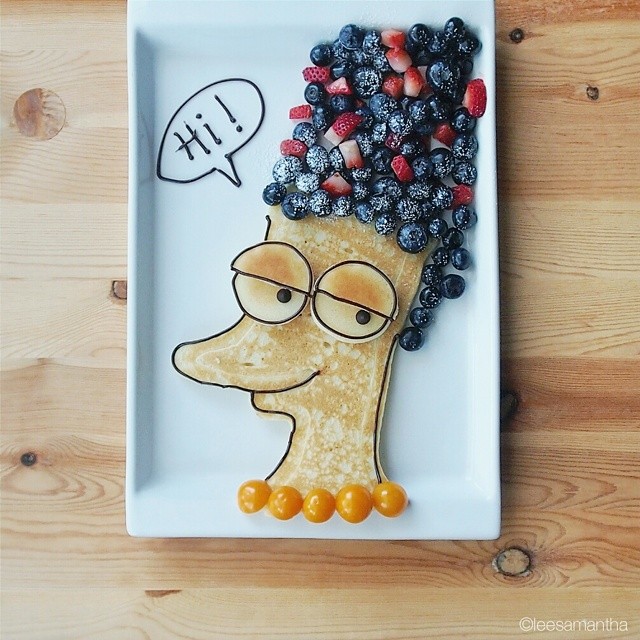
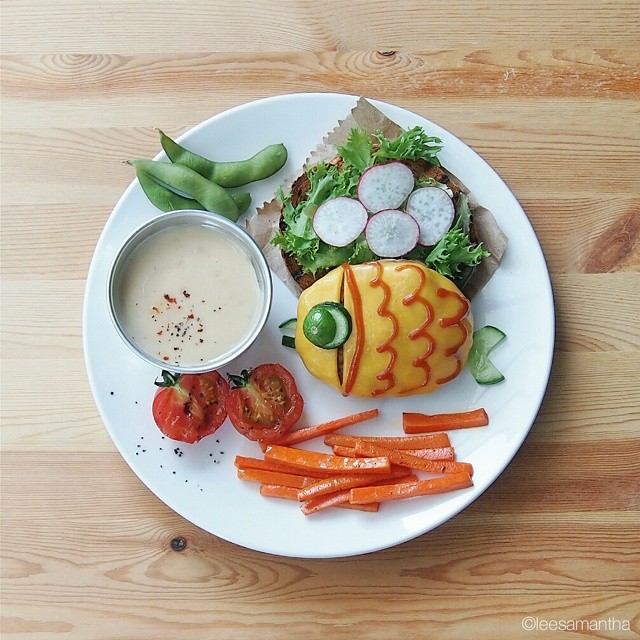
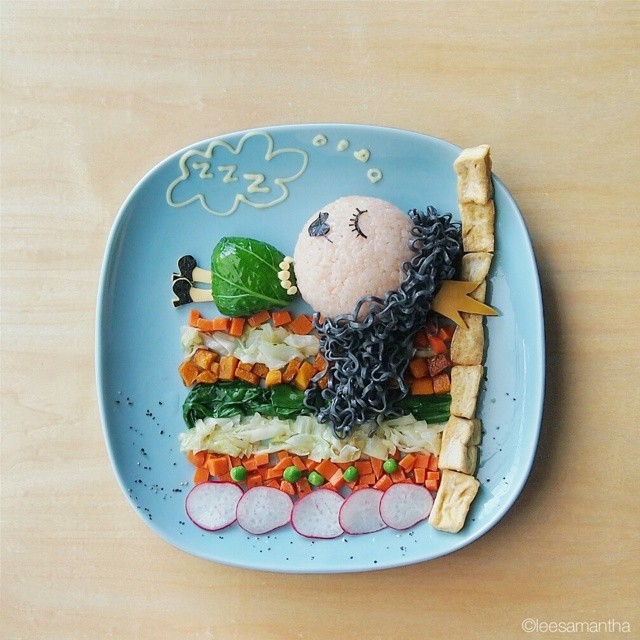
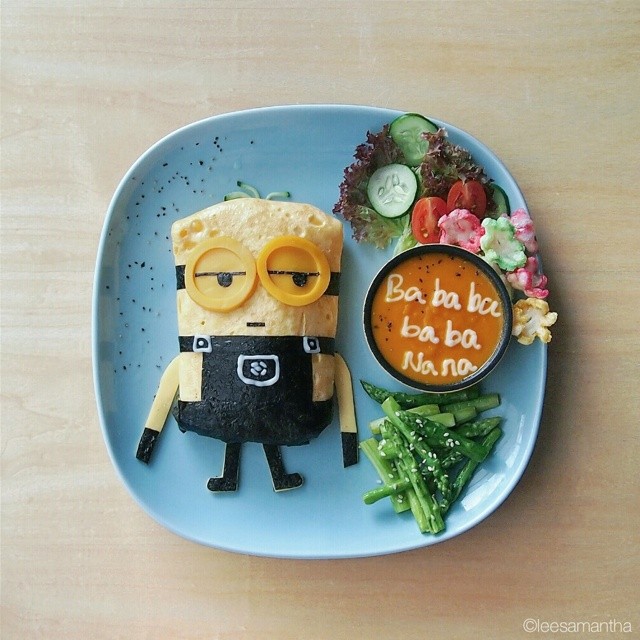
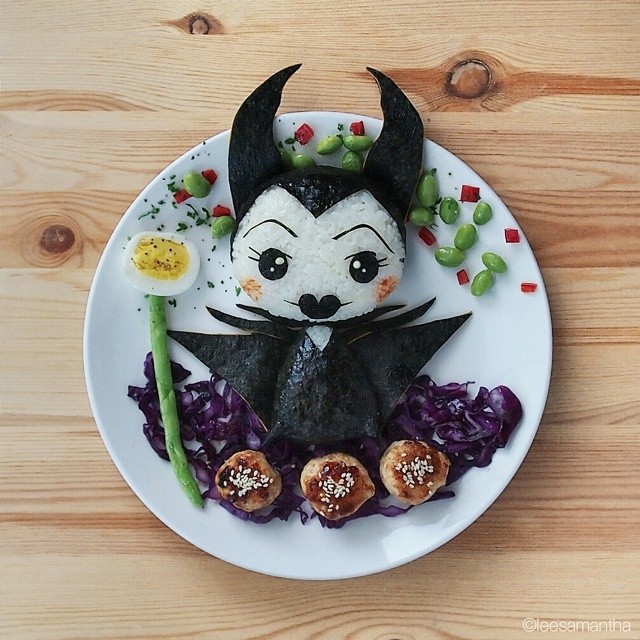
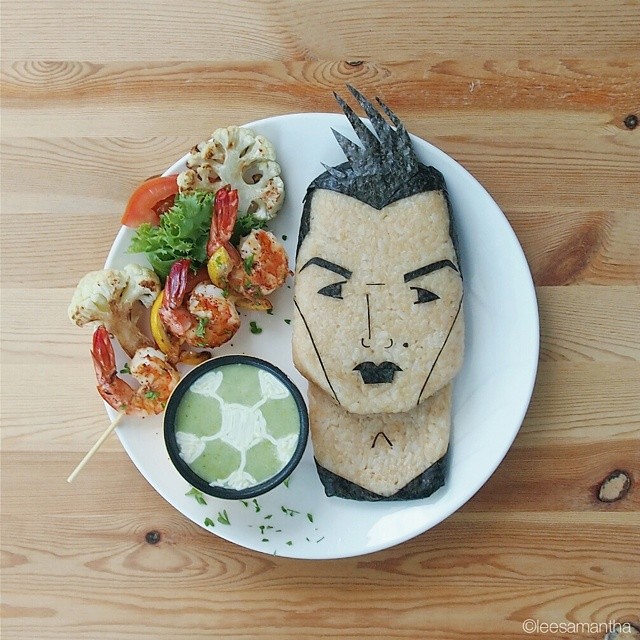
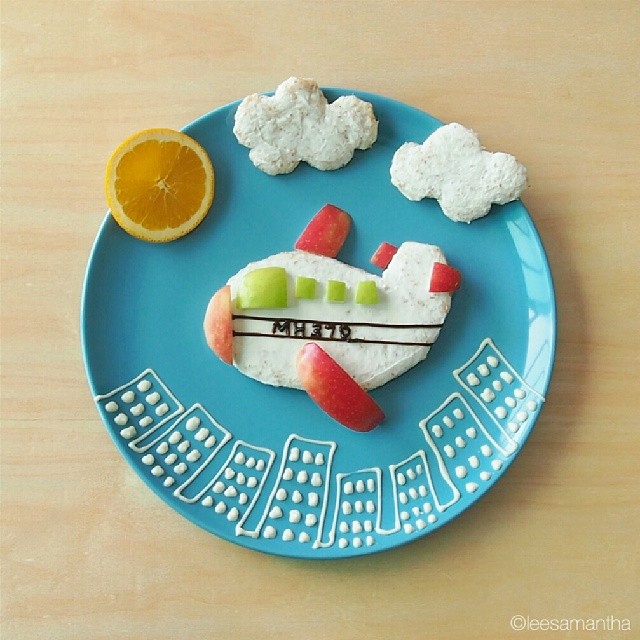
Commercial food photography often treats the dish as a subject to light, crop, and style for appetite. Samantha Lee’s work treats the dish as a miniature set. A scoop of rice can become a body; nori can become a costume; kale can become a dress; cherry tomatoes can become balloons. Characters range from fairy-tale figures to pop-culture cameos. The plate is a stage, and every edible piece has a role. That is why this page belongs with art and illustration as much as with cooking tips: the primary skill is design under edible constraints.
That distinction matters for how you read this gallery. You are looking at construction: how edges are cut, how colors sit next to each other without food dye when possible, how a scene stays intact long enough to be photographed and then eaten. Taste and practicality still count. Lee has emphasized that food art should taste as good as it looks and remain workable in a home kitchen—often roughly an hour to an hour and a half from cooking to finished plate, depending on complexity. A sculpture that cannot be eaten fails the original brief.
Because the audience is children first, the tone stays playful without becoming purely decorative. A monkey in a jungle of greens or a duck on a pond of sauce is funny, yes, but it is also a strategy for engagement. Storytelling turns eating into participation. Kids invent what happens next; the plate becomes a prompt. Adults get a second pleasure: recognizing composition, silhouette, and color blocking executed with groceries.
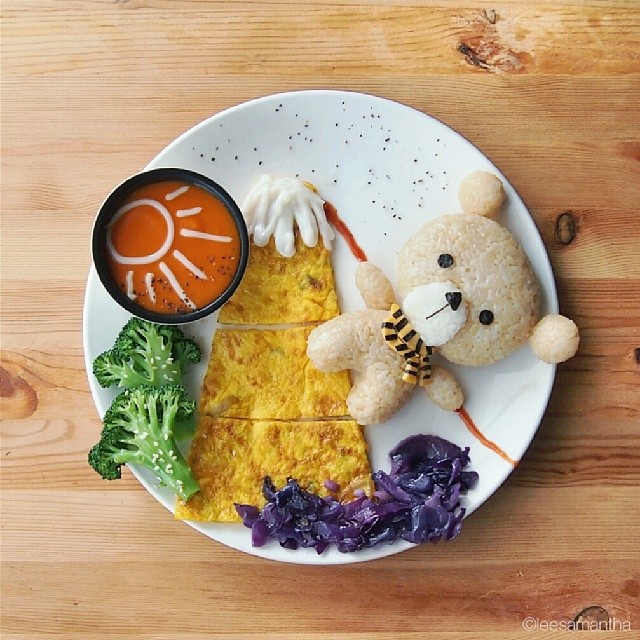
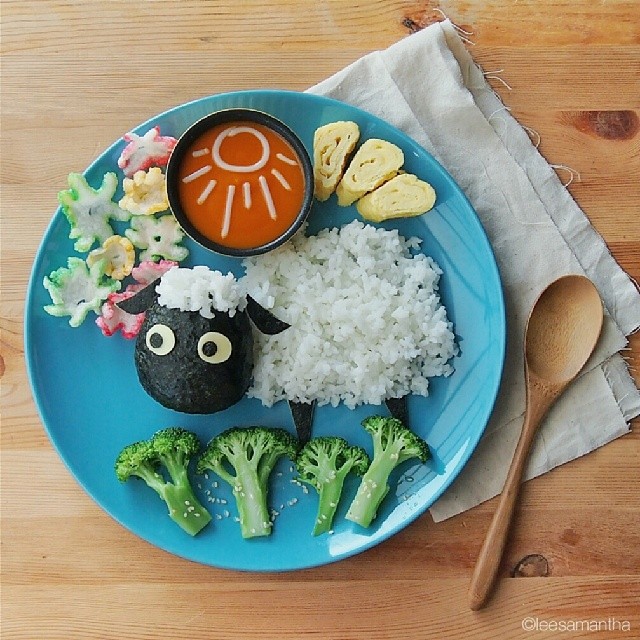
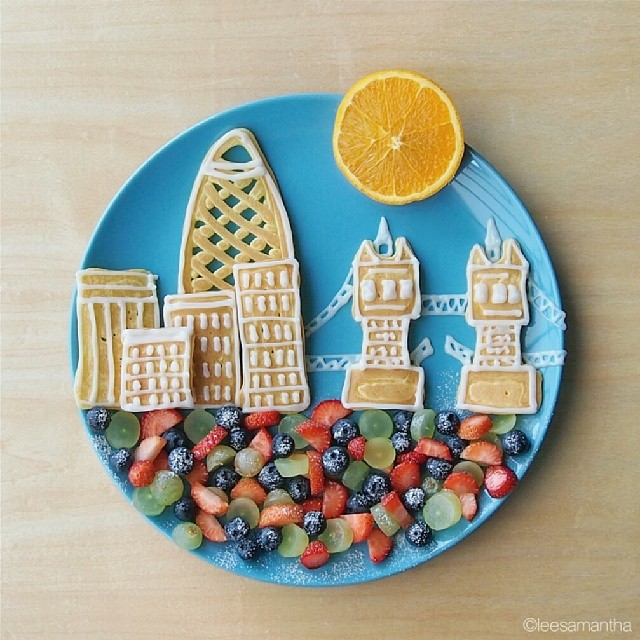
Process: sketch, cook, assemble
Lee’s workflow is deliberately orderly. Sketching prevents chaos and waste. Different ingredients are tested for color and structure—fresh produce often supplies color without artificial dyes. Shaping happens while cooking so components finish together and the plate does not wait so long that food cools into disappointment. Tools stay simple: scissors for clean silhouettes, knives for volume, toothpicks for temporary holds that disappear before serving when needed. Organization is part of the artistry; improvisation alone tends to waste rice and patience.
There is a quiet kinship with Japanese bento art traditions—the idea that a packed meal can carry humor, care, and visual identity—but Lee’s plates are her own vocabulary of home cooking and family storytelling. Hello Kitty reportedly appeared early; later scenes grew more ambitious as skills and confidence expanded. Landmark-inspired plates and character dinners show how a domestic practice can stretch toward travel themes and cultural references without leaving the kitchen table.
When her work spread through Instagram and blogs, part of the appeal was accessibility. You did not need a restaurant kitchen. You needed patience, a cutting board, and a willingness to treat vegetables as both nutrition and medium. Tutorials and process notes made the practice transferable: other caregivers could borrow the method without copying every character. The viral loop mattered less than the reusable idea—plan the story, then cook toward it.
What the images teach about design
Even if you never sculpt a cartoon onto rice, the gallery rewards a designer’s eye:
- Silhouette first: Characters read from across a table because outlines are clear.
- Color blocking: Greens, reds, and neutrals are placed like a collage, not sprinkled randomly.
- Scale play: Tiny props (balls, eyes, balloons) make larger forms feel alive.
- Negative space on the plate: Empty zones keep the scene from becoming mush.
- Material honesty: You can still tell it is food—rice grain, leaf vein, fruit shine—which keeps the wonder grounded.
Those choices separate food art from a merely pretty photograph of dinner. A food photographer might chase steam, shallow depth of field, and appetite cues. Samantha Lee chases narrative clarity that survives the trip from kitchen counter to child’s imagination. The photograph here is evidence of craft; the craft is edible. Keep that line clear when you compare this feature with commercial food photography galleries: one is about sculpting meals, the other about photographing them.
Design constraints make the work sharper. Ingredients wilt, sauces bleed, rice cools. Time is an editor. Lee’s best plates accept those limits and still deliver a readable character. That is closer to illustration deadlines than to leisurely styling sessions.
Nutrition, play, and permission
Food art for children walks a narrow path. Too much sugar-as-decoration undermines the health goal; too much austerity kills the fun. Lee’s public examples lean on familiar home ingredients—rice, vegetables, fruit, poultry—so the plate can still count as a real meal. Play becomes a delivery system for independence and healthier habits, not a replacement for them. That framing matters for caregivers who worry that “Instagram food” means dessert sculptures at every dinner.
Permission is the other gift. Many adults carry rules about not playing with food. Samantha Lee’s practice reframes play as care: attention invested before the first bite. The child who names the character is already engaged. The parent who sketched the scene has already slowed down enough to cook with intention. Neither needs perfection. They need a readable idea and food that still tastes like dinner.
Trying a small version at home
If the gallery makes you want to experiment, start smaller than the most elaborate scenes:
- Sketch one character with three parts—body, face, one prop.
- Choose ingredients you already cook: rice or mash for volume, a dark green for outline, a bright fruit for accent.
- Cut shapes on a board, then assemble on a warm plate so the meal stays inviting.
- Photograph quickly if you want a record, then eat—food art that never gets eaten misses the original purpose.
Perfection is not the goal. Engagement is. Lee’s plates succeed when a child leans in, invents a story, and finishes dinner with less friction. Adults get secondary pleasure: the surprise that everyday groceries can hold composition, humor, and care at once. If the first attempt looks uneven, simplify the silhouette and try again tomorrow. Iteration is part of the craft.
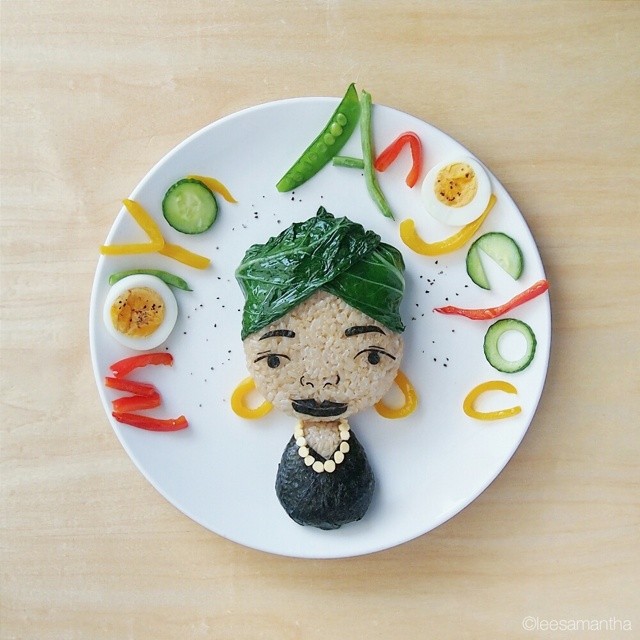
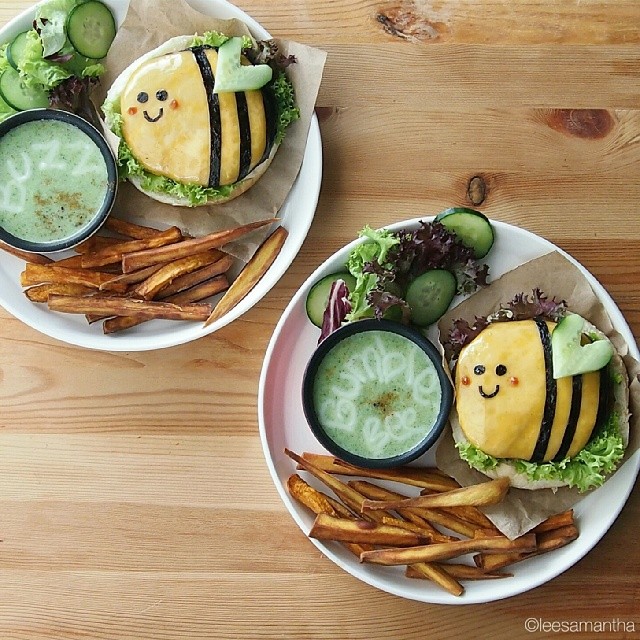
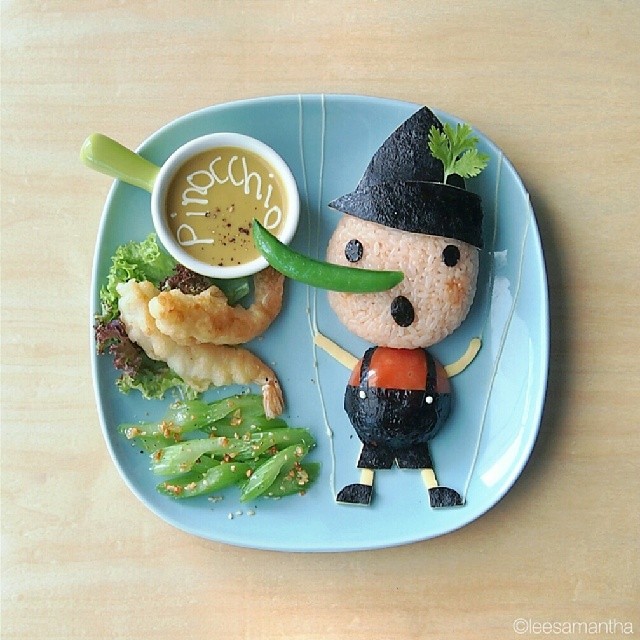
Which plate would you attempt first—a simple animal, a fairytale scene, or a single object with a face? The answer matters less than the habit behind Samantha Lee’s work: plan the story, respect the ingredients, and let the meal be both dinner and design.

Comments
Continue reading
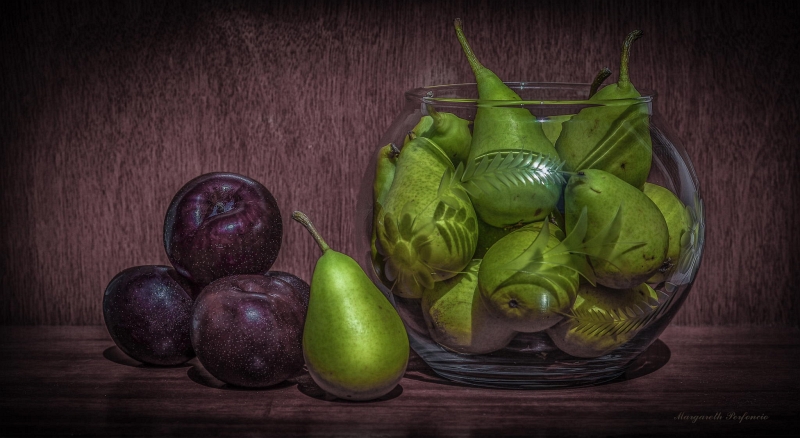
Still-Life Photography by Margareth Perfoncio
São Paulo photographer Margareth Perfoncio’s still lifes of food and flowers—Old Master light, dark wood, and tables that feel inevitable.

Meaningful Love Quotes for Inspiration (and Ink)
Meaningful love quotes that still feel true — short lines for tattoos, gifts, and everyday reminders, with placement and wording tips.
Christina Hess’s Animals From History: Costumed Pets as Playful Portraits
Illustrator Christina Hess reimagines historical icons as ornate animal portraits—Elvis Petme and friends—mixing puns, costume detail, and soft history lessons.