
Famous Chunkies: Alex Solis’s Pop-Culture Junk-Food Illustrations
Alex Solis reimagines iconic characters as junk-food “Chunkies”—a humorous series sparked by Ninja Turtles pizza diets and built for a second look.
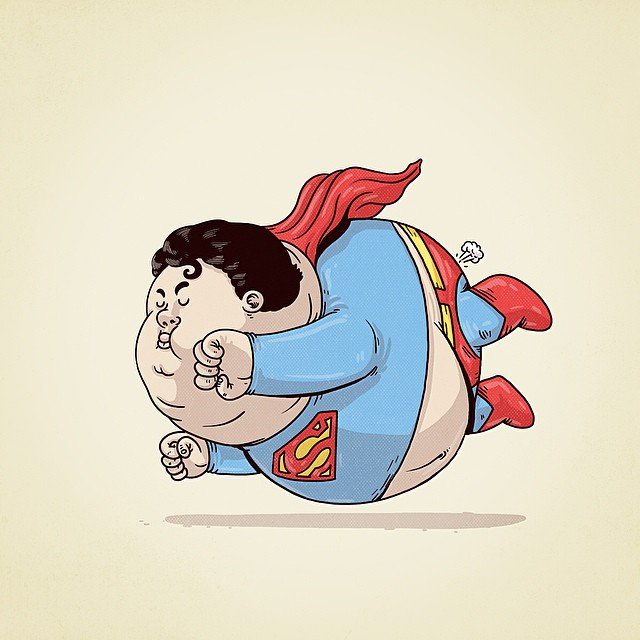
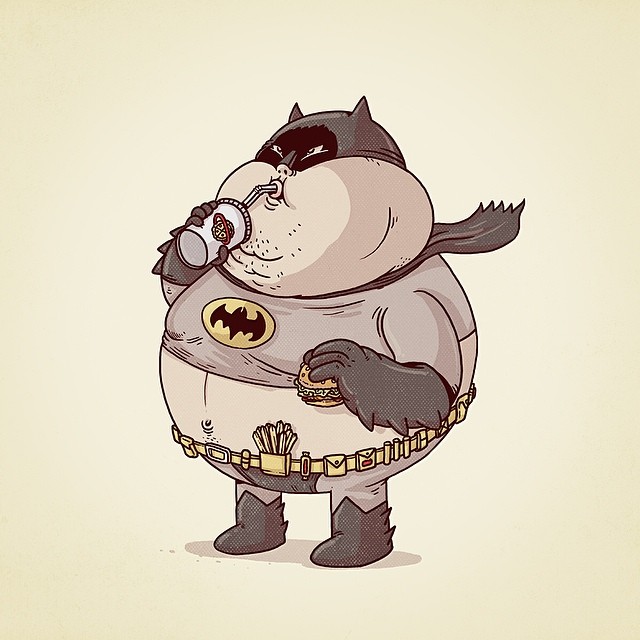
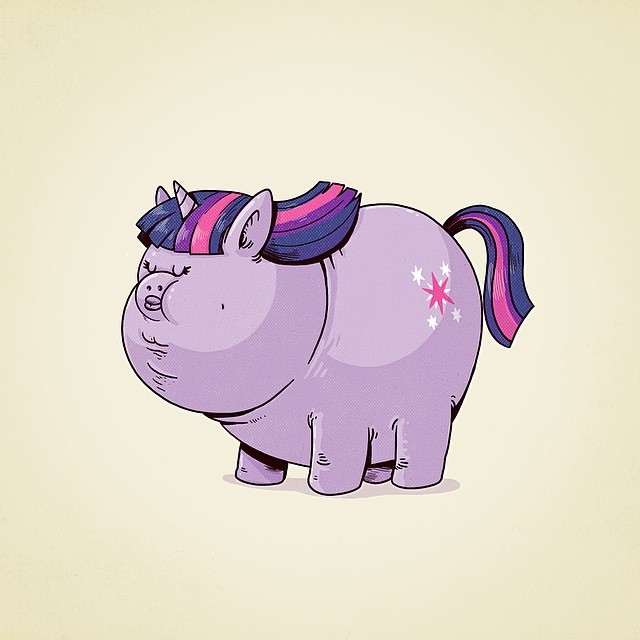
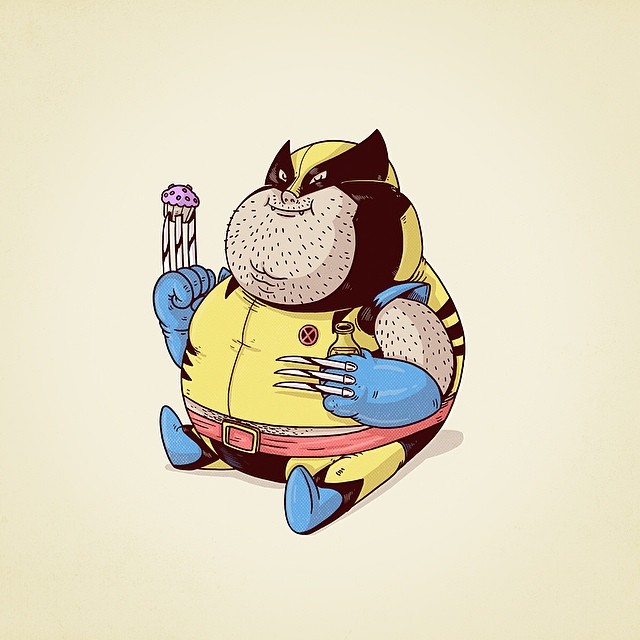
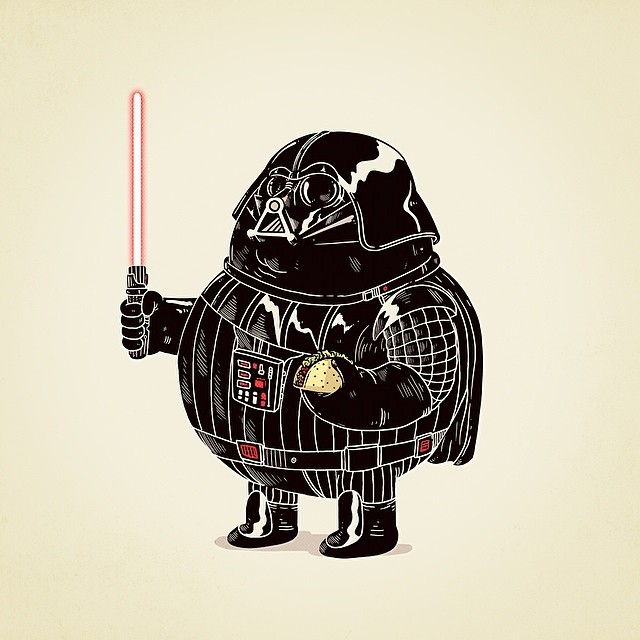
Alex Solis built “Famous Chunkies” as a series of humorous illustrations that ask a simple visual question: what if beloved pop-culture characters actually looked like their junk-food diets? Superheroes, cartoon stars, and franchise mascots appear heavier, relaxed, and often mid-snack—cupcakes, burgers, ice cream, pizza—while their costumes and color schemes stay recognizable. The gag is immediate; the aftertaste is a jab at mixed messages in kids’ media, where characters stay impossibly fit on diets of pizza and candy.
Solis has said the spark came while watching Teenage Mutant Ninja Turtles with his daughter and noticing how the heroes fight tirelessly on a pizza-heavy diet. One turtle drawing led to another, then to a long run of characters. The series grew far past a single joke—dozens, eventually more than a hundred takes—circulating online, in galleries, and later in book form. The drawings stay playful rather than cruel: rounded shapes, bright colors, and familiar logos twisted just enough to land the punchline.
Who Alex Solis is in this project
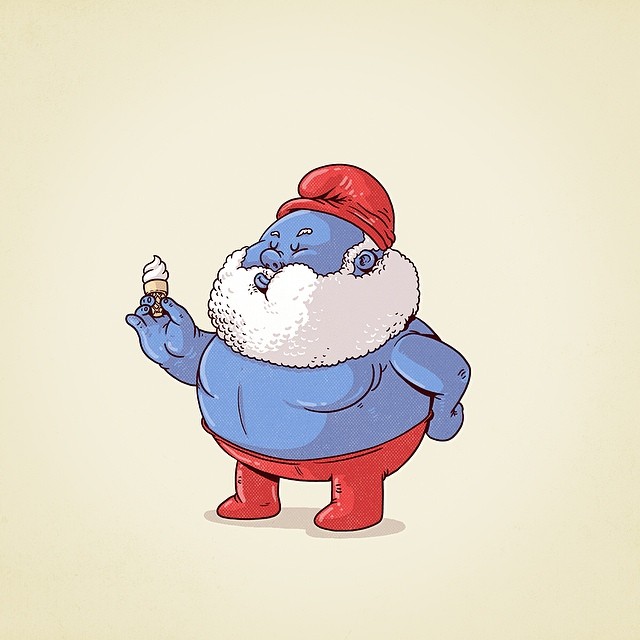
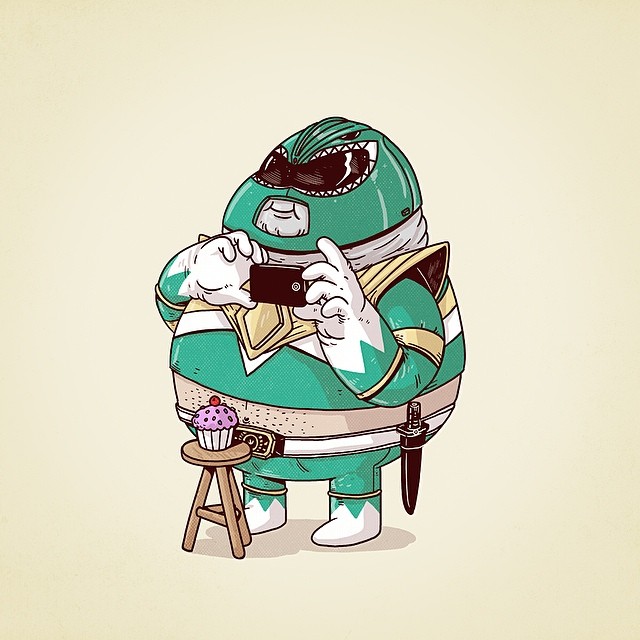
Alex Solis (often credited online as alexmdc) is an illustrator and designer whose personal projects sit alongside commercial work for major entertainment brands. Famous Chunkies sits in the personal-series lane: self-directed, shareable, and built for recognition. Viewers do not need an art-history briefing. They need to know Papa Smurf, a Power Ranger, or Captain America well enough to laugh when the silhouette expands and the prop in hand is dessert instead of a weapon.
That accessibility is why the project traveled. Social feeds reward images you can understand in a second. Solis delivers that speed without emptying the idea: behind the chuckle is a parent noticing what cartoons normalize. He has framed the series as awareness about unhealthy eating habits—not a lecture with charts, but a mirror held up to characters who never gain a pound no matter what the script feeds them. Earlier personal series from Solis played with everyday objects and other doodle concepts; Chunkies is the one that turned recognition itself into the punchline.
How the joke is drawn
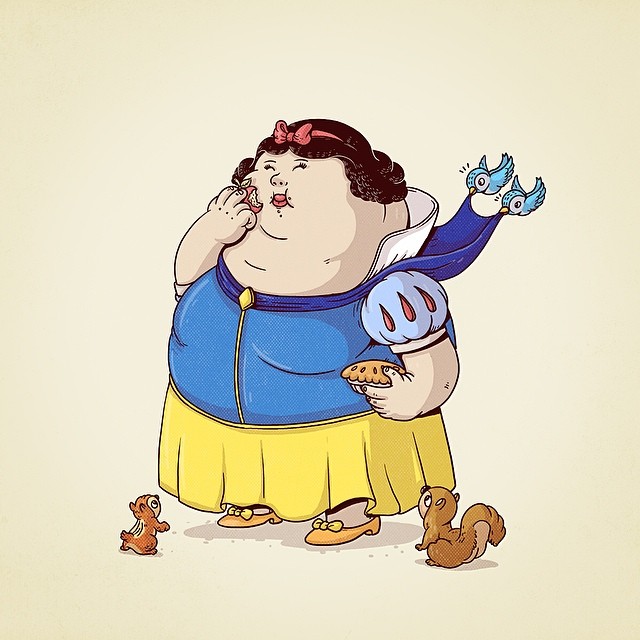
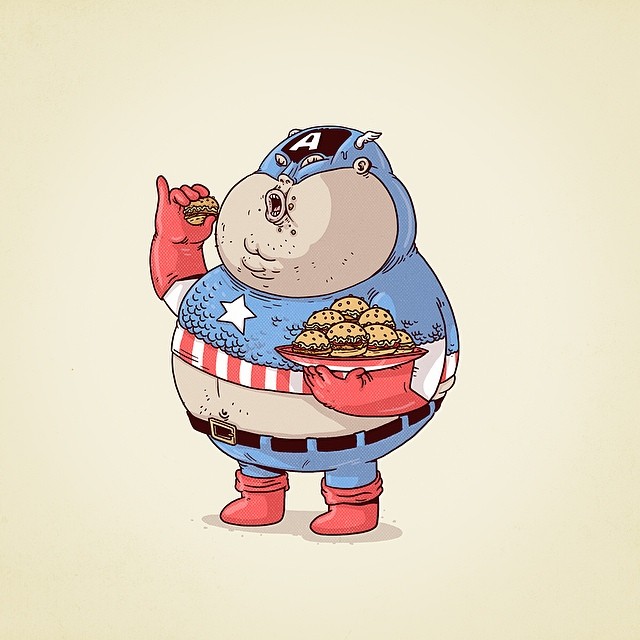
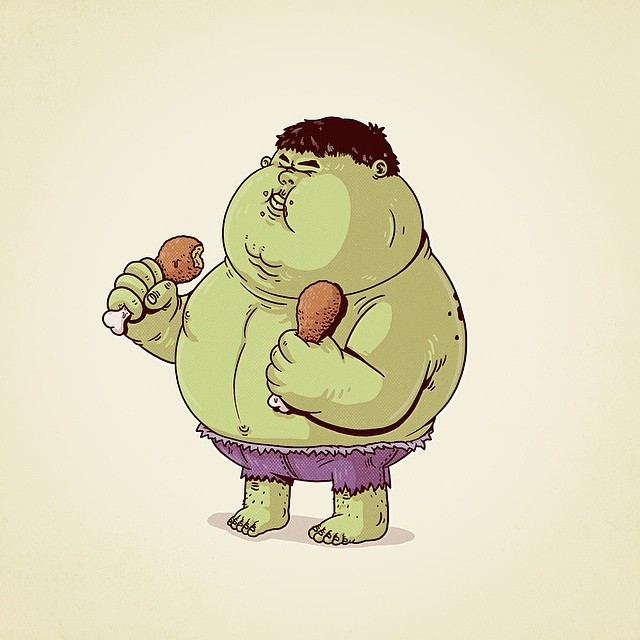
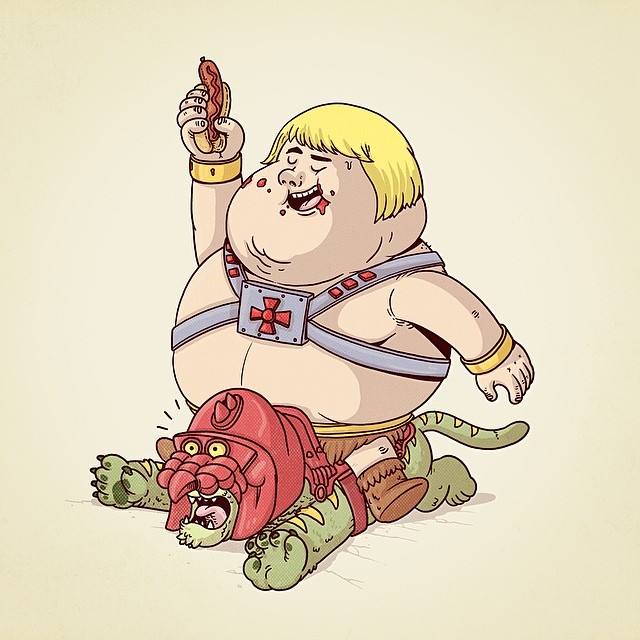
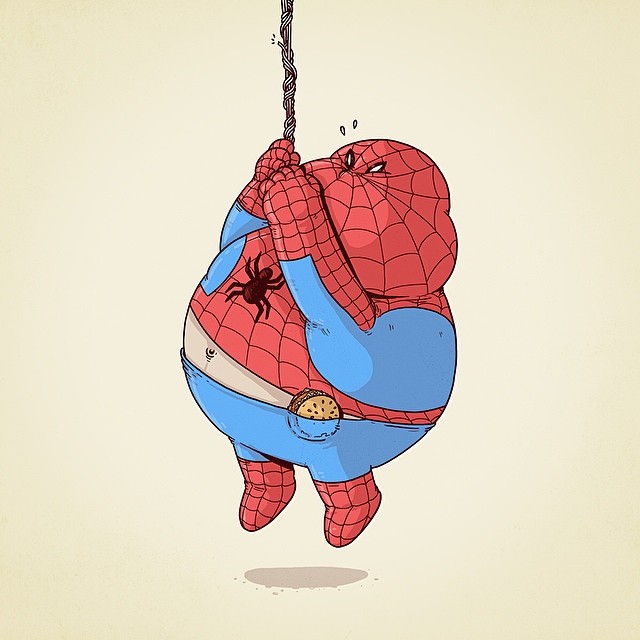
Each piece keeps franchise cues intact—colors, emblems, hair, weapons turned into toys or props—so the transformation reads cleanly. The “chunky” redesign softens angles into curves, shortens necks, and fills costumes until seams feel strained. Food props do narrative work: a cupcake says celebration and excess; a burger says casual indulgence; an ice-cream cone says kid-menu fantasy taken literally. The characters often look pleased with themselves, which keeps the tone comic instead of punishing.
Technically, the images favor clear outlines and saturated fills that survive compression on phones. Poses are simple portrait or three-quarter stands, like trading cards of overindulgence. That consistency makes a grid of Chunkies feel like a set. Once you have seen one, you start inventing the next: what would this hero hold? How would that costume stretch? Solis’s craft shows in the small choices—how a belt sits, how a cape drapes over a fuller torso, how a smile still reads as the same character you grew up with.
From one turtle to a cast of dozens
Solis has noted that Raphael was an early piece that set the body template for later heroes, including a chunky Batman variation he has called a favorite. The Ninja Turtles premise opened the door to villains, sidekicks, and characters from games, comics, and animation. Papa Smurf, Power Rangers, Captain America, and many others appear across features about the series—the exact roster depends on which wave of drawings you catch, because Solis kept adding long after the first viral posts.
Expansion mattered for the message. One fat turtle is a one-liner. A wall of altered icons becomes a pattern: culture sells fitness and junk food in the same commercial break, and kids absorb both. Famous Chunkies does not solve that contradiction; it makes it visible enough to talk about at a kitchen table. Parents can laugh first and then ask what their own screen time teaches about food and bodies. That conversation is gentler when it starts with a drawing of a smiling hero holding a cupcake.
Humor, critique, and sharing online
Illustration series like this live or die on shareability. Famous Chunkies hit a sweet spot in the mid-2010s internet: recognizable IP, clean execution, caption-ready concept. Coverage from art blogs to local television treated the work as both gallery fodder and parent conversation starter. Solis has also placed related designs on apparel through artist-shop channels, extending the drawings beyond the screen into everyday wear.
Importantly, the critique stays aimed at habits and mixed media messages, not at body-shaming real people. The characters are fictional templates. The exaggeration is costume-level. That distinction keeps the series closer to satire than to mockery of individuals. Viewers can still disagree about whether fatness as visual shorthand is the best tool; the project’s stated intent, though, is awareness wrapped in humor. Reading the set that way respects both the joke and the reason Solis kept drawing after the first turtle.
Looking at the set
Scroll the drawings as a single experiment in recognition. Spot the franchise first, then the food, then the body language. Notice how little text is required; Solis trusts the redesign. Compare how different costumes absorb the same proportional shift—armor versus spandex versus fur. Ask which one feels funniest to you and which one feels most pointed. That private ranking is part of how the series works in a browser tab, and it is why a simple gallery still holds attention years after the first posts.
If you share one image, caption it with the concept rather than a pile-on: Alex Solis asking what happens when cartoon diets become real. The drawings do the rest. Whether you take Famous Chunkies as pure comedy or as a nudge about what stories teach kids, they earn a second look the same way every time—you know the character in a blink, and then you notice the cupcake.
- Concept: pop icons redrawn as if junk-food diets had consequences.
- Artist: Alex Solis (alexmdc), personal illustration series.
- Tone: humorous, colorful, conversation-starting.
- Origin: Ninja Turtles pizza diets watched with his daughter; Raphael helped set the template.
- Scope: grew from one gag into a large cast across comics, cartoons, and film icons.

Comments
Continue reading
Still-Life Photography by Margareth Perfoncio
São Paulo photographer Margareth Perfoncio’s still lifes of food and flowers—Old Master light, dark wood, and tables that feel inevitable.
Meaningful Love Quotes for Inspiration (and Ink)
Meaningful love quotes that still feel true — short lines for tattoos, gifts, and everyday reminders, with placement and wording tips.
Christina Hess’s Animals From History: Costumed Pets as Playful Portraits
Illustrator Christina Hess reimagines historical icons as ornate animal portraits—Elvis Petme and friends—mixing puns, costume detail, and soft history lessons.