
Iconic Movie Cars Reimagined as Transformers by Darren Rawlings
Canadian illustrator Darren Rawlings’ If They Could Transform series turns Herbie, Ecto-1, the DeLorean, and other screen legends into Autobot-style robots—with Herbie number 53 on the page.
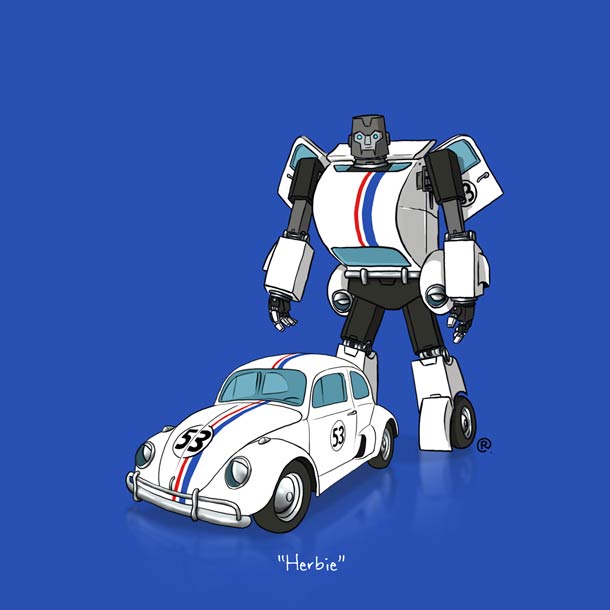
Movie cars already behave like characters. They get close-ups, theme music, and fan loyalty that outlasts some of the actors who drove them. Canadian illustrator Darren Rawlings pushed that idea one gear further in his series If They Could Transform: take the vehicles everyone already knows from film and television, and draw them as if they belonged in the Transformers universe—robot modes built from the same panels, paint, and props that made the cars famous.
The page image below is one piece of that thought experiment. Around it sits the wider roster Rawlings circulated in the early 2010s: Ecto-1, the DeLorean, the Mystery Machine, KITT, General Lee, the A-Team van, and more. The joke lands because the source cars were already halfway to mythology.
Herbie, number 53, standing up
Herbie is the cleanest entry point. The white Volkswagen Beetle with red-and-blue racing stripes and the circled “53” already looks like a mascot in vehicle form. Rawlings keeps the car in the foreground—chrome bumper, round lamps, light-blue glass—then raises a humanoid figure behind it whose chest repeats the stripe path, whose shoulder panels carry the door number, and whose feet remember tires. The solid blue field and the hand-lettered name at the bottom read like a character sheet from a toy catalog that never existed.
That pairing is the series’ grammar: vehicle mode beside robot mode, shared livery, no apology for cartoon logic. You are not asked to believe the engineering. You are asked to enjoy the recognition.
What the series is doing
Transformers fiction already taught audiences that trucks, cars, and jets can unfold into warriors. Rawlings borrows the silhouette language—blocky limbs, glowing eyes, panels that read as doors and hoods—and applies it to pop-culture fleets that were never licensed into that toy line. The pleasure is mash-up, not continuity. Fans of the films get a new costume for an old friend. Fans of the robots get fresh alt-modes that arrive with decades of movie memory attached.
Timing helped. Around 2013–2014, live-action Transformers films kept the franchise loud in mainstream culture, while classic movie cars kept circulating through nostalgia blogs and gallery posts. Rawlings’ DeviantArt and blog posts traveled easily: one image, one caption, instant share. Publications from Mashable to Wired to HuffPost treated the set as a tidy visual essay—proof that illustration can do what a think piece does, only faster.
The roster beyond Herbie
Even when only one drawing sits on this page, the series’ cast is part of the topic. Rawlings’ Ecto-1 Autobot wears Ghostbusters white-and-red urgency and, in some tellings of the piece, a proton-pack scale gag worthy of the late Harold Ramis era of fandom. The DeLorean robot keeps stainless skin and time-machine attitude—hoverboard details showed up in coverage as a wink to Back to the Future Part II. Scooby-Doo’s Mystery Machine becomes a flower-power mech whose paint job does half the storytelling before a single pose is explained.
Other entries lean on silhouette recognition alone. KITT from Knight Rider is a black wedge with a red scanner soul; drawn as a Transformer, it still has to feel like a talking Trans Am with opinions. The General Lee keeps Confederate-roof controversy out of the editorial frame by focusing on orange paint, push-bar bravado, and airborne Dukes mythology. The A-Team’s GMC Vandura brings black van menace and red stripe swagger. Wayne’s World’s Mirthmobile Pacer—awkward, beloved, deeply of its moment—gets the same respectful absurdity as the cool cars. Mach Five, Party Wagon, Bigfoot-style monsters: the list keeps proving the rule. If a vehicle already has a theme song in your head, it can wear a robot face.
Why these cars were ready
Iconic movie vehicles succeed for the same reasons good character design succeeds: readable shapes, limited color systems, and a job to do on screen. The Mystery Machine says “mystery kids” in one glance. Herbie says “underdog racer.” Ecto-1 says “professional weirdos on call.” Translating those signals into robot anatomy is almost unfairly easy—the hard part is restraint. Too many extra guns and the car’s personality disappears. Too little shared paint and the mash-up fails the recognition test.
Rawlings’ clean digital shading and bold outlines help. The drawings look finished enough for a print, simple enough for a phone screen. They sit halfway between concept art and sticker. That middle register is why the Herbie piece still works as a standalone gallery image: you can enjoy it without knowing every other entry, and you can still feel the larger series humming behind it.
Illustration as fan engineering
There is a craft lesson under the nostalgia. Crossover art thrives when both source properties stay legible. Here, Transformers supplies the transformation grammar; the movie cars supply identity. Neither side is erased. Herbie does not become a generic white Autobot. The robot does not abandon the Beetle’s smile. That balance is harder than it looks, and it is why random “what if” sketches online often fail while a disciplined series sticks.
It also explains the editorial impulse behind collecting the work. These are not production stills or toy photography. They are arguments drawn in panels: popular culture likes hybrids, and vehicles are already costumes. Give them arms and they will still be themselves—if the designer respects the original paint.
Looking at the Herbie frame again
Return to the blue field. The car faces you with the confidence of a mascot that survived multiple film generations. The robot towers behind it like the secret form every kid assumed was waiting inside the metal. Number 53 appears on hood and shoulder; stripes run continuous from vehicle story to mech story. Nothing in the picture needs a paragraph of lore. The lore is already public domain in the best sense: shared memory.
Darren Rawlings’ If They Could Transform series takes that memory and stages a parade of “what if” machines—Ecto-1, DeLorean, Mystery Machine, Pacer, KITT, General Lee, and the Love Bug standing here. One illustration is enough to state the thesis. The rest of the fleet is the encore you can hear even when the gallery only has space for Herbie.

Comments
Continue reading
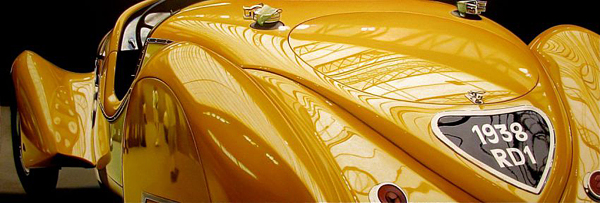
Photo-Realistic Muscle Car Paintings by Cheryl Kelley
Cheryl Kelley’s glossy oil paintings of classic muscle cars—photo-based realism, chrome reflections, and a feminine take on automotive glamour, with gallery images.
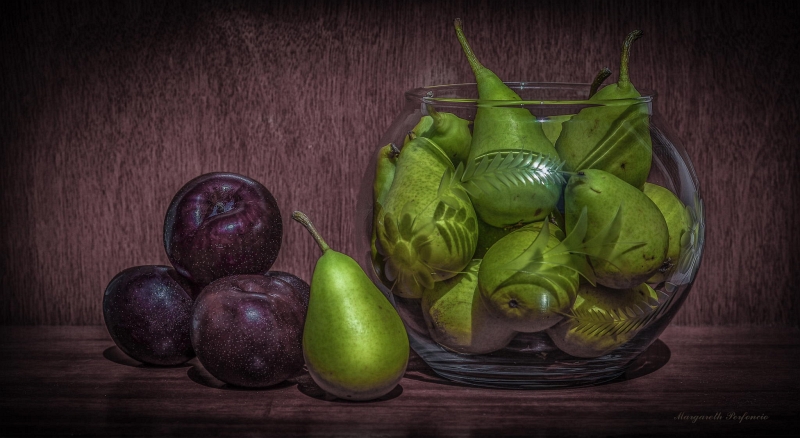
Still-Life Photography by Margareth Perfoncio
São Paulo photographer Margareth Perfoncio’s still lifes of food and flowers—Old Master light, dark wood, and tables that feel inevitable.
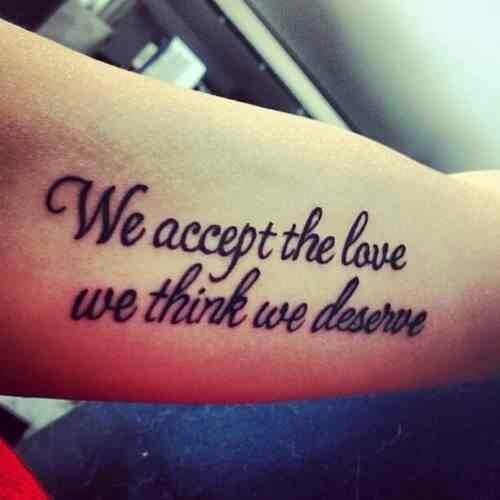
Meaningful Love Quotes for Inspiration (and Ink)
Meaningful love quotes that still feel true — short lines for tattoos, gifts, and everyday reminders, with placement and wording tips.