
Creatively Designed Floating Beds: Rocking Sleepers and Wall-Mounted Platforms
Two kinds of floating beds—John Huff’s gently rocking suspended sleeper and architectural beds that hover above the floor—plus design cues for choosing either.
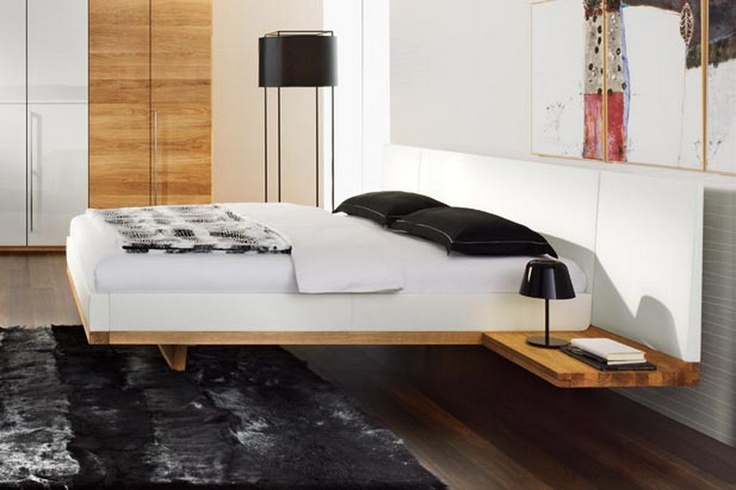
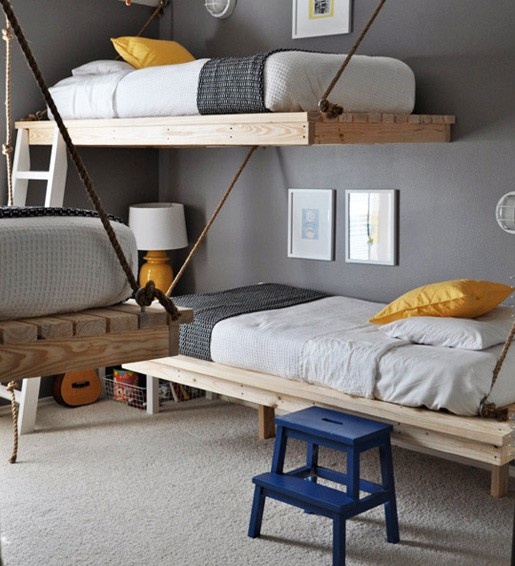
A bed can be a straightforward rectangle on legs, or it can be a piece of furniture that changes how a room feels the moment you walk in. “Floating beds” sit in that second category. The phrase covers two very different ideas that share a visual trick: the sleep surface appears to hover. One version is literally suspended and rocks. The other is fixed architecture—cantilevered from a wall, lifted on hidden supports, or framed so the floor stays visible underneath. Both show up in the gallery below because both answer the same restless question: what if the bed did more than occupy floor space?

Two meanings of “floating”
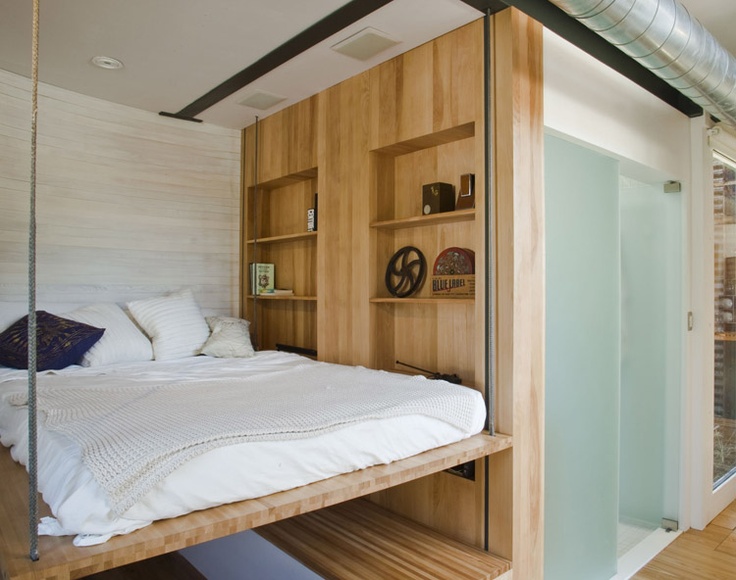
Inventor John Huff’s Floating Bed takes the word almost literally. The sleep platform hangs from a single overhead point so it can move in a gentle arc—what he describes as an omni-pendulum motion. The goal is not drama for guests; it is a crib-like rock meant to calm the nervous system and make falling asleep easier. Round frames are common here because corners fight a hanging bed’s natural swing. Under the mattress, an adjustable net support keeps the surface flatter than a hammock while still allowing that slow sway.
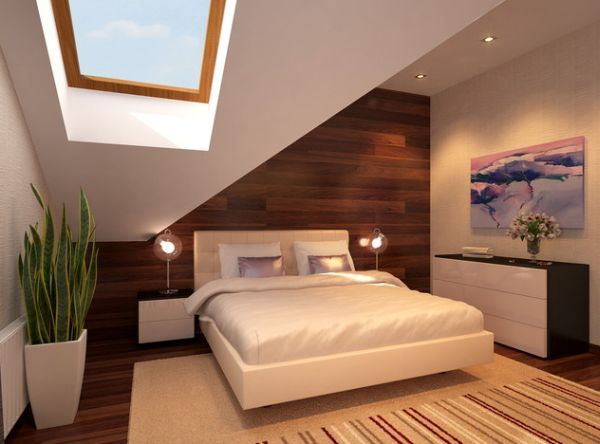
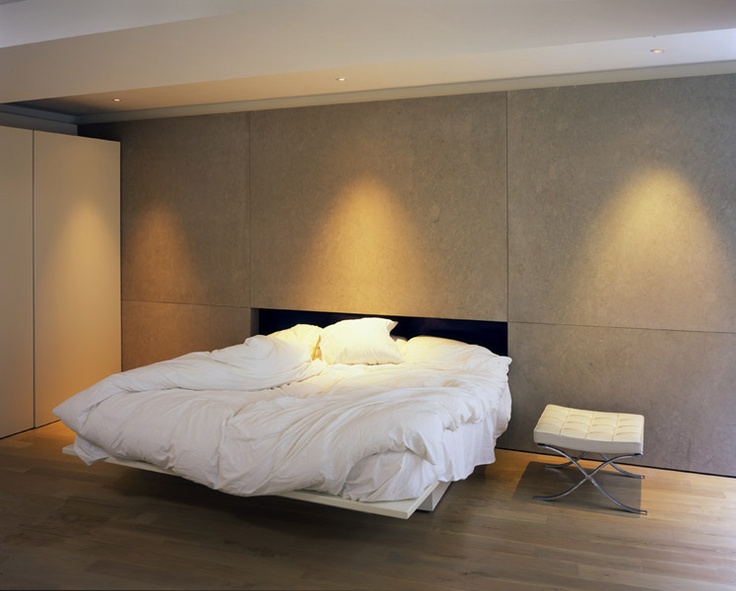
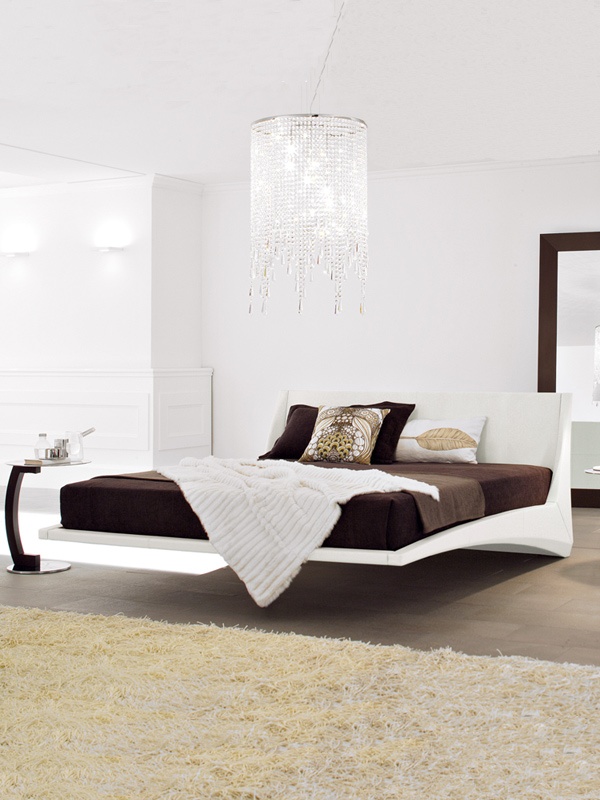
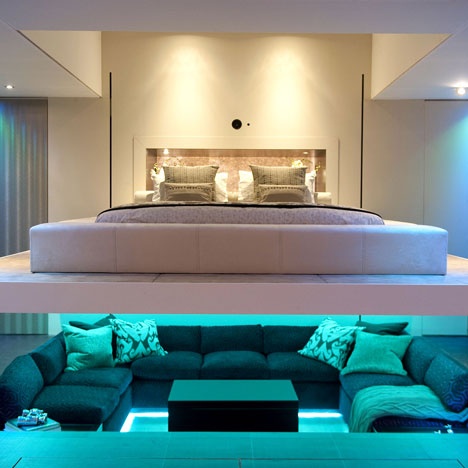
The second meaning is stylistic. Designers and manufacturers build beds that look detached from the floor: a thick platform mounted to a wall, a slab resting on recessed plinths that disappear in shadow, or a lofted frame with open air underneath. These beds rarely rock. Their job is visual lightness, easier mopping, and a bedroom that reads more like a lounge than a warehouse of furniture. When people search for creatively designed floating beds, they usually want both families of ideas on one page—and that is what this collection is for.
Why the rocking version exists
Parents already know that motion settles a body. Huff’s design tries to give adults a controlled version of that instinct without the sag of a hammock or the chop of a waterbed. A single suspension point keeps the motion predictable: you move with the bed rather than fighting it. Many installations hang from a ceiling beam or a freestanding frame when joists cannot take the load. Capacity claims are high—often in the range of a thousand pounds—because the engineering has to feel boringly safe before anyone trusts the romance of floating.
Practical questions still matter. You need clearance so the bed can arc without kissing a nightstand. You need a mattress that stays put on a moving platform. You need to decide whether the bed will live indoors year-round or spend summers under a covered patio. And if you share the room with a partner who hates motion, tethers can limit swing—though many owners leave them loose once they learn how gentle the arc feels.

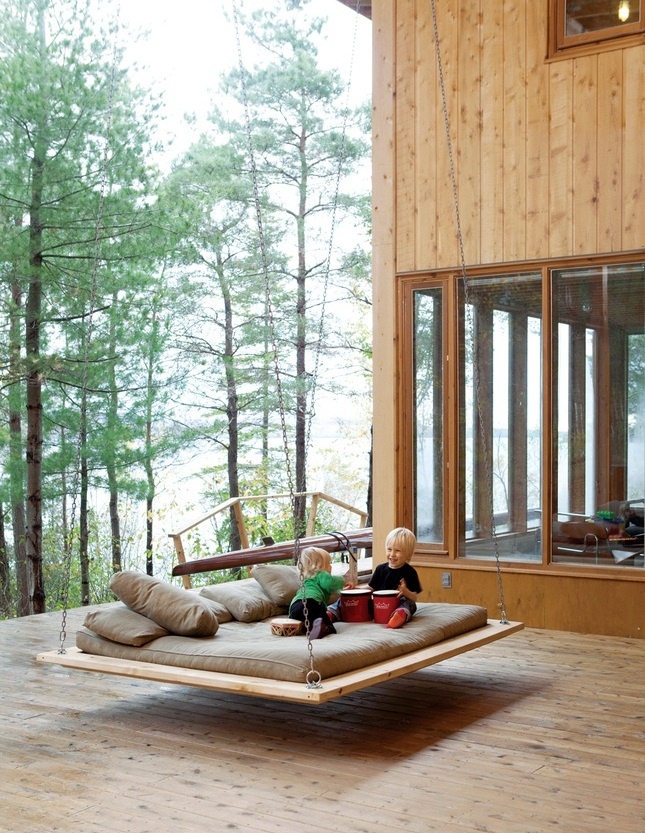

Wall-mounted and cantilevered beds
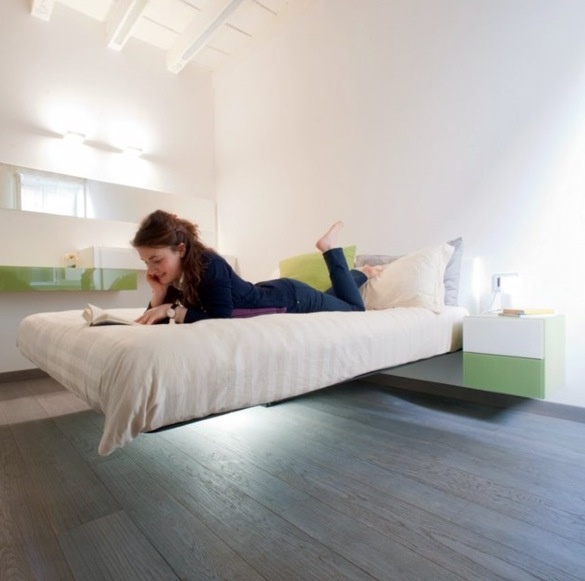
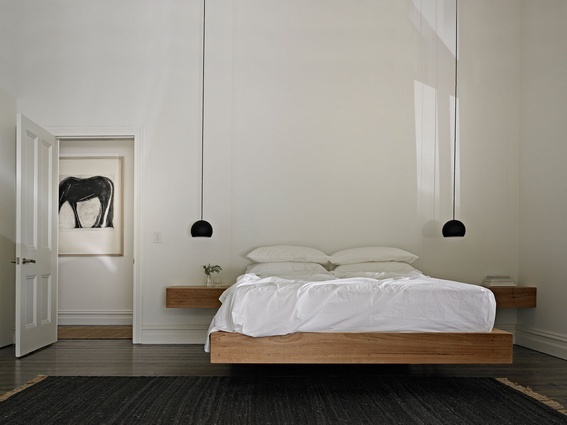
Architectural floating beds sell a different promise: more floor, less visual bulk. When a mattress platform leaves the ground, rugs look larger, robots and vacuums can pass underneath, and small bedrooms stop feeling packed edge to edge. The trade-off is structural honesty. A true cantilever needs a wall or steel frame that can carry the moment load; a fake float that relies on skinny hidden legs still has to be rated for two adults shifting in the night.
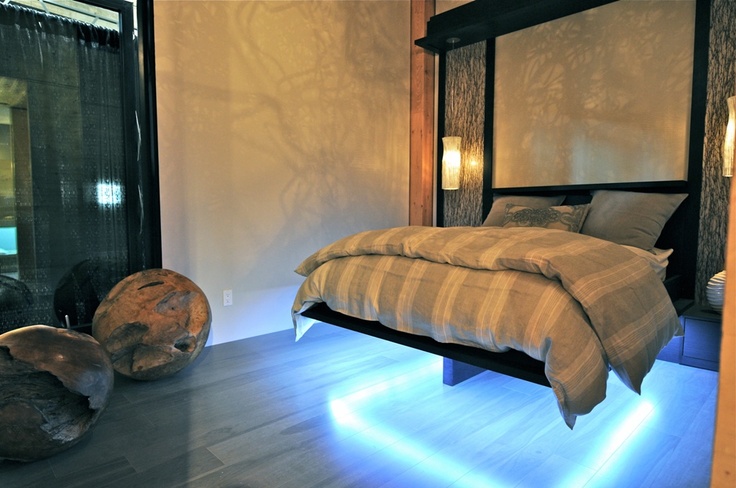
Styling these beds is half the fun. Low profiles suit Japanese-inspired rooms and lofts with glass walls. Thick upholstered ledges suit hotel suites that want softness without a heavy headboard. Integrated LED strips under the slab exaggerate the hover and double as night paths. Storage drawers under a “floating” look can work if the drawer fronts sit deep in shadow so the silhouette stays light—otherwise you have reinvented a regular platform bed with better marketing.


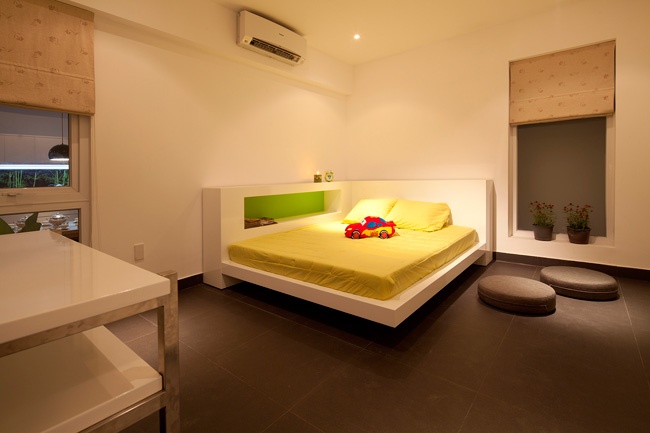
Materials, mattresses, and the details that decide comfort
Wood frames warm a room quickly; powder-coated steel reads sharper and often handles outdoor humidity better. Rope and woven netting appear on hanging models and outdoor daybeds where the float is social as much as nocturnal. Whatever the shell, the mattress still does the real work. Memory foam pairs well with net under-supports because it conforms without needing a tall coil stack. Innersprings can work on rigid floating platforms if the base is flat and vented. Avoid thin guest-bed foam on a cantilever meant for nightly sleep—it will telegraph every board seam by month three.
Headboards on floating beds need a plan. A wall-mounted panel keeps weight off the hanging frame. A freestanding upholstered piece can sit behind a cantilevered platform without touching it. Built-in shelving behind the pillow line is tempting in tiny apartments, but leave enough depth so pillows do not constantly fall into the shelf gap.
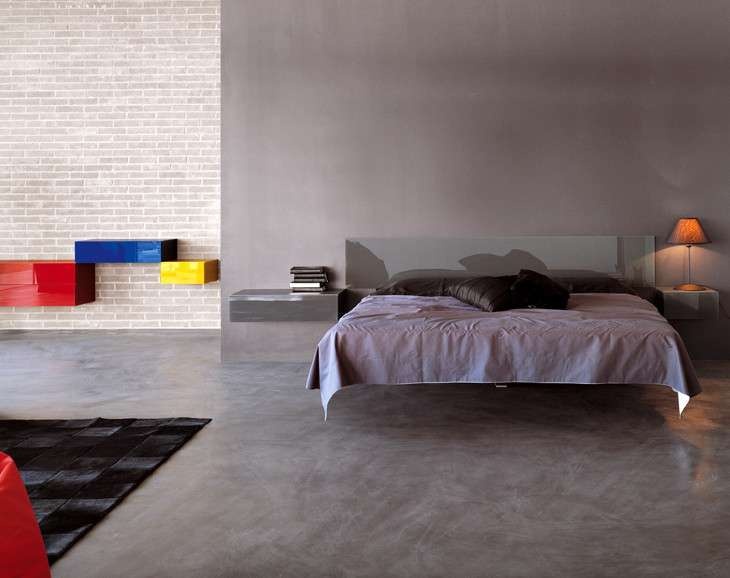
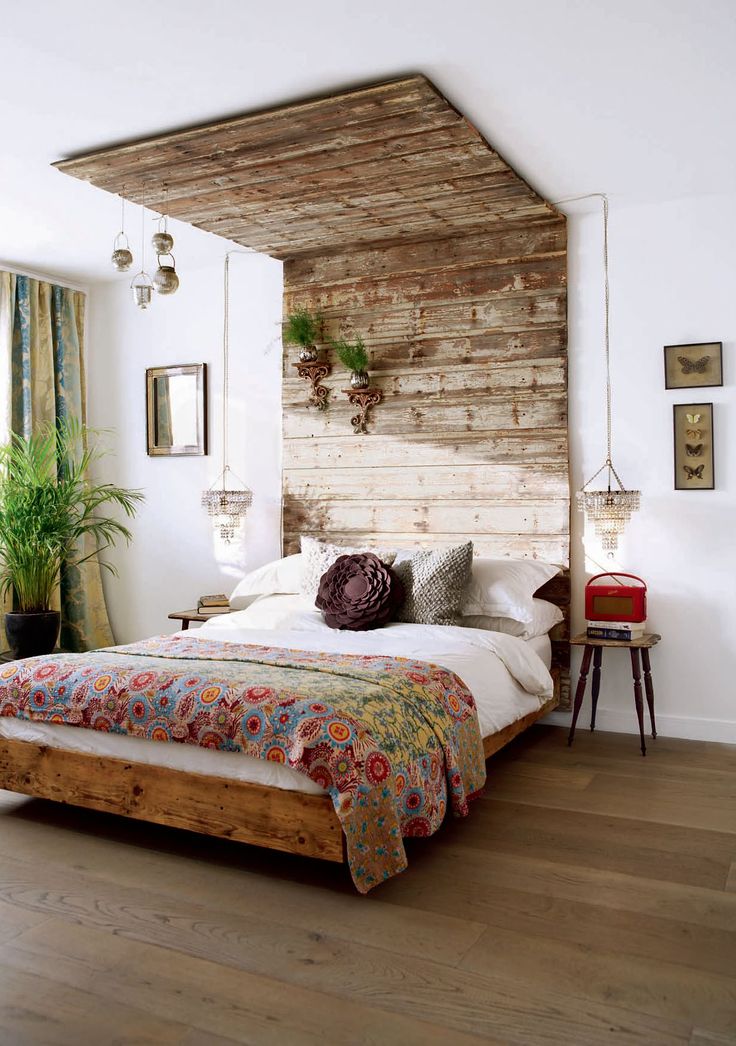

Rooms that suit a floating bed
High ceilings love hanging models; the empty air above becomes part of the composition. Compact urban bedrooms often prefer wall-mounted floats because they free floor area for a desk or yoga mat. Coastal and vacation houses lean toward outdoor floating daybeds under pergolas, where the hover becomes a place to nap after swimming. Children’s rooms sometimes borrow the visual language with lofted beds, though true rocking floats for kids demand commercial-grade hardware and adult supervision of clearance zones.
Lighting sells the illusion. An under-bed wash makes a cantilever look lighter than it is. A pendant hung slightly off-center over a round hanging bed reinforces the single-point geometry. Avoid surrounding a rocking bed with sharp nightstands; soft-edged tables or wall shelves reduce bruised shins when someone exits mid-swing.


Choosing between motion and illusion
Pick the rocking float if sleep quality is the main goal and you can accept installation complexity. Pick the architectural float if you want a cleaner floor plane, easier cleaning, and a sculptural bedroom without learning a new sleep motion. Some rooms even combine both languages: a fixed floating platform for the primary bed and a hanging chair or daybed nearby for reading. What matters is matching the engineering to the fantasy so the bed still feels trustworthy at 3 a.m.
Before you buy or build, measure swing radius or cantilever depth, confirm wall and ceiling structure with someone who understands loads, and test mattress firmness on a similar base if you can. Photographs flatten risk; your joists and ankles do not.







- Decide first: rocking sleep system or fixed visual float.
- Verify ceiling joists, wall structure, or freestanding frame capacity.
- Leave clearance for swing, feet, and night storage.
- Match mattress type to the base—net, solid platform, or outdoor weave.
- Use under-bed light and soft-edged side tables to finish the illusion safely.
Browse the rooms above with that list in hand. Whether you want a gentle arc into sleep or a bed that seems to hover above a clear floor, the creative versions share one useful habit: they treat the bed as design, not only as a place to park a mattress.

Comments
Continue reading

Corner Sofa Ideas for Living Rooms That Actually Fit
How to choose and place a corner sofa—footprint, chaise orientation, fabric, rugs, and lighting—plus a gallery of L-shaped living-room looks.
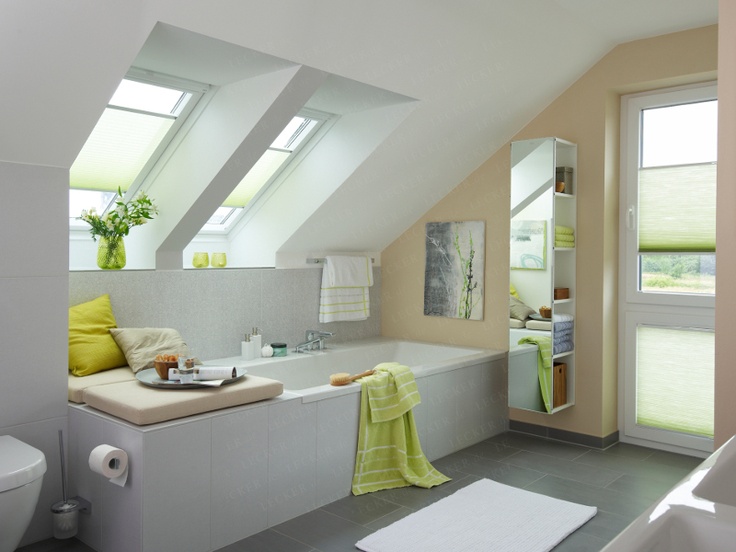
Attic Bathroom Design Ideas: Light, Layout, and Roof-Friendly Fixtures
Design ideas for converting an attic into an extra bathroom—working with slopes, skylights, wet-zone materials, eaves storage, and fixture placement.
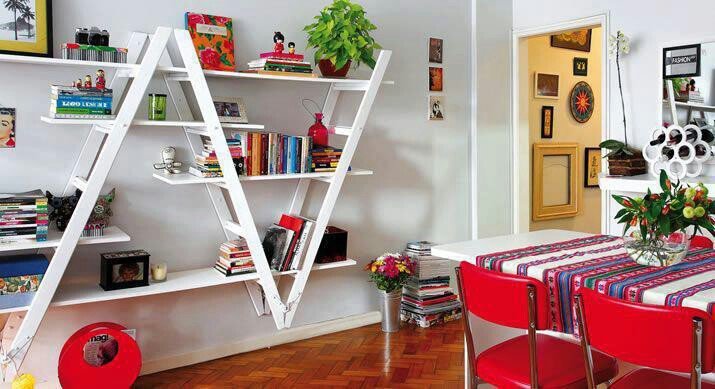
Ladder Shelving Repurpose Ideas: DIY Bookcases, Dividers & More
Turn an old ladder into shelving, a room divider, towel rack, or narrow desk—practical DIY steps, safety checks, and styling tips with photo ideas.