
How to Become a Lion Tamer in Five Weeks (Living-Room Edition)
A playful five-week novelty syllabus with costume, cues, and house-cat showmanship—plus why real big-cat work stays with trained professionals.

There are a lot of strange job dreams floating around out there. Ask a room of kids what they want to be and you will hear astronaut, firefighter, soccer star, and—every so often—lion tamer. Fair enough. Compared with “I want to reconcile quarterly ledgers,” leaping into a ring with a big cat sounds like peak career ambition. Accountants keep civilization running; lion tamers keep Saturday matinees theatrical. Different vibes.
So: how do you become a lion tamer in five weeks? The honest answer is that you do not become a real wild-animal trainer in five weeks, and you should not try. Working with lions is specialist, regulated, dangerous work done by people with years of supervised experience, proper facilities, and legal permissions. What you can do in five weeks is stage a gloriously silly living-room circus starring the fiercest beast you are actually allowed to share a sofa with: your house cat. Think of this as costume drama and comedy rehearsal—not a wildlife career plan.
Below is a five-week novelty syllabus. Keep it playful. Keep the cat willing. Keep the real lions in documentaries and accredited professional settings where they belong.
Week one: recruit your “lion”
Step one in every bad internet tutorial is “get a lion.” In this version, step one is “do not get a lion.” Exotic pets are a terrible idea for almost everyone, and wild animals are not lifestyle accessories. If your dream is genuine animal-care work with big cats, the path runs through accredited zoological institutions, conservation programs, and long apprenticeships—not classified ads.
For the five-week show, cast the animal already judging you from the windowsill. A confident adult house cat with a playful streak is perfect. A shy or easily overstimulated cat is a co-star who needs shorter rehearsals and more treats, not pressure. No cat at home? Borrow time with a friend’s social feline—or pivot the whole act to sock-puppet theater. The point is performance energy, not proving toughness.
Spend week one observing. When does your cat like to play? Which toys get a pounce? Which times of day are nap-only zones? Great “tamers” in the living-room sense are students of timing. Bribery with favorite snacks is encouraged. Kidnapping wildlife is not a punchline and not a plan.
Week two: wardrobe and theatrical nonsense
Yes, you need breeches. Or at least something that would make Freddie Mercury nod in recognition. Scarlet is traditional. Gold buttons are aspirational. Tassels are a power move. If thrift stores fail you, shiny pajama pants and a sash will do. The gaudier the better: you are building a character, not applying for a warehouse job.
Add a jacket you can move in, boots that will not slip on hardwood, and—optional but excellent—a fake mustache. Practice walking the perimeter of your “ring” as if an audience paid money to watch you introduce a creature who mostly wants a cardboard box.
Important safety note dressed as comedy: wear clothes you can kneel and scramble in. Real trainers work with protocols, barriers, and teams. You are working with a cat who may suddenly remember an urgent appointment under the couch. Dress for mobility and dignity loss.
Week three: props that are toys, not weapons
Classic imagery gives lion tamers a whip. In our version, the prop is a visual flourish aimed at the audience, never a tool for hurting an animal. Do not strike animals. Ever. If you want the silhouette, use a soft stage prop kept far from fur—or skip it and use a wand toy, feather stick, or string-on-a-stick, which cats actually understand as a game.

Train cues the kind way: short sessions, clear markers, rewards. Target a paw touch to a stick, a jump to a cushion “pedestal,” or a spin for a treat. Clicker training and positive reinforcement are the grown-up skills hiding under the joke. If your cat disengages, the show is over for the day. Consent is the whole method.
Also assemble ring dressing: spare sheets as bunting, couch cushions as barriers, a laundry basket as the “tunnel of mystery.” Invite friends only if the cat is comfortable with guests. A stressed animal is not entertainment.
Week four: invent the voice and the patter
Lion-tamer voice is half ringmaster, half soap opera. Practice booming lows and theatrical highs without terrifying the cat. The goal is to entertain humans in the doorway while your co-star remains convinced this is an unusually fancy play session.
Write a two-minute script:
- Grand entrance (“Lords and roommates…”)
- Dramatic introduction of the beast (use the cat’s real name, then a ridiculous stage name)
- Two or three tricks maximum
- Exaggerated bow while the cat ignores you and washes a paw
Record yourself once. If you sound like a sports announcer trapped in a velvet cape, you are on brand. Delivery sells the bit. The cat sells authenticity by refusing to follow the script.
Week five: open a very small circus
Clear a safe performance zone. Remove breakables, secure escape routes the cat already knows, and keep sessions short. If you lack a circus ring, the living room rug is fine. Second-best sheets make surprisingly good drapery. Dim a lamp. Press play on something brass-heavy. Announce that it is showtime.
Run the act once for yourself, then once for a tiny friendly audience. Celebrate every approximate success. If the “lion” exits stage left mid-monologue, narrate it as artistic temperament. End with treats, water, and quiet time. Candy-corn-only diets are not cross-training; eat like a person who wants to remain upright through the bows.
Photograph the costume. Laugh. Update nothing on LinkedIn that implies you handle panthera leo. Future employers have search bars.
If you meant the real profession
Curiosity about animal training is valid. The responsible translation looks nothing like a five-week challenge:
- Study animal behavior and welfare through reputable education routes
- Volunteer or work entry roles in accredited zoos, sanctuaries, or veterinary settings where allowed
- Understand that big-cat work is rare, highly controlled, and not a DIY skill tree
- Support conservation and ethical facilities rather than private ownership fantasies
Modern professional practice emphasizes safety for people and animals, enrichment, and minimizing coercive spectacle. Old-fashioned “taming” tropes belong in costume trunks and film history essays—not in anyone’s garage.
What five weeks can actually teach you
Done lightly, this project teaches timing, showmanship, humane training basics, and humility—because cats do not care about your brand. You will learn how quickly a living partner changes the plan, which is oddly useful practice for any collaborative creative work.
You will also learn the difference between fantasy careers and real ones. Firefighters do more than pose on calendars. Accountants keep weird businesses alive. And the people who truly work with dangerous animals do it with training, teams, and rules that exist for grimly practical reasons.
So graduate your five-week academy with scarlet pants, a slightly more clicker-savvy cat, and a clearer sense of humor about ambition. Take a bow. Offer a treat. Leave the lions to the professionals—and keep the encore available whenever the house tiger feels like chasing a feather again.

Comments
Continue reading
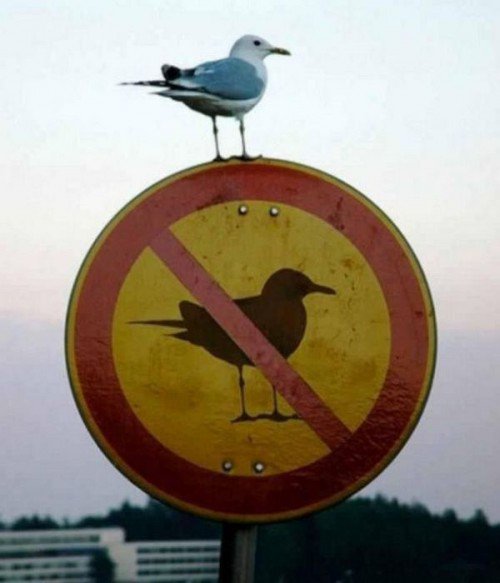
Funny Animal Signs That Warn People (While Animals Ignore Them)
From a seagull on a no-birds disc to classic zoo and park ironies—why animal warning signs get funny, and what the rules are still for.

How to Find Local Amenities on Vacation: Mechanics, Haircuts & More
Locate trustworthy local services and everyday spots while traveling or settling in—using publications, reviews, map apps, neighbor tips, and low-pressure exploration.

Kristen Stewart for V Magazine, Spring Preview 2013
V81’s Wild at Heart cover story—Kristen Stewart shot by Inez & Vinoodh, styled by Joe McKenna, in pale minimal spring glamour.