
Homemade Soap Tutorials: Methods, Safety, and Realistic Results
Cold process, hot process, melt-and-pour, and milled soap—with lye safety, allergy patch tests, and no miracle skin claims.
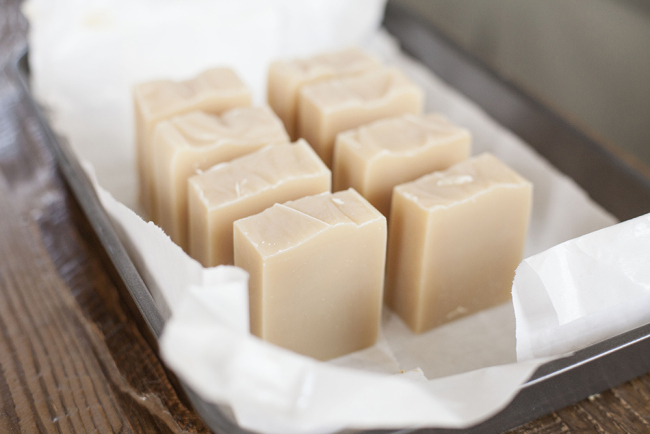
Homemade soap attracts people who want control over oils, scents, and additives—and who enjoy a craft that sits somewhere between kitchen chemistry and gift-making. It also involves a caustic step whenever you saponify oils with lye, so the enjoyable part only begins after you understand safety, allergies, method choice, and realistic results.
This guide covers the homemade soap approaches most tutorials teach: cold process, hot process (including slow-cooker batches), melt-and-pour, milling or rebatching, and decorative variations such as stamps, embeds, and novelty shapes. It includes criteria for picking oils, running patch tests, curing bars, and knowing when a recipe is too advanced. Homemade soap is not medicine, not a detox, and not a substitute for dermatology care.
Safety first: lye, allergies, and patch tests
Cold-process and hot-process soapmaking use sodium hydroxide (lye). A lye solution can burn skin and eyes within seconds. Work in a ventilated space, wear splash goggles and chemical-resistant gloves, keep pets and children out, and label every container so nobody mistakes the mixture for food. Add lye to water slowly as a tested recipe instructs—never dump water onto concentrated lye. Use stainless steel, heat-safe plastic, or tempered equipment; avoid aluminum, which reacts with lye.
If lye contacts skin, rinse with plenty of cool water and remove contaminated clothing. For eyes, flush with water and seek medical care. Keep your workspace organized so hot batter and sharp tools are not a trip hazard.
Even gentle-sounding recipes can irritate. Essential oils, fragrance oils, botanicals, goat milk, honey, beer or stout, cucumber, citrus zest, and nut oils are common problem ingredients for some people. Before you gift a bar or use it daily:
- List every ingredient and avoid known personal allergens (for example, skip almond or other nut oils if you have nut allergies).
- Patch test: wash a small patch of inner forearm with the fully cured soap, rinse, dry, and watch 24–48 hours for redness, itching, or rash.
- Follow published usage rates for fragrance in soap; perfume-strength dosing is not appropriate.
- Do not put undiluted essential oils on broken skin.
- If you have eczema, contact dermatitis, or you are making soap for someone else’s medical skin condition, ask a clinician first. DIY bars are cosmetics that clean; they do not treat disease.
Melt-and-pour bases skip handling raw lye at home, which is why many beginners start there. You still need allergy awareness for colorants, fragrances, and add-ins, and you should still patch test unfamiliar scents.
Choose a method that matches your experience
Cold process combines measured oils with a lye solution, brings the batter to trace, pours into molds, and then requires a multi-week cure while water evaporates and the bar hardens. It offers the most control over fatty-acid balance and design—swirls, layers, embeds—but it demands a digital scale, a trusted lye calculator, and patience. Guessing percentages is how batches fail or stay harsh.
Hot process cooks the soap through saponification, often in a slow cooker, then scoops the thick batter into a mold. Bars are often usable sooner than cold process, though the finish looks more rustic. Crockpot tutorials are popular because heat is contained; treat the batter as caustic until the cook is complete and your recipe’s safety checks are satisfied.
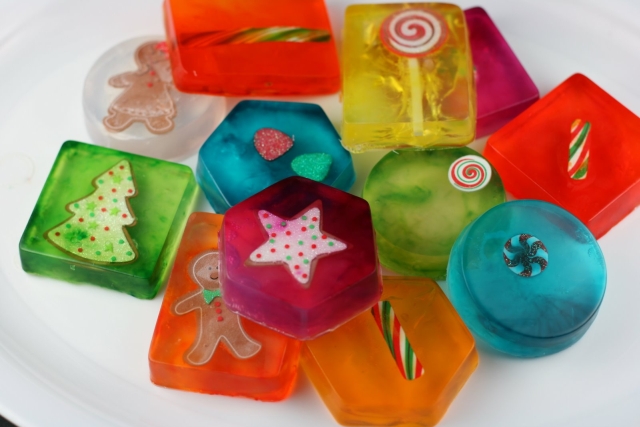
Melt and pour remelts a pre-made glycerin or similar base. It is ideal for scented favors, stamped designs, and shaped soaps without measuring lye. Quality depends on the base and how hot you take it; overheating can cause sweating, bubbles, or brittle bars.
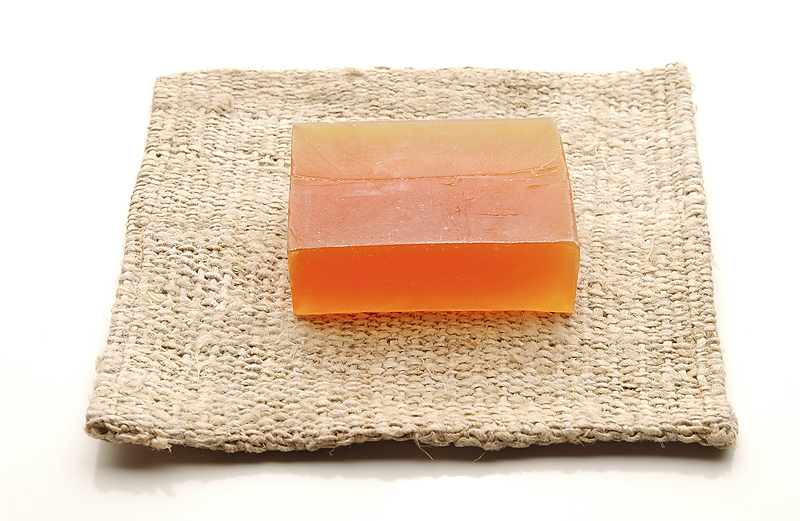
Milling / rebatching grates existing soap, gently remelts it with a little liquid, and remolds it. The method helps rescue imperfect cold-process batches or add oatmeal and botanicals without starting from raw lye again.
Oils, vegan bars, and specialty recipes
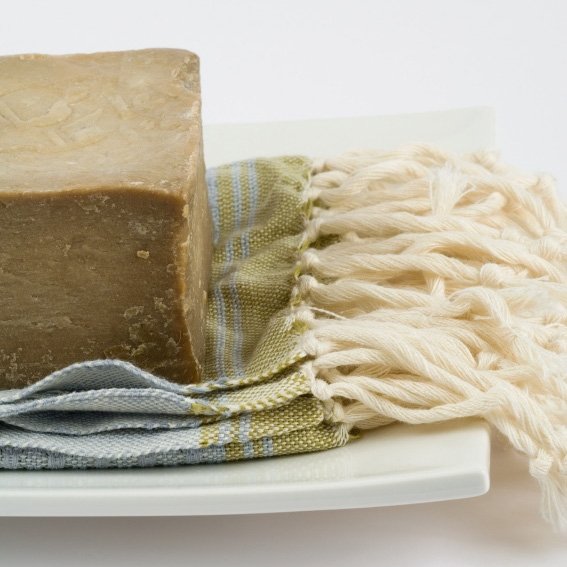
Oil choice drives hardness, lather, and conditioning feel. Olive-oil-forward recipes (Castile-style) tend toward a milder, denser bar and a longer cure. Coconut oil boosts bubbly lather but can feel drying at high percentages. Many balanced beginner recipes combine olive, coconut, and a softer oil such as sunflower or a responsibly sourced hard oil—always verify numbers in a lye calculator instead of copying vague “parts” from memory.
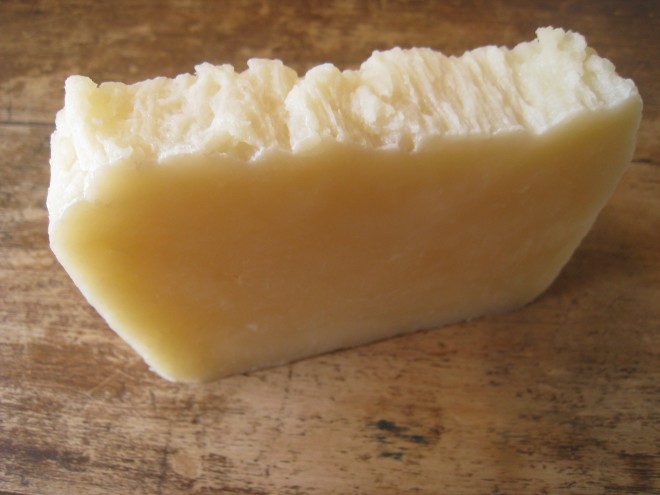
Vegan bars avoid animal fats and milks; they still use lye for true soap. Goat-milk soaps are popular for a creamier feel, but milk sugars can scorch if temperatures run high—many makers freeze milk into cubes and add lye carefully to control heat. Lemon, cucumber, oatmeal, and garden-herb soaps are mostly about scent and mild texture from add-ins. They will not erase scars, “balance hormones,” or replace prescribed creams.
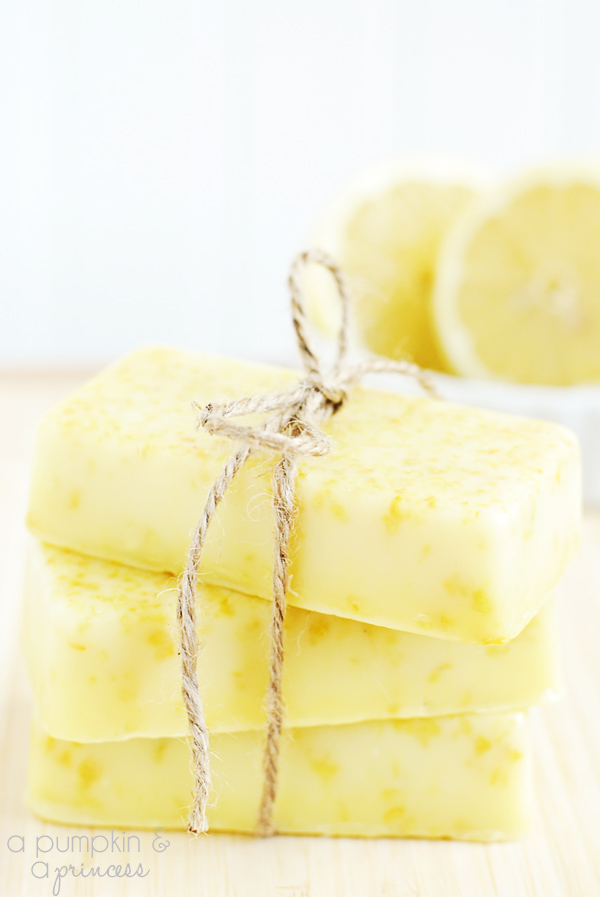
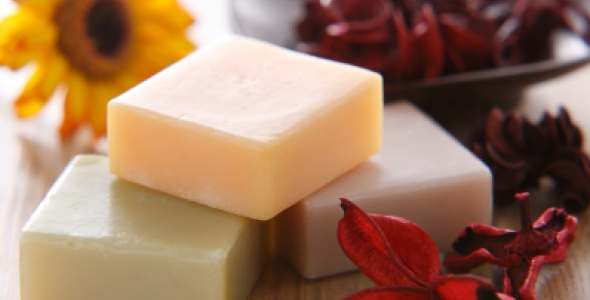
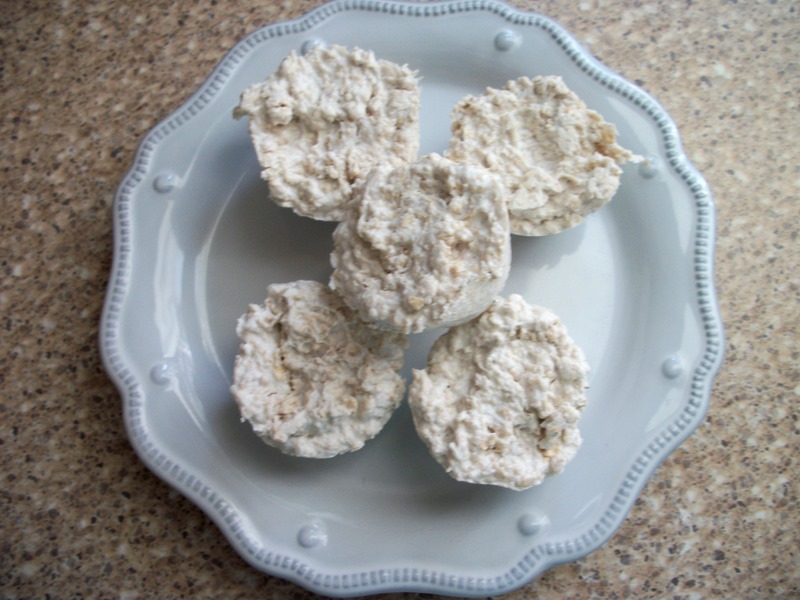
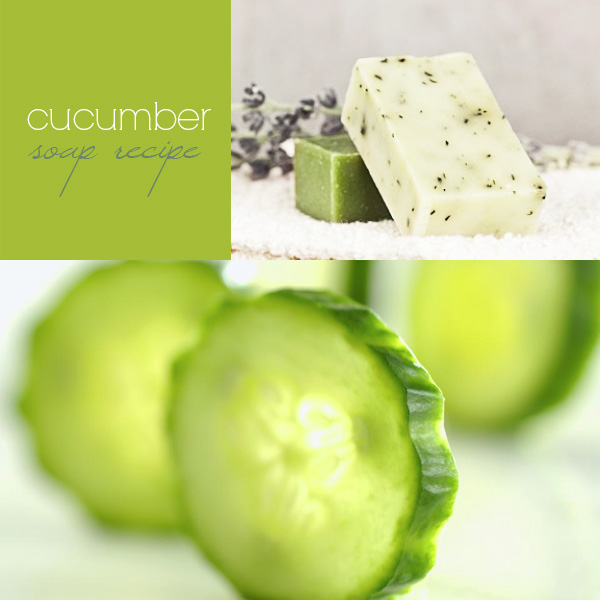
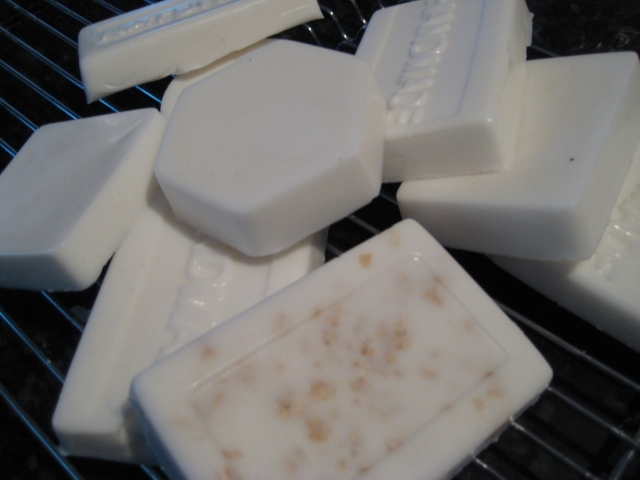
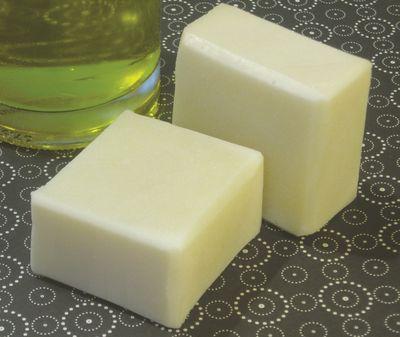
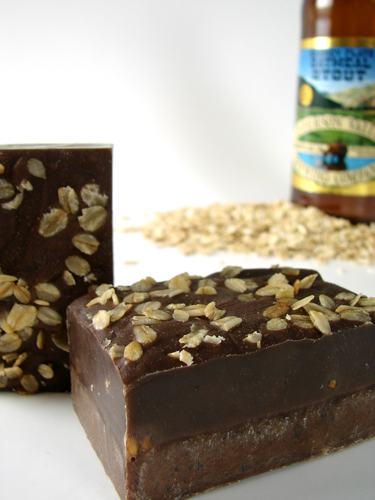
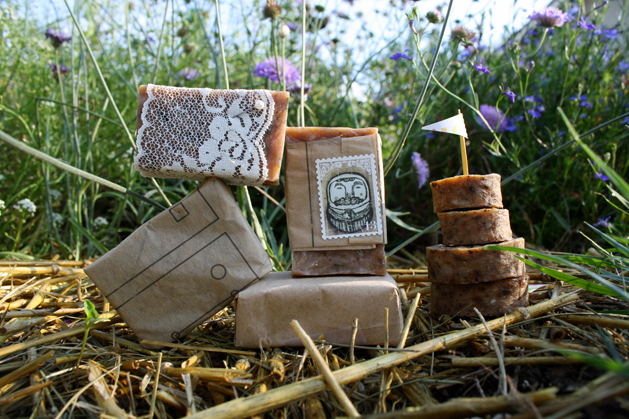
Beer, stout, and oatmeal-stout recipes need extra care because alcohol and sugars change temperature behavior. Stick to instructions that explain boiling off alcohol and cooling liquids before combining with lye. Garden-themed bars with herbs or soil-colored pigments should use skin-safe colorants and finely prepared botanicals so pieces do not scratch skin or mold inside the bar.
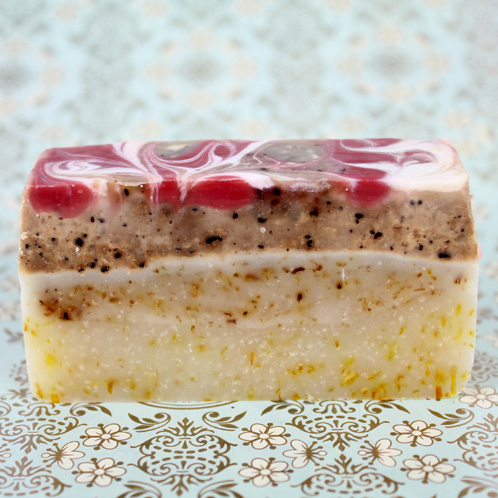
Decoration: stamps, embeds, and shaped soaps
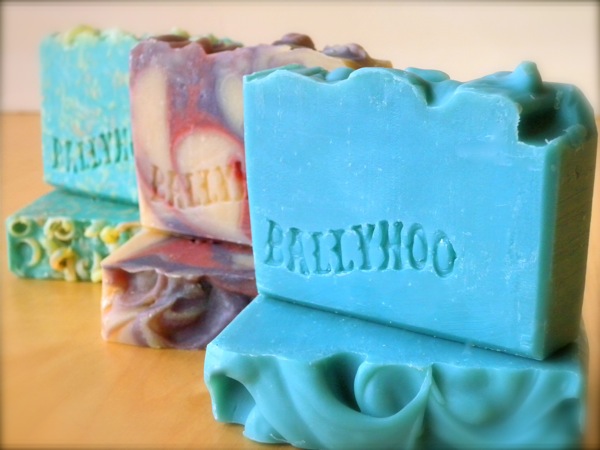
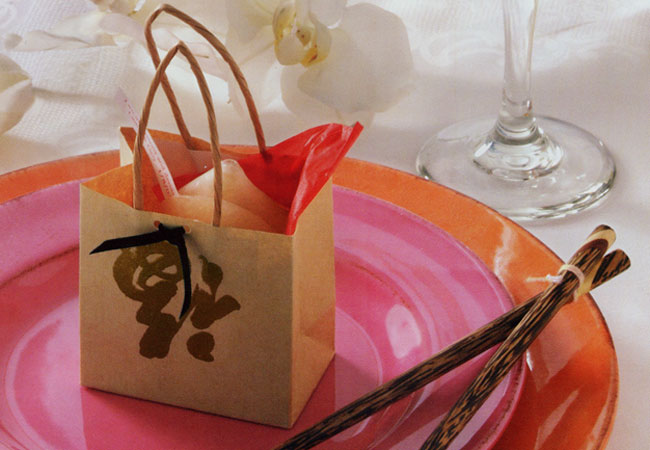
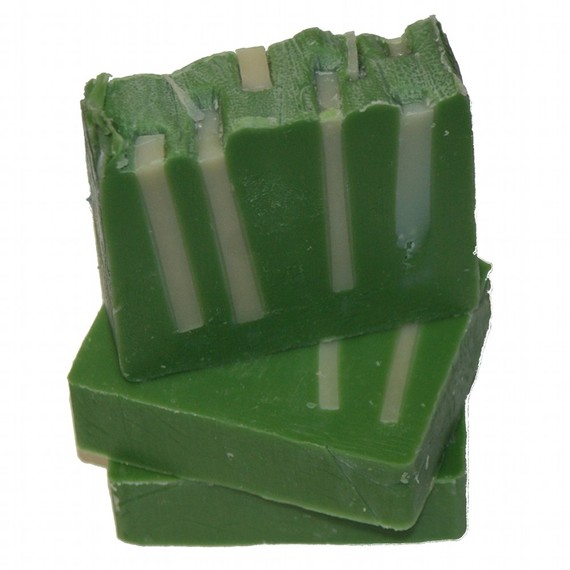
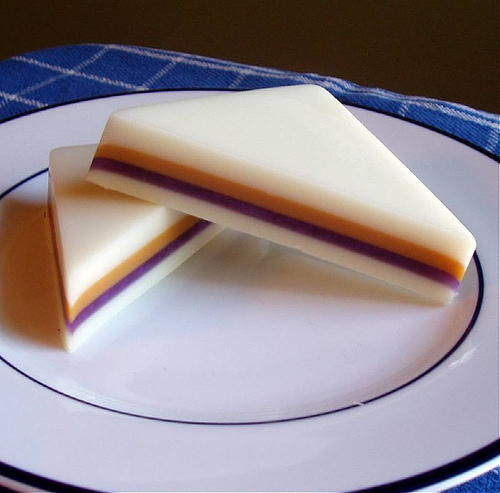
After you can produce a reliable plain batch, decoration is the next tutorial rabbit hole. Custom soap stamps press a mark into a still-soft bar. Grass-like embeds and layered designs need confident timing at trace so pieces do not sink, float oddly, or seize mid-pour. Fortune-cookie and other novelty shapes are usually melt-and-pour projects—excellent for gifts if fragrance rates stay modest and packaging keeps bars from sweating in humid rooms.
A practical beginner workflow
- Start with melt-and-pour if you have never handled lye; learn scent rates and mold release first.
- When you move to cold process, buy a digital scale accurate to the gram, a stick blender used only for soap, a thermometer, and molds rated for high-pH batter.
- Follow one complete, tested recipe end to end—do not freestyle oil percentages on day one.
- Insulate or leave uncovered exactly as the recipe’s gel guidance says; temperature swings change texture and can cause partial gel or glycerin rivers.
- Unmold when firm, cut with a clean knife or wire, and cure on a rack with airflow for several weeks for cold process.
- Label every bar with the date and full ingredient list so you can track what agreed with your skin—and so recipients can avoid allergens.
Curing, storage, and honest expectations
Cure cold-process bars in a cool, dry place with air circulating on all sides. Soft or weeping bars often need more time, less humidity, or a recipe adjustment—not a heavier dose of fragrance. Store finished soap away from constant shower steam so bars do not turn mushy between uses.
Successful soapmaking is measured by safe process, accurate math, and bars that clean without irritation. A well-made olive oil bar or a carefully fragranced melt-and-pour favor can feel nicer than a random supermarket option for some people. That is enough of a win. Discard any batch that smells rotten, shows mold, or leaves skin burning after a proper cure and thorough rinse. Curiosity belongs in the craft; miracle claims do not.

Comments
Continue reading
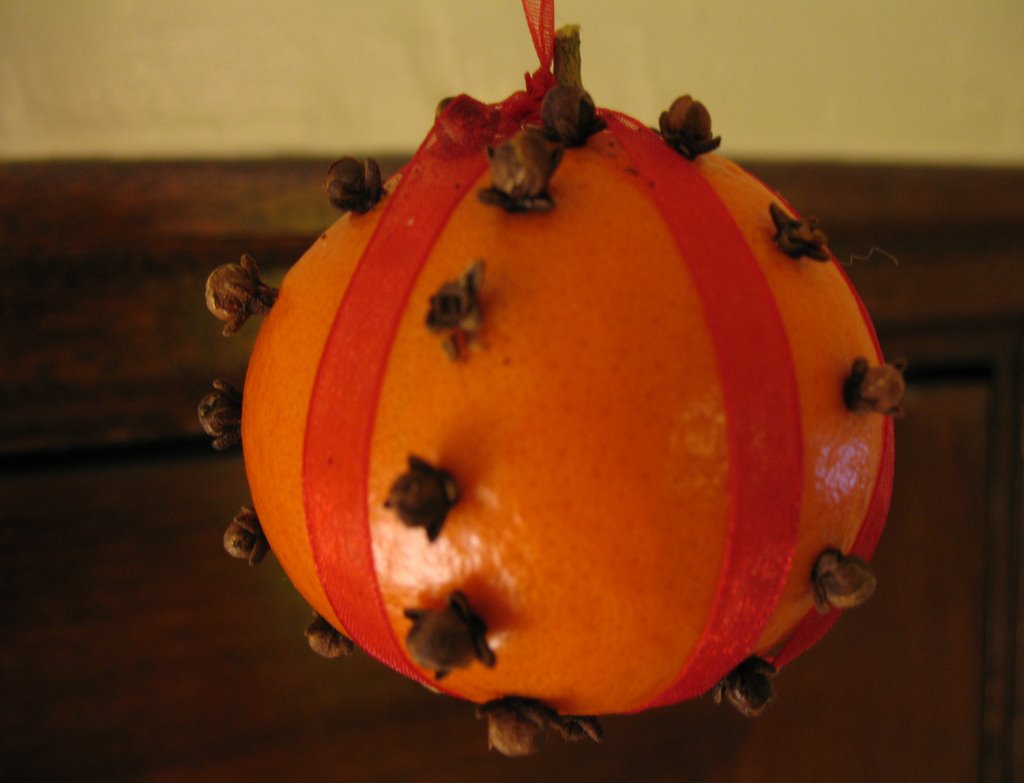
Homemade Air Fresheners: Pomanders, Gels, Jars, and Reed Diffusers
Make natural homemade air fresheners with clove pomanders, simmer pots, baking-soda jars, gel cups, refill sprays, and a five-minute reed diffuser—plus placement and pet-safety tips.
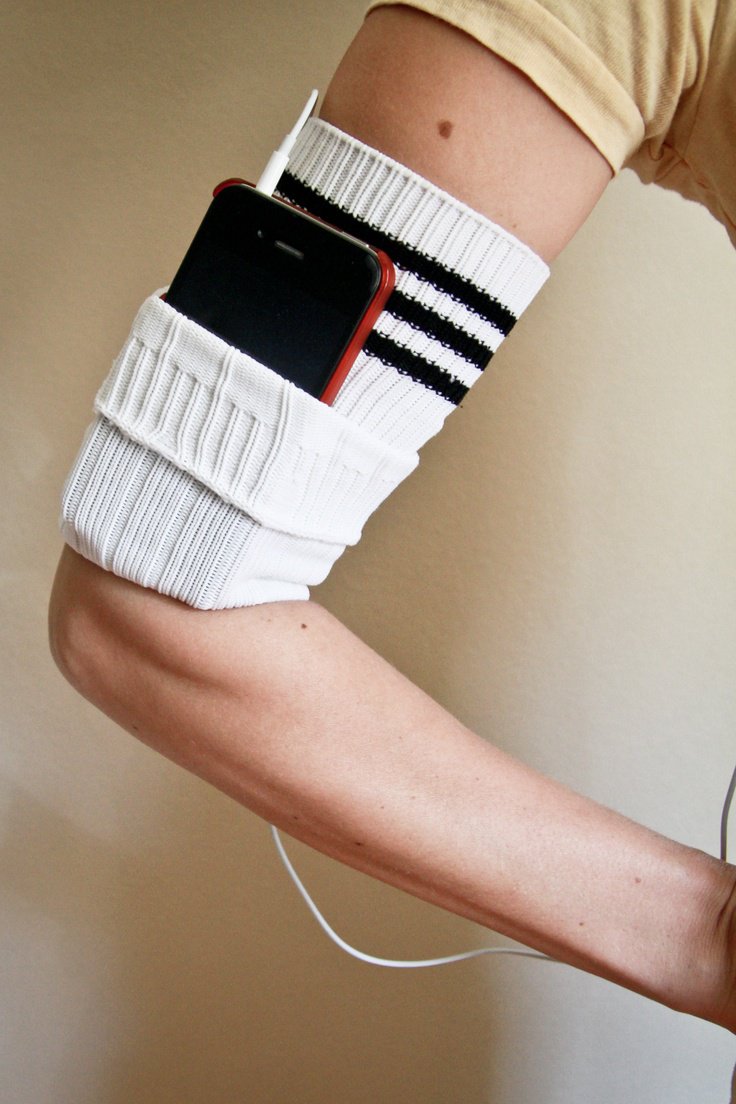
DIY Ideas for Old Socks: Rugs, Puppets, Mittens, and More
Sort leftover socks by fiber, then turn them into braided rugs, hand puppets, soft toys, mittens, and pin cushions with practical cutting and sewing tips.
DIY Ideas with Lace Doilies
Upcycle heirloom lace doilies into framed art, runners, pillows, lamps, and more—practical craft projects that keep the crochet visible.