
Homemade Air Fresheners: Pomanders, Gels, Jars, and Reed Diffusers
Make natural homemade air fresheners with clove pomanders, simmer pots, baking-soda jars, gel cups, refill sprays, and a five-minute reed diffuser—plus placement and pet-safety tips.
Homemade air fresheners are for rooms that need a lighter scent than a plug-in or aerosol—and for people who prefer to know what is in the jar. Most versions use fruit, spices, baking soda, essential oils, or a simple gel base. They cost little, take minutes to an hour to assemble, and usually last a few weeks before you refresh the ingredients. Place them where air moves gently: bathrooms, closets, near trash cans, or on a shelf away from pets’ reach.
These projects are scent, not disinfection. Open a window when cooking or cleaning, and keep strong oils away from cats and small animals. If anyone in the house is scent-sensitive, start with milder blends and smaller amounts.
Old-fashioned pomanders
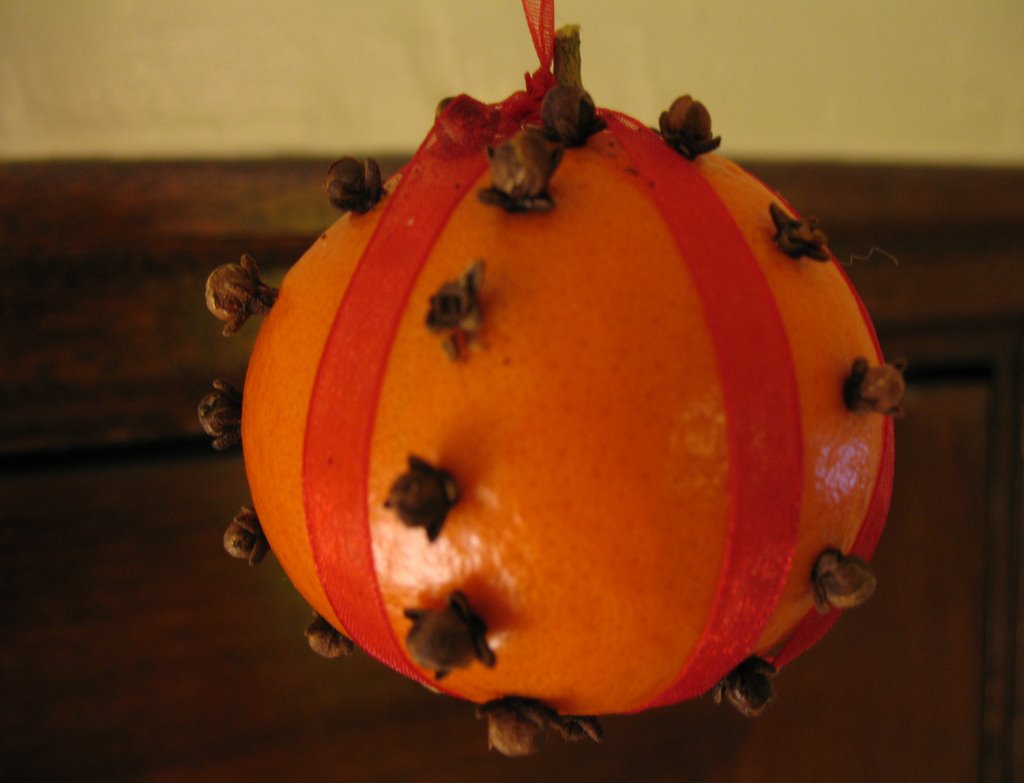
A classic pomander is an orange studded with whole cloves. Wash and dry the fruit, then press cloves in rows or patterns until the skin is well covered. Rest the orange on a saucer for a day so juice does not drip on wood. As it dries over weeks, the spice scent deepens. Roll a finished pomander in a mix of ground cinnamon and orris root if you have it, or skip the powder and rely on cloves alone.
Hang pomanders in a closet with ribbon, or set them in a bowl with bay leaves. They are decorative as well as fragrant. When the fruit eventually hardens or softens past use, compost it and start a new one. Do not leave rotting fruit in enclosed spaces.
Simmered fall and seasonal pots
A stove-top simmer pot is the fastest way to scent a whole floor for an afternoon. Combine water with citrus peels, cinnamon sticks, apple slices, cranberries, or rosemary in a saucepan. Bring to a gentle simmer, then keep on the lowest heat, adding water as it evaporates. Never leave an active burner unattended.
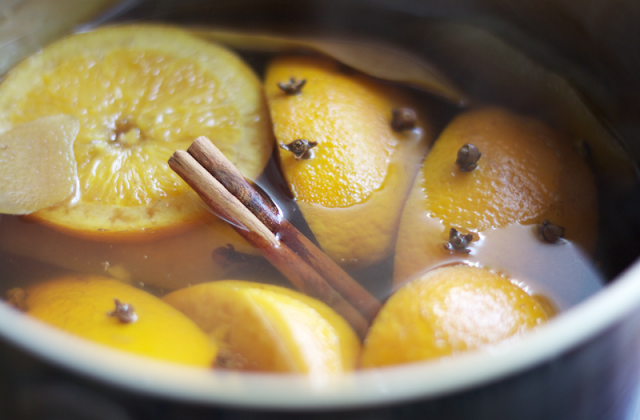
For a reusable jar version, fill a heat-safe jar with the same ingredients and a little water, then warm it briefly in a slow cooker on low or refresh the water on the stove when you want scent again. Refrigerate leftover mix between uses and discard after a few days. This style suits fall and winter gatherings when you want the house to smell like spice without a candle flame in every room.
Refills for existing diffusers and bottles
If you already own reed bottles or decorative spray bottles, you do not need to buy branded refill liquid. A simple mix is a carrier such as dipropylene glycol (for reeds) or distilled water plus a splash of witch hazel or vodka (for sprays), plus essential oils. Start with 15–25 drops of oil per small bottle and adjust. Label the bottle with the blend and date.
Flip reed sticks weekly so the saturated ends face up. Replace sticks when they clog with dust. For sprays, shake before each use and mist the air or fabric—not polished wood or pets. Keep homemade sprays out of reach of children, and avoid spraying near eyes.
Gel fresheners in jars
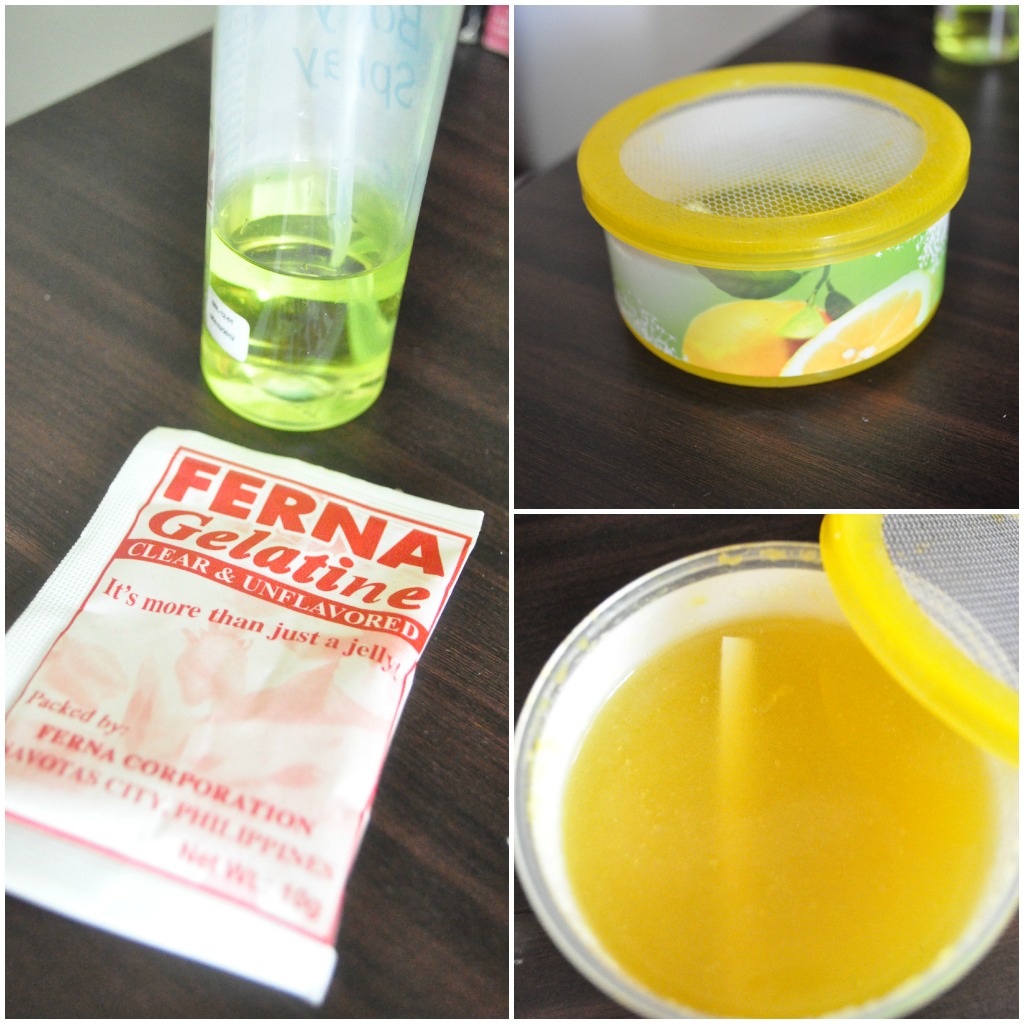
Gel fresheners hold scent in a set medium you can leave on a shelf. Dissolve unflavored gelatin in hot water according to package directions, stir in salt to discourage mold, cool slightly, then add essential oils and a drop of food coloring if you like. Pour into clean jars and let set. Cover with a lid punched with holes, or use a breathable fabric square under a jar ring.

Gels last weeks in cool rooms. When the scent fades, discard the gel in the trash—do not pour it down the drain where it can clog—and wash the jar for a new batch. Keep gels away from heat sources so they do not melt into a sticky puddle.
Two-ingredient jar fresheners
The simplest shelf jar is baking soda plus essential oil, or coarse salt plus oil. Fill a small jar halfway with baking soda, add 10–20 drops of oil, stir, and cover with fabric or a perforated lid. Baking soda helps absorb odors while the oil adds scent. Shake the jar every few days. Replace the soda monthly or when the smell disappears.
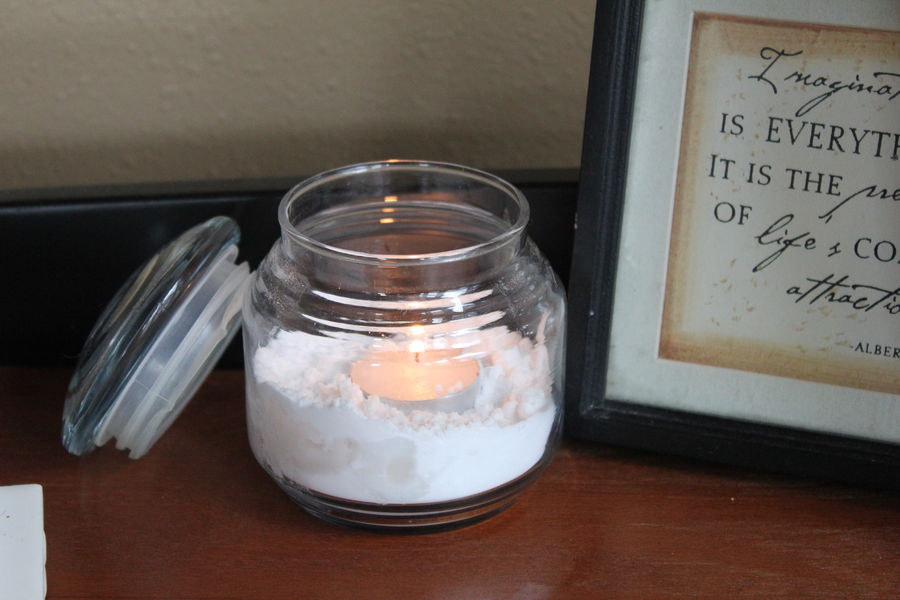
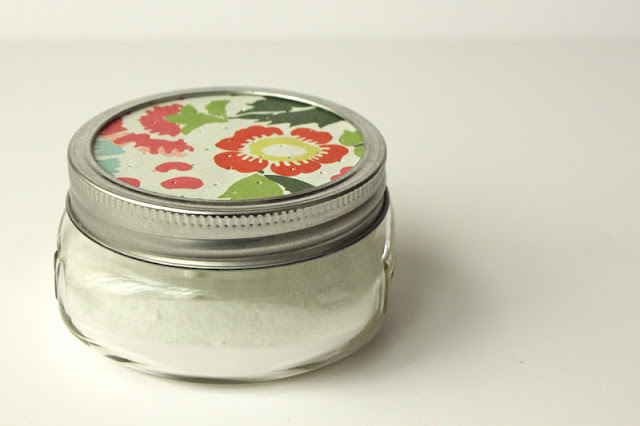
Place these jars in shoes closets, litter-adjacent rooms (out of pet reach), and bathrooms. Baking soda is not a miracle cleaner for every odor source—empty the trash and wash fabrics when that is the real problem—but it is a steady, cheap backup between deeper cleans.
Natural room scent jars and simmer blends to gift
Dry simmer kits make good gifts: layer dried orange slices, cinnamon, cloves, and bay in a jar, tie a tag with instructions to simmer in water, and you have a low-mess present. Liquid simmer mixes in the fridge are for immediate home use, not shipping.

Choose oils and spices for the season: citrus and mint for spring cleaning energy, lavender and cedar for linen closets, cinnamon and orange for holidays. Write the blend on the jar so you remember what worked. Avoid claiming medical effects; these are household scents.
Five-minute reed diffuser
A reed diffuser needs a narrow-neck bottle, reed sticks (or bamboo skewers in a pinch), carrier liquid, and essential oils. Fill the bottle about two-thirds full with carrier, add oils, insert reeds, and fan them slightly. Set on a tray so drips do not mark furniture.
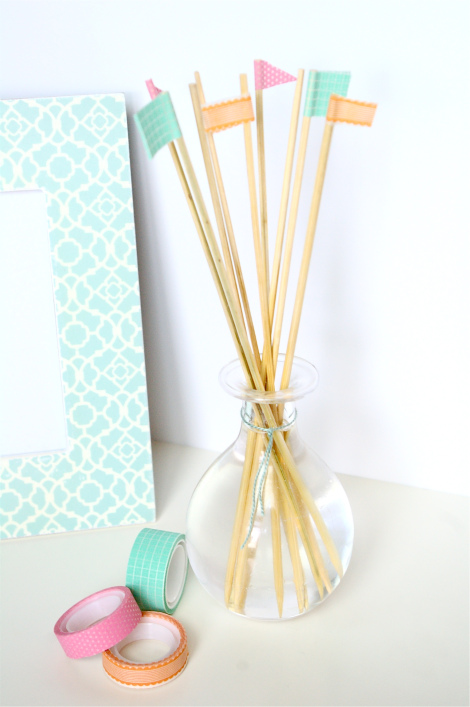
Reed scent is quieter than a simmer pot and safer than an open candle when you want background fragrance in a hallway. Refresh oil when the throw fades. If the liquid darkens or smells off, discard and wash the bottle.
- Match strength to the room size; bathrooms need less than open living rooms.
- Keep oils, gels, and simmer pots away from pets and toddlers.
- Never leave a stove simmer unattended; refill water often.
- Label homemade bottles with contents and date.
- Refresh baking-soda jars about once a month.
Where will you put the first jar—by the sink, in the coat closet, or next to the laundry hamper? Make that one blend today, live with it for a week, then decide whether your house wants more citrus, more spice, or a quieter reed in the hall.

Comments
Continue reading
Homemade Soap Tutorials: Methods, Safety, and Realistic Results
Cold process, hot process, melt-and-pour, and milled soap—with lye safety, allergy patch tests, and no miracle skin claims.
DIY Ideas for Old Socks: Rugs, Puppets, Mittens, and More
Sort leftover socks by fiber, then turn them into braided rugs, hand puppets, soft toys, mittens, and pin cushions with practical cutting and sewing tips.
DIY Ideas with Lace Doilies
Upcycle heirloom lace doilies into framed art, runners, pillows, lamps, and more—practical craft projects that keep the crochet visible.