
Home Dream Home: Cozy Interiors as the Series Baseline
Soft light, usable seating, layered textiles, and quiet colour—foundational cozy-home thinking before the series turns to neon, ombré, or exteriors.
One word still fits this kind of interior best: cozy. Not trendy neon, not ombré gradients, not a renovation punch list—just rooms that make you want to sit down with a book and stay. Home Dream Home began as that mood board: soft light, layered textiles, hearths and reading nooks, and spaces that feel lived-in rather than staged for a single dramatic photo.
This installment is the foundation piece for the series. Later chapters wander into colour experiments, exterior curb appeal, and themed detail studies. Here the focus stays on comfort as a design goal—how furniture scale, fabric weight, lighting temperature, and small rituals turn a house into somewhere you actually rest.
Cozy is a set of decisions, not a colour palette
People often reduce coziness to beige paint and a throw blanket. Those help, but the feeling comes from denser cues: a chair deep enough to curl into, a lamp that pools light instead of flooding the ceiling, rugs that mute footsteps, and surfaces that invite touch—wood grain, knit, washed linen, worn leather. A cozy room tolerates a little visual quiet. It does not need a statement wall to prove it has a concept.
Scale matters. Oversized sofas in tiny rooms create obstacle courses; doll-size seating in large rooms feels cold even with perfect pillows. Measure walking paths, then choose pieces that leave room to move while still offering a clear place to land. If every seat faces a television and nothing faces a window or hearth, the room will lean toward distraction rather than rest.
Light that forgives the evening
Hard overhead glare kills coziness faster than the wrong sofa fabric. Layer three kinds of light when you can: a soft ambient source, a task lamp for reading, and a low accent—candle, picture light, or small table lamp—that marks edges after dark. Warm bulbs help, but placement helps more. Light the corners people actually use.
Daylight still belongs in a cozy scheme. Sheer curtains that diffuse rather than block keep rooms from feeling cave-like. If privacy requires heavier drapery, keep a second, lighter layer you can open on quiet mornings. The goal is control, not permanent dimness.
Textiles do the heavy lifting
Blankets, curtains, and upholstery change acoustics and temperature as much as style. Mix weights: a chunky knit over a smooth sofa, a flatweave rug underfoot with a deeper pile elsewhere, linen pillows that crease honestly. Pattern can appear, but in a foundational cozy room it usually stays secondary to texture. Too many competing prints raise visual noise; one patterned textile surrounded by solids often feels calmer.
Seasonal swaps are practical. A lighter cotton throw in summer and a wool one in winter keep the same chair feeling intentional year-round without a full redesign. Store the off-season textiles nearby so the habit sticks.
The hearth, real or implied
A fireplace remains the classic cozy anchor because it concentrates attention and warmth in one place. If you have one, arrange seating in a loose conversation circle rather than a stiff lineup against the walls. If you do not, create a substitute focus: a low table with a lamp and books, a window seat with a deep cushion, or a reading corner with a tall plant and side table. The room needs a reason to gather that is not only a screen.
Books themselves are furniture for cozy interiors. Open shelves with uneven stacks look more human than perfect colour-blocking, as long as you leave some breathing room. A single crowded bookcase beats three empty decorative ledges.
Colour without chasing trends
Other Home Dream Home chapters explore neon and ombré as deliberate experiments. This base piece prefers grounded neutrals and quiet nature tones—soft greys, warm whites, clay, forest green used sparingly, faded blues. Contrast can come from wood tones and metal lamp bases rather than high-chroma walls. If you love colour, introduce it in objects you can move: pottery, art, a single chair. That way the room stays restful when trends shift.
Matte finishes usually feel softer than high gloss in living spaces meant for lingering. Save shine for small hardware or a picture frame so reflections do not fight the lamps.
Rooms that support small rituals
Cozy design succeeds when daily habits fit the layout. A side table within reach of every soft seat. A basket for remotes and chargers so surfaces stay clear enough to set down a mug. A tray for evening tea. Hooks near the entry so coats do not migrate onto the nicest chair. None of these items are glamorous; all of them protect the mood.
Kitchens and bedrooms follow the same logic. Soft under-cabinet light, a stool that invites lingering, bedding you wash often enough that it stays inviting—these details matter more than a perfect magazine vignette. Dream-home imagery sells aspiration; lived cozy rooms sell return visits to your own sofa.
Editing so comfort can breathe
Clutter is not coziness. A room full of unused décor objects creates visual static. Keep meaningful pieces and rotate the rest. Leave negative space on shelves and walls so the eye can rest. If a corner collects mail and bags every afternoon, solve storage there instead of adding another pretty basket that fills in a week.
Smell and sound count too. A room that looks soft but echoes like a lobby will not feel soft. Rugs, curtains, and upholstered furniture fix that. A subtle scent from wood, books, or a single candle can finish what the textiles start—without perfume overload.
How this chapter sits in the series
Think of this page as the emotional baseline: interiors built for warmth, reading, and slow evenings. When later installments turn up colour intensity, exterior façades, romantic detailing, or renovation sequences, they are variations on home dreaming—not replacements for this quieter brief. If you only take one idea from the foundation gallery mood, let it be this: choose fewer, softer, more usable pieces, and arrange them around how you actually sit, read, and gather.
Then excuse yourself, find the nearest decent chair, and test the room the honest way—book in hand, lamp on, nowhere else to be.

Comments
Continue reading
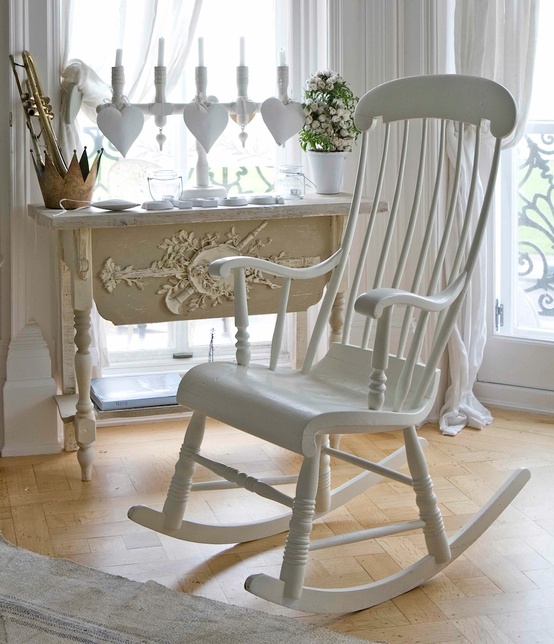
Home Dream Home: Romantic Details for Soft, Vintage Rooms
Ethereal light, French-inspired silhouettes, and weathered whites—how to add romance with sheers, candles, and inherited-feeling pieces.
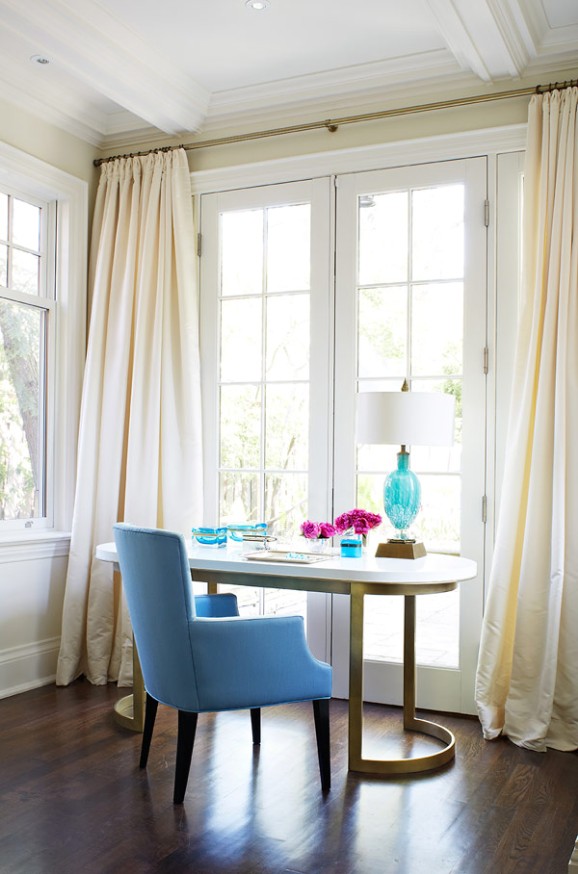
Home Dream Home: Simplicity as Everyday Sophistication
Edited rooms, quiet planes, and scarce accents—how simple interiors stay sophisticated without feeling empty or austere.
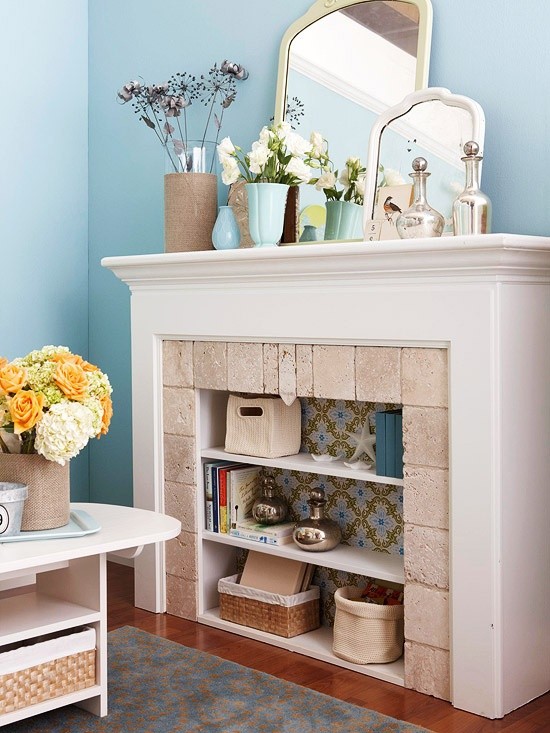
Home Dream Home Part 2: Soft Renovation and Layered Interiors
Inspiration for gentle home updates—fireplace restyles, pastel dining chairs, texture layering, and a weekend plan that turns photos into real moves.