
Home Dream Home Part 5: Cozy Luxury for Everyday Rooms
Soft seats, spa-minded baths, warm evening light, and quiet finishes—how to blend coziness with elevated comfort at home.
Coziness and luxury are not opposites. The rooms people remember longest usually do both: a seat soft enough to linger in, and finishes careful enough that the room still feels considered when the lights come up. This installment of Home Dream Home gathers interiors that trade loud spectacle for quiet elevation—built-in seats, spa-minded baths, warm evening light, and living spaces where plush textiles sit next to clean architecture.
Use the gallery as a set of criteria, not a shopping list. Ask what each room protects: a reading habit, a long soak, a conversation after dark. Then steal the move that fits your square footage—a deeper cushion, a better lamp, a built-in that hides clutter—without copying every molding or mosaic.
Built-ins that turn leftover space into a destination
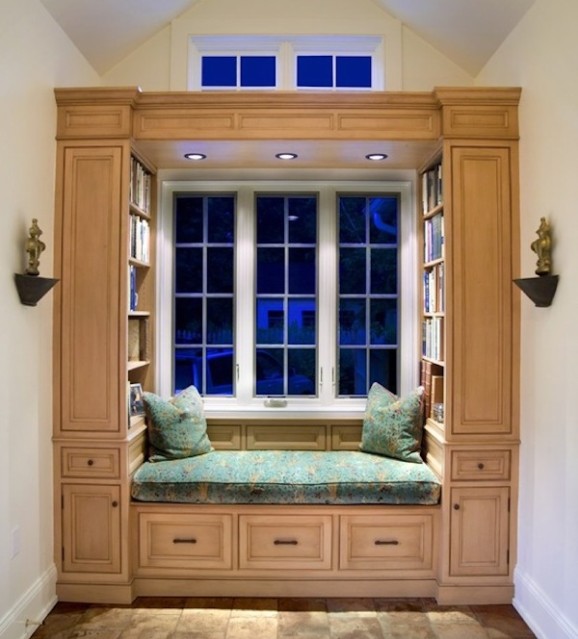
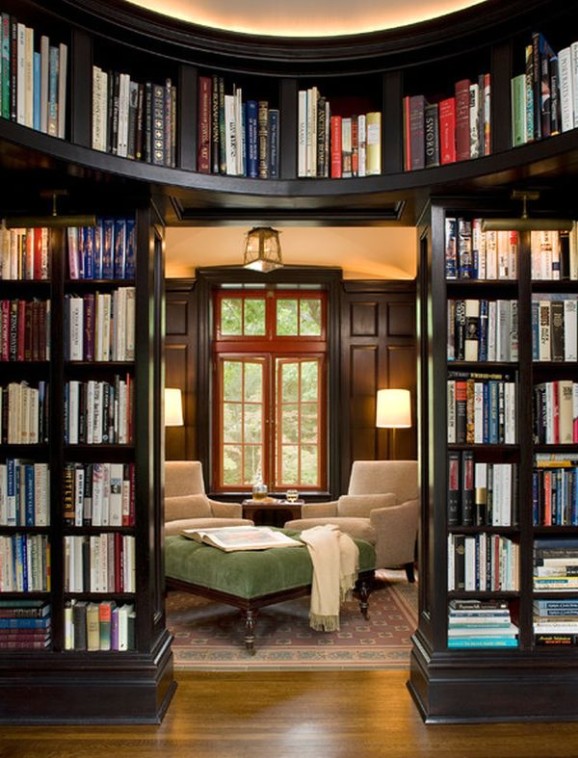
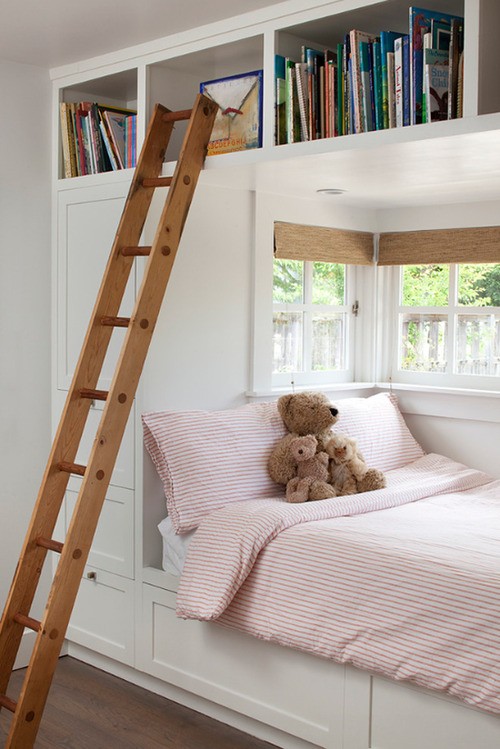
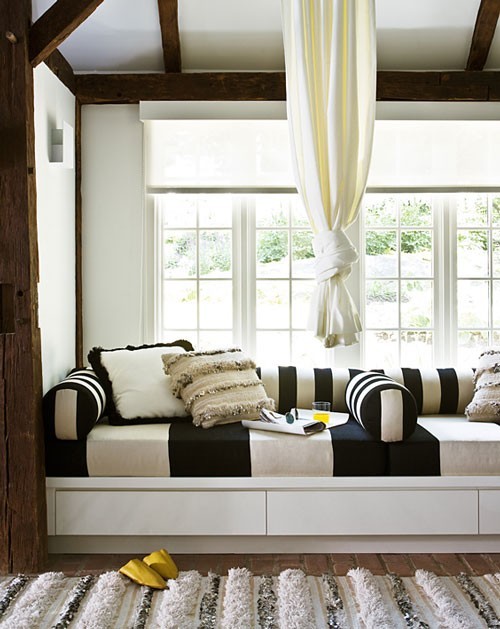
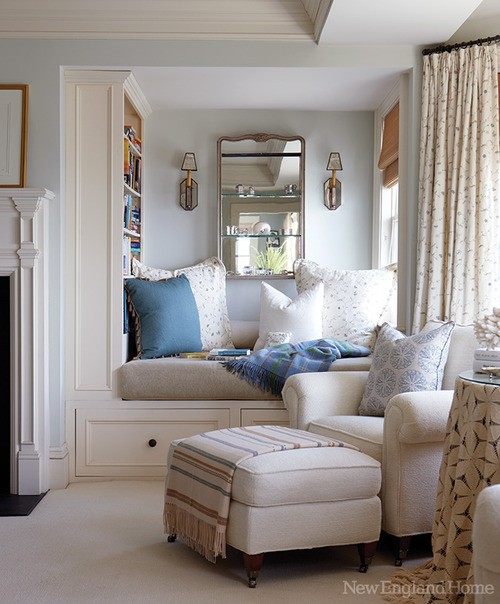
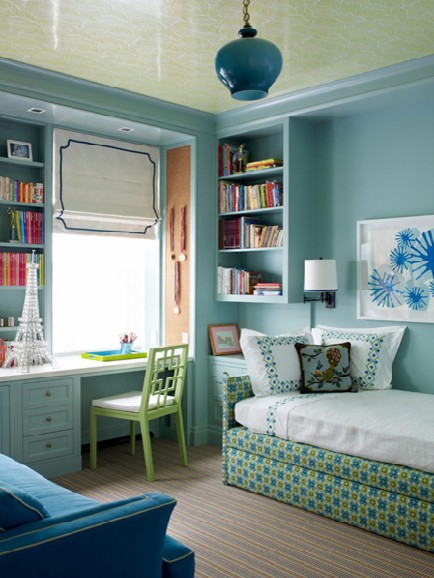
A window seat with flanking bookshelves is luxury you can sit in. The woodwork does the heavy lifting: drawers under the bench, shelves for books you actually open, and a header with small downlights so the niche glows after sunset. Patterned cushions in teal and gold keep the seat from reading like leftover cabinetry; they signal that comfort was planned, not improvised with a random throw.
If you cannot build floor-to-ceiling towers, borrow the hierarchy. Give the seat a thick, upholstered cushion (foam that compresses and never recovers feels cheap within a month). Add one closed storage zone so toys, blankets, or remotes disappear. Mount a sconce or under-shelf light aimed at the seat, not at your eyes. Luxury here is the invitation to stay—not the square footage of millwork.
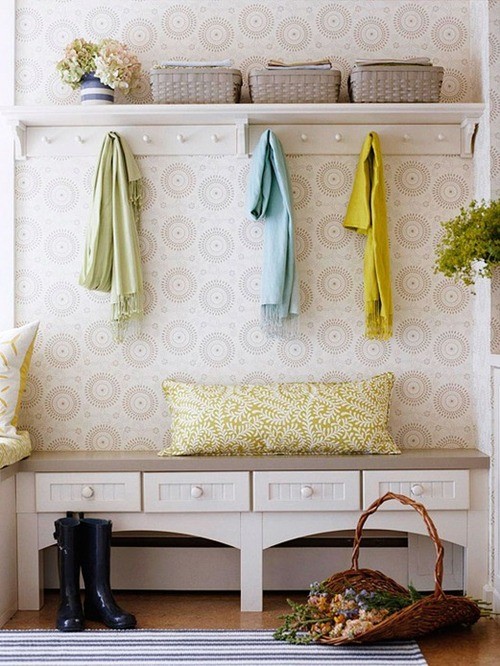
Hall niches and landings work the same way. A bench with a few pillows and a shallow shelf above can turn a pass-through into a pause. Keep the palette quieter than the living room so the nook feels like a private aside, not a second sofa fighting for attention.
Bathrooms that feel like a private spa without going theatrical
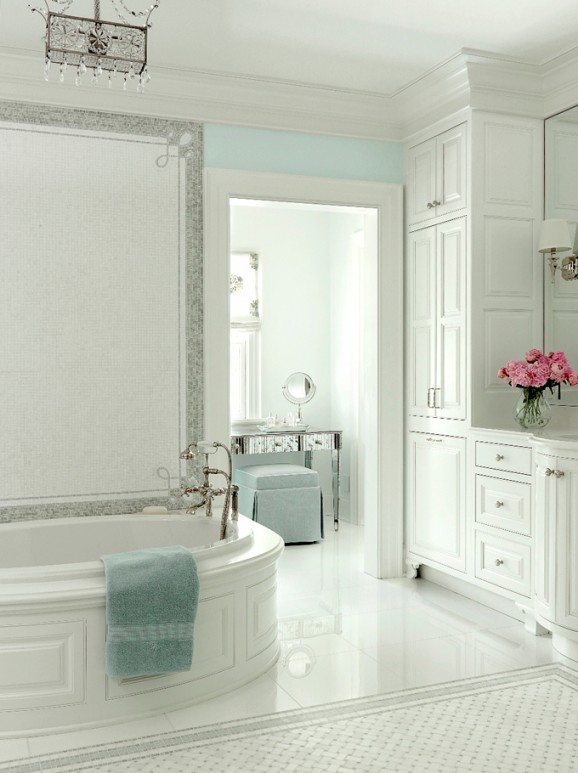
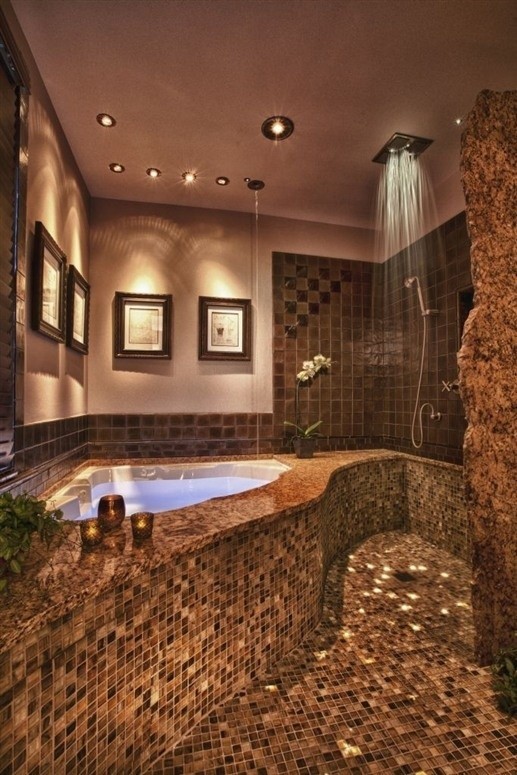
A deep soaking tub under a small chandelier, white cabinetry to the ceiling, and a soft aqua towel over the rim: that is coziness with polish. The mosaic niche behind the tub frames the ritual; the dressing niche beyond the doorway extends the luxury into getting ready, not only bathing. Pale blue walls, polished metal, and a vase of flowers keep the room from feeling clinical.
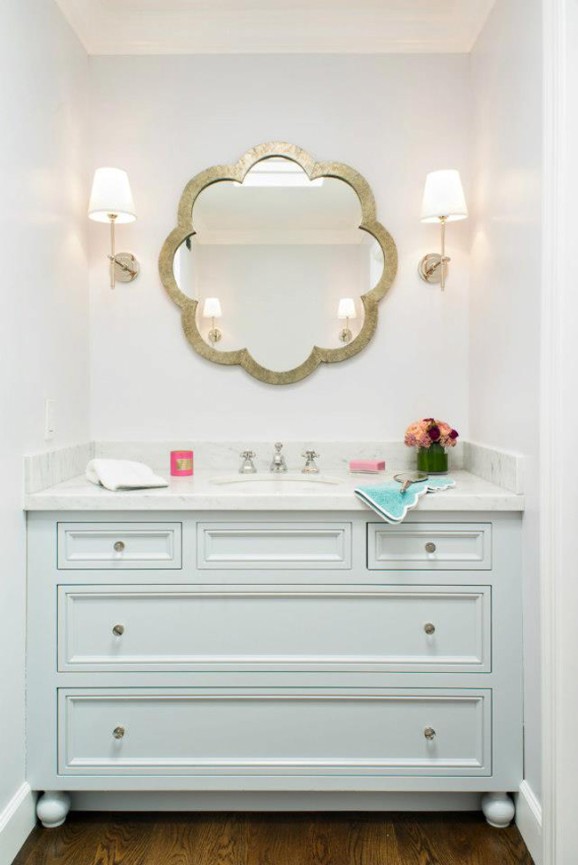
You do not need a separate makeup room to borrow the idea. Create a vanity zone with good light at face height, a stool you will actually sit on, and closed storage for clutter that ruins the spa mood. Choose one accent—towel color, tile border, or flower—and repeat it once so the room feels composed. Hard surfaces dominate baths; textiles (towels, a small rug with a waterproof pad) are what make them cozy.
Lighting matters more than fixture brand. Combine overhead light for cleaning with a softer layer for evening soaks. Avoid a single harsh ceiling can that turns every soak into an interrogation. If moisture limits candles, a dimmable sconce or a well-placed LED strip under a ledge can supply the glow people associate with hotel suites.
Living rooms: plush layers on a calm foundation
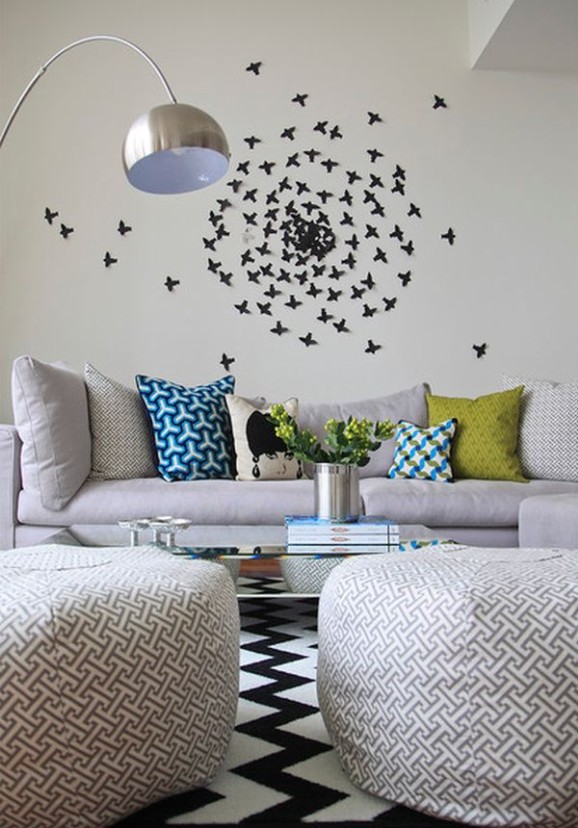
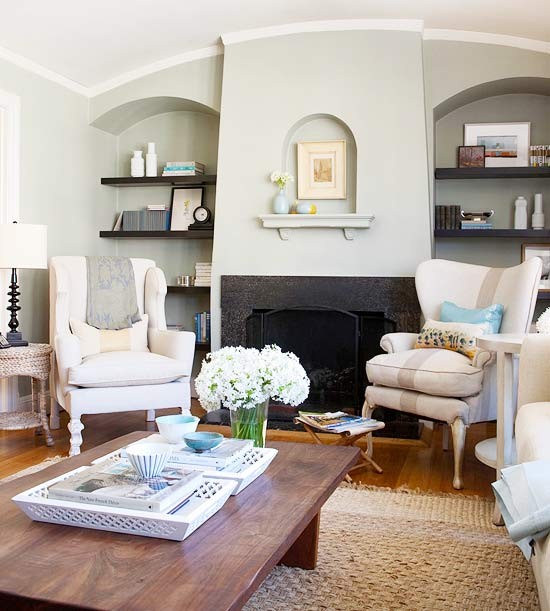
Patterned pillows, a graphic rug, and a sculptural floor lamp can feel luxurious when the base stays quiet—a soft sofa in a muted tone, limited wall color, and one strong art idea instead of five competing ones. A spiral of bird silhouettes, a chevron rug, and a lime accent pillow work because the furniture silhouette stays simple. Coziness comes from depth of seat and mix of textiles; luxury comes from editing the rest.
Ottomans and low tables invite feet up and trays down. Choose upholstery that forgives real life if this is the family room; save silk-blend showpieces for rooms that host less. A pile rug under the conversation zone softens acoustics and makes hard floors feel finished after dark. Leave walking lanes clear so the room does not feel like a furniture showroom you are afraid to cross.
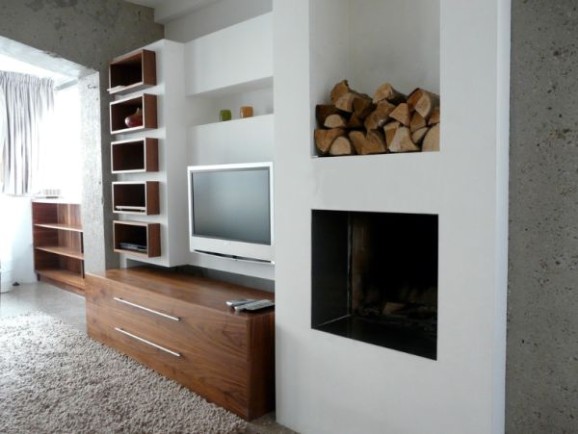
Modern fireplace walls prove that luxury can be architectural rather than ornate. A flush white plane with a firebox, a stacked wood niche, and a media bay reads expensive because everything has a place. Soften industrial concrete or large plaster fields with a shaggy rug and warm wood drawers so the room does not tip into gallery coldness. Cozy without softness becomes austere; soft without structure becomes cluttered.
Material cues that signal both comfort and quality
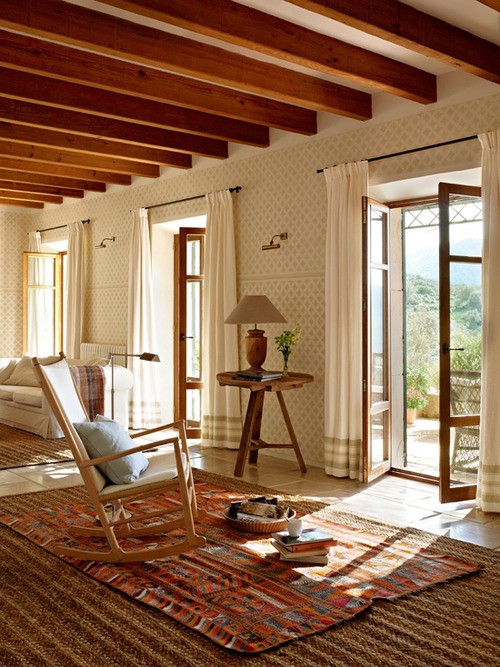
Wood grain, stone, mosaic borders, and metal hardware telegraph care when they are consistent. Pick two metals maximum per room. Let one wood tone dominate, then add a second only as an accent (a tray, a frame, a stool). High-pile rugs, velvet or chenille pillows, and thick curtains absorb sound—the invisible half of coziness. Luxury that only looks good in photos often fails the evening test: hard floors, thin cushions, and glare.
Color can stay restrained and still feel rich. Cream walls with teal textiles, white baths with one flower color, charcoal and walnut against pale plaster—these combinations rely on value contrast more than rainbow accents. If you love bold pattern, ground it with solid large pieces so the eye has a place to rest. The goal is a room you want to inhabit for two hours, not a room that wins a scroll contest in two seconds.
Storage is part of the luxury story. Drawers under seats, floor-to-ceiling bath cabinets, and closed media consoles keep visual noise down. Clutter is the fastest way to make expensive finishes look ordinary. Edit surfaces to a few intentional objects: a stack of books, one vessel, one living plant that matches the light you actually have.

How to borrow these rooms without a gut renovation
Start with one “linger zone.” Choose the chair, window, or tub you already use and upgrade its immediate circle: better cushion, task light, small side table, and one textile layer (throw or rug). Next, fix light temperature—swap icy bulbs for warm white in seating and bathing areas. Then tackle one storage fix that removes daily mess from sightlines.
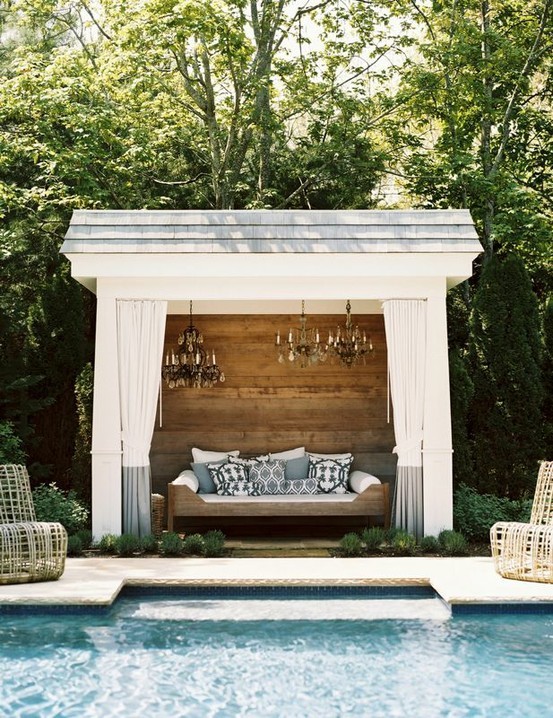
When comparing the images, notice scale. Large chandeliers need ceiling height; tiny lamps drown in tall rooms. Oversized art on a short wall feels cramped; postage-stamp art on a long wall feels timid. Match object scale to architecture before you match Pinterest color stories.
After dark, walk each room with only the lamps you plan to keep. If the space collapses into gloom or glare, add one more soft layer before you buy another decorative object. The coziest luxury in this collection is not marble or crystal—it is the feeling that the house is ready for you to stay put.

Comments
Continue reading
Home Dream Home: Romantic Details for Soft, Vintage Rooms
Ethereal light, French-inspired silhouettes, and weathered whites—how to add romance with sheers, candles, and inherited-feeling pieces.
Home Dream Home: Simplicity as Everyday Sophistication
Edited rooms, quiet planes, and scarce accents—how simple interiors stay sophisticated without feeling empty or austere.
Home Dream Home Part 2: Soft Renovation and Layered Interiors
Inspiration for gentle home updates—fireplace restyles, pastel dining chairs, texture layering, and a weekend plan that turns photos into real moves.