
Handmade Beach Bags: Sew a Tote Built for Sand, Towels, and Sun
DIY beach tote inspiration with practical sewing criteria—fabric, straps, pockets, and care—plus a gallery of handmade summer bags.
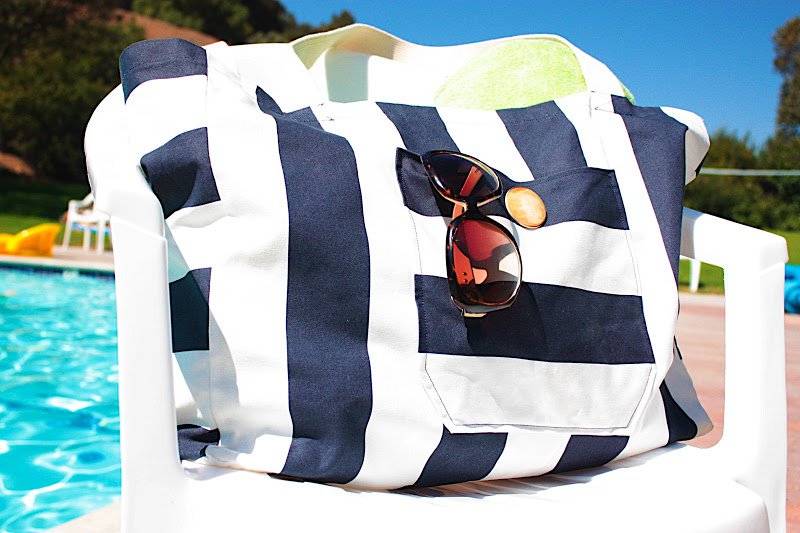
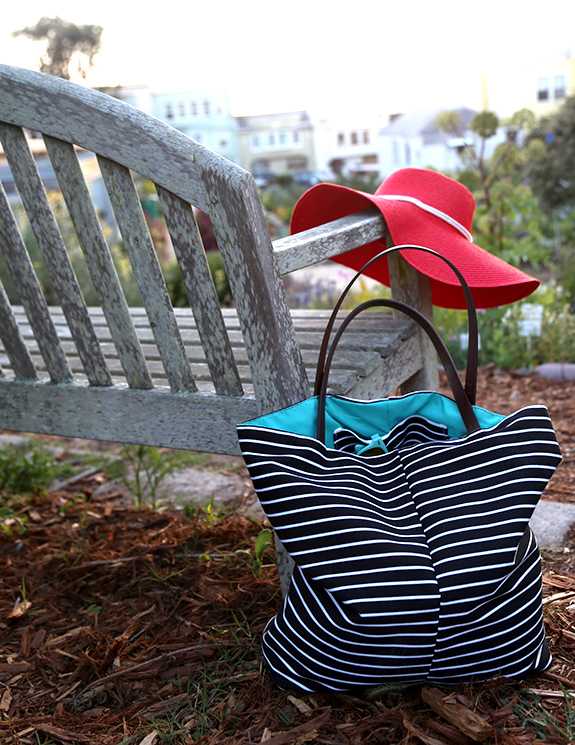
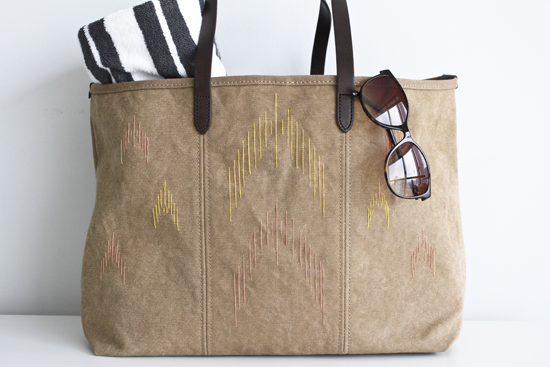
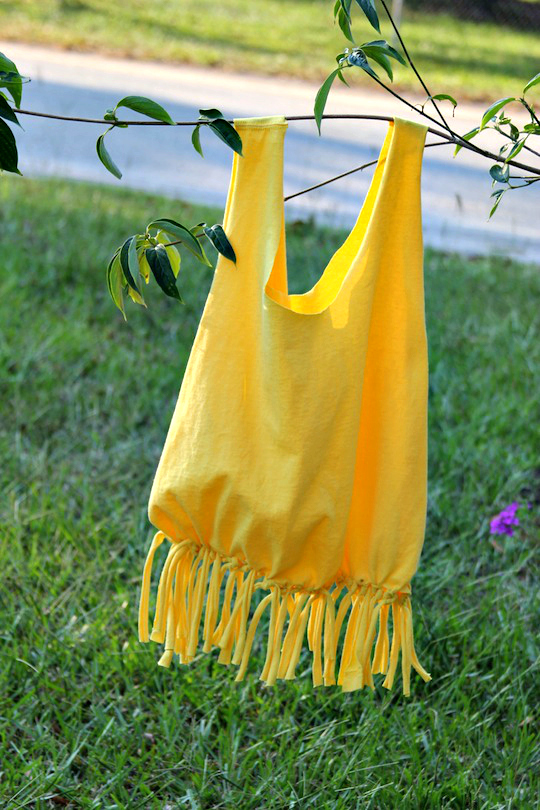
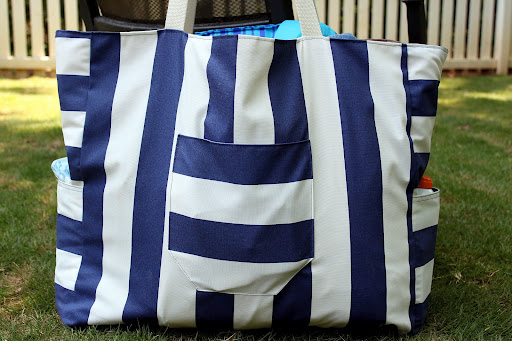
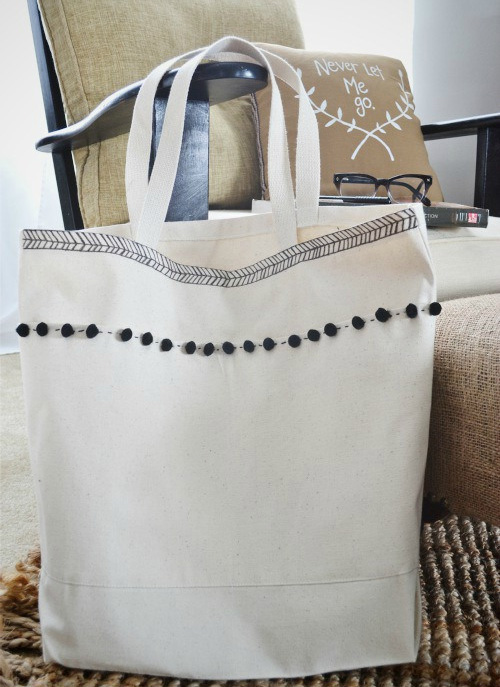
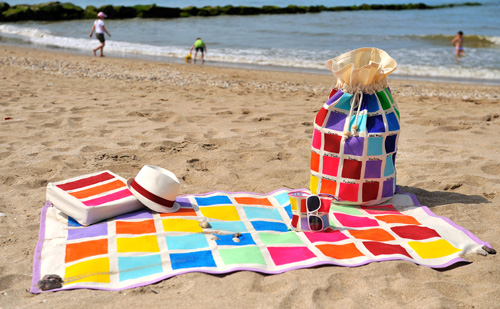
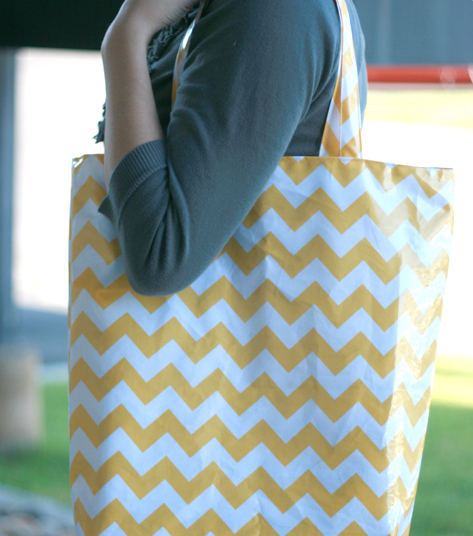
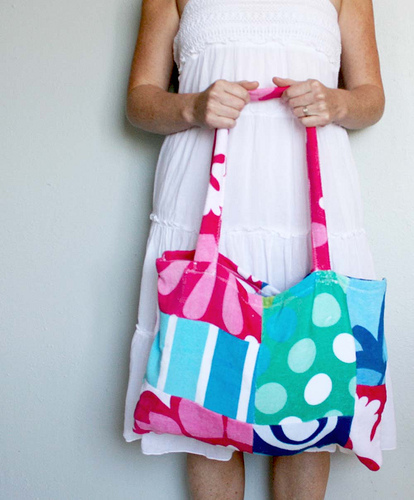
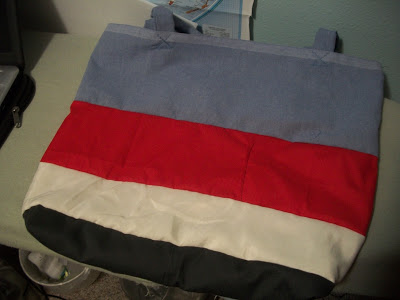
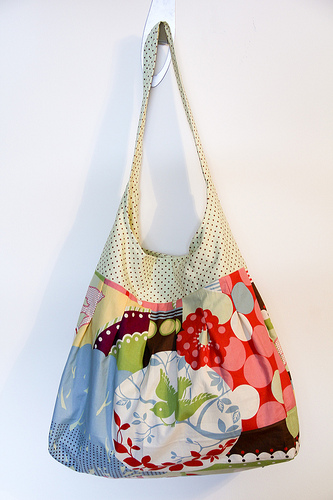
Handmade beach bags earn their place in summer wardrobes because they solve a packing problem most shop totes ignore. Towels are bulky, sunscreen leaks, sand migrates into every seam, and skinny fashion straps dig into your shoulder on the walk from car to shoreline. Sewing your own bag lets you choose capacity, strap comfort, fabric toughness, pocket layout, and colour in a single weekend project. The gallery below gathers colourful DIY beach totes—canvas classics, playful prints, nautical stripes, towel conversions, jersey upcycles, leather-handled carryalls, and reversible styles—so you can borrow a silhouette and build a version that matches how you actually spend a day at the shore.
They also make generous gifts for a beach wedding party or honeymoon. A custom tote feels personal without jewellery-level spend, and it gets used on the first sunny morning.
Design criteria before you cut a single panel
Start with a load list, not a Pinterest mood. Two beach towels, a change of clothes, a water bottle, a book, a pouch of toiletries, and snacks for two people is a realistic minimum. Measure that pile on the floor, then add margin in every direction. Bags that look chic when empty often fail once stuffed. Height for a rolled towel and a base wide enough to stand upright in sand matter more than a dramatic tapered outline.
Decide early whether you want an open top or a closure. Open tops are faster for sandy hands and wet fingers. Drawstrings, flaps, magnetic snaps, or zippers keep sunglasses safer on windy days and look more finished when the bag is a gift. If you add a zipper, interface the opening so the rim does not ripple after the first wash.
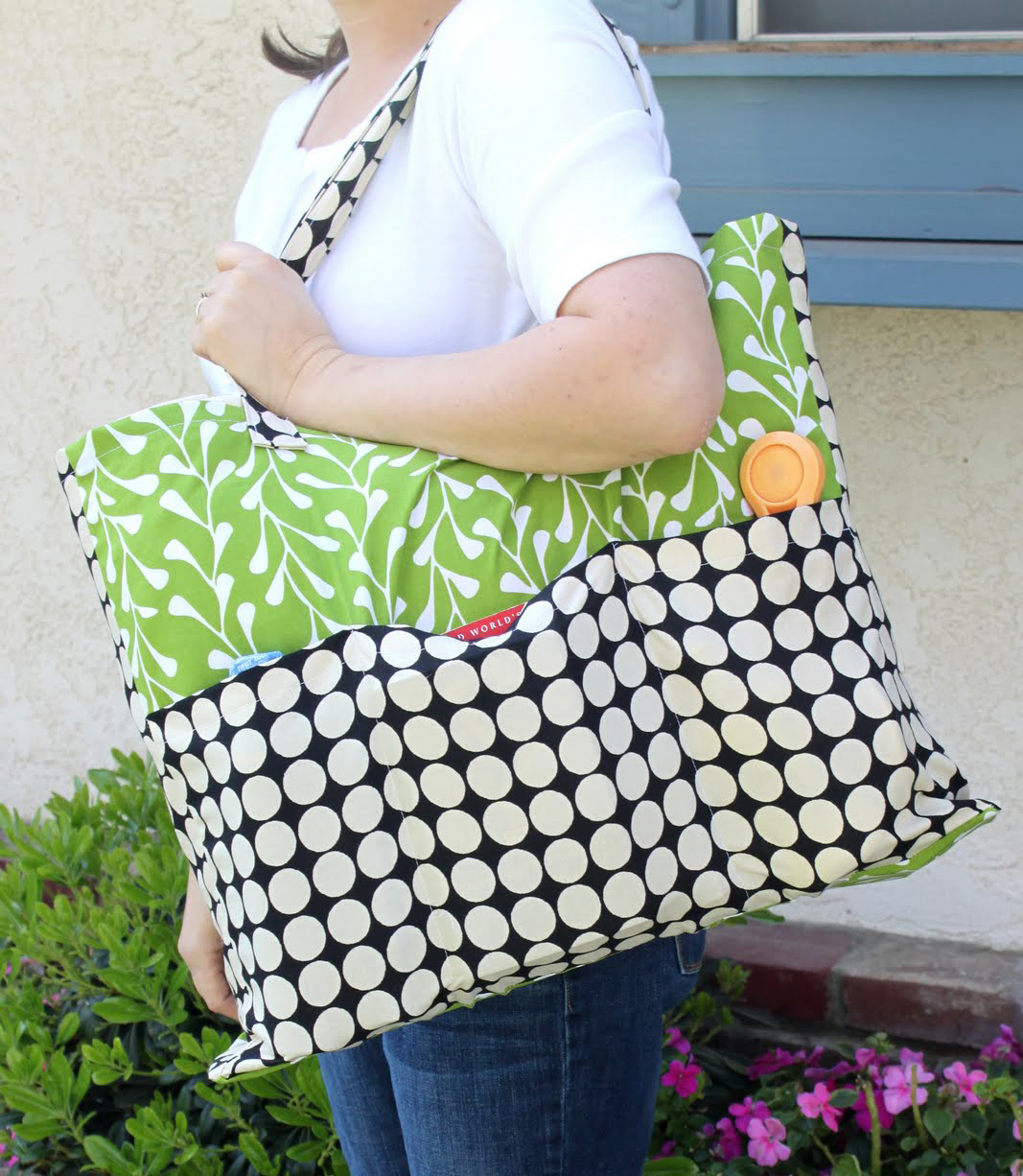
Plan pockets while the pattern is still flat. An interior slip pocket for a phone, a clip or loop for keys, and a separate wet pouch for swimsuits will save you from emptying the whole bag onto a towel later. Exterior pockets are useful for tickets and lip balm, but keep them high enough that they do not drag through wet sand when the bag sits down.
Fabrics that forgive salt, grit, and sunscreen
Mid-weight canvas and cotton duck remain the reliable default. They hold structure, take topstitching cleanly, and survive grit better than fashion quilting cotton used alone. Quilting cotton can still work as a printed outer if you interface it or line it with canvas so the bag does not collapse. Oilcloth and laminated cotton wipe clean after lotion spills; sew those with clips instead of pins so you do not leave permanent holes in the coating.
Terry towels and thick jersey make lively shells, especially for upcycled projects, but they stretch under wet weight. Stabilize every handle join and add a woven lining so the bag does not grow longer each trip. Avoid delicate sheers and loosely woven open weaves unless they are decorative overlays on a tougher base fabric.
Thread and needles matter more than beginners expect. Use a jeans or topstitch needle for stacked canvas and leather straps. Polyester thread resists moisture better than cheap cotton thread in damp bags. Backstitch or bar-tack every stress point—especially where straps meet the body—because a pretty single stitch line fails the third time you load two wet towels.
Silhouettes worth borrowing from the gallery
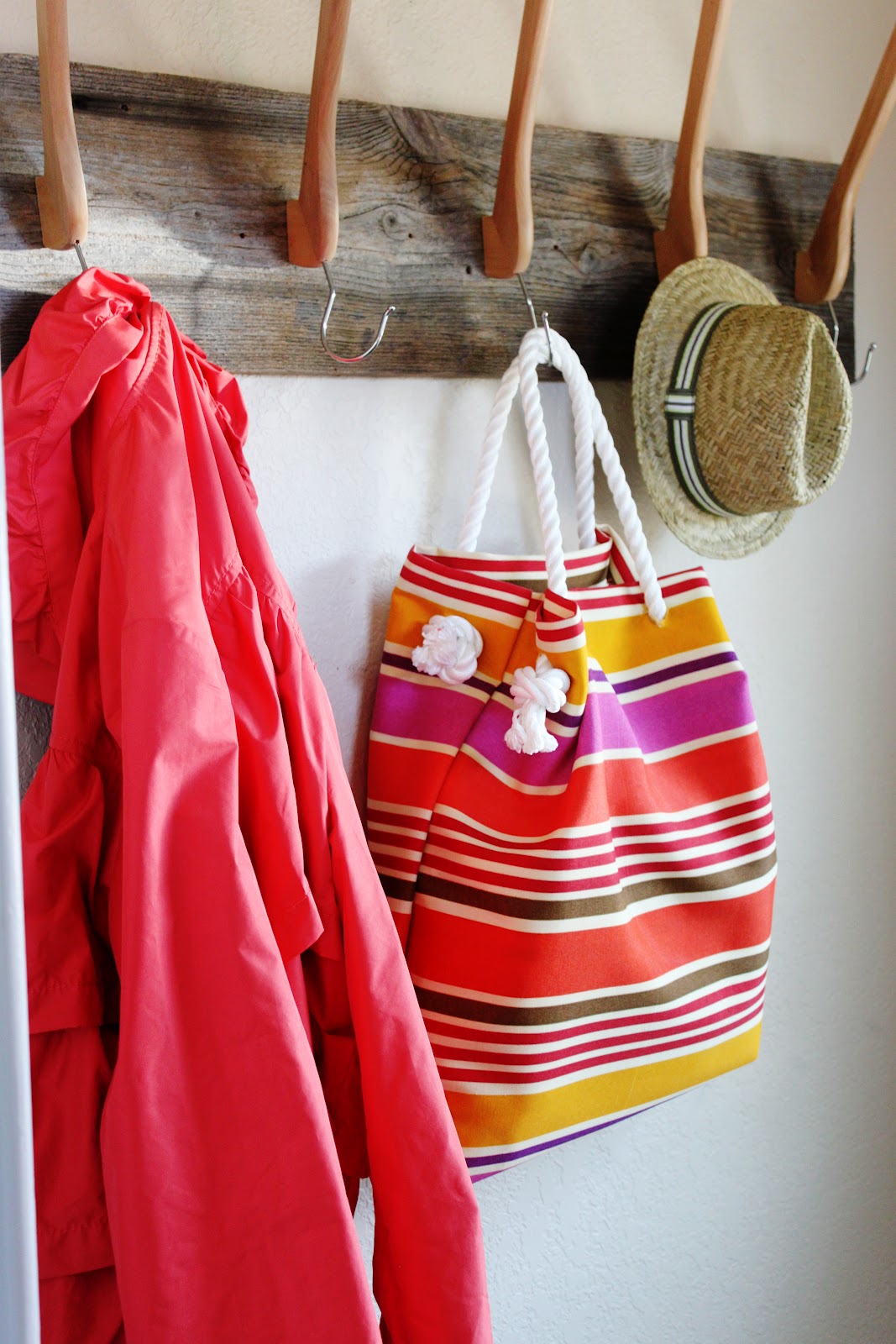
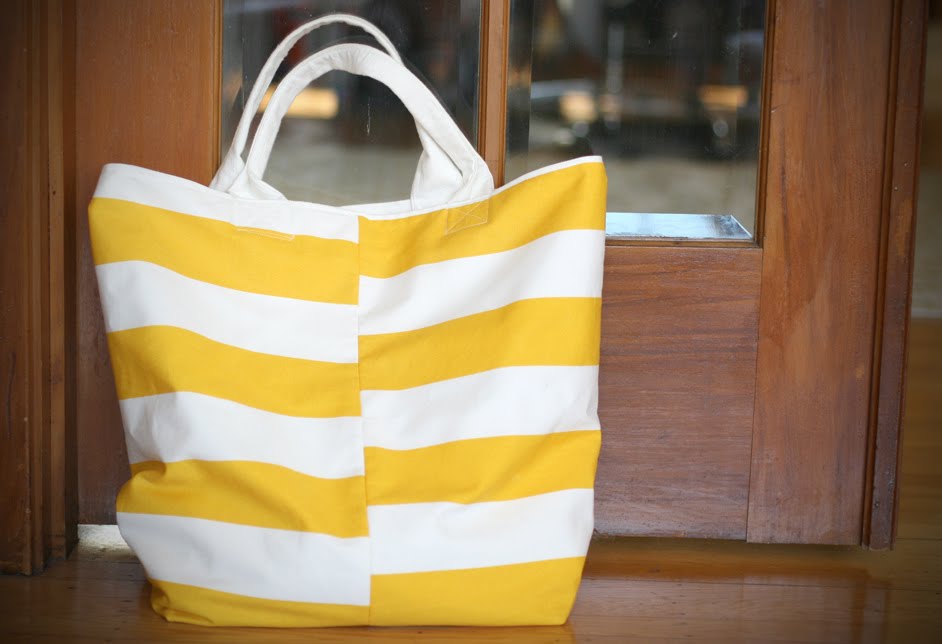
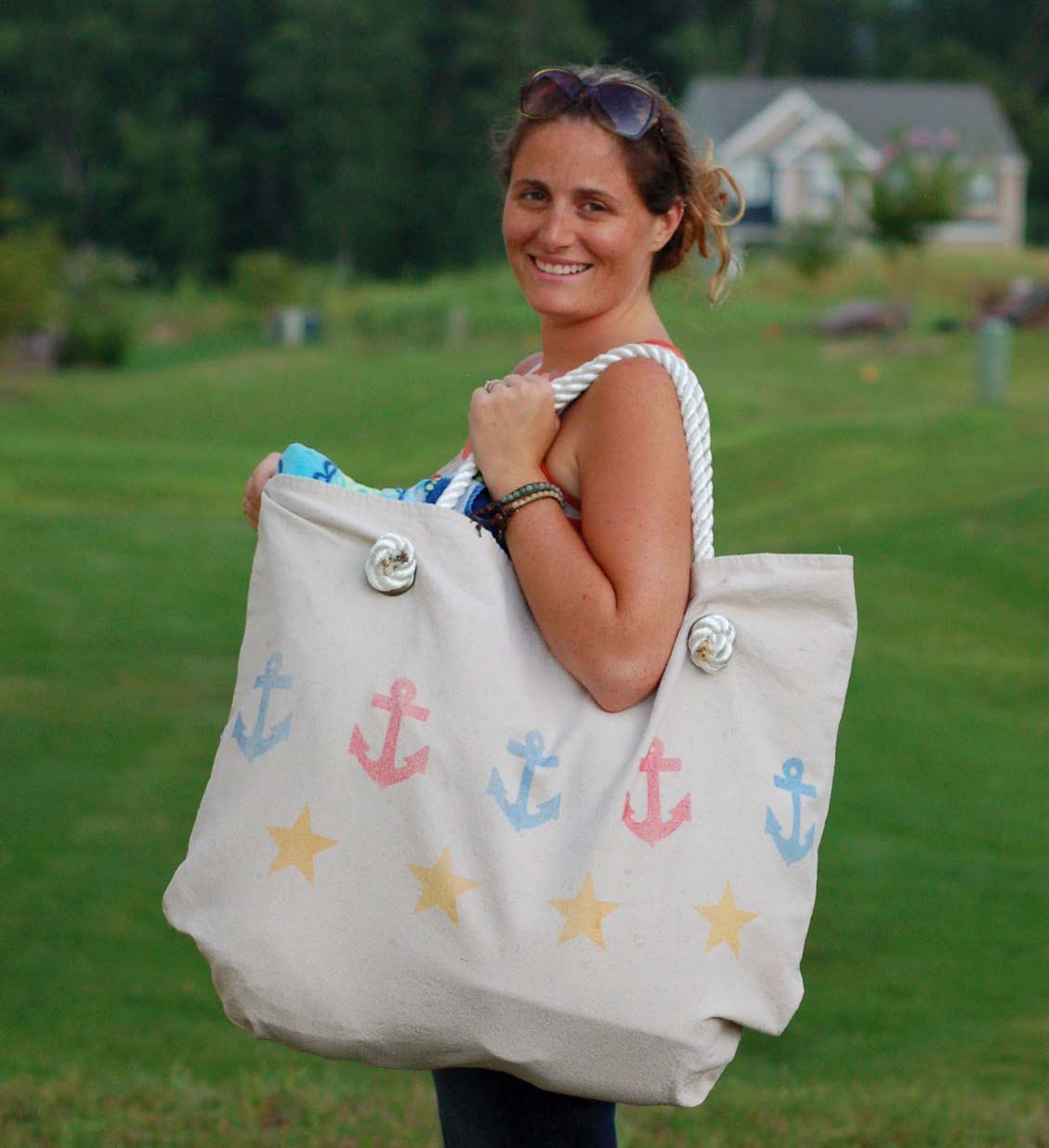
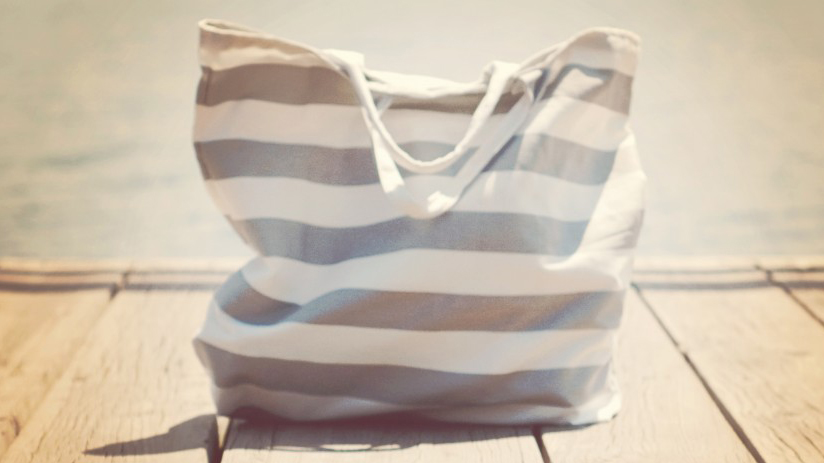
Classic rectangular canvas totes are the workhorse. Two side panels, a base, boxed corners, and an open top can be finished in an afternoon once you have sewn one sample. Nautical stripes, rope handles, and contrast binding push the look toward the beach without complicated hardware or specialty tools.
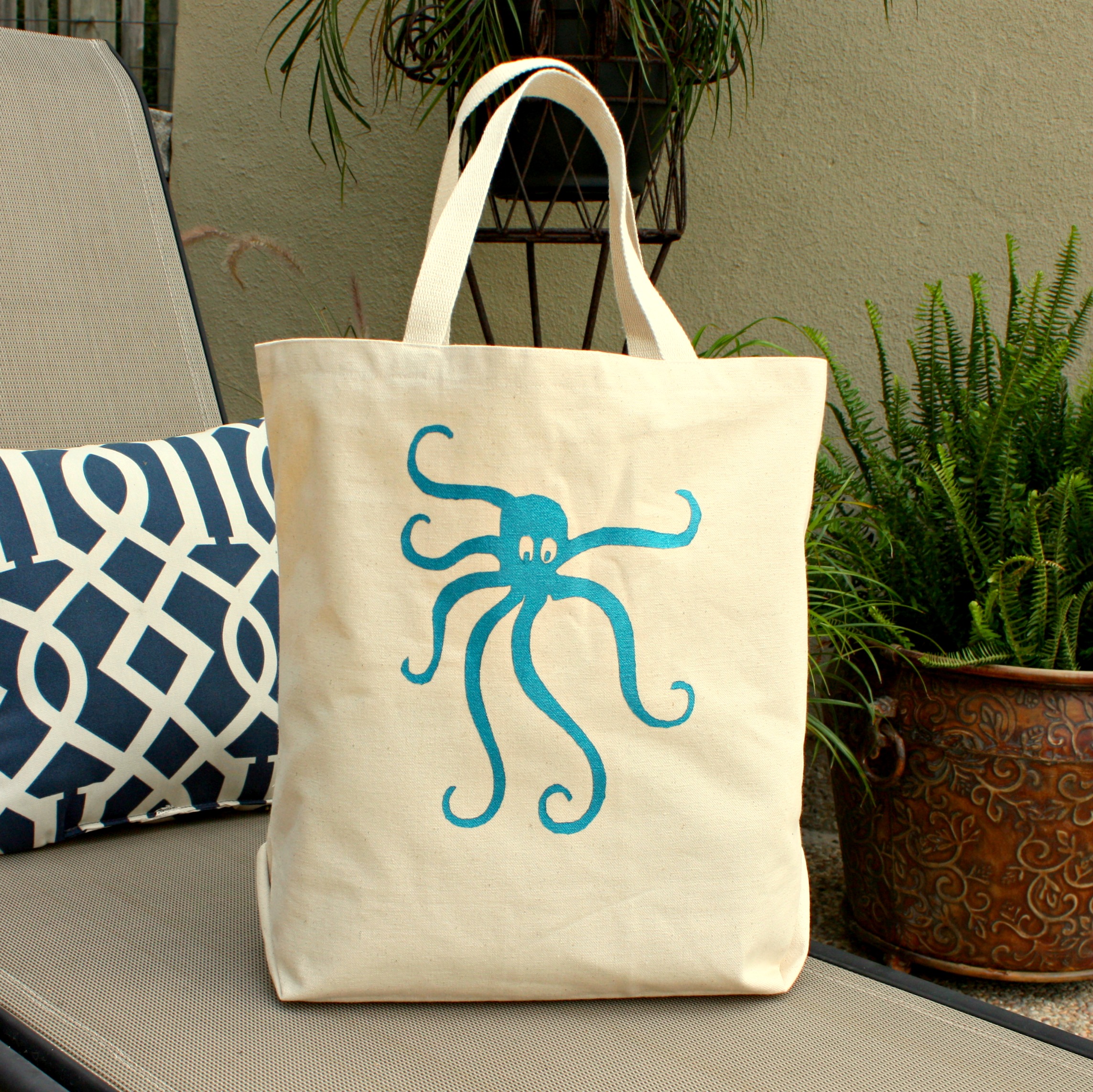
Statement print bags—octopuses, ikat-inspired motifs, bold florals—work best when construction stays simple. Let the fabric do the talking. Reversible totes give two colour stories and a chance to hide a more water-resistant face on one side, which is useful when one towel is still dripping.
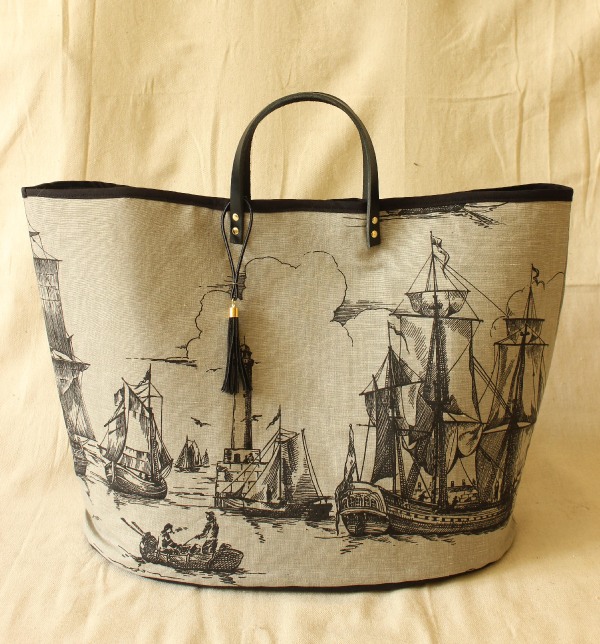
Structured, clean-lined totes with sturdy handles photograph well and gift well because they look intentional rather than improvised. Towel-to-tote conversions are clever for travel because the towel becomes both fabric and emergency blanket. T-shirt beach bags are satisfying scrap projects; reinforce the handles and add a lining so wet weight does not distort the jersey overnight. Each of those approaches appears across the images here—pick the one that matches your sewing comfort and your packing habits.
Strap comfort is half the project
Wide webbing and leather handles distribute weight better than skinny fabric tubes. Test strap drop with books or rolled towels in the bag before you commit to final stitching. Shoulder-length straps free your hands for cooler and keys; shorter handles feel more polished for town-to-beach transitions and sit better on a restaurant chair if you stop for lunch. If you sew fabric straps, fold in interfacing and topstitch the edges so they do not twist into ropes by midsummer.
Attach straps with a box-and-X or a dense zig-zag rectangle. A single line of stitching looks neat on day one and fails on day three. Rivets can reinforce leather-to-canvas joins if you own a setter; if not, extra stitching passes and a patch of interfacing behind the join are enough. Never rely on glue alone for beach loads.
A calm sewing sequence that avoids rework
Cut a paper or scrap-muslin mock-up first, especially if you are drafting without a commercial pattern. Mark seam allowances clearly so you do not accidentally shrink the bag. Sew pockets to lining pieces before side seams. Assemble the outer shell, box the corners, press the base flat, insert the lining, then attach straps. Topstitch the rim so the opening stays crisp after washing and so linings do not roll out when you dig for sunscreen.
Finish raw edges that will face grit. Binding or a deep hem beats a skimpy serged edge that frays in salt air. Press as you go even on bulky canvas; finger-pressing alone leaves wavy seams that look unfinished in photos and in person. If you embroider names or initials for wedding gifts, place lettering high on the outer face where it stays visible when the bag is full. Bright solids and busy prints hide wear better than pale pastels after a season of sunscreen and chlorine splash.
Care that keeps a handmade bag in rotation
Shake sand out thoroughly before washing; grit in the machine abrades fabric and scratches the drum. Most canvas bags handle a gentle cycle; air dry to protect shape and any leather accents. Wipe leather straps instead of soaking them. Rinse metal rings, rivets, and zipper pulls after salt exposure so they do not rust into the cloth. Store bags open so damp linings do not sour between weekends.
If a strap stitch starts to loosen midseason, repair it immediately with a denser pass rather than waiting for a full rip at the worst moment—usually the walk back to the car with everything wet. A five-minute mend beats a ruined holiday tote.
Choose one gallery silhouette that matches your skill level, buy fabric you will not mind scratching on driftwood, and overbuild the straps on purpose. When the bag comes home heavy with towels and still hangs straight from the shoulder, the sewing day paid off—and that is the tote you will reach for every time the forecast turns sunny.

Comments
Continue reading
DIY Summer Dresses You Can Sew on a Budget
Maxi conversions, tank-top bodices, sheet wraps, and low-seam knits—practical ways to sew cool weather dresses from what you already have.
Summer DIY: String Bowls, Macramé, Paper Gifts, and Jewelry
Porch-friendly summer crafts—string bowls, beaded and macramé jewelry, paper baskets, hairpieces, and photo collages—ordered by drying time.
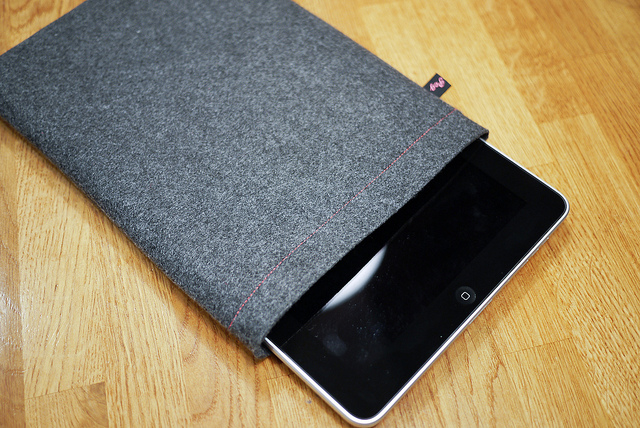
One-of-a-Kind DIY Tablet Cases You Can Actually Sew
Measure your device, pick fabrics and padding, then build a sleeve, wrap, envelope, or soft folio that protects glass without another store-bought black cover.