
Funny Everyday-Object Images by Domenic Bahmann
Domenic Bahmann’s Stop. Think. Make. habit turns socks, donuts, and buttons into quick visual jokes—how the Melbourne-to-Canberra designer finds second lives in household stuff.
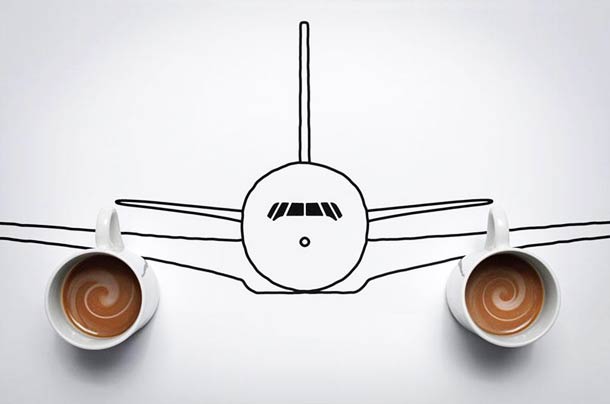
A pair of children’s socks can sit in a laundry basket and look like laundry. In the hands of Domenic Bahmann, the same socks become a panda—black ears, white face, absurdly complete. A donut becomes a bald man’s fringe of hair. A button becomes a pig’s nose. The joke lands in less than a second, then stays because the materials never stop being what they are.
Bahmann, a multidisciplinary artist, illustrator, and designer born in Munich and long based in Australia (Melbourne in early coverage of the series; Canberra in later studio notes), built a public habit around that kind of double take. Around 2013 he framed the work as a personal creative challenge: Stop. Think. Make. The rule was simple enough to keep—produce at least one everyday-related image or illustration a week—and strict enough to change how he looked at kitchens, desks, and grocery bags. Spontaneous “what if” moments became a practice, not a lucky accident.
Stop, Think, Make as a looking habit
The series is easy to misread as pure novelty. The better reading is that Bahmann trains attention. He has described the process as daydreaming with an open inventory: you notice a shape, invent a second identity, then assemble or draw just enough to make both identities true at once. The sock panda works because the socks already supply color blocks and soft volume; the drawing or arrangement only completes the animal. The donut hairline works because a ring already looks like a crown of pastry. The button nose works because a four-hole disk already reads as a snout if you let it.
That economy is the craft. Overbuilding kills the gag. If you add too many props, the frame becomes a craft table instead of a punchline. Bahmann’s stronger pieces keep the stage almost empty—neutral surface, clear light, one or two objects, a minimal graphic intervention. The viewer’s brain finishes the scene. That collaboration is part of the pleasure.
Titles often sharpen the wit without explaining it: a banana on cardboard becomes a tiny beach narrative; mint tablets become a miniature dog; crayon rockets suggest liftoff; toothpaste becomes a figure. Each miniature behaves like a self-contained joke or statement. You do not need a manifesto to enjoy them, but the manifesto is there anyway: magic is already in the mundane if you are ready for the aha moment.
Food, fabric, and hardware as a cast list
Bahmann’s repertoire leans on three reliable casts. Food offers color, bite marks, and soft geometry—bananas, crackers, pasta, peppers, cupcakes. Fabric and soft goods offer ears, skirts, and bodies—socks especially, because they arrive pre-paired and pre-colored. Hardware and bathroom objects offer hard edges and brand-familiar silhouettes—graters, toothpaste tubes, tools—that photograph cleanly and hold a second reading.
Personification is his frequent move: objects acquire faces, postures, or tiny dramas. A cheese grater might grow a Parmesan moustache. Pasta might become a character mid-gesture. Capsicum halves might spell a cheerful letter. The humor stays affectionate rather than cruel. He rarely humiliates the object; he temporarily promotes it.
Scale games matter too. Tiny arrangements photographed close-up become monumental. A crayon ship can feel like a mission. A leaf can become a vessel. The camera turns the kitchen table into a film set for one-frame stories. That is why the work travels well on social feeds: it is readable at phone size, then rewarding on a second look when you notice how little was actually required.
Design training under the whimsy
By day Bahmann has worked across art direction, photography, illustration, and commercial design for editorial and advertising clients. That professional discipline shows even when the premise looks playful. Lighting is considered. Shadows agree with the object’s thickness. Negative space is left alone. The compositions communicate like good posters: one idea, clear hierarchy, no visual noise competing with the punchline.
Comparisons to other everyday-object illustrators are fair but incomplete. Artists who draw around paper clips or cookies share the hybrid grammar; Bahmann’s voice is often more sculptural and photographic—physical arrangements that still feel like graphic design. The understated, tongue-in-cheek tone is consistent: clever without shouting, cute without collapsing into stickers.
He has named favorites that reveal the ethic behind the jokes. The crayon spaceship piece often associated with exploring and creating—thinking like a child without becoming childish—captures the project’s best intention. The point is not nostalgia for toys. It is permission to treat looking as play again.
Why household materials beat rare props
Part of the series’ generosity is accessibility. You do not need a specialty prop house. You need attention and a willingness to stop when the second reading clicks. That lowers the barrier for students, parents, and casual makers who want a creative warm-up that does not require expensive tools.
It also keeps the work honest. When the materials are ordinary, the transformation has to be smart. There is nowhere to hide behind exotic rarity. A sock either becomes a panda or it does not. A button either becomes a nose or it remains a button with a doodle nearby. The constraint forces clarity.
In design education terms, the project teaches recombination. Graphic designers spend careers removing surplus. Here, surplus removal is entertainment. One object, few marks, one flip. Constraint becomes style.
Reading a Bahmann frame slowly
When you look at one of his images, try a three-step read. First, name the literal object. Second, name the second identity. Third, find the hinge—the exact feature that allows both readings: a sock cuff as an ear, a donut hole as a scalp, a button’s holes as nostrils, a pasta curve as a limb. The hinge is where the craft lives.
Then notice what is absent. No busy background. No explanatory caption baked into the picture. No pile of competing gags. Bahmann trusts silence around the joke. That silence is why the pieces feel designed rather than scrapbooked.
Finally, notice tone. The humor is quick, but the attitude toward domestic life is warm. Laundry, snacks, and bathroom shelves become a comedy troupe instead of a to-do list. That reframing is useful even if you never make an image yourself. It changes how a Tuesday morning kitchen looks.
A small weekly challenge borrowed from the method
If the work sparks more than scrolling, borrow Bahmann’s weekly rule in miniature. Once a week, pick one ordinary object with a strong silhouette. Place it on a plain surface in even light. Ask only: what else could this be with almost no help? Add the minimum drawing, arrangement, or second prop required. Photograph it. Stop.
Repeat for a month with different categories—one food, one soft item, one tool, one packaging leftover. Compare which silhouettes transform easily and which fight you. Soft paired objects often become animals. Rings become heads and portals. Long thin forms become limbs or vehicles. Gaps become faces. You will start auditioning your own drawers the way Bahmann does.
Whether the results are publishable matters less than the muscle you build: finding latent characters in overlooked inventory. Funny images with everyday objects are not only a portfolio theme for Domenic Bahmann. They are a portable way of seeing—one sock, one donut, one button at a time—until the ordinary world refuses to stay ordinary.

Comments
Continue reading
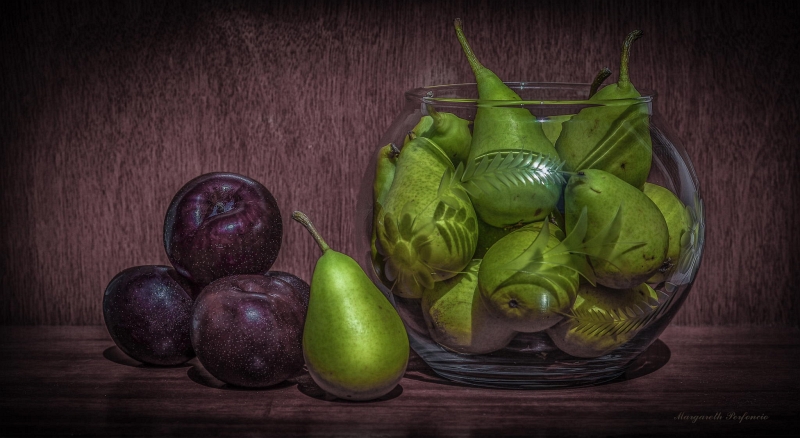
Still-Life Photography by Margareth Perfoncio
São Paulo photographer Margareth Perfoncio’s still lifes of food and flowers—Old Master light, dark wood, and tables that feel inevitable.

Meaningful Love Quotes for Inspiration (and Ink)
Meaningful love quotes that still feel true — short lines for tattoos, gifts, and everyday reminders, with placement and wording tips.

Christina Hess’s Animals From History: Costumed Pets as Playful Portraits
Illustrator Christina Hess reimagines historical icons as ornate animal portraits—Elvis Petme and friends—mixing puns, costume detail, and soft history lessons.