
Funny Illustrations With Everyday Objects by Alex Solis
Chicago illustrator Alex Solis turns hands, chips, bananas, and rulers into punchlines—how his object-and-ink hybrids work, with the full gallery.
Chicago illustrator and graphic designer Alex Solis—known online as alexmdc—has a gift for turning whatever is already on the desk into the punchline. A hand becomes a skate ramp. Potato chips become a duck bill. A wooden ruler becomes, literally, a ruler. The drawings are clean black-line cartoons; the humor comes from how precisely a real object finishes the joke.
His broader practice has included murals, viral visual projects, and collaborations across design and entertainment, but the everyday-object photos are the pieces people recognize in a scroll within a second. This gallery walks through that method: interactive hand gags, snack-aisle cameos, wordplay you can hold, and the quiet craft of lining ink up with the physical world.
Hands as co-stars
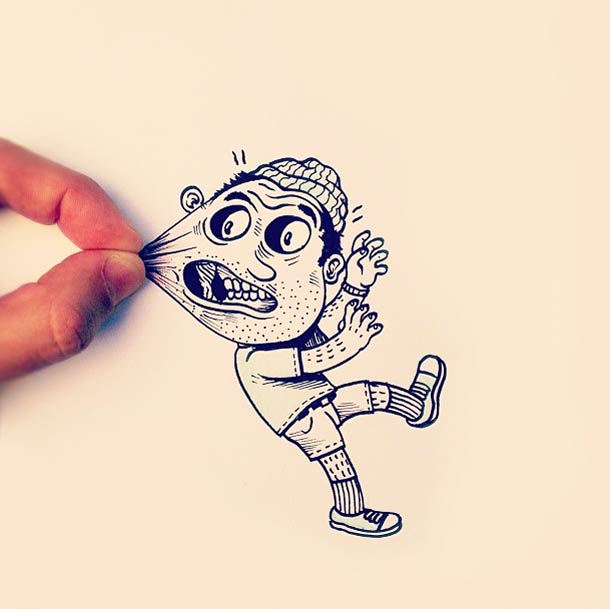
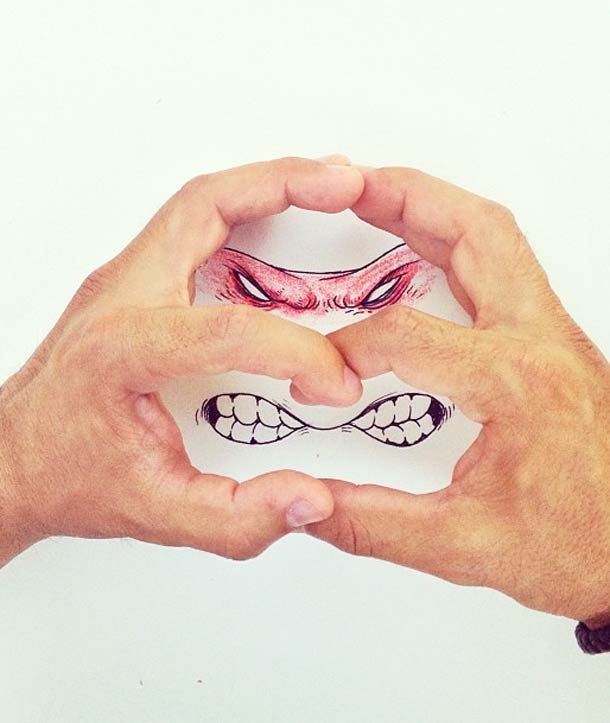
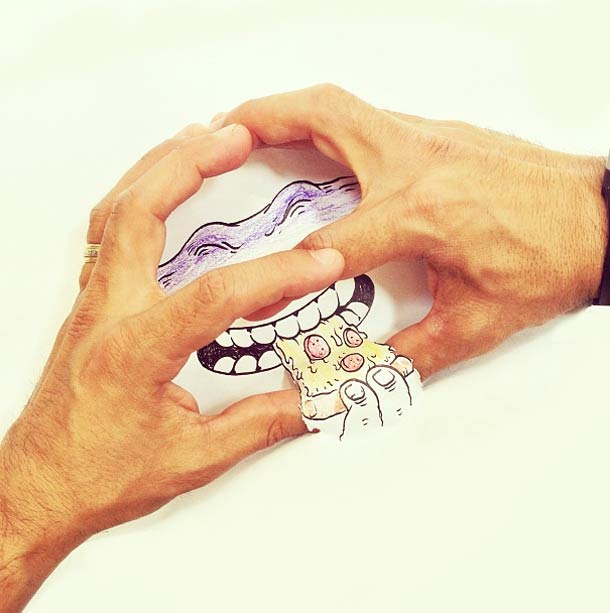
Many of Solis’s strongest pieces treat the artist’s hand as a character equal to the ink. In the face-pinch drawing, thumb and finger clamp a small section of paper while the cartoon’s cheeks stretch toward the grip. Wide eyes, an open mouth, and flailing limbs sell the physics. You feel the pull even though only paper and skin are involved. The background stays blank on purpose so nothing competes with the contact point.
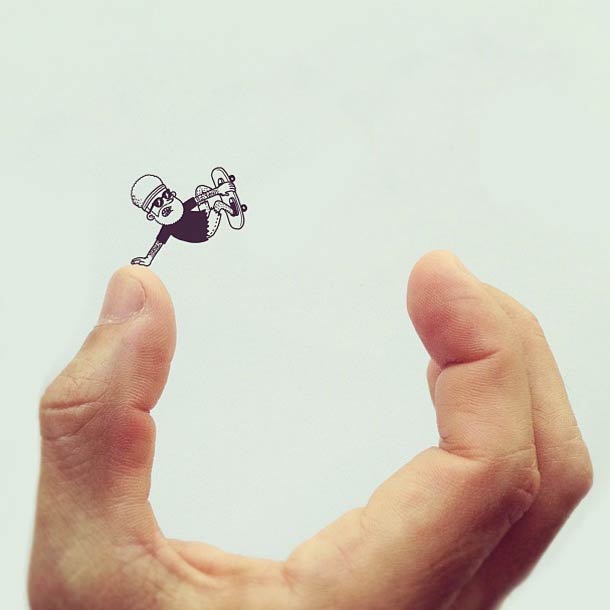
The thumb-as-halfpipe idea works the same way. An open hand makes a U-shaped ledge; a tiny beanie-wearing skater plants on the thumbnail mid-trick, board in the free hand. Scale does the comedy: a full stunt on a few centimeters of skin. Photographers of miniature figures chase a similar thrill, but here the “landscape” is living flesh, which makes the gag feel improvised even when the pose was rehearsed.
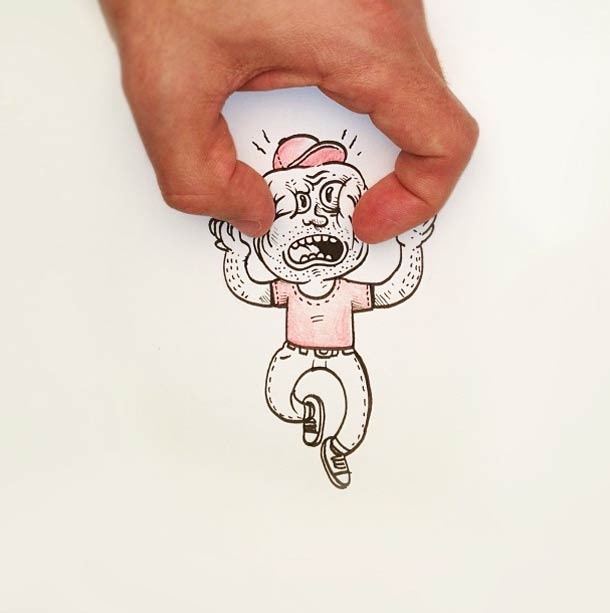
A colored variation lifts a stubbly character in a pink cap by the head, fingers pressing the cheeks until one eye squeezes shut. Same grammar—real hand, drawn body—different costume and palette. Once you know the formula, you start scanning your own desk for props and your own fingers for verbs: pinch, point, hold, crush, lift.
That verb list matters. Solis’s hybrids are rarely static portraits of objects. They are little action scenes where the hand supplies the verb and the drawing supplies the reaction. Comedy timing lives in that split.
Pantry props and snack cameos
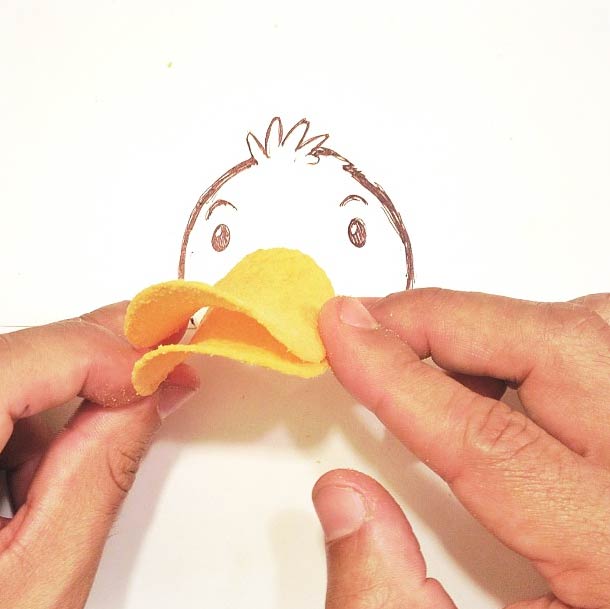
Two curved potato chips held in front of a round ink head become an open duck bill. Crumbs on the fingers remind you the “beak” is still food. It is a one-beat gag, which is why it works in a square photo: no caption required, no lore to learn. The drawing supplies eyes and a tuft of feathers; the chips supply volume and color the pen cannot.
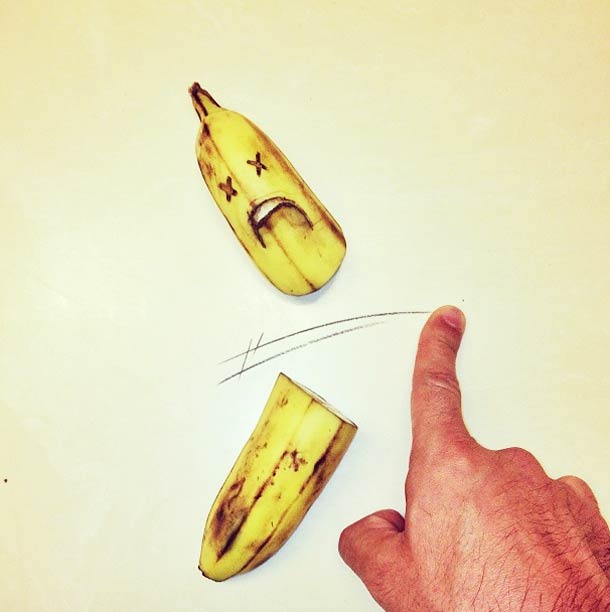
A banana cut in two, X-eyes on the peel, and curved slash lines drawn from a pointing finger turn snack prep into a tiny action scene. The fruit is both victim and prop; the finger plays the blade. Bruises on the peel accidentally help—they look like battle marks. It is the kind of joke that makes you look at breakfast differently for a week.
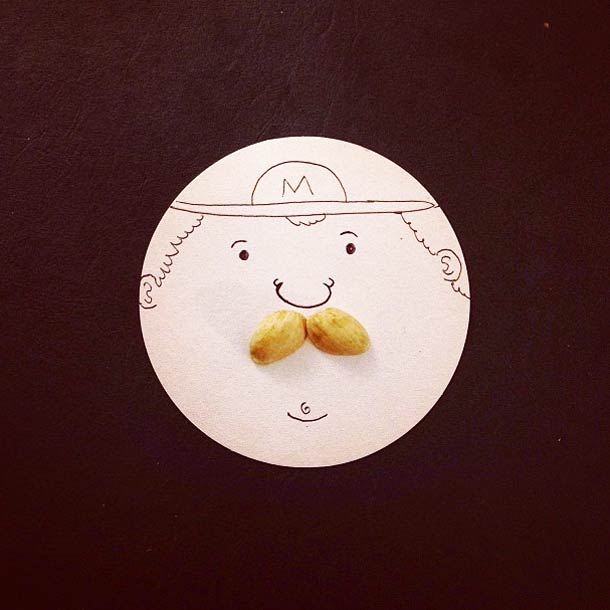
Pistachio shells stand in for a bushy mustache on a circular face topped with an “M” cap. Pop-culture recognition does half the work; the shells do the rest. Solis often aims at icons people already know so the object only has to complete one famous feature. That economy is why the photos feel generous rather than obscure: you are in on the joke immediately.
Snack props succeed when they have a strong silhouette and a job people recognize—chips curve, shells cup, bananas bend. Flat, shapeless foods are harder to cast. The best pantry cameos look inevitable after you see them and impossible before.
Wordplay you can hold
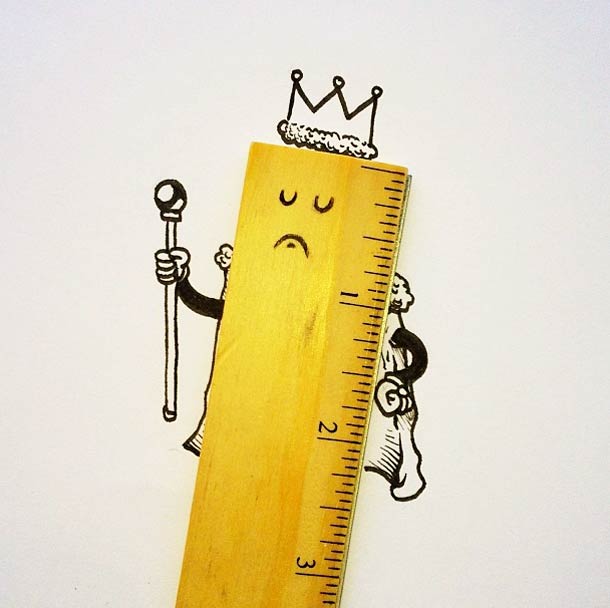
A wooden school ruler gets a crown, scepter, and grumpy face drawn on and around the wood—the measuring tool as a monarch. The English pun (“ruler”) is the spark, but the drawing would still read as a bossy stick figure without the wordplay. Minimal ink keeps the inch marks visible so you never forget the object’s day job. Humor that respects the prop’s original identity tends to age better than humor that buries it in decoration.
More desk-drawer inventions
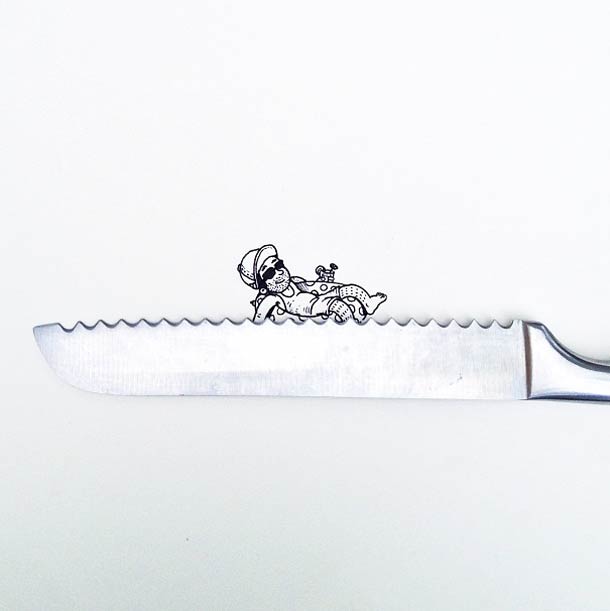
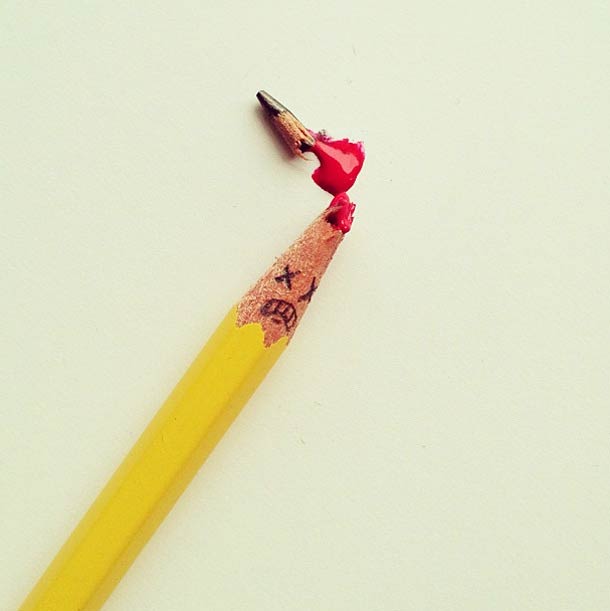
Across the wider set, the recipe stays steady: plain background, sharp focus on the contact point between ink and object, and a cartoon reaction big enough to read at phone size. Coins, leaves, cables, candy, and office supplies appear in related pieces for the same reason chips and shells work—they cast a clear shadow and suggest a role.
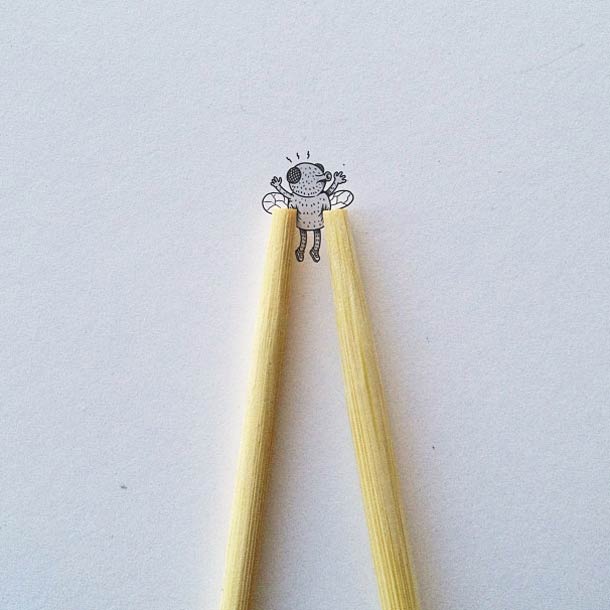
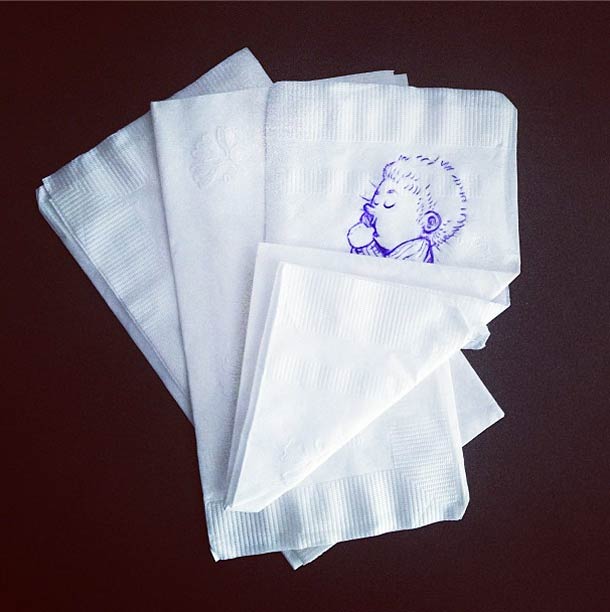
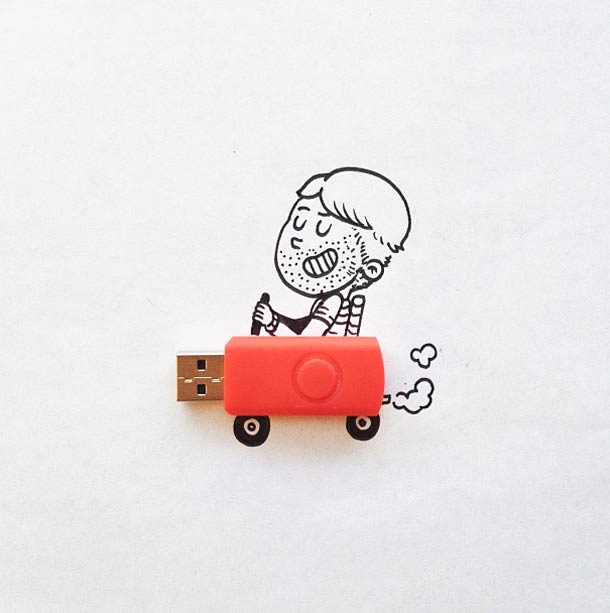
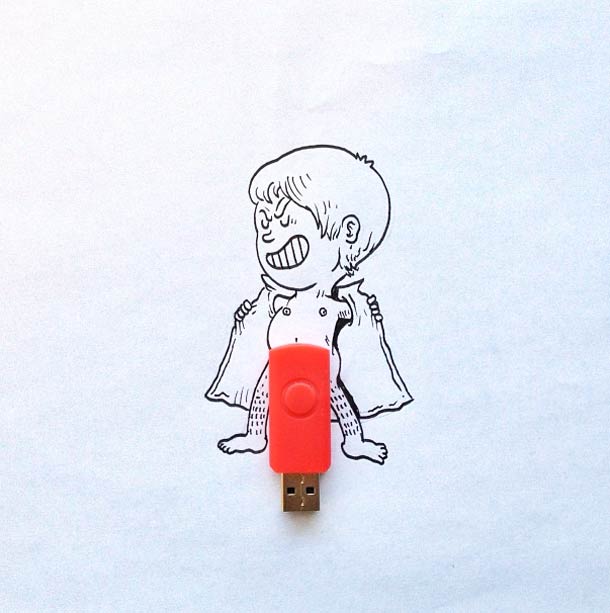
Look for how little digital trickery the frame needs. When the alignment is right in camera, the brain accepts the hybrid without asking how it was composited. That honesty is part of the charm: you could almost try it yourself between emails.
Why the style travels
Solis’s background spans illustration, design, murals, and projects built to move through social feeds. The everyday-object photos succeed because they are easy to remake in the imagination: anyone can picture a hand, a banana, or a ruler. The craft is in registration—lining up the drawing so the real edge becomes a jawline, a ramp, a mustache, or a royal torso without smothering the object in effects.
Lighting stays even and shadows soft so each photo feels like a clear demo, not a moody still life. That documentary plainness makes the gag feel accidental—even when every millimeter was planned. Square crops and centered subjects help the work survive compression and small screens, which is why the series felt native to Instagram-era sharing when it circulated widely.
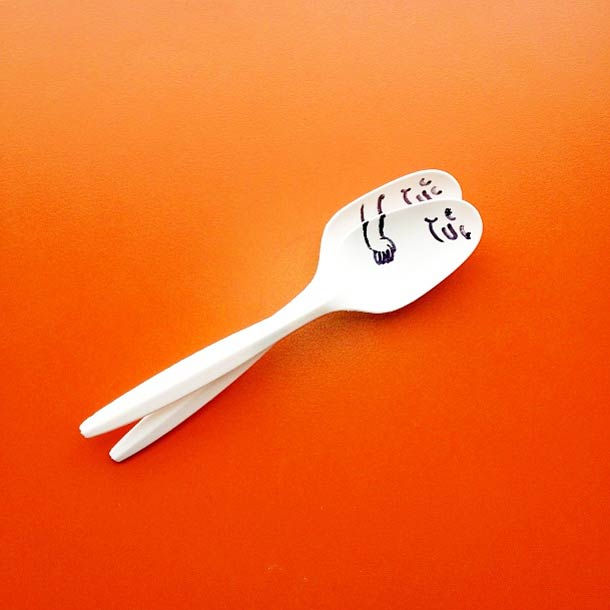
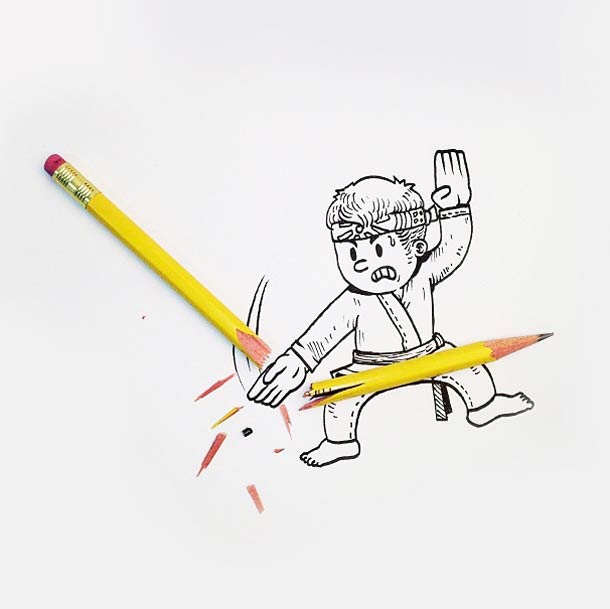
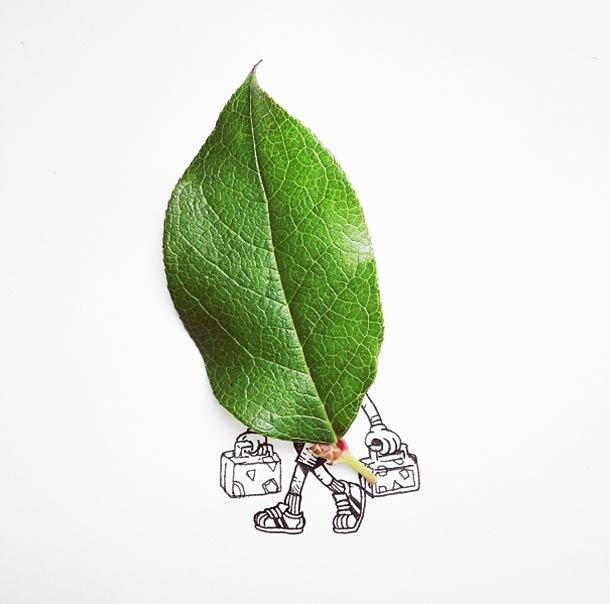
Compared with denser illustration series that rely on lore or long captions, these pieces are generous to strangers. You do not need to follow the artist for months to understand a single frame. That accessibility is a feature of the method, not a lack of ambition.
Try a small version at your desk
- Pick one object with a clear outline—clip, candy, leaf, key, or shell.
- Place it on white paper and photograph a test frame in even light.
- Sketch the missing body or face so the object completes one feature only.
- Shoot again with your hand in the frame if the joke needs a verb—pinch, point, hold.
- Crop tight and check the punchline at thumbnail size; if it fails small, simplify.
- Stop when the joke is obvious. Extra lines usually weaken the hybrid.
You will not match Solis’s line control on the first try, and you do not need to. The lesson in this set is permission: the funniest prop might already be in the junk drawer, waiting for a crown, a mustache, or a very surprised cartoon face. Open the drawer, pick one thing, and give it a job it never applied for.

Comments
Continue reading
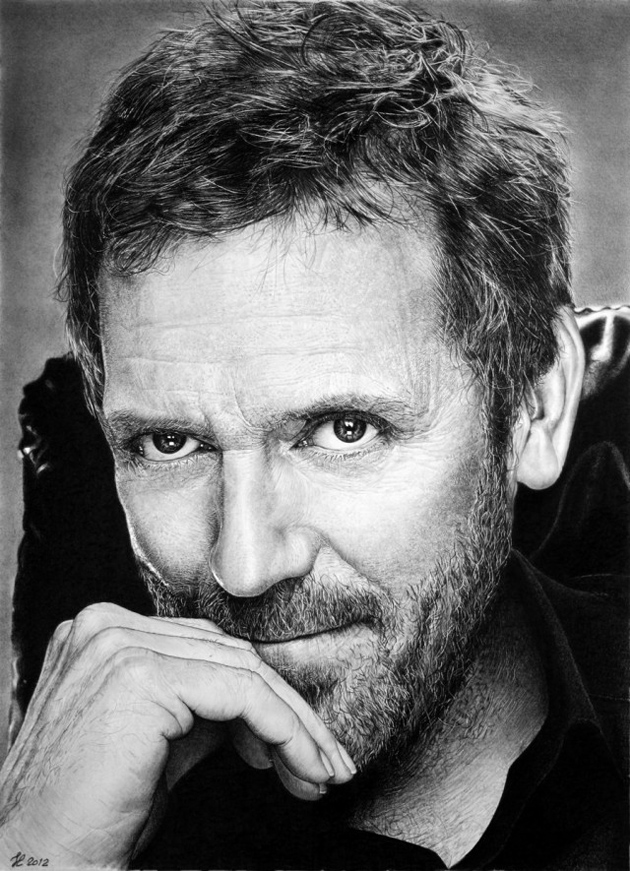
10 Photorealistic Pencil Drawings by Franco Clun
Ten photorealistic graphite portraits attributed to Italian artist Franco Clun—celebrity likenesses, reflections in glasses, a macro eye, and unflinching studies of age.
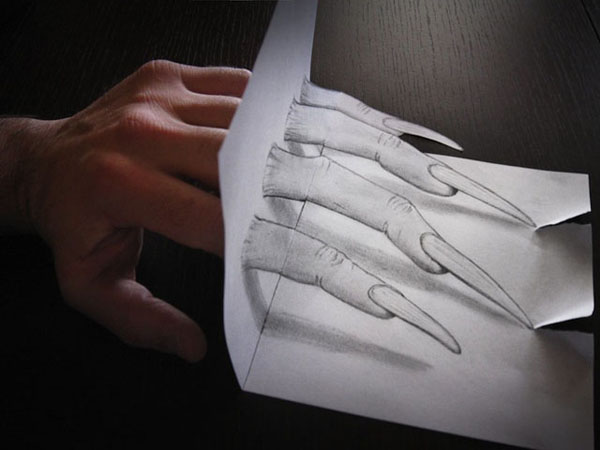
Alessandro Diddi’s Anamorphic 3D Drawings: Hands, Folds, and False Depth
Italian artist Alessandro Diddi folds paper, locks a camera angle, and drafts shadows until claws, bridges, and bitten fingers seem to leave the page.
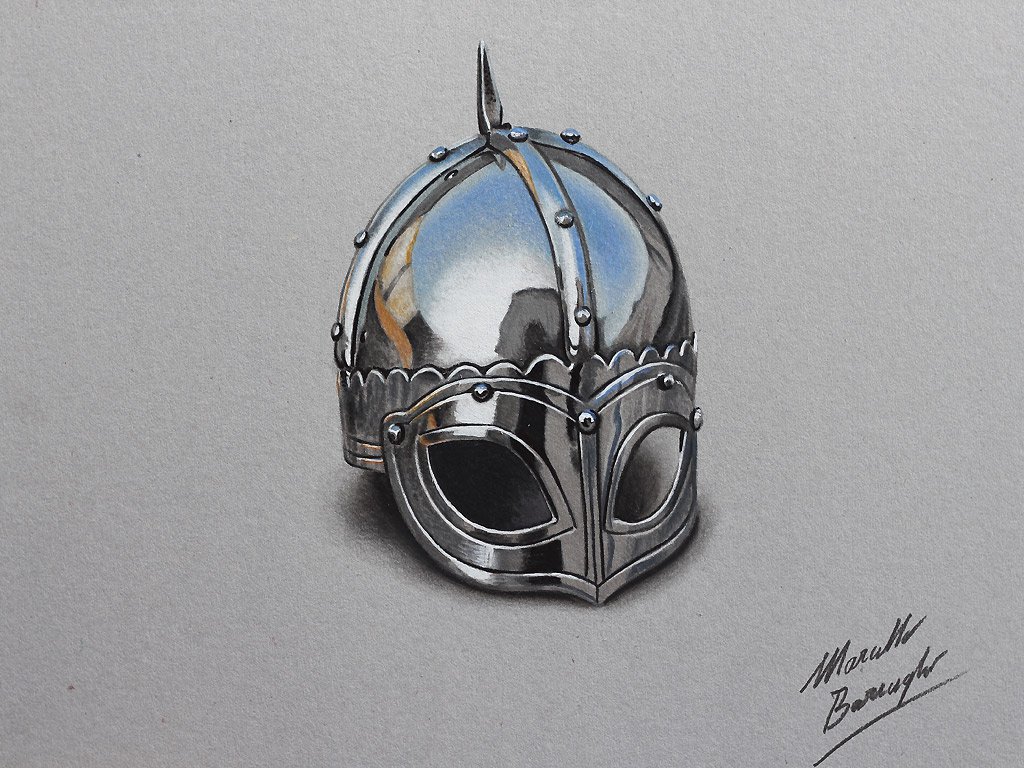
Marcello Barenghi’s Hyperreal 3D Drawings: Chrome, Shadow, and Belief
Italian artist Marcello Barenghi turns flat paper into convincing objects—here, a polished spectacle helmet whose reflections and cast shadow sell true weight.