
Fun and Relaxing Indoor Swings for Grown-Up Spaces
Hanging chairs and indoor swings that calm a room—plus install criteria, clearance tips, and when to call a pro before you drill the ceiling.

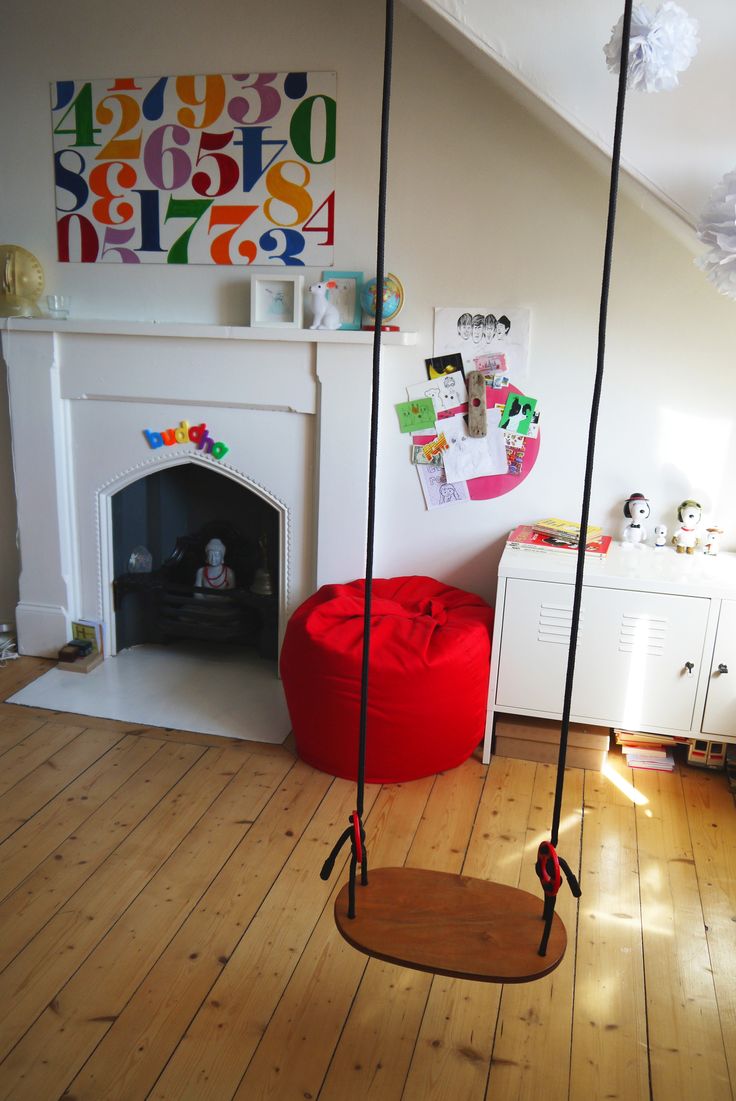
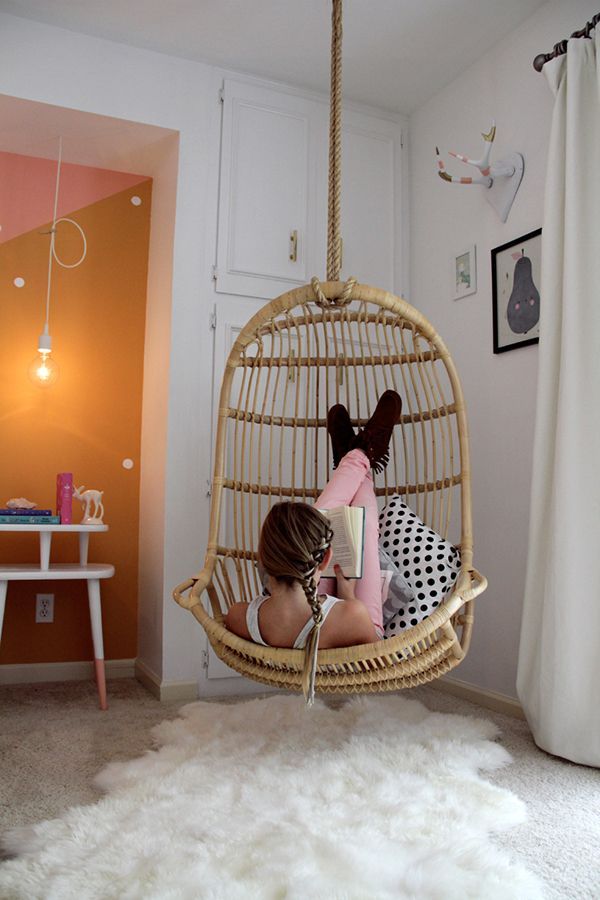
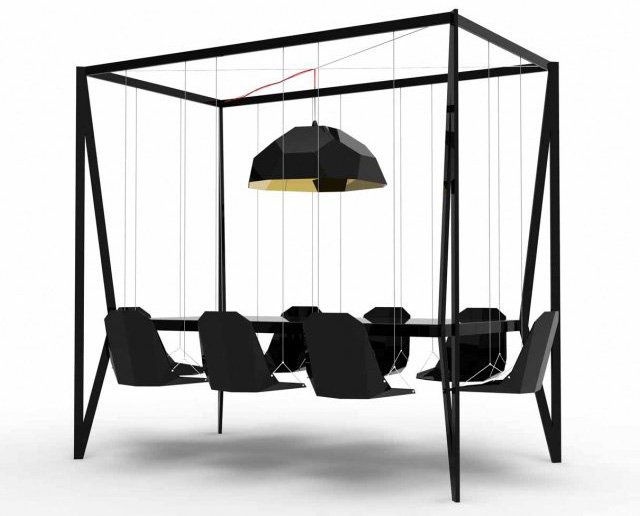
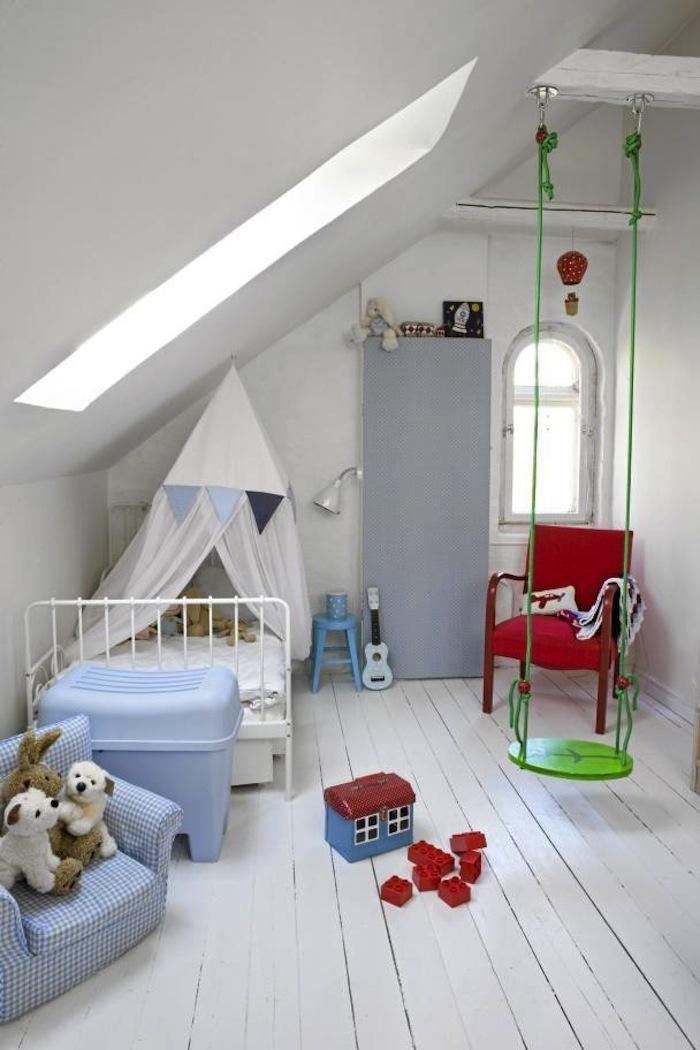
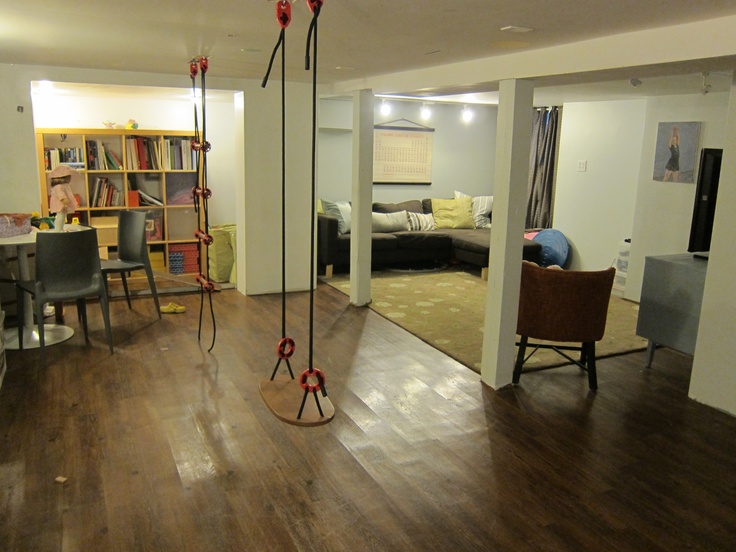
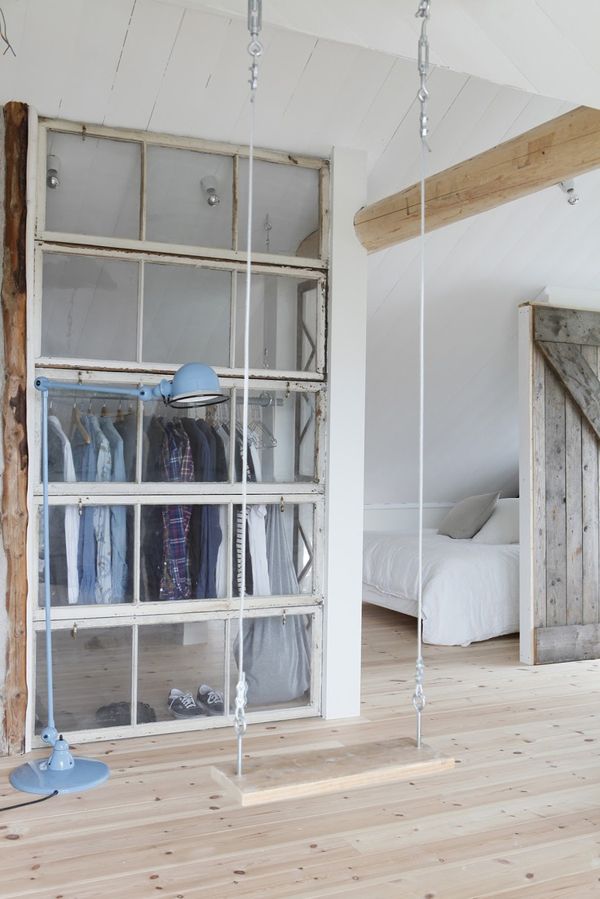
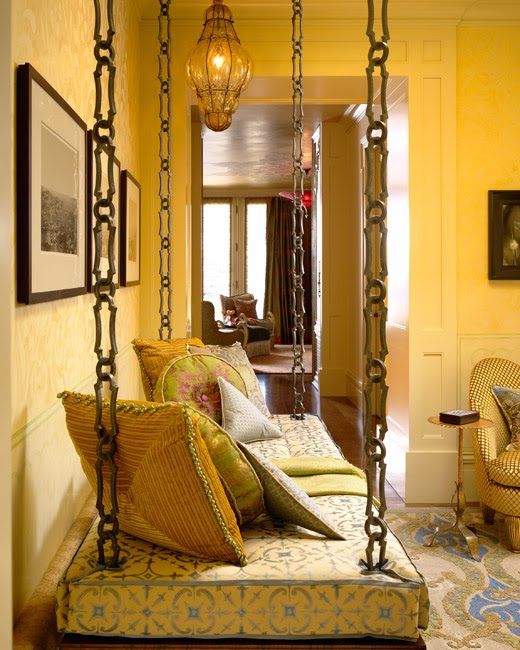
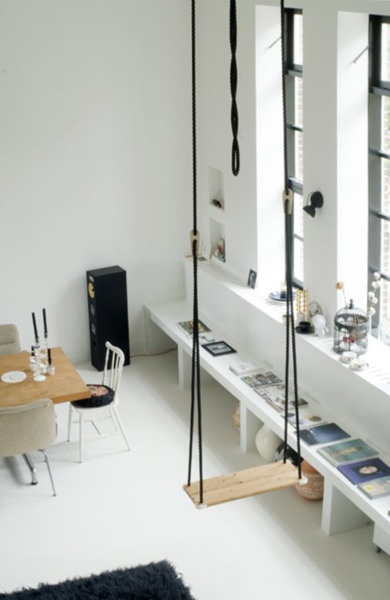
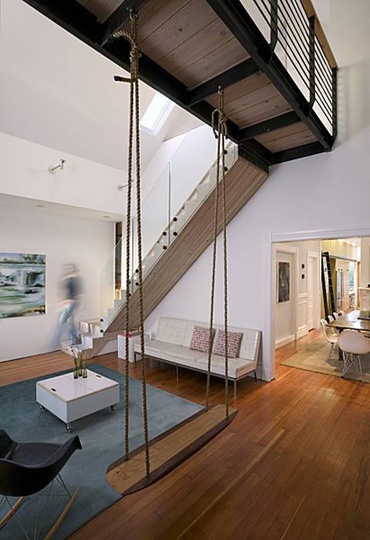
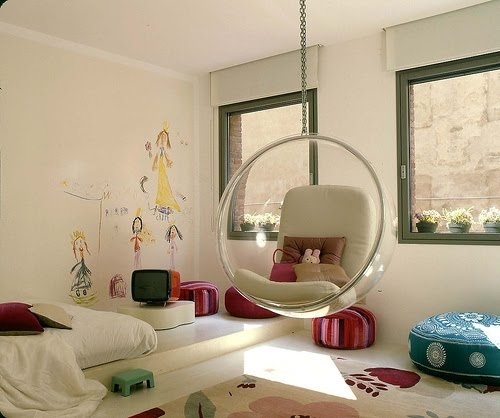
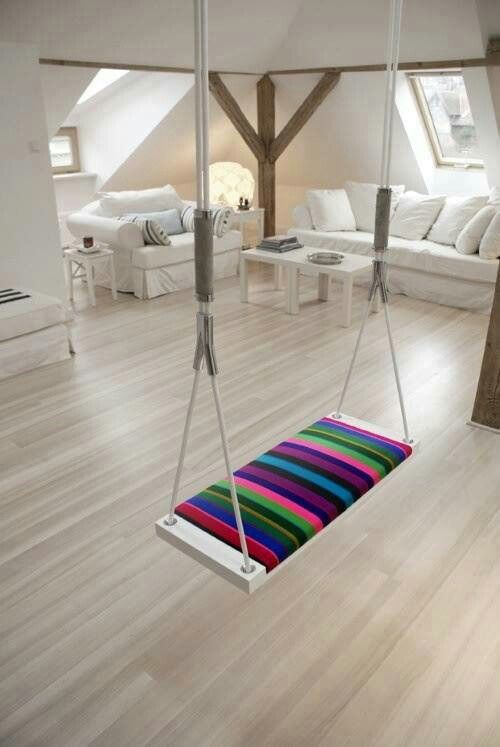
Indoor swings are not reserved for children’s rooms. A hanging chair, porch-style wood swing, or soft fabric seat suspended from a sound ceiling can turn a living-room corner, bedroom nook, or sunroom into a place that invites slow rocking after a long day. The pleasure is obvious: gentle motion, a seat that feels different from every sofa, and a visual focal point that softens a hard-edged room. The obligation is less glamorous. A swing is a moving human load hung from structure you usually cannot see, so style comes after attachment, clearance, and honest weight math.
Pick the swing for the job the room actually has
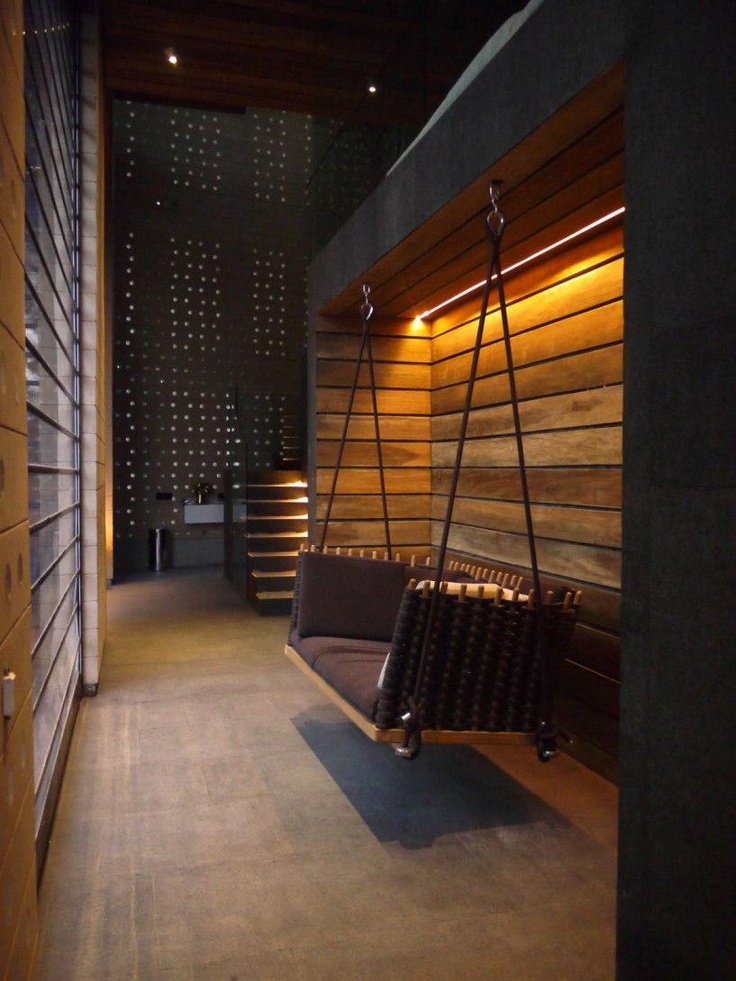
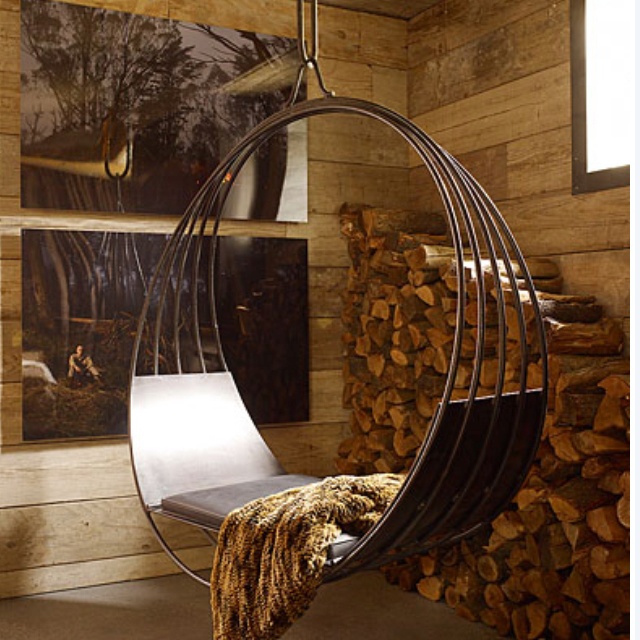
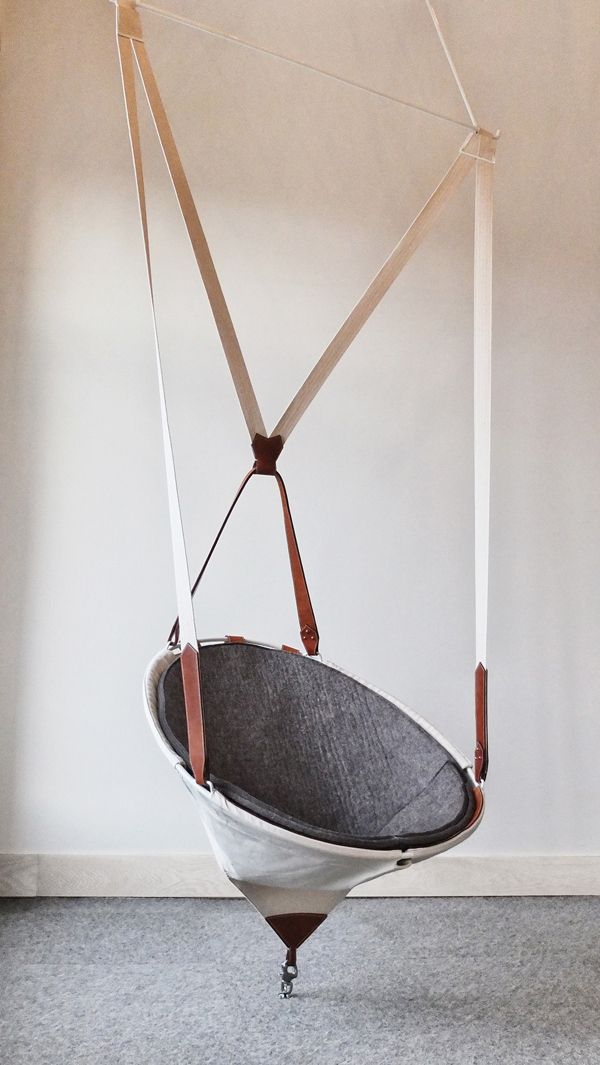
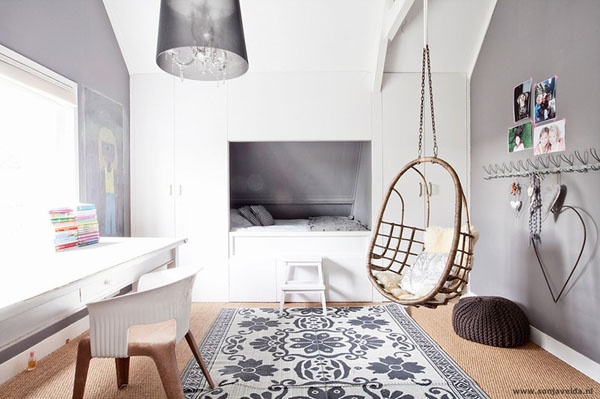
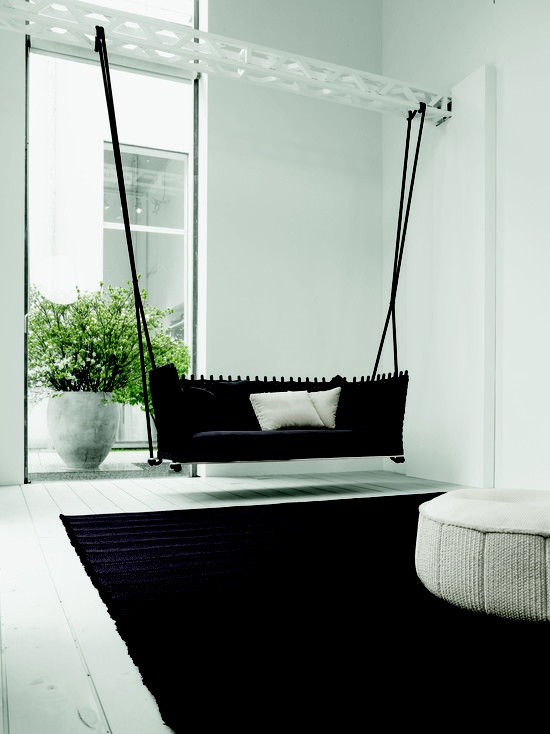
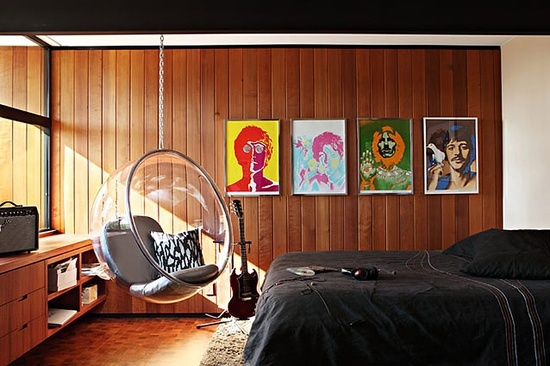
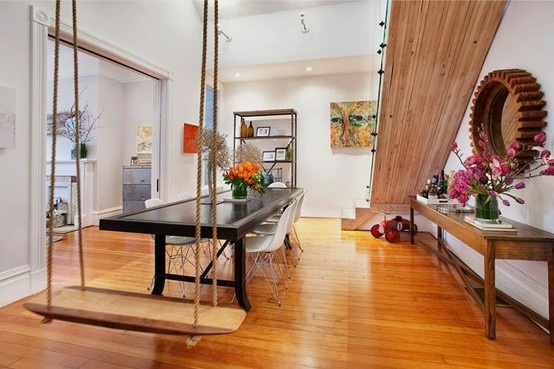
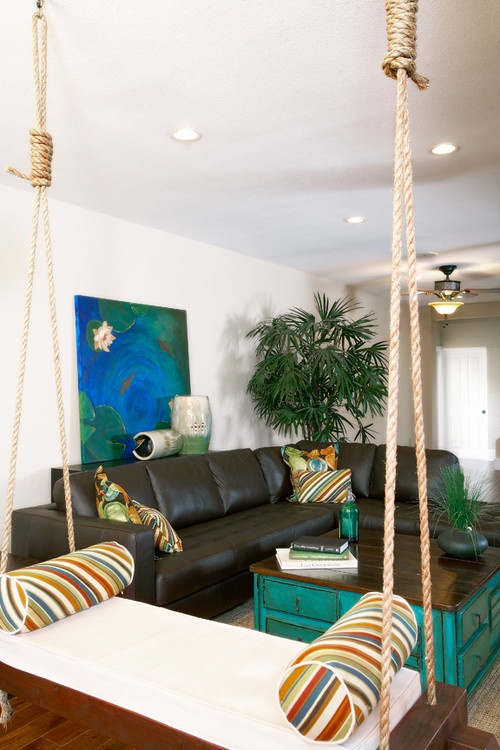
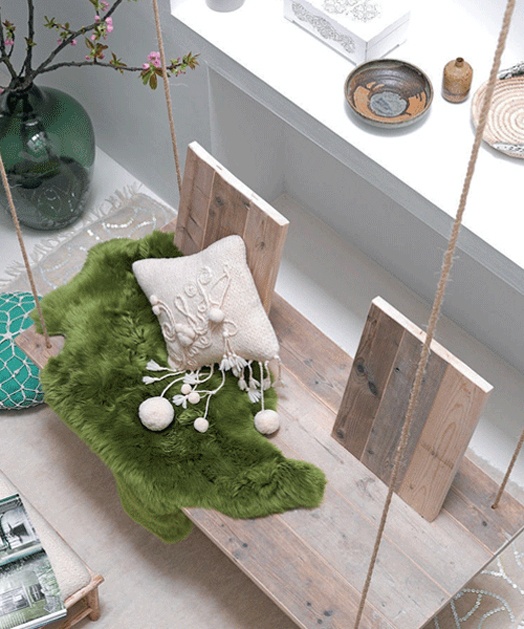
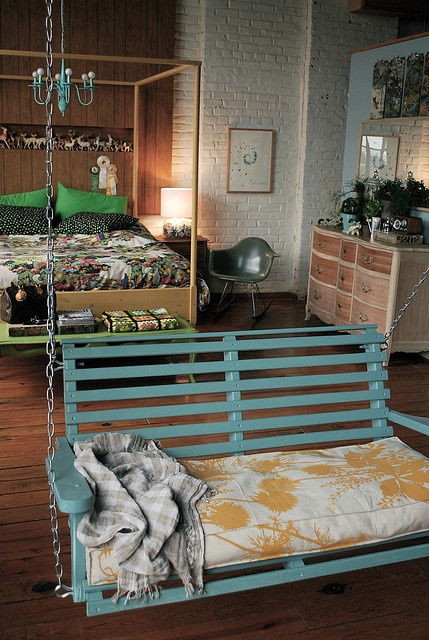
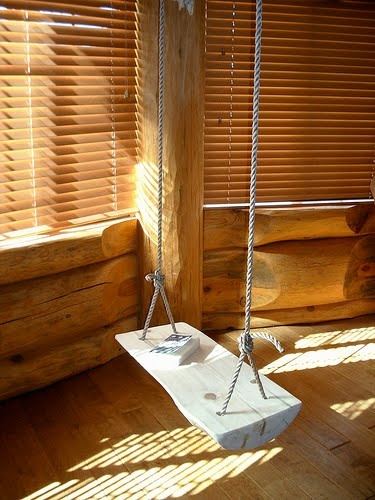
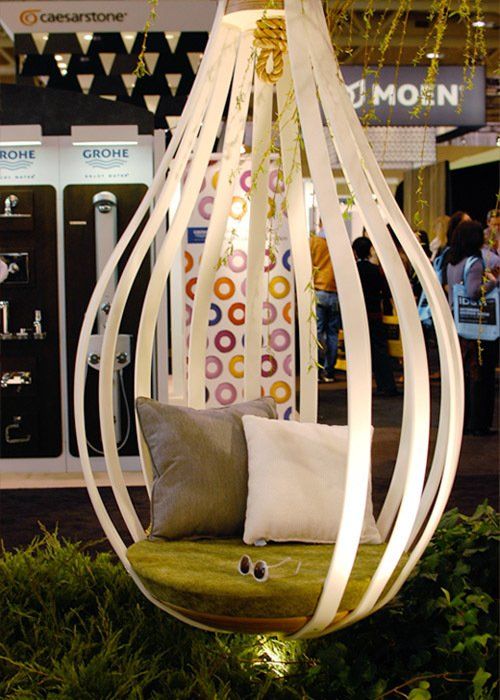
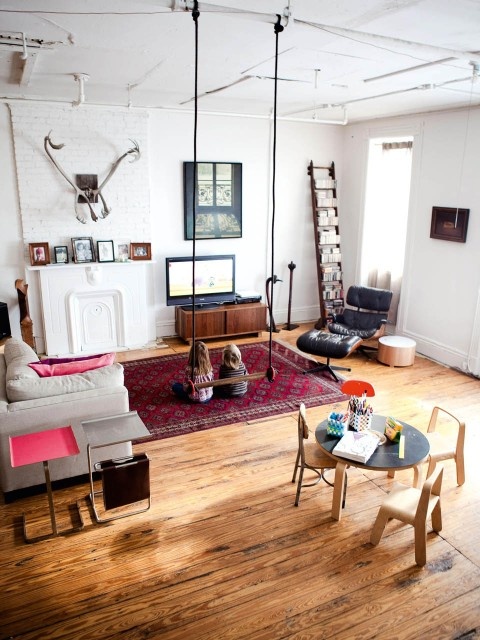
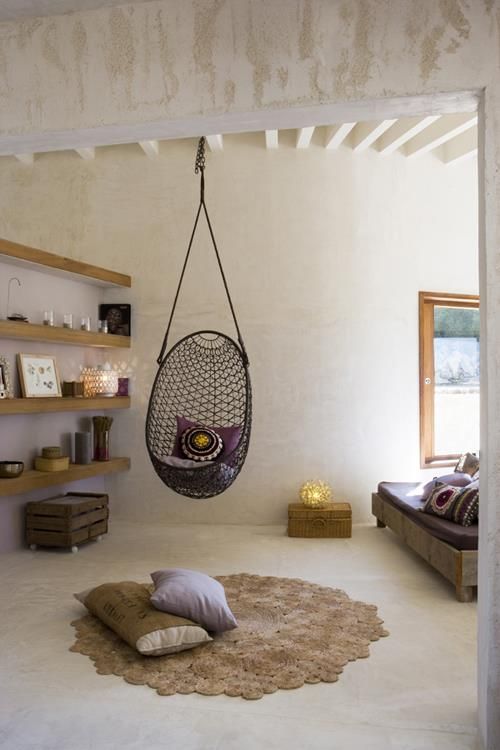
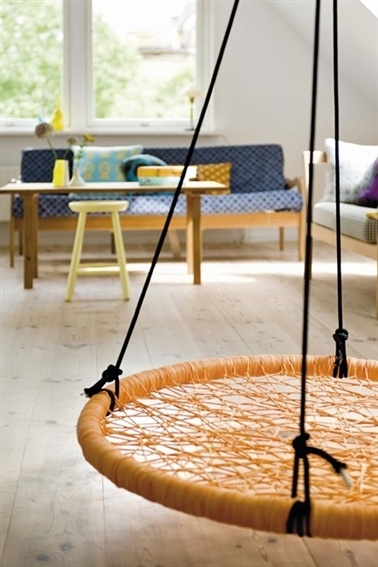
Begin with use, not a catalog mood board. A reading swing wants depth, side support, and nearby lamp space so you can sit down with a book and stay. A kids’ play swing wants durable fabric or wood, rounded edges, and a clear arc with nothing breakable within reach. A sculptural egg chair in a loft may be as much statement as seat—still fine if hardware and clearance match its weight. Hammock-style hangs need length; bowl chairs need width; flat porch swings need a rectangular clear zone and usually two suspension points spaced to match the manufacturer’s geometry.
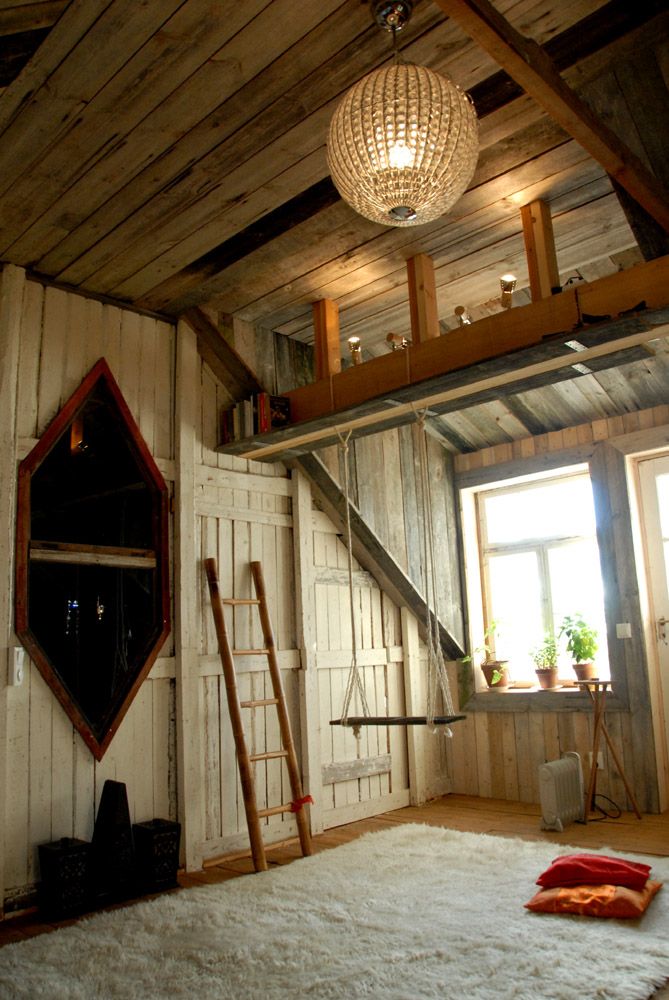
Measure the real room before you buy. Note height from finished floor to structural attachment, width for the seat plus elbows, and swing travel front-to-back and side-to-side. Many disappointments start when a chair that looked perfect in a double-height loft scrapes the floor, hits a wall, or blocks a doorway once hung under an ordinary eight- or nine-foot ceiling. Tape the footprint on the floor for a day and walk around it; if the tape already feels in the way, a swinging object will feel worse.


Practical install criteria
Treat these checks as required, not optional. Skipping them is how pretty chairs become ceiling repairs.
- Attach to real structure. Hang only from a solid joist, beam, or engineered point rated for the load—not drywall, plaster alone, a random hollow-wall toggle, or a decorative ceiling medallion that was never meant to hold a person.
- Account for dynamic load. Add the swing’s weight, the heaviest expected user or users, and extra capacity for bouncing and swinging. Quiet adult rocking is not the same force as a child launching into the seat. Stay within the manufacturer’s rated capacity and treat that number as a ceiling, not a challenge.
- Use overhead-rated hardware. Eye bolts, hangers, carabiners, chain, and rope should be sized for human suspension. Prefer hardware sold for swings or hammock chairs. Skip plant hooks, cup hooks, and thin decorative screws that look fine until the first hard sit.
- Center on the joist when possible. Verify location with a reliable finder and confirm before you commit to a large hole. Older homes hide surprises in joist direction, spacing, and sistered members. Hitting the edge of a joist is not the same as capturing the full width.
- Protect the ceiling finish. A proper plate or washer spreads bearing and reduces tear-out. Where appropriate, soft stops or dampers can lessen shock on the structure without turning the seat into a bungee ride.
- Map the full arc. The swing must not strike windows, glass tables, sharp hearths, stair openings, or pendant lights. Pathways should still work when the seat hangs at rest, including for people who are not looking up while they walk.
- Think about floors and neighbors. Dragging seats scuff hard floors; energetic swinging transmits thud through apartments. Rugs cushion feet; they do not fix a weak mount or replace rated hardware.

When to call a professional
Bring in a qualified contractor, structural engineer, or experienced installer if any of these apply. Ambition is not a substitute for knowing what is above the drywall.
- You cannot confidently locate and verify a joist or beam.
- The ceiling is concrete, metal deck, cathedral framing, a soffit, or a finished assembly with unknown cavities.
- The home is an apartment or condo with lease rules, insurance limits, or shared structure above.
- The seat is heavy, built for two people, or meant for energetic kids’ play rather than gentle adult rocking.
- You need a new beam, sistered joists, or a reinforced blocking box above the ceiling.
- Radiant heat, plumbing, or electrical runs through the hang zone.
A site visit costs less than a failed anchor, a cracked ceiling, or an injury. If product instructions assume wood joists and your ceiling is something else, stop and get advice instead of improvising with hardware-store guesses.
Styling that still respects physics
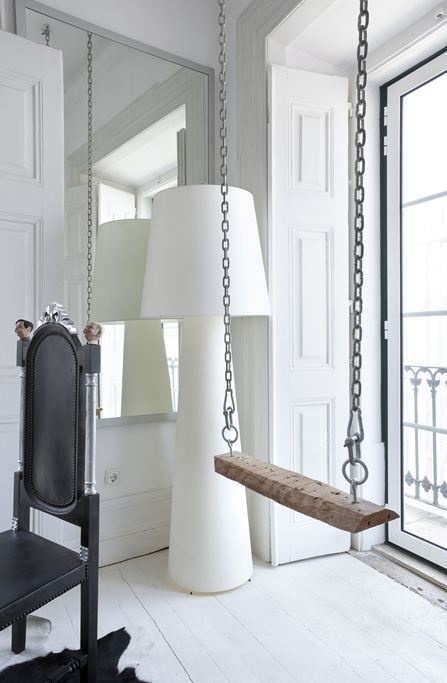
Once the hang point is trustworthy, design becomes enjoyable. Natural-fiber seats and macramé soften modern rooms. Leather or molded chairs read more lounge than playground. A wood porch swing indoors can bring porch calm into a sunroom—if clearance allows. Pair the seat with a floor lamp and a small side surface so it becomes a destination rather than an obstacle you walk around twice a day. Keep surrounding furniture low and soft-edged inside the swing radius.
Color can calm or contrast: oatmeal canvas and pale wood for quiet, deep green or charcoal for drama. In kids’ rooms, washable covers matter more than trend colors. In adult rooms, look at the hardware when the seat is empty; ugly chain can be sleeved or replaced with a finish that matches lighting so the empty chair still looks intentional.
Rooms that host swings well usually have spare volume—higher ceilings, open corners, or a bay that can donate floor space. Tight rooms can still work with a compact hanging chair and a short arc if you are honest about how far the seat will travel. When ceiling work feels uncertain, a freestanding hanging-chair frame trades some floating magic for simpler safety and easier moves between homes.
Living with the swing day to day
Set house rules early. Indoor swings are for sitting and gentle motion unless the product and install were designed as play equipment. Inspect hardware on a schedule for loosening, fray, rust, or cracks radiating from the anchor. Soften landings with a rug, but never treat flooring as structural insurance. If you move, repair the ceiling properly so the next household does not inherit a hidden weak point behind fresh paint.
Revisit capacity when life changes—new housemates, heavier chairs, or toddlers who treat every seat as a launch pad. What was safe for quiet evening reading may need reinforcement, relocation, or retirement when play energy rises. The best indoor swings disappear into the room’s routine: someone sits, rocks, reads, and gets up without anyone thinking about joists. That calm is earned upstream, in the boring checklist.







Weekend readiness list
- Swing type matched to reading, lounging, or play—not to a photo alone.
- Verified joist or beam and rated hardware ready before the drill comes out.
- Clear arc marked on the floor with tape so collisions are visible in advance.
- Professional help lined up if the ceiling type is unknown or nonstandard.
- House rules and a recurring hardware check written where the household can see them.
Hang the chair only after that list feels dull and complete. The relaxing part—book open, feet off the floor, slow arc under a lamp—starts when the bolts are already boringly trustworthy.

Comments
Continue reading

Garden Decoration Beyond Beds: Lace, Mosaiculture, and Upcycled Yard Art
From dressed topiary and floral cyclists to license-plate dragonflies and lace between trees—garden decorations that give a yard a voice.
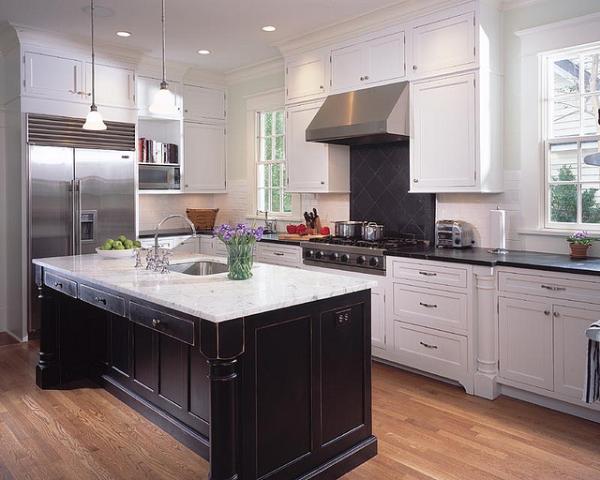
Kitchen Design Ideas: Layout, Storage, Light, and Finishes That Work
Practical kitchen design ideas—work zones, cabinetry, lighting, and durable finishes—so inspiration translates into rooms that cook and gather well.
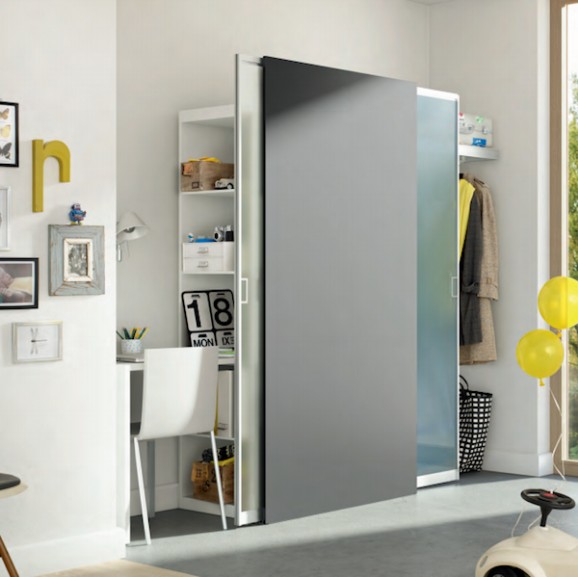
25 Cool Room Partition Ideas That Actually Divide Space
From frosted sliders and pallet screens to book towers and branch walls—twenty-five ways to carve rooms without building solid walls.