
Which Flowers Fit Which Occasions?
A clear occasion map for flower gifts—Valentine’s, funerals, birthdays, anniversaries, and a simple method so meaning matches the person, not only the symbol chart.
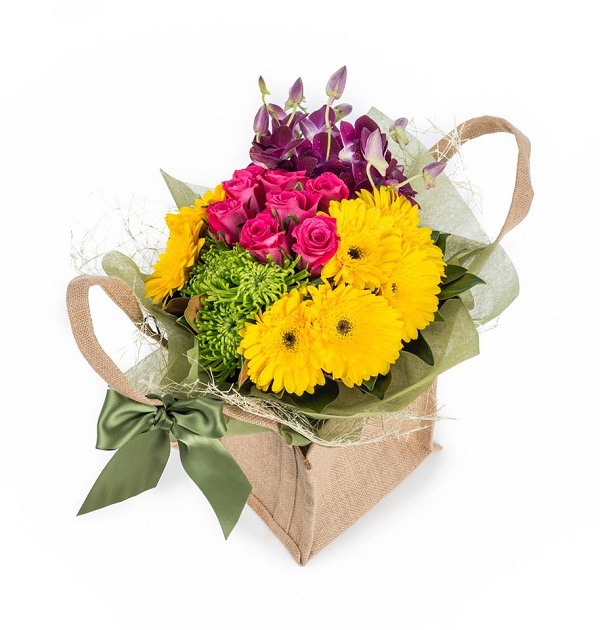
Flowers carry different meanings, and that is a large part of what makes them feel beautiful to give. A bouquet is never only color and scent; it is also a small public message. When you buy flowers for someone, the arrangement has to fit the occasion—otherwise even a stunning bunch can send the wrong signal. Red roses are gorgeous, yet if you hand them to a friend for a birthday, do not be surprised if they wonder whether you meant something more than cake and candles.
This guide walks through common occasions and the flowers that usually suit them. Use it as a starting map, not a rigid rulebook: personal favorites, cultural traditions, and the recipient’s taste always outrank a generic symbol chart.
Valentine’s Day
Valentine’s Day is the occasion most people already associate with a single flower: the red rose. From one stem to a full bouquet, red roses remain a clear way to say “I love you.” Quantity can amplify the message—some traditions treat a large count of red roses as a gesture of deep or unconditional devotion—but sincerity matters more than arithmetic. A carefully chosen smaller bunch often lands better than a rushed dozen with no thought behind it.
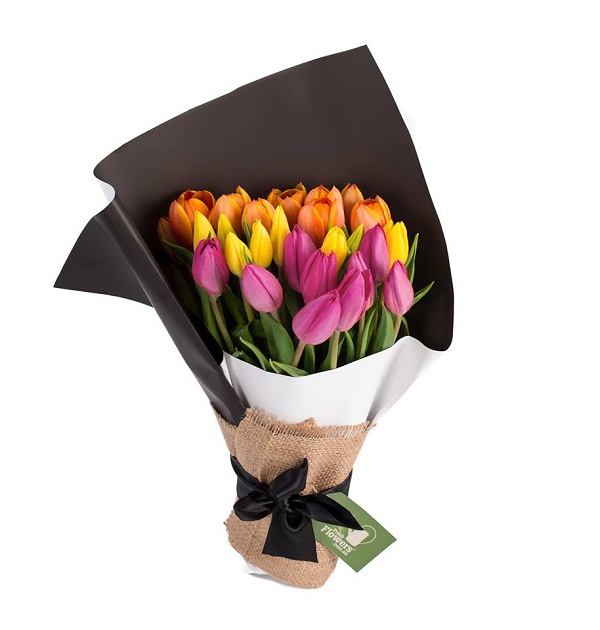
Not everyone wants the obvious choice. Tulips, especially in red or deep pink, offer an elegant alternative associated with perfect or deep affection. Orchids suggest beauty with a more exotic, intimate edge and suit partners who prefer sculptural blooms over classic garden roses. Soft pinks and creams can dial the romance down to tenderness without losing the holiday mood.
If you are unsure about intensity, match the flower to the relationship stage. New relationships may prefer playful mixed bouquets. Long partnerships can handle classic red or a meaningful non-rose favorite the other person has mentioned for years.
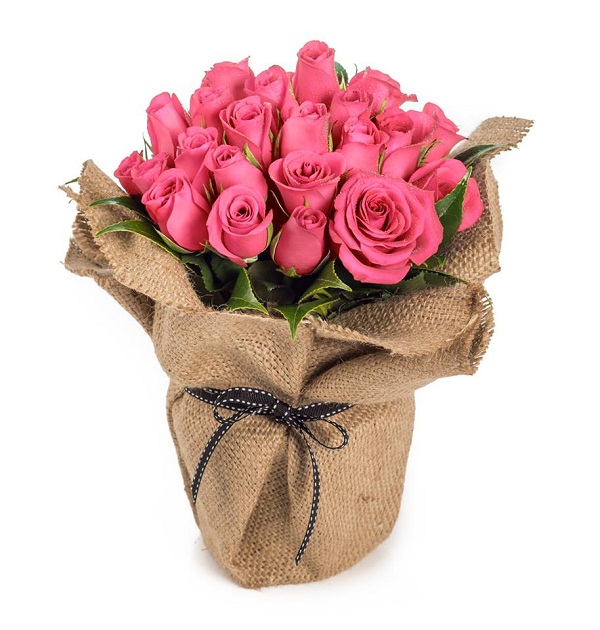
Practical Valentine tips:
- Order early; quality and stem length drop when shops are stripped.
- Ask for blooms that will open over a few days, not only fully blown roses that peak overnight.
- Include a note that names the feeling—flowers amplify words; they rarely replace them.
Funerals and condolences
Sympathy flowers ask for care more than creativity. The last thing you want is to offend someone while trying to comfort them. Soft neutrals and pastel shades are the safest default. White lilies are widely associated with funerals and remembrance. White roses, carnations, chrysanthemums, gladioli, and snapdragons also appear often in funeral work because they read as respectful and composed.
Some families prefer brighter arrangements as a celebration of a life rather than a purely solemn statement. Vibrant, sunny colors are sometimes chosen for the death of a child or for a person known for joyful, colorful living. When you do not know the family’s wishes, pastel and white remain the kinder guess. Wreaths, sprays, and standing arrangements are typically for the service itself; smaller baskets or vase arrangements are often better for the home.
Before you send:
- Check the obituary or funeral notice for flower requests or charity preferences.
- Avoid heavily romantic red-rose statements unless you know that language is welcome.
- Keep fragrance moderate for indoor wakes; strong lilies can overwhelm a closed room.
- Sign the card clearly so the family can thank the right person later.
Birthdays
Birthday flowers are the freest category. You can let personality lead. If your friend or relative has a favorite flower, start there. If you do not know, choose blooms associated with cheer, energy, and celebration rather than solemn romance.
Gerbera daisies are a strong birthday default: bright, friendly, and available in many colors. They symbolize cheerfulness without the heavy romantic code of red roses. Pink, yellow, and orange tulips also work well together—pink for affection and friendship, yellow for happiness, orange for enthusiasm. Mixed garden bouquets with seasonal color feel generous and personal.
Skip the Valentine script unless the birthday person is also your partner and expects that tone. A friendship birthday is better served by playful color than by a dozen red roses that need explaining.
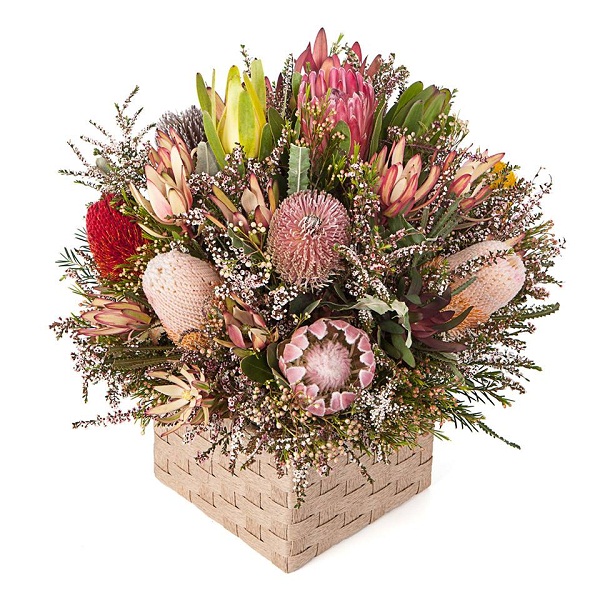
Birthday selection shortcuts:
- Favorite color of clothing or home decor often beats abstract flower meanings.
- Allergy-aware households appreciate low-pollen choices and lighter scent.
- Add something lasting—a small plant or a vase—if the person travels often and cuts flowers go unused.
Anniversaries
Anniversary flowers sit between romance and ritual. Many couples still enjoy the classic love flowers—roses above all—but there is also a traditional flower tied to many anniversary years. Those lists vary by culture and source, yet they give a useful creative prompt when you want more than default red.
One widely circulated set of anniversary flowers looks like this:
- 1st — Carnations
- 2nd — Lilies of the valley
- 3rd — Sunflowers
- 4th — Hydrangeas
- 5th — Daisies
- 6th — Calla lilies
- 7th — Freesias
- 8th — Lilacs
- 9th — Bird of paradise
- 10th — Daffodils
- 20th — Asters
- 25th — Irises
- 30th — Lilies
- 40th — Gladioli
- 50th — Yellow roses and violets
Interesting detail: the rose, so often treated as the universal love flower, is also linked in some lists to a fifteenth anniversary—proof that even “obvious” flowers have layered calendars behind them. Use the year flower as an accent or theme rather than a prison. A tenth-anniversary bouquet can feature daffodils among other spring stems; a fiftieth can weave yellow roses and violets into a fuller arrangement the couple will actually display.
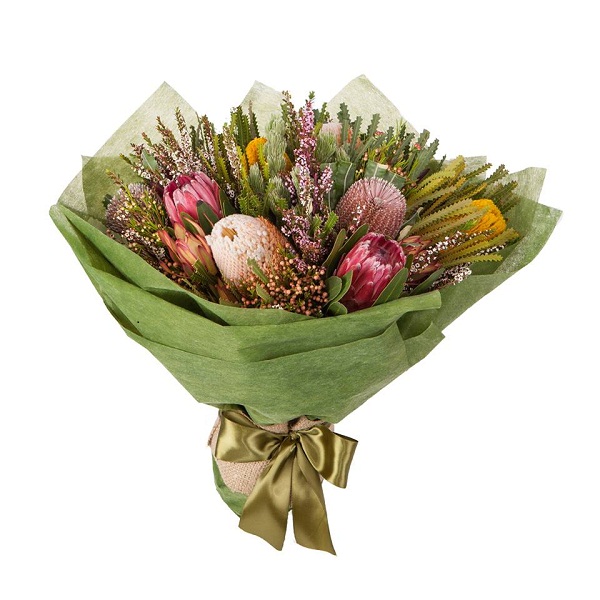
Other occasions worth a quick note
Not every gift day fits the four big categories above. A few extra patterns help:
- New baby. Soft pastels, gentle fragrance, and arrangements that are easy to care for during sleepless weeks. Avoid imposing a gender cliché if the parents have not asked for one.
- Get well. Bright, uplifting color; sturdy flowers that last; nothing so fragrant it bothers a recovering person.
- Thank you / host gift. Mixed seasonal bunches or a simple plant; keep romance low unless the relationship is romantic.
- Graduation or new job. Energetic color, sunflowers or bold gerberas, clean modern wraps.
A simple decision method
When you are stuck in front of a florist’s cooler, run four questions:
- What is the occasion’s emotional temperature—romance, grief, celebration, thanks?
- What colors live in the recipient’s home or wardrobe?
- Are there cultural or family flower rules I should respect?
- Will these stems last long enough to feel like a gift rather than a one-day gesture?
If the answers conflict, prioritize the recipient’s known taste over the most famous symbol. Meaning is only useful when it is received as care. A correct flower on paper that the person dislikes is still the wrong flower in the room.
Choose with the occasion in mind, then choose with the person in mind. When both align, the bouquet does what flowers are best at: saying something kind without needing a long speech.

Comments
Continue reading
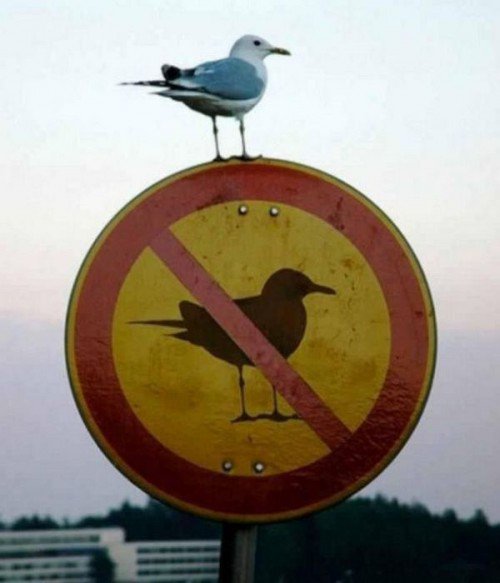
Funny Animal Signs That Warn People (While Animals Ignore Them)
From a seagull on a no-birds disc to classic zoo and park ironies—why animal warning signs get funny, and what the rules are still for.
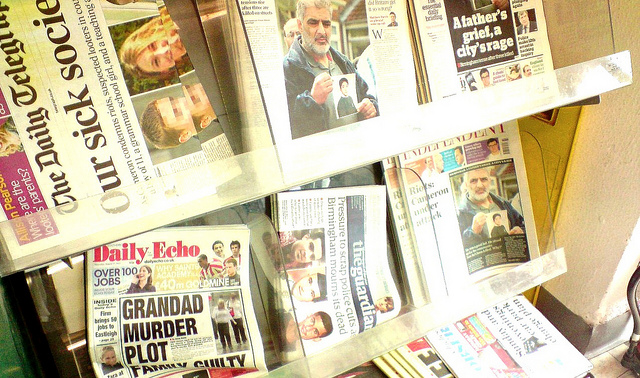
How to Find Local Amenities on Vacation: Mechanics, Haircuts & More
Locate trustworthy local services and everyday spots while traveling or settling in—using publications, reviews, map apps, neighbor tips, and low-pressure exploration.
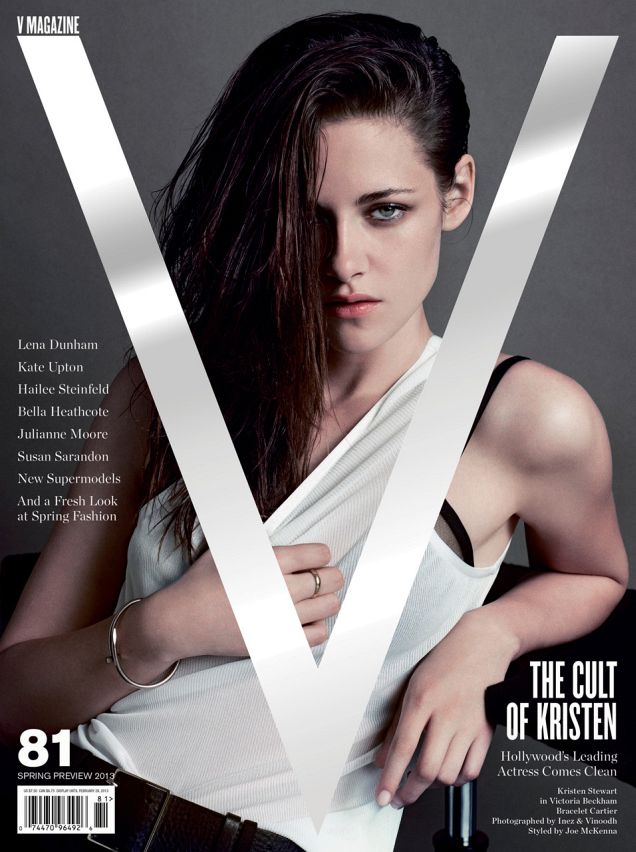
Kristen Stewart for V Magazine, Spring Preview 2013
V81’s Wild at Heart cover story—Kristen Stewart shot by Inez & Vinoodh, styled by Joe McKenna, in pale minimal spring glamour.